


Destination Guide
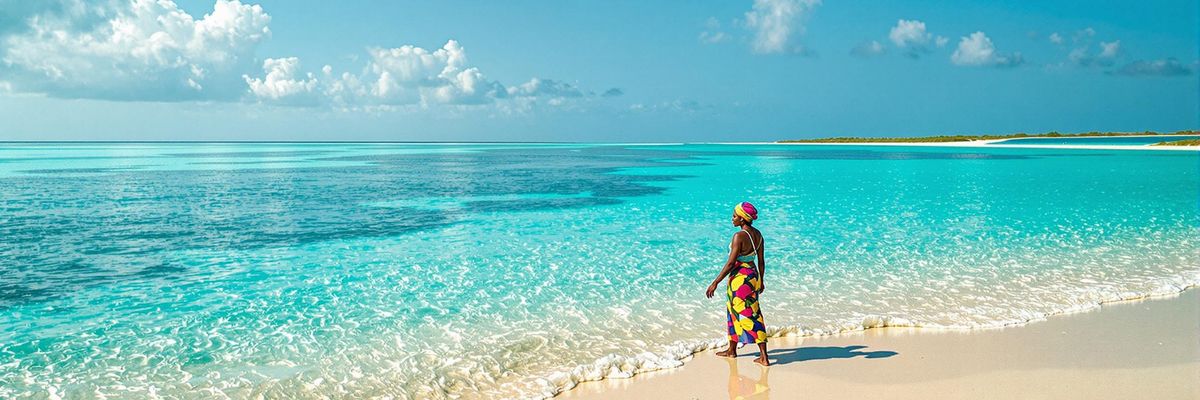
Xai-Xai: A Coastal Retreat
Relax on the beaches and explore the reefs of Xai-Xai.
View More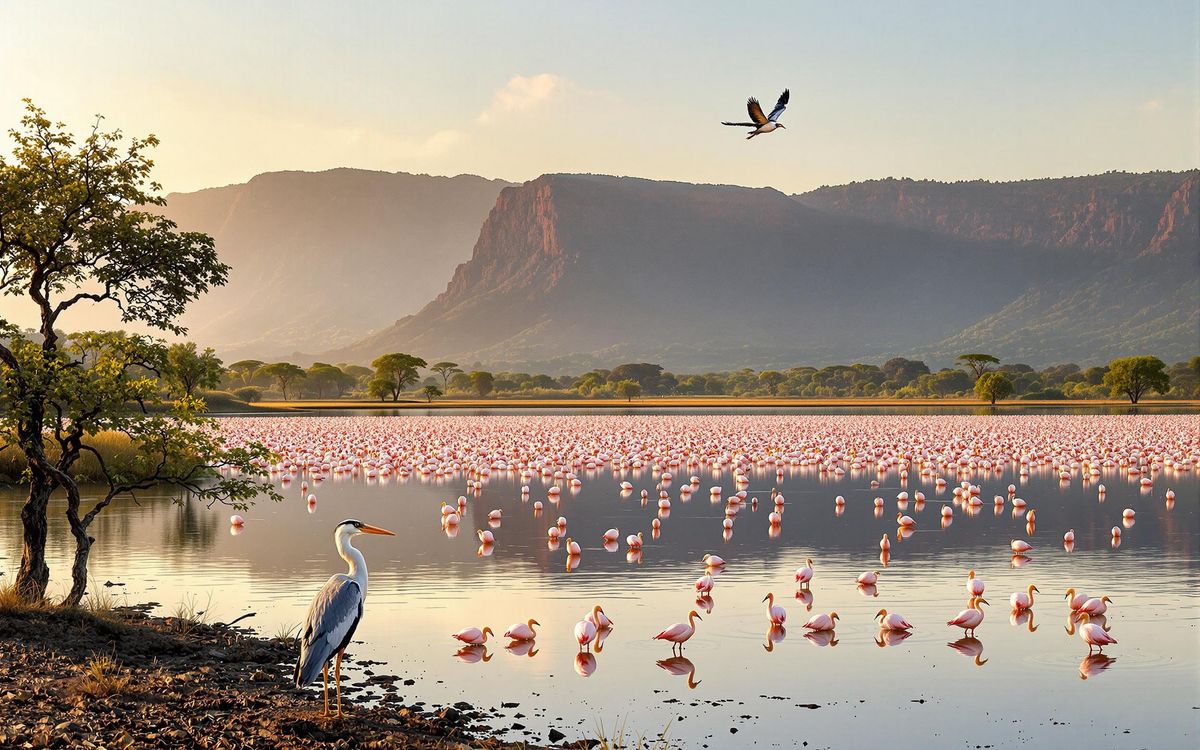

May in Lake Manyara National Park is a vibrant tapestry of life, where the symphony of nature plays out in full swing, offering an unforgettable experience for birdwatchers and nature enthusiasts alike.
Nestled at the base of the Great Rift Valley escarpment, approximately 126 km (78 mi) southwest of Arusha, Lake Manyara National Park transforms into a birdwatcher's paradise in May. As the long rains taper off, the park awakens with renewed vigor, drawing migratory birds from Europe and North Africa, adding to the already impressive resident population. The weather in May is pleasantly warm, with average temperatures ranging from 58°F (15°C) to 77°F (25°C), creating a comfortable environment for exploration. The humidity is high, around 90%, but the breeze keeps the air fresh.
The air is filled with a cacophony of sounds – the chirping of countless birds, the rustling of leaves in the groundwater forests, and the distant calls of primates. The landscape is a visual feast, with lush greenery contrasting against the alkaline lake, creating a haven for diverse birdlife. The Great Rift Valley Escarpment provides a dramatic backdrop, its rusty-gold cliffs rising majestically.
As you traverse the park, the senses are overwhelmed by the sheer diversity of life. The sweet scent of acacia blossoms fills the air, mingling with the earthy aroma of the damp soil. The sight of thousands of flamingos painting the lake in hues of pink is simply breathtaking. May in Lake Manyara is a time of abundance, a celebration of nature's beauty and resilience.
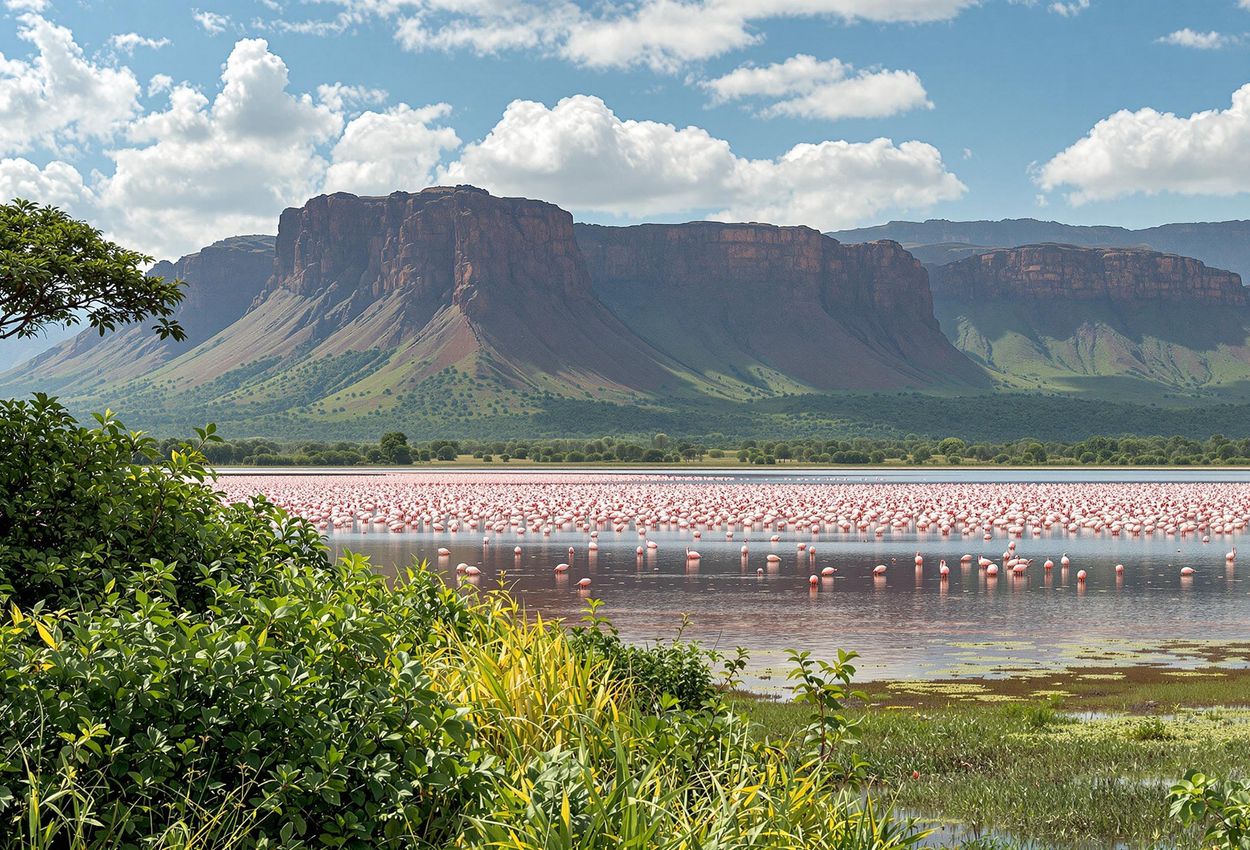
Flamingo Flocks: A Pink River Flowing Through Manyara
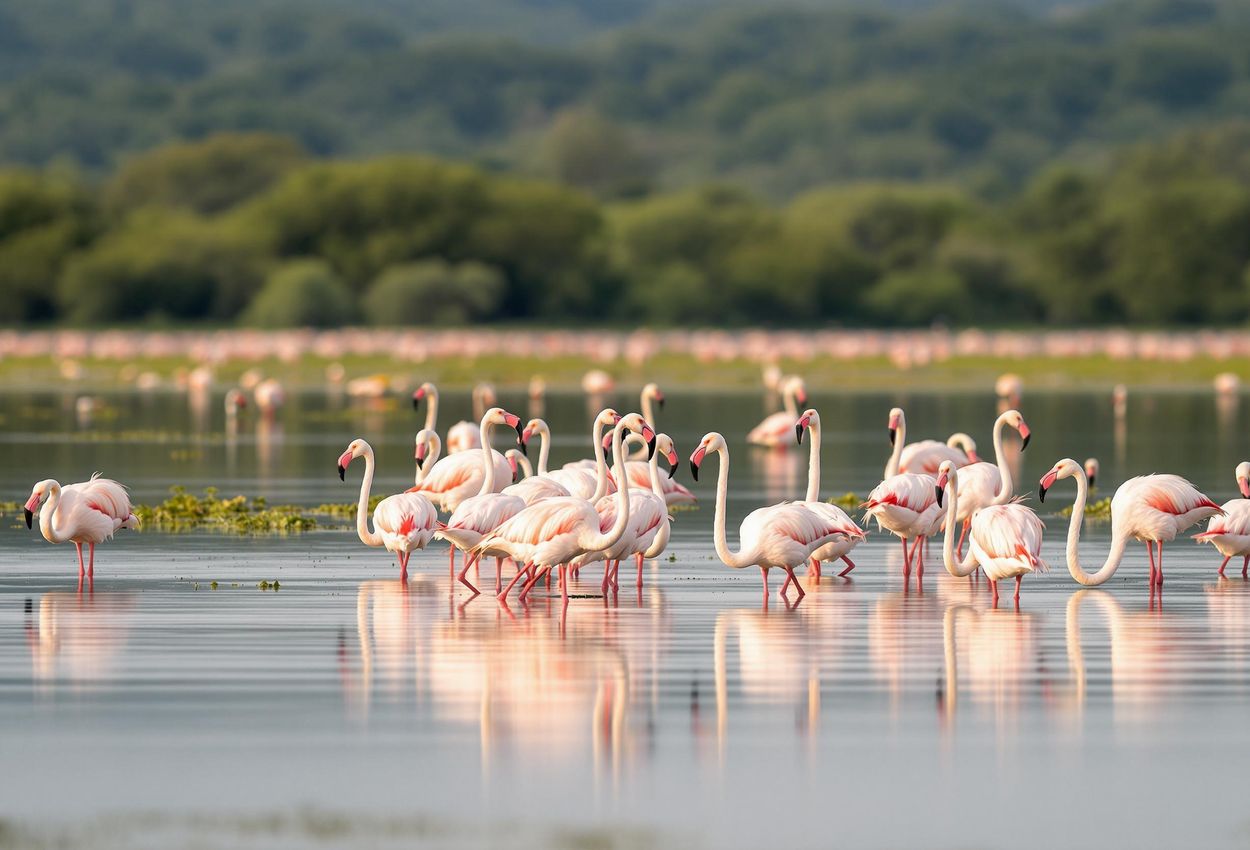
Lake Manyara's flamingo population is one of its most iconic features, often numbering over one million. The lake attracts both Greater and Lesser flamingos, creating a mesmerizing spectacle of pink. These elegant birds thrive on the spirulina algae found in the alkaline waters of the lake.
The flamingos' feeding habits play a crucial role in the lake's ecosystem. As they filter-feed, they stir up the algae, preventing it from becoming too dense and maintaining the water's clarity. Their presence also has a visual impact on the landscape, transforming the lake into a 'pink river' that stretches as far as the eye can see.
Interestingly, flamingos are not born pink. Their feathers are initially greyish-white, and they acquire their characteristic pink hue from the carotenoid pigments in their diet of algae and small crustaceans. The intensity of their pink coloration is an indicator of their health and diet.
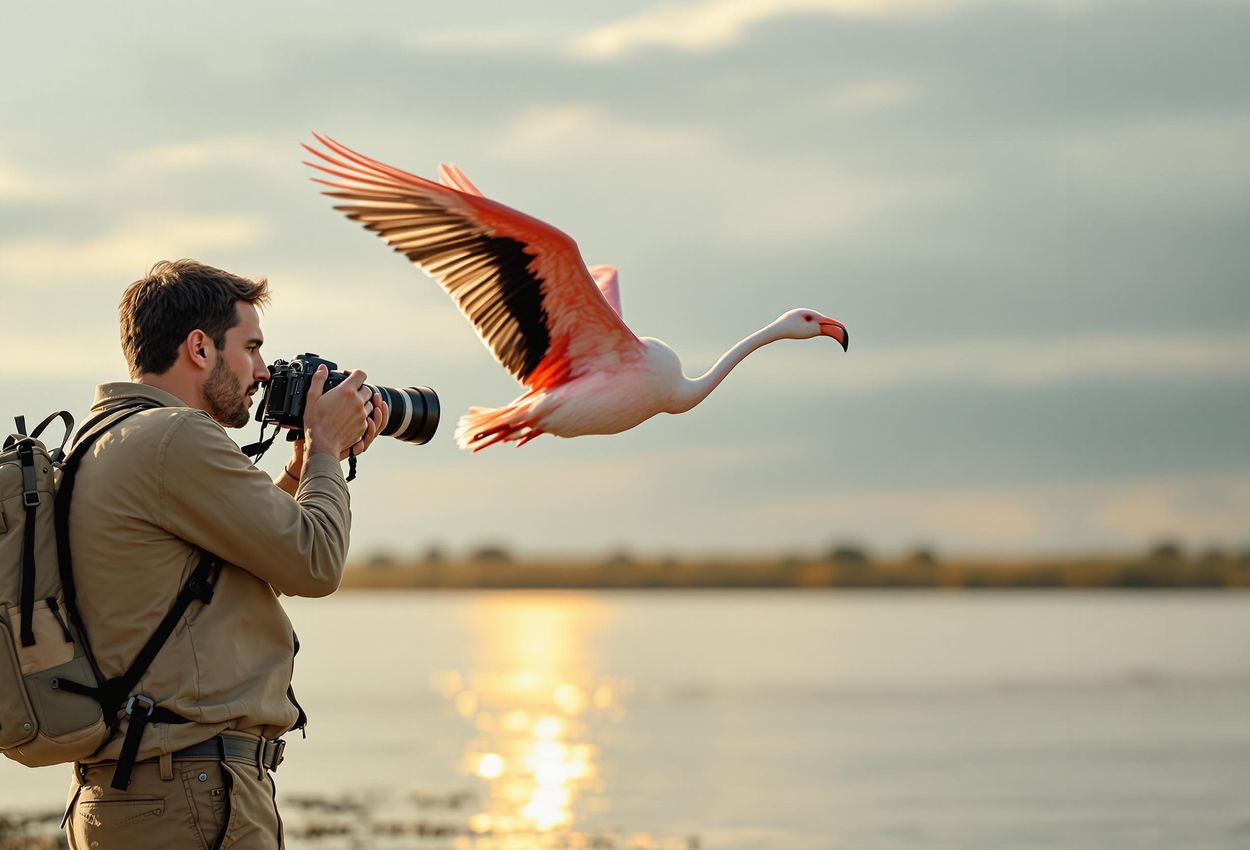
Flamingos are highly social birds, often gathering in large flocks for protection and breeding purposes. Their synchronized movements and graceful postures are a joy to behold, making them a favorite subject for photographers and wildlife enthusiasts. Watching these birds take flight, their pink wings against the blue sky, is an experience that embodies the magic of Lake Manyara.
Beyond the Pink: Unveiling Manyara's Avian Wonders
While flamingos may steal the show, Lake Manyara National Park boasts a remarkable array of other bird species. The park is home to over 400 species, making it a haven for birdwatchers. From majestic raptors to colorful songbirds, the avian diversity is truly astounding.
One of the most iconic birds is the African fish eagle, whose distinctive call echoes across the lake. These powerful birds of prey can be seen perched atop trees, scanning the water for their next meal. Other notable species include yellow-billed storks, pelicans, cormorants, and herons, each adding their unique charm to the park's ecosystem.
The Silvery-cheeked Hornbill, a large species of hornbill, is also a common sight. Its loud calls and distinctive appearance make it a favorite among birdwatchers. Migratory birds from Europe and North Africa are present from November to April, further enriching the park's avian diversity.
Here is a checklist of some common bird species you might encounter:
Exploring Lake Manyara is an auditory and visual delight, offering endless opportunities to discover new and fascinating bird species.
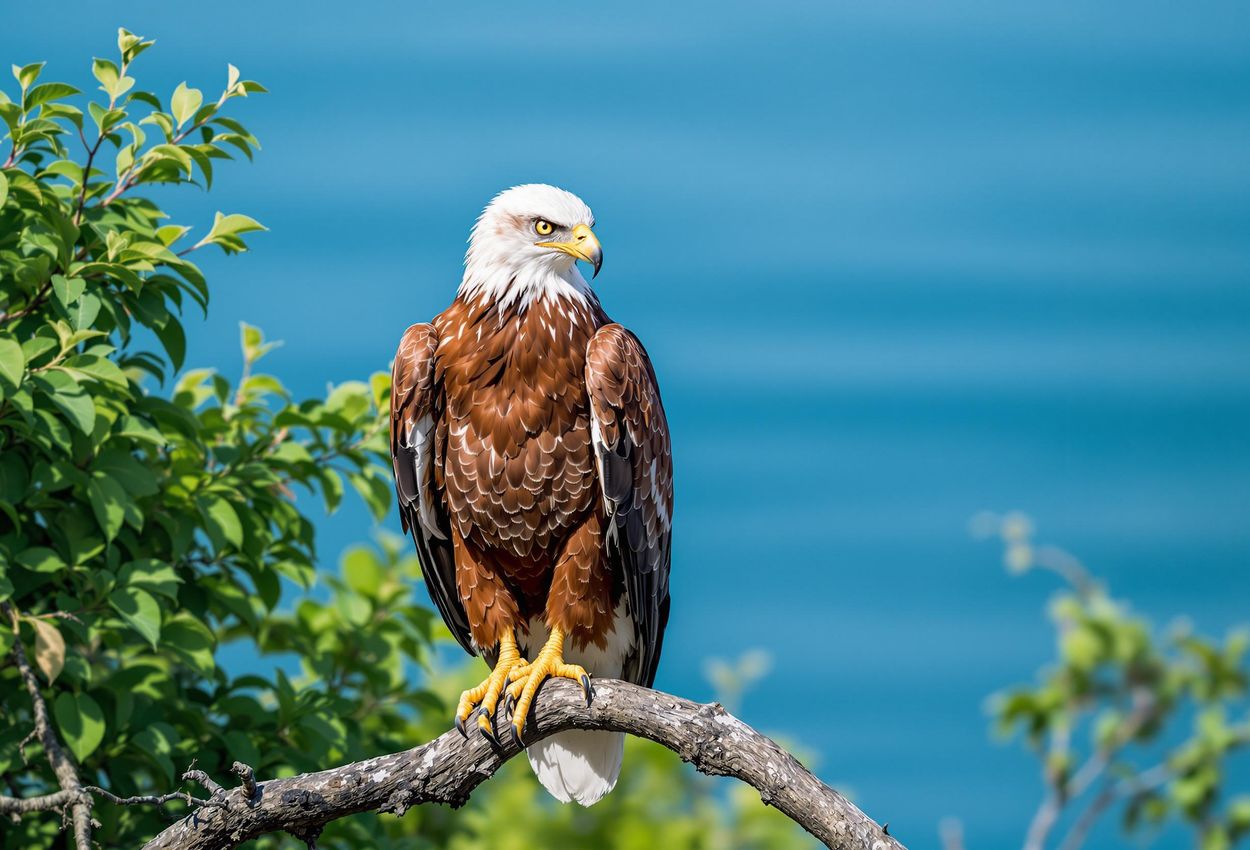
Habitats: Where Birds Thrive
The diverse habitats of Lake Manyara National Park are key to its rich birdlife. The park's varied ecosystems provide a haven for different bird species, each adapted to its specific environment.
The groundwater forests are home to a variety of forest-dwelling birds, such as the Silvery-cheeked Hornbill, Narina Trogon, Crowned Hornbill, Schalow's Turaco, Emerald Cuckoo, Crowned Eagle and ground dwelling Crested Guineafowl. These forests provide shelter and sustenance for these birds, creating a vibrant ecosystem.
The acacia woodlands attract a different set of birds, including Long-tailed fiscal, the rare Pangani Longclaw. These woodlands offer a mix of open spaces and cover, providing ideal conditions for birds that prefer a more varied habitat.
The alkaline lake shoreline is the domain of flamingos, pelicans, and other waterbirds. The shallow waters and abundant food sources make it a perfect feeding ground for these species. The lake's fluctuating water levels also create unique habitats, attracting different bird species depending on the season.
The combination of these diverse habitats creates a mosaic of life, making Lake Manyara National Park a true birdwatcher's paradise.
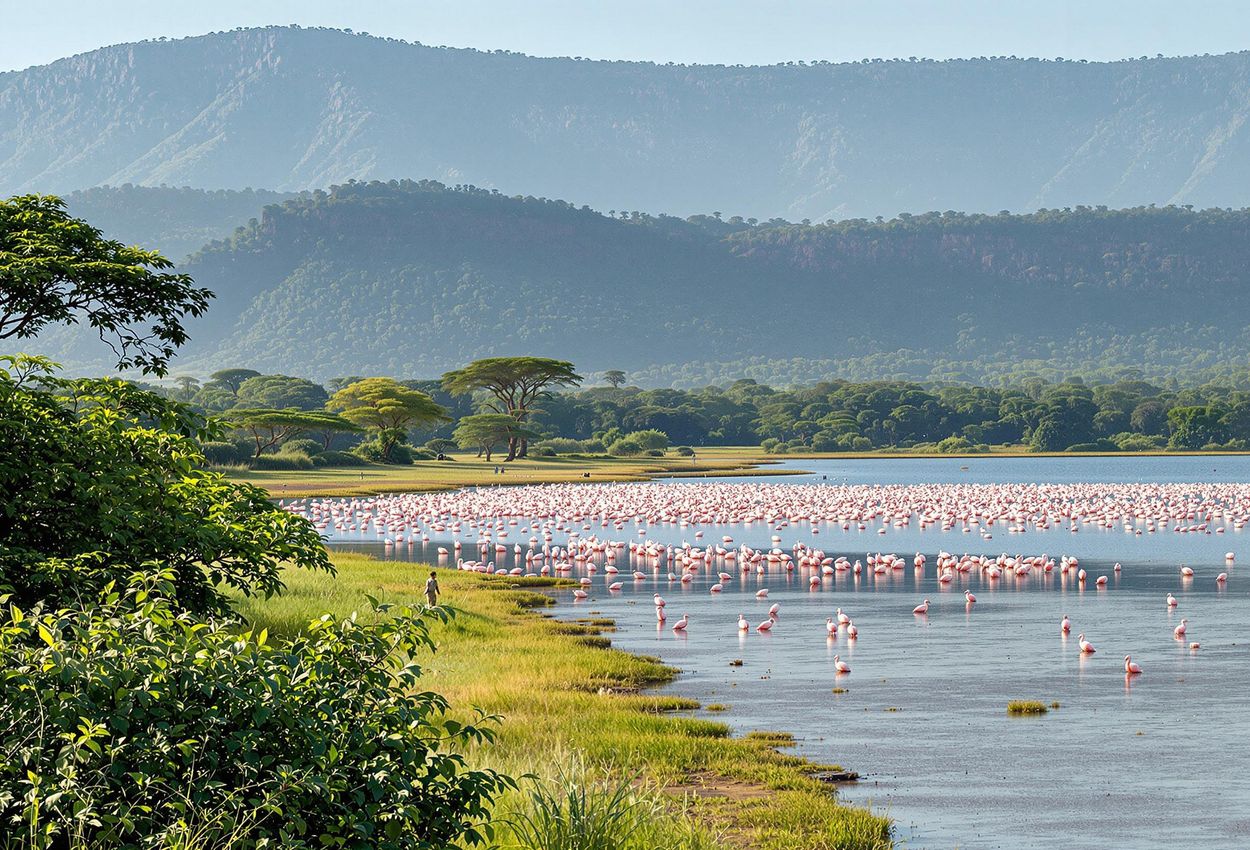
Ethical Encounters: Respecting the Feathered Residents
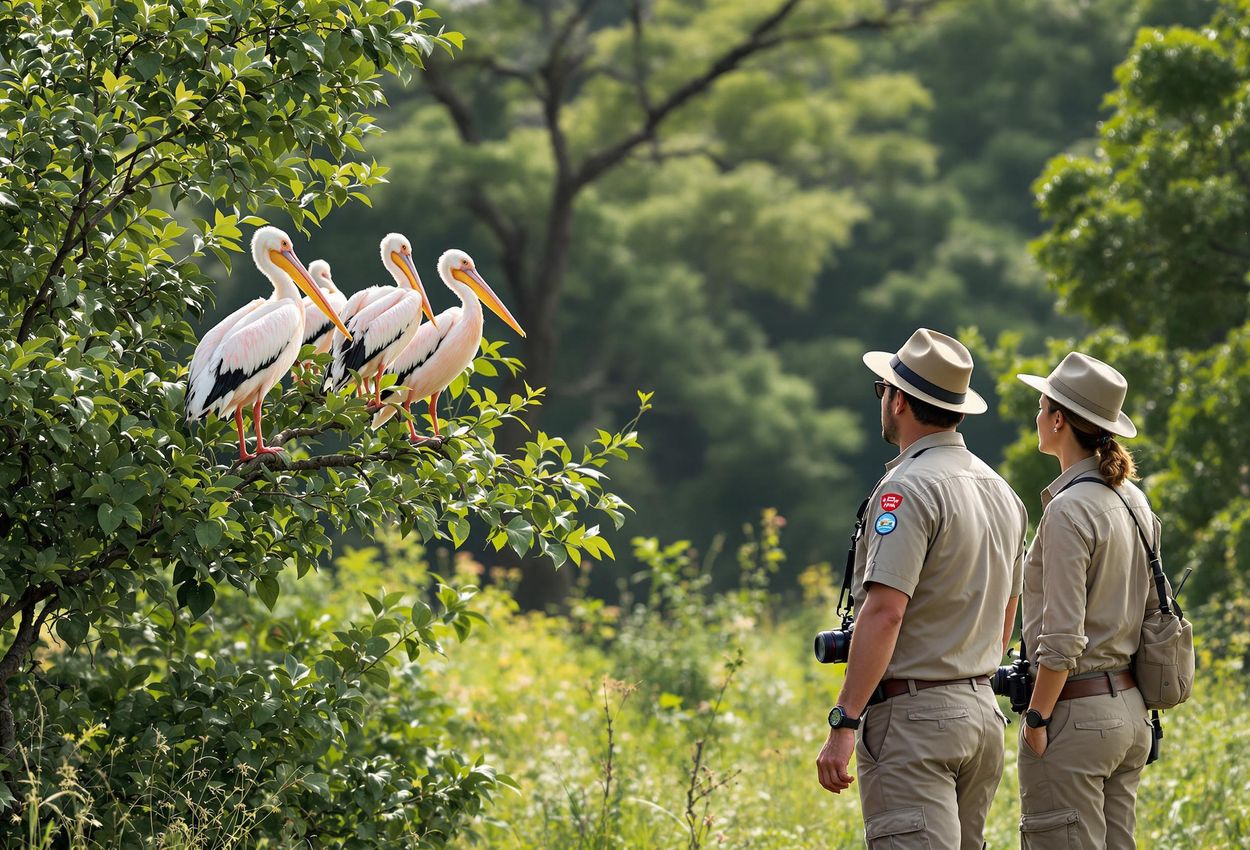
When exploring Lake Manyara National Park, it is crucial to practice ethical wildlife viewing and photography. Respecting the birds and their habitat is essential for their well-being and for preserving the park's natural beauty.
Maintaining a safe distance is paramount. Avoid approaching birds too closely, as this can disturb their natural behavior and cause stress. Using binoculars or telephoto lenses allows you to observe them without intruding on their space.
Avoiding disturbance to their habitat is equally important. Stay on designated trails and avoid trampling vegetation. Refrain from making loud noises or sudden movements, as this can scare the birds away.
Using telephoto lenses is a great way to capture stunning images without getting too close. A lens with a focal length of at least 200mm is recommended. Respecting the birds' natural behavior is key to ethical wildlife viewing. Observe them without interfering, and avoid feeding them, as this can disrupt their natural foraging habits. By following these guidelines, you can ensure that your visit to Lake Manyara National Park is both enjoyable and ethical.
Photographing Paradise: Tips for Capturing Manyara's Birds
Lake Manyara offers incredible opportunities for bird photography. Capturing the beauty and diversity of its avian residents requires a combination of skill, patience, and the right equipment.
Using a fast lens (f/2.8 or faster) is essential for capturing birds in flight and in low-light conditions. A telephoto lens with a focal length of at least 200mm is recommended for getting close-up shots without disturbing the birds. Utilizing the lake's reflective surface can create stunning compositions, especially during the golden hours.
The golden hours, the period shortly after sunrise and before sunset, offer the best light for photography. The soft, warm light enhances the colors of the birds and their surroundings. Applying the rule of thirds can help create more visually appealing compositions. Imagine breaking your scene into nine equal parts with two horizontal and two vertical lines. Position key elements along these lines or at their intersections to create a balanced and engaging image.
Patience is key in bird photography. Spend time observing bird behavior and anticipating their movements. Be prepared to wait for the perfect moment to capture that stunning shot. With the right techniques and a bit of luck, you can capture the magic of Lake Manyara's birds in stunning detail.
Beyond Birding: Other Wonders of Lake Manyara
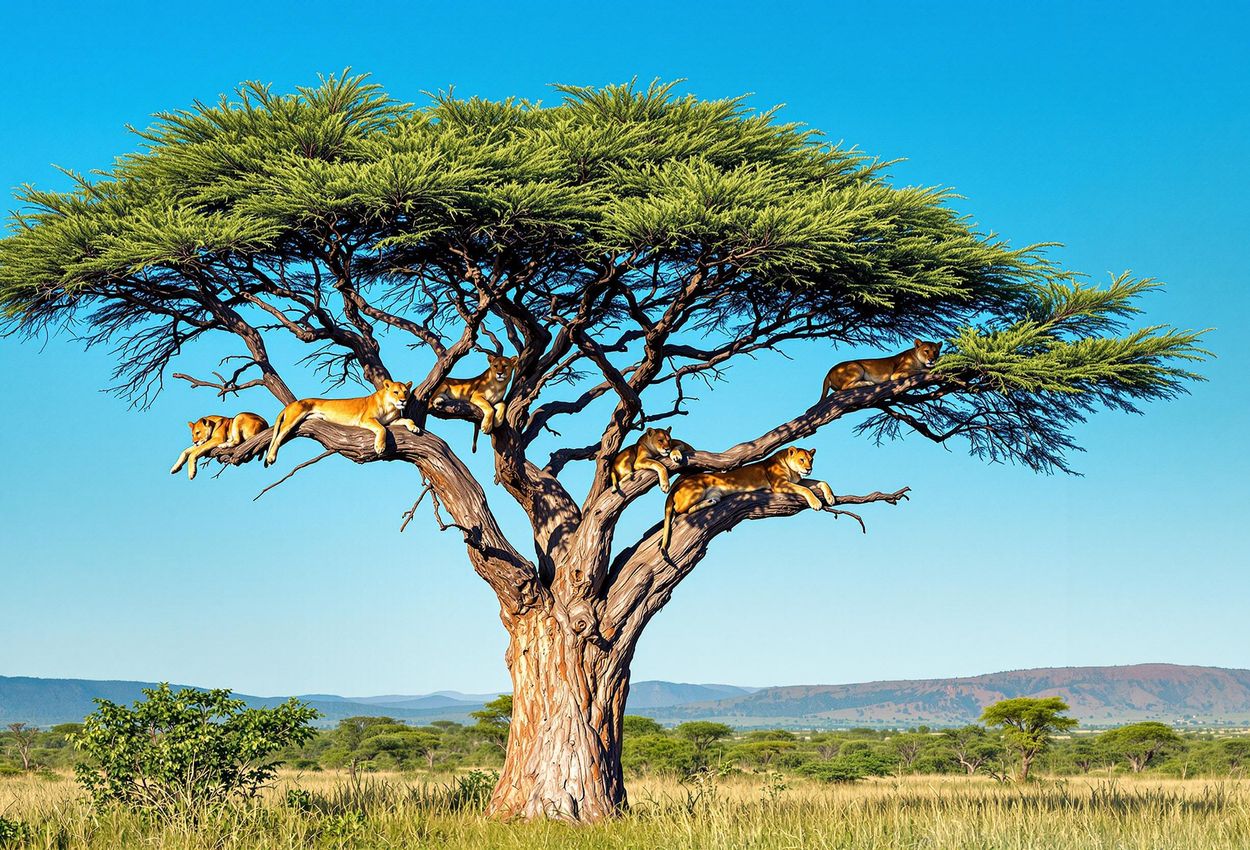
While Lake Manyara National Park is renowned for its birdlife, it also offers a wealth of other attractions. The park is home to the famous tree-climbing lions, a rare sight found in only a few places in Africa. These majestic creatures can often be seen lounging in the branches of acacia trees, providing a unique wildlife viewing experience.
The park also boasts large herds of elephants, often seen in the forested areas. These gentle giants are a joy to watch as they roam freely through their natural habitat. The Great Rift Valley Escarpment provides a dramatic backdrop to the park, its towering cliffs adding to the scenic beauty.
The Majimoto hot springs along the western shores of Lake Manyara are also a unique attraction. The name translates to 'hot water', a testament to the springs' warm temperature. Lake Manyara National Park offers a microcosm of African ecosystems, providing a diverse and rewarding safari experience. From its stunning landscapes to its abundant wildlife, it is a destination that will leave a lasting impression.
Our editors` picks of the latest and greatest in travel - delivered to your inbox daily
Relax on the beaches and explore the reefs of Xai-Xai.
View More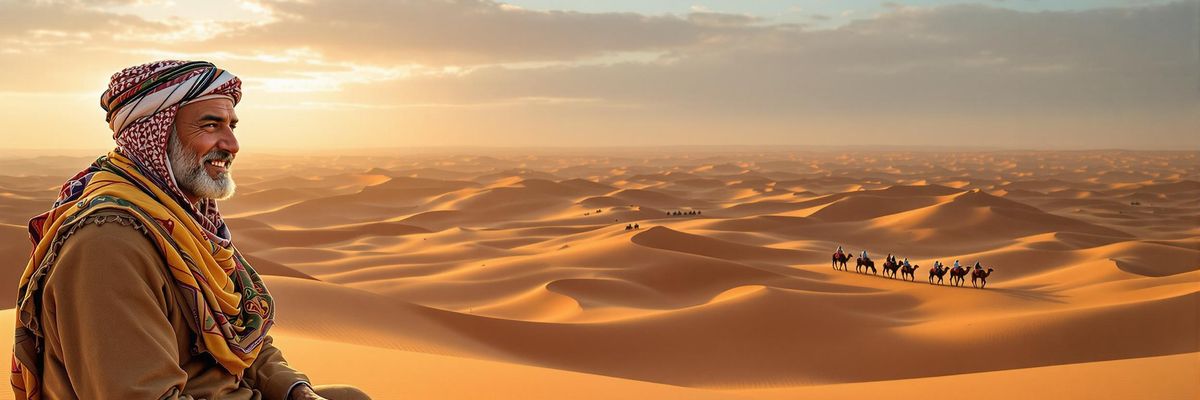
Embrace the cooler temperatures and experience the International Festival of the Sahara in Douz this December.
View More
Celebrate the year-end festivities in Accra, culminating in the vibrant Afrofuture festival.
View More Albania EDITION
 Algeria EDITION
 Argentina EDITION
 Armenia EDITION
 Australia EDITION
 Austria EDITION
 Bangladesh EDITION
 Belgium EDITION
 Belize EDITION
 Benin EDITION
 Bhutan EDITION
 Bolivia EDITION
 Bosnia and Herzegovina EDITION
 Botswana EDITION
 Brazil EDITION
 Bulgaria EDITION
 Burkina Faso EDITION
 Cambodia EDITION
 Cameroon EDITION
 Canada EDITION
 Central African Republic EDITION
 Chad EDITION
 Chile EDITION
 China EDITION
 Colombia EDITION
 Costa Rica EDITION
 Croatia EDITION
 Cyprus EDITION
 Denmark EDITION
 Djibouti EDITION
 Ecuador EDITION
 Egypt EDITION
 El Salvador EDITION
 Eritrea EDITION
 Estonia EDITION
 Ethiopia EDITION
 Finland EDITION
 France EDITION
 Gabon EDITION
 Georgia EDITION
 Germany EDITION
 Ghana EDITION
 Greece EDITION
 Guatemala EDITION
 Guinea EDITION
 Guinea-Bissau EDITION
 Honduras EDITION
 Hungary EDITION
 Iceland EDITION
 India EDITION
 Indonesia EDITION
 Ireland EDITION
 Israel EDITION
 Italy EDITION
 Jamaica EDITION
 Japan EDITION
 Jordan EDITION
 Kenya EDITION
 Kuwait EDITION
 Laos EDITION
 Latvia EDITION
 Lebanon EDITION
 Lesotho EDITION
 Liberia EDITION
 Lithuania EDITION
 Luxembourg EDITION
 Madagascar EDITION
 Malawi EDITION
 Malaysia EDITION
 Maldives EDITION
 Mali EDITION
 Malta EDITION
 Mauritania EDITION
 Mauritius EDITION
 Mexico EDITION
 Mongolia EDITION
 Montenegro EDITION
 Morocco EDITION
 Mozambique EDITION
 Namibia EDITION
 Nepal EDITION
 Netherlands EDITION
 New Zealand EDITION
 Nicaragua EDITION
 Niger EDITION
 Nigeria EDITION
 Norway EDITION
 Oman EDITION
 Pakistan EDITION
 Panama EDITION
 Papua New Guinea EDITION
 Paraguay EDITION
 Peru EDITION
 Philippines EDITION
 Poland EDITION
 Portugal EDITION
 Qatar EDITION
 Romania EDITION
 Rwanda EDITION
 Saudi Arabia EDITION
 Senegal EDITION
 Serbia EDITION
 Singapore EDITION
 Slovakia EDITION
 Slovenia EDITION
 Somalia EDITION
 South Africa EDITION
 South Korea EDITION
 Spain EDITION
 Sri Lanka EDITION
 Suriname EDITION
 Sweden EDITION
 Switzerland EDITION
 Tanzania EDITION
 Thailand EDITION
 Tunisia EDITION
 Uganda EDITION
 United Arab Emirates EDITION
 United Kingdom EDITION
 Uruguay EDITION
 Venezuela EDITION
 Vietnam EDITION
 Zambia EDITION
 Zimbabwe EDITION
Subscribe to our newsletter and get the most captivating travel stories, hidden gems, and expert insights delivered straight to your inbox. As a subscriber, you’ll be first in line for exclusive content, premium offers, and unforgettable travel experiences