


Destination Guide
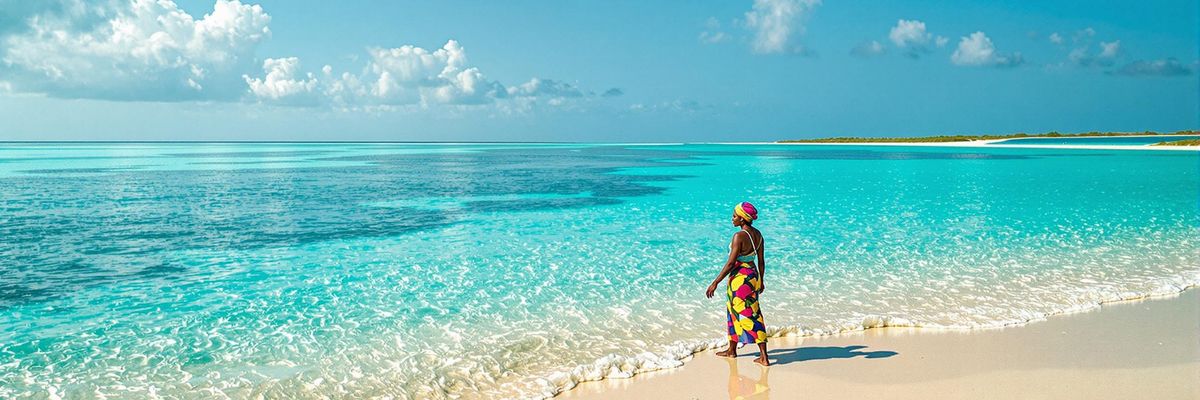
Xai-Xai: A Coastal Retreat
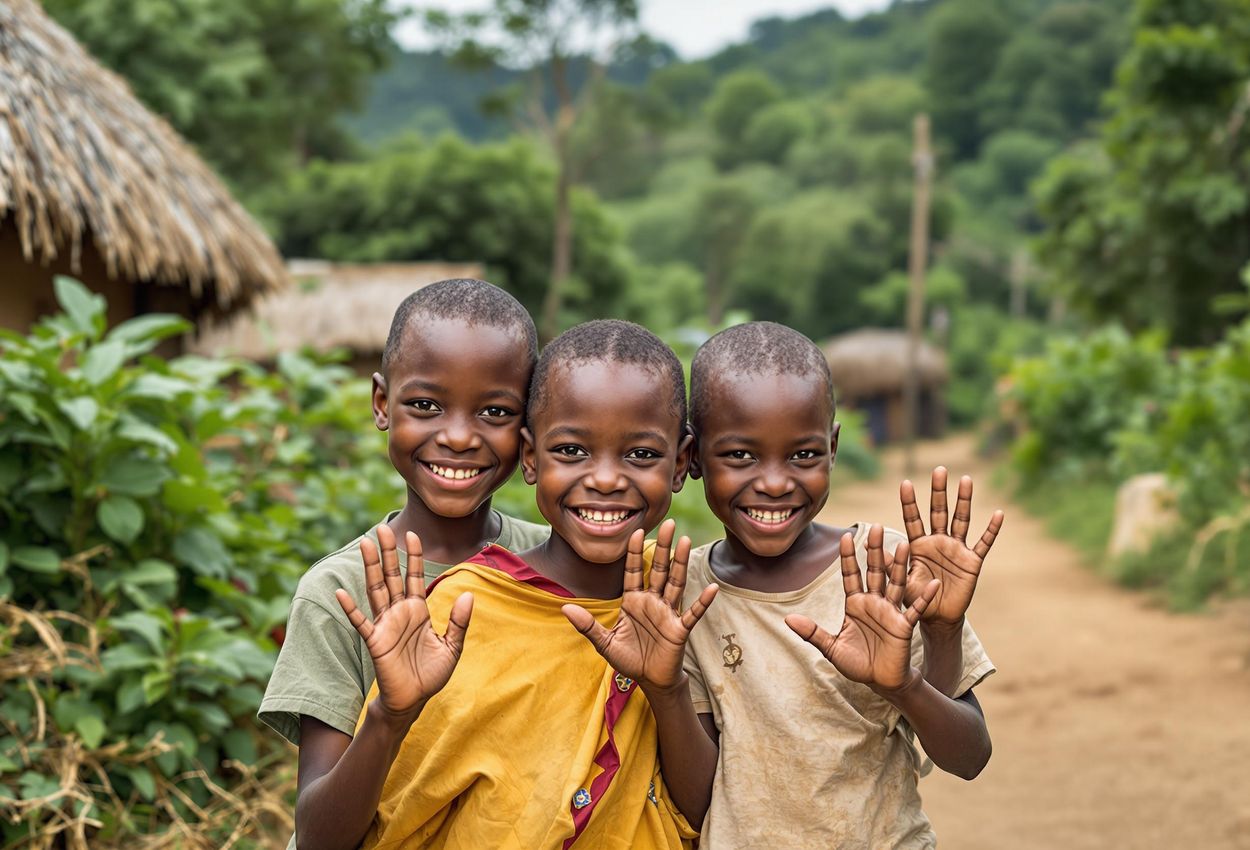
Relax on the beaches and explore the reefs of Xai-Xai.
View More

Venture into the heart of Cameroon's rainforest, where the whispers of the western lowland gorilla echo through the emerald canopy.
In the southeastern reaches of Cameroon, nestled within the Congo Basin, lies a realm of pristine wilderness: Lobéké National Park. Part of the Sangha Trinational Protected Area, a UNESCO World Heritage Site, Lobéké stands as a vital sanctuary for the endangered western lowland gorilla and a treasure trove of biodiversity. This remote park beckons intrepid travelers seeking an authentic encounter with nature, offering a glimpse into a world where gorillas roam free, forest elephants traverse ancient paths, and the vibrant tapestry of the rainforest unfolds in all its glory.
Lobéké National Park is more than just a protected area; it's a crucial component of the Sangha Tri-National (TNS), a trans-boundary conservation initiative that includes the Dzanga-Sangha Special Reserve in the Central African Republic (CAR) and the Nouabalé-Ndoki National Park in the Republic of Congo (Brazzaville). This collaboration aims to safeguard one of the largest continuous blocks of intact rainforest in the Congo Basin. Declared a national park in October 1999, Lobéké spans an estimated 2,178 square kilometers (217,854 hectares).
Within its borders, Lobéké harbors an astounding array of flora and fauna. The park is home to some of the highest densities of African forest elephants and western lowland gorillas in all of Africa. Other iconic species include chimpanzees, leopards, forest buffaloes, bongo antelopes, and a dazzling variety of primate species. Birdwatchers will be enthralled by the over 300 species recorded in the park, while those with a keen eye may spot some of the 215 species of butterflies, 18 reptiles, 16 amphibians, and 134 species of fish.
What sets Lobéké apart is its network of bais, natural forest clearings that act as magnets for wildlife. These saline swamps, rich in minerals, draw megafauna from the depths of the forest, offering unparalleled opportunities for viewing. Observation towers strategically built near these bais provide safe and unobtrusive vantage points to witness the spectacle of gorillas, elephants, buffaloes, and other mammals as they emerge from the dense foliage.
A journey to Lobéké National Park is an immersion into the wild heart of Africa, a chance to witness the raw beauty of the rainforest and the majesty of its inhabitants. It's an adventure that calls to those seeking a deeper connection with nature and a desire to support the conservation of these precious ecosystems.

The western lowland gorilla, a keystone species in the Congo Basin, faces numerous threats, including poaching, habitat loss, and disease. Lobéké National Park plays a critical role in safeguarding these magnificent creatures, providing a sanctuary where they can thrive. Conservation efforts within the park are multifaceted, involving collaboration between the Cameroonian government, international organizations like WWF, and local communities.
WWF has been instrumental in supporting conservation efforts in Lobéké for many years, providing funding, technical expertise, and logistical support. Their work includes ecological monitoring, anti-poaching patrols, and community engagement programs. By working closely with local communities, WWF aims to foster a sense of stewardship and ensure the long-term sustainability of conservation efforts.
One of the key strategies for gorilla conservation in Lobéké is community engagement. Recognizing that local communities are integral to the park's success, conservation organizations have established partnerships with villages surrounding the park, including the Baka people, an indigenous group with a deep connection to the forest. These partnerships aim to provide alternative livelihoods, promote sustainable resource management, and empower local communities to become active participants in conservation.
The Baka people, often referred to as Pygmies (though they consider the term derogatory), have traditionally relied on the forest for their sustenance and cultural identity. However, the establishment of national parks and protected areas has often led to conflicts with conservation efforts, as traditional hunting and gathering practices are restricted. In Lobéké, efforts are underway to reconcile conservation goals with the rights and needs of the Baka people, ensuring that they benefit from the park's existence and are actively involved in its management.
Social pacts have been signed between the park management and 34 Bantu and Baka communities in the area, with each pact corresponding to a community project. These pacts provide funds for community micro-projects, which are called Conservation Bonuses, while the communities commit to participating in collaborative management activities within the park.
Anti-poaching patrols are another critical component of gorilla conservation in Lobéké. These patrols, conducted by eco-guards and often supported by local communities, aim to deter illegal hunting and trafficking of wildlife. The patrols also monitor forest clearings, which attract a lot of wildlife and, unfortunately, hunters.
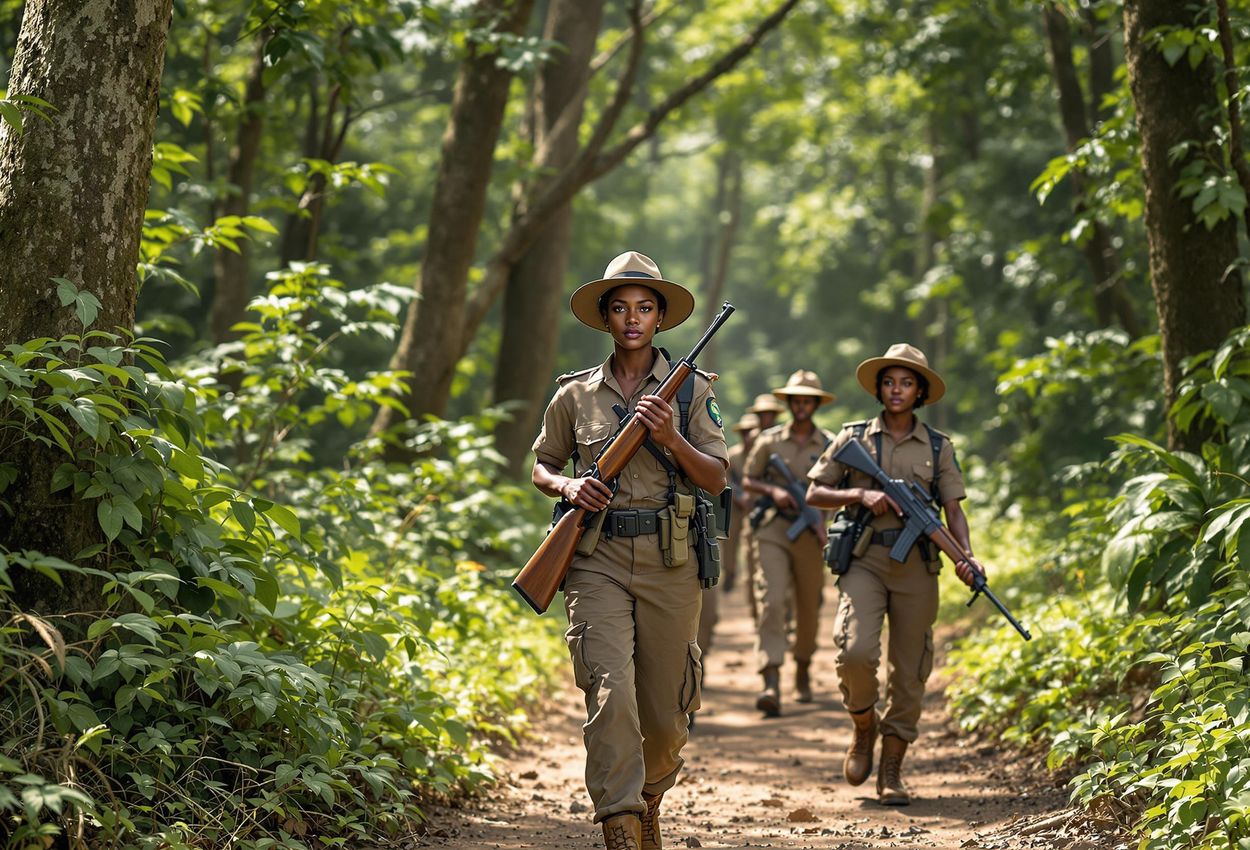
Unlike the more strenuous mountain gorilla treks in Rwanda or Uganda, gorilla viewing in Lobéké National Park is a unique experience centered around the bais. Instead of tracking a gorilla family through dense undergrowth, visitors typically observe gorillas as they emerge from the forest to feed and socialize in these natural clearings.
The experience begins with a briefing from experienced guides and trackers, who share their knowledge of gorilla behavior and the park's ecosystem. These guides, often from local communities, play a crucial role in locating gorilla families and ensuring the safety of visitors. They are adept at interpreting animal tracks, recognizing vocalizations, and navigating the rainforest terrain.
A typical tracking excursion involves a hike through the dense rainforest, navigating swampy areas, and traversing the forest floor. The trails can be challenging, requiring sturdy boots, long-sleeved clothing, and a good level of fitness. However, the rewards are immeasurable.
Upon reaching a bai, visitors take their positions on strategically located observation platforms. From these vantage points, they can observe gorillas and other wildlife in their natural habitat. The experience is often a waiting game, requiring patience and a keen eye. However, the anticipation only heightens the excitement when the gorillas finally emerge from the forest.
The guides ensure that visitors maintain a respectful distance from the gorillas, minimizing disturbance and allowing the animals to behave naturally. It is crucial to follow the guides' instructions and avoid any actions that could be perceived as threatening. This includes refraining from making loud noises, using flash photography, or approaching the gorillas too closely.
The experience of observing western lowland gorillas in their natural habitat is profoundly moving. Witnessing these primates up close, observing their interactions, and sensing their gentle nature is a transformative experience that leaves a lasting impression. It is a reminder of the importance of conservation and the need to protect these magnificent creatures for future generations.
Local Tip: Bring binoculars to enhance your viewing experience and a good camera with a zoom lens to capture memorable photos without disturbing the gorillas.
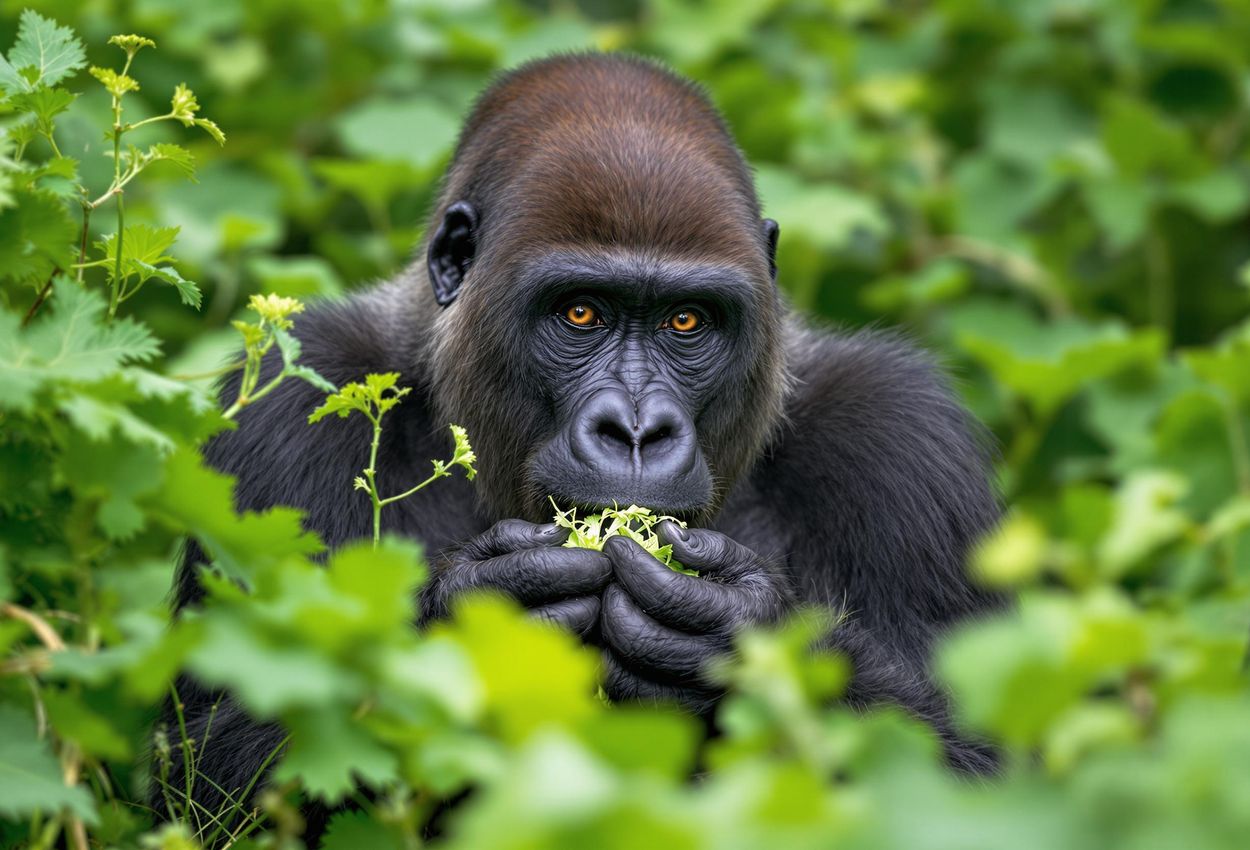
Reaching Lobéké National Park is an adventure in itself, requiring careful planning and preparation due to its remoteness and challenging travel conditions. The park is located deep within the rainforest of southeastern Cameroon, far from major cities and infrastructure.
The most common way to access Lobéké is by road, a journey that typically involves a combination of long drives on paved and unpaved roads. From Yaoundé, the capital of Cameroon, the route passes through towns like Bertoua, Batouri, and Yokadouma before reaching Mambélé, the main base for park visits. The journey can take several days, depending on road conditions and the mode of transport.
Travel by road typically requires a 4x4 vehicle, as the roads can be rough and challenging, especially during the rainy season. It is also advisable to hire an experienced driver who is familiar with the region and the road conditions.
Another option is to fly to one of the airstrips near the park, which receive private flights and charters from Yaoundé and Douala. However, this option is more expensive and may not be suitable for all travelers.
Despite the challenges, the journey to Lobéké National Park is well worth the effort. The remoteness of the park has helped to preserve its pristine wilderness, offering visitors a truly unique and unforgettable experience.
Hidden Gem: Consider breaking up the long road journey with an overnight stay in Yokadouma, a bustling town with a local market and a glimpse into Cameroonian life.

Planning a gorilla viewing experience in Lobéké National Park requires careful attention to detail, including obtaining the necessary permits, arranging for local guides and porters, and packing appropriate gear.
Permits for gorilla viewing must be obtained in advance through the park authorities or a reputable tour operator. The cost of permits can vary, and it is essential to book well in advance, especially during peak season. The revenue generated from permits contributes to the conservation of the park and supports local communities.
Local guides and porters are essential for a successful and responsible gorilla viewing experience. These experienced individuals provide invaluable assistance in navigating the rainforest, locating gorilla families, and ensuring the safety of visitors. They also offer insights into the park's ecosystem, local culture, and conservation efforts. Hiring local guides and porters provides economic benefits to the communities surrounding the park, fostering a sense of ownership and encouraging sustainable tourism practices.
Recommended gear for gorilla viewing in Lobéké National Park includes sturdy hiking boots, long-sleeved clothing, insect repellent, sunscreen, a hat, and a raincoat. It is also advisable to bring a backpack to carry water, snacks, and other essentials. A good camera with a zoom lens is essential for capturing memorable photos of the gorillas and other wildlife.
Local Tip: Support local artisans by purchasing handcrafted souvenirs in the villages surrounding the park. This provides income for local communities and helps to preserve traditional crafts.

Accommodation options in and around Lobéké National Park are limited but offer a range of experiences, from basic campsites to more comfortable lodges.
Within the park, Djembe Camp and Kombo Camp provide basic facilities, including twin rooms and limited capacity. These camps offer an immersive experience in the heart of the rainforest, allowing visitors to fall asleep to the sounds of the jungle.
Alternative lodging can be found in nearby villages like Mambélé and Yokadouma. These villages offer a range of guesthouses and small hotels, providing a more comfortable and culturally enriching experience.
Due to limited availability, it is essential to pre-book accommodation well in advance. Tour operators can assist with arranging accommodation and transportation to and from the park.
Hidden Gem: For a truly unique experience, consider camping in the forest with the assistance of local guides. This allows you to immerse yourself in the sounds and sights of the rainforest at night, increasing your chances of spotting nocturnal wildlife.

The best time to visit Lobéké National Park for gorilla viewing is during the dry season, which typically runs from December to February. During these months, the weather is generally drier and more pleasant, making trekking conditions easier. The roads are also more accessible, and the vegetation is less dense, improving visibility.
Gorilla sightings are possible year-round, but the rainy seasons (March to June and September to November) can present challenges. During these months, the trails can be muddy and slippery, and the vegetation is thicker, making it more difficult to spot gorillas. However, some travelers prefer visiting during the rainy season, as there are fewer tourists and the forest is lush and vibrant.
Local Tip: Pack for all types of weather, regardless of the time of year. The rainforest is unpredictable, and rain showers can occur even during the dry season.
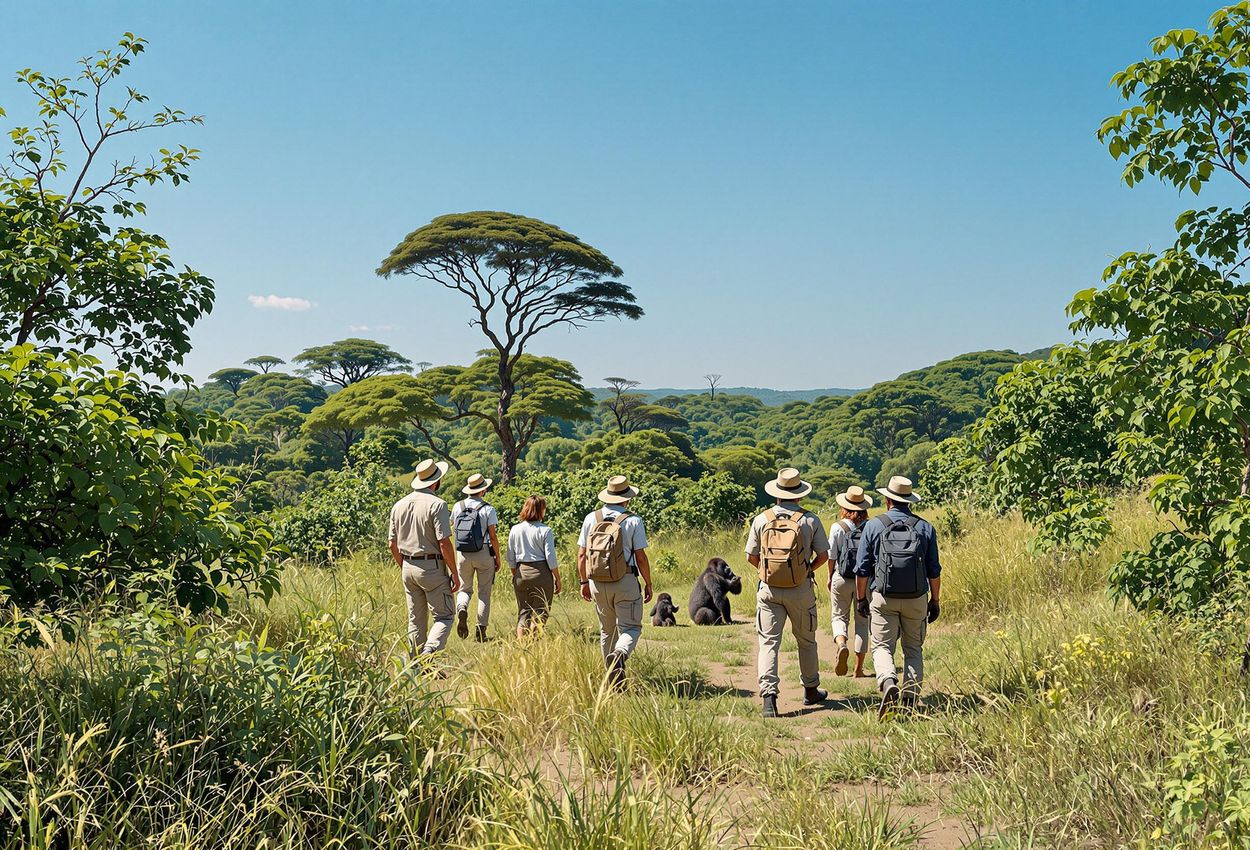
The moment you set eyes on a western lowland gorilla in its natural habitat is an experience that transcends words. As you stand in awe, observing these magnificent creatures in the bai, a profound connection to the natural world washes over you.
Witnessing a gorilla family interact is a privilege beyond compare. You might observe a silverback male, the dominant leader, keeping a watchful eye over his troop. You might see mothers tenderly grooming their young, juveniles playfully wrestling, or the entire family feasting on the lush vegetation.
The gorillas' expressions and gestures are remarkably human-like, conveying a range of emotions from contentment to curiosity. Their eyes, deep and intelligent, seem to hold ancient wisdom. As you observe them, you realize that they are not just animals; they are individuals with unique personalities and complex social structures.
Maintaining a respectful distance is crucial to minimize disturbance and allow the gorillas to behave naturally. The guides will ensure that you follow their instructions and avoid any actions that could be perceived as threatening.
The experience of observing gorillas in Lobéké National Park is a reminder of the importance of conservation and the need to protect these magnificent creatures for future generations. It is an experience that will stay with you long after you leave the rainforest, inspiring you to become an advocate for wildlife conservation and sustainable tourism.
Local Tip: Take a moment to simply observe and absorb the atmosphere of the rainforest. Close your eyes, listen to the sounds of the jungle, and breathe in the fresh air. This will deepen your connection to the natural world and enhance your overall experience.

While gorilla viewing is undoubtedly the main draw, Lobéké National Park offers a wealth of other attractions and activities for nature enthusiasts.
Birdwatching is a popular activity, with over 300 species recorded in the park. The rainforest is alive with the calls and songs of colorful birds, from the vibrant African grey parrot to the elusive Ja River Scrub Warbler. Guided birdwatching tours can be arranged through the park authorities or local tour operators.
The bais also offer opportunities to see other wildlife, including forest elephants, chimpanzees, buffaloes, and various antelope species. These clearings act as natural gathering places, attracting a diverse array of animals seeking water, minerals, and social interaction.
Guided forest treks provide a chance to explore the diverse flora and fauna of the rainforest ecosystem. These treks, led by experienced local guides, offer insights into the medicinal properties of plants, the intricate relationships between species, and the importance of biodiversity.
Hidden Gem: Take a night walk in the park to spot nocturnal mammals like galagos, pottos, hyraxes, bats, nightjars, civets and genets.

A visit to Lobéké National Park is more than just a vacation; it's an opportunity to support the conservation of a precious ecosystem and contribute to the well-being of local communities.
By choosing responsible tourism practices, you can minimize your environmental impact and maximize the benefits to local communities. This includes using eco-friendly accommodation, hiring local guides and porters, purchasing locally made products, and respecting the park's rules and regulations.
Consider donating to organizations like WWF or supporting community-based tourism initiatives. These organizations work tirelessly to protect Lobéké National Park and its wildlife, while also empowering local communities to thrive.
The lasting impact of gorilla trekking extends far beyond the visitor's experience. By supporting conservation efforts in Lobéké, you are helping to ensure the future of these magnificent creatures and the preservation of their rainforest home. Your journey becomes a footprint of change, contributing to a brighter future for both the environment and the people who depend on it.
Local Tip: Spread awareness about Lobéké National Park and the importance of gorilla conservation by sharing your experiences with friends, family, and on social media. This helps to raise awareness and inspire others to support conservation efforts.
Our editors` picks of the latest and greatest in travel - delivered to your inbox daily
Relax on the beaches and explore the reefs of Xai-Xai.
View More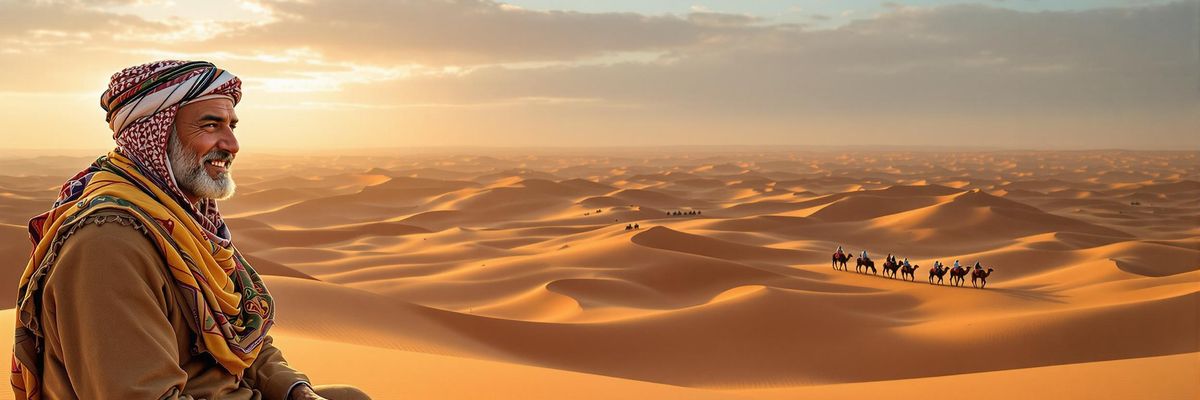
Embrace the cooler temperatures and experience the International Festival of the Sahara in Douz this December.
View More
Celebrate the year-end festivities in Accra, culminating in the vibrant Afrofuture festival.
View More Albania EDITION
 Algeria EDITION
 Argentina EDITION
 Armenia EDITION
 Australia EDITION
 Austria EDITION
 Bangladesh EDITION
 Belgium EDITION
 Belize EDITION
 Benin EDITION
 Bhutan EDITION
 Bolivia EDITION
 Bosnia and Herzegovina EDITION
 Botswana EDITION
 Brazil EDITION
 Bulgaria EDITION
 Burkina Faso EDITION
 Cambodia EDITION
 Cameroon EDITION
 Canada EDITION
 Central African Republic EDITION
 Chad EDITION
 Chile EDITION
 China EDITION
 Colombia EDITION
 Costa Rica EDITION
 Croatia EDITION
 Cyprus EDITION
 Denmark EDITION
 Djibouti EDITION
 Ecuador EDITION
 Egypt EDITION
 El Salvador EDITION
 Eritrea EDITION
 Estonia EDITION
 Ethiopia EDITION
 Finland EDITION
 France EDITION
 Gabon EDITION
 Georgia EDITION
 Germany EDITION
 Ghana EDITION
 Greece EDITION
 Guatemala EDITION
 Guinea EDITION
 Guinea-Bissau EDITION
 Honduras EDITION
 Hungary EDITION
 Iceland EDITION
 India EDITION
 Indonesia EDITION
 Ireland EDITION
 Israel EDITION
 Italy EDITION
 Jamaica EDITION
 Japan EDITION
 Jordan EDITION
 Kenya EDITION
 Kuwait EDITION
 Laos EDITION
 Latvia EDITION
 Lebanon EDITION
 Lesotho EDITION
 Liberia EDITION
 Lithuania EDITION
 Luxembourg EDITION
 Madagascar EDITION
 Malawi EDITION
 Malaysia EDITION
 Maldives EDITION
 Mali EDITION
 Malta EDITION
 Mauritania EDITION
 Mauritius EDITION
 Mexico EDITION
 Mongolia EDITION
 Montenegro EDITION
 Morocco EDITION
 Mozambique EDITION
 Namibia EDITION
 Nepal EDITION
 Netherlands EDITION
 New Zealand EDITION
 Nicaragua EDITION
 Niger EDITION
 Nigeria EDITION
 Norway EDITION
 Oman EDITION
 Pakistan EDITION
 Panama EDITION
 Papua New Guinea EDITION
 Paraguay EDITION
 Peru EDITION
 Philippines EDITION
 Poland EDITION
 Portugal EDITION
 Qatar EDITION
 Romania EDITION
 Rwanda EDITION
 Saudi Arabia EDITION
 Senegal EDITION
 Serbia EDITION
 Singapore EDITION
 Slovakia EDITION
 Slovenia EDITION
 Somalia EDITION
 South Africa EDITION
 South Korea EDITION
 Spain EDITION
 Sri Lanka EDITION
 Suriname EDITION
 Sweden EDITION
 Switzerland EDITION
 Tanzania EDITION
 Thailand EDITION
 Tunisia EDITION
 Uganda EDITION
 United Arab Emirates EDITION
 United Kingdom EDITION
 Uruguay EDITION
 Venezuela EDITION
 Vietnam EDITION
 Zambia EDITION
 Zimbabwe EDITION
Subscribe to our newsletter and get the most captivating travel stories, hidden gems, and expert insights delivered straight to your inbox. As a subscriber, you’ll be first in line for exclusive content, premium offers, and unforgettable travel experiences