


Destination Guide
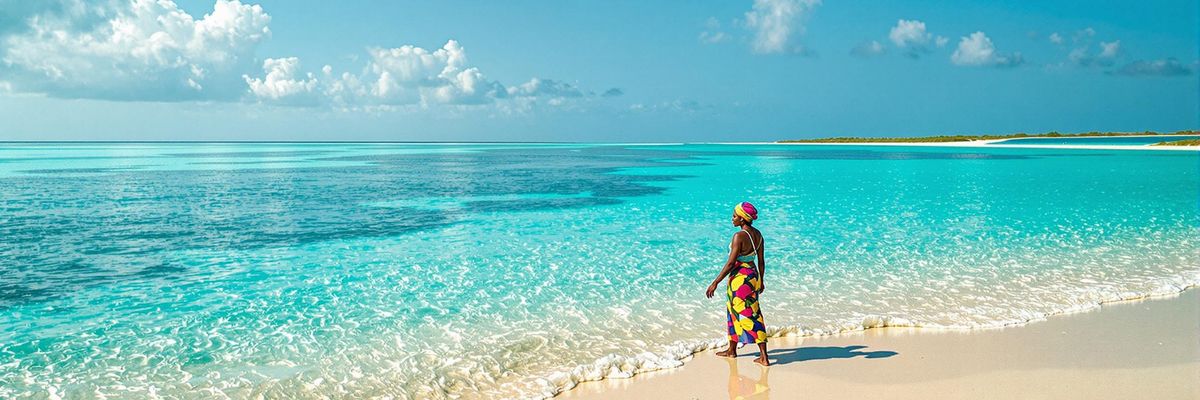
Xai-Xai: A Coastal Retreat
Relax on the beaches and explore the reefs of Xai-Xai.
View More

Lomé, the capital of Togo, is a city where the pulse of modern Africa beats in harmony with the echoes of its rich cultural past.
From the vibrant chaos of its markets to the tranquil beauty of its coastline, Lomé offers a sensory feast for the intrepid traveler. Join us as we explore the heart of Togo, revealing its hidden gems and offering a glimpse into the soul of West Africa.
The Grand Marché, also known as Assigame, is more than just a market; it's the economic heart and soul of Lomé. Located near the Lomé Cathedral in the city center, this bustling hub occupies an entire city block, a labyrinthine sprawl divided into sections known locally as Atipoji, Asigame, and Assivito. Prepare for a sensory overload as you step into this vibrant world.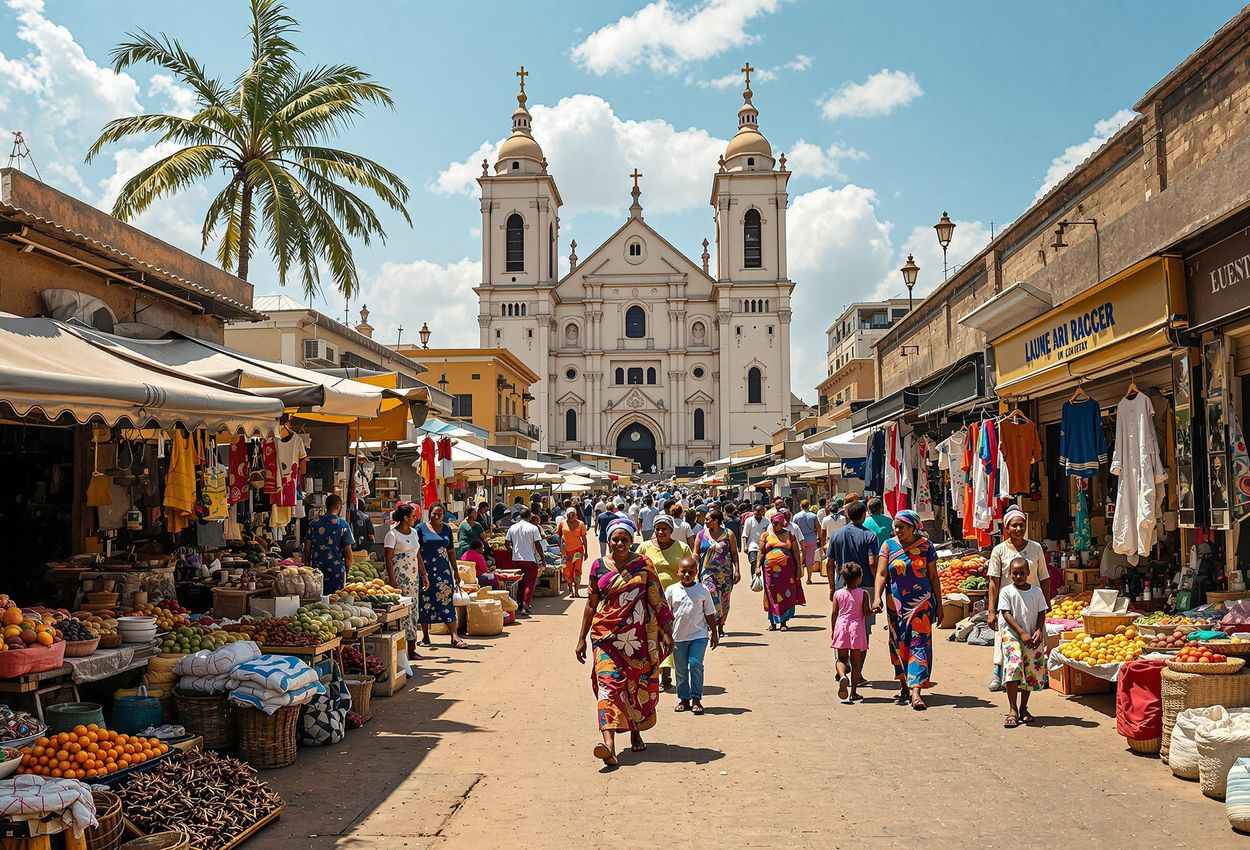
Imagine a kaleidoscope of colors as vibrant textiles cascade from stalls, their intricate patterns telling stories of Togolese heritage. The air crackles with the energy of bustling crowds, a symphony of voices haggling, gossiping, and calling out their wares. The scent of exotic spices hangs heavy in the air, mingling with the aroma of street food sizzling nearby. Here, you can find anything your heart desires, from Togolese football tops to inexpensive cosmetics.
The Grand Marché is a true reflection of Togolese life, where commerce and culture intertwine. The majority of vendors are women and children, their entrepreneurial spirit adding to the market's vibrant atmosphere. It is authentically Togolese and a must-see for anybody who visits Lomé.
Amidst the organized chaos, keep an eye out for a hidden gem: the Nana Benz ladies. These influential women have dominated the textile trade for decades, their wealth and power evident in their elaborate attire and commanding presence. They are a symbol of Togolese entrepreneurship and a testament to the strength of women in West African commerce.
Just a stone's throw from the bustling Grand Marché stands the Sacred Heart Cathedral (Cathédrale du Sacré-Cœur de Lomé), a striking example of German neo-Gothic architecture. Built in the early 1900s during the German colonial period, the cathedral is a significant landmark and a testament to Togo's complex history. Its tall bright orange and white features make it hard to miss.
Step inside, and you'll be transported to a world of tranquility. The cool interior offers respite from the heat and chaos of the market outside. Sunlight filters through the stained-glass windows, casting colorful patterns on the stone floor. The echoing sounds of footsteps and whispered prayers create a serene atmosphere, a sanctuary for reflection and contemplation. The cathedral has been the focal point of the Roman Catholic Church in Togo ever since it was built.
In 1985, Pope John Paul II visited the cathedral, celebrating Mass within its hallowed walls. This event solidified the cathedral's importance as a spiritual center for Togolese Catholics and a symbol of the country's connection to the wider world.
For a unique perspective of Lomé, inquire about the possibility of climbing the bell tower. From this vantage point, you'll be rewarded with panoramic city views, a tapestry of rooftops, bustling streets, and the shimmering Atlantic Ocean in the distance. It may be possible to get access if you ask the groundskeepers.
The Independence Monument (Monument de l'Indépendance) stands as a powerful symbol of Togo's liberation from French colonial rule in 1960. Situated in the heart of Lomé, this iconic structure commemorates a crucial milestone in Togo's history and its journey toward self-governance.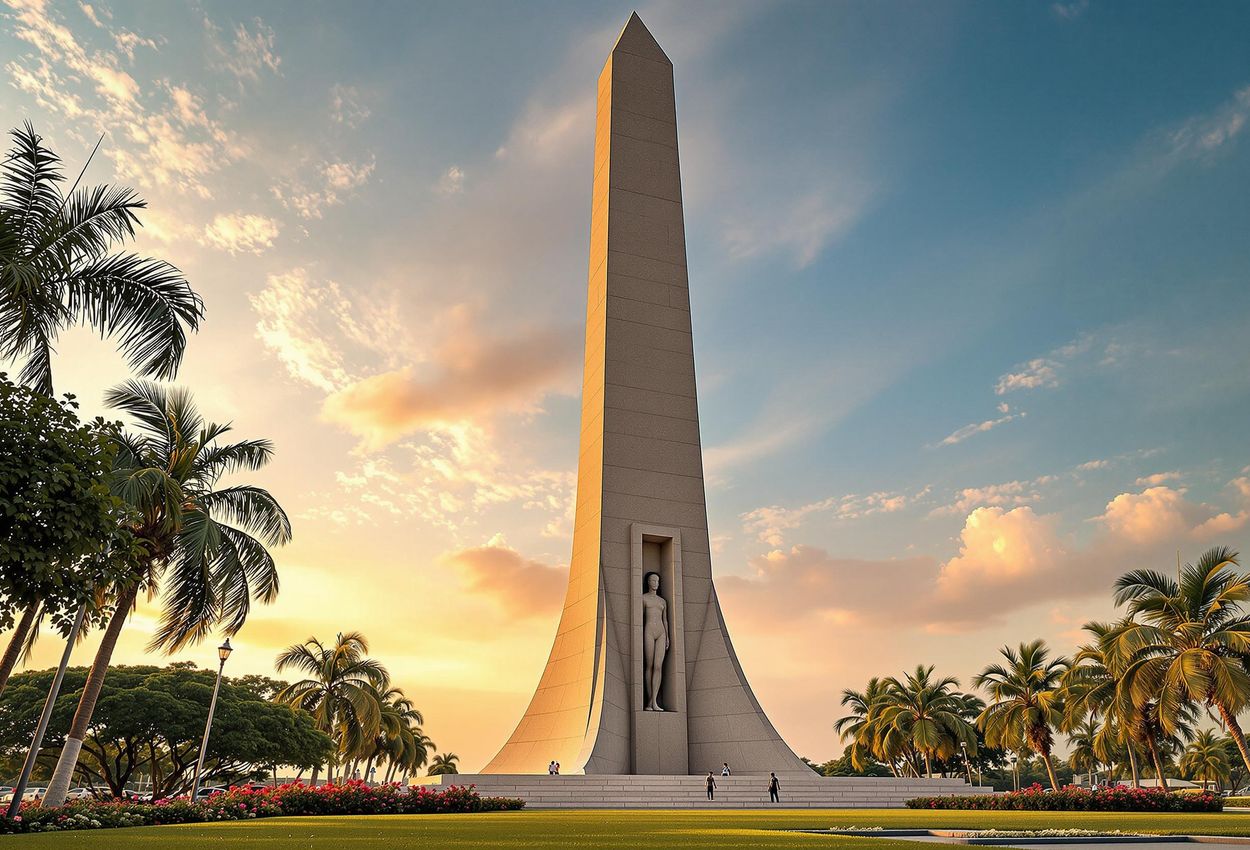
The monument's architecture is notable, featuring a tall central obelisk surrounded by curved elements that resemble sails, symbolizing progress, freedom, and the nation's aspirations. Sculptures and inscriptions adorn the monument, further emphasizing its significance. The sides of the silhouette bear a number of inscriptions, including one which says in French: People of Togo, because of your faith and sacrifice, the Togolese nation was born. Another side bears the national motto and the following inscription: Proclamation of the independence of Togo, April 27, 1960. Work, Liberty, Homeland.
The surrounding gardens provide a tranquil space for reflection, a place where locals and visitors can gather and appreciate the significance of Togo's independence movement. The monument is often illuminated at night, providing a striking visual display.
A hidden gem lies in a local belief: walking around the monument three times is said to bring good luck. Whether you believe in its power or not, it's a fun way to engage with local traditions and add a touch of whimsy to your visit.
Venture into the Akodessewa Fetish Market, and you'll enter a world far removed from the ordinary. This unique and spiritual market is not a typical tourist attraction but a glimpse into the traditional beliefs and practices of the Vodun religion. It is often described as one of the world's largest and most well-known “voodoo” or traditional medicine markets.
Here, you'll find an array of animal parts, skulls, and voodoo paraphernalia, all used in traditional healing and spiritual rituals. Monkey heads, skulls, dead birds, crocodiles, skins and other products of dead animals are among the items sold. The market emerged over many decades as a centralised place where healers, priests, and practitioners could find the spiritual tools and ingredients they needed.
It's crucial to approach the market with respect and sensitivity. Vodun is a deeply held belief system, and the items on display are not mere curiosities but sacred objects. Be respectful of any requests not to touch or photograph certain items.
To respectfully engage with vendors, consider hiring a local guide who can explain the traditional uses of the items on display and provide cultural context. This will not only enhance your understanding but also ensure that you interact with the market in a way that honors local customs and beliefs. Even as modern medicine becomes more accessible, many local communities still rely on traditional remedies, spiritual guidance, and ancestral practices. This ongoing need keeps the market vibrant.
No visit to Lomé is complete without exploring the vibrant world of Togolese cuisine. A blend of African, French, and German influences, Togolese food offers a unique and flavorful experience.
Start with Akoumé, a staple made from cornmeal, or Fufu, a dough-like dish typically made from yams or cassava. These are often served with flavorful stews or soups. Sample Kpala, a spicy grilled meat dish, or Yétchébé, a traditional bean stew. You can find fresh baguettes all over Lomé, just as if you were on the streets of Paris. Sandwich carts in the grande marché contain a veritable buffet of options, and your sandwich price is determined by how many toppings you add to the baguette. This is a great way to have a vegetarian lunch, without having to forgo Lomé's famed street food.
Don't miss the opportunity to explore the street food scene, where you can find grilled fish, kebabs, and omelets cooked fresh before your eyes. The best way to visit the beach is to go to or stay in a hotel that is on the beach and offers beach services. New Robinson Plage is an option that has comfortable rooms and a nice beach and restaurant. Hotel Coco Beach is also really popular.
Seek out a local 'mama' who makes traditional peanut soup (groundnut soup), and savor its unique flavor, a harmonious blend of earthy peanuts, aromatic spices, and tender vegetables. It definitely isn't for the faint hearted !
Our editors` picks of the latest and greatest in travel - delivered to your inbox daily
Relax on the beaches and explore the reefs of Xai-Xai.
View More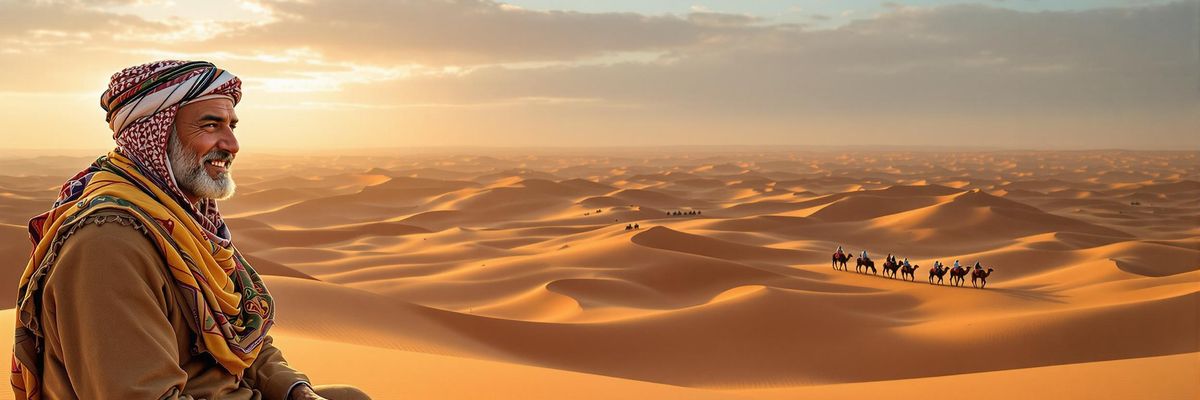
Embrace the cooler temperatures and experience the International Festival of the Sahara in Douz this December.
View More
Celebrate the year-end festivities in Accra, culminating in the vibrant Afrofuture festival.
View More Albania EDITION
 Algeria EDITION
 Argentina EDITION
 Armenia EDITION
 Australia EDITION
 Austria EDITION
 Bangladesh EDITION
 Belgium EDITION
 Belize EDITION
 Benin EDITION
 Bhutan EDITION
 Bolivia EDITION
 Bosnia and Herzegovina EDITION
 Botswana EDITION
 Brazil EDITION
 Bulgaria EDITION
 Burkina Faso EDITION
 Cambodia EDITION
 Cameroon EDITION
 Canada EDITION
 Central African Republic EDITION
 Chad EDITION
 Chile EDITION
 China EDITION
 Colombia EDITION
 Costa Rica EDITION
 Croatia EDITION
 Cyprus EDITION
 Denmark EDITION
 Djibouti EDITION
 Ecuador EDITION
 Egypt EDITION
 El Salvador EDITION
 Eritrea EDITION
 Estonia EDITION
 Ethiopia EDITION
 Finland EDITION
 France EDITION
 Gabon EDITION
 Georgia EDITION
 Germany EDITION
 Ghana EDITION
 Greece EDITION
 Guatemala EDITION
 Guinea EDITION
 Guinea-Bissau EDITION
 Honduras EDITION
 Hungary EDITION
 Iceland EDITION
 India EDITION
 Indonesia EDITION
 Ireland EDITION
 Israel EDITION
 Italy EDITION
 Jamaica EDITION
 Japan EDITION
 Jordan EDITION
 Kenya EDITION
 Kuwait EDITION
 Laos EDITION
 Latvia EDITION
 Lebanon EDITION
 Lesotho EDITION
 Liberia EDITION
 Lithuania EDITION
 Luxembourg EDITION
 Madagascar EDITION
 Malawi EDITION
 Malaysia EDITION
 Maldives EDITION
 Mali EDITION
 Malta EDITION
 Mauritania EDITION
 Mauritius EDITION
 Mexico EDITION
 Mongolia EDITION
 Montenegro EDITION
 Morocco EDITION
 Mozambique EDITION
 Namibia EDITION
 Nepal EDITION
 Netherlands EDITION
 New Zealand EDITION
 Nicaragua EDITION
 Niger EDITION
 Nigeria EDITION
 Norway EDITION
 Oman EDITION
 Pakistan EDITION
 Panama EDITION
 Papua New Guinea EDITION
 Paraguay EDITION
 Peru EDITION
 Philippines EDITION
 Poland EDITION
 Portugal EDITION
 Qatar EDITION
 Romania EDITION
 Rwanda EDITION
 Saudi Arabia EDITION
 Senegal EDITION
 Serbia EDITION
 Singapore EDITION
 Slovakia EDITION
 Slovenia EDITION
 Somalia EDITION
 South Africa EDITION
 South Korea EDITION
 Spain EDITION
 Sri Lanka EDITION
 Suriname EDITION
 Sweden EDITION
 Switzerland EDITION
 Tanzania EDITION
 Thailand EDITION
 Tunisia EDITION
 Uganda EDITION
 United Arab Emirates EDITION
 United Kingdom EDITION
 Uruguay EDITION
 Venezuela EDITION
 Vietnam EDITION
 Zambia EDITION
 Zimbabwe EDITION
Subscribe to our newsletter and get the most captivating travel stories, hidden gems, and expert insights delivered straight to your inbox. As a subscriber, you’ll be first in line for exclusive content, premium offers, and unforgettable travel experiences