


Destination Guide
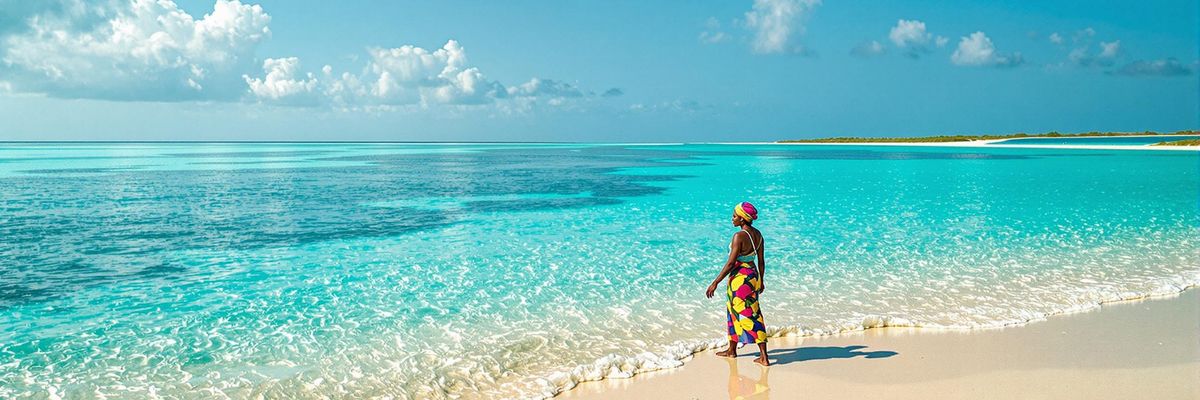
Xai-Xai: A Coastal Retreat
Relax on the beaches and explore the reefs of Xai-Xai.
View More

Journey to Senegal's Lompoul Desert, a unique corner of the Sahara, where golden dunes meet the Atlantic breeze.
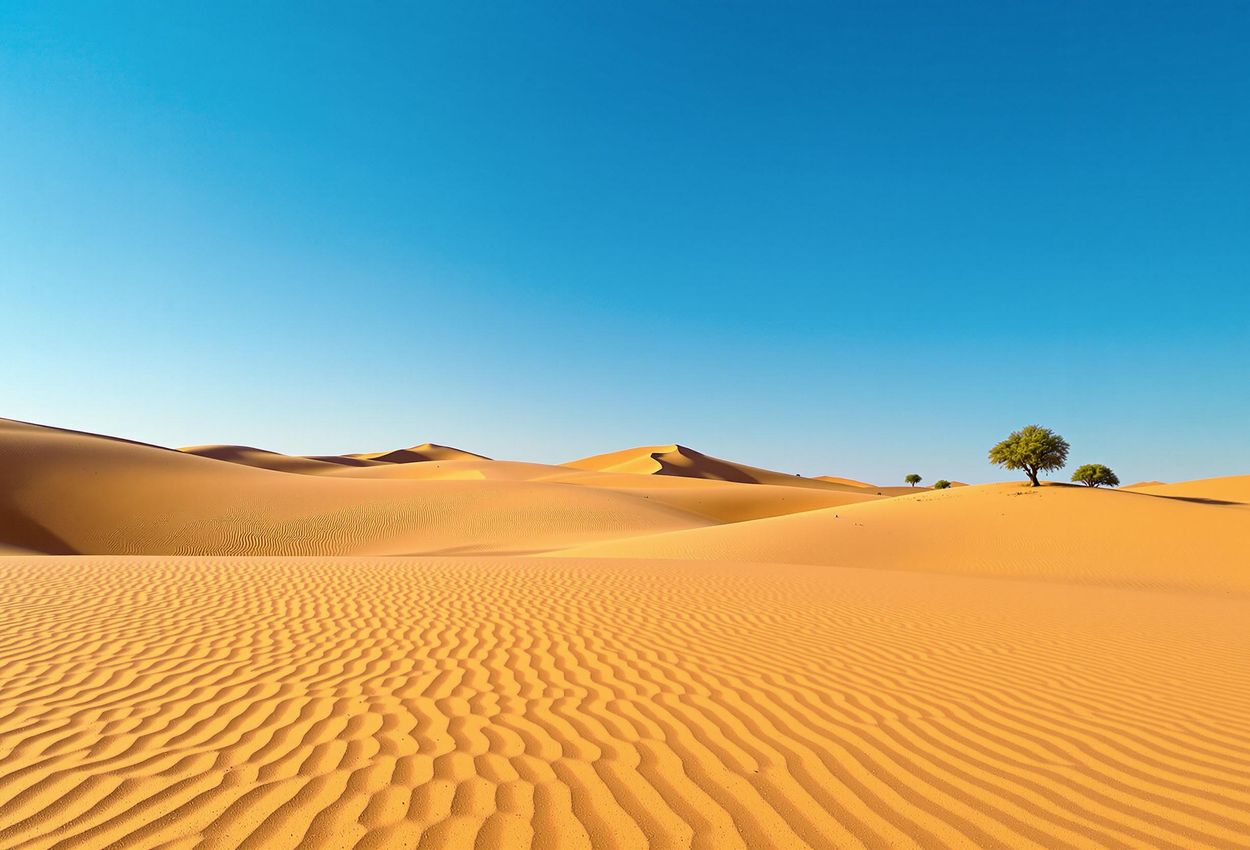
Imagine a place where the vast Sahara whispers its secrets, not in some distant, inaccessible locale, but in the heart of Senegal. The Lompoul Desert, a mesmerizing landscape of undulating orange dunes, offers an accessible and unforgettable Saharan experience. Unlike its larger counterparts, Lompoul is a manageable 18 square kilometers, a miniature Sahara that provides an intimate encounter with desert beauty. Its unique location, just a stone's throw from the Atlantic coast, creates a captivating contrast between the arid landscape and the refreshing sea breeze.
As you approach Lompoul Desert, the scenery transforms dramatically. The lush greenery of Senegal gradually fades, replaced by the ochre hues of the sand. The dunes rise majestically, sculpted by the relentless winds into graceful curves and sharp ridges. The warm, dry wind caresses your skin, carrying the scent of sand and distant ocean. The sun beats down, intensifying the colors and creating a shimmering mirage on the horizon. The silence is broken only by the soft whisper of the wind and the occasional call of a desert bird.
The Lompoul Desert is more than just a scenic wonder; it's a place steeped in culture and history. For centuries, nomadic tribes like the Wolof have traversed these sands, their lives intertwined with the desert's rhythms. Their traditions and knowledge are woven into the very fabric of this landscape. Camels, essential to their way of life, are a common sight, offering visitors a chance to experience the desert as the nomads do. The Wolof people, known for their vibrant culture and warm hospitality, add another layer of richness to the Lompoul experience.
Local Tip: Engage with the local Wolof community to learn about their traditions and the desert's ecosystem. A guided walk with a local expert can reveal hidden gems and provide insights into the desert's unique flora and fauna.
Hidden Gem: Keep an eye out for the unique desert flora, such as the hardy acacia trees that dot the landscape. These trees provide shade and sustenance for the desert's inhabitants and are a testament to nature's resilience.
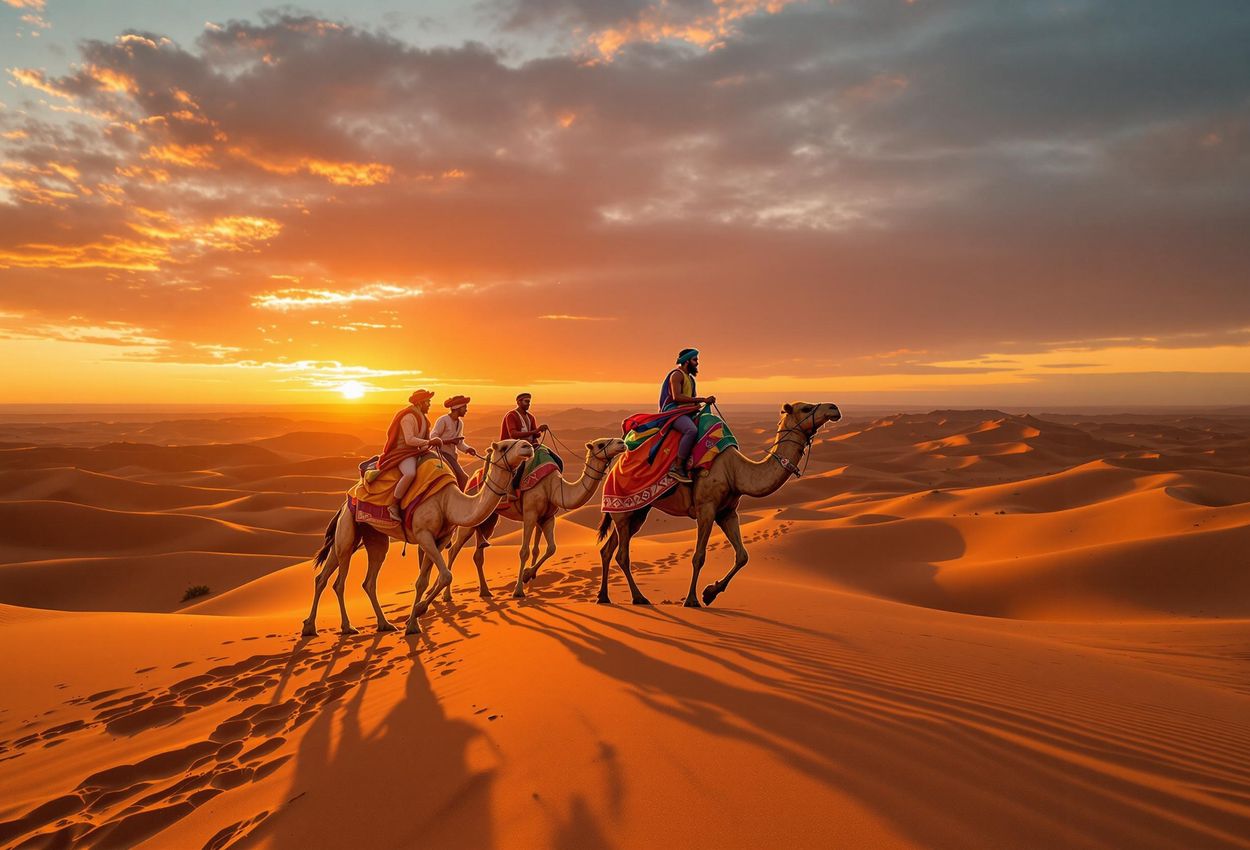
Imagine yourself atop a swaying camel, the sun beginning its descent, painting the sky in fiery hues. Camel trekking in the Lompoul Desert is an experience that transports you to another world. The rhythmic sway of the camel, the soft padding of its feet on the sand, and the panoramic views from atop the dunes create a sense of serenity and wonder.
The best time for a camel ride is undoubtedly sunset. As the sun dips below the horizon, the dunes transform into a sea of gold, casting long shadows that dance and shift with the changing light. The air cools, and a gentle breeze sweeps across the desert, carrying the scent of sand and the distant sound of the ocean. The silence is broken only by the occasional grunt of the camel and the hushed whispers of your fellow travelers.
A typical camel ride lasts for about an hour, taking you deep into the heart of the Lompoul Desert. The cost ranges from 2500 to 6000 CFA (approximately $4 to $10 USD), depending on the length of the ride and your negotiation skills. It's important to confirm the price before you begin your trek and to agree on the duration of the ride.
Beyond the sheer enjoyment of the experience, camel trekking in Lompoul offers a glimpse into the cultural significance of these animals to the Wolof people. Camels have long been an integral part of their nomadic lifestyle, providing transportation, sustenance, and companionship. By participating in a camel ride, you're not only experiencing the desert in a traditional way, but you're also supporting the local communities who rely on these animals for their livelihoods.
Hidden Gem: Ask your camel guide to share stories about the cultural importance of camels to the Wolof people. You'll gain a deeper appreciation for these magnificent creatures and their role in the desert's ecosystem.
Local Tip: Wear comfortable clothing and closed-toe shoes for your camel ride. The sun can be intense, so be sure to bring a hat, sunglasses, and sunscreen. And don't forget your camera to capture the stunning sunset views.
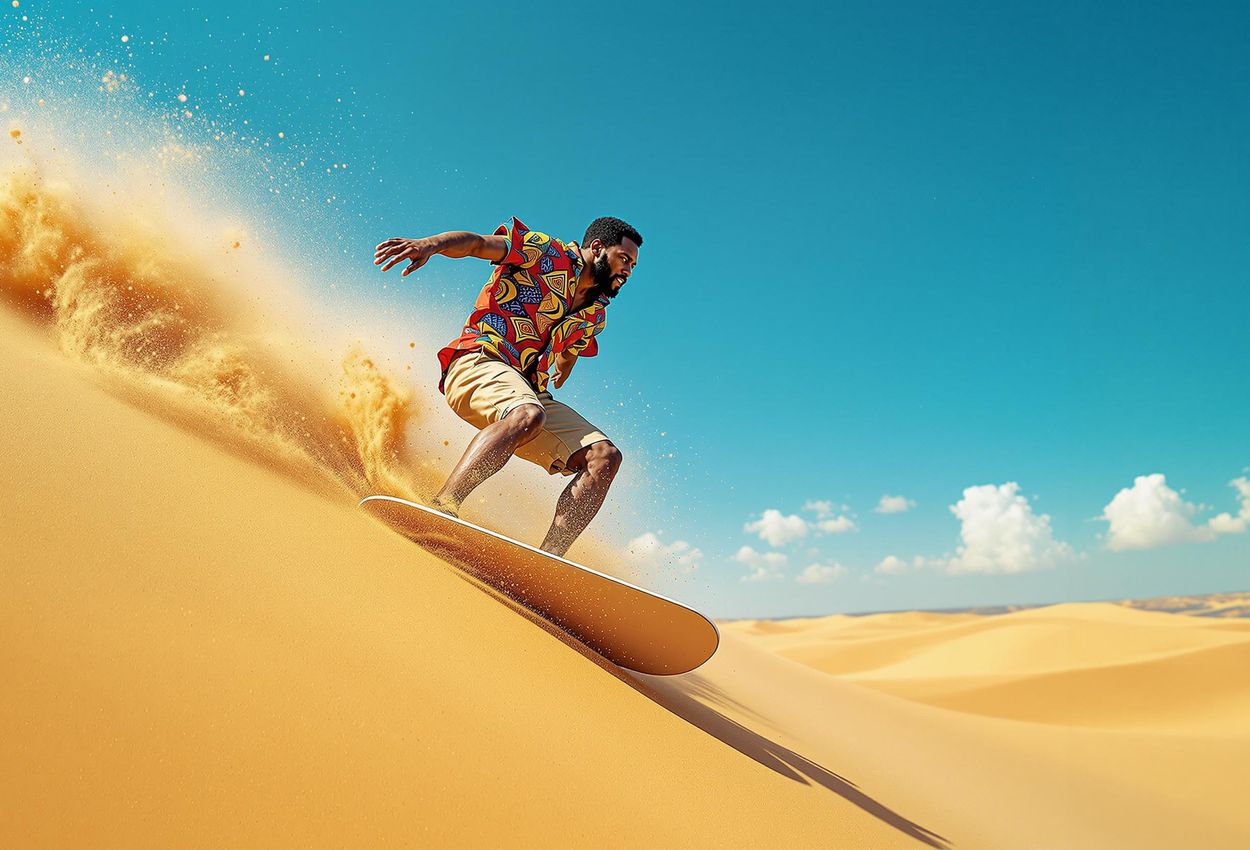
For the adventurous souls seeking an adrenaline rush, sandboarding down the dunes of Lompoul Desert is an absolute must. Imagine the thrill of gliding down a steep slope of sand, the wind whipping through your hair, and the panoramic views stretching out before you.
The sensation of sandboarding is unique and exhilarating. As you stand at the top of a dune, board in hand, you feel a mix of excitement and anticipation. With a push, you're off, the sand rushing past as you pick up speed. The feeling is similar to snowboarding, but with a softer landing. The panoramic views from the top of the dunes are simply breathtaking, offering a 360-degree perspective of the Lompoul Desert and the surrounding landscape.
You can rent sandboards from local vendors near the entrance to the desert. The cost is typically around 1000-2000 CFA (approximately $1.50 to $3 USD) per hour. The best dunes for sandboarding are the steeper ones, which offer a longer and faster ride. However, it's important to exercise caution and start with smaller dunes before tackling the larger ones.
Sandboarding has become increasingly popular among Senegalese youth, who have embraced it as a fun and affordable way to enjoy the desert. While there may not be a specific local term for sandboarding, the activity itself is known and enjoyed by many.
Local Tip: Wear comfortable clothing that you don't mind getting sandy. Closed-toe shoes are recommended to protect your feet from the hot sand. And be sure to bring plenty of water to stay hydrated.
Hidden Gem: Try sandboarding at different times of the day to experience varying conditions. The sand is typically faster in the morning when it's cooler and more compact.
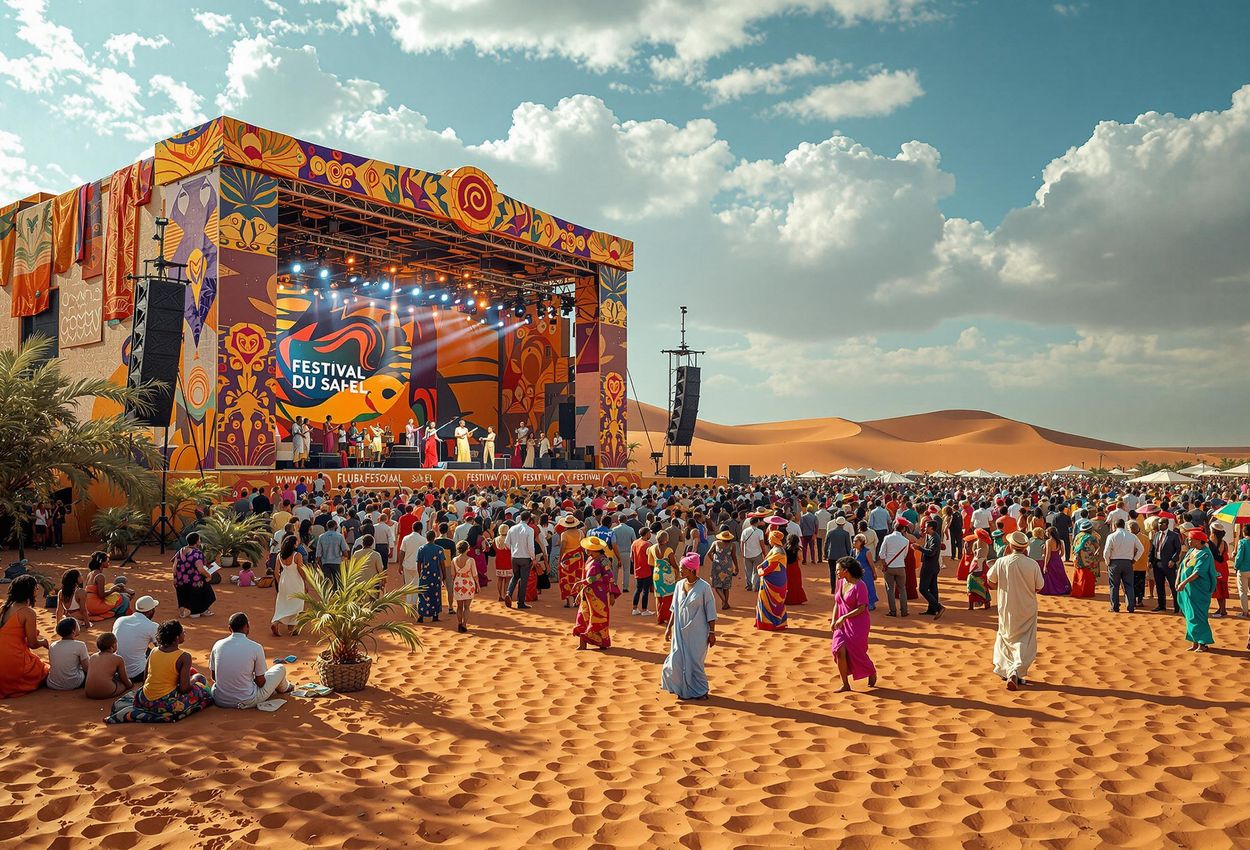
The Lompoul Desert comes alive each year with the vibrant rhythms of the Festival du Sahel, a celebration of music, culture, and community. Since its inception in 2009, this annual event has drawn artists and music lovers from across Senegal and beyond, creating a unique and unforgettable desert experience.
The festival showcases a diverse range of musical genres, from traditional Senegalese music and soulful melodies to contemporary hip-hop beats and international sounds. The air is filled with the infectious energy of live performances, as musicians take to the stage under the vast desert sky. In addition to the music, the Festival du Sahel features art exhibitions, local crafts, and cultural performances, offering a glimpse into the rich heritage of the Sahel region.
The festival typically takes place in March or December, transforming the Lompoul Desert into a vibrant hub of activity. The dates may vary from year to year, so it's best to check the official festival website for the most up-to-date information.
One notable performance from a past festival was by Omar Pène, a renowned Senegalese musician known for his soulful voice and captivating stage presence. His performance was a highlight of the festival, drawing crowds of enthusiastic fans who danced and sang along to his iconic songs. The Festival du Sahel is committed to local development and environmental preservation, working to support the communities surrounding the Lompoul Desert and promote sustainable tourism practices.
Local Tip: Check the festival lineup in advance and plan your visit accordingly. Book your accommodations and transportation well in advance, as the festival attracts a large number of visitors.
Hidden Gem: Explore the local crafts market at the festival to find unique souvenirs and support local artisans. You'll find a variety of handmade jewelry, textiles, and other crafts, all reflecting the rich cultural heritage of the Sahel region.
As the sun sets over the Lompoul Desert, casting long shadows across the dunes, there's no better way to immerse yourself in the magic of this landscape than by spending a night in a traditional desert camp or eco-lodge. These havens of comfort offer a unique blend of authenticity and modern amenities, allowing you to experience the serenity of the desert without sacrificing comfort.
Many of the camps feature traditional Mauritanian tents, known as khaima, which are crafted from woven camel hair and provide a cozy and authentic desert experience. These tents are typically equipped with comfortable beds, soft lighting, and private bathrooms, ensuring a restful night's sleep under the stars. In addition to the tents, some camps offer eco-lodges, which are constructed from sustainable materials and designed to blend seamlessly with the surrounding landscape. These lodges offer a more luxurious experience, with spacious rooms, private terraces, and stunning views of the dunes.
Camp du Désert and Ecolodge de Lompoul are two popular options, each offering a unique experience. Camp du Désert is known for its traditional atmosphere and authentic Mauritanian tents, while Ecolodge de Lompoul offers a more eco-friendly and sustainable approach.
Dining under the stars in the Lompoul Desert is an experience that will stay with you long after you leave. As you savor traditional Senegalese cuisine, illuminated by lanterns and moonlight, you'll feel a sense of connection to the desert and its rich cultural heritage.
Local Tip: Book your desert camp or eco-lodge well in advance, especially during peak season. Be sure to inquire about the amenities offered and choose an option that suits your preferences and budget.
Hidden Gem: Ask your hosts to arrange a traditional Senegalese music performance around the campfire. You'll be captivated by the rhythmic drumming, soulful melodies, and vibrant dances that reflect the region's rich cultural heritage.

Preparing for a desert adventure in August requires careful consideration of the climate and conditions. While the Lompoul Desert offers a unique and unforgettable experience, it's essential to pack appropriately to ensure your comfort and safety.
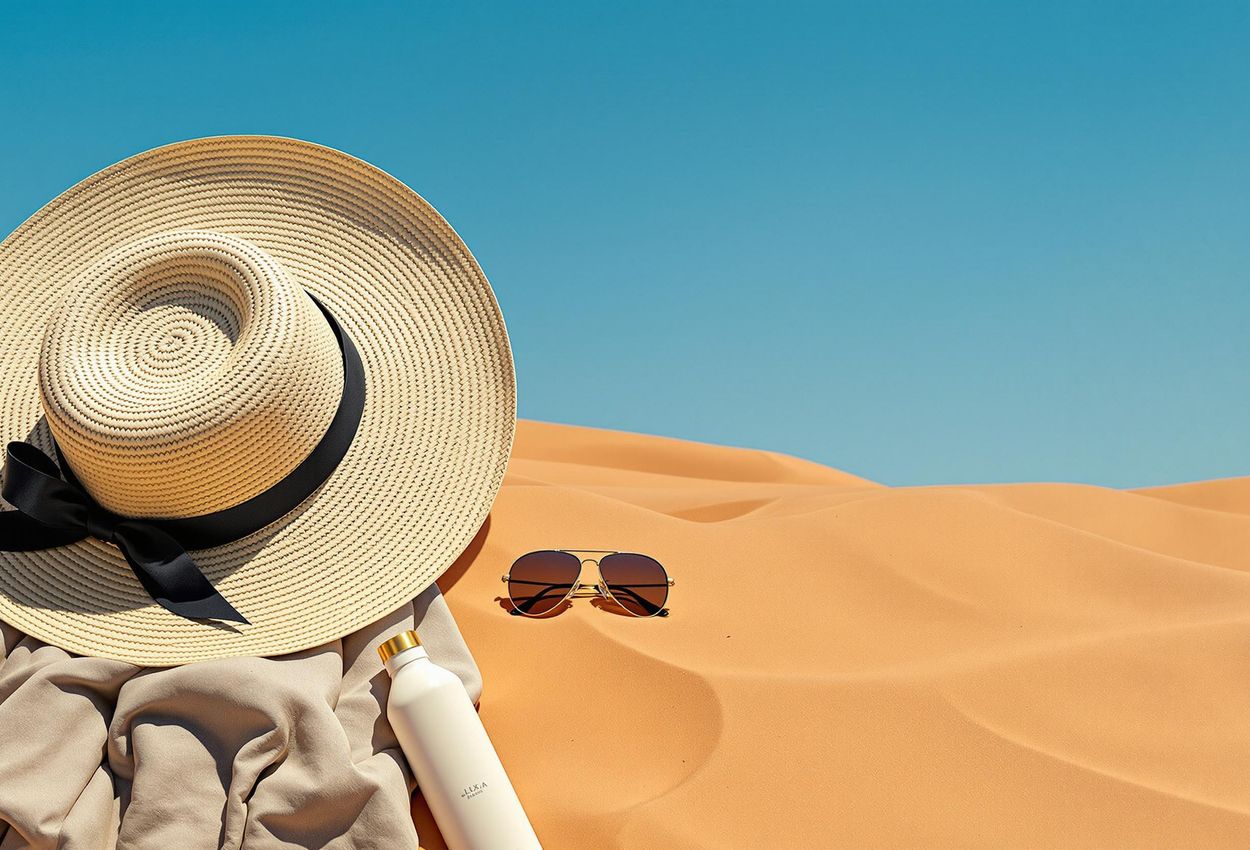
Opt for lightweight, breathable clothing made from natural fibers like cotton or linen. Loose-fitting shirts, pants, and dresses will help you stay cool and comfortable in the heat. A wide-brimmed hat is essential for protecting your face and neck from the sun. Sunglasses with UV protection will shield your eyes from the glare of the sand. And sunscreen with a high SPF will prevent sunburn.
Comfortable shoes are a must for walking in the sand. Sandals or flip-flops are not recommended, as they can easily fill with sand and become uncomfortable. Closed-toe shoes or hiking sandals are a better option. Evenings in the desert can be surprisingly cool, so pack a light jacket or sweater to stay warm.
Electricity in the desert camps is often limited, so bring a headlamp or flashlight for navigating at night. A portable charger for your electronic devices is also a good idea. And don't forget to pack any necessary medications, toiletries, and personal items.
Local Tip: Pack a small backpack to carry your essentials, such as water, sunscreen, and a camera, while exploring the desert.
Hidden Gem: Consider bringing a sarong or scarf to protect your face and hair from the sun and sand. It can also be used as a makeshift towel or blanket.
Turning your dream of exploring the Lompoul Desert into reality requires careful planning and booking. Fortunately, there are several convenient options available to suit your preferences and budget.
Consider booking through a reputable tour operator specializing in Senegal travel. These operators offer a variety of packages that include transportation, accommodations, and activities. Alternatively, you can book directly with the desert camps or eco-lodges, allowing you to customize your experience and potentially save money. Online platforms like Booking.com and Expedia also offer a range of options for accommodations and activities in the Lompoul Desert.
Transportation from Dakar to the Lompoul Desert is typically by taxi, bus, or private transfer. A taxi is the most convenient option, but it's also the most expensive, costing around $1 USD and taking approximately 2 hours. A bus is a more affordable option, but it's also slower, taking around 4-5 hours to reach Saint-Louis, from where you can take a local taxi or shared minibus to Lompoul Desert. A private transfer offers a balance of convenience and affordability.
Keep in mind that a 4x4 vehicle is typically required to reach the desert camps, as the roads can be sandy and challenging. Many tour operators and accommodations providers offer transportation from Lompoul village to the desert camps.

Local Tip: Negotiate prices with taxi drivers and tour operators to get the best deal. And be sure to confirm all details, such as pick-up location and time, before finalizing your booking.
Hidden Gem: Consider contacting local guides in Lompoul village for a more personalized and authentic experience. These guides can offer unique insights into the desert's ecosystem and culture, and they can help you discover hidden gems that you might otherwise miss.
Our editors` picks of the latest and greatest in travel - delivered to your inbox daily
Relax on the beaches and explore the reefs of Xai-Xai.
View More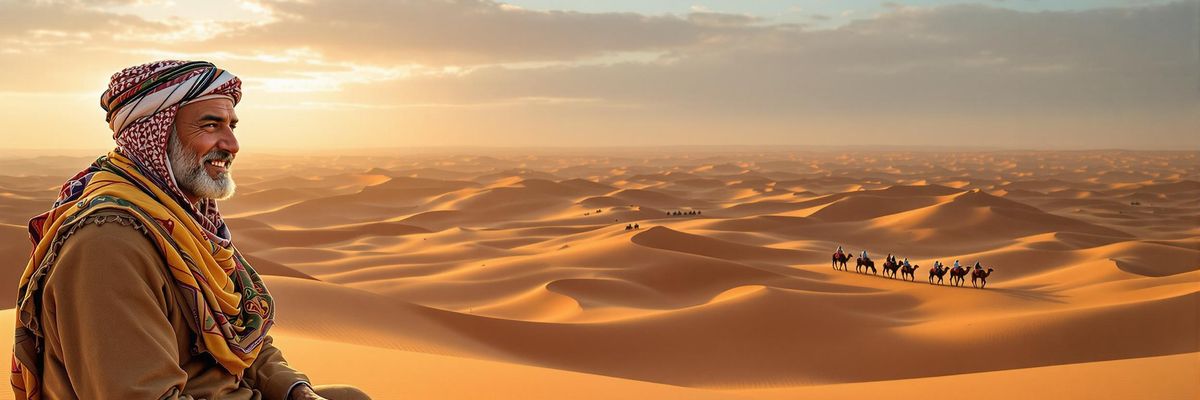
Embrace the cooler temperatures and experience the International Festival of the Sahara in Douz this December.
View More
Celebrate the year-end festivities in Accra, culminating in the vibrant Afrofuture festival.
View More Albania EDITION
 Algeria EDITION
 Argentina EDITION
 Armenia EDITION
 Australia EDITION
 Austria EDITION
 Bangladesh EDITION
 Belgium EDITION
 Belize EDITION
 Benin EDITION
 Bhutan EDITION
 Bolivia EDITION
 Bosnia and Herzegovina EDITION
 Botswana EDITION
 Brazil EDITION
 Bulgaria EDITION
 Burkina Faso EDITION
 Cambodia EDITION
 Cameroon EDITION
 Canada EDITION
 Central African Republic EDITION
 Chad EDITION
 Chile EDITION
 China EDITION
 Colombia EDITION
 Costa Rica EDITION
 Croatia EDITION
 Cyprus EDITION
 Denmark EDITION
 Djibouti EDITION
 Ecuador EDITION
 Egypt EDITION
 El Salvador EDITION
 Eritrea EDITION
 Estonia EDITION
 Ethiopia EDITION
 Finland EDITION
 France EDITION
 Gabon EDITION
 Georgia EDITION
 Germany EDITION
 Ghana EDITION
 Greece EDITION
 Guatemala EDITION
 Guinea EDITION
 Guinea-Bissau EDITION
 Honduras EDITION
 Hungary EDITION
 Iceland EDITION
 India EDITION
 Indonesia EDITION
 Ireland EDITION
 Israel EDITION
 Italy EDITION
 Jamaica EDITION
 Japan EDITION
 Jordan EDITION
 Kenya EDITION
 Kuwait EDITION
 Laos EDITION
 Latvia EDITION
 Lebanon EDITION
 Lesotho EDITION
 Liberia EDITION
 Lithuania EDITION
 Luxembourg EDITION
 Madagascar EDITION
 Malawi EDITION
 Malaysia EDITION
 Maldives EDITION
 Mali EDITION
 Malta EDITION
 Mauritania EDITION
 Mauritius EDITION
 Mexico EDITION
 Mongolia EDITION
 Montenegro EDITION
 Morocco EDITION
 Mozambique EDITION
 Namibia EDITION
 Nepal EDITION
 Netherlands EDITION
 New Zealand EDITION
 Nicaragua EDITION
 Niger EDITION
 Nigeria EDITION
 Norway EDITION
 Oman EDITION
 Pakistan EDITION
 Panama EDITION
 Papua New Guinea EDITION
 Paraguay EDITION
 Peru EDITION
 Philippines EDITION
 Poland EDITION
 Portugal EDITION
 Qatar EDITION
 Romania EDITION
 Rwanda EDITION
 Saudi Arabia EDITION
 Senegal EDITION
 Serbia EDITION
 Singapore EDITION
 Slovakia EDITION
 Slovenia EDITION
 Somalia EDITION
 South Africa EDITION
 South Korea EDITION
 Spain EDITION
 Sri Lanka EDITION
 Suriname EDITION
 Sweden EDITION
 Switzerland EDITION
 Tanzania EDITION
 Thailand EDITION
 Tunisia EDITION
 Uganda EDITION
 United Arab Emirates EDITION
 United Kingdom EDITION
 Uruguay EDITION
 Venezuela EDITION
 Vietnam EDITION
 Zambia EDITION
 Zimbabwe EDITION
Subscribe to our newsletter and get the most captivating travel stories, hidden gems, and expert insights delivered straight to your inbox. As a subscriber, you’ll be first in line for exclusive content, premium offers, and unforgettable travel experiences