



Destination Guide
Xai-Xai: A Coastal Retreat
Relax on the beaches and explore the reefs of Xai-Xai.
View More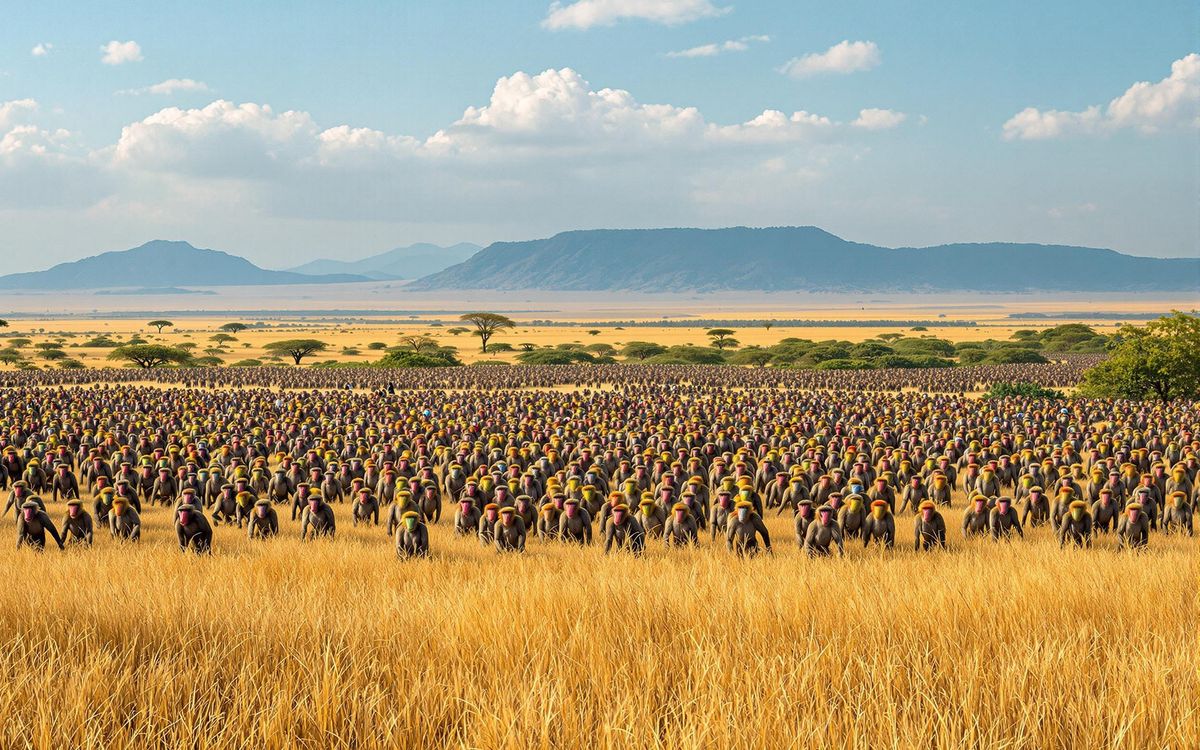

Venture into the heart of Gabon, where the whispers of the savanna meet the echoes of the rainforest in Lopé National Park, a realm teeming with primate life and ancient mysteries.
In the heart of Gabon, where the equator's embrace is most keenly felt, lies a sanctuary unlike any other: Lopé National Park. Here, the dense emerald tapestry of the rainforest fringes upon the golden expanse of the savanna, creating a mosaic of life that has captivated scientists and adventurers alike. Bordered by the sinuous Ogooué River to the north and the imposing Chaillu Massif to the south, this park is a realm of ecological wonder.
The park's unique landscape is a relic of the last Ice Age, a time when cooler, drier conditions fostered the growth of open savannas across Central Africa. As the climate warmed, the rainforest gradually encroached, yet the savanna persisted in Lopé, maintained by a combination of natural conditions and, perhaps, human activity. Today, this transitional zone harbors an extraordinary array of species, a testament to its rich biodiversity.
Recognized for its ecological and cultural significance, Lopé National Park was declared a UNESCO World Heritage Site in 2007. This prestigious designation acknowledges not only the park's exceptional biodiversity but also its wealth of archaeological treasures, which tell a story of human presence stretching back over 400,000 years. Imagine standing at the edge of the forest, the air thick with the scent of damp earth and the calls of unseen birds, while the rustling grasses of the savanna whisper tales of ancient migrations and long-lost civilizations.
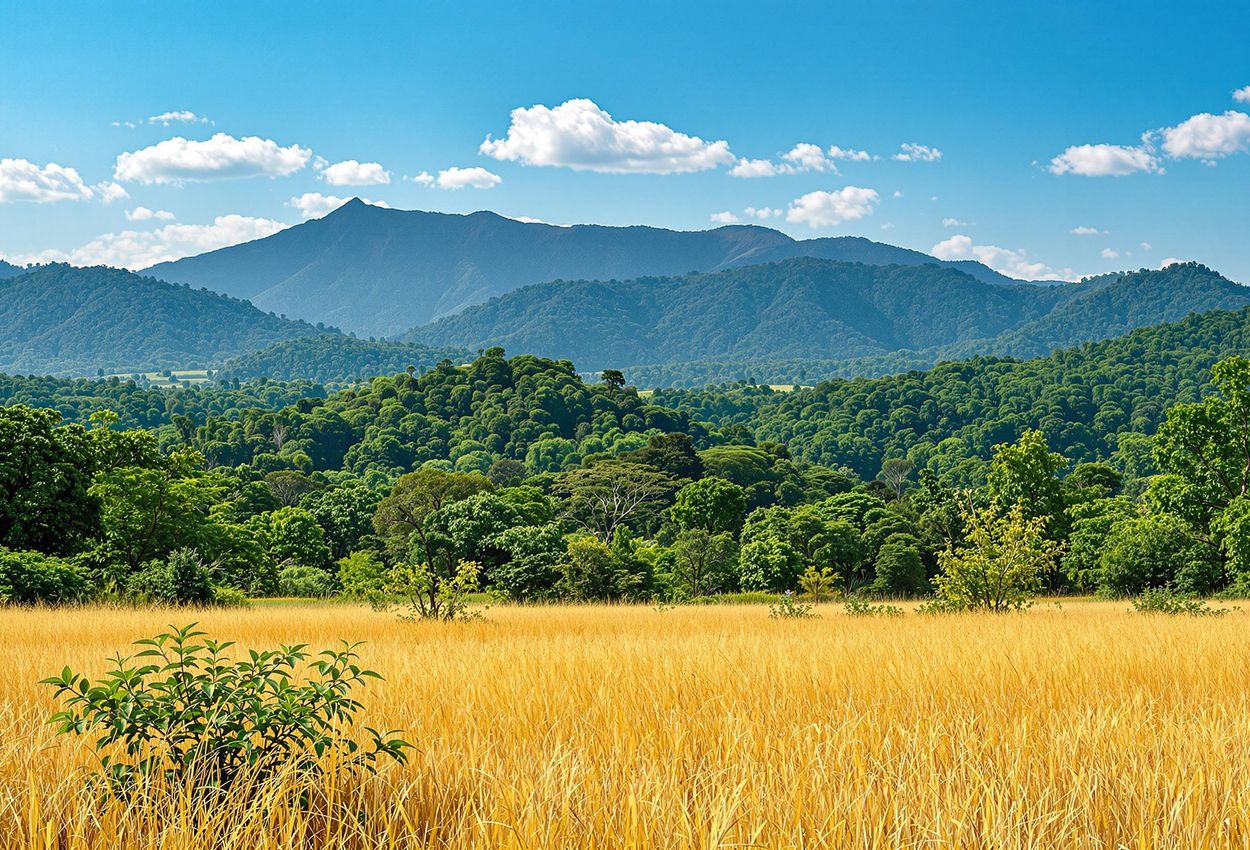
The symphony of the wild plays out in every corner of Lopé, where the high-pitched calls of colobus monkeys echo through the dense canopy, blending with the chirping chorus of insects in the sun-drenched savanna. This is a place where the senses are heightened, where every sight, sound, and scent tells a story of life's intricate dance.
Witnessing a Gathering of Giants: The Baboon Supertroops
The true spectacle of Lopé National Park unfolds during the dry season, particularly in July and August, when the savanna becomes a stage for an extraordinary gathering. This is the time when the park's baboon population congregates in numbers that defy imagination, forming supertroops that can number over a thousand individuals. To witness this event is to be humbled by the sheer power and complexity of the natural world.
Imagine yourself standing on a grassy knoll, the sun beating down, as a wave of baboons surges across the savanna. They come in all shapes and sizes, from grizzled old males with battle-scarred faces to playful infants clinging to their mothers' backs. The air is filled with their barks, grunts, and chattering calls, a cacophony of primate communication.
These gatherings are not random occurrences; they are driven by the availability of resources and the need for social interaction. During the dry season, when food and water become scarce, baboons converge on areas where these necessities can still be found. The supertroops offer protection from predators and provide opportunities for mating and social bonding.
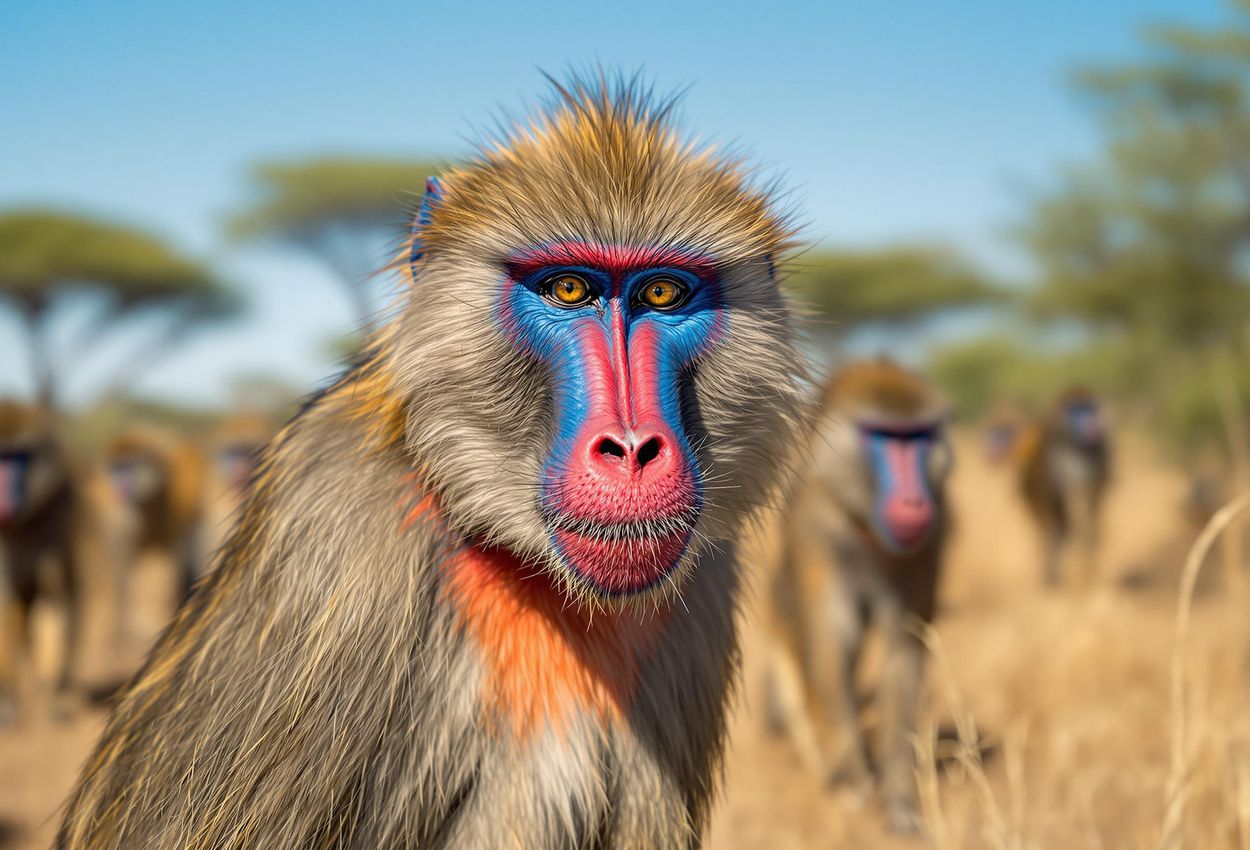
Among the baboon throngs, keep an eye out for the vibrant colors of the male mandrills. Their faces are adorned with a kaleidoscope of blues, reds, and yellows, making them some of the most visually striking primates on Earth. These colors are not merely decorative; they signal the mandrill's social status and health, playing a crucial role in their complex social hierarchy.
Local Tip: When observing baboons in the wild, it's important to maintain a respectful distance. Avoid direct eye contact, as this can be interpreted as a threat. Carrying a stick can also deter curious individuals. Remember, you are a guest in their kingdom.
Gorilla Shadows and Chimpanzee Chatter: Inhabitants of the Undergrowth
While the baboon supertroops command attention on the savanna, Lopé National Park also harbors other primate treasures within its rainforest depths: gorillas and chimpanzees. These great apes, though present in significant numbers, are more elusive than their savanna-dwelling cousins.
The western lowland gorillas and chimpanzees, share this protected environment. Though not always easily approached, their presence enriches the park's biodiversity. Researchers at the Station d'Etudes des Gorilles et Chimpanzés (SEGC) diligently study these primates, contributing valuable insights into their behavior and ecology.
Imagine trekking through the dense undergrowth, the air heavy with humidity, as you search for signs of these elusive creatures. A broken branch, a discarded fruit, or a faint call in the distance – each clue brings you closer to understanding their hidden lives.
Gorillas, primarily herbivores, spend their days foraging for leaves, stems, and fruits. Chimpanzees, on the other hand, have a more varied diet, supplementing their plant-based meals with insects and even small animals. Observing their foraging habits provides a glimpse into the intricate web of life that connects all species within the rainforest ecosystem.
Mikongo: A Window into Primate Research
For those seeking a deeper understanding of primate behavior and conservation, a visit to the Mikongo research station is essential. This station, supported by organizations like the Zoological Society London and the Wildlife Conservation Society, serves as a hub for scientific research and education.
The station offers basic but comfortable accommodations, including chalets and a dining area, allowing visitors to immerse themselves in the sounds and sights of the rainforest. From here, you can embark on guided tours led by experienced researchers, learning about the ongoing studies and conservation efforts.
Hidden Gem: The Mikongo research station offers educational programs for visitors of all ages. Learn about primate behavior, rainforest ecology, and the challenges of conservation from the experts who are working on the front lines.

Safari Under the Canopy: Accommodation and Tours
Planning a trip to Lopé National Park requires careful consideration of accommodation and transportation. Fortunately, several options cater to different budgets and preferences.
Moabi Tented Camp offers an immersive safari experience, with comfortable tents nestled in the heart of the savanna. Imagine falling asleep to the sounds of the African night – the distant roar of a lion, the chirping of crickets, and the gentle breeze rustling through the grass. Alternatively, the Lopé Hotel provides a more traditional lodging option with easy access to park activities.
Getting to Lopé is an adventure in itself. The Trans-Gabon Railway offers a comfortable and scenic journey from Libreville, allowing you to witness the changing landscapes of Gabon. Once in the park, a range of activities awaits.
Guided safaris provide opportunities to spot wildlife from the safety of a vehicle, while treks to Mount Brazza reward hikers with panoramic views of the park. Boat tours along the Ogooué River offer a unique perspective, allowing you to observe aquatic life and explore hidden corners of the park.
Hidden Gems: Petroglyphs and Ancient Echoes
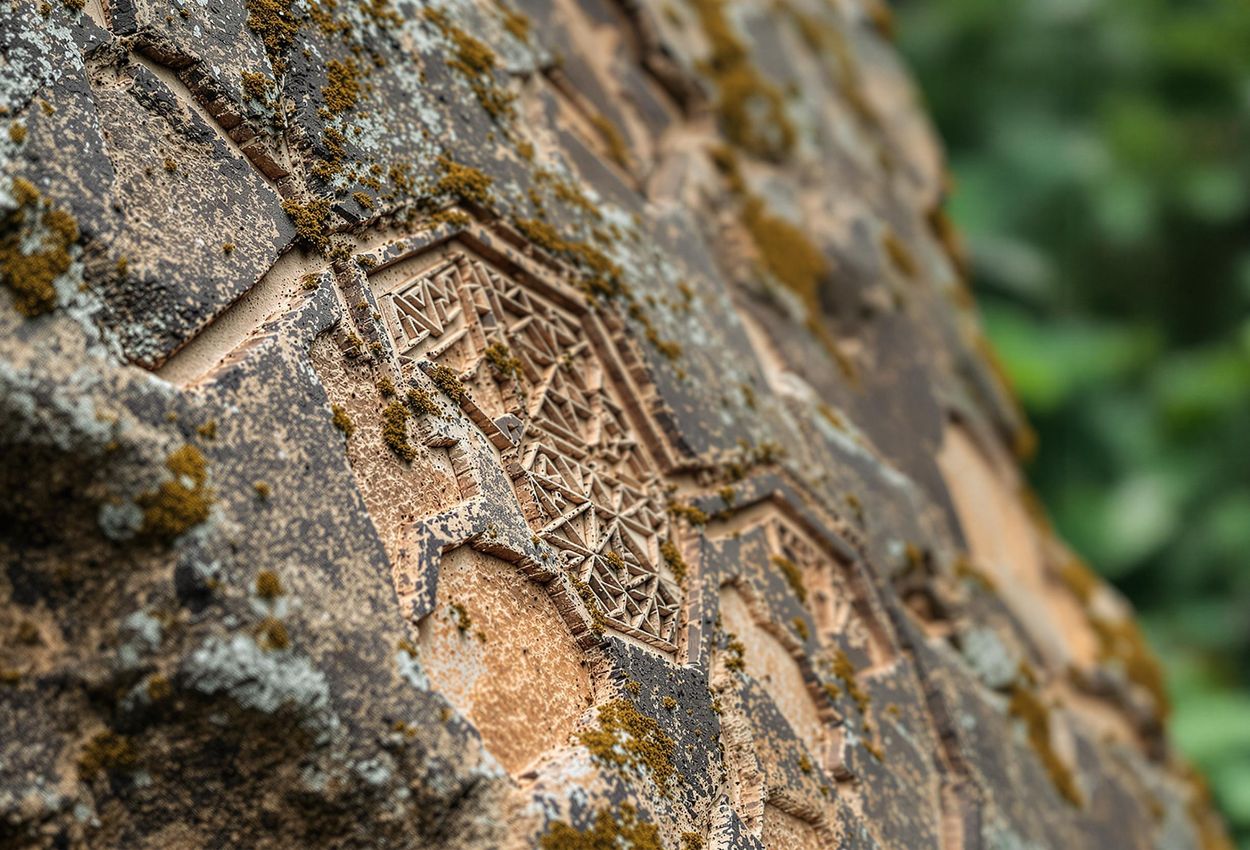
Beyond its wildlife, Lopé National Park holds secrets of human history, whispering tales of civilizations that thrived in this region for millennia. Scattered throughout the park are ancient petroglyphs, rock carvings that offer a glimpse into the lives and beliefs of early inhabitants.
These petroglyphs, found in the Ogooué River Valley, depict a range of symbols and figures, from geometric patterns to representations of animals and humans. Their origins remain shrouded in mystery, but archaeologists believe they were created by Iron Age communities over 2,000 years ago.
The history of human occupation in the area dates back an astonishing 400,000 years, with evidence of Stone Age settlements and tools. The shifting ecosystems since the last ice age have shaped not only the landscape but also the course of human history in this region.
Local Experience: If you have the opportunity, inquire about the Bwiti initiation ceremony, a traditional Gabonese rite of passage. While not directly related to the park, understanding this cultural practice provides a deeper appreciation for the local traditions and beliefs.
Conservation Crossroads: Protecting Lopé's Legacy
Lopé National Park, like many protected areas around the world, faces a multitude of challenges. Climate change, with its potential to alter ecosystems, poses a significant threat to the park's biodiversity. Habitat loss, driven by deforestation and agricultural expansion, further jeopardizes the delicate balance of the park's environment.
To combat these challenges, a concerted effort is underway, involving government agencies like ANPN, international organizations like WCS, and local eco-guides. These dedicated individuals work tirelessly to protect the park's natural and cultural heritage.
Their efforts include anti-poaching patrols, habitat restoration projects, and community outreach programs that promote sustainable livelihoods. By supporting responsible tourism and conservation initiatives, visitors can play a vital role in ensuring the long-term survival of Lopé National Park.
As you leave Lopé, carry with you the memories of its majestic landscapes, its vibrant wildlife, and its ancient echoes. Let your experience inspire you to become an advocate for conservation, ensuring that future generations can witness the wonders of this extraordinary place.
Our editors` picks of the latest and greatest in travel - delivered to your inbox daily
Relax on the beaches and explore the reefs of Xai-Xai.
View More
Embrace the cooler temperatures and experience the International Festival of the Sahara in Douz this December.
View More
Celebrate the year-end festivities in Accra, culminating in the vibrant Afrofuture festival.
View More Albania EDITION
 Algeria EDITION
 Argentina EDITION
 Armenia EDITION
 Australia EDITION
 Austria EDITION
 Bangladesh EDITION
 Belgium EDITION
 Belize EDITION
 Benin EDITION
 Bhutan EDITION
 Bolivia EDITION
 Bosnia and Herzegovina EDITION
 Botswana EDITION
 Brazil EDITION
 Bulgaria EDITION
 Burkina Faso EDITION
 Cambodia EDITION
 Cameroon EDITION
 Canada EDITION
 Central African Republic EDITION
 Chad EDITION
 Chile EDITION
 China EDITION
 Colombia EDITION
 Costa Rica EDITION
 Croatia EDITION
 Cyprus EDITION
 Denmark EDITION
 Djibouti EDITION
 Ecuador EDITION
 Egypt EDITION
 El Salvador EDITION
 Eritrea EDITION
 Estonia EDITION
 Ethiopia EDITION
 Finland EDITION
 France EDITION
 Gabon EDITION
 Georgia EDITION
 Germany EDITION
 Ghana EDITION
 Greece EDITION
 Guatemala EDITION
 Guinea EDITION
 Guinea-Bissau EDITION
 Honduras EDITION
 Hungary EDITION
 Iceland EDITION
 India EDITION
 Indonesia EDITION
 Ireland EDITION
 Israel EDITION
 Italy EDITION
 Jamaica EDITION
 Japan EDITION
 Jordan EDITION
 Kenya EDITION
 Kuwait EDITION
 Laos EDITION
 Latvia EDITION
 Lebanon EDITION
 Lesotho EDITION
 Liberia EDITION
 Lithuania EDITION
 Luxembourg EDITION
 Madagascar EDITION
 Malawi EDITION
 Malaysia EDITION
 Maldives EDITION
 Mali EDITION
 Malta EDITION
 Mauritania EDITION
 Mauritius EDITION
 Mexico EDITION
 Mongolia EDITION
 Montenegro EDITION
 Morocco EDITION
 Mozambique EDITION
 Namibia EDITION
 Nepal EDITION
 Netherlands EDITION
 New Zealand EDITION
 Nicaragua EDITION
 Niger EDITION
 Nigeria EDITION
 Norway EDITION
 Oman EDITION
 Pakistan EDITION
 Panama EDITION
 Papua New Guinea EDITION
 Paraguay EDITION
 Peru EDITION
 Philippines EDITION
 Poland EDITION
 Portugal EDITION
 Qatar EDITION
 Romania EDITION
 Rwanda EDITION
 Saudi Arabia EDITION
 Senegal EDITION
 Serbia EDITION
 Singapore EDITION
 Slovakia EDITION
 Slovenia EDITION
 Somalia EDITION
 South Africa EDITION
 South Korea EDITION
 Spain EDITION
 Sri Lanka EDITION
 Suriname EDITION
 Sweden EDITION
 Switzerland EDITION
 Tanzania EDITION
 Thailand EDITION
 Tunisia EDITION
 Uganda EDITION
 United Arab Emirates EDITION
 United Kingdom EDITION
 Uruguay EDITION
 Venezuela EDITION
 Vietnam EDITION
 Zambia EDITION
 Zimbabwe EDITION
Subscribe to our newsletter and get the most captivating travel stories, hidden gems, and expert insights delivered straight to your inbox. As a subscriber, you’ll be first in line for exclusive content, premium offers, and unforgettable travel experiences