


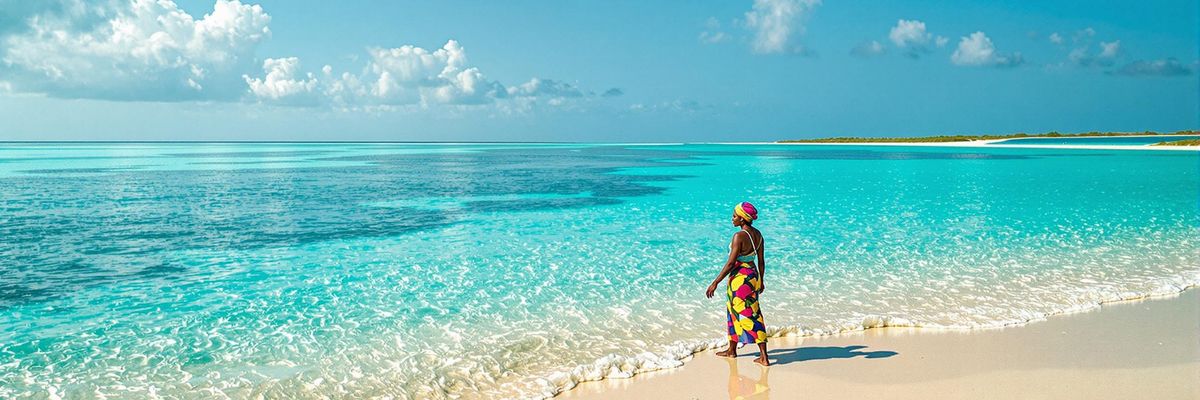
Destination Guide
Xai-Xai: A Coastal Retreat
Relax on the beaches and explore the reefs of Xai-Xai.
View More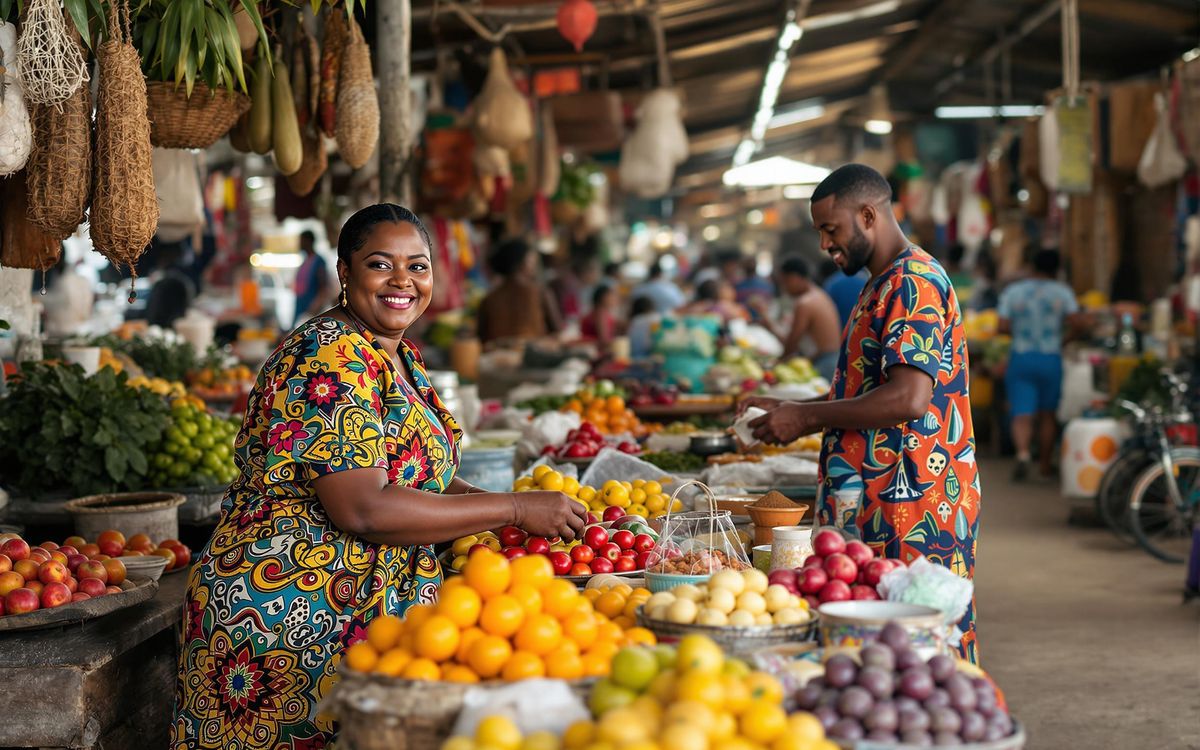

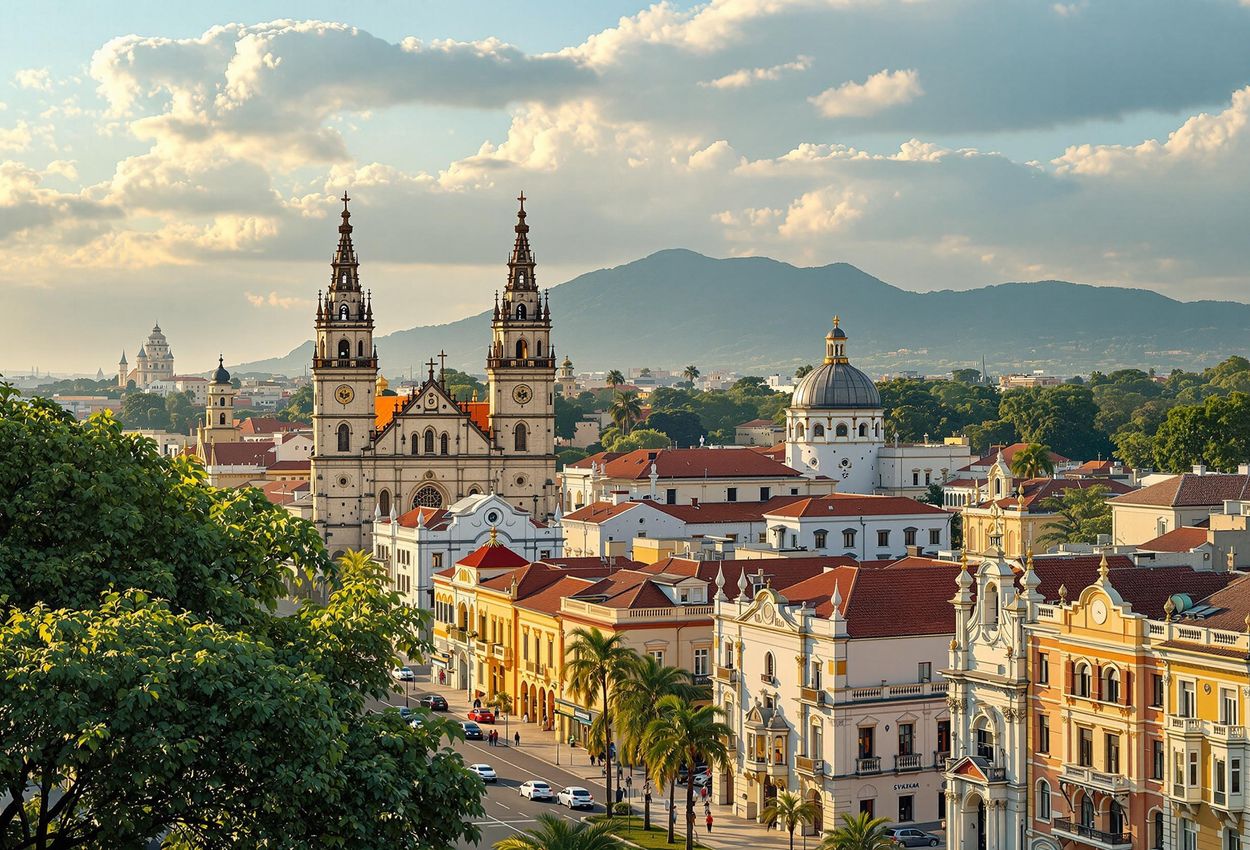
Malabo, the capital of Equatorial Guinea, is a city where the echoes of Spanish colonialism resonate through its architecture and culture, creating a unique blend with the vibrant traditions of Africa.
As you wander through its streets, you'll discover a captivating story etched into the very fabric of the city, a narrative of cultural fusion and historical significance. The city's buildings stand as silent witnesses to its colonial past, their designs reflecting the architectural styles of Spain, adapted to the tropical climate of the region. The rhythmic cadence of Spanish being spoken alongside local languages fills the air, a linguistic tapestry that mirrors the city's diverse heritage. The aroma of African and Spanish cuisine mingles in the air, a tantalizing invitation to explore the culinary delights that Malabo has to offer.
Malabo's history is a rich and complex tapestry, woven with threads of colonial influence and African resilience. Founded by the British in 1827, it later became the capital of Spanish Guinea. Over the centuries, the city has witnessed pivotal events that have shaped its identity, from the colonial era to the struggle for independence and the subsequent development of a modern nation. Each chapter of its past has left an indelible mark, contributing to the unique character that defines Malabo today. The city is located on the northern edge of Bioko Island, on the rim of a sunken volcano. Its harbor is one of the deepest seaports in the region.
The architectural landscape of Malabo is a testament to its colonial heritage, with buildings that evoke a sense of grandeur and historical significance. The Catedral de Santa Isabel, a neo-Gothic masterpiece, stands as a symbol of the city's religious and cultural identity. The Presidential Palace, an imposing structure, reflects the country's modern governance. La Casa Verde, or the Green House, is one of Malabo's main business centers. These landmarks, along with numerous other colonial-era buildings, contribute to the city's distinctive charm and offer a glimpse into its past. The Plaza de España, with its bright tiles, is another beautiful example of the city's architecture.
Beyond its architectural and historical significance, Malabo is a city brimming with life and cultural vibrancy. The Mercado Central, a bustling hub of local commerce, offers a sensory overload of sights, sounds, and smells. The Museo Nacional de Guinea Ecuatorial provides a glimpse into the country's rich cultural heritage, showcasing traditional artifacts, sculptures, and objects from various ethnic groups. These cultural attractions, along with the warmth and hospitality of its people, make Malabo a truly captivating destination. The city is also home to the National University of Equatorial Guinea.
As you explore Malabo, take time to immerse yourself in its unique atmosphere, to savor the flavors of its cuisine, and to connect with its people. Discover the hidden stories behind its landmarks, and allow yourself to be transported back in time. Malabo is a city that will captivate your senses and leave an indelible mark on your soul.
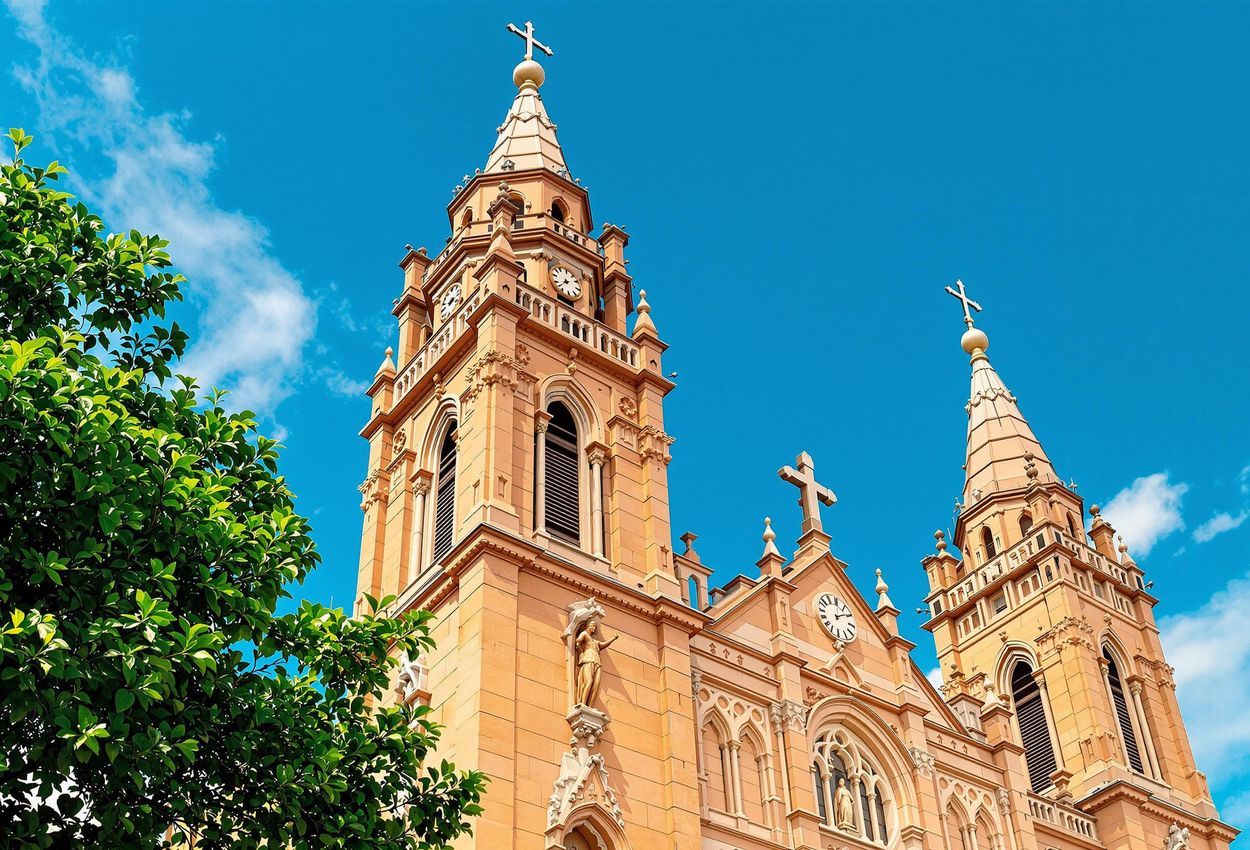
The Catedral de Santa Isabel, a towering neo-Gothic structure, stands as a testament to Malabo's rich colonial past and its enduring religious heritage. Its construction, initiated in 1897 and completed in 1916, was a collaborative effort, funded by donations from Spain, local patrons, and commercial companies. The cathedral's design, attributed to Spanish architect Manuel de la Peña y Peña, reflects the architectural styles prevalent during the colonial era, adapted to the tropical climate of Equatorial Guinea. The cathedral features tall spires and intricate stained glass.
As you approach the cathedral, its imposing facade commands attention, its twin towers reaching towards the heavens, a symbol of faith and aspiration. The peach-colored building is considered the most beautiful in the country. The intricate details of its neo-Gothic design are a feast for the eyes, a testament to the craftsmanship and artistry of its builders. The building was influenced by the work of Antoni Gaudí. The church is located on Independencia Avenue.
Stepping inside the Catedral de Santa Isabel is like entering a sanctuary of peace and tranquility. The light filtering through the stained-glass windows casts a kaleidoscope of colors across the interior, creating a serene and ethereal atmosphere. The echoes of hymns and prayers resonate through the halls, a testament to the cathedral's role as a key religious site for the local community. The scent of incense lingers in the air, adding to the sense of reverence and spirituality. The stained glass windows depict biblical scenes.
The Catedral de Santa Isabel is more than just a religious building; it is a cultural landmark, a symbol of Malabo's identity and its connection to its colonial past. The surrounding Plaza de España, with its vibrant tiles and intricate designs, adds to the cathedral's allure, creating a harmonious blend of architectural styles and cultural influences. The plaza is decorated with African themes and animals. The cathedral has three naves.
Hidden Gem: The story of the cathedral's construction is a fascinating tale of collaboration and dedication. Funds for the project were sourced from Spain and local patrons, demonstrating the shared commitment to creating a place of worship and community gathering. The mosaic at the altar's retablo was designed by Fr. Maximo Cerezo and made in Spain. It depicts Jesus Christ surrounded by 12 figures, including Cerezo himself.
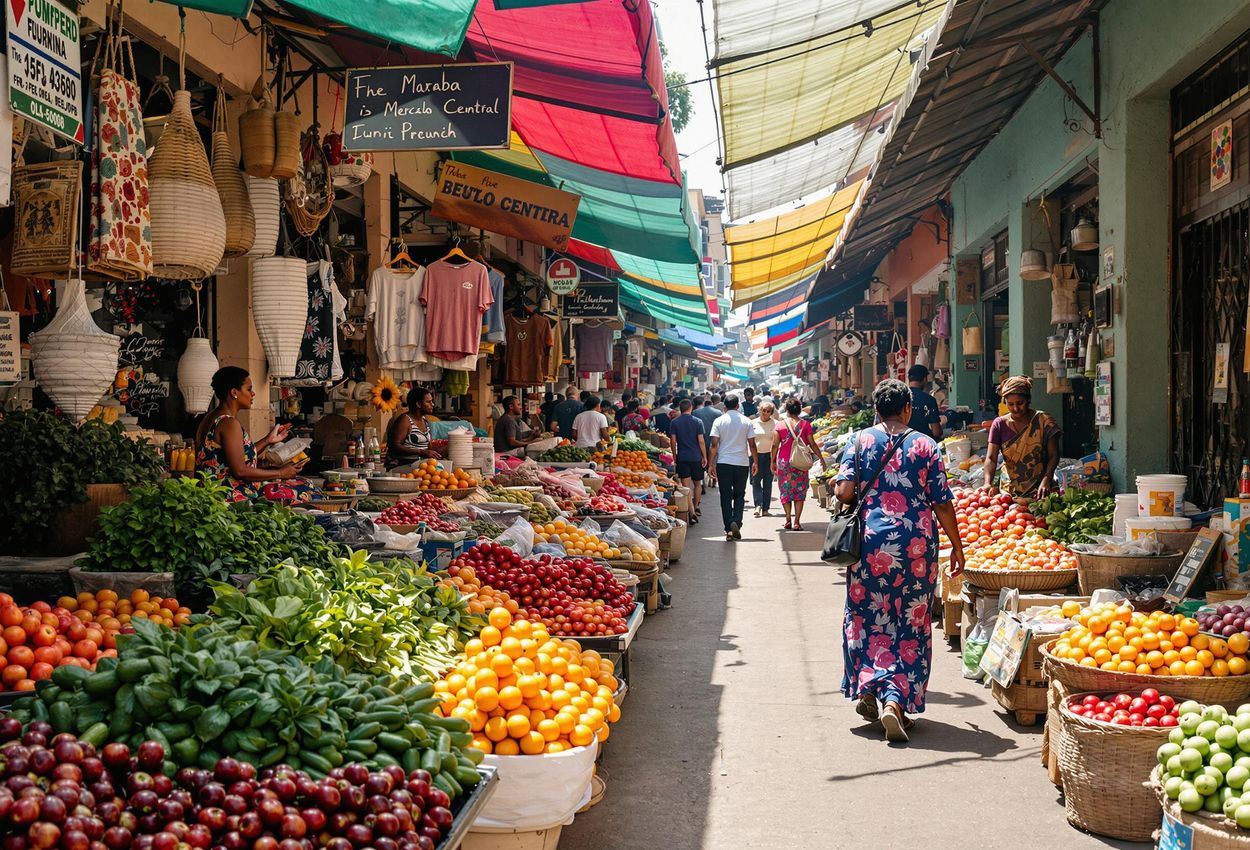
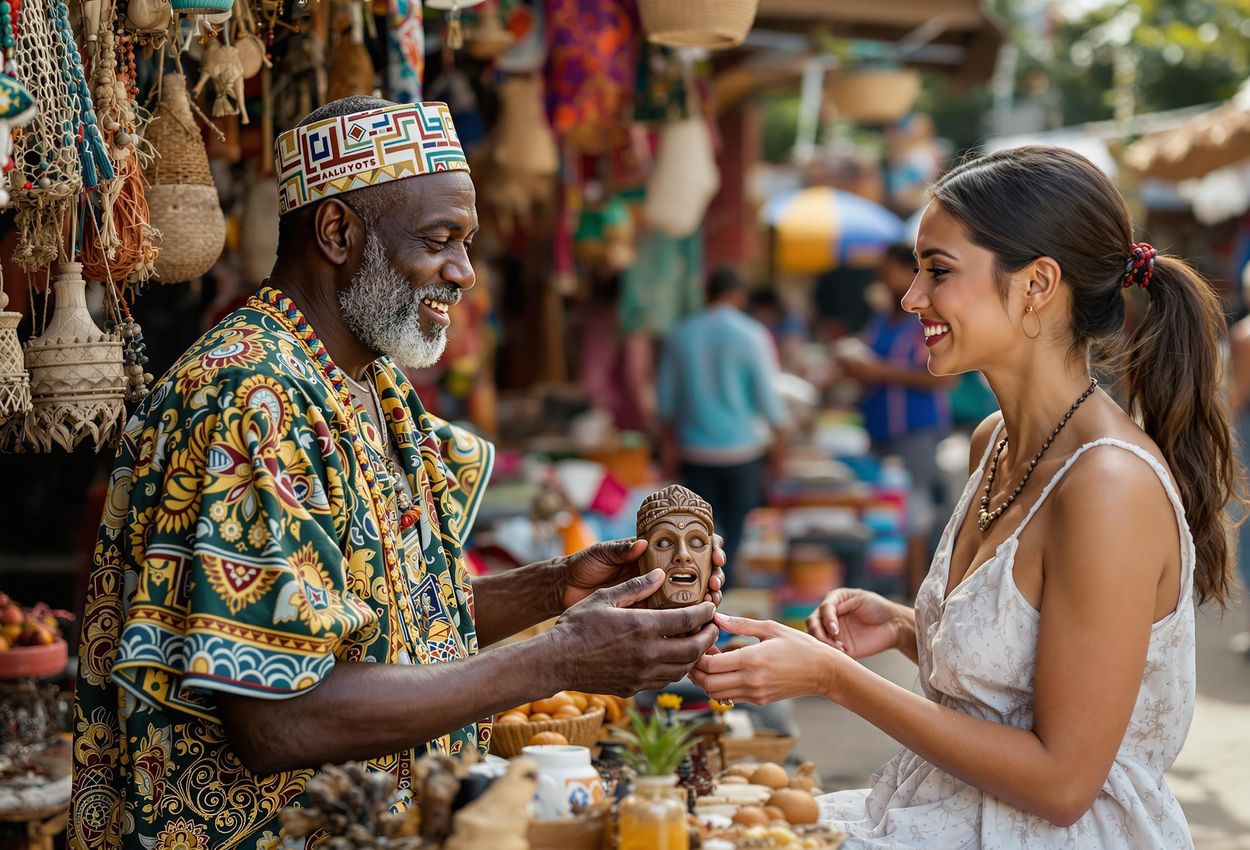
The Mercado Central, or Central Market, is the throbbing heart of Malabo, a bustling hub of local life where the senses are bombarded with a symphony of sights, sounds, and smells. As you step into the market, you are immediately immersed in a vibrant tapestry of colors, textures, and aromas, a testament to the city's rich cultural heritage and its thriving commercial activity. The market is a must-see for tourists.
The sights of the Mercado Central are a kaleidoscope of colors, with vendors displaying their wares in a dazzling array of arrangements. Fresh produce, from vibrant fruits and vegetables to exotic spices and herbs, is piled high on tables, creating a feast for the eyes. Local crafts, from intricate wood carvings to colorful textiles, showcase the artistic talents of the region's artisans. Traditional clothing, adorned with bold patterns and vibrant hues, adds to the market's visual appeal. The market is a great place to shop.
The sounds of the Mercado Central are just as captivating as its sights, with the lively chatter of locals creating a constant buzz of activity. Vendors call out to potential customers, their voices blending with the rhythmic pounding of drums and the melodic strains of local music. The aroma of spices, grilling meats, and freshly baked bread fills the air, a tantalizing invitation to sample the market's culinary delights. The market offers a sensory overload.
The Mercado Central is more than just a place to buy and sell goods; it is a social gathering point, a place where locals come to meet, chat, and exchange news. The market is a reflection of the city's cultural diversity, with people from all walks of life coming together to trade and interact. The market provides a glimpse into the daily lives of Malabo's residents, offering a unique and authentic cultural experience.
Hidden Gem: The Mercado Central holds a special significance for brides-to-be, who traditionally choose fabrics at the market for their wedding attire. This tradition adds a touch of romance and cultural significance to the market's already vibrant atmosphere. The Equatorial Guinea government is considering relocating the market to a new zone in the city. The new market will house over 500 vendors.
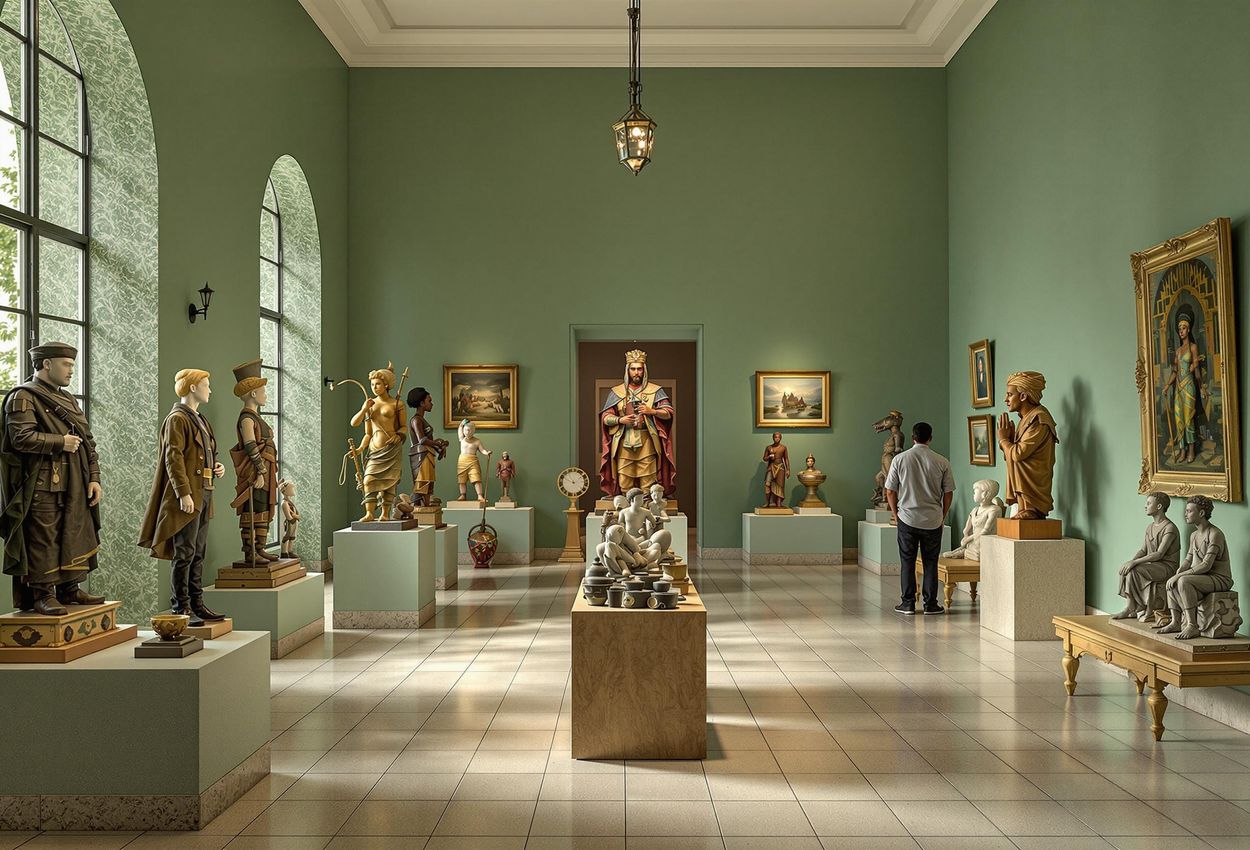
The Museo Nacional de Guinea Ecuatorial, or National Museum of Equatorial Guinea, serves as a repository of the nation's cultural heritage, offering visitors a glimpse into the country's rich past and its diverse ethnic traditions. Through its ethnographic collections and artistic displays, the museum strives to preserve and promote the cultural identity of Equatorial Guinea, fostering a sense of national pride and understanding. The museum has a collection of traditional and contemporary art.
The museum's ethnographic collections are a treasure trove of traditional artifacts, sculptures, and objects from the various ethnic groups that make up Equatorial Guinea. These objects, crafted with skill and artistry, provide insights into the customs, beliefs, and daily lives of the country's diverse communities. From intricate wood carvings to colorful textiles, the ethnographic collections showcase the artistic talents and cultural traditions that have shaped Equatorial Guinea's identity. The museum is a window into the country's past.
The Museo Nacional also celebrates the contributions of prominent Equatoguinean artists, including Leandro Mbomio Nsue, known for his sculptures inspired by Fang mythology. Mbomio Nsue's works, imbued with symbolism and cultural significance, offer a glimpse into the spiritual beliefs and artistic expressions of the Fang people, one of the country's largest ethnic groups. The museum pays homage to Nsue's contributions.
Beyond its role as a preserver of cultural heritage, the Museo Nacional actively promotes contemporary Equatoguinean artists, providing a platform for emerging talents to showcase their work and engage with the public. Through exhibitions, workshops, and educational programs, the museum fosters artistic innovation and encourages dialogue about the country's cultural identity. The museum is a platform for emerging artists.
Hidden Gem: The Museo Nacional's commitment to promoting contemporary Equatoguinean artists is a testament to its vision of fostering a vibrant and dynamic cultural landscape. By providing a space for artistic expression and cultural exchange, the museum contributes to the ongoing evolution of Equatorial Guinea's cultural identity. The museum actively engages in fostering contemporary expressions.
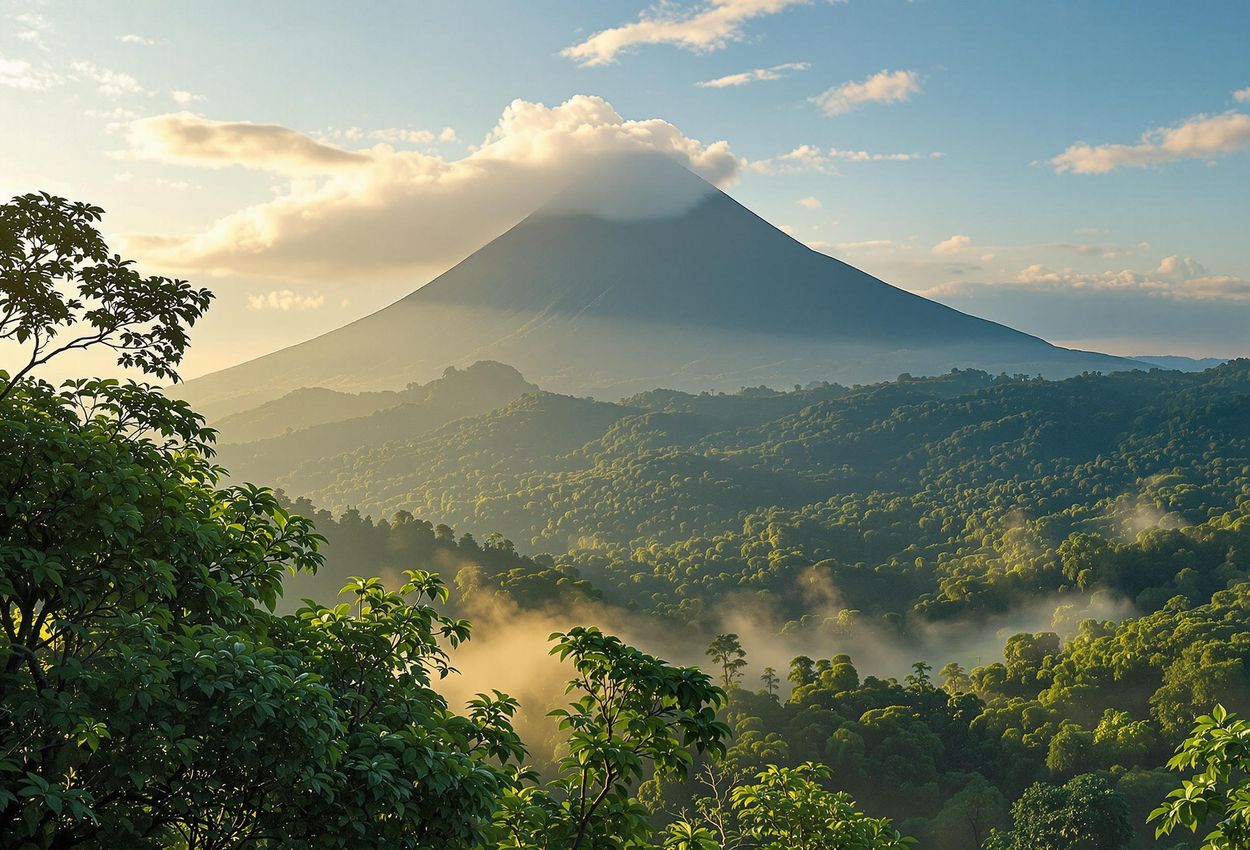
Pico Basilé, the highest peak in Equatorial Guinea, beckons adventurers with its challenging trails and breathtaking panoramic vistas. Rising to a height of 3,011 meters (9,878 feet), this majestic mountain offers a unique opportunity to experience the natural beauty and biodiversity of Bioko Island. The mountain used to be called Pico de Santa Isabel or Clarence Peak.
The hike to the summit of Pico Basilé is a rewarding experience, but it requires a good level of physical fitness and some hiking experience. The trail winds through diverse terrain, from lush rainforests to cloud forests, offering glimpses of the island's unique flora and fauna. The trails can be challenging due to the steep and muddy terrain. The 12-kilometer round trip can take 4-6 hours.
As you ascend, you'll be surrounded by a symphony of sights and sounds, from the vibrant colors of orchids and other tropical flowers to the calls of exotic birds and the rustling of leaves in the wind. The air is fresh and clean, and the views become increasingly spectacular as you climb higher. The park features dense rainforests, towering peaks, and diverse wildlife.
From the summit of Pico Basilé, you'll be rewarded with panoramic views that stretch across the island and beyond. On a clear day, you can see Mount Cameroon in the distance. The small crater lake near the summit adds to the mountain's allure. The park is home to monkeys and various bird species.
Hidden Gem: The small crater lake near the summit of Pico Basilé is a hidden gem, a tranquil oasis that reflects the surrounding landscape. This serene spot is the perfect place to rest and reflect on your accomplishment before beginning the descent. The mountain is part of Pico Basilé National Park, created to protect the area.
Practical Advice for Hikers:
* Wear sturdy hiking boots with good grip, as the trail can be steep and slippery.
* Bring plenty of water and snacks, as there are no facilities on the mountain.
* Dress in layers, as the weather can change quickly.
* Consider hiring a local guide, who can provide valuable knowledge about the trail, wildlife, and cultural history.
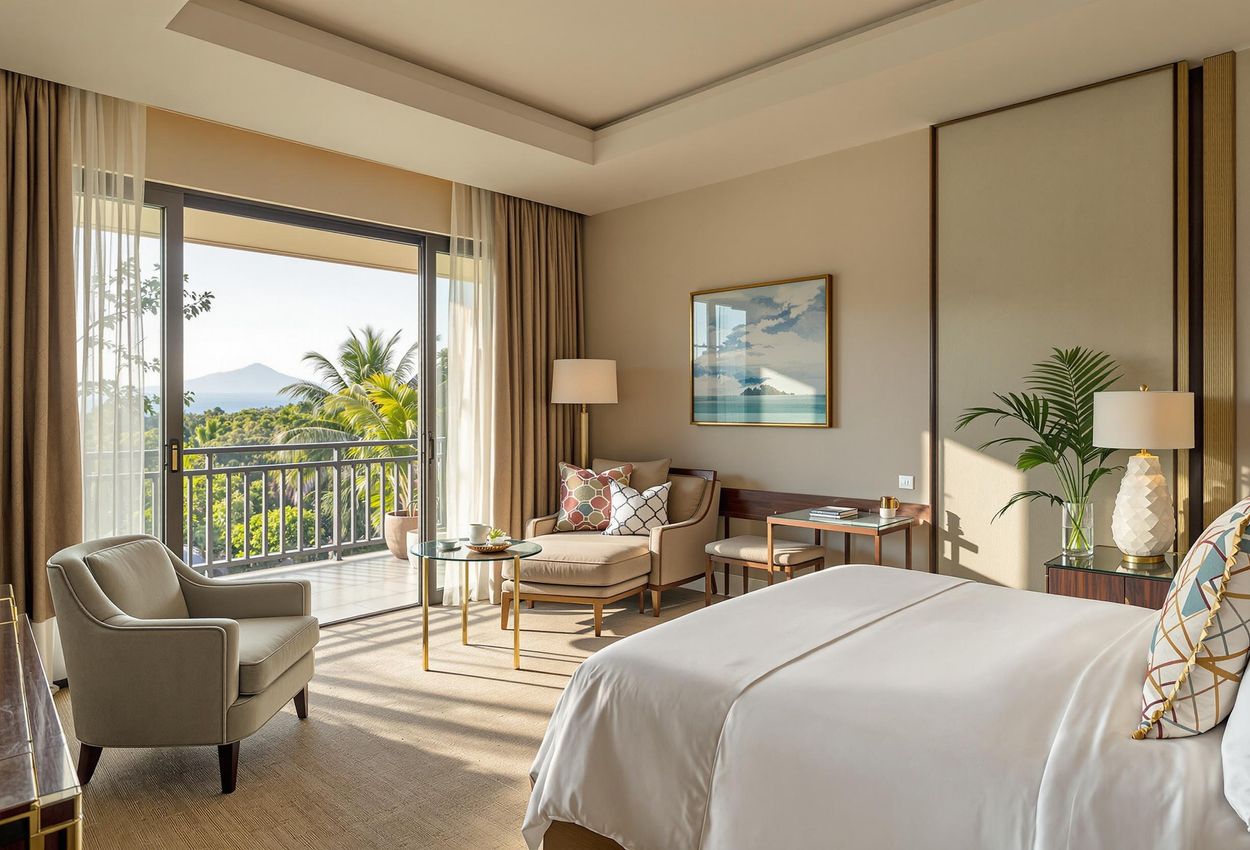
After a day of exploring Malabo's cultural attractions or hiking to the summit of Pico Basilé, you'll want a comfortable and luxurious place to unwind. Malabo offers a range of upscale hotels that cater to discerning travelers, providing exceptional amenities, impeccable service, and a relaxing atmosphere. The city has exclusive deals on luxury hotels and resorts.
Recommended Luxury Hotels:
* Sofitel Malabo President Palace: This elegant hotel offers a blend of modern comfort and traditional African hospitality, with spacious rooms, a swimming pool, and a variety of dining options.
* Hilton Malabo: This contemporary hotel features stylish rooms, a fitness center, and a rooftop terrace with panoramic city views.
* Sofitel Malabo Sipopo Le Golf: Located on the outskirts of Malabo, this luxurious resort offers a tranquil escape with a private beach, a golf course, and stunning ocean views.
* Ibis Malabo: This hotel offers comfort and affordability.
* Colinas Hotel: This unique hotel is a leisure and corporate destination.
These hotels offer a range of amenities and services, including:
* Spacious and well-appointed rooms
* Swimming pools and fitness centers
* On-site restaurants and bars
* Business centers and meeting facilities
* Concierge services
Many of these hotels offer exclusive experiences, such as private beach access, golf course privileges, and personalized spa treatments. Whether you're seeking a romantic getaway, a family vacation, or a business trip, Malabo's luxury hotels provide the perfect setting for an unforgettable stay. Some hotels offer ocean views.
Navigating a new city can be daunting, but with a little preparation and local knowledge, you can easily explore Malabo and experience its unique charm. Here are some practical tips for first-time visitors:
Transportation:
* Taxis: Taxis are the most common form of transportation in Malabo. They are inexpensive, but the costs can add up.
* Minibuses: Minibuses are available, but they are often crowded.
* Walking: Malabo is quite walkable, especially in the city center.
* Car Rental: Car rentals are available at the airport. However, driving is not recommended due to military and police roadblocks.
Safety:
* Malabo is generally a safe city, but it's always wise to take precautions.
* Be aware of your surroundings and avoid walking alone at night.
* Keep your valuables secure and avoid displaying expensive jewelry or electronics.
Cultural Etiquette:
* Greetings are formal and polite. A handshake is the most common greeting.
* It is important to greet elders first.
* When visiting someone's home, it's polite to bring a small gift.
* Accepting offered refreshments is polite.
* Dress modestly, especially in rural areas.
Language:
* Spanish is the official language of Equatorial Guinea, so it's helpful to learn a few basic phrases.
* French and Portuguese are also spoken.
* Several local languages are also spoken.
Currency:
* The currency of Equatorial Guinea is the Central African CFA franc (XAF).
Other Tips:
* The best time to visit Malabo is during the dry seasons, from December to February and June to August.
* Tap water is not safe for drinking.
By following these tips, you can navigate Malabo with confidence and enjoy a safe and memorable travel experience. The city offers a blend of Spanish and African influences.
Our editors` picks of the latest and greatest in travel - delivered to your inbox daily
Relax on the beaches and explore the reefs of Xai-Xai.
View More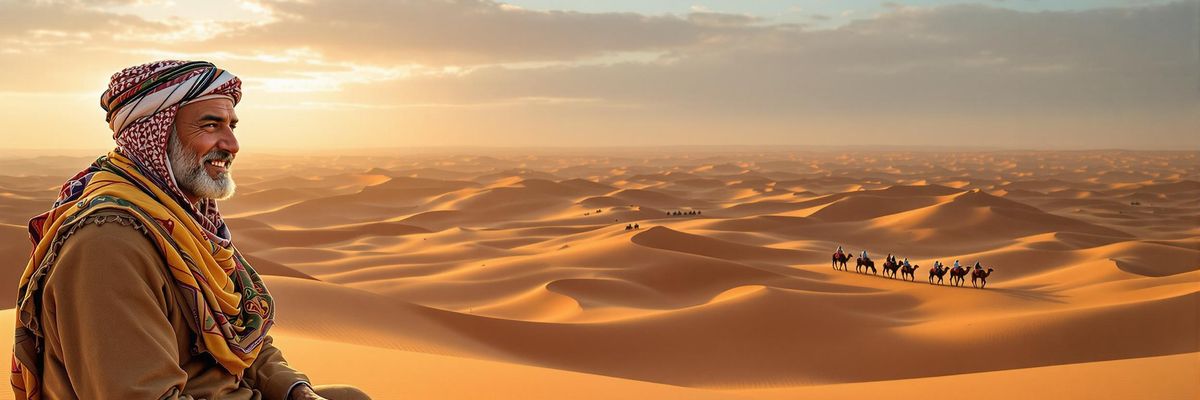
Embrace the cooler temperatures and experience the International Festival of the Sahara in Douz this December.
View More
Celebrate the year-end festivities in Accra, culminating in the vibrant Afrofuture festival.
View More Albania EDITION
 Algeria EDITION
 Argentina EDITION
 Armenia EDITION
 Australia EDITION
 Austria EDITION
 Bangladesh EDITION
 Belgium EDITION
 Belize EDITION
 Benin EDITION
 Bhutan EDITION
 Bolivia EDITION
 Bosnia and Herzegovina EDITION
 Botswana EDITION
 Brazil EDITION
 Bulgaria EDITION
 Burkina Faso EDITION
 Cambodia EDITION
 Cameroon EDITION
 Canada EDITION
 Central African Republic EDITION
 Chad EDITION
 Chile EDITION
 China EDITION
 Colombia EDITION
 Costa Rica EDITION
 Croatia EDITION
 Cyprus EDITION
 Denmark EDITION
 Djibouti EDITION
 Ecuador EDITION
 Egypt EDITION
 El Salvador EDITION
 Eritrea EDITION
 Estonia EDITION
 Ethiopia EDITION
 Finland EDITION
 France EDITION
 Gabon EDITION
 Georgia EDITION
 Germany EDITION
 Ghana EDITION
 Greece EDITION
 Guatemala EDITION
 Guinea EDITION
 Guinea-Bissau EDITION
 Honduras EDITION
 Hungary EDITION
 Iceland EDITION
 India EDITION
 Indonesia EDITION
 Ireland EDITION
 Israel EDITION
 Italy EDITION
 Jamaica EDITION
 Japan EDITION
 Jordan EDITION
 Kenya EDITION
 Kuwait EDITION
 Laos EDITION
 Latvia EDITION
 Lebanon EDITION
 Lesotho EDITION
 Liberia EDITION
 Lithuania EDITION
 Luxembourg EDITION
 Madagascar EDITION
 Malawi EDITION
 Malaysia EDITION
 Maldives EDITION
 Mali EDITION
 Malta EDITION
 Mauritania EDITION
 Mauritius EDITION
 Mexico EDITION
 Mongolia EDITION
 Montenegro EDITION
 Morocco EDITION
 Mozambique EDITION
 Namibia EDITION
 Nepal EDITION
 Netherlands EDITION
 New Zealand EDITION
 Nicaragua EDITION
 Niger EDITION
 Nigeria EDITION
 Norway EDITION
 Oman EDITION
 Pakistan EDITION
 Panama EDITION
 Papua New Guinea EDITION
 Paraguay EDITION
 Peru EDITION
 Philippines EDITION
 Poland EDITION
 Portugal EDITION
 Qatar EDITION
 Romania EDITION
 Rwanda EDITION
 Saudi Arabia EDITION
 Senegal EDITION
 Serbia EDITION
 Singapore EDITION
 Slovakia EDITION
 Slovenia EDITION
 Somalia EDITION
 South Africa EDITION
 South Korea EDITION
 Spain EDITION
 Sri Lanka EDITION
 Suriname EDITION
 Sweden EDITION
 Switzerland EDITION
 Tanzania EDITION
 Thailand EDITION
 Tunisia EDITION
 Uganda EDITION
 United Arab Emirates EDITION
 United Kingdom EDITION
 Uruguay EDITION
 Venezuela EDITION
 Vietnam EDITION
 Zambia EDITION
 Zimbabwe EDITION
Subscribe to our newsletter and get the most captivating travel stories, hidden gems, and expert insights delivered straight to your inbox. As a subscriber, you’ll be first in line for exclusive content, premium offers, and unforgettable travel experiences