


Destination Guide
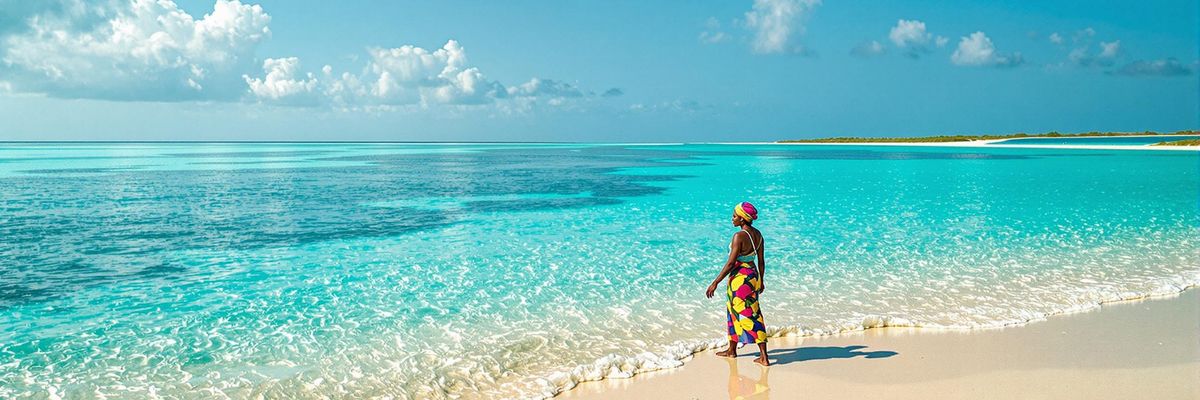
Xai-Xai: A Coastal Retreat
Relax on the beaches and explore the reefs of Xai-Xai.
View More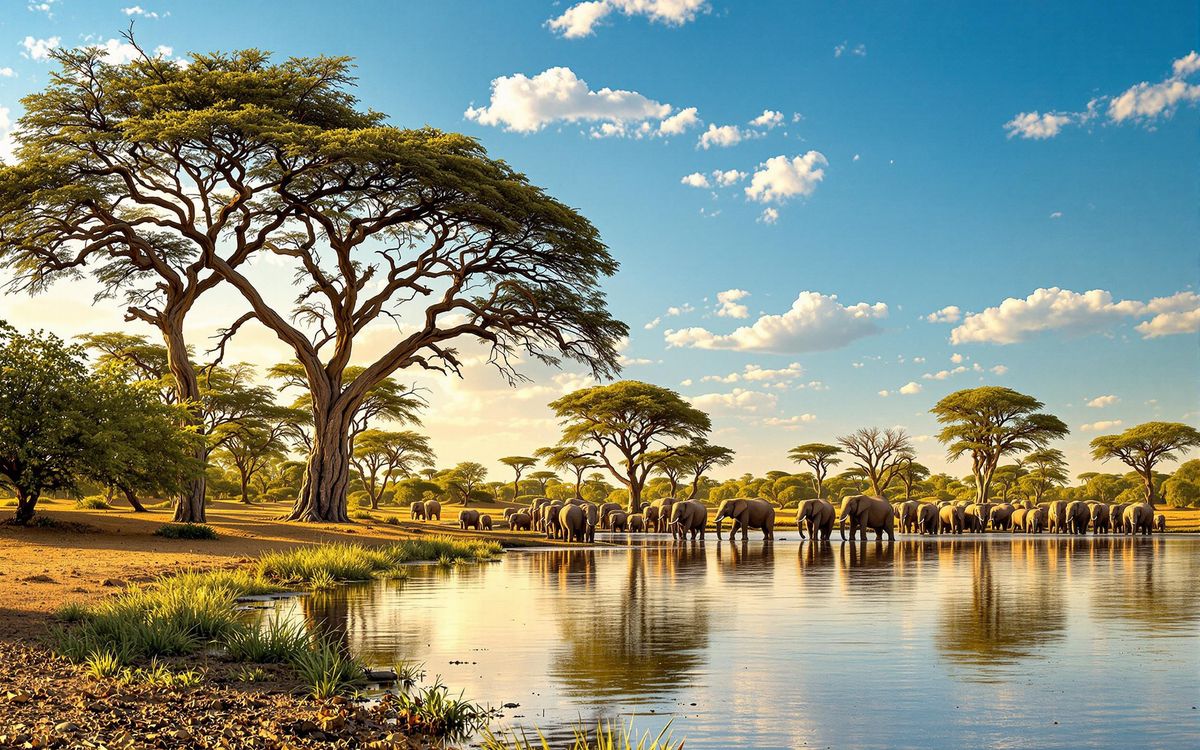

As the calendar turns to November, Mana Pools National Park stirs from its slumber, offering an unparalleled safari experience for the intrepid traveler. Imagine gliding along the Zambezi River, the lifeblood of this UNESCO World Heritage Site, as the African wilderness awakens around you.
The allure of Mana Pools in November lies in its unique transitional phase. The dry season, which peaks in October, begins to relinquish its hold as the first whispers of rain tease the parched earth. This creates a palpable sense of anticipation, a feeling that the land itself is holding its breath, awaiting the life-giving deluge. The landscape, still dry and golden, is punctuated by the vibrant green shoots of new growth, a promise of the rejuvenation to come. The air is thick with the scent of dry earth and the distant, tantalizing aroma of approaching rain.
Mana Pools National Park, a 219,600-hectare (543,000-acre) wildlife conservation area, lies in the heart of the Zambezi Valley, a vast unfenced wilderness where animals roam freely. The name “Mana” is derived from the Shona word for “four,” a reference to the four large, oxbow lakes that dominate the area. These pools, remnants of ancient Zambezi channels, act as magnets for wildlife, drawing them in from the surrounding areas in search of water and sustenance. This creates an incredibly high density of animals, making Mana Pools one of Africa's premier game-viewing destinations.
November offers a unique sensory experience. The sun, still intense, casts long shadows across the landscape, creating dramatic contrasts of light and shade. The crackling earth underfoot is a constant reminder of the dryness, while the occasional rumble of distant thunder hints at the approaching storms. The light itself is different in November, a golden, almost ethereal glow that bathes the landscape in a magical aura. The humidity averages around 52%, making the temperature feel hot and slightly windy. Expect the average temperature to range from 68°F (20°C) to a high of 93°F (34°C).
Mana Pools was the first National Park in Zimbabwe to be designated a UNESCO World Heritage Site in 1984. The park was inscribed, in conjunction with the Sapi Safari Area and Chewore Safari Area. This prestigious recognition is a testament to the park's pure wilderness, beauty, and exceptional biodiversity. It is home to a wide range of mammals, over 350 bird species, and diverse aquatic wildlife, making it one of the world's wildest and best-preserved natural ecological areas.
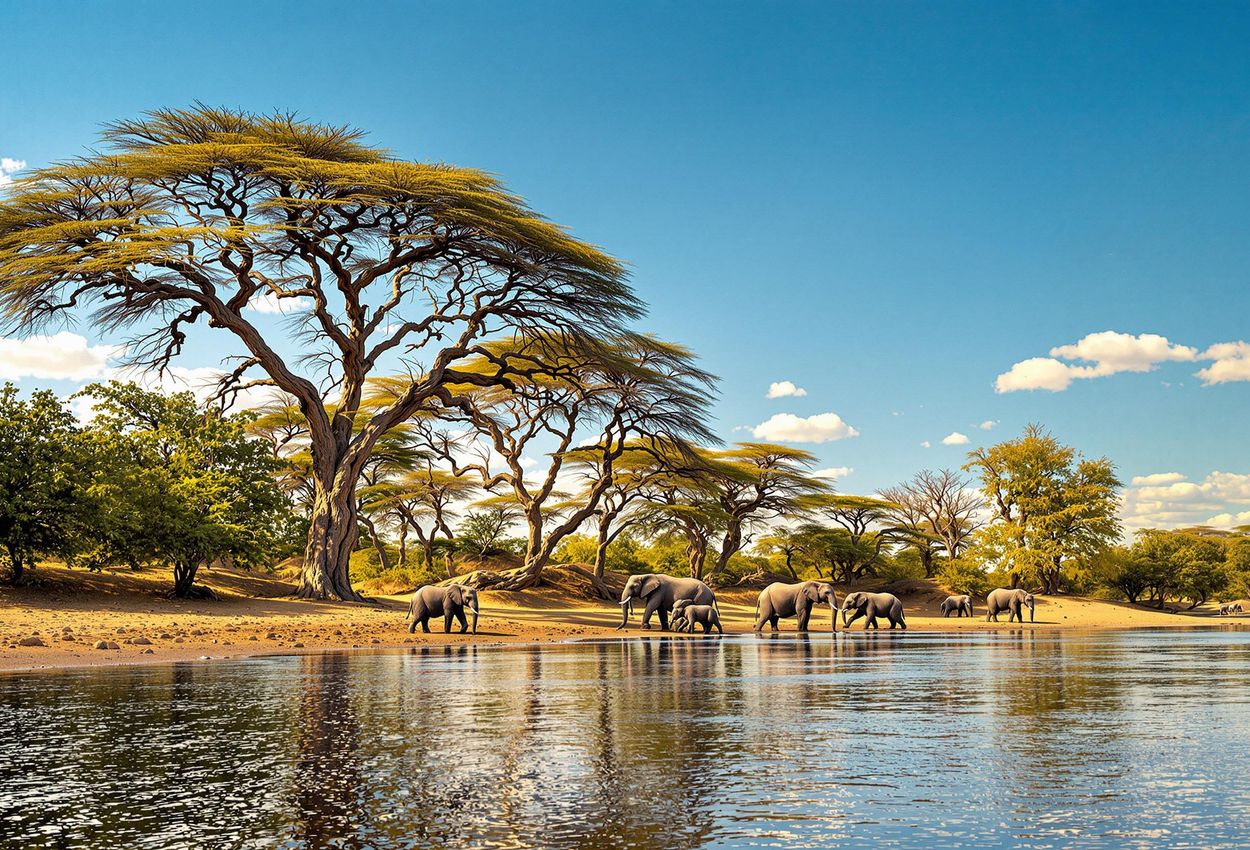
Image Description: A wide, landscape shot capturing the golden light of Mana Pools in November. The Zambezi River flows in the foreground, reflecting the warm sunlight. Ana trees line the banks, their branches reaching towards the sky. In the distance, the silhouettes of elephants can be seen drinking at the water's edge. The sky is a clear blue, with a few scattered clouds hinting at the approaching rainy season. The purpose is to capture the unique light and atmosphere of Mana Pools in November, showcasing the transition from the dry season.
Style Instructions: Landscape style. Shot with a wide-angle lens to capture the vastness of the landscape. Use a warm color palette to emphasize the golden light. Focus on the details of the Ana trees and the reflections in the river. The photo was taken mid-afternoon on November 19, 2025, to capture the golden hour light.
Imagine yourself gliding silently along the Zambezi River in a canoe, the only sounds the gentle lapping of water against the hull and the occasional call of a fish eagle. This is the reality of a canoe safari in Mana Pools, an experience that offers a truly unique and intimate perspective on the African wilderness.
The canoe safari typically begins near the confluence of the Ruckomechi River and the Zambezi River. As you push off from the shore, the adventure unfolds. The river becomes your highway, winding its way through the heart of Mana Pools. The banks are lined with towering Ana trees, their distinctive shapes silhouetted against the sky. These trees, which shed their protein-rich seed pods during the dry season, are a vital source of food for many animals, especially elephants.
One of the most remarkable aspects of a canoe safari is the opportunity to encounter wildlife from a completely different vantage point. From the low perspective of the canoe, you are at eye-level with some of Africa's most iconic creatures. Elephants, zebras, and buffalo frequently come down to the river to drink, offering unparalleled viewing opportunities.
Picture this: you round a bend in the river and come face-to-face with a herd of elephants, their massive forms reflected in the still water. They drink deeply, their trunks drawing up gallons of water with each gulp. Calves playfully splash in the shallows, while the adults keep a watchful eye on their surroundings. From your canoe, you can observe this scene in complete silence, a privileged witness to the daily lives of these magnificent animals.
Or perhaps you'll encounter a dazzle of zebras grazing peacefully along the shoreline. Their black and white stripes create a striking contrast against the golden grass. As you drift closer, they may lift their heads to observe you, their ears twitching, before returning to their meal. The feeling of being so close to these wild animals, with nothing but a thin layer of canvas separating you, is both exhilarating and humbling.
Local Tip: The best time for canoeing is during the cooler afternoons when the animals are most active and the light is ideal for photography. Always follow the instructions of your experienced guide, who will ensure your safety and provide valuable insights into the behavior of the animals.
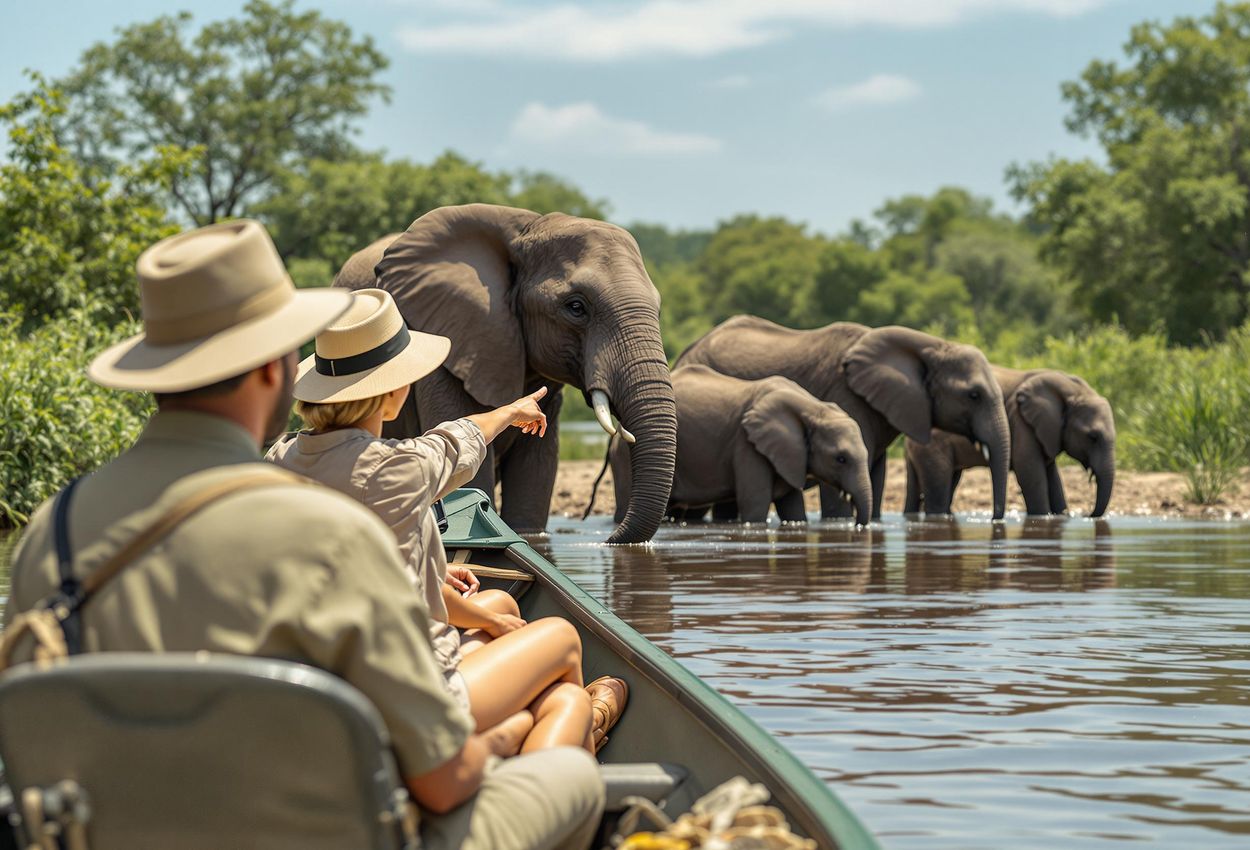
Image Description: A close-up, candid shot of a canoe safari on the Zambezi River. The focus is on a group of elephants drinking at the water's edge. The canoe is in the foreground, with two tourists and a guide visible. The guide is pointing towards the elephants, providing information. The purpose is to capture the feeling of being close to wildlife from a canoe.
Style Instructions: Candid style. Use a telephoto lens to bring the elephants closer. Focus on the expressions of the tourists and the guide. The photo was taken mid-afternoon on November 19, 2025, with soft, natural light.
While canoeing offers a unique river perspective, a walking safari in Mana Pools provides an even more immersive experience. Tracking animals on foot, with the guidance of experienced local experts, allows you to connect with the African wilderness on a primal level.
Mana Pools is renowned for its walking safaris, offering visitors the chance to explore the park's interior in a way that is simply not possible in a vehicle. The sparse undergrowth makes it ideal for walking, allowing for relatively easy navigation and good visibility. However, it is essential to be accompanied by a licensed and experienced guide, who can ensure your safety and interpret the subtle signs of the bush.
As you set out on foot, the sounds of the wilderness become amplified. The rustling of leaves, the chirping of insects, the distant call of a bird – all these sounds create a symphony of the wild that envelops you. Your guide will point out animal tracks, explaining which animal made them and how recently they passed by. You'll learn to identify different types of vegetation and understand their uses, both for animals and humans.
Walking safaris in Mana Pools are not just about seeing the big game. They also offer the opportunity to appreciate the smaller wonders of the bush. You might encounter a colorful array of antelope, such as the waterbuck or the impala, grazing in the shade of an Ana tree. Or you might spot a fascinating array of insects, from dung beetles rolling their precious cargo to brightly colored butterflies flitting through the air.
One of the hidden gems of Mana Pools is the wealth of medicinal plants found throughout the park. Local guides possess an intimate knowledge of these plants and their properties, passed down through generations. They can show you how to identify a particular plant and explain its traditional uses, whether it's for treating a headache, healing a wound, or relieving a stomachache. This connection to the natural world is a vital part of the Mana Pools experience.
Hidden Gem: Ask your guide to show you the “mutongotema” tree (Strychnos potatorum), known for its water-purifying seeds. Traditionally, the seeds are rubbed against the inside of a clay pot filled with muddy water. The seeds cause the mud to settle, leaving clean, drinkable water. This is a valuable survival skill to know in the African bush.

Image Description: An action shot of a walking safari in Mana Pools. The focus is on the guide, who is pointing out animal tracks to a group of tourists. The tourists are looking intently at the ground, listening to the guide's explanation. The background is a riverine woodland, with tall trees and sparse undergrowth. The purpose is to capture the educational aspect of a walking safari.
Style Instructions: Action style. Use a shallow depth of field to focus on the guide and the tourists. Capture the expressions of curiosity and interest on their faces. The photo was taken mid-morning on November 20, 2025, with dappled sunlight filtering through the trees.
Mana Pools is a paradise for birdwatchers, with over 380 recorded bird species. November is a particularly rewarding time for birding, as migratory species arrive from Europe and northern Africa, swelling the ranks of the resident birds. The air is filled with a symphony of chirps, tweets, and calls, creating a constant chorus of avian activity.
The diverse habitats within Mana Pools, ranging from woodlands to floodplains, support a wide variety of birdlife. Waterbirds are abundant along the banks of the Zambezi River and the four main pools. You can spot herons, storks, and egrets wading in the shallows, while kingfishers dart across the surface of the water, hunting for fish.
November is the time when the African Pitta arrives in Mana Pools. This sought-after species is known for its striking colors and elusive nature. Birdwatchers flock to Mana Pools in the hopes of catching a glimpse of this avian gem.
The Southern Carmine Bee-eaters are another highlight of Mana Pools birdlife. These brightly colored birds nest in colonies along the riverbanks, creating a spectacular display of color. They catch insects in flight, often performing acrobatic maneuvers as they pursue their prey.
Lilian's Lovebird is another bird that can be commonly seen in November. The park also provides a habitat for the African Skimmer.
Cultural Detail: The Shona people, who have lived in this region for centuries, have a deep connection to the natural world, including birds. Many birds have specific names in the Shona language, often based on their appearance or behavior. For example, the Bateleur Eagle, a majestic raptor often seen soaring overhead, is known as “Chapungu” in Shona. The “Chapungu” is considered a messenger from Mwari (God) and the ancestors. The Zimbabwe bird is believed to be either a Bateleur Eagle or an African Fish Eagle.
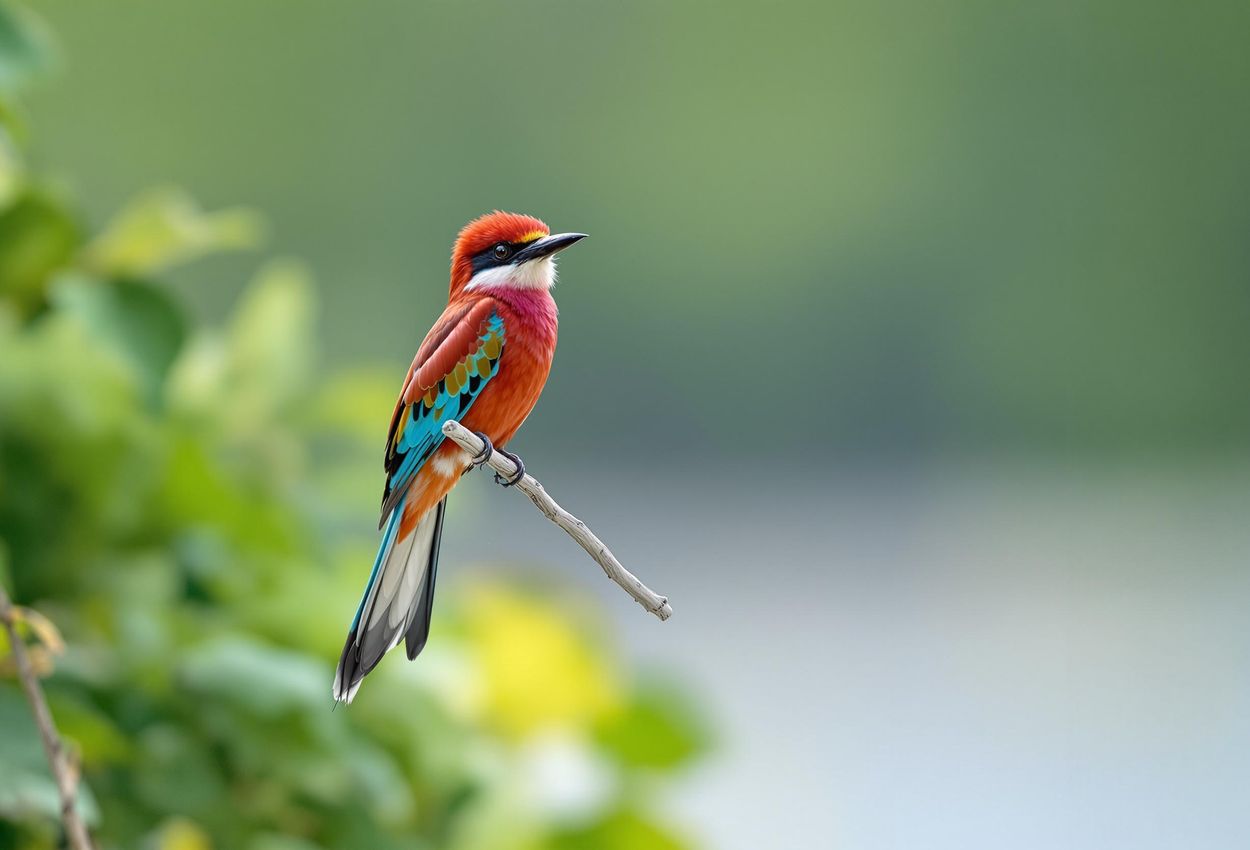
Image Description: A serene shot of a Southern Carmine Bee-eater perched on a branch near the Zambezi River. The bird is brightly colored, with a red body, blue head, and long tail feathers. The background is a blur of green foliage and blue water. The purpose is to showcase the vibrant birdlife of Mana Pools.
Style Instructions: Serene style. Use a telephoto lens to capture the details of the bird's plumage. Focus on the bird's eye and beak. The photo was taken early morning on November 21, 2025, with soft, diffused light.
One of the most endangered animals in Africa, the African wild dog, also known as the painted wolf, is a rare and precious sight in Mana Pools. November, as the dry season wanes, offers a unique opportunity to witness these fascinating creatures as they roam the park in search of prey.
African wild dogs are highly social animals, living in packs of up to 40 individuals. They are known for their cooperative hunting strategies, working together to bring down prey much larger than themselves. Their success rate is remarkably high, making them one of the most efficient predators in Africa.
Watching a pack of wild dogs hunt is a thrilling experience. They communicate with each other through a series of yips, barks, and howls, coordinating their movements with precision. They chase their prey relentlessly, often running them to exhaustion before making the final kill.
Wild dogs face numerous challenges, including habitat loss, poaching, and disease. Their numbers have dwindled dramatically in recent years, making them one of the most endangered mammals on the continent.
Call to Action: Several organizations are working to protect African wild dogs in Mana Pools and other parts of Africa. By supporting these organizations, you can help ensure the survival of these remarkable animals for generations to come. Consider donating to Painted Dog Conservation or the Endangered Wildlife Trust to contribute to their vital work.

Image Description: A dramatic shot of a pack of African wild dogs hunting in Mana Pools. The dogs are running through the golden grass, chasing a herd of impala. The dust is kicked up by their feet, creating a sense of motion and energy. The purpose is to capture the intensity of a wild dog hunt.
Style Instructions: Dramatic style. Use a fast shutter speed to freeze the action. Focus on the dogs' faces and bodies. The photo was taken late afternoon on November 21, 2025, with the sun setting in the background.
As your November adventure in Mana Pools comes to an end, you'll carry with you memories that will last a lifetime. The tranquility of the Zambezi River, the thrill of encountering wildlife on foot, the symphony of birdsong, and the rare sight of African wild dogs – all these experiences will weave together to create an unforgettable tapestry of the African wilderness. Mana Pools in November is more than just a destination; it's a journey into the heart of nature, a chance to connect with the wild in a way that is both humbling and exhilarating.
Our editors` picks of the latest and greatest in travel - delivered to your inbox daily
Relax on the beaches and explore the reefs of Xai-Xai.
View More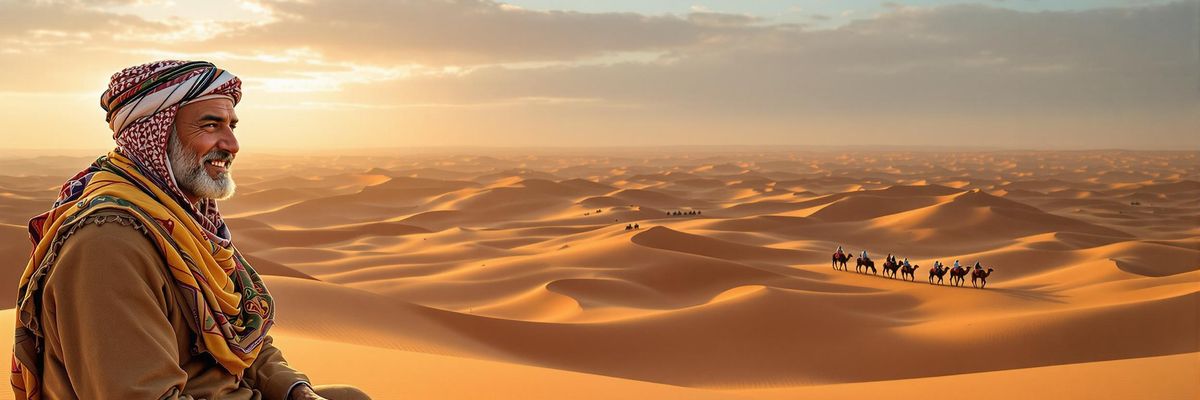
Embrace the cooler temperatures and experience the International Festival of the Sahara in Douz this December.
View More
Celebrate the year-end festivities in Accra, culminating in the vibrant Afrofuture festival.
View More Albania EDITION
 Algeria EDITION
 Argentina EDITION
 Armenia EDITION
 Australia EDITION
 Austria EDITION
 Bangladesh EDITION
 Belgium EDITION
 Belize EDITION
 Benin EDITION
 Bhutan EDITION
 Bolivia EDITION
 Bosnia and Herzegovina EDITION
 Botswana EDITION
 Brazil EDITION
 Bulgaria EDITION
 Burkina Faso EDITION
 Cambodia EDITION
 Cameroon EDITION
 Canada EDITION
 Central African Republic EDITION
 Chad EDITION
 Chile EDITION
 China EDITION
 Colombia EDITION
 Costa Rica EDITION
 Croatia EDITION
 Cyprus EDITION
 Denmark EDITION
 Djibouti EDITION
 Ecuador EDITION
 Egypt EDITION
 El Salvador EDITION
 Eritrea EDITION
 Estonia EDITION
 Ethiopia EDITION
 Finland EDITION
 France EDITION
 Gabon EDITION
 Georgia EDITION
 Germany EDITION
 Ghana EDITION
 Greece EDITION
 Guatemala EDITION
 Guinea EDITION
 Guinea-Bissau EDITION
 Honduras EDITION
 Hungary EDITION
 Iceland EDITION
 India EDITION
 Indonesia EDITION
 Ireland EDITION
 Israel EDITION
 Italy EDITION
 Jamaica EDITION
 Japan EDITION
 Jordan EDITION
 Kenya EDITION
 Kuwait EDITION
 Laos EDITION
 Latvia EDITION
 Lebanon EDITION
 Lesotho EDITION
 Liberia EDITION
 Lithuania EDITION
 Luxembourg EDITION
 Madagascar EDITION
 Malawi EDITION
 Malaysia EDITION
 Maldives EDITION
 Mali EDITION
 Malta EDITION
 Mauritania EDITION
 Mauritius EDITION
 Mexico EDITION
 Mongolia EDITION
 Montenegro EDITION
 Morocco EDITION
 Mozambique EDITION
 Namibia EDITION
 Nepal EDITION
 Netherlands EDITION
 New Zealand EDITION
 Nicaragua EDITION
 Niger EDITION
 Nigeria EDITION
 Norway EDITION
 Oman EDITION
 Pakistan EDITION
 Panama EDITION
 Papua New Guinea EDITION
 Paraguay EDITION
 Peru EDITION
 Philippines EDITION
 Poland EDITION
 Portugal EDITION
 Qatar EDITION
 Romania EDITION
 Rwanda EDITION
 Saudi Arabia EDITION
 Senegal EDITION
 Serbia EDITION
 Singapore EDITION
 Slovakia EDITION
 Slovenia EDITION
 Somalia EDITION
 South Africa EDITION
 South Korea EDITION
 Spain EDITION
 Sri Lanka EDITION
 Suriname EDITION
 Sweden EDITION
 Switzerland EDITION
 Tanzania EDITION
 Thailand EDITION
 Tunisia EDITION
 Uganda EDITION
 United Arab Emirates EDITION
 United Kingdom EDITION
 Uruguay EDITION
 Venezuela EDITION
 Vietnam EDITION
 Zambia EDITION
 Zimbabwe EDITION
Subscribe to our newsletter and get the most captivating travel stories, hidden gems, and expert insights delivered straight to your inbox. As a subscriber, you’ll be first in line for exclusive content, premium offers, and unforgettable travel experiences