


Destination Guide
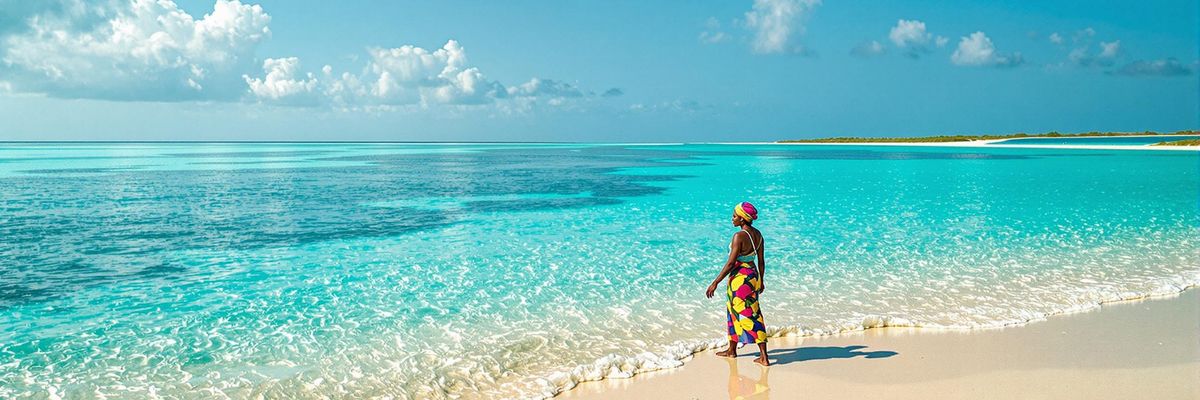
Xai-Xai: A Coastal Retreat
Relax on the beaches and explore the reefs of Xai-Xai.
View More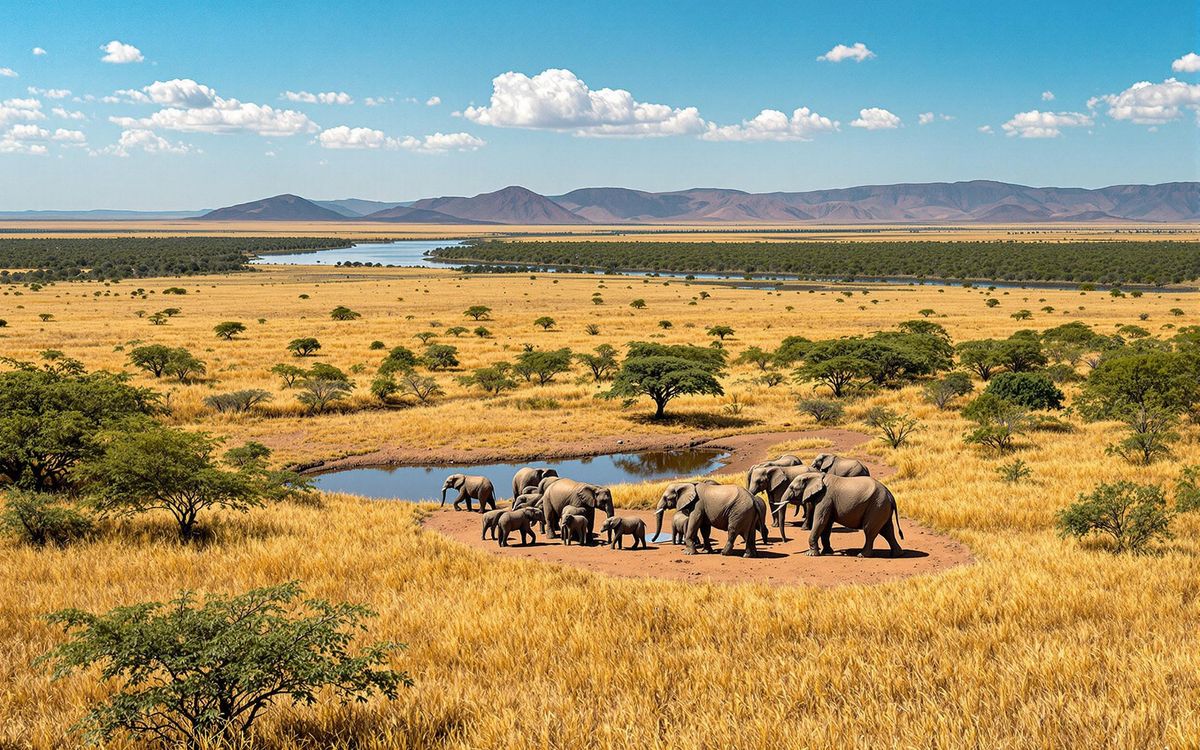

Journey into the heart of Central Africa, where the vast savanna unfolds to reveal a sanctuary teeming with life. Manovo-Gounda St Floris National Park, a UNESCO World Heritage Site, beckons with its untamed beauty and ecological significance.
Here, the symphony of the wild plays out against a backdrop of sprawling grasslands, meandering rivers, and ancient rock formations. This is a land where elephants roam free, lions stalk their prey, and the skies are filled with the calls of countless birds. But beyond its breathtaking landscapes and abundant wildlife, Manovo-Gounda faces critical conservation challenges, making its preservation all the more vital.
Join us as we explore this remarkable park, delving into its unique ecosystems, encountering its majestic inhabitants, and uncovering the ongoing efforts to safeguard its future.
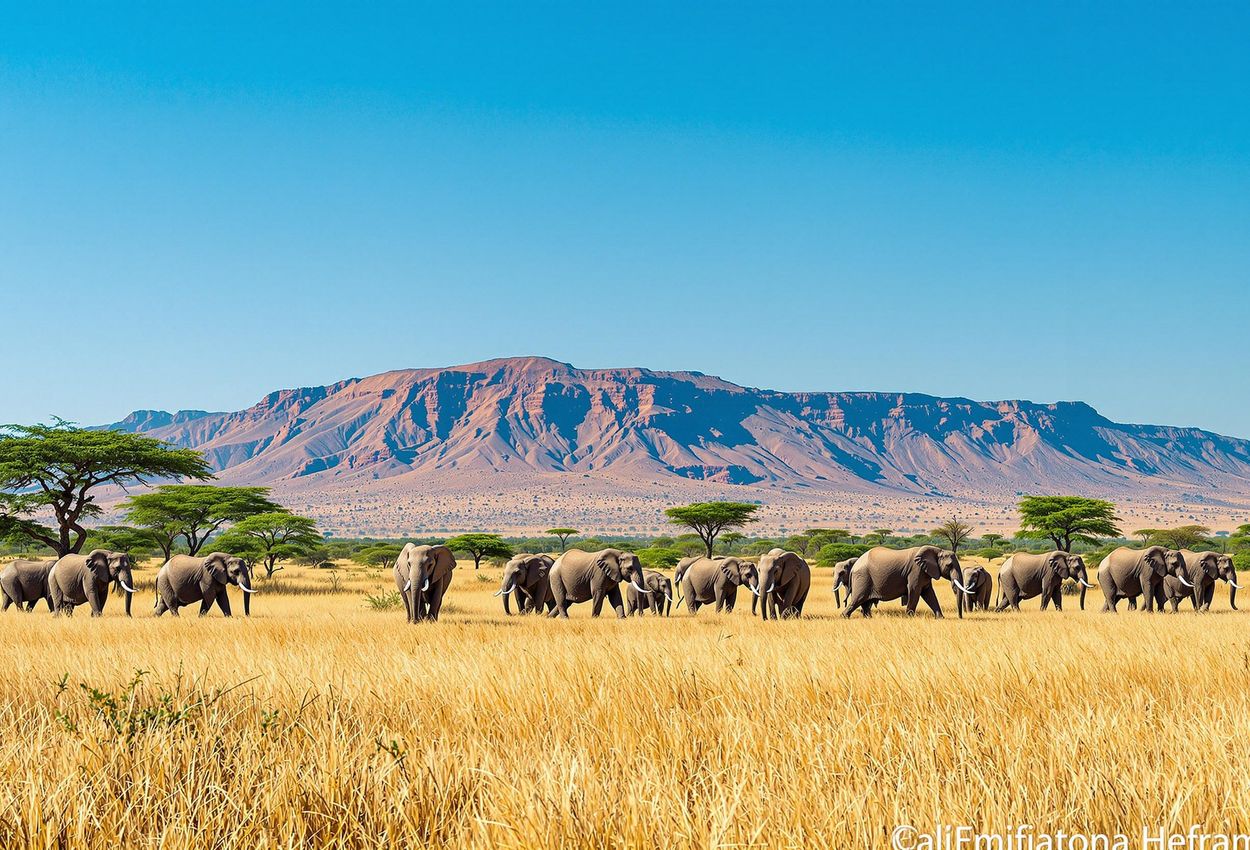
Established in 1979, the Manovo-Gounda St Floris National Park stands as a beacon of biodiversity in the Central African Republic. Spanning an impressive 17,400 km2, it is the largest protected savanna in Central Africa. This vast expanse serves as a crucial transition zone between the ecosystems of East and West Africa, fostering a remarkable blend of flora and fauna. The park's ecological importance earned it recognition as a UNESCO World Heritage Site in 1988.
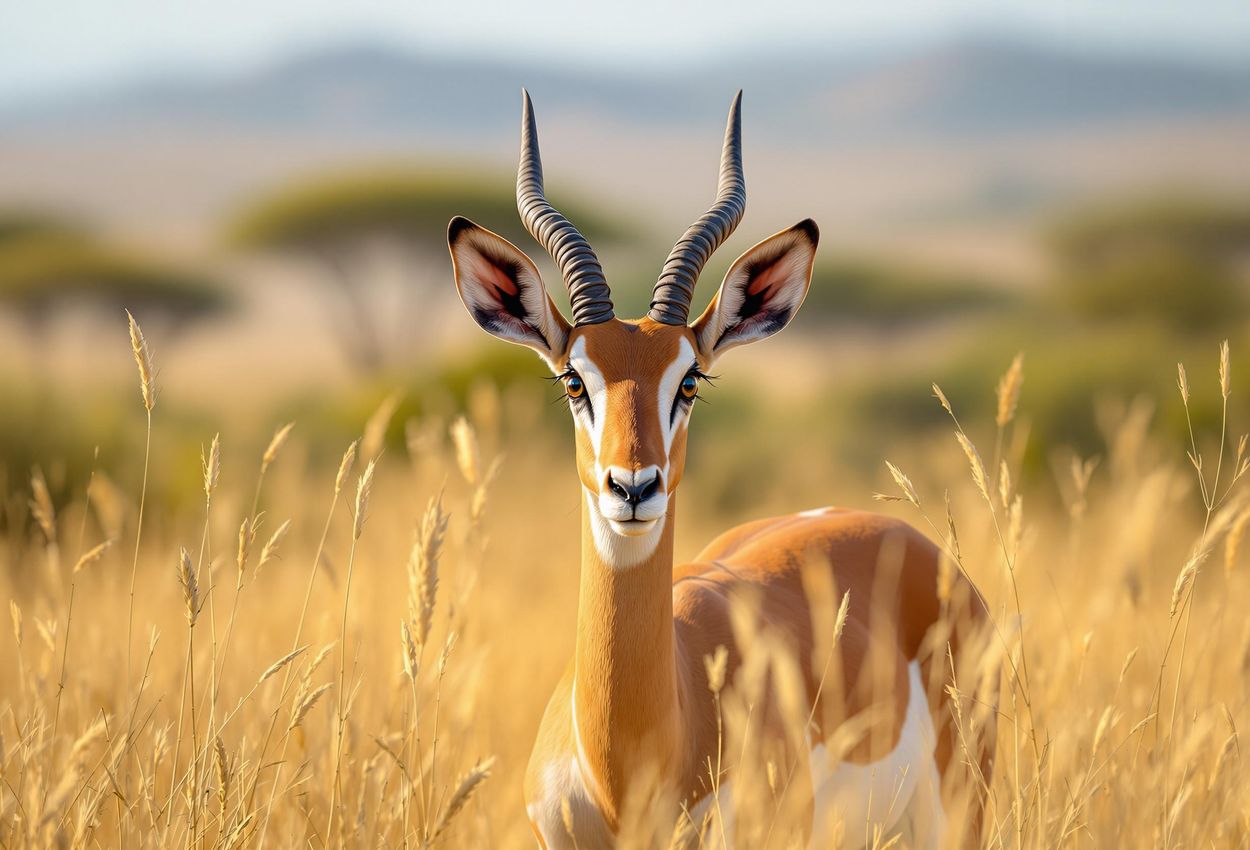
The park's landscape is a tapestry of grassy plains, forests, and wetlands, supporting a diverse array of plant life, including acacia and baobab trees. This rich flora, in turn, provides sustenance and shelter for a wide range of animal species. Manovo-Gounda is home to many endangered species, such as the black rhino, elephant, hippopotamus, and red-fronted gazelle. The park acts as a refuge for incredible species like elephants, hippos and lions.
As you venture deeper into the park, the air vibrates with the sounds of the wild. The rustling of grasses, the chirping of insects, and the distant calls of birds create a symphony that immerses you in the heart of Africa. The scent of dry earth and the sweet fragrance of wildflowers fill your nostrils, awakening your senses to the raw beauty of this untamed land.
The park's diverse ecosystems and abundant wildlife make it a haven for nature lovers and eco-tourists seeking an authentic experience away from the bustling crowds. Whether you're a seasoned wildlife enthusiast or simply looking to explore unspoiled nature, Manovo-Gounda St Floris National Park promises an unforgettable adventure that showcases the vibrant ecosystems and stunning vistas of Central Africa.
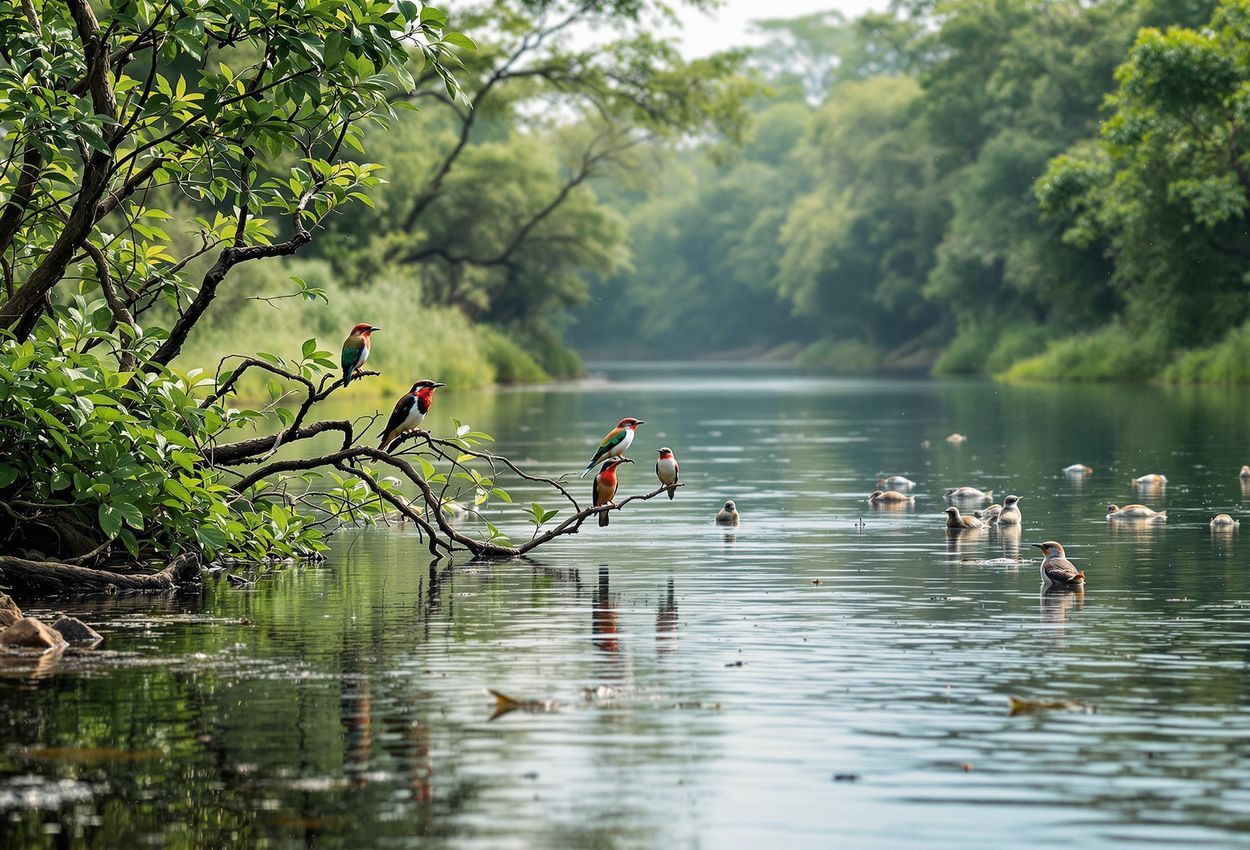
The geography of Manovo-Gounda St Floris National Park is defined by three major river systems: the Manovo, Koumbala, and Gounda. These rivers meander through the landscape, creating a network of grassy floodplains and wetlands that support a rich variety of life. The park also encompasses part of the Bongo Massif, a range of hills that adds to the diversity of the terrain.
As you stand on the banks of one of these rivers, the water flows gently, reflecting the clear African sky. The air is thick with humidity, and the sounds of insects and birds fill the air. In the distance, you can see the rolling hills of the Bongo Massif, their slopes covered in lush vegetation.
The park's landscape also features granite inselbergs, isolated rock formations that rise abruptly from the surrounding plains. These inselbergs provide a unique habitat for plants and animals, and offer stunning views of the surrounding savanna. The waterways are full of crocodiles with also the pond of Gata which shelters one of the largest concentrations of hippos in the world.
The grassy floodplains are a haven for grazing animals, such as buffalo and red-fronted gazelles. These animals rely on the lush vegetation for sustenance, and their presence attracts predators such as lions and cheetahs. The wetlands, on the other hand, are home to a variety of waterfowl, including storks, herons, and egrets.
The park comprises three main zones: the flood plain of the Bahr Aouk and Bahr Kameur rivers in the north, the Massif des Bongo in the south, and a gently undulating transitional plain between.

Manovo-Gounda St Floris National Park is a true haven for wildlife, boasting a remarkable diversity of species. The park's vast savanna and riverine ecosystems provide habitat for a wide array of animals, including elephants, lions, cheetahs, leopards, and red-fronted gazelles.
Elephants roam free across the plains, their massive forms casting long shadows in the afternoon sun. These gentle giants are a keystone species in the park's ecosystem, playing a vital role in shaping the landscape and maintaining biodiversity. Lions, the apex predators of the savanna, stalk their prey with stealth and precision. Their thunderous roars echo through the night, a reminder of the raw power and untamed nature of this wilderness.
Cheetahs, the fastest land animals on Earth, sprint across the open grasslands in pursuit of their prey. Their sleek bodies and incredible speed are a testament to the power of evolution. Leopards, masters of camouflage, blend seamlessly into the shadows of the forests and woodlands. These elusive predators are often spotted resting in trees, their keen eyes scanning the landscape for potential meals.
The park is also an Important Bird Area (IBA), supporting significant populations of many bird species. Various types of waterfowl are to be found in the northern floodplains. Birdwatchers can delight in spotting a wide range of species, from colorful bee-eaters and rollers to majestic eagles and vultures.
Notable mammals include African elephants, Sudan cheetahs, African leopards, red-fronted gazelles, African buffalos, Kordofan giraffes and West African lions. The waterways are full of crocodiles with also the pond of Gata which shelters one of the largest concentrations of hippos in the world.
In 1988, Manovo-Gounda St Floris National Park was designated a UNESCO World Heritage Site in recognition of its outstanding biodiversity and ecological importance. The park's diverse ecosystems and abundant wildlife were deemed to be of exceptional value to humanity, warranting protection for future generations.
However, despite its UNESCO status, the park faces significant conservation challenges. Poaching, illegal grazing, and security issues threaten the park's wildlife and ecosystems. The park was added to the List of World Heritage in Danger in 1997 due to the combined effects of poaching, livestock intrusions, artisanal mining, security issues, and other threats.
Poachers, driven by the illegal wildlife trade, target elephants for their ivory tusks, lions for their bones, and other animals for their meat and skins. Illegal grazing by livestock degrades the park's grasslands, reducing the amount of food available for wildlife. Security issues, including armed conflict and banditry, hinder conservation efforts and make it difficult to protect the park's resources.
The western black rhinoceros that was indigenous to the Central African Republic has gone extinct in 2011. The shooting of four members of the park staff in early 1997 and a general state of deteriorating security brought all development projects and tourism to a halt.
The efforts of the CAR and its partners concentrate on the major threats, notably transborder transhumance; artisanal mining exploitation and insecurity. These threats remain worrying, taking into account the insecurity context that prevails in the region and which can limit the extent of interventions in the field of conservation.
Visiting Manovo-Gounda St Floris National Park requires careful planning and preparation due to its remote location and limited facilities. The most common route to the park is via Bangui, the capital of the Central African Republic. From Bangui, you can take a charter flight to a nearby airstrip.
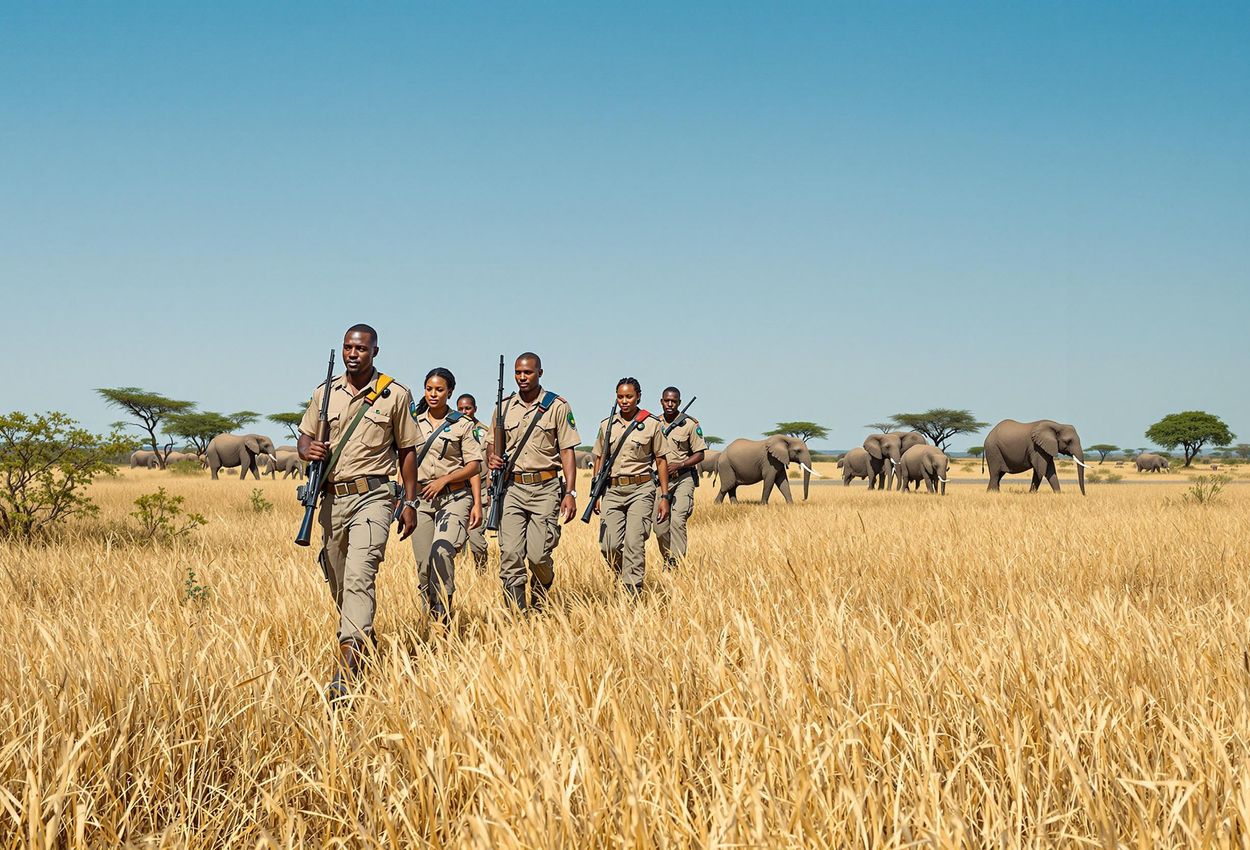
Engaging local guides is highly recommended for navigating the park's vast terrain and spotting wildlife. These guides possess invaluable knowledge of the park's ecosystems and animal behavior, enhancing your chances of a memorable and safe experience.
Before traveling to the park, it is essential to consult with your doctor about required vaccinations and health precautions. The dry season, from November to March, is generally considered the best time to visit, as the weather is cooler and more comfortable for outdoor activities.
Facilities within the park are limited, so it is crucial to be self-sufficient. Bring your own food, water, and camping equipment, and be prepared for basic conditions. It is also advisable to travel with a reputable tour operator who can handle logistics and ensure your safety.
The park is quite isolated, making access a challenge. The most common approach is to fly to the capital of the Central African Republic, Bangui, and then take a charter flight to the park. It is advisable to engage a local guide for navigating the expansive park. Additionally, ensuring you have all required vaccinations for travel to this region is essential, and traveling during drier months is recommended to avoid road flooding.
Numerous conservation projects and initiatives are underway to preserve the ecosystem of Manovo-Gounda St Floris National Park. These efforts involve collaboration between government agencies, international organizations, and local communities.
One of the key challenges in implementing these efforts is inadequate personnel and funding. The park's vast size and remote location make it difficult to patrol and monitor effectively. Insufficient funding limits the ability to invest in essential equipment, training, and infrastructure.
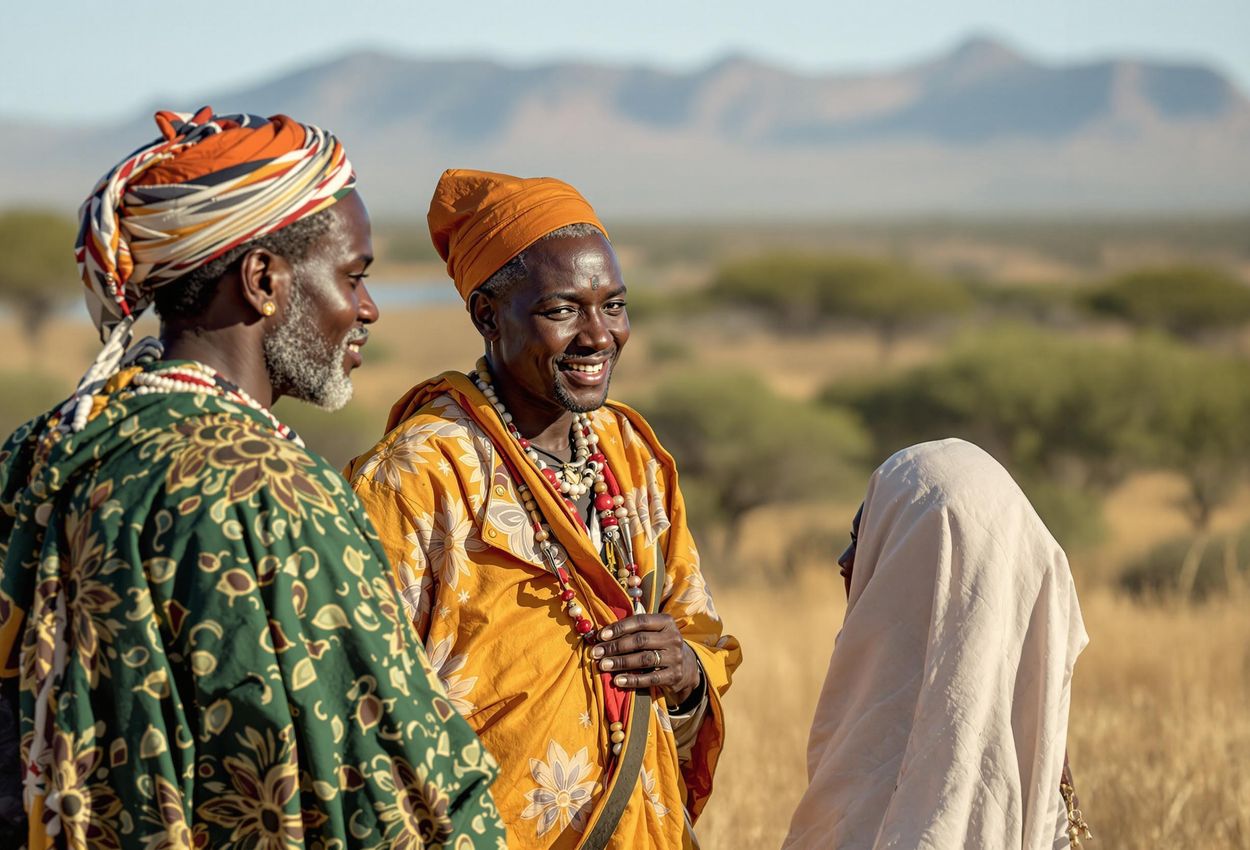
Community involvement is crucial for the long-term success of conservation efforts. By empowering local communities to participate in park management and benefit from tourism, a sense of ownership and responsibility can be fostered. Education and awareness programs can also help to promote conservation values and reduce human-wildlife conflict.
The Wildlife Conservation Society (WCS) is working with the government to improve the governance and sustainable management of the natural resources of CAR and to preserve the Outstanding Universal Value (OUV) of the property and its periphery. In 2023, the Northeastern Central African Republic Protected Areas Complex (including Manovo-Gounda St. Floris National Park as a core zone) was among the 11 new Biosphere Reserves.
The dedication and hard work of multiple conservation actors have led to the comeback of Manovo-Gounda St Floris National Park. However, there is still much work to be done in order to secure its future. The provision of financial support and expertise by the international community can play a vital role in achieving this.

Our editors` picks of the latest and greatest in travel - delivered to your inbox daily
Relax on the beaches and explore the reefs of Xai-Xai.
View More
Embrace the cooler temperatures and experience the International Festival of the Sahara in Douz this December.
View More
Celebrate the year-end festivities in Accra, culminating in the vibrant Afrofuture festival.
View More Albania EDITION
 Algeria EDITION
 Argentina EDITION
 Armenia EDITION
 Australia EDITION
 Austria EDITION
 Bangladesh EDITION
 Belgium EDITION
 Belize EDITION
 Benin EDITION
 Bhutan EDITION
 Bolivia EDITION
 Bosnia and Herzegovina EDITION
 Botswana EDITION
 Brazil EDITION
 Bulgaria EDITION
 Burkina Faso EDITION
 Cambodia EDITION
 Cameroon EDITION
 Canada EDITION
 Central African Republic EDITION
 Chad EDITION
 Chile EDITION
 China EDITION
 Colombia EDITION
 Costa Rica EDITION
 Croatia EDITION
 Cyprus EDITION
 Denmark EDITION
 Djibouti EDITION
 Ecuador EDITION
 Egypt EDITION
 El Salvador EDITION
 Eritrea EDITION
 Estonia EDITION
 Ethiopia EDITION
 Finland EDITION
 France EDITION
 Gabon EDITION
 Georgia EDITION
 Germany EDITION
 Ghana EDITION
 Greece EDITION
 Guatemala EDITION
 Guinea EDITION
 Guinea-Bissau EDITION
 Honduras EDITION
 Hungary EDITION
 Iceland EDITION
 India EDITION
 Indonesia EDITION
 Ireland EDITION
 Israel EDITION
 Italy EDITION
 Jamaica EDITION
 Japan EDITION
 Jordan EDITION
 Kenya EDITION
 Kuwait EDITION
 Laos EDITION
 Latvia EDITION
 Lebanon EDITION
 Lesotho EDITION
 Liberia EDITION
 Lithuania EDITION
 Luxembourg EDITION
 Madagascar EDITION
 Malawi EDITION
 Malaysia EDITION
 Maldives EDITION
 Mali EDITION
 Malta EDITION
 Mauritania EDITION
 Mauritius EDITION
 Mexico EDITION
 Mongolia EDITION
 Montenegro EDITION
 Morocco EDITION
 Mozambique EDITION
 Namibia EDITION
 Nepal EDITION
 Netherlands EDITION
 New Zealand EDITION
 Nicaragua EDITION
 Niger EDITION
 Nigeria EDITION
 Norway EDITION
 Oman EDITION
 Pakistan EDITION
 Panama EDITION
 Papua New Guinea EDITION
 Paraguay EDITION
 Peru EDITION
 Philippines EDITION
 Poland EDITION
 Portugal EDITION
 Qatar EDITION
 Romania EDITION
 Rwanda EDITION
 Saudi Arabia EDITION
 Senegal EDITION
 Serbia EDITION
 Singapore EDITION
 Slovakia EDITION
 Slovenia EDITION
 Somalia EDITION
 South Africa EDITION
 South Korea EDITION
 Spain EDITION
 Sri Lanka EDITION
 Suriname EDITION
 Sweden EDITION
 Switzerland EDITION
 Tanzania EDITION
 Thailand EDITION
 Tunisia EDITION
 Uganda EDITION
 United Arab Emirates EDITION
 United Kingdom EDITION
 Uruguay EDITION
 Venezuela EDITION
 Vietnam EDITION
 Zambia EDITION
 Zimbabwe EDITION
Subscribe to our newsletter and get the most captivating travel stories, hidden gems, and expert insights delivered straight to your inbox. As a subscriber, you’ll be first in line for exclusive content, premium offers, and unforgettable travel experiences