


Destination Guide
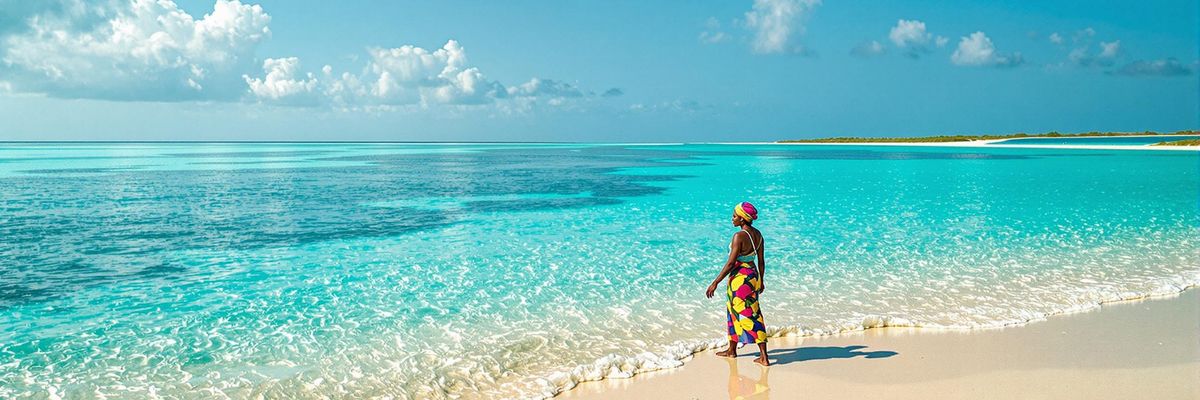
Xai-Xai: A Coastal Retreat
Relax on the beaches and explore the reefs of Xai-Xai.
View More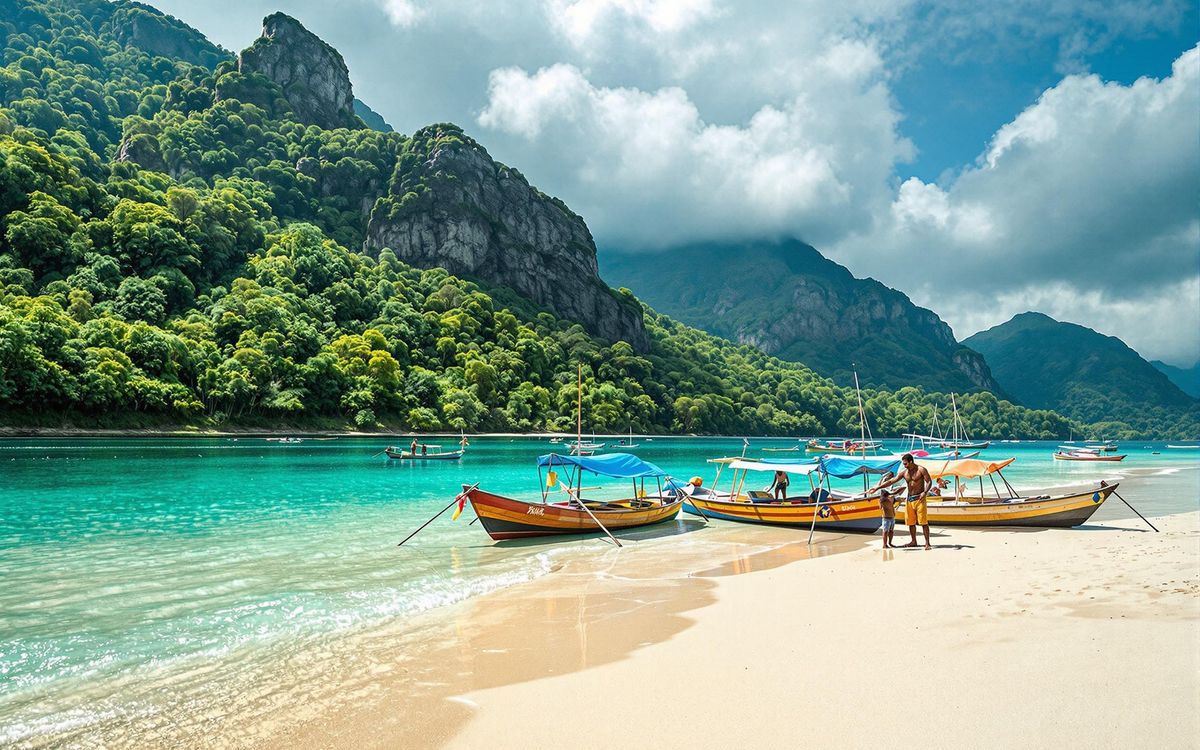

Venture into the heart of Madagascar's untamed wilderness, where emerald rainforests meet the turquoise waters of the Indian Ocean. Masoala National Park, a remote and pristine paradise, beckons adventurous travelers seeking an authentic and immersive experience.
Prepare to be captivated by the symphony of exotic wildlife, the untouched beauty of its diverse ecosystems, and the warm embrace of local communities deeply intertwined with this natural wonder. This is Masoala, a realm where adventure meets conservation, and memories are etched in the soul.
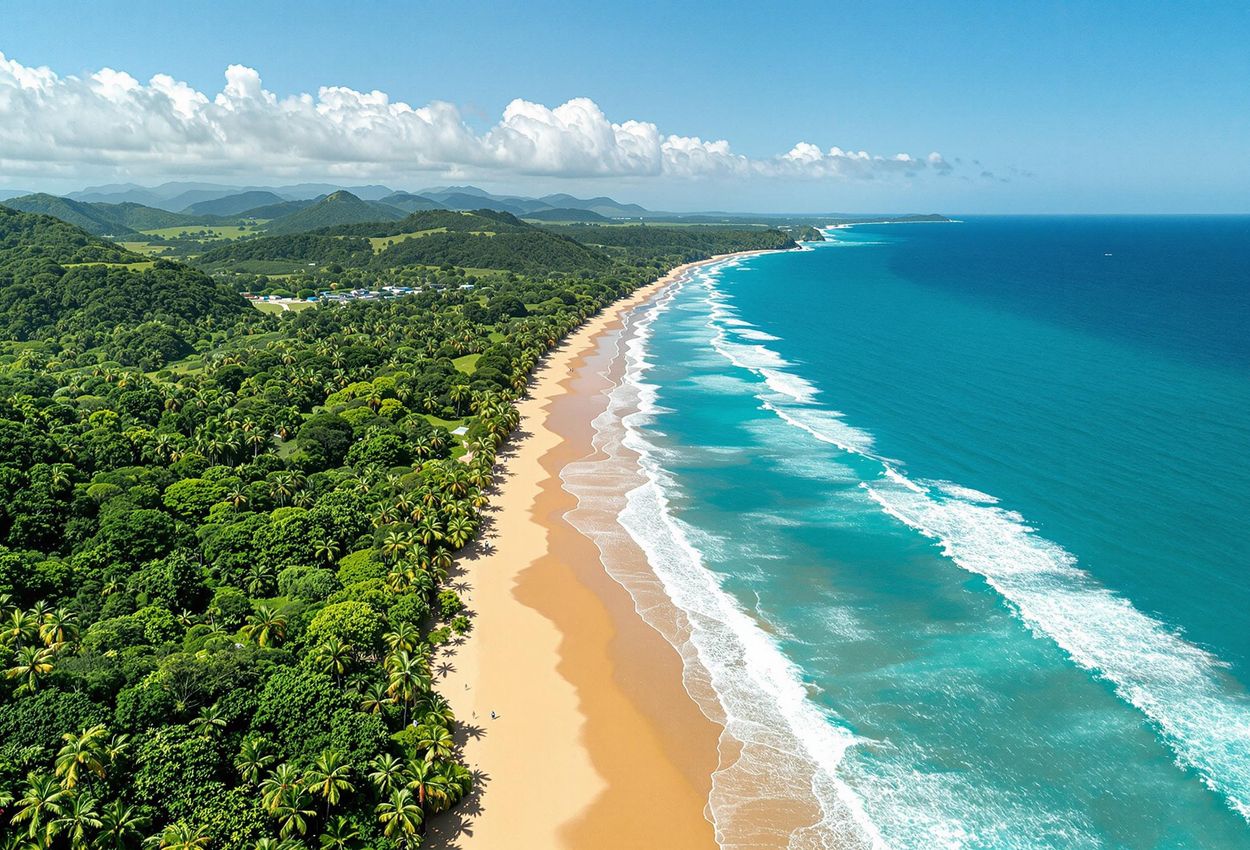
The journey to reach the remote haven of Masoala National Park is an adventure in itself, adding to the allure of this pristine destination. Your gateway is Maroantsetra, a bustling town that serves as the last outpost of civilization before plunging into the heart of the Masoala Peninsula. Reaching Maroantsetra requires careful planning, with a few options available depending on your appetite for adventure.
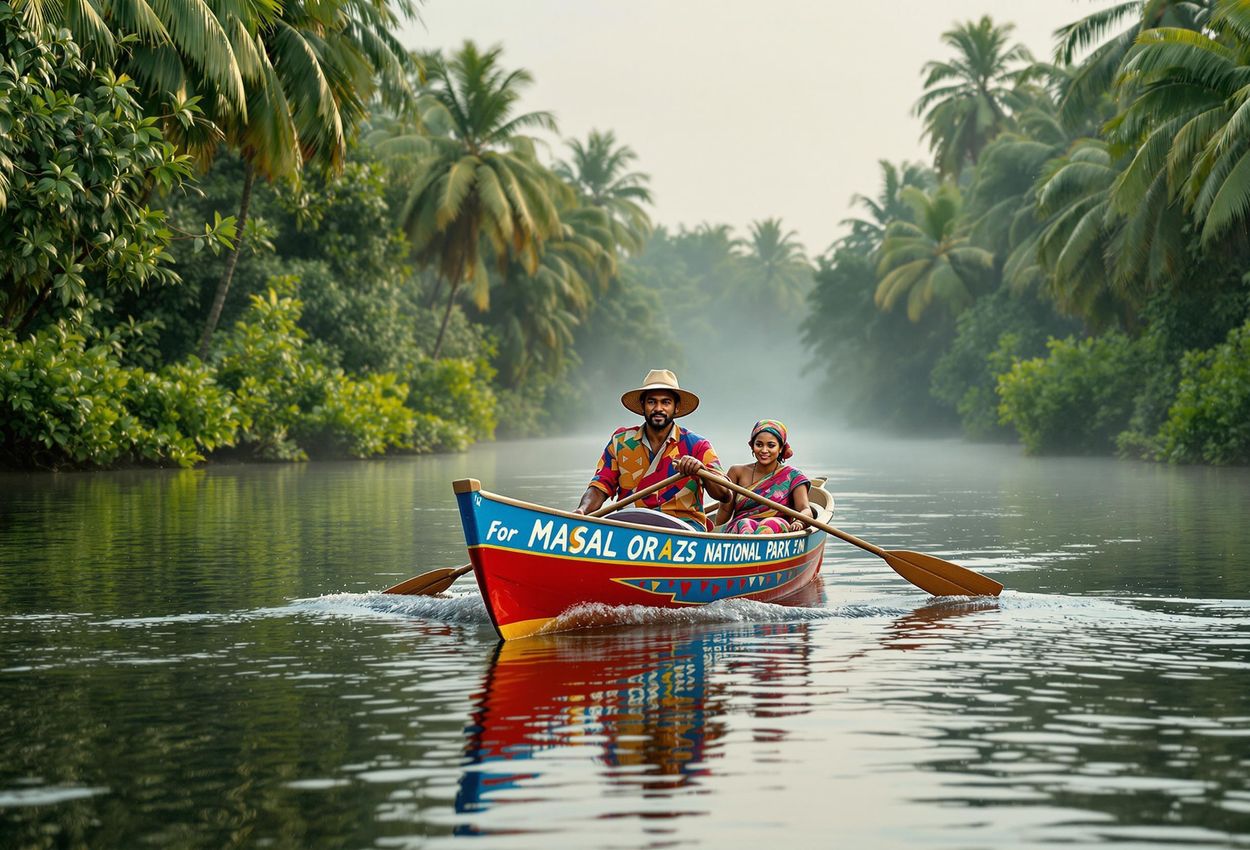
The most convenient route is by air, with regular flights from Antananarivo, Madagascar's capital, to Maroantsetra Airport. This offers a swift transition from the urban landscape to the threshold of the rainforest. For the more intrepid traveler, a combination of land and river routes presents a challenging yet rewarding experience. This involves a scenic drive along rugged roads followed by a river journey in a local pirogue, allowing you to witness the changing landscapes and immerse yourself in the rhythm of rural Madagascar.
As you approach the peninsula by boat, a sense of anticipation builds with each passing wave. Keep your eyes peeled for the majestic humpback whales that grace these waters from July to September. The transition from the vibrant energy of Maroantsetra to the tranquil wilderness is palpable, as the sounds of the town fade into the rustling of leaves and the calls of exotic birds.
Arranging boat transportation from Maroantsetra to the park requires advance planning. Local boat operators offer transfers to various points along the Masoala Peninsula, including the popular Tampolo area. It's crucial to negotiate prices beforehand and ensure the boat is equipped with safety gear. This journey marks the true beginning of your Masoala adventure, a passage from the familiar to the extraordinary.
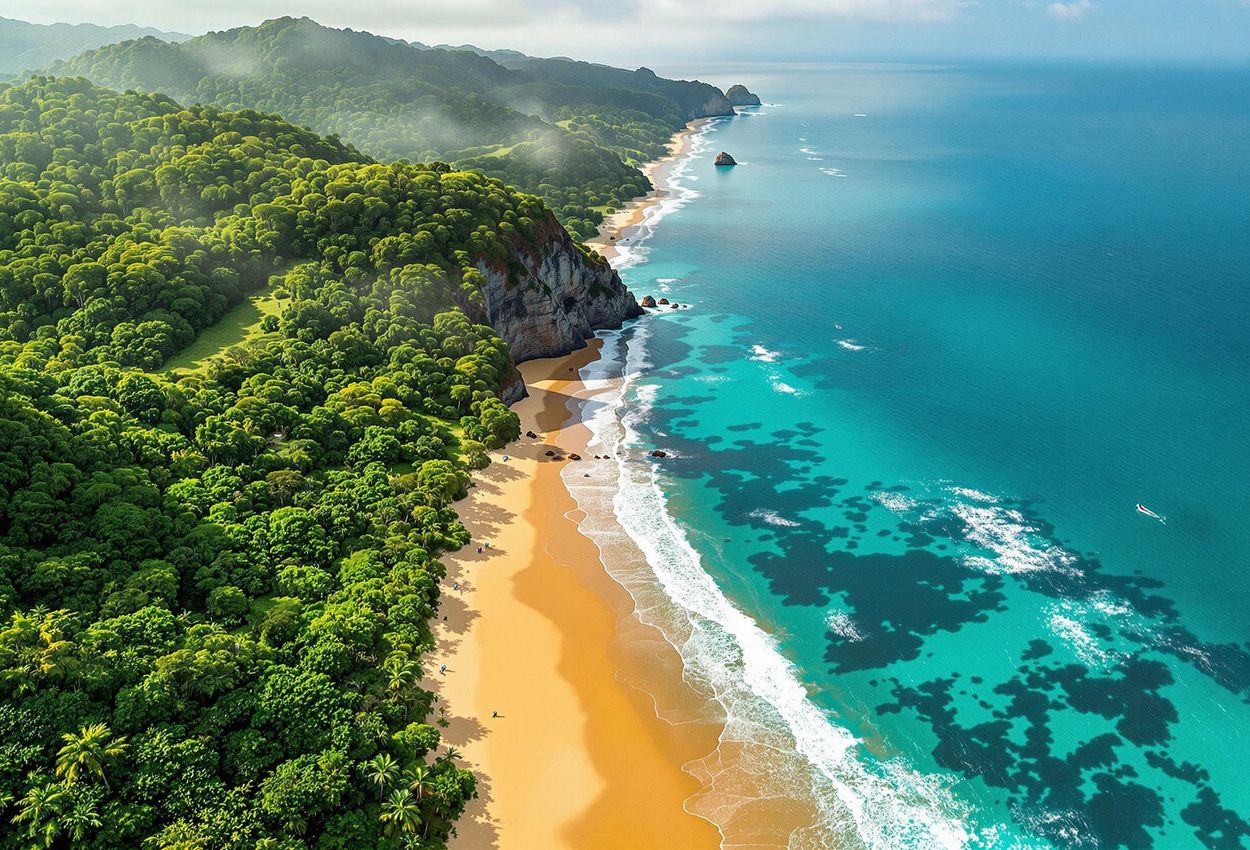
Masoala National Park is a realm of unparalleled natural beauty, where the lush rainforest seamlessly merges with the pristine coastline. This unique landscape is a testament to the park's exceptional biodiversity and its significance as Madagascar's largest protected area. Covering an expansive area of approximately 2,300 square kilometers, Masoala encompasses a diverse tapestry of ecosystems, each contributing to its ecological richness.
Coastal forests fringe the shoreline, their verdant canopy providing shelter to a myriad of species. Marshlands and mangroves create a transitional zone between land and sea, serving as vital nurseries for marine life. The terrain rises dramatically, with rugged mountains plunging into the Indian Ocean, creating a breathtaking visual spectacle. The contrast between the emerald greenery and the azure waters is simply stunning, a feast for the senses.
The park's boundaries extend into the sea, encompassing protected marine reserves that safeguard vibrant coral reefs and a kaleidoscope of marine creatures. These underwater havens teem with life, offering exceptional opportunities for snorkeling and diving. The park's varied altitudes, ranging from sea level to over 1300 meters, contribute to its diverse habitats and species.
Masoala's unique combination of terrestrial and marine ecosystems makes it a true biodiversity hotspot, a sanctuary for countless endemic species found nowhere else on Earth. The park's sheer size and varied topography create a haven for wildlife, making it a must-visit destination for nature enthusiasts and adventure seekers alike.

Prepare to be amazed by the sheer abundance of life within Masoala National Park, a true testament to Madagascar's unique biodiversity. The park is home to a remarkable array of species, many of which are endemic to the island, making it a haven for wildlife enthusiasts and nature lovers.
Among the park's most iconic residents is the red-ruffed lemur, a vibrant primate found exclusively on the Masoala Peninsula. Their distinctive calls echo through the rainforest, and glimpses of their reddish-brown fur are a thrilling sight. Another elusive inhabitant is the aye-aye, a nocturnal lemur with an eccentric appearance and fascinating adaptations. Nosy Mangabe, an island within Antongil Bay, is renowned as one of the best places to spot these elusive creatures.
The rainforest is alive with the rustling of leaves and the chirping of insects, creating an immersive sensory experience. Chameleons, masters of disguise, blend seamlessly into their surroundings, while a dazzling array of bird species flit through the canopy. Keep an ear out for the calls of the helmet vanga, a colorful bird endemic to the region.
The best times to visit for wildlife viewing are during the dry season, from May to October, when the weather is more favorable and animals are easier to spot. Hiring a local guide is essential for navigating the rainforest and maximizing your chances of encountering its incredible inhabitants. Their expertise and knowledge of the park's flora and fauna will enrich your experience and provide invaluable insights into the delicate ecosystem.
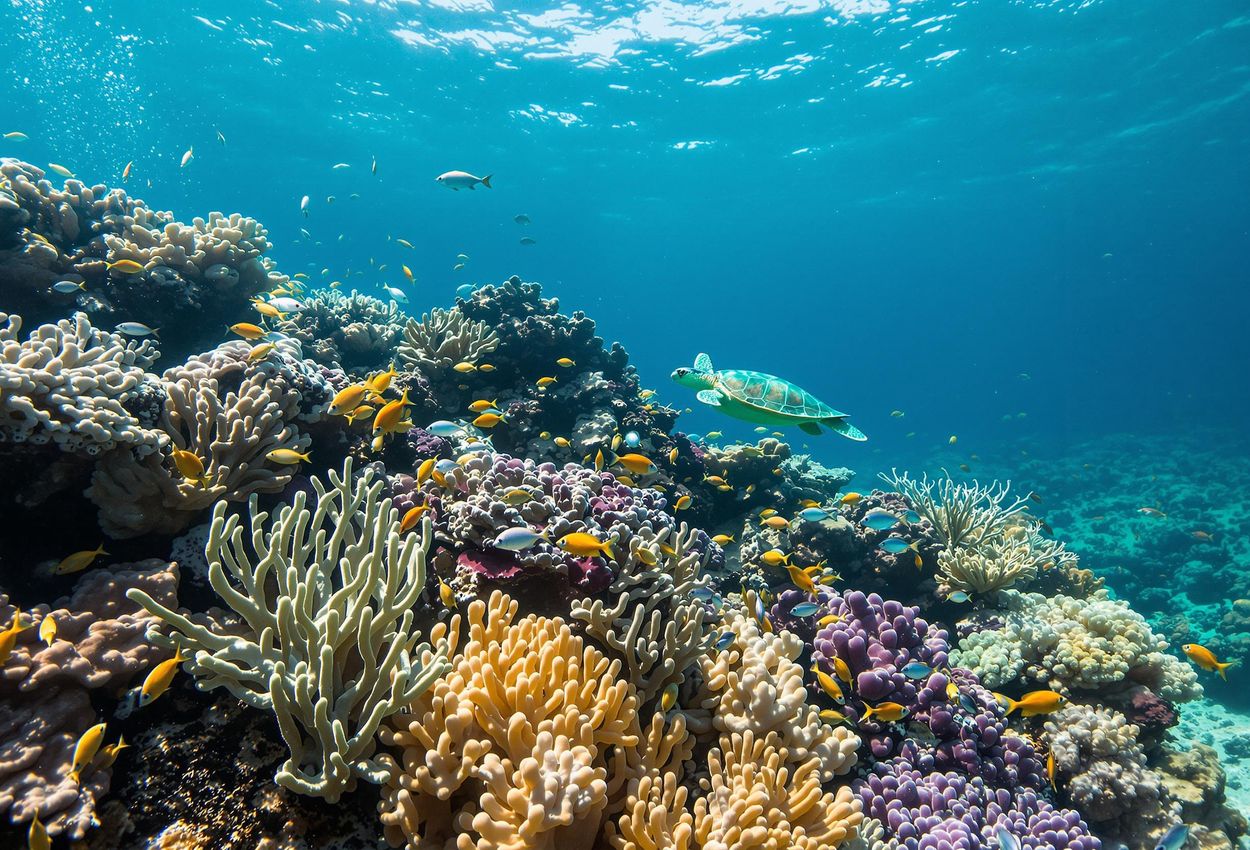
Masoala National Park extends its embrace beyond the rainforest, encompassing a captivating underwater realm teeming with marine life. The park's marine ecosystems are a vital component of its biodiversity, offering a wealth of opportunities for snorkeling and diving enthusiasts.
Coral reefs, adorned with a kaleidoscope of colors, fringe the coastline, providing shelter and sustenance to a myriad of marine species. The crystal-clear waters surrounding Tampolo, Ambodilaitry and Ifaho marine parks are ideal for exploring these underwater gardens. Snorkelers can glide along the surface, marveling at the intricate coral formations and the vibrant fish that dart among them.
Divers can delve deeper into the aquatic depths, encountering sea turtles gracefully gliding through the water, playful dolphins leaping in the waves, and, from July to September, the awe-inspiring sight of humpback whales migrating through the bay. The clarity of the water allows for exceptional visibility, revealing the intricate details of the coral and the mesmerizing dance of marine life.
Whether you're a seasoned diver or a novice snorkeler, Masoala's marine wonders will leave you spellbound. The opportunity to witness such a diverse and thriving underwater ecosystem is a truly unforgettable experience, adding another layer to the park's allure.
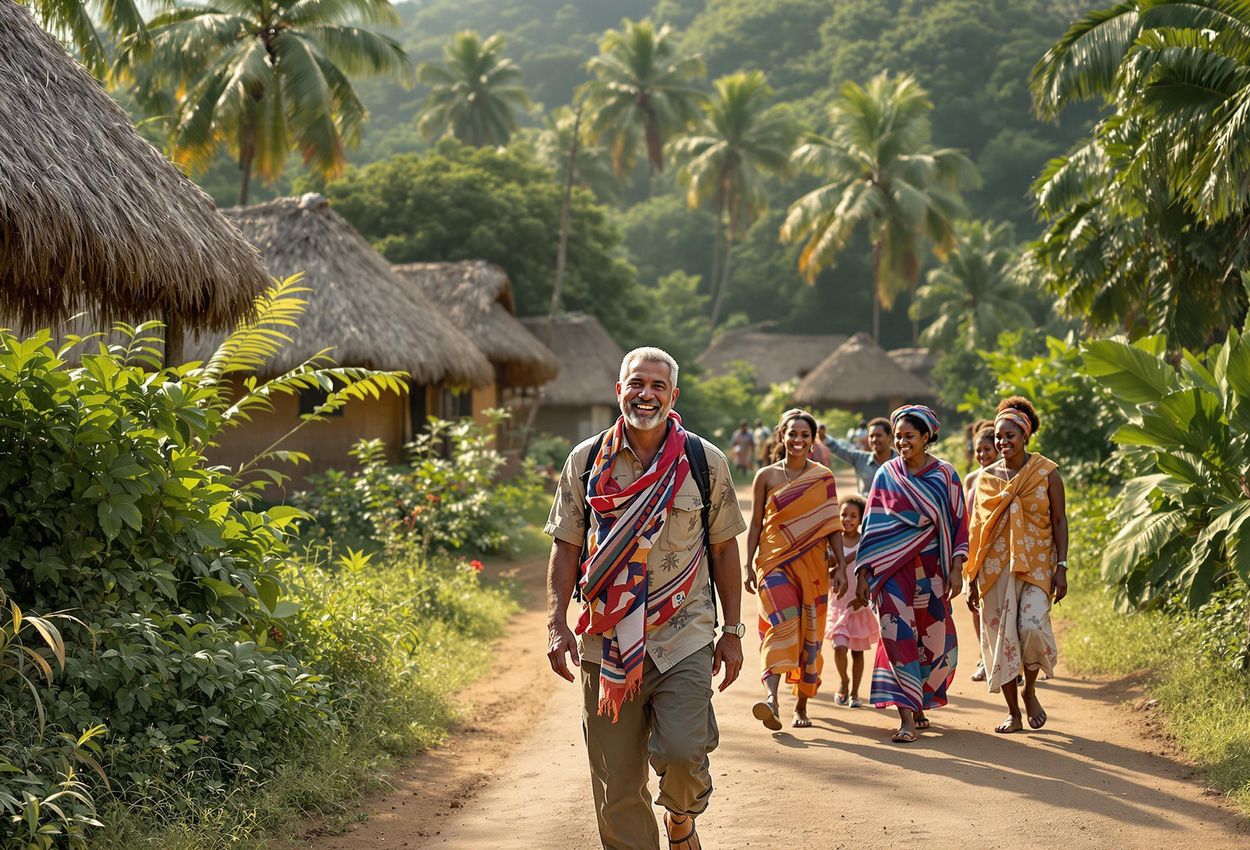
Eco-tourism plays a vital role in supporting local communities in and around Masoala National Park, fostering a symbiotic relationship between conservation and sustainable livelihoods. By choosing to visit Masoala, you are directly contributing to the well-being of the people who call this region home.
Local guides are essential to the Masoala experience, sharing their intimate knowledge of the rainforest and its inhabitants. They not only enhance your understanding of the park's biodiversity but also play a crucial role in promoting conservation awareness among visitors and within their own communities. Many guides are involved in programs that return tourism revenue to local communities, ensuring that the benefits of tourism are shared equitably.
A visit to the villages surrounding the park offers a glimpse into the daily lives of the local people, providing an opportunity to learn about their traditions, customs, and connection to the land. Responsible travel is paramount, respecting local customs and supporting local businesses. By purchasing handicrafts, dining at local restaurants, and engaging with the community in a respectful manner, you can contribute to the economic well-being of the region and help preserve its unique cultural heritage.

Planning a trip to Masoala National Park requires careful consideration, given its remote location and unique logistical challenges. However, with proper preparation, your journey to this rainforest paradise will be a seamless and rewarding experience.
Park entrance fees are required for all visitors and can be purchased at the Madagascar National Parks office in Maroantsetra. Permits are also necessary for certain activities, such as camping and trekking, and can be obtained at the same office. Hiring local guides and porters is highly recommended, not only for their expertise but also for the support they provide to the local economy.
The best times to visit Masoala are during the dry season, from May to October, when the weather is more predictable and wildlife viewing is optimal. However, even during the dry season, rain is possible, so waterproof clothing and gear are essential. Sturdy hiking boots are a must for exploring the rainforest trails, and insect repellent is crucial for protection against mosquitoes and other biting insects.
Be sure to pack light, as you may need to carry your own gear or hire a porter. A basic first-aid kit is also recommended, as medical facilities are limited in the area. With these practical tips in mind, you'll be well-prepared to embark on an unforgettable adventure in Masoala National Park.

While Masoala National Park is known for its rugged wilderness, it also offers a selection of exclusive and luxurious lodging options that blend comfort with immersion in nature. These retreats provide a haven of relaxation after a day of exploring the rainforest, allowing you to unwind in style while still being surrounded by the sounds and sights of the natural world.
Masoala Forest Lodge stands out as a premier eco-lodge, offering a unique blend of rustic charm and modern amenities. Nestled on a private reserve bordering the park, the lodge features stilted tents that provide stunning views of the beach and the rainforest canopy. The lodge is only accessible by boat or on foot, enhancing its sense of seclusion and tranquility.
These accommodations offer a range of amenities, including comfortable beds, private bathrooms, and delicious meals prepared with fresh, local ingredients. The emphasis is on sustainability, with eco-friendly practices implemented throughout the properties. Booking in advance is essential, as these exclusive retreats tend to fill up quickly. Prepare to indulge in a truly unforgettable experience, where luxury meets the untamed beauty of Masoala National Park.
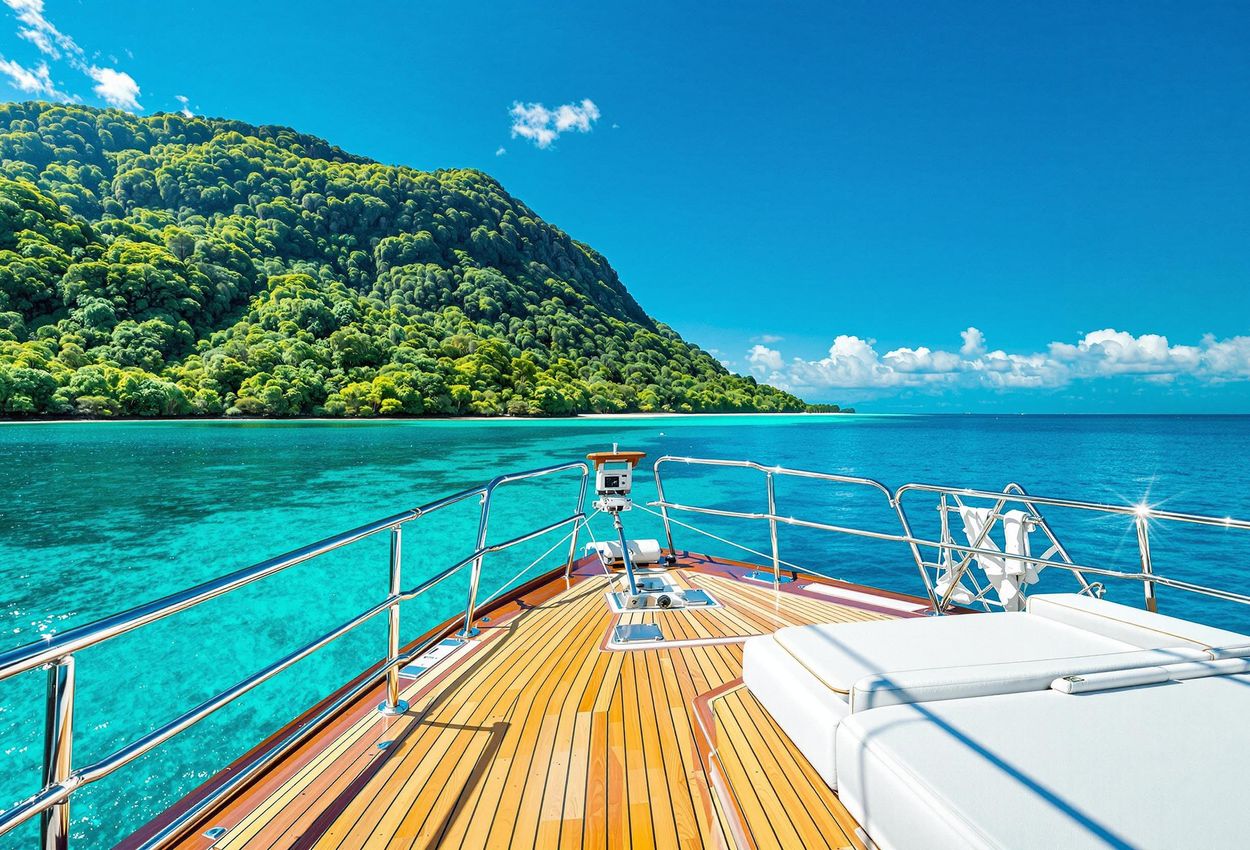
Masoala National Park is a hiker's paradise, offering a network of trails that wind through the heart of the rainforest, providing an immersive experience in this unique ecosystem. Whether you're seeking a leisurely stroll or a challenging trek, Masoala has a trail to suit your fitness level and interests.
As you venture along the trails, keep your eyes peeled for the park's incredible wildlife. Lemurs, reptiles, and birds are commonly spotted along the way, offering thrilling encounters with Madagascar's endemic species. The sounds of the rainforest will envelop you, from the rustling of leaves to the calls of exotic birds, creating a symphony of nature.
Many trails lead to cascading waterfalls and crystal-clear streams, providing refreshing oases amidst the humid rainforest. The difficulty levels of the trails vary, with some being relatively flat and easy, while others involve steep climbs and challenging terrain. It's essential to check trail conditions with local guides before embarking on a hike, as weather conditions can change rapidly in the rainforest.
One popular option is the coastal path between Alhoatrozana and Antalavia, where you can experience exquisite beaches, pristine rainforest, and mangrove ecosystems. No matter which trail you choose, hiking in Masoala National Park is an unforgettable adventure, offering a chance to connect with nature and witness the beauty of Madagascar's rainforest firsthand.

Nosy Mangabe Special Reserve, an island gem within Antongil Bay, is an unmissable destination for any visitor to Masoala National Park. This small island, just over five square kilometers in size, holds significant ecological importance and offers a unique opportunity to spot the elusive aye-aye.
As one of the best places in Madagascar to see the aye-aye, Nosy Mangabe was initially established to protect them. The island's unique ecosystem comprises lowland rainforest, similar to that of Masoala, with large buttress-rooted trees reaching impressive heights. Black and white ruffed lemurs and white-fronted brown lemurs also thrive on the island.
Reaching Nosy Mangabe involves a short boat trip from Maroantsetra, typically taking around 30 minutes. The island is accessible year-round, but caution is advised during the cyclone season from January to March. Snorkeling in the surrounding waters is another popular activity, allowing you to explore the vibrant marine life. A campsite with basic facilities is available for those who wish to spend a night or two on the island.
A visit to Nosy Mangabe is a truly special experience, offering a chance to encounter rare wildlife and immerse yourself in the tranquility of this island paradise.
Sustainable tourism is paramount to protecting Masoala National Park's exceptional biodiversity and ensuring its preservation for future generations. By embracing responsible travel practices, visitors can minimize their impact on the environment and contribute to the long-term well-being of the park and its surrounding communities.
Conservation efforts are ongoing to combat the threats facing the park, such as deforestation, climate change, and unsustainable resource use. Eco-tourism plays a vital role in supporting these efforts, providing economic incentives for conservation and promoting responsible travel practices.
Visitors can contribute to the park's preservation by choosing eco-friendly accommodations, supporting local businesses, and respecting local customs. Minimizing waste, using water and energy responsibly, and avoiding the purchase of souvenirs made from endangered species are all important steps. By making conscious choices, you can help ensure that Masoala National Park remains a pristine paradise for generations to come.
Our editors` picks of the latest and greatest in travel - delivered to your inbox daily
Relax on the beaches and explore the reefs of Xai-Xai.
View More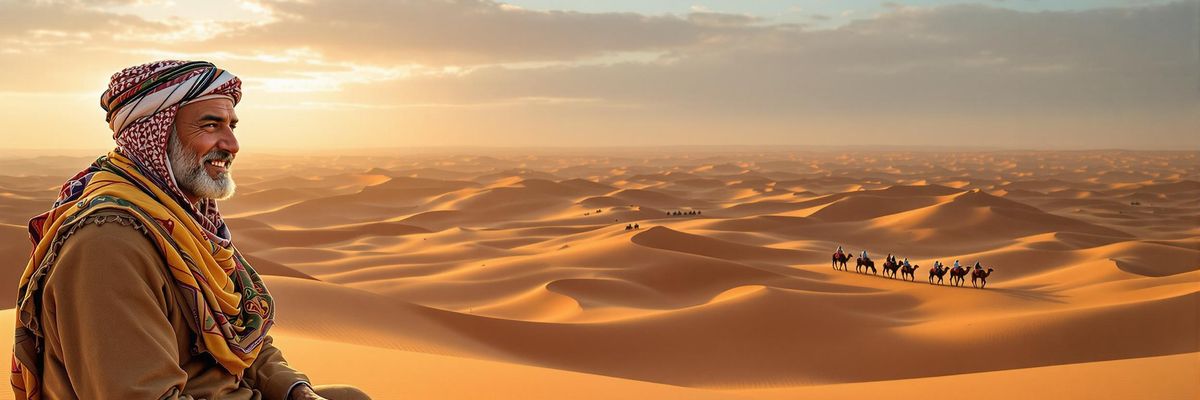
Embrace the cooler temperatures and experience the International Festival of the Sahara in Douz this December.
View More
Celebrate the year-end festivities in Accra, culminating in the vibrant Afrofuture festival.
View More Albania EDITION
 Algeria EDITION
 Argentina EDITION
 Armenia EDITION
 Australia EDITION
 Austria EDITION
 Bangladesh EDITION
 Belgium EDITION
 Belize EDITION
 Benin EDITION
 Bhutan EDITION
 Bolivia EDITION
 Bosnia and Herzegovina EDITION
 Botswana EDITION
 Brazil EDITION
 Bulgaria EDITION
 Burkina Faso EDITION
 Cambodia EDITION
 Cameroon EDITION
 Canada EDITION
 Central African Republic EDITION
 Chad EDITION
 Chile EDITION
 China EDITION
 Colombia EDITION
 Costa Rica EDITION
 Croatia EDITION
 Cyprus EDITION
 Denmark EDITION
 Djibouti EDITION
 Ecuador EDITION
 Egypt EDITION
 El Salvador EDITION
 Eritrea EDITION
 Estonia EDITION
 Ethiopia EDITION
 Finland EDITION
 France EDITION
 Gabon EDITION
 Georgia EDITION
 Germany EDITION
 Ghana EDITION
 Greece EDITION
 Guatemala EDITION
 Guinea EDITION
 Guinea-Bissau EDITION
 Honduras EDITION
 Hungary EDITION
 Iceland EDITION
 India EDITION
 Indonesia EDITION
 Ireland EDITION
 Israel EDITION
 Italy EDITION
 Jamaica EDITION
 Japan EDITION
 Jordan EDITION
 Kenya EDITION
 Kuwait EDITION
 Laos EDITION
 Latvia EDITION
 Lebanon EDITION
 Lesotho EDITION
 Liberia EDITION
 Lithuania EDITION
 Luxembourg EDITION
 Madagascar EDITION
 Malawi EDITION
 Malaysia EDITION
 Maldives EDITION
 Mali EDITION
 Malta EDITION
 Mauritania EDITION
 Mauritius EDITION
 Mexico EDITION
 Mongolia EDITION
 Montenegro EDITION
 Morocco EDITION
 Mozambique EDITION
 Namibia EDITION
 Nepal EDITION
 Netherlands EDITION
 New Zealand EDITION
 Nicaragua EDITION
 Niger EDITION
 Nigeria EDITION
 Norway EDITION
 Oman EDITION
 Pakistan EDITION
 Panama EDITION
 Papua New Guinea EDITION
 Paraguay EDITION
 Peru EDITION
 Philippines EDITION
 Poland EDITION
 Portugal EDITION
 Qatar EDITION
 Romania EDITION
 Rwanda EDITION
 Saudi Arabia EDITION
 Senegal EDITION
 Serbia EDITION
 Singapore EDITION
 Slovakia EDITION
 Slovenia EDITION
 Somalia EDITION
 South Africa EDITION
 South Korea EDITION
 Spain EDITION
 Sri Lanka EDITION
 Suriname EDITION
 Sweden EDITION
 Switzerland EDITION
 Tanzania EDITION
 Thailand EDITION
 Tunisia EDITION
 Uganda EDITION
 United Arab Emirates EDITION
 United Kingdom EDITION
 Uruguay EDITION
 Venezuela EDITION
 Vietnam EDITION
 Zambia EDITION
 Zimbabwe EDITION
Subscribe to our newsletter and get the most captivating travel stories, hidden gems, and expert insights delivered straight to your inbox. As a subscriber, you’ll be first in line for exclusive content, premium offers, and unforgettable travel experiences