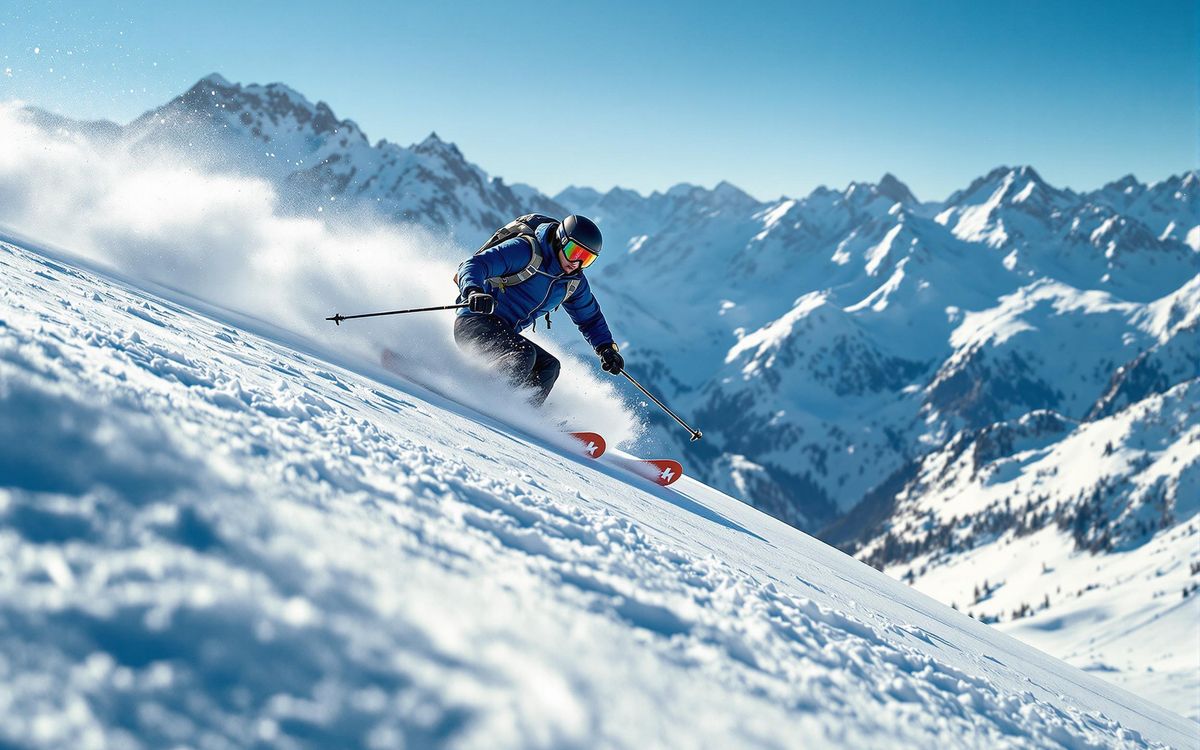
Conquering a mogul field can be one of the most exhilarating experiences on skis. Those seemingly chaotic bumps, or moguls, become a playground for those who master the art of skiing them. It's a dance of balance, technique, and timing that elevates your skiing to a new level. But where do you start? This guide breaks down the essential techniques and preparations needed to transform those intimidating bumps into your personal playground.
Whether you're an advanced skier seeking to refine your skills or an intermediate one looking to tackle moguls for the first time, understanding the fundamentals is key. From selecting the right equipment to mastering the essential movements, we'll cover everything you need to know to confidently navigate these challenging terrains.
Get ready to embrace the bumps and discover the joy of mogul skiing!
Gearing Up for Glory: Choosing the Right Equipment
Selecting the appropriate equipment is the first step toward conquering moguls. The right gear can significantly enhance your agility, control, and overall experience on the slopes. It's not just about having skis and boots; it's about having the *right* skis and boots for the job.
Skis: For mogul skiing, shorter skis with a narrower waist are generally recommended. A ski with a waist width between 70mm and 90mm is ideal for recreational skiers 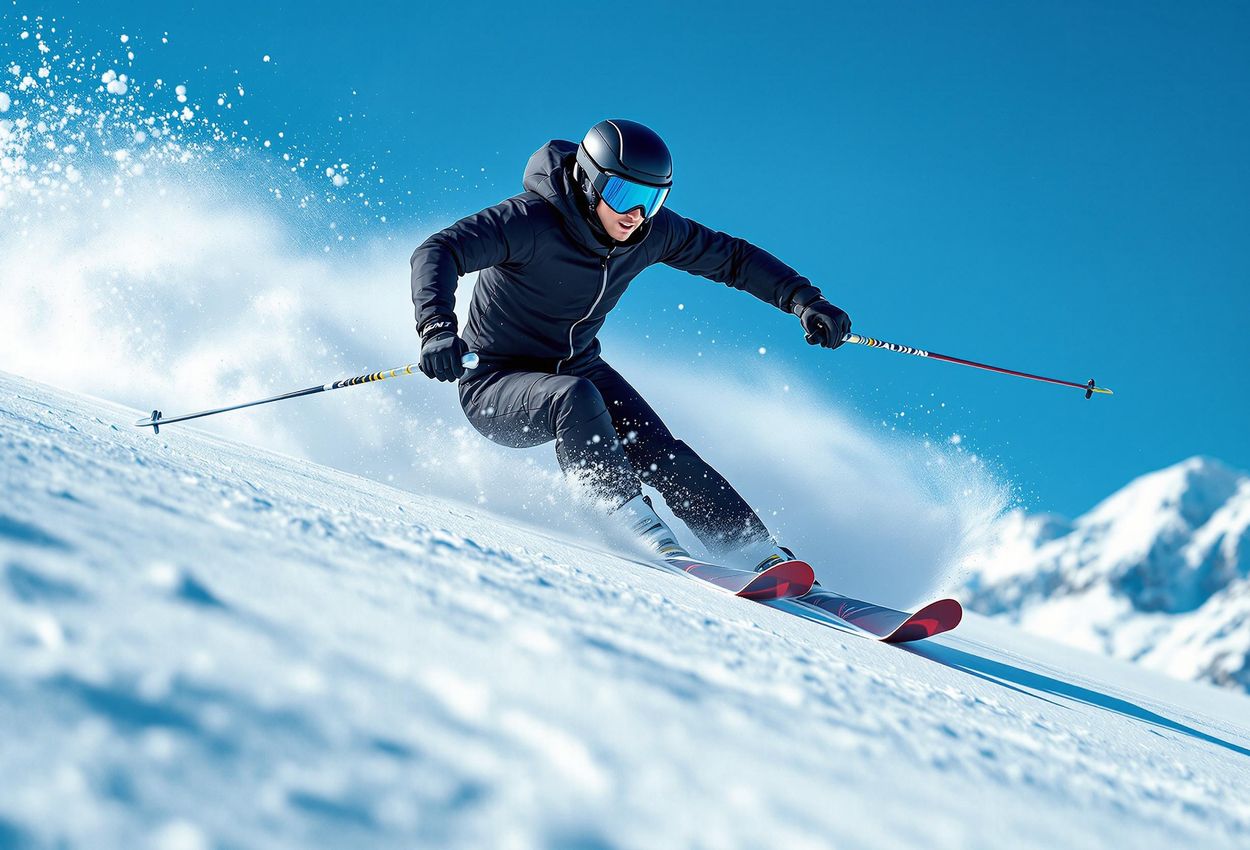 . Shorter skis are easier to turn quickly, which is essential for navigating the tight, undulating terrain of a mogul field. A length between 155cm and 170cm typically works well, depending on your height and skill level. Also, a softer flex pattern can make the ride more forgiving and easier to control in bumpy conditions. Some popular options include the Rossignol Experience 80 CA, K2 Mindbender 90C, and Blizzard Thunderbird SP 7.2.
Boots: Your ski boots are your direct connection to your skis, so a proper fit is crucial. Ensure your boots fit snugly and comfortably, allowing for good responsiveness. The boots should provide adequate support without being overly stiff. A flex rating that matches your ability level is essential; beginners and intermediates typically benefit from a softer flex, while advanced skiers may prefer a stiffer boot for more precise control.
Bindings: Properly tuned bindings are a must for safety and performance. Ensure your bindings are adjusted to the correct DIN setting based on your weight, height, skiing ability, and boot sole length. This ensures that your skis will release properly in the event of a fall, reducing the risk of injury.
Poles: Ski poles are essential for balance and rhythm in mogul skiing. Adjustable poles are beneficial, allowing you to customize the length for different terrain and conditions. When skiing moguls, a slightly shorter pole length can be advantageous, as it keeps your hands in a more comfortable position for planting.
Local Tip: Before purchasing new equipment, consider renting a few different ski models to test them out on the slopes. Many ski shops offer demo programs that allow you to try various skis and boots, helping you make an informed decision.
The Mogul Stance: Finding Your Center of Gravity
A proper stance is foundational to effective mogul skiing. It allows you to maintain balance, absorb shocks, and make quick, controlled turns. The ideal stance involves several key elements that work together to keep you centered and agile.
Narrow Stance: Keeping your feet relatively close together is crucial. A narrow stance allows your skis to track on a similar path, making it easier to navigate the uneven terrain. Aim for a stance where your legs are almost touching, promoting better balance and control 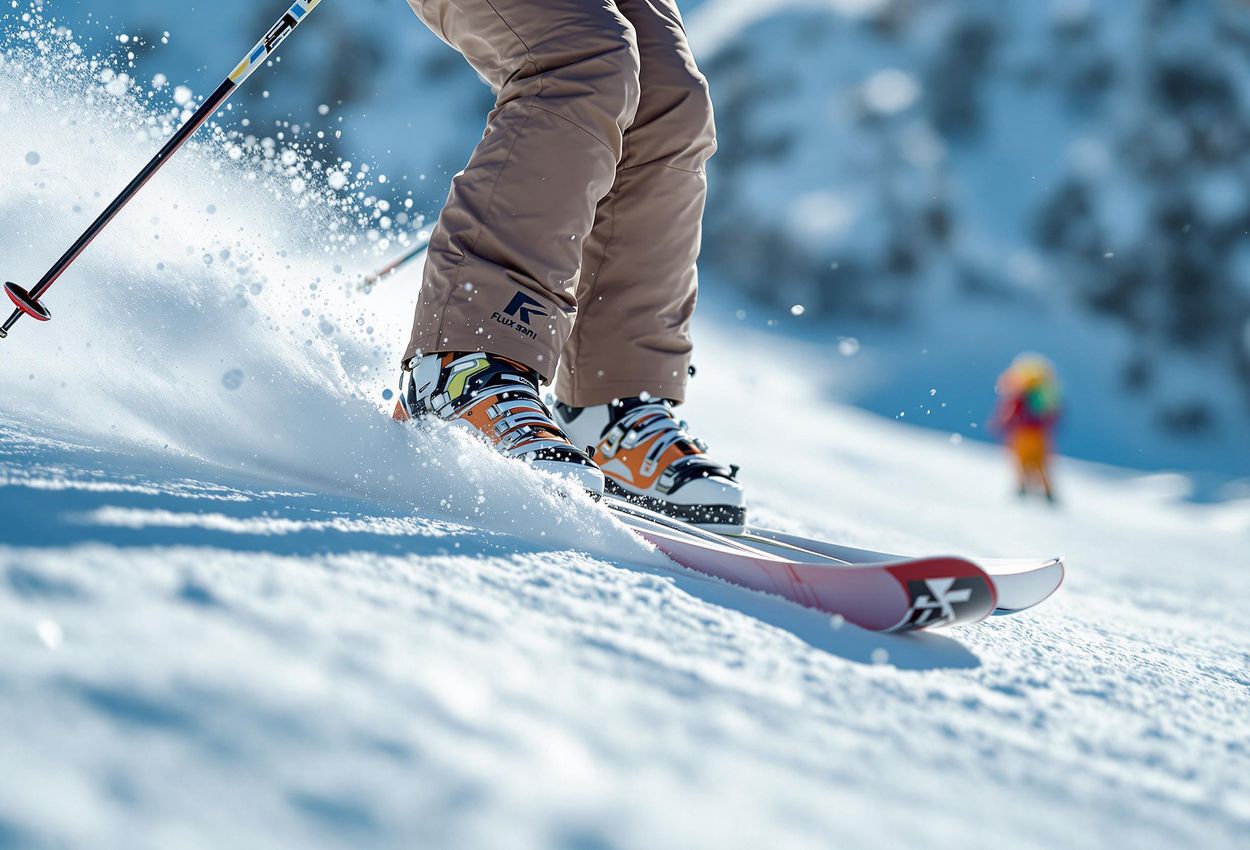 . Practice this stance on a smooth piste to get comfortable before venturing into the moguls.
Flexed Knees: Maintaining a slight bend in your knees is essential for absorbing the impacts of the moguls. This flexion acts as a suspension system, allowing you to adapt to the changing terrain and maintain contact with the snow. Think of your legs as shock absorbers, constantly adjusting to keep your upper body stable.
Hands Forward: Keeping your hands in front of you helps with weight distribution and keeps your body facing downhill, which helps you maintain momentum into the next mogul. Your arms should be relaxed and slightly bent, ready to react to changes in balance.
Limberness: Staying limber is key to adapting to the unpredictable nature of mogul skiing. Be prepared to extend and flex your legs to keep your skis on the snow. This requires constant adjustment and a willingness to move with the terrain.
Practice on Pistes: Before tackling moguls, spend some time practicing your stance on a smooth, groomed slope. Focus on maintaining a narrow stance, flexed knees, and hands forward. This will help you build muscle memory and develop the balance needed for more challenging terrain.
Hidden Gem: Try practicing on a balance board to improve your overall balance and stability. This can help you develop the core strength and coordination needed to stay centered on uneven terrain.
Flexion and Extension: The Key to Absorption
Flexion and extension are fundamental movements in mogul skiing, allowing you to absorb impacts, maintain balance, and control your speed. Mastering these movements is essential for smooth and efficient mogul skiing.
Using Legs as Suspension: Your legs should act as a suspension system, absorbing the bumps and undulations of the mogul field. As you approach a mogul, flex your legs to absorb the impact. This involves bending your knees and ankles to cushion the blow 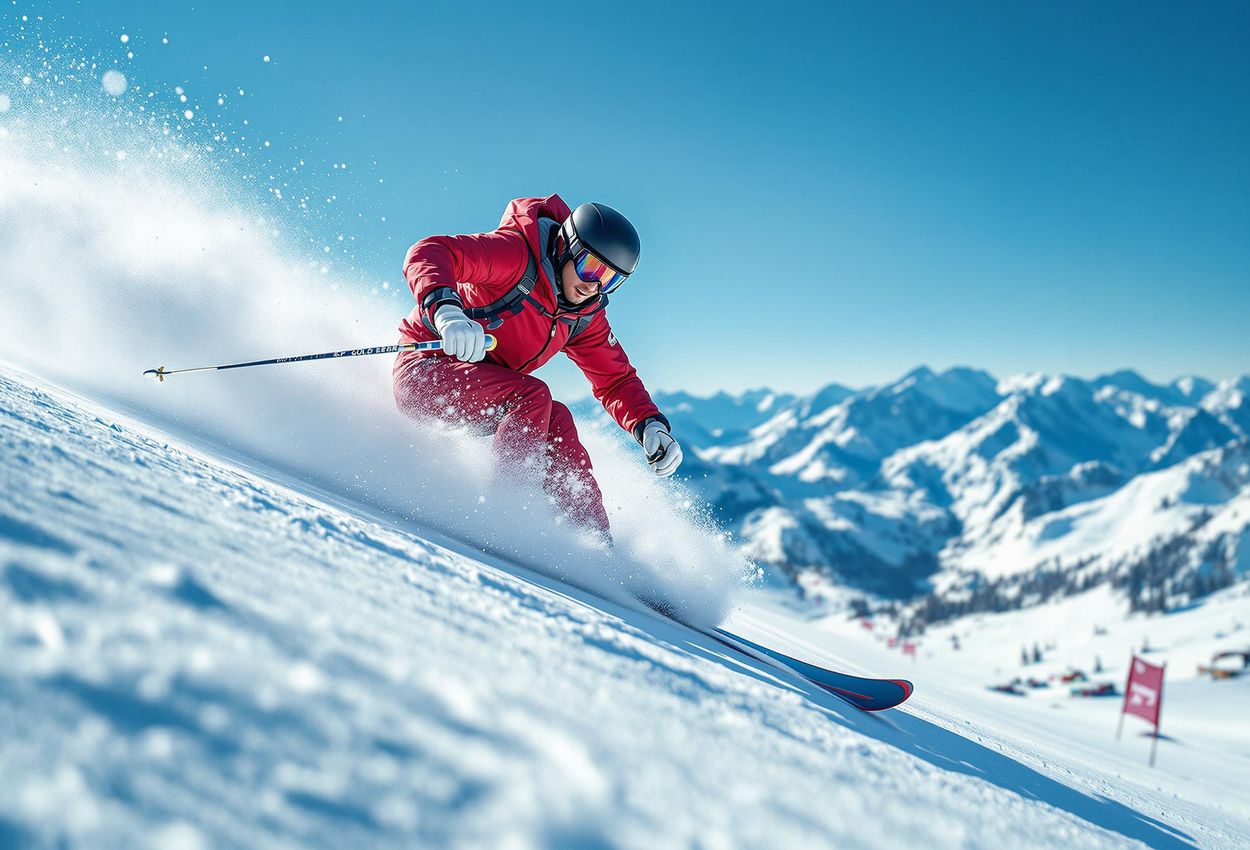 . Then, as you move over the mogul, extend your legs to maintain contact with the snow and prepare for the next bump.
Timing is Everything: The key to effective flexion and extension is timing. Flex your legs as you approach the mogul, allowing your knees to come up towards your chest. This absorbs the impact and keeps your skis in contact with the snow. Then, extend your legs as you move over the mogul, pushing your weight forward to maintain balance.
Maintaining Balance: Throughout the flexion and extension movements, it's crucial to maintain a stable upper body. Keep your core engaged and your hands forward to help with balance. Avoid leaning too far forward or backward, as this can throw you off balance and make it harder to control your skis.
Practice Drills: To improve your flexion and extension technique, try practicing on a gentle mogul run. Focus on absorbing each bump with your legs, allowing your body to move smoothly over the terrain. You can also practice traversing across the moguls, bending and extending as you go, to get a feel for the movements.
Local Tip: Film yourself skiing moguls and review the footage to identify areas for improvement. Pay attention to your flexion and extension movements, and make adjustments as needed to improve your technique.
Pole Planting Perfection: Rhythm and Timing
Pole planting is a critical component of mogul skiing, providing rhythm, balance, and timing for your turns. A well-executed pole plant can help you initiate turns, maintain stability, and navigate the mogul field with greater confidence.
Planting on the Mogul: The most effective pole plant involves planting your pole on the top of the mogul. As you approach the bump, reach forward with your pole and plant it firmly on the crest. This provides a pivot point for your turn and helps you maintain balance 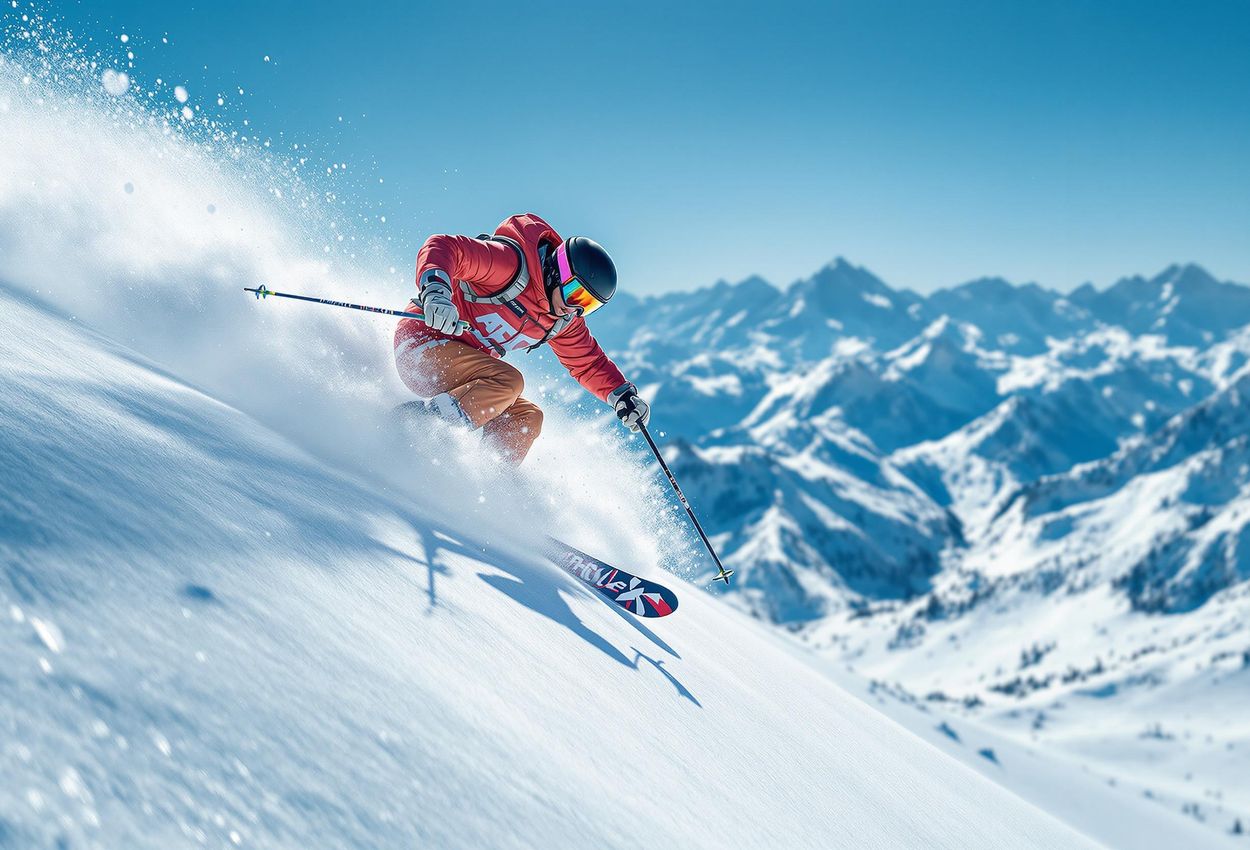 .
.
Timing with Turns: Timing is crucial when it comes to pole planting. Plant your pole just before you initiate your turn, using it to guide your body and skis around the mogul. This helps you maintain a consistent rhythm and flow as you move through the mogul field.
Wrist Action: The pole plant movement should come primarily from your wrist, not your entire arm. Think about flicking your wrist forward and down, planting the pole tip in the snow. This helps you maintain a stable upper body and avoid unnecessary movement.
Upper Body Stability: A quiet upper body is essential for effective mogul skiing. Keep your core engaged and your shoulders level, allowing your legs and skis to do most of the work. Avoid excessive twisting or leaning, as this can throw you off balance and make it harder to control your skis.
Hidden Gem: Practice pole planting on a smooth slope to develop your timing and technique. Focus on planting your pole at the right moment and using it to initiate your turns. Once you're comfortable with the movement, try incorporating it into your mogul skiing.
Line Selection: Charting Your Course Through the Bumps
Choosing the best line through a mogul field is a crucial skill for successful mogul skiing. The right line can make the difference between a smooth, controlled descent and a bumpy, chaotic ride. It's about assessing the terrain, anticipating your moves, and making strategic decisions.
Following the Valleys: For beginners, the easiest way to navigate a mogul field is to follow the valleys between the bumps. These troughs provide a smoother, more predictable path, allowing you to focus on your balance and technique 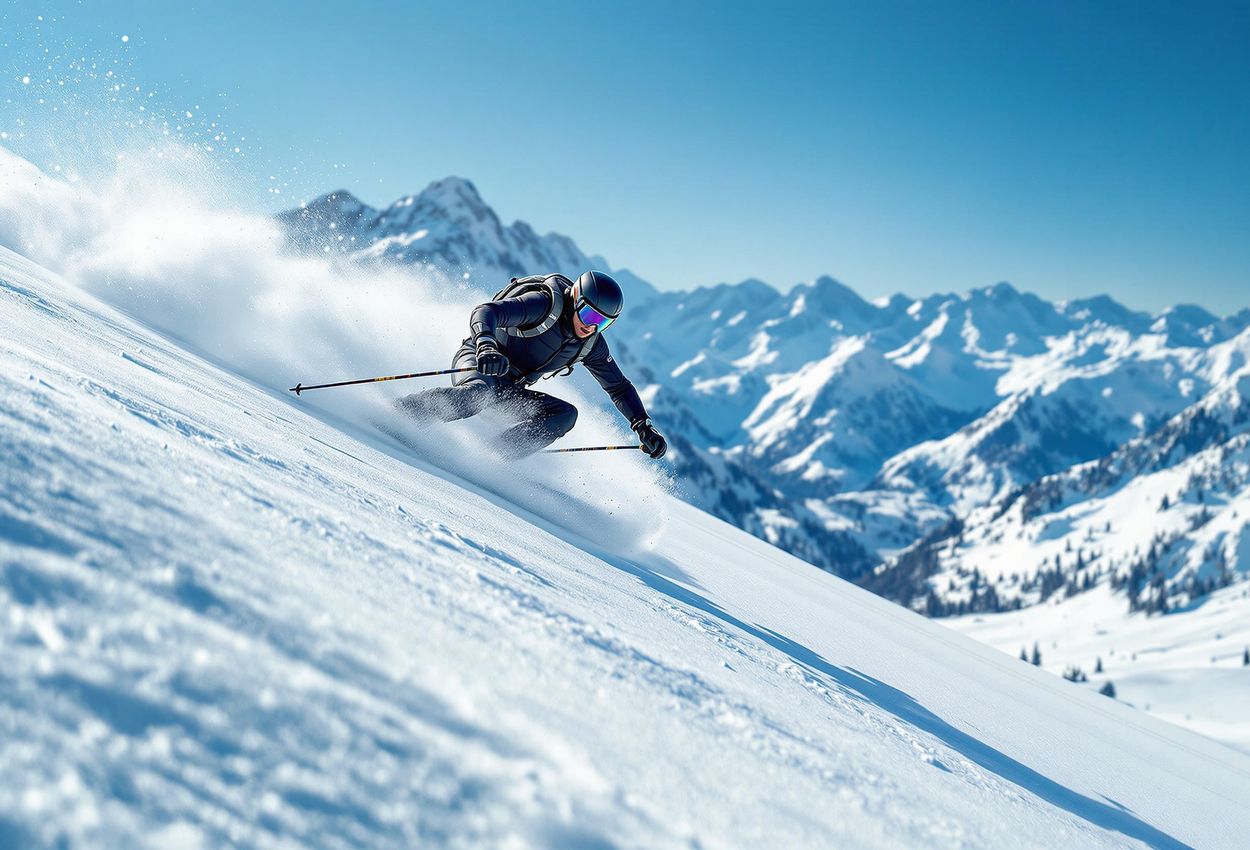 . Aim to ski in the center of the valley, using the sides of the moguls for support and control.
Skiing Over the Crests: As you become more advanced, you can challenge yourself by skiing over the crests of the moguls. This requires more precise timing and control, but it can also be a faster and more efficient way to navigate the mogul field. Focus on planting your pole on the top of the mogul and using it to pivot your skis around the bump.
Looking Ahead: Always look ahead to anticipate your next move. Scan the mogul field for the best line, identifying the bumps and valleys that will guide your path. This helps you stay on track and avoid sudden adjustments that can throw you off balance.
Adapting to Conditions: Be prepared to adapt your line based on the snow conditions. In icy conditions, it may be best to stick to the valleys for better grip and control. In softer snow, you may be able to ski over the crests with greater ease.
Local Tip: Before starting your descent, take a moment to observe the mogul field and plan your line. Look for patterns in the bumps and identify the areas that seem most manageable. This will help you approach the mogul field with greater confidence and control.
Turning Techniques: Pivoting and Skidding for Control
Mastering different turning techniques is essential for controlling your speed and direction in mogul skiing. Pivoting and skidding are two fundamental techniques that allow you to navigate the bumps with precision and finesse.
Pivoting Skis: Pivoting involves rotating your skis underneath your body in a zig-zag motion. As you approach a mogul, use your pole plant to initiate the turn, pivoting your skis around the bump. This allows you to quickly change direction and maintain control in the tight, undulating terrain 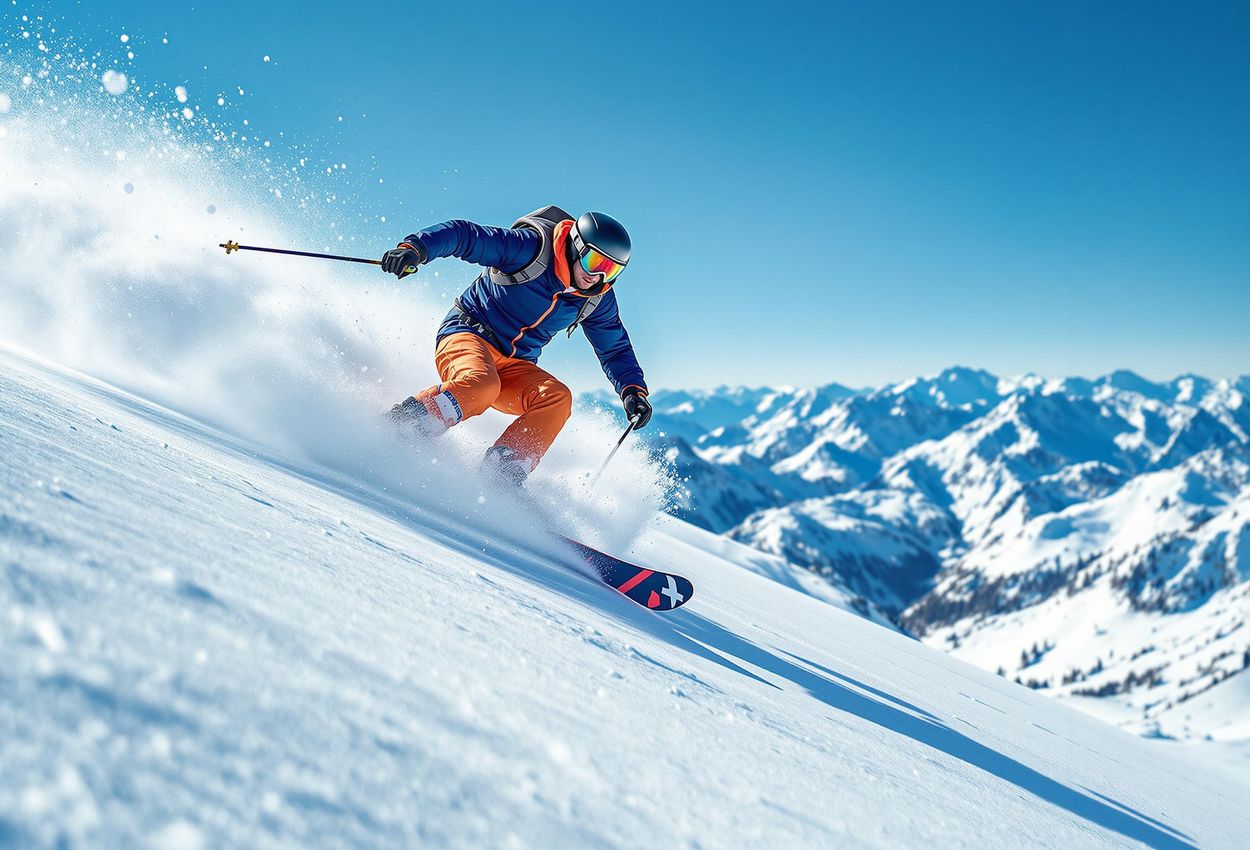 .
.
Skidding for Speed Control: Skidding involves intentionally sliding your skis sideways to control your speed. This is particularly useful when you need to slow down quickly or navigate a steep section of the mogul field. To skid, reduce the angle of your edging and allow your skis to slide slightly sideways as you turn.
Combining Techniques: In many cases, you'll need to combine pivoting and skidding to effectively navigate a mogul field. Use pivoting to make quick turns around the bumps, and use skidding to control your speed and maintain balance. This requires a fluid and adaptable approach, constantly adjusting your technique based on the terrain and conditions.
Practice Drills: To improve your turning techniques, try practicing on a gentle slope. Focus on pivoting your skis quickly and efficiently, and experiment with different degrees of skidding to control your speed. Once you're comfortable with the movements, try incorporating them into your mogul skiing.
Hidden Gem: Practice hockey stops on a smooth slope to improve your skidding technique. This will help you develop the control and precision needed to manage your speed in the moguls.
Speed Control: Mastering the Art of the Skid
Speed control is paramount in mogul skiing. Without it, you risk losing control, increasing the chances of falls and injuries. Mastering the art of the skid is key to maintaining a safe and enjoyable experience on the bumps.
Reducing Edge Angle: One of the primary reasons skiers lose control in moguls is building up too much speed. This often happens when making carving turns, which are effective on groomed slopes but can be problematic in the bumps. To control your speed, reduce the angle of your edging, allowing your skis to slide slightly sideways as you turn 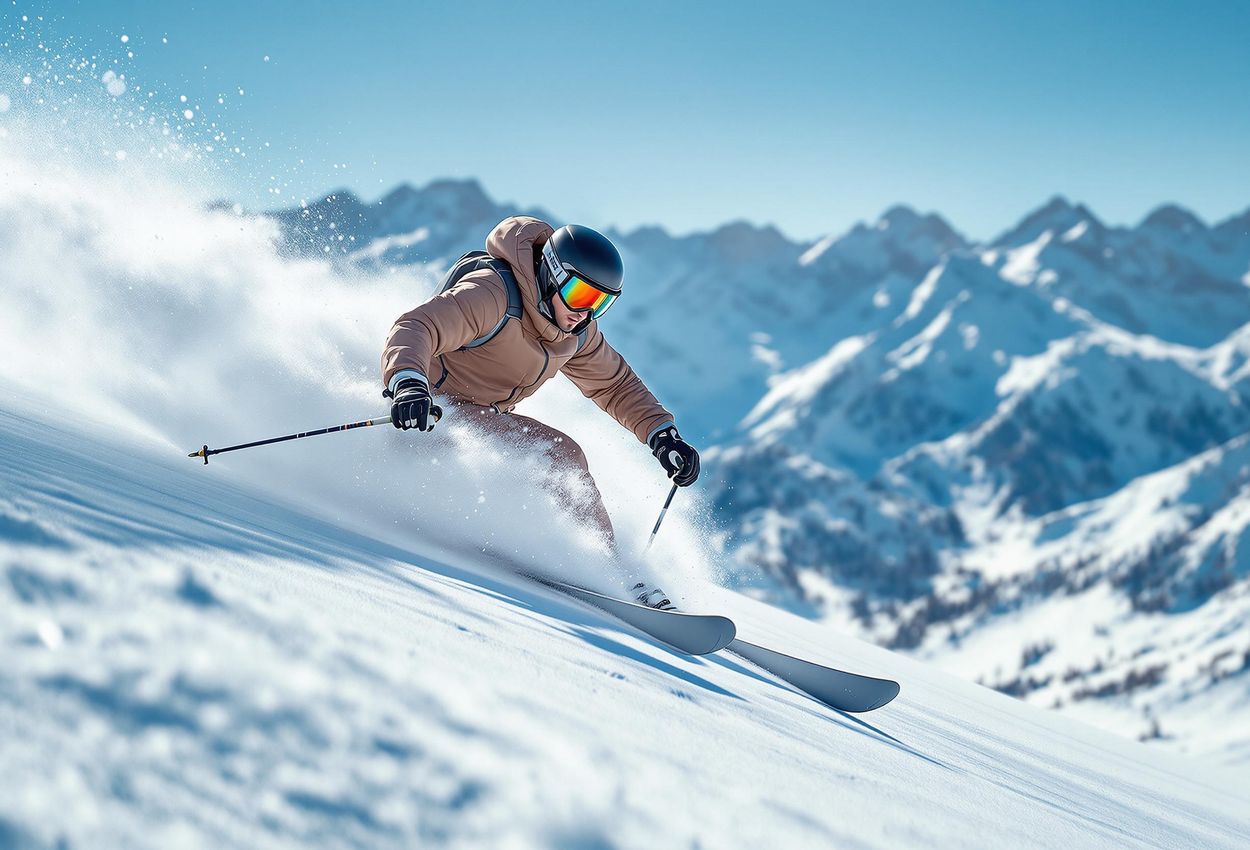 .
.
Skidding and Pivoting: Skidding and pivoting are essential techniques for speed control in mogul skiing. Use skidding to scrub off speed when needed, and use pivoting to make quick turns around the bumps. This requires a delicate balance, constantly adjusting your technique based on the terrain and conditions.
Anticipating the Terrain: Anticipation is key to effective speed control. Look ahead to identify steep sections or tight turns, and adjust your speed accordingly. This allows you to maintain control and avoid getting caught off guard by unexpected changes in the terrain.
Practice Drills: To improve your speed control, try practicing on a gentle mogul run. Focus on maintaining a consistent speed, using skidding and pivoting to adjust as needed. You can also practice side-slipping down the slope to get a feel for controlling your speed with minimal edging.
Local Tip: Start each mogul run with a slow, deliberate entry. This allows you to assess the conditions and adjust your technique accordingly. It's much easier to maintain control when you start slow and gradually increase your speed as you become more comfortable.
Balance Awareness: Staying Centered on Uneven Terrain
Balance is the cornerstone of successful mogul skiing. Without it, you'll struggle to maintain control, absorb impacts, and make precise turns. Building balance awareness is a process that involves both physical and mental training.
One-Foot Balance: Practicing balancing on one foot is a simple yet effective way to improve your overall balance. Stand on one foot with your knee slightly bent, and try to maintain your balance for as long as possible. You can also try closing your eyes to make the exercise more challenging 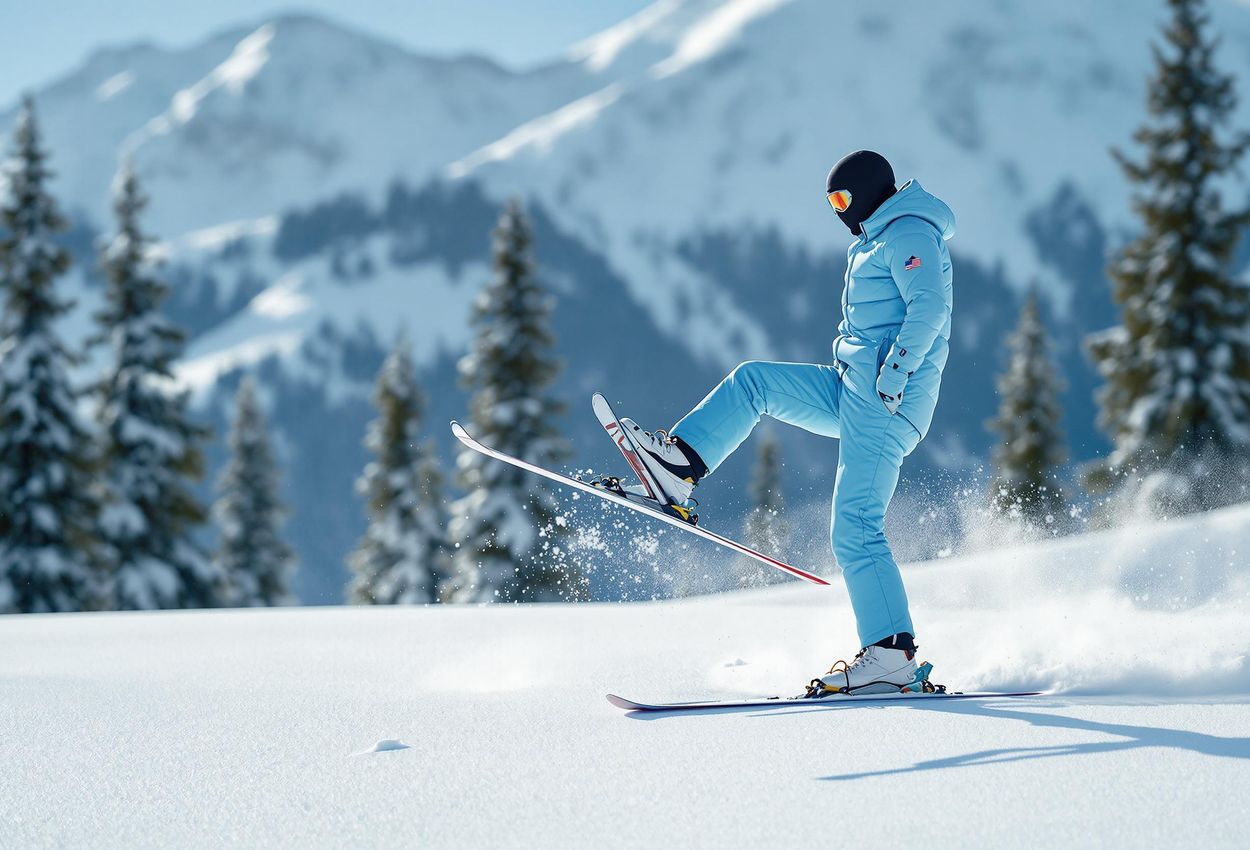 .
.
Balance Board: A balance board is a valuable tool for developing balance and stability. Stand on the board and try to keep it level, using your core muscles and leg muscles to make small adjustments. This helps you improve your proprioception, which is your body's ability to sense its position in space.
Finding the Middle of Your Foot: To optimize your balance, focus on finding the middle of your foot. This involves distributing your weight evenly between your heel and toes, and between the inside and outside of your foot. This neutral position allows you to react quickly to changes in the terrain.
Engaging Your Core: A strong core is essential for maintaining balance in mogul skiing. Engage your abdominal muscles to stabilize your torso and prevent excessive twisting or leaning. This helps you maintain a stable upper body, allowing your legs and skis to do most of the work.
Hidden Gem: Try practicing yoga or Pilates to improve your core strength and balance. These activities can help you develop the body awareness and stability needed to excel in mogul skiing.
Mental Fortitude: Conquering Fear and Building Confidence
Mogul skiing can be mentally challenging, even for experienced skiers. Overcoming fear and building confidence are essential for pushing your limits and enjoying the experience.
Staying Positive: A positive attitude can make a big difference in your performance. Focus on your strengths and visualize success. Avoid dwelling on past mistakes or potential dangers. Instead, stay present in the moment and focus on executing your technique.
Focusing on Your Line: Choose your line carefully and commit to it. Avoid second-guessing yourself or making sudden changes. Trust your instincts and focus on executing your plan. This helps you maintain control and avoid getting overwhelmed by the terrain 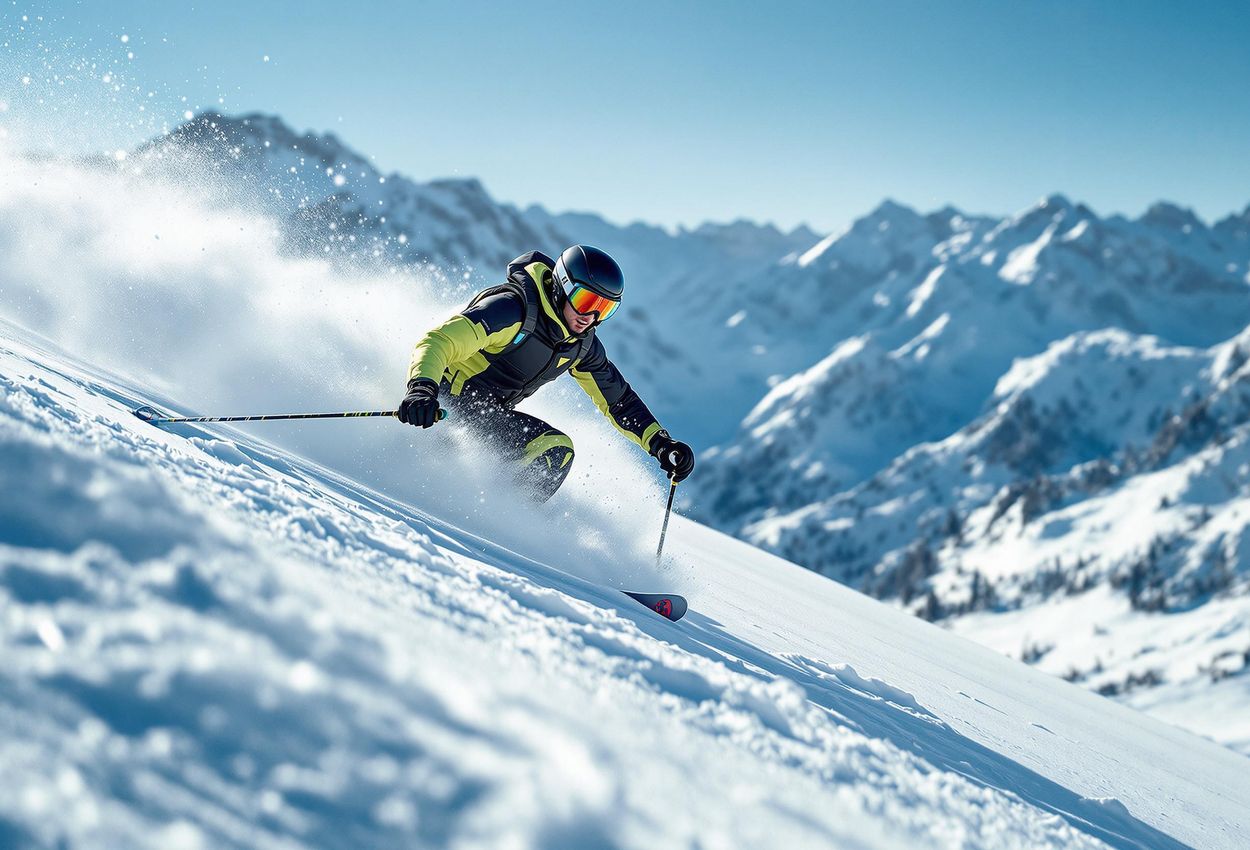 .
.
Starting Small: If you're new to mogul skiing, start with smaller moguls and gradually progress to larger ones. This allows you to build confidence and develop your technique without getting overwhelmed. Celebrate small victories along the way, and don't be afraid to take breaks when needed.
Learning from Others: Watch experienced mogul skiers and learn from their technique. Pay attention to their body position, pole planting, and line selection. You can also take lessons from a qualified instructor to get personalized feedback and guidance.
Local Tip: Ski with friends or family who are supportive and encouraging. This can help you stay motivated and overcome your fears. Sharing the experience with others can also make it more enjoyable and rewarding.
Off-Season Training: Building Strength and Endurance
Preparing for mogul skiing isn't just about what you do on the slopes; it's also about what you do off the slopes. Off-season training can help you build the strength, endurance, and balance needed to excel in mogul skiing.
Core Workouts: A strong core is essential for maintaining balance and stability in mogul skiing. Focus on exercises that target your abdominal muscles, lower back, and obliques. Some effective core exercises include planks, Russian twists, and bicycle crunches  .
.
Leg Exercises: Strong legs are crucial for absorbing impacts and making quick turns in mogul skiing. Focus on exercises that target your quadriceps, hamstrings, and glutes. Some effective leg exercises include squats, lunges, and step-ups.
Balance Training: Balance training can help you improve your proprioception and stability, which are essential for mogul skiing. Focus on exercises that challenge your balance, such as standing on one foot, using a balance board, or performing yoga poses.
Endurance Training: Mogul skiing can be physically demanding, so it's important to build your endurance. Focus on activities that elevate your heart rate and challenge your cardiovascular system, such as running, cycling, or swimming.
Hidden Gem: Try incorporating plyometric exercises into your off-season training. Plyometrics involve explosive movements that can help you develop power and agility, which are valuable assets in mogul skiing.
By following these tips and techniques, you can transform those intimidating bumps into your personal playground. So gear up, get out there, and start mastering the moguls!