


Destination Guide
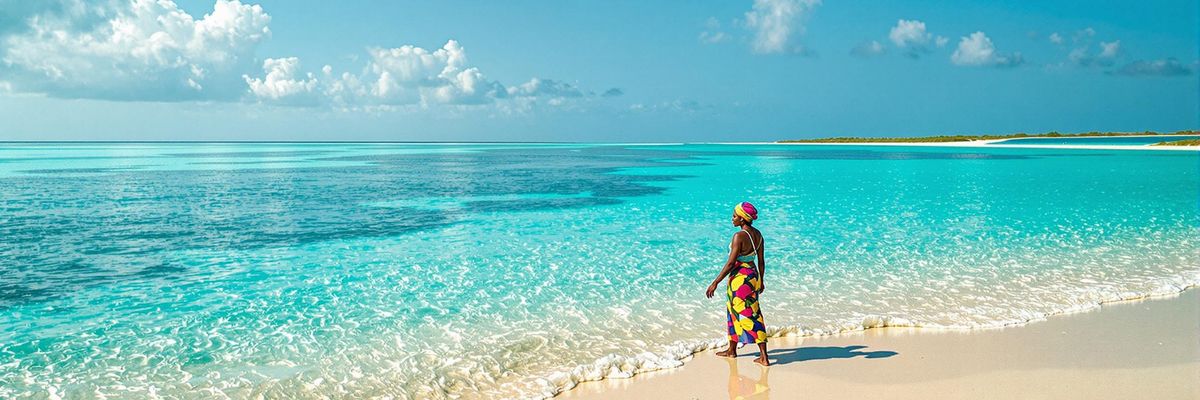
Xai-Xai: A Coastal Retreat
Relax on the beaches and explore the reefs of Xai-Xai.
View More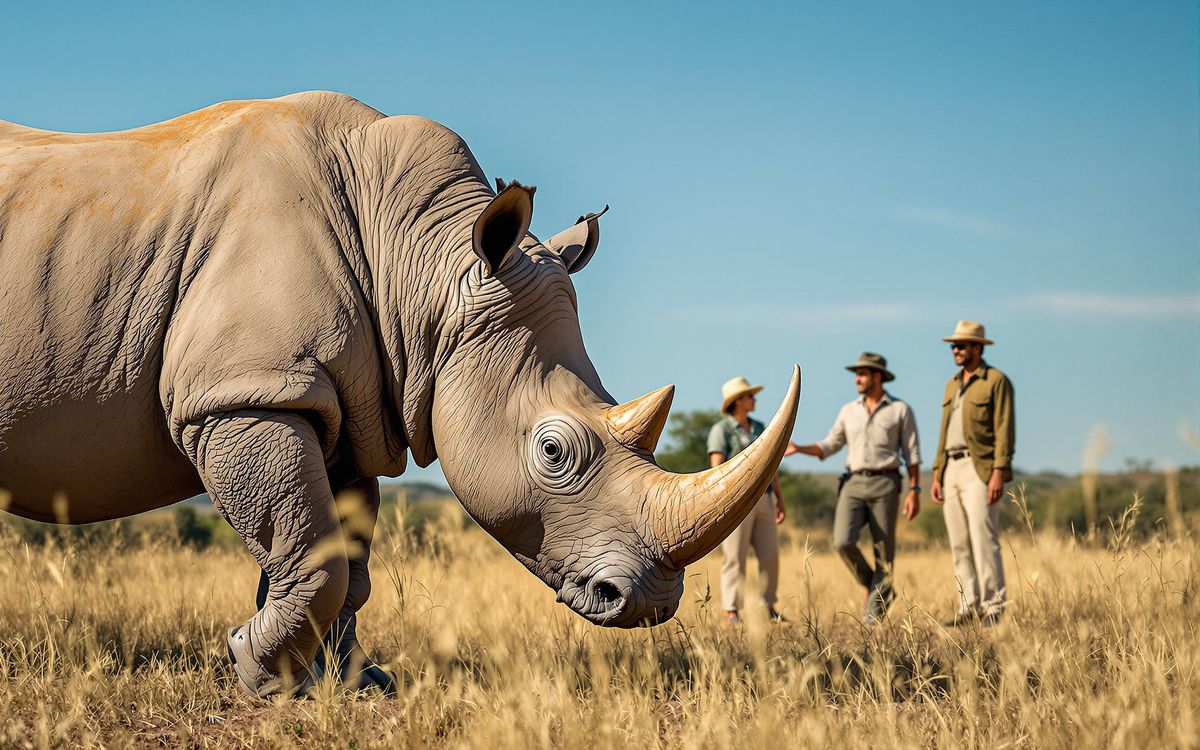

In the heart of Eswatini, where the African bush pulsates with life, lies a sanctuary offering unparalleled intimacy with its wild inhabitants. Mkhaya Game Reserve, a haven for endangered species, invites you to experience the thrill of encountering rhinos on foot, a journey that awakens the senses and etches itself into the soul.
As May graces the landscape, Mkhaya Game Reserve, near Gwabeni, Eswatini, transforms into a vibrant tapestry of sights and sounds. The bush comes alive, teeming with wildlife eager to bask in the mild, dry winter. This is the prime time for exclusive wildlife encounters, particularly the renowned rhino tracking and walking safaris that set Mkhaya apart.
Mkhaya, named after the knobthorn tree (Senegalia nigrescens), a species deeply significant to the Swazi people for its use in traditional building, stands as a testament to conservation. Established in 1979, the reserve initially aimed to protect the indigenous Nguni cattle from extinction. Over time, its mission expanded to safeguard other endangered species, becoming a refuge where wildlife can thrive under stringent protection. The reserve's commitment extends beyond its borders, with tourism revenue directly supporting its self-financed conservation efforts and anti-poaching unit, staffed entirely by members of local Swazi communities.
In May, the air is crisp and the vegetation less dense, offering enhanced visibility for tracking. The landscape, a mix of acacia-dominated thornveld in the south and broadleaf sandveld in the north, is dotted with waterholes that draw animals from far and wide. The call of the crested guineafowl echoes through the bush, a constant reminder of the vibrant ecosystem surrounding you.
At Mkhaya, conservation is not just a practice; it's a philosophy woven into every aspect of the visitor experience. The reserve has received generous grants and support from organizations such as the World Wide Fund for Nature and the SA Nature Foundation. By visiting Mkhaya, you directly contribute to the survival of these magnificent creatures and the preservation of their habitat.
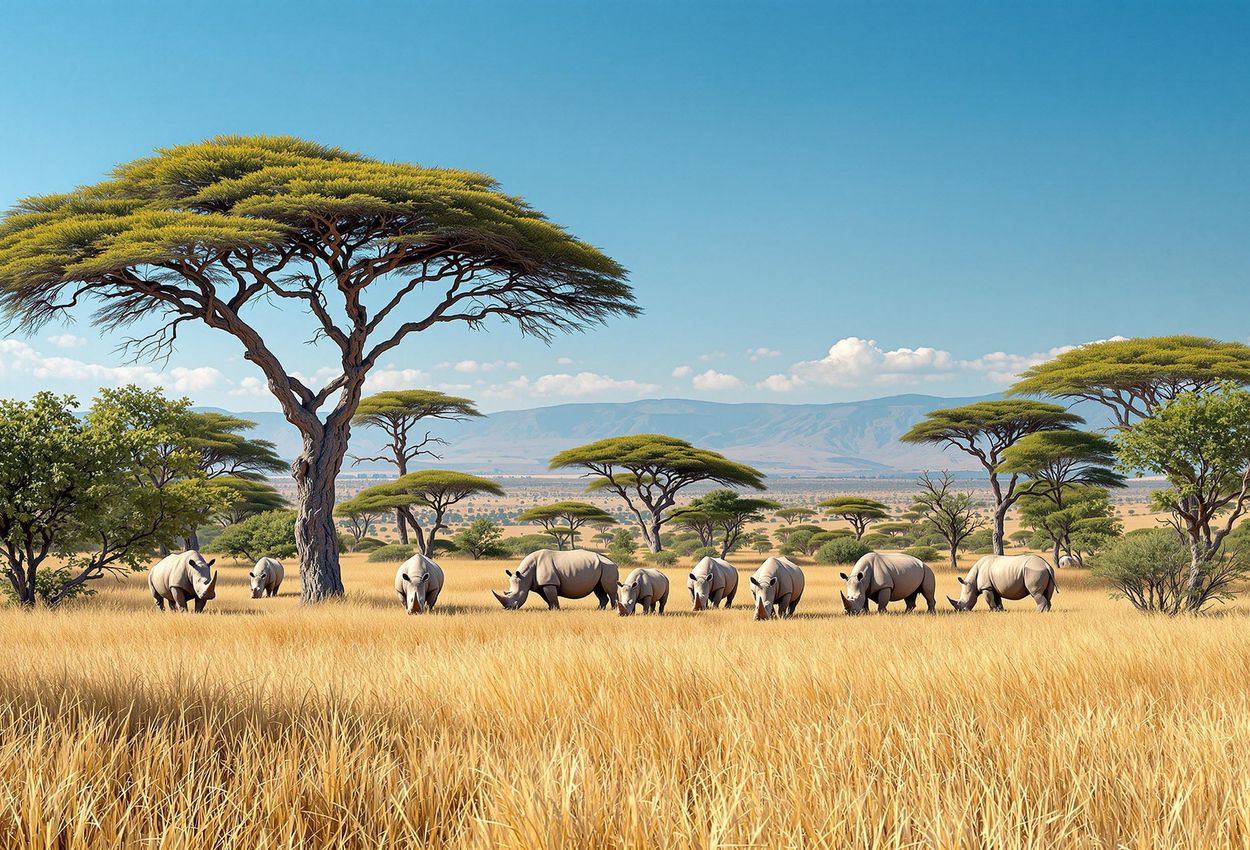
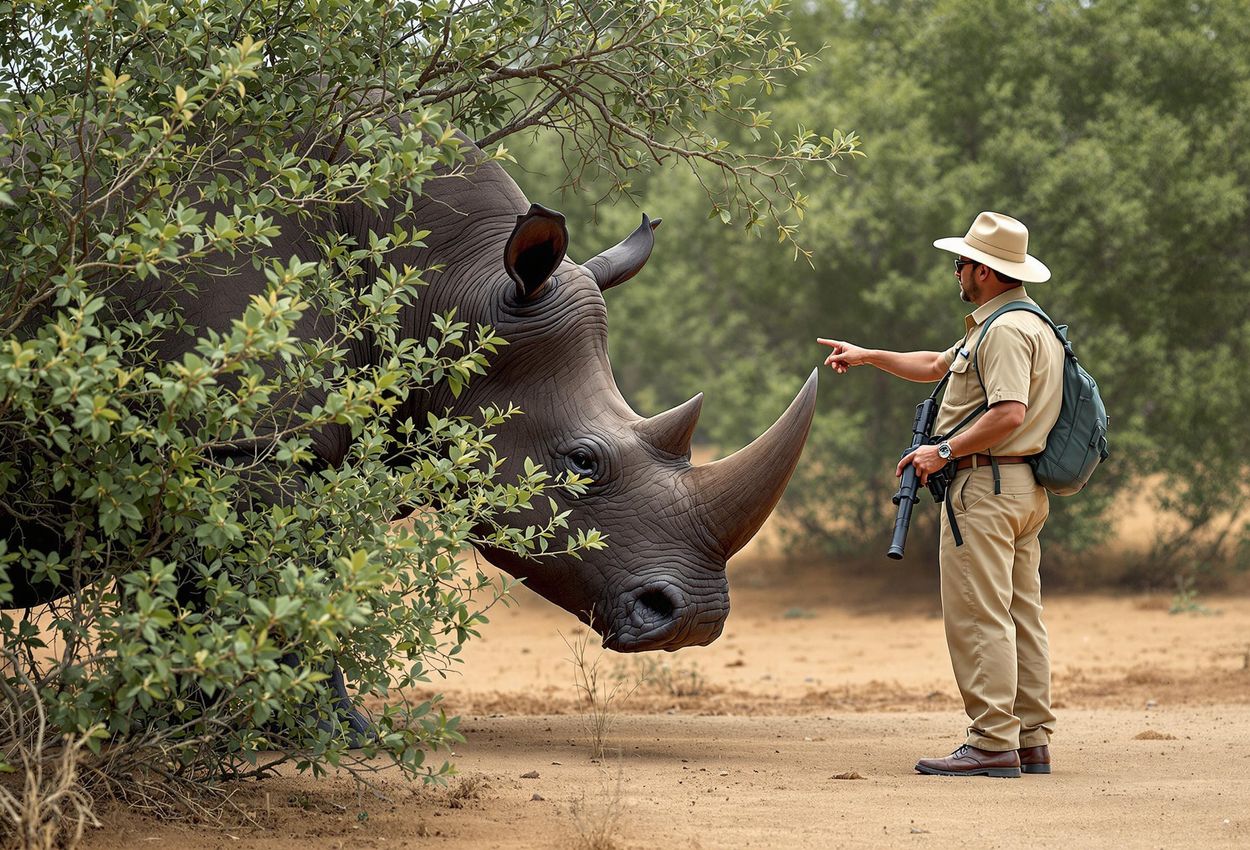
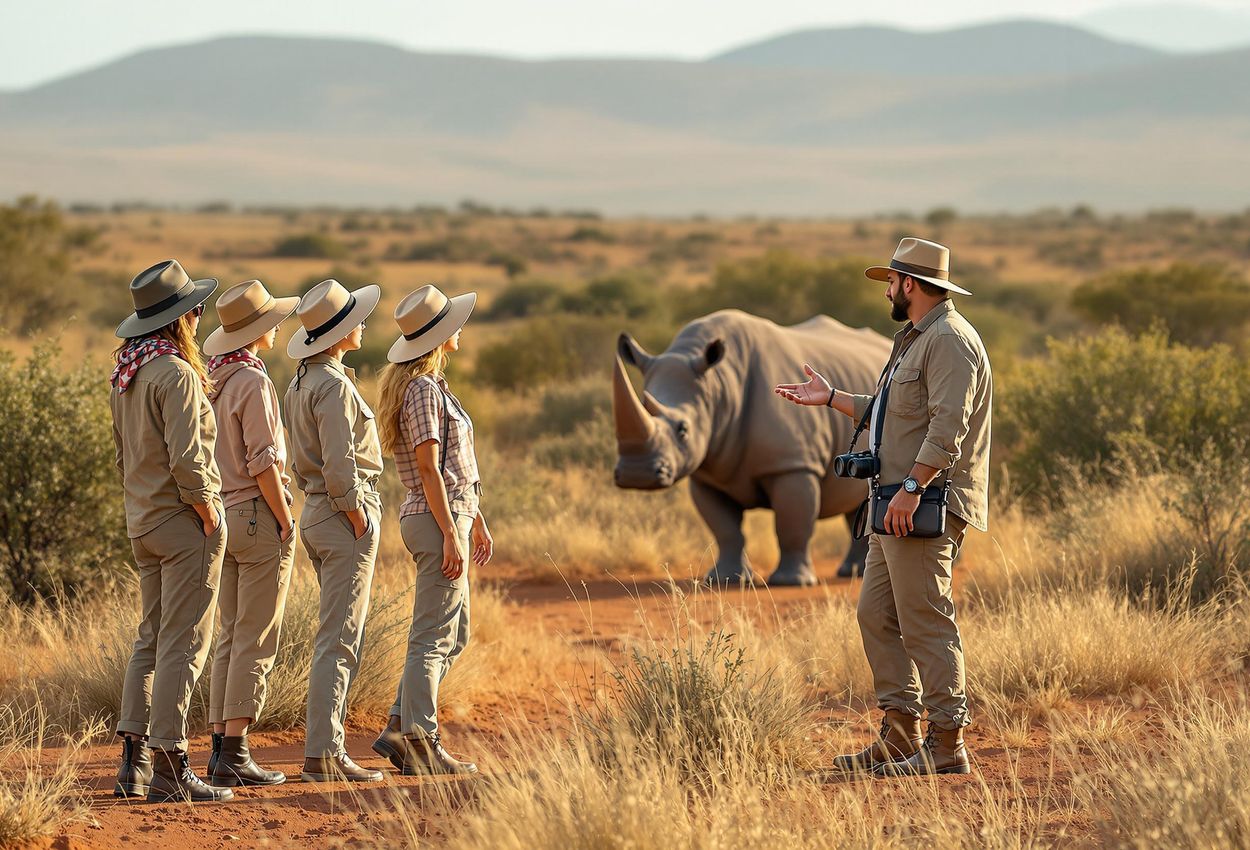
Imagine the anticipation as you set out on foot, accompanied by experienced guides, to track the elusive black and white rhinos. The African soil crunches beneath your boots, and the air is thick with the scent of the bush. Every rustle in the undergrowth, every broken twig, heightens the senses, bringing you closer to the raw essence of the wild.
The walking safari in Mkhaya is not merely a hike; it's an immersive experience that connects you to the environment on a primal level. Leaving the vehicle behind allows you to notice details often missed – the intricate patterns of tracks in the sand, the vibrant colors of insects, the subtle changes in vegetation. The guides, with their intimate knowledge of the bush, share insights into animal behavior, medicinal uses of plants, and the delicate balance of the ecosystem.
As you follow the tracks, the adrenaline begins to pump. The guides, experts in their field, interpret the signs, explaining the rhino's movements, feeding habits, and social interactions. They emphasize the importance of respecting the animals' space and maintaining a safe distance, ensuring both your safety and the well-being of the rhinos.
The moment you encounter a rhino on foot is unforgettable. Whether it's the more approachable white rhino or the elusive black rhino, the sheer size and power of these creatures is awe-inspiring. Observing them in their natural habitat, undisturbed by vehicles, provides a unique perspective on their lives and the challenges they face.
One remarkable aspect of rhino behavior is their communication through scent marking. Rhinos use urine and dung to mark their territories, leaving olfactory messages for other rhinos. The guides can often identify individual rhinos by their unique scent, adding another layer of understanding to the encounter.
The thrill of the walking safari extends beyond the rhino encounter. It's about connecting with nature, learning from the experts, and appreciating the beauty and fragility of the African wilderness.
While rhinos are the stars of Mkhaya, the reserve boasts a remarkable array of other wildlife, making it a haven for biodiversity. Each day unfolds with the promise of new discoveries, from the graceful movements of antelope to the vibrant colors of exotic birds.
Mkhaya holds the distinction of being the only place in Eswatini where you can reliably see buffalo, sable antelope, eland, and tsessebe. These magnificent creatures roam freely within the reserve, offering unparalleled opportunities for observation and photography.
Imagine witnessing a herd of buffalo grazing peacefully in the open savanna, their dark silhouettes contrasting against the golden grass. Or perhaps you'll spot a sable antelope, its elegant horns curving gracefully against the backdrop of the bush. The eland, the largest of the antelope species, moves with surprising agility, while the tsessebe, known for its speed and endurance, can be seen racing across the plains.
The birdlife in Mkhaya is equally captivating. The Narina trogon, with its vibrant green and red plumage, is a prized sighting for birdwatchers. The crested guineafowl, with its distinctive call, adds a touch of character to the landscape. Keep an eye out for the pink-throated twinspots and yellow nicators, adding to the symphony of the African bush.
As dusk settles, a different chorus emerges. The sound of hyenas calling in the distance, a haunting yet familiar sound, is a reminder of the nocturnal activity that unfolds under the African sky. The smaller game frequents the camp, often relaxed around guests. These include warthog, Nyala, Suni (Livingstone's Antelope), Grey and Red Duiker.
The absence of large predators, such as lions and cheetahs, creates a unique dynamic within Mkhaya. This allows the populations of other species to thrive, making it an ideal destination for observing a wide variety of wildlife in a relatively small area.
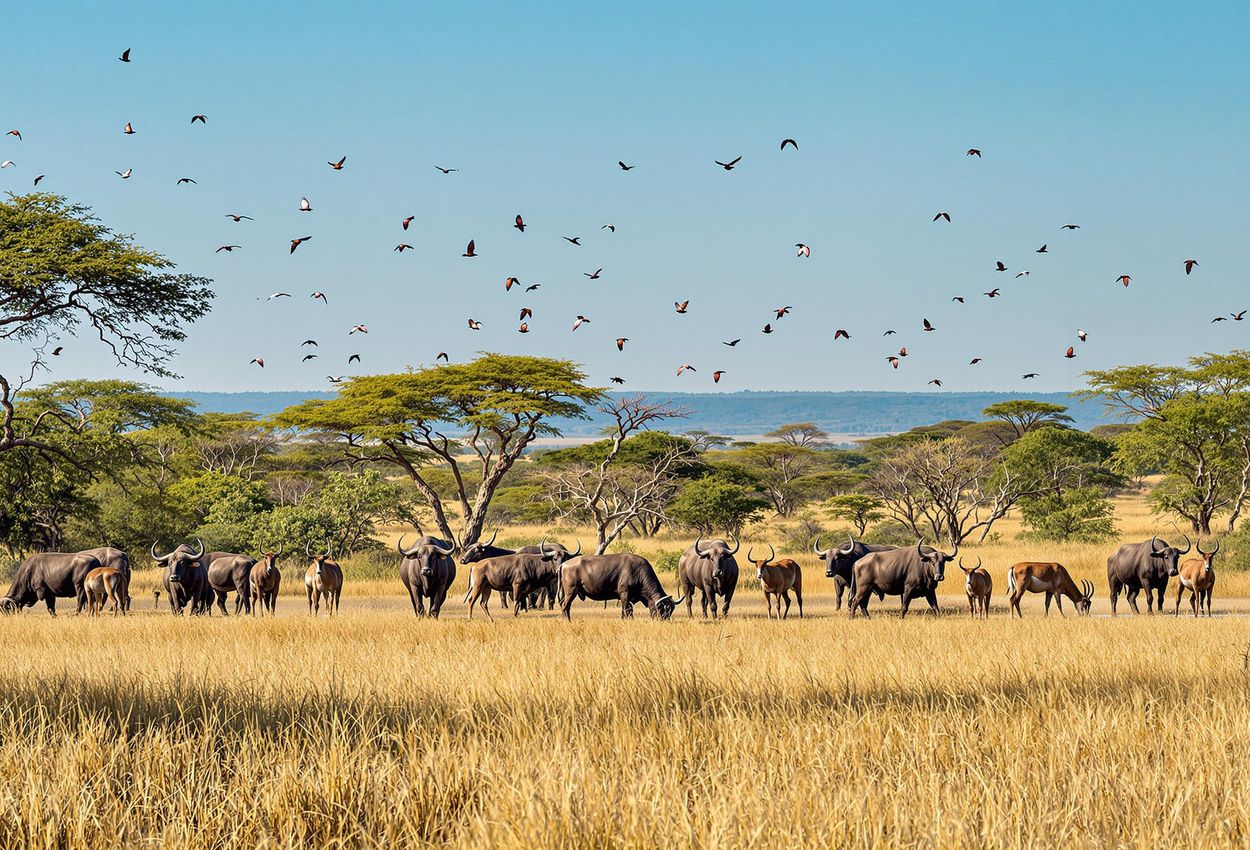
After a day of exhilarating wildlife encounters, retreat to Stone Camp, a haven of rustic luxury nestled in the heart of Mkhaya. Here, the absence of modern distractions allows you to fully immerse yourself in the tranquility of the African bush, connecting with nature on a deeper level.
Stone Camp offers a unique accommodation experience, blending seamlessly with its natural surroundings. The semi-open cottages, constructed using local materials such as knobthorn trunks, provide a sense of connection with the outdoors while ensuring comfort and privacy. The absence of electricity encourages a slower pace, inviting you to embrace the rhythms of nature.
Imagine dining under the stars, the Milky Way stretching across the vast African sky. The sounds of the bush fill the air – the chirping of crickets, the distant call of a nightjar, the rustling of leaves in the wind. The camp's chefs prepare hearty bush meals, using fresh, local ingredients, served around a campfire or at a communal table beneath a giant sausage tree.
As you retire to your cottage, the sounds of the African night lull you to sleep. The semi-open design allows you to feel the gentle breeze and hear the nocturnal creatures as they go about their business. Warthogs and nyala are regular visitors to the camp, often grazing peacefully nearby.
Stone Camp is more than just a place to sleep; it's an integral part of the Mkhaya experience. It's a place to disconnect from the modern world and reconnect with nature, to appreciate the simple pleasures of life, and to find serenity in the heart of the African wilderness.
To ensure an unforgettable and responsible experience at Mkhaya Game Reserve, careful planning is essential. Pre-booking is mandatory, and adherence to guidelines is crucial for the safety of both visitors and wildlife.
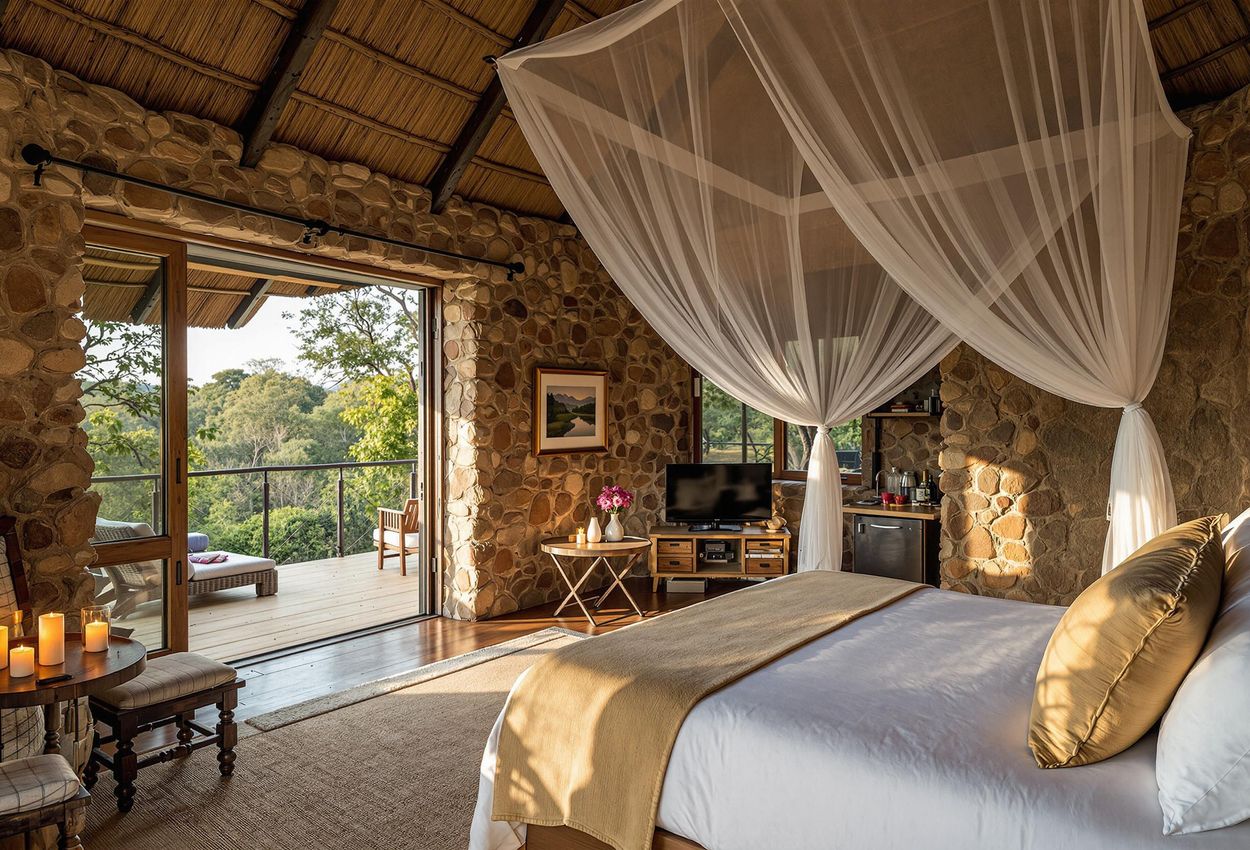
Walking safaris and accommodation at Mkhaya must be booked in advance through Big Game Parks Central Reservations. Pick-up times are strictly at 10:00 am or 4:00 pm at the Phuzamoya Pick-up Point. When packing, consider the time of year and the activities you'll be undertaking. Good closed walking shoes with solid soles are recommended to prevent thorn penetration. Sun hats, insect repellent, long-sleeved shirts, and long cotton trousers are also advisable. Binoculars and cameras are essential for capturing the incredible wildlife encounters.
Respect for wildlife is paramount at Mkhaya. Always follow the instructions of your guides, maintain a safe distance from animals, and avoid flash photography, which can disturb them. Remember that you are a guest in their home, and your behavior should reflect that.
Mkhaya's conservation efforts are directly supported by tourism. By choosing to visit, you contribute to the protection of endangered species and the preservation of their habitat. Consider purchasing locally made crafts and souvenirs to further support the community and its conservation initiatives.
A visit to Mkhaya Game Reserve is more than just a safari; it's an opportunity to connect with nature, learn about conservation, and contribute to the survival of endangered species. By respecting the wildlife and following the guidelines, you can ensure that your encounter is both unforgettable and responsible.
Our editors` picks of the latest and greatest in travel - delivered to your inbox daily
Relax on the beaches and explore the reefs of Xai-Xai.
View More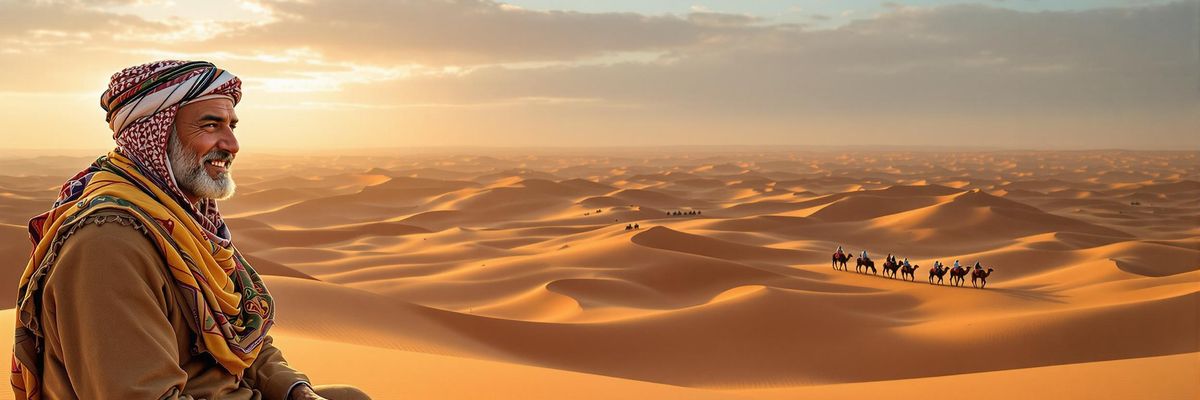
Embrace the cooler temperatures and experience the International Festival of the Sahara in Douz this December.
View More
Celebrate the year-end festivities in Accra, culminating in the vibrant Afrofuture festival.
View More Albania EDITION
 Algeria EDITION
 Argentina EDITION
 Armenia EDITION
 Australia EDITION
 Austria EDITION
 Bangladesh EDITION
 Belgium EDITION
 Belize EDITION
 Benin EDITION
 Bhutan EDITION
 Bolivia EDITION
 Bosnia and Herzegovina EDITION
 Botswana EDITION
 Brazil EDITION
 Bulgaria EDITION
 Burkina Faso EDITION
 Cambodia EDITION
 Cameroon EDITION
 Canada EDITION
 Central African Republic EDITION
 Chad EDITION
 Chile EDITION
 China EDITION
 Colombia EDITION
 Costa Rica EDITION
 Croatia EDITION
 Cyprus EDITION
 Denmark EDITION
 Djibouti EDITION
 Ecuador EDITION
 Egypt EDITION
 El Salvador EDITION
 Eritrea EDITION
 Estonia EDITION
 Ethiopia EDITION
 Finland EDITION
 France EDITION
 Gabon EDITION
 Georgia EDITION
 Germany EDITION
 Ghana EDITION
 Greece EDITION
 Guatemala EDITION
 Guinea EDITION
 Guinea-Bissau EDITION
 Honduras EDITION
 Hungary EDITION
 Iceland EDITION
 India EDITION
 Indonesia EDITION
 Ireland EDITION
 Israel EDITION
 Italy EDITION
 Jamaica EDITION
 Japan EDITION
 Jordan EDITION
 Kenya EDITION
 Kuwait EDITION
 Laos EDITION
 Latvia EDITION
 Lebanon EDITION
 Lesotho EDITION
 Liberia EDITION
 Lithuania EDITION
 Luxembourg EDITION
 Madagascar EDITION
 Malawi EDITION
 Malaysia EDITION
 Maldives EDITION
 Mali EDITION
 Malta EDITION
 Mauritania EDITION
 Mauritius EDITION
 Mexico EDITION
 Mongolia EDITION
 Montenegro EDITION
 Morocco EDITION
 Mozambique EDITION
 Namibia EDITION
 Nepal EDITION
 Netherlands EDITION
 New Zealand EDITION
 Nicaragua EDITION
 Niger EDITION
 Nigeria EDITION
 Norway EDITION
 Oman EDITION
 Pakistan EDITION
 Panama EDITION
 Papua New Guinea EDITION
 Paraguay EDITION
 Peru EDITION
 Philippines EDITION
 Poland EDITION
 Portugal EDITION
 Qatar EDITION
 Romania EDITION
 Rwanda EDITION
 Saudi Arabia EDITION
 Senegal EDITION
 Serbia EDITION
 Singapore EDITION
 Slovakia EDITION
 Slovenia EDITION
 Somalia EDITION
 South Africa EDITION
 South Korea EDITION
 Spain EDITION
 Sri Lanka EDITION
 Suriname EDITION
 Sweden EDITION
 Switzerland EDITION
 Tanzania EDITION
 Thailand EDITION
 Tunisia EDITION
 Uganda EDITION
 United Arab Emirates EDITION
 United Kingdom EDITION
 Uruguay EDITION
 Venezuela EDITION
 Vietnam EDITION
 Zambia EDITION
 Zimbabwe EDITION
Subscribe to our newsletter and get the most captivating travel stories, hidden gems, and expert insights delivered straight to your inbox. As a subscriber, you’ll be first in line for exclusive content, premium offers, and unforgettable travel experiences