


Destination Guide
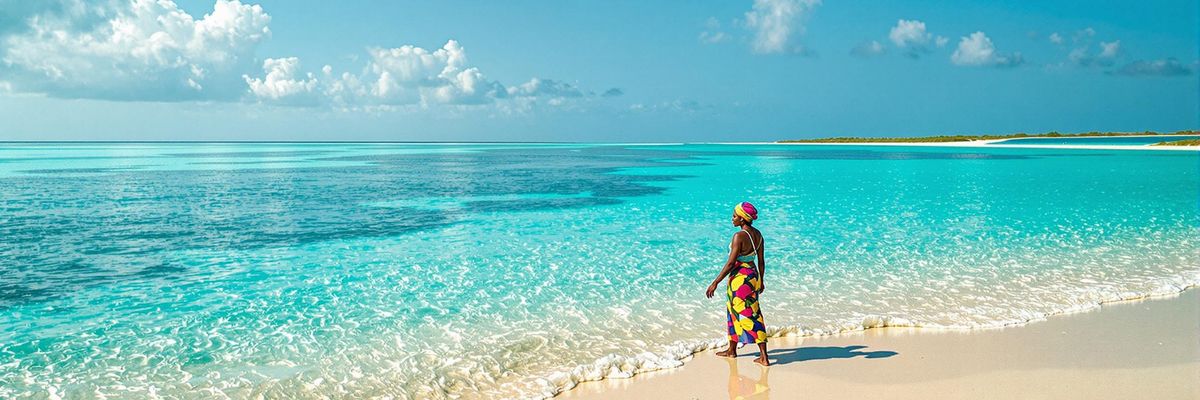
Xai-Xai: A Coastal Retreat
Relax on the beaches and explore the reefs of Xai-Xai.
View More

Nxai Pan National Park: where the rains breathe life into an arid canvas, transforming it into a vibrant masterpiece teeming with wildlife.
Most safari destinations reach their peak during the dry season, when animals congregate around dwindling water sources. But Nxai Pan dances to a different rhythm, reaching its crescendo during and immediately after the rainy season. Here, the parched earth awakens, offering a spectacle unlike any other.
Located just north of the Maun-Nata road, bordering the vast Makgadikgadi Pans National Park, Nxai Pan National Park is a unique destination that challenges conventional safari expectations. Unlike the salt-encrusted expanses of its southern neighbor, Nxai Pan is a fossil lakebed, largely covered in grasslands, especially after the rains. This transformation is the heart of its allure, drawing visitors into a world reborn.
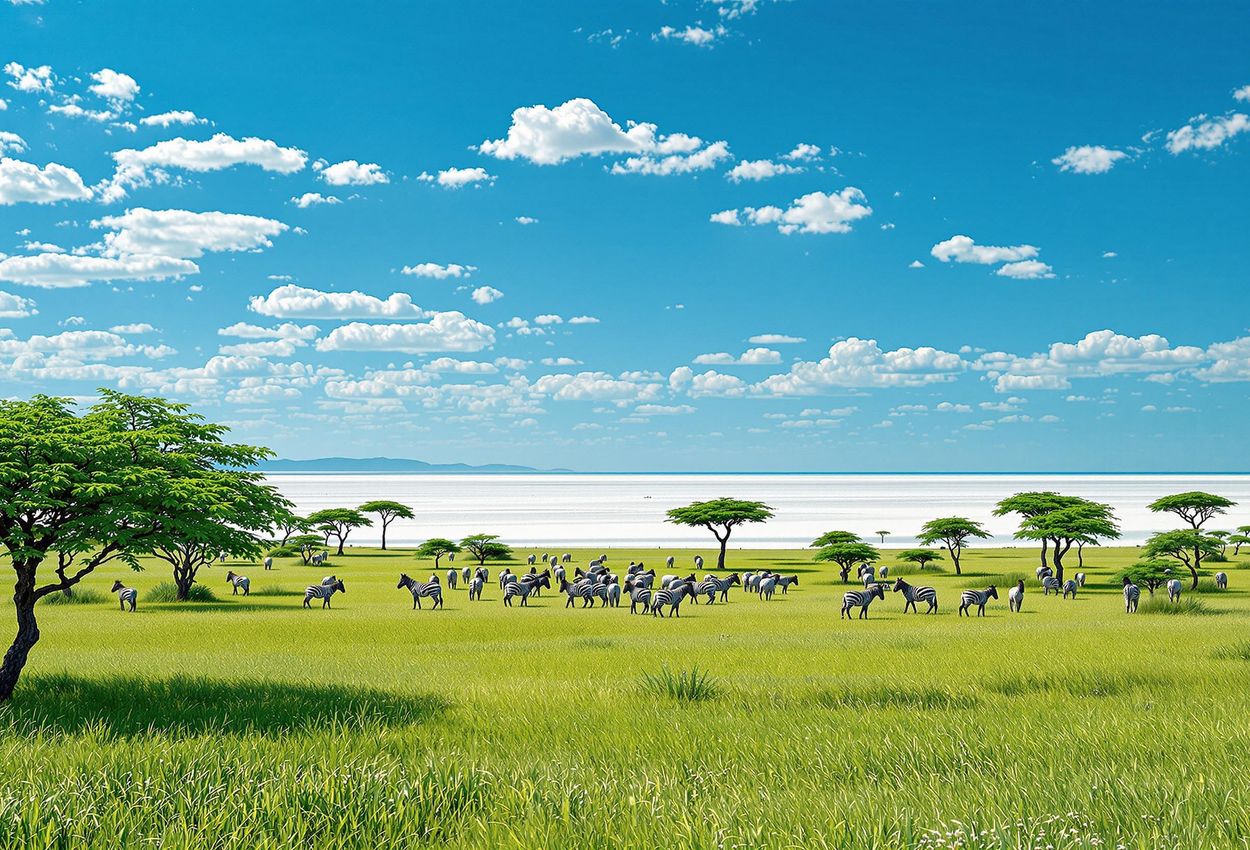
Imagine a landscape where shimmering mirages meet verdant plains, where flat grasslands are punctuated by iconic acacia trees and imposing baobabs. This is Nxai Pan, a place of stark beauty where the horizon stretches endlessly, offering a sense of profound solitude and connection with nature. The park's central waterhole becomes a focal point, attracting wildlife from far and wide, creating unparalleled game-viewing opportunities.
The visual contrast is striking: arid plains giving way to lush grasslands, a transformation that sets the stage for a remarkable display of life. It’s a photographer's dream, a place where the raw beauty of the Kalahari Desert meets an explosion of life and color.
As the rains sweep across the landscape, Nxai Pan is reborn, offering a sanctuary for both wildlife and the soul. It is a testament to nature's resilience, a reminder that even in the harshest environments, life finds a way to flourish. This is not just a safari; it's an immersion into a world transformed, a chance to witness the miracle of life unfolding against the backdrop of an ancient landscape.

Beyond the visual splendor, Nxai Pan offers an auditory experience that is equally captivating. The air is filled with the calls of birds, the rustling of grasses, and the distant roar of lions, creating a symphony of the wild that resonates deep within the soul. The scent of rain-soaked earth mingles with the sweet fragrance of wildflowers, creating an intoxicating aroma that invigorates the senses.
The touch of the cool, damp earth beneath your feet, the feel of the wind on your face, and the taste of dust in the air – these are the sensations that define Nxai Pan. It is a place that engages all the senses, creating a truly immersive experience that will stay with you long after you leave.
The rains transform Nxai Pan into a haven for wildlife, triggering one of Africa's most impressive, yet lesser-known, migrations.
As the dry season fades and the first rains arrive, a remarkable transformation occurs in Nxai Pan National Park. The parched landscape bursts into life, attracting a surge of wildlife, most notably the Burchell's zebra. This sets the stage for a dramatic spectacle, as thousands of zebras embark on a journey to reach the newly sprouted grasslands.
The zebra migration in Nxai Pan is one of the longest in Africa, with herds traveling hundreds of kilometers from the Chobe River and the Okavango Delta to feast on the nutritious grasses. This epic journey is a testament to the zebras' resilience and their innate ability to navigate vast distances in search of sustenance. The exact timing of the migration depends on the rainfall patterns, but it typically occurs between December and March.
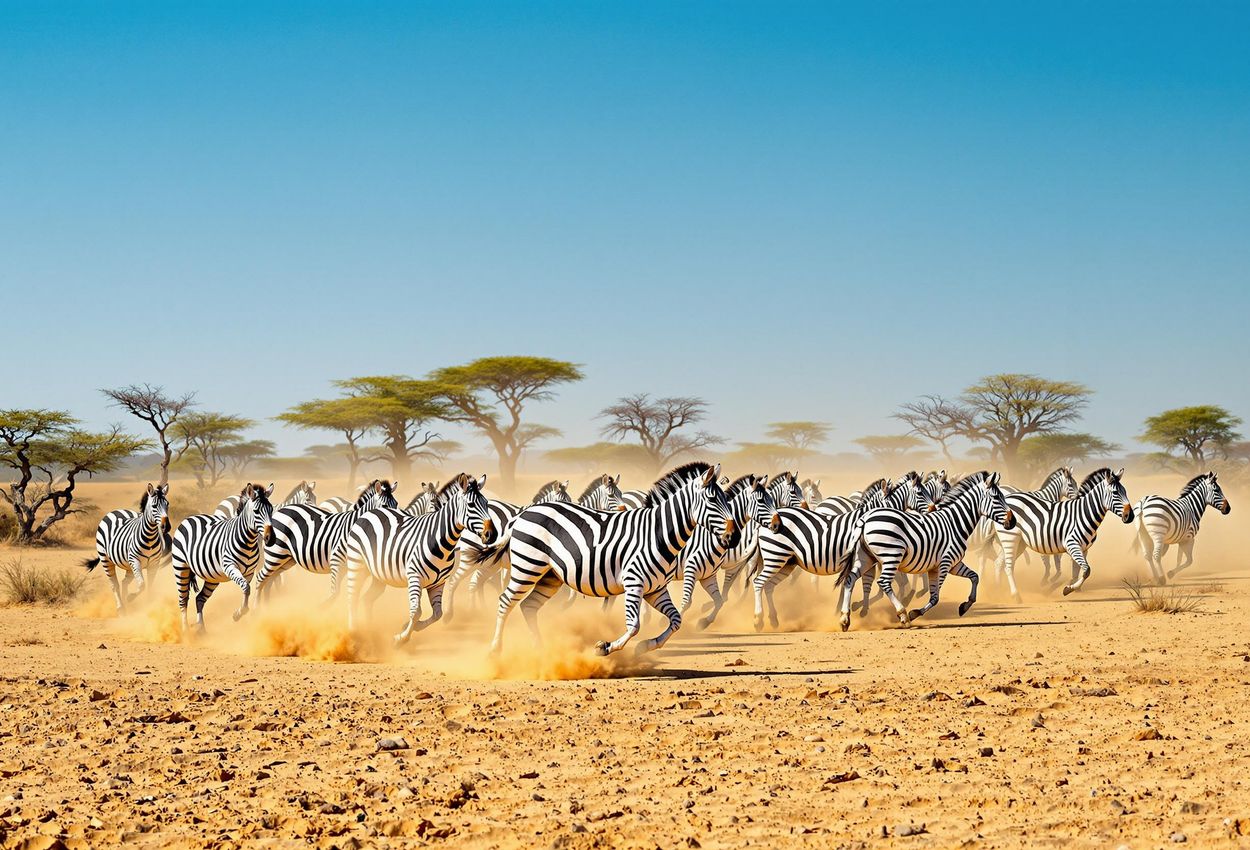
The arrival of the zebras is just the beginning of the wildlife spectacle. Other grazers, such as wildebeest, springbok, gemsbok, eland, and red hartebeest, also flock to Nxai Pan to take advantage of the abundant food. These herbivores create a vibrant tapestry of life across the plains, transforming the landscape into a veritable Garden of Eden.
Of course, with the arrival of the grazers come the predators. Lions, cheetahs, hyenas, and wild dogs follow the migrating herds, creating a dynamic predator-prey relationship that is both fascinating and thrilling to witness. These predators are drawn to Nxai Pan by the promise of easy meals, and they play a crucial role in maintaining the balance of the ecosystem.
Beyond the large mammals, Nxai Pan is also a haven for birdlife, especially during and after the rains. Flamingos, pelicans, and numerous other migratory species arrive to breed and feed in the shallow pans, creating a colorful spectacle for birdwatchers. Raptors, such as kestrels and goshawks, are also abundant, soaring overhead in search of prey.
The best time to witness this wildlife spectacle is during the rainy season, from December to April. During this time, the park is teeming with life, and the game viewing is exceptional. However, it is important to note that the roads can be challenging to navigate during the rains, requiring a 4x4 vehicle.
Local Tip: For the most dramatic viewing, visit Nxai Pan National Park during the summer months between December and March to get the full impact on the open plains. Avoid March through June as there is a good chance the animals may be mid-migration and more difficult to see.
The iconic Baines' Baobabs: a timeless cluster of ancient trees that stand as a testament to the enduring beauty of the Botswana landscape.
Approximately 30 kilometers from the entrance to Nxai Pan National Park, near Kudiakam Pan, lie the Baines' Baobabs, a group of seven majestic baobab trees that have become an iconic symbol of the region. These trees, named after the British explorer and artist Thomas Baines, are a sight to behold, their gnarled branches reaching towards the sky like ancient arms.
In 1862, Thomas Baines immortalized these trees in a painting, capturing their unique beauty against the backdrop of the Kalahari Desert. What makes this location so special is that the scene has remained virtually unchanged since Baines first set eyes on it. Standing in the presence of these trees is like stepping back in time, connecting with the explorers and adventurers who came before.
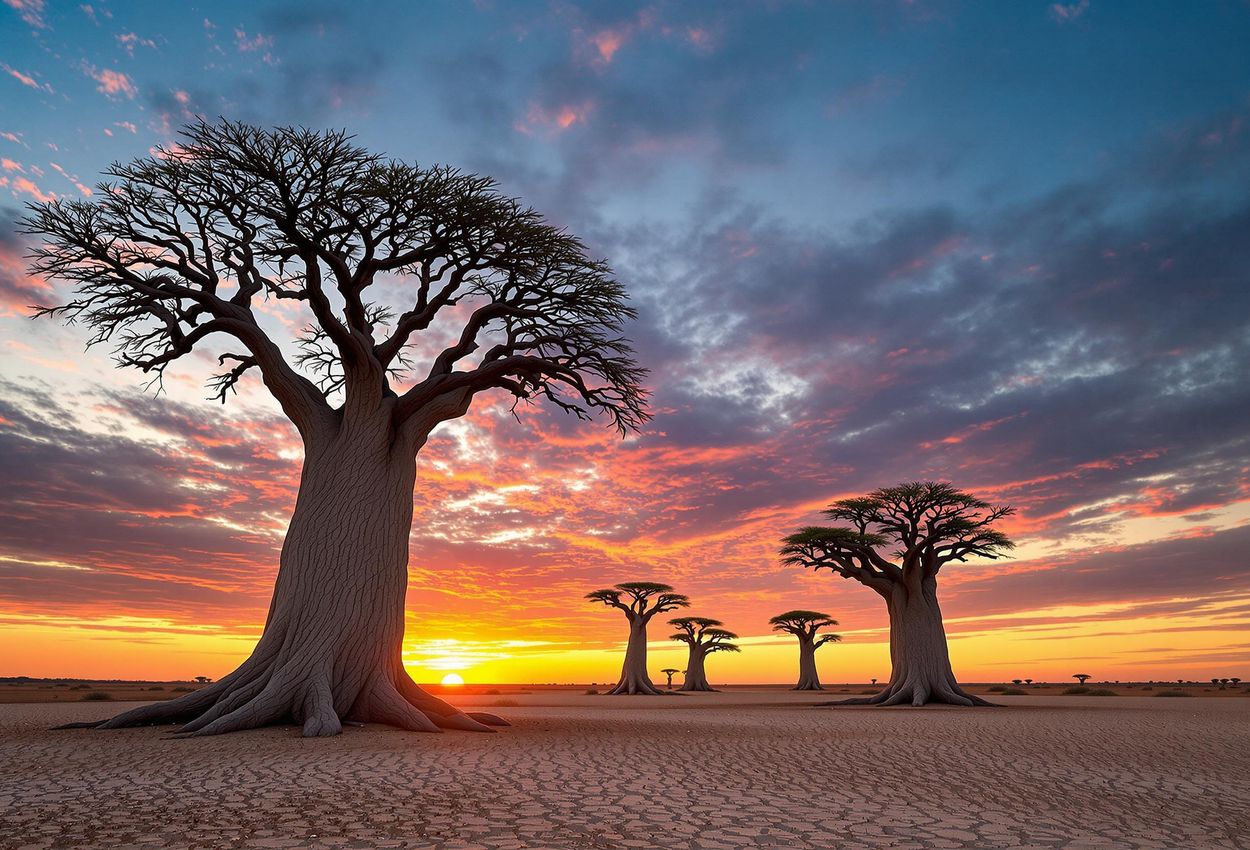
The Baines' Baobabs are not only visually stunning, but they also hold significant historical and ecological value. These trees are estimated to be over 1,000 years old, making them living monuments that have witnessed centuries of change. They serve as a reminder of the importance of preserving our natural heritage for future generations.
The surrounding landscape adds to the allure of the Baines' Baobabs. The trees stand on a slight rise overlooking the Kudiakam Pan, a vast, flat expanse that shimmers in the sunlight. During the rainy season, the pan fills with water, creating a stunning reflection of the baobabs and the surrounding sky.
Wildlife can often be seen around the Baines' Baobabs, adding to the magic of the location. Giraffes, zebras, and other animals are drawn to the area in search of food and water, creating opportunities for unique wildlife sightings.
Hidden Gem: Camping near the Baines' Baobabs offers an unforgettable experience. There is a designated campsite nearby, allowing visitors to spend the night under the stars and wake up to the breathtaking sight of the baobabs silhouetted against the rising sun. Note that the campsite has no facilities, so visitors need to be entirely self-sufficient.
Planning a trip to Nxai Pan National Park requires careful consideration, especially regarding transportation and the best time to visit.
Getting to Nxai Pan requires a 4x4 vehicle, particularly during the rainy season when road conditions can become challenging. The park is located north of the Maun-Nata road, and the drive from Maun takes approximately 2-3 hours, depending on the road conditions.
The best time to visit Nxai Pan is during the period from December to April, when the rains have transformed the landscape and the wildlife is abundant. However, it's essential to check the road conditions before traveling, as heavy rains can make some areas inaccessible.

Within the park, camping is the primary accommodation option. There are two campsites available: South Camp, which offers water, and Kudiakam Pan, which does not. It's crucial to book campsites in advance, especially during peak season.
Visitors to Nxai Pan should be aware that facilities within the park are limited. There are no fuel stations, restaurants, or shops, so it's essential to be self-sufficient and bring all necessary supplies, including food, water, fuel, and spare parts.
Given the vastness of the park and the potential for getting lost, it's advisable to travel with a GPS device and detailed maps. It's also a good idea to inform someone of your itinerary and expected return time.
Local Tip: Consider visiting both Makgadikgadi and Nxai Pan National Parks during both the wet and dry seasons to fully appreciate the dramatic changes in the landscape and wildlife. If time is limited, spending time in both parks, regardless of the season, provides a more comprehensive experience.
Despite the challenges of getting there, Nxai Pan offers a unique and rewarding safari experience for those who are prepared. The park's remoteness and unspoiled wilderness create a sense of adventure and connection with nature that is hard to find elsewhere.
As you navigate your Nxai Pan adventure, remember that the journey is just as important as the destination. Embrace the challenges, savor the solitude, and immerse yourself in the beauty of this extraordinary landscape.
Our editors` picks of the latest and greatest in travel - delivered to your inbox daily
Relax on the beaches and explore the reefs of Xai-Xai.
View More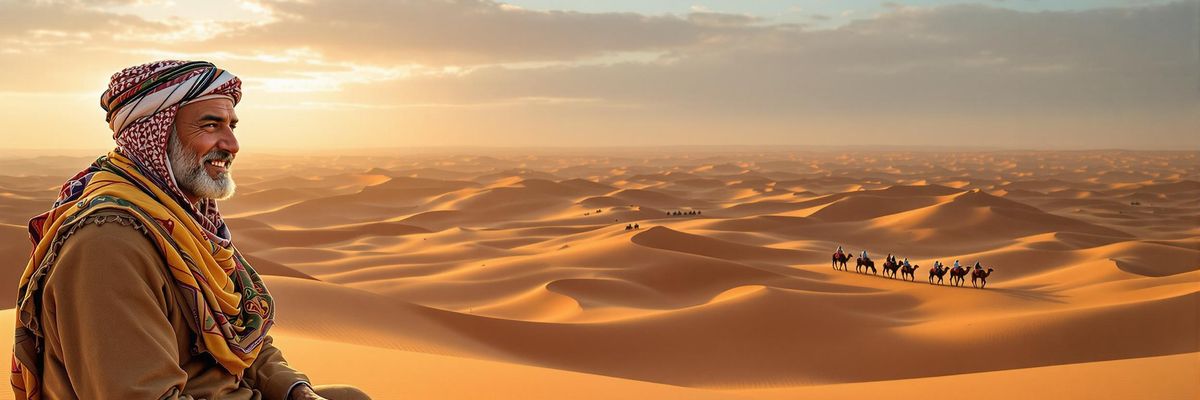
Embrace the cooler temperatures and experience the International Festival of the Sahara in Douz this December.
View More
Celebrate the year-end festivities in Accra, culminating in the vibrant Afrofuture festival.
View More Albania EDITION
 Algeria EDITION
 Argentina EDITION
 Armenia EDITION
 Australia EDITION
 Austria EDITION
 Bangladesh EDITION
 Belgium EDITION
 Belize EDITION
 Benin EDITION
 Bhutan EDITION
 Bolivia EDITION
 Bosnia and Herzegovina EDITION
 Botswana EDITION
 Brazil EDITION
 Bulgaria EDITION
 Burkina Faso EDITION
 Cambodia EDITION
 Cameroon EDITION
 Canada EDITION
 Central African Republic EDITION
 Chad EDITION
 Chile EDITION
 China EDITION
 Colombia EDITION
 Costa Rica EDITION
 Croatia EDITION
 Cyprus EDITION
 Denmark EDITION
 Djibouti EDITION
 Ecuador EDITION
 Egypt EDITION
 El Salvador EDITION
 Eritrea EDITION
 Estonia EDITION
 Ethiopia EDITION
 Finland EDITION
 France EDITION
 Gabon EDITION
 Georgia EDITION
 Germany EDITION
 Ghana EDITION
 Greece EDITION
 Guatemala EDITION
 Guinea EDITION
 Guinea-Bissau EDITION
 Honduras EDITION
 Hungary EDITION
 Iceland EDITION
 India EDITION
 Indonesia EDITION
 Ireland EDITION
 Israel EDITION
 Italy EDITION
 Jamaica EDITION
 Japan EDITION
 Jordan EDITION
 Kenya EDITION
 Kuwait EDITION
 Laos EDITION
 Latvia EDITION
 Lebanon EDITION
 Lesotho EDITION
 Liberia EDITION
 Lithuania EDITION
 Luxembourg EDITION
 Madagascar EDITION
 Malawi EDITION
 Malaysia EDITION
 Maldives EDITION
 Mali EDITION
 Malta EDITION
 Mauritania EDITION
 Mauritius EDITION
 Mexico EDITION
 Mongolia EDITION
 Montenegro EDITION
 Morocco EDITION
 Mozambique EDITION
 Namibia EDITION
 Nepal EDITION
 Netherlands EDITION
 New Zealand EDITION
 Nicaragua EDITION
 Niger EDITION
 Nigeria EDITION
 Norway EDITION
 Oman EDITION
 Pakistan EDITION
 Panama EDITION
 Papua New Guinea EDITION
 Paraguay EDITION
 Peru EDITION
 Philippines EDITION
 Poland EDITION
 Portugal EDITION
 Qatar EDITION
 Romania EDITION
 Rwanda EDITION
 Saudi Arabia EDITION
 Senegal EDITION
 Serbia EDITION
 Singapore EDITION
 Slovakia EDITION
 Slovenia EDITION
 Somalia EDITION
 South Africa EDITION
 South Korea EDITION
 Spain EDITION
 Sri Lanka EDITION
 Suriname EDITION
 Sweden EDITION
 Switzerland EDITION
 Tanzania EDITION
 Thailand EDITION
 Tunisia EDITION
 Uganda EDITION
 United Arab Emirates EDITION
 United Kingdom EDITION
 Uruguay EDITION
 Venezuela EDITION
 Vietnam EDITION
 Zambia EDITION
 Zimbabwe EDITION
Subscribe to our newsletter and get the most captivating travel stories, hidden gems, and expert insights delivered straight to your inbox. As a subscriber, you’ll be first in line for exclusive content, premium offers, and unforgettable travel experiences