


Destination Guide
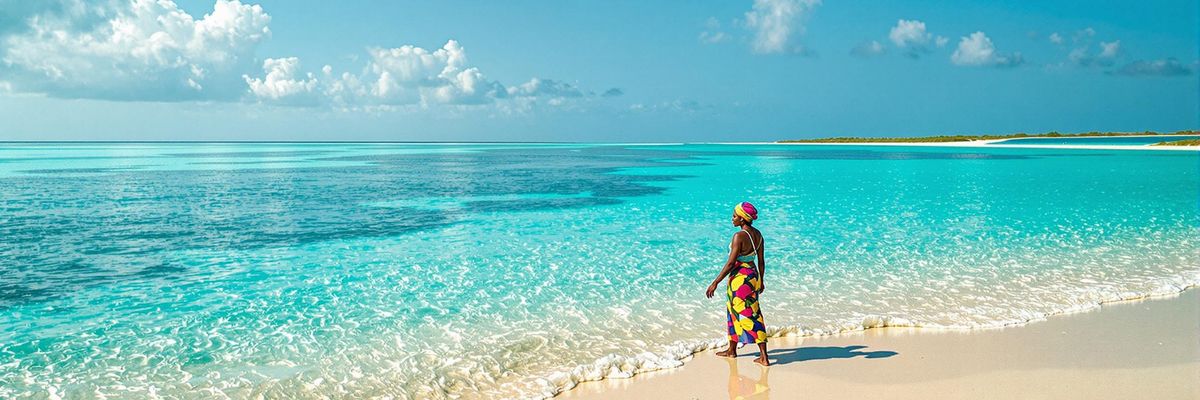
Xai-Xai: A Coastal Retreat
Relax on the beaches and explore the reefs of Xai-Xai.
View More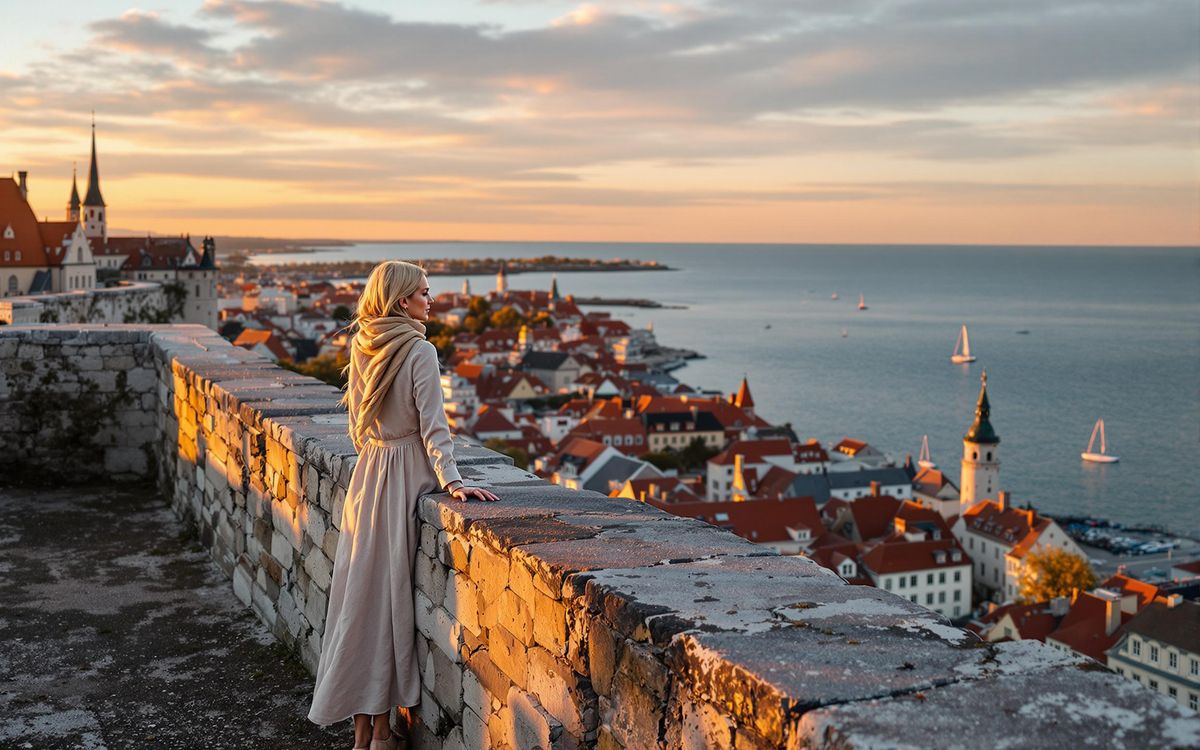

The Visby city wall, or *Ringmuren*, stands as a testament to the town's rich history and strategic importance. This 3.4-kilometer-long defensive structure, with its imposing towers and gates, once protected Visby from invaders and internal conflicts. Built in phases during the 13th and 14th centuries, the wall is the strongest, most extensive, and best-preserved medieval city wall in Scandinavia. Of the original 29 large and 22 small towers, 27 large and 9 small towers remain today.
Walking along the top of the wall offers a unique perspective of Visby, with panoramic views of the town's red-roofed buildings and the shimmering Baltic Sea. The wall tells a story of battles fought, sieges endured, and the resilience of the Visby people. Originally, the wall was constructed in response to conflicts between the town and the Gotland assembly, leading to a civil war in 1288.
The oldest part of the wall is the defensive tower, called *Kruttornet* (*Powder Tower*), which was built at the entrance to the harbor in the 12th century, making it the oldest surviving non-religious building in Scandinavia. In the late 1270s and 1280s, construction of the facing wall began, marking the start of Visby's proper defense system.
A stroll around the city walls reveals the architectural ingenuity of the medieval builders, with its varying heights, strategically placed towers, and sturdy construction. The wall is made of local quarry limestone, crushed limestone filler, fat lime, and clay mortar. The first wall was built with two thin walls of solid limestone and crushed stone used to fill the gap between them. When the height of the wall was increased, hard limestone stabilized with lime mortar was added to the top of the first wall.
Today, the Visby city wall stands not only as a historical monument but also as a scenic pathway, inviting visitors to step back in time and appreciate the enduring legacy of this medieval town.
Hidden Gem: For a truly unforgettable experience, find a spot along the wall, preferably near the northern section overlooking the sea, to watch the sunset. Pack a picnic and enjoy the panoramic views of the Baltic Sea as the sky transforms into a canvas of crimson and gold.
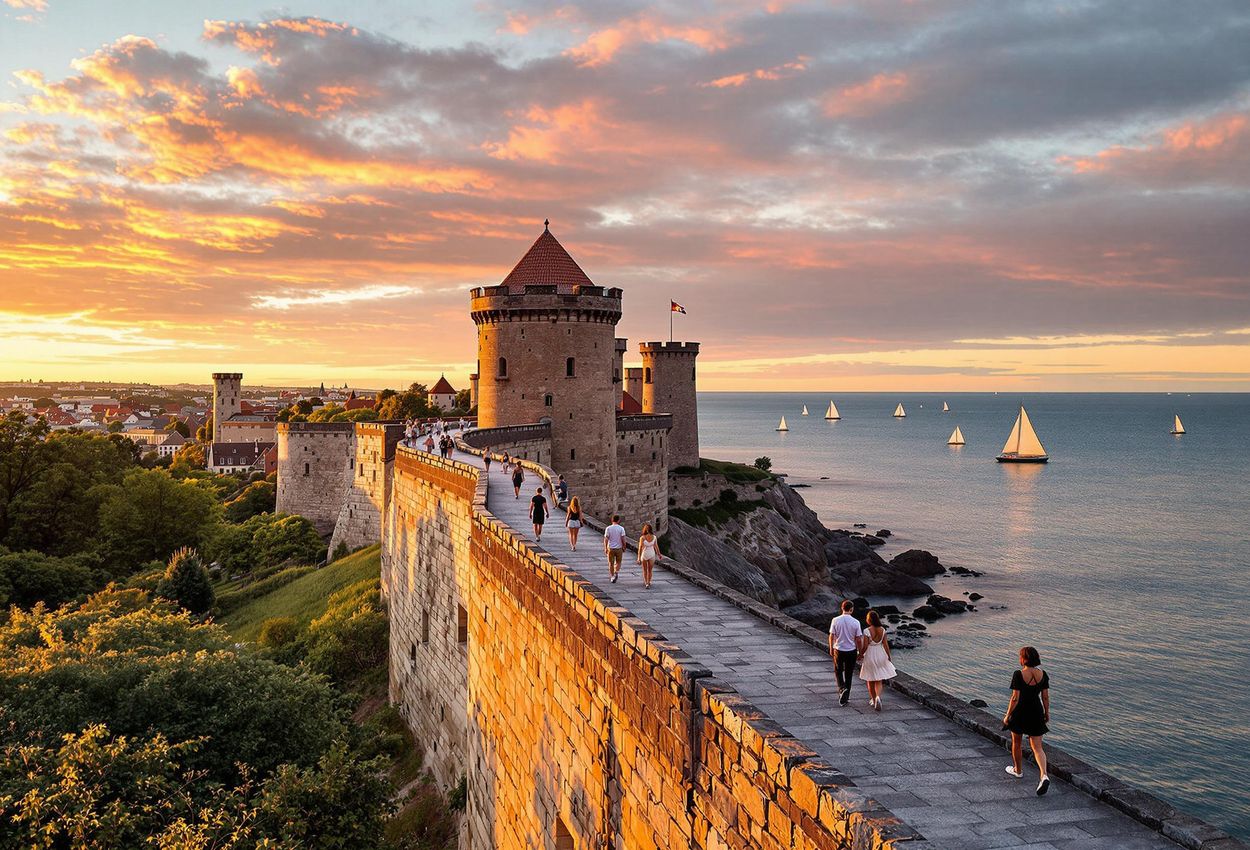
Wandering through Visby's cobblestone streets is like stepping into a living history book. These narrow, winding paths, some dating back to the Viking Age, are lined with colorful buildings, each with its own unique story to tell. Specific streets like Strandgatan and Fiskargränd are particularly enchanting, offering a glimpse into the town's medieval heart.
Strandgatan, once the main street of medieval Visby, is lined with well-preserved merchants' warehouses and buildings. This street was a bustling hub of commerce during the Hanseatic era, and its architecture reflects the wealth and influence of the merchants who resided here. Today, Strandgatan is home to shops, restaurants, and cafes, making it a vibrant place to explore.
Fiskargränd, known as one of the most photographed places in Visby, is a charming alleyway with roses climbing along the walls. This narrow lane offers a glimpse into the more intimate side of medieval Visby, with its small houses and hidden courtyards. Walking through Fiskargränd is a sensory experience, with the scent of roses filling the air and the sound of footsteps echoing on the cobblestones.
The architecture of Visby reflects its Hanseatic history, with influences from Germany and other parts of the Baltic region. The colorful buildings, with their gabled roofs and timber-framed facades, create a unique and picturesque streetscape. Many of these buildings have been carefully preserved, allowing visitors to appreciate the craftsmanship and architectural styles of the past.
The Hanseatic League, a powerful trading alliance that dominated the Baltic Sea from the 13th to 15th centuries, had a significant impact on Visby's design and development. The town became a major trading hub, attracting merchants and craftsmen from across Europe. This influx of wealth and ideas led to the construction of impressive buildings, churches, and fortifications, transforming Visby into a thriving medieval city.
Hidden Gem: Venture off the main streets and explore the lesser-known alleyways of Visby. Tucked away you might discover unique artisan shops selling handcrafted goods, from ceramics and textiles to jewelry and artwork. These hidden gems offer a more authentic and intimate shopping experience, away from the crowds.
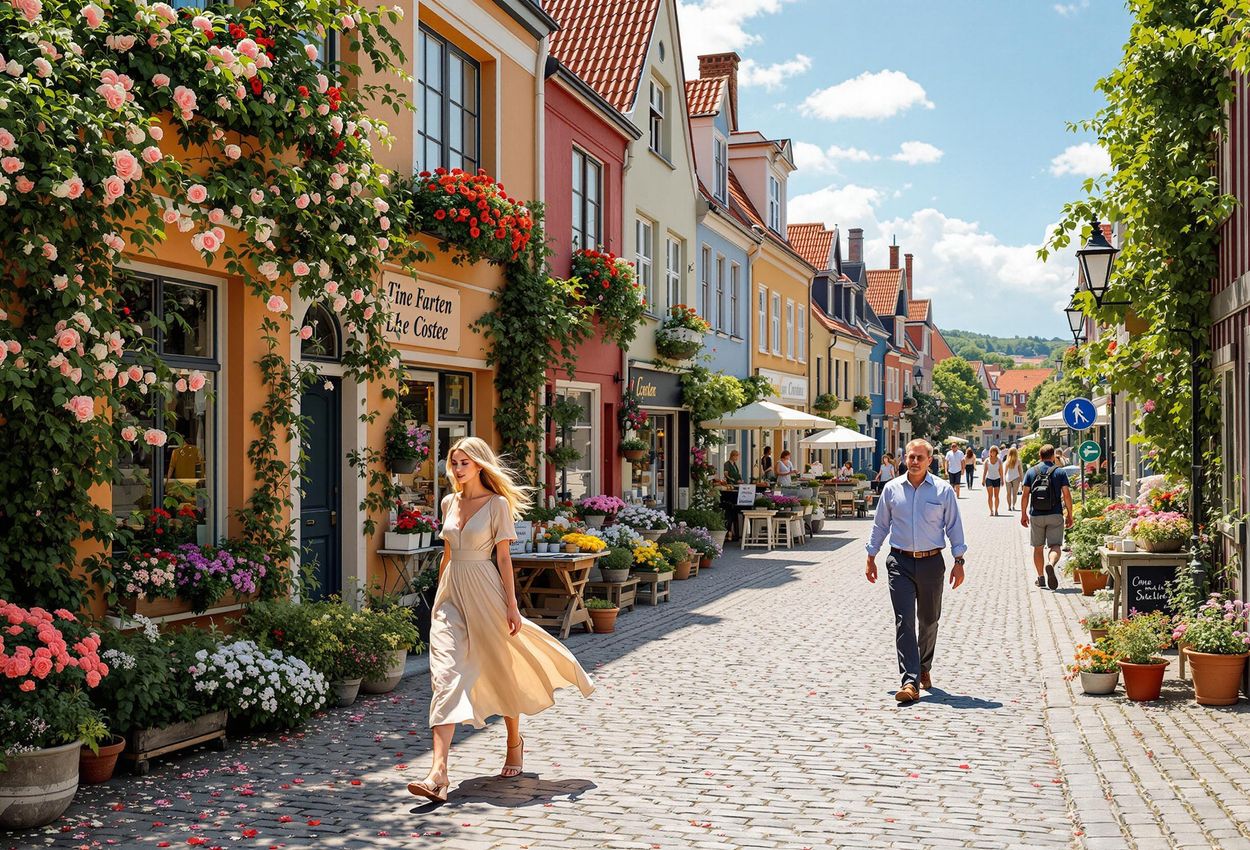
Visby's skyline is punctuated by the hauntingly beautiful ruins of medieval churches, each with its own story to tell. Among the most notable are the ruins of St. Nicolai, St. Karin, and the Holy Ghost Church, standing as silent witnesses to the town's rich religious and social history.
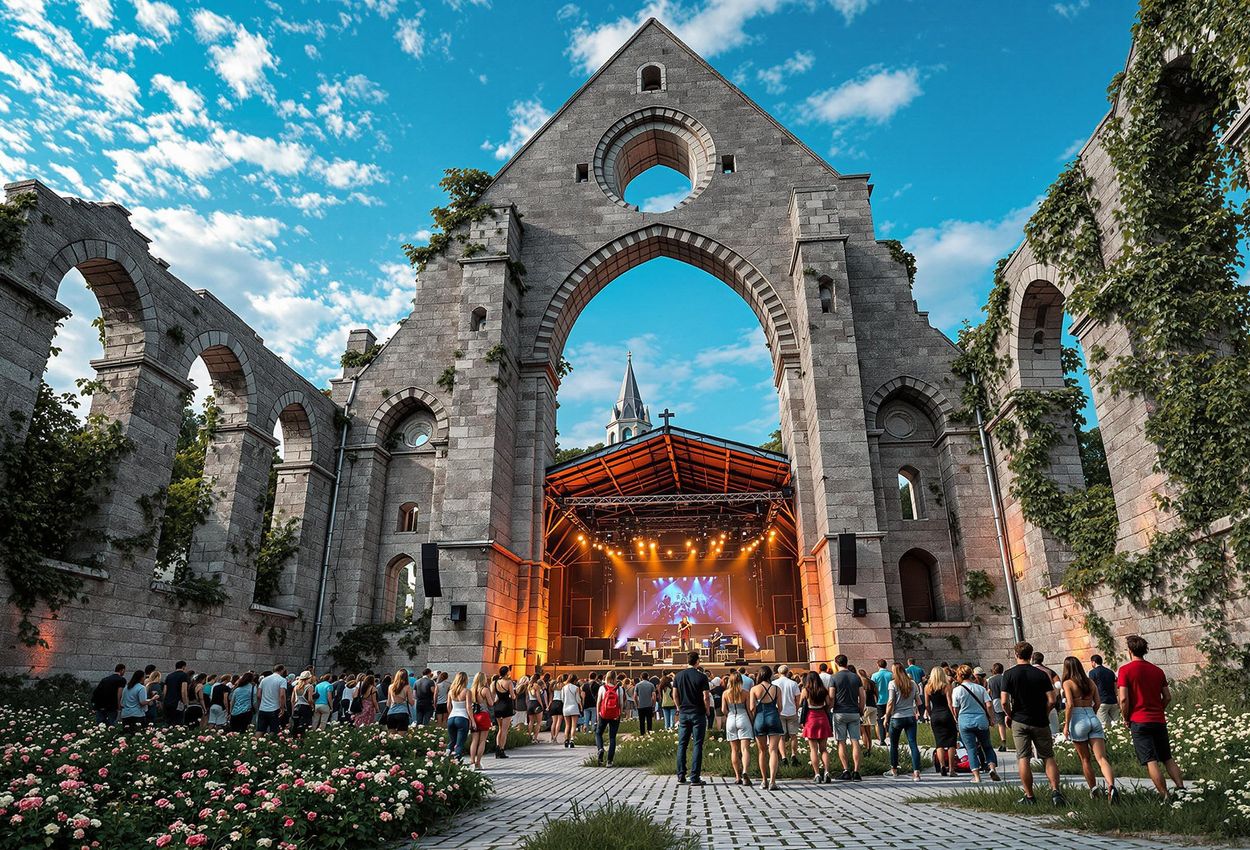
The ruin of St. Nicolai, also known as *Kultudralen*, is one of Visby's most powerful church ruins. The church dates back to the 13th century, showcasing Gothic architectural elements. Today, the roofless ruin is often used for concerts and events, with its distinctive atmospheric light highlighting the history of the premises.
St. Karin, with its soaring arches, stands prominently on the town's main square. This Franciscan monastery, dating back to the 13th century, was once one of the grandest churches in Visby. The ruin's dramatic arches and intricate stonework provide a stunning backdrop for open-air performances and gatherings.
The Holy Ghost Church, known for its unique double chapel design, reflects the town's social structure. The upper chapel was reserved for the wealthy merchants, while the lower chapel was used by the commoners. This architectural marvel showcases the town's medieval history.
These church ruins are not just historical monuments; they are also vibrant cultural spaces, hosting concerts, theatrical performances, and other events throughout the year. The atmospheric setting, with its weathered stones and open sky, adds a unique dimension to any performance, creating an unforgettable experience for both performers and audience members.
Hidden Gem: Legend has it that St. Karin is haunted by the ghost of a monk who was wrongly accused of a crime. Some visitors claim to have heard faint chanting or felt a cold breeze in the ruins, especially on moonlit nights. Whether you believe in ghosts or not, this mystical element adds an extra layer of intrigue to the already fascinating ruin.
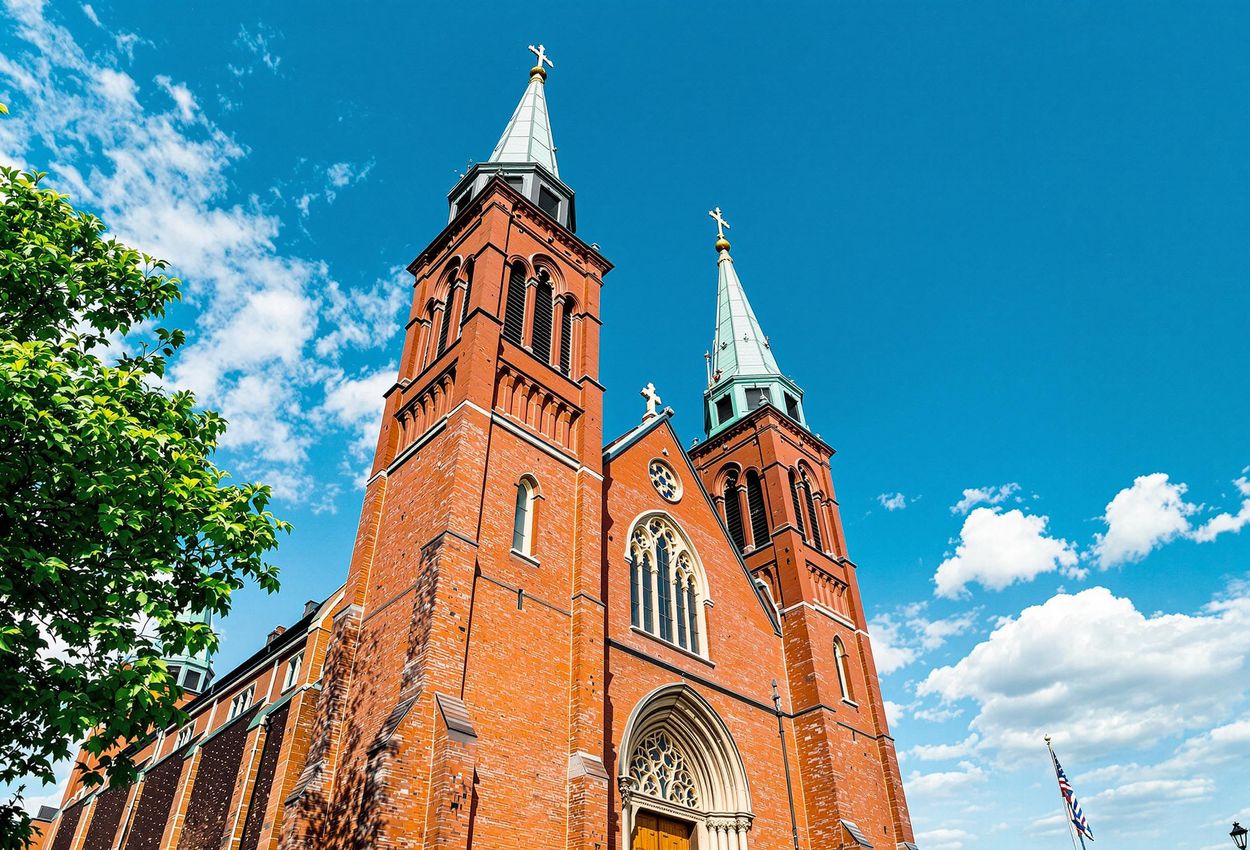
Unlike the roofless ruins scattered throughout the town, Sankta Maria Cathedral, also known as Visby Cathedral, stands as an active place of worship and a living landmark in the heart of Visby. Built in the late 12th century, the cathedral has been modified and expanded, with the oldest parts dating back to the 1100s. Of all the medieval churches in Visby, this is the only one preserved to this day.
Originally built as a church for German traders visiting Visby, Sankta Maria eventually became the parish church for the growing German population in the town. The cathedral was consecrated in 1225 and dedicated to the Virgin Mary. Since 1572, it has served as the cathedral of the Diocese of Visby.
The cathedral's architecture reflects its long and evolving history, with elements of Romanesque and Gothic styles. Its three towers dominate the Visby skyline, while its interior features soaring ceilings, stained glass windows, and ornate altarpieces. The main altarpiece was installed in 1905 and designed by Axel Haig in a Gothic revival style, displaying the Adoration of the Magi in the central panel, flanked by depictions of Saint Nicholas, Catherine of Vadstena, Bridget of Sweden, and Saint Olaf.
The cathedral also hosts regular services, concerts, and community events, making it a vibrant part of Visby's cultural life. With its central nave, two side aisles, a square apse, one western tower, and two eastern towers, the church is a beautiful cultural treasure.
Hidden Gem: Look for the unique stained glass window in the cathedral's interior that depicts a scene from Visby's history, such as the Battle of Visby in 1361. This window offers a visual representation of a pivotal moment in the town's past and adds a layer of historical depth to the cathedral's artistic treasures.
Beyond its medieval charm, Gotland boasts a stunning coastline with beaches, offering a perfect escape for sun-seekers and nature lovers. From long, sandy stretches to secluded coves, Gotland's beaches cater to all tastes, providing opportunities for swimming, sunbathing, and relaxation.
Sudersand, located on the island of Fårö, is one of Gotland's most popular beaches, known for its soft, white sand and clear, shallow waters. This beach is perfect for families with children, offering a safe and enjoyable swimming experience. Sudersand also offers facilities, such as restaurants, cafes, and mini-golf, making it a convenient and entertaining destination.
The entire beach line faces south, which gives the beach full sunlight from early morning until late in the day. The shore descends very gently, making it suitable for small children. Those who like it a little quieter should orientate themselves away from the hotspot, because at around four kilometers in length, Sudersand Strand offers more than enough options, where you can feel you have a hectare of space to yourself.
Whether you prefer a lively beach with plenty of amenities or a secluded cove where you can escape the crowds, Gotland has a beach to suit your needs. Pack your swimsuit, sunscreen, and a good book, and prepare to unwind on the shores of this Baltic Sea island.
Hidden Gem: Seek out Gotland's secluded beaches known only to locals, perfect for a quiet escape. These hidden gems often require a bit of hiking or cycling to reach, but the reward is worth the effort. One such beach is accessible via a small dirt road off the main road near Fårö. Ask locals for directions and enjoy the tranquility of your own private paradise.
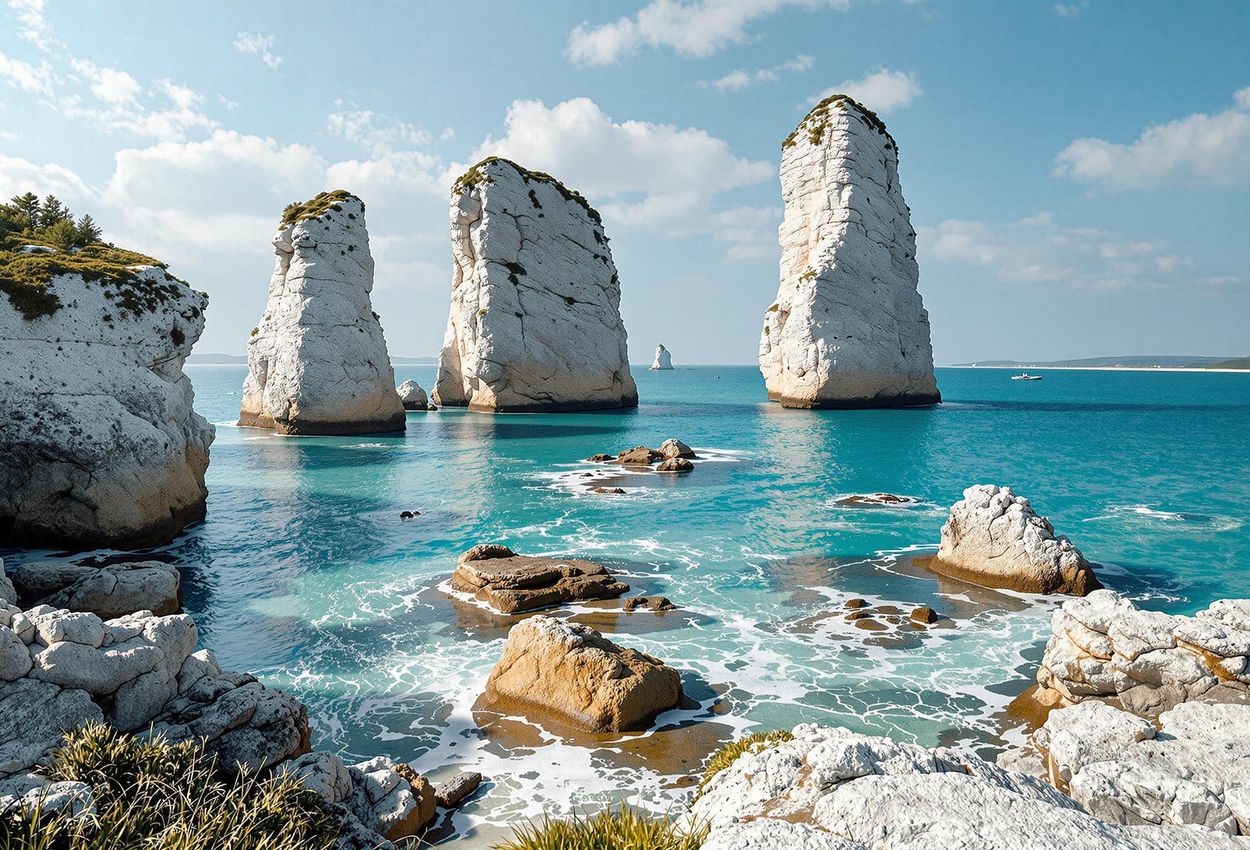
Gotland's landscape is adorned with unique geological formations known as *raukar*, towering limestone pillars sculpted by thousands of years of erosion. These natural sculptures, found along the coastline, create a surreal and otherworldly landscape, attracting visitors from around the globe.
Folhammar, located near Ljugarn, is one of the best places to witness these raukar formations. Here, the limestone pillars rise majestically from the sea, creating a striking contrast with the clear blue waters. Walking along the coastline, you'll be amazed by the variety of shapes and sizes, each rauk telling a story of time and the elements.
Lergravsporten, another notable location for raukar formations, offers a different perspective, with the pillars standing against a backdrop of dramatic cliffs and rocky shores. The raukar here are particularly impressive, with some reaching heights of over 10 meters. The northwest coast of Fårö is both accessible by car and stunningly beautiful.
These raukar formations were created by the erosive power of the Baltic Sea over millions of years. As the sea wore away the softer limestone, the more resistant pillars remained, forming the unique shapes we see today. The continuous action of the waves and wind continues to shape these formations, ensuring that they will remain a dynamic and ever-changing feature of Gotland's landscape.
Hidden Gem: Discover the story of *Hoburgsgubben* rauk, located on the southern tip of Gotland. According to local legend, this rauk resembles an old man, and it is said to bring good luck to those who touch it. Whether you believe the legend or not, *Hoburgsgubben* is a fascinating formation and a must-see for anyone visiting Gotland's raukar.
A short ferry ride from Gotland lies the island of Fårö, a place of rugged beauty and artistic inspiration. This island, with its stark landscapes and dramatic coastline, was the beloved retreat of the renowned Swedish filmmaker Ingmar Bergman, who lived and worked here for over four decades.
Bergman's connection to Fårö is deeply intertwined with the island's identity. He shot several of his most acclaimed films here, including *Through a Glass Darkly*, *Persona*, and *Shame*, using the island's unique landscapes as a backdrop for his introspective and often haunting stories. The island's stark beauty and isolation resonated with Bergman's artistic vision, providing him with a space to explore the complexities of human existence.
Today, the Bergman Estate on Fårö stands as a cultural center, hosting residencies for artists, scholars, and writers from around the world. The estate consists of four houses and a cinema. The main building is located at Hammars and was Ingmar Bergman's private home and workspace. The estate aims to nurture contemplative and creative work – in the same way as it inspired Ingmar Bergman’s own artistic pursuits throughout forty years.
Visiting Fårö is like stepping into Bergman's world, where the boundaries between reality and fiction blur. The island's landscapes, with their windswept beaches, rugged cliffs, and mystical forests, evoke a sense of both beauty and isolation, mirroring the themes explored in Bergman's films.
Hidden Gem: Seek out a lesser-known filming location from one of Bergman's movies, such as the beach where *Through a Glass Darkly* was filmed. Ask locals for directions and immerse yourself in the atmosphere of Bergman's cinematic world. Walking along the same shores where Bergman's characters once roamed, you'll gain a deeper appreciation for the island's unique beauty and its connection to the filmmaker's legacy.

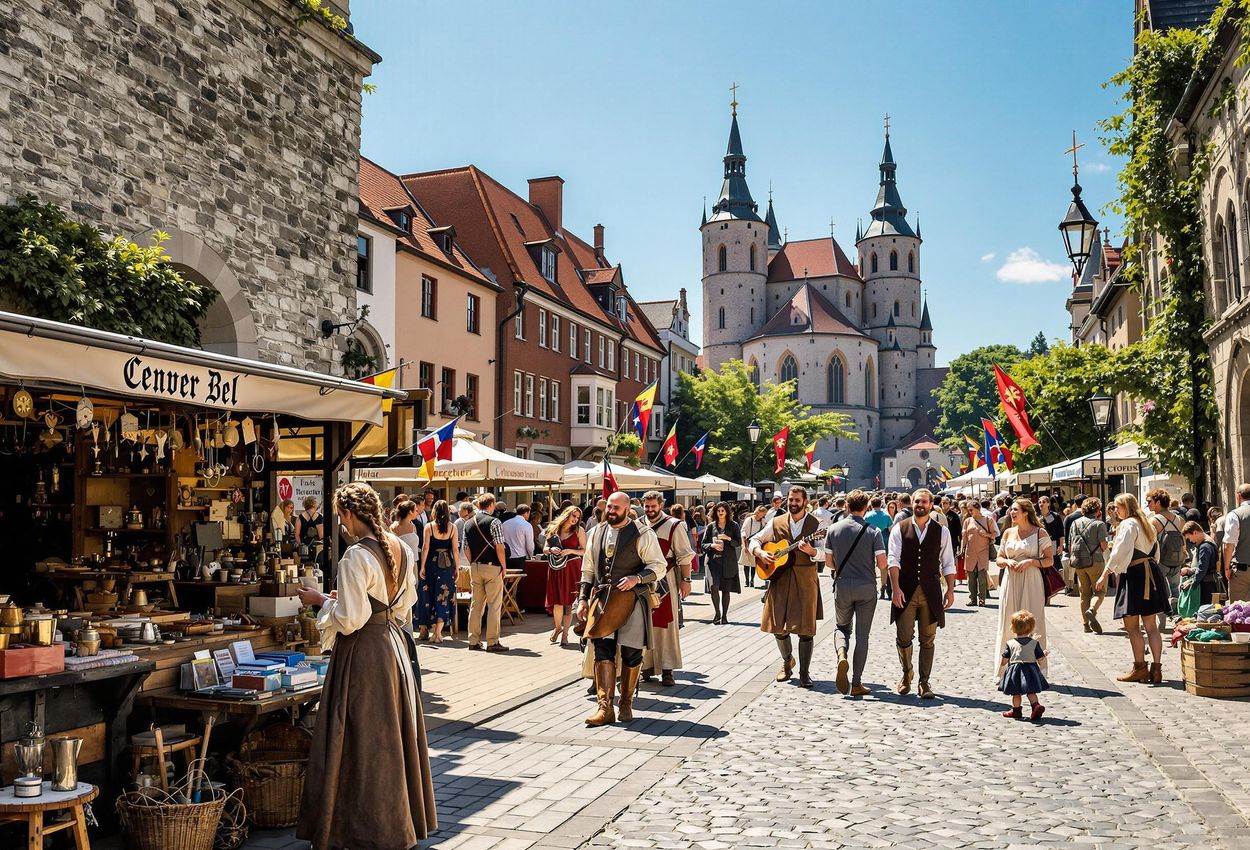
Every summer, Visby transforms into a vibrant medieval town during Medieval Week, a festival celebrating the town's rich history and cultural heritage. From July 28 to August 4, 2025, the streets come alive with markets, jousting tournaments, historical reenactments, and artisan crafts, offering visitors an immersive experience of the Middle Ages.
During Medieval Week, the town's residents and visitors alike dress in medieval costumes, creating a colorful and festive atmosphere. The markets are filled with vendors selling handmade crafts, traditional foods, and medieval-style goods. Jousting tournaments showcase the skill and horsemanship of medieval knights, while historical reenactments bring key moments from Visby's past to life.
The festival is set in the medieval town of Visby on Gotland Island, offering a stunning historical backdrop with its preserved city walls and cobblestone streets. The atmosphere combines cultural heritage with lively entertainment, making it a beloved event for history enthusiasts.
Medieval Week is not just a festival; it's a journey back in time, offering a glimpse into the lives, customs, and traditions of medieval Visby. Whether you're a history buff, a culture enthusiast, or simply looking for a unique and entertaining experience, Medieval Week is an event not to be missed.
Hidden Gem: Attend a traditional craft demonstration during Medieval Week and learn about the skills and techniques used by medieval artisans. From blacksmithing and weaving to pottery and woodworking, these demonstrations offer a hands-on experience of medieval craftsmanship and a chance to appreciate the artistry of the past.
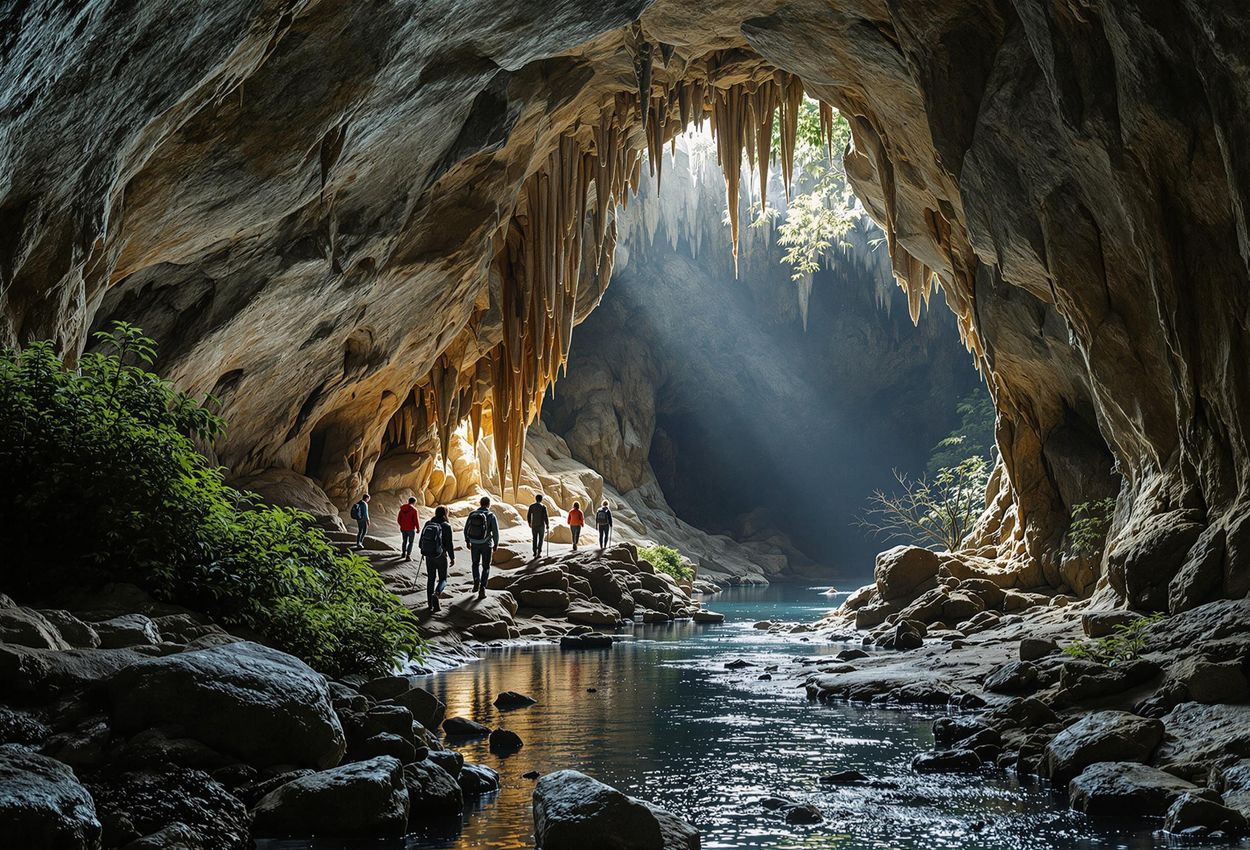
Venture beneath the surface of Gotland and discover the unearthly wonders of Lummelunda Cave, a subterranean world of geological formations and hidden chambers. This network of limestone caves, located just north of Visby, offers a unique and unforgettable adventure for explorers of all ages.
Lummelunda Cave is one of the longest caves in Sweden, with over 4 kilometers of explored passages. The cave is renowned for its unique stalactites, stalagmites, and underground rivers, creating a mesmerizing ambiance. As you wander through the cool, dimly lit corridors, the echoes of dripping water and the gentle breeze add to the mystical experience.
Guided tours are available, providing insights into the cave's geology, ecology, and history. Knowledgeable guides lead visitors through spacious chambers, smaller corridors, and different passages, highlighting the fantastic fossils and beautiful stalactites. There is also a special tour for children, a tour with handheld lamps and two different cave trekking tours.
The cave was discovered in the 1950s by three boys: Örjan Håkansson, Percy Nilsson and Lars Olsson. The cave has been open to the public since 1959, when the first guided tour was arranged.
Hidden Gem: Explore a specific chamber or formation within the cave that is particularly stunning or has an interesting story. One such chamber is the *Cathedral*, known for its towering stalactites and echoing acoustics. Ask your guide to share the story of this chamber and its unique features.
No visit to Gotland is complete without indulging in the island's culinary specialties, a blend of traditional Swedish flavors and local ingredients. From saffron-infused pancakes to fresh seafood dishes, Gotland's cuisine is a treat for the senses.
One of Gotland's most iconic dishes is *saffranspannkaka*, a baked saffron pancake traditionally served with dewberry jam and whipped cream. This creamy, golden-hued pancake is a testament to Gotland's historical trade connections, with saffron, a spice, finding its way to the island centuries ago. The saffron gives the pancake a festive golden look and special taste.
Given its island location, Gotland is also renowned for its fresh seafood. From smoked fish to grilled herring, the island's restaurants offer a variety of seafood dishes, showcasing the bounty of the Baltic Sea. Many restaurants offer farm-to-table experiences, using locally sourced ingredients to create authentic and flavorful dishes.
Because of trade connections through the Hanseatic League, the people of Gotland seem to have been in the forefront when it comes to tasting and using saffron. In Svensk Allmogekost, Nils Keyland mentions a pancake in Kräcklingbo on Gotland that consisted of rice porridge, raisins, egg, sugar, and flour, flavored with cardamom, bitter almond, and saffron.
Hidden Gem: Seek out a specific local dish or ingredient that is unique to Gotland. One such ingredient is *Gotlandstrüffel*, a type of black truffle found on the island. Ask local restaurants if they have any dishes featuring this delicacy and savor the unique flavor of Gotland's culinary treasure.

Gotland is more than just a destination; it's an experience. From the medieval streets of Visby to the serene beaches and mystical raukar formations, this Baltic Sea island offers a unique blend of history, culture, and natural beauty. So, pack your bags, step back in time, and discover the magic of Gotland this summer.
Our editors` picks of the latest and greatest in travel - delivered to your inbox daily
Relax on the beaches and explore the reefs of Xai-Xai.
View More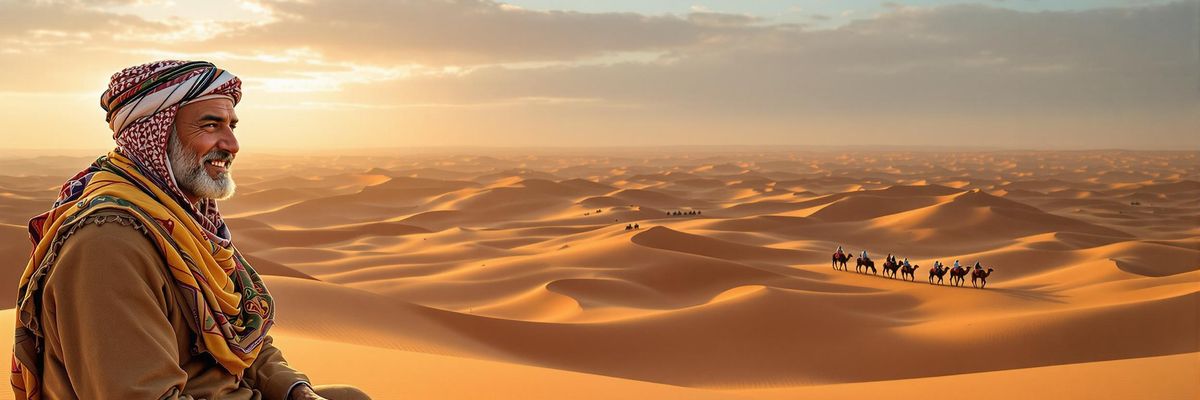
Embrace the cooler temperatures and experience the International Festival of the Sahara in Douz this December.
View More
Celebrate the year-end festivities in Accra, culminating in the vibrant Afrofuture festival.
View More Albania EDITION
 Algeria EDITION
 Argentina EDITION
 Armenia EDITION
 Australia EDITION
 Austria EDITION
 Bangladesh EDITION
 Belgium EDITION
 Belize EDITION
 Benin EDITION
 Bhutan EDITION
 Bolivia EDITION
 Bosnia and Herzegovina EDITION
 Botswana EDITION
 Brazil EDITION
 Bulgaria EDITION
 Burkina Faso EDITION
 Cambodia EDITION
 Cameroon EDITION
 Canada EDITION
 Central African Republic EDITION
 Chad EDITION
 Chile EDITION
 China EDITION
 Colombia EDITION
 Costa Rica EDITION
 Croatia EDITION
 Cyprus EDITION
 Denmark EDITION
 Djibouti EDITION
 Ecuador EDITION
 Egypt EDITION
 El Salvador EDITION
 Eritrea EDITION
 Estonia EDITION
 Ethiopia EDITION
 Finland EDITION
 France EDITION
 Gabon EDITION
 Georgia EDITION
 Germany EDITION
 Ghana EDITION
 Greece EDITION
 Guatemala EDITION
 Guinea EDITION
 Guinea-Bissau EDITION
 Honduras EDITION
 Hungary EDITION
 Iceland EDITION
 India EDITION
 Indonesia EDITION
 Ireland EDITION
 Israel EDITION
 Italy EDITION
 Jamaica EDITION
 Japan EDITION
 Jordan EDITION
 Kenya EDITION
 Kuwait EDITION
 Laos EDITION
 Latvia EDITION
 Lebanon EDITION
 Lesotho EDITION
 Liberia EDITION
 Lithuania EDITION
 Luxembourg EDITION
 Madagascar EDITION
 Malawi EDITION
 Malaysia EDITION
 Maldives EDITION
 Mali EDITION
 Malta EDITION
 Mauritania EDITION
 Mauritius EDITION
 Mexico EDITION
 Mongolia EDITION
 Montenegro EDITION
 Morocco EDITION
 Mozambique EDITION
 Namibia EDITION
 Nepal EDITION
 Netherlands EDITION
 New Zealand EDITION
 Nicaragua EDITION
 Niger EDITION
 Nigeria EDITION
 Norway EDITION
 Oman EDITION
 Pakistan EDITION
 Panama EDITION
 Papua New Guinea EDITION
 Paraguay EDITION
 Peru EDITION
 Philippines EDITION
 Poland EDITION
 Portugal EDITION
 Qatar EDITION
 Romania EDITION
 Rwanda EDITION
 Saudi Arabia EDITION
 Senegal EDITION
 Serbia EDITION
 Singapore EDITION
 Slovakia EDITION
 Slovenia EDITION
 Somalia EDITION
 South Africa EDITION
 South Korea EDITION
 Spain EDITION
 Sri Lanka EDITION
 Suriname EDITION
 Sweden EDITION
 Switzerland EDITION
 Tanzania EDITION
 Thailand EDITION
 Tunisia EDITION
 Uganda EDITION
 United Arab Emirates EDITION
 United Kingdom EDITION
 Uruguay EDITION
 Venezuela EDITION
 Vietnam EDITION
 Zambia EDITION
 Zimbabwe EDITION
Subscribe to our newsletter and get the most captivating travel stories, hidden gems, and expert insights delivered straight to your inbox. As a subscriber, you’ll be first in line for exclusive content, premium offers, and unforgettable travel experiences