


Destination Guide
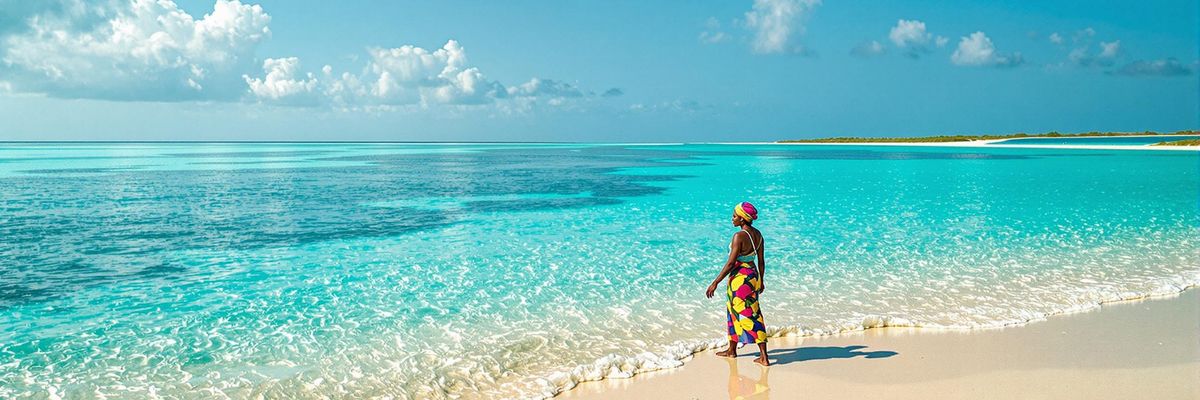
Xai-Xai: A Coastal Retreat
Relax on the beaches and explore the reefs of Xai-Xai.
View More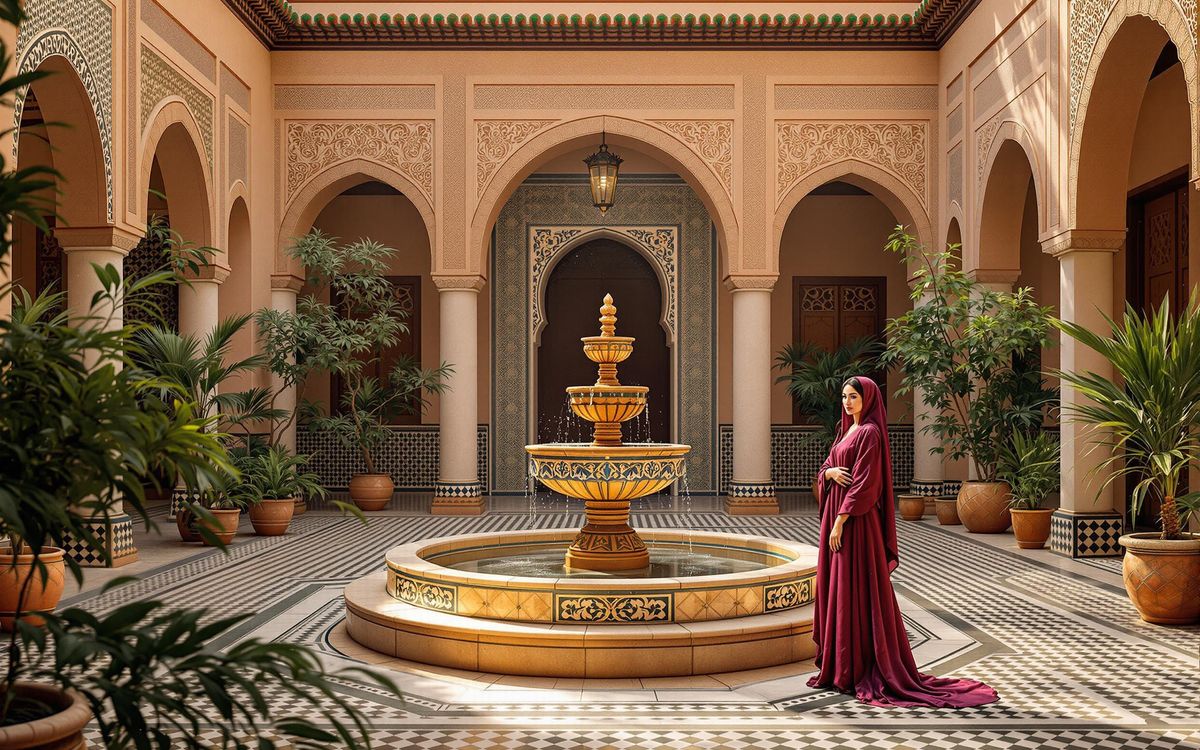

As the days shorten and a gentle coolness sweeps across the Moroccan landscape, Meknes sheds its sweltering summer skin and embraces the serene beauty of winter.
In December, this imperial city offers a unique travel experience, trading the intense heat for comfortable temperatures ideal for exploring its wealth of historical treasures. Forget the throngs of tourists; winter in Meknes is a season of quiet discovery, where you can wander through ancient gates and grand mausoleums with a sense of privileged solitude.
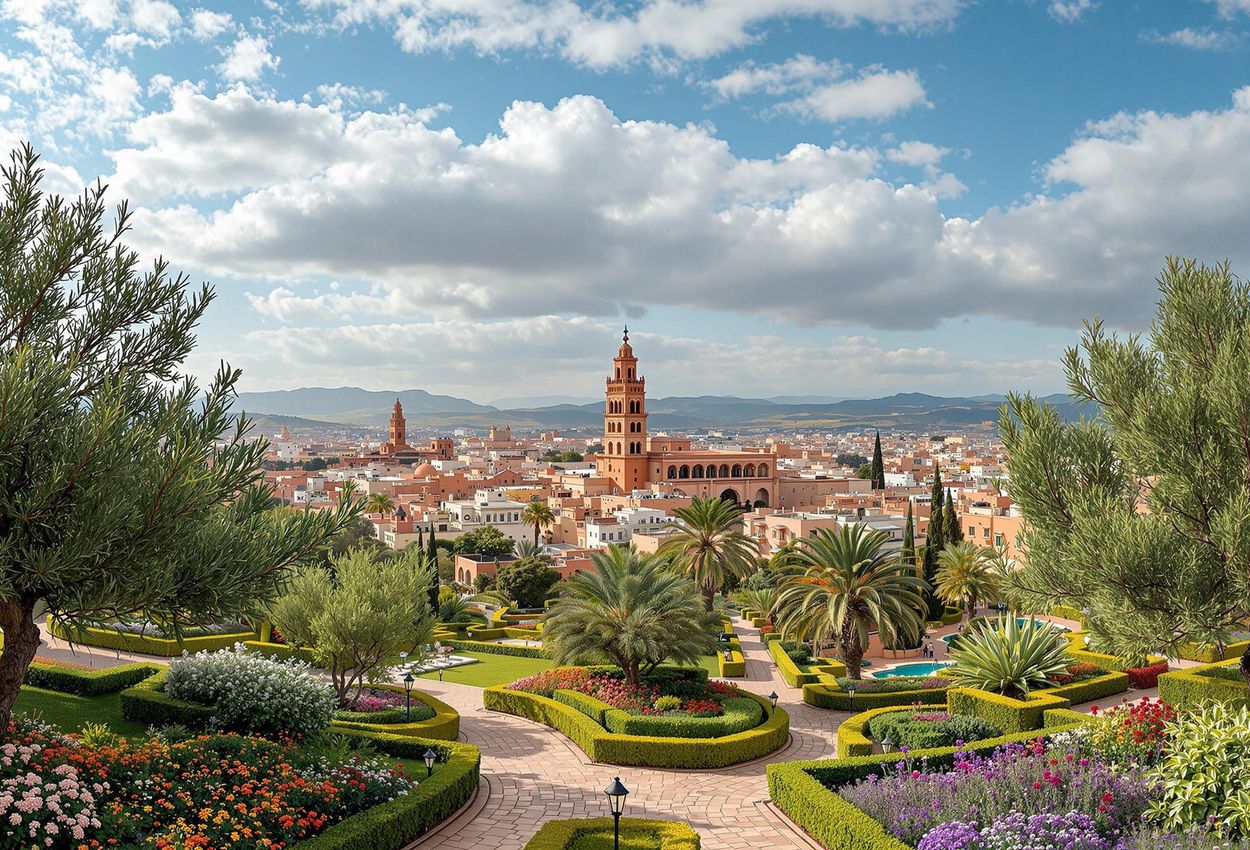
The crisp air carries the scent of woodsmoke and spices, while the muted sunlight casts long shadows across the city's ochre walls. This is Meknes at its most atmospheric, a city steeped in history and tradition, inviting you to delve into its captivating past without the distractions of peak season.
The transition from the scorching heat of summer to the mild days of December transforms Meknes into an explorer's paradise. With average high temperatures hovering around 63°F (17°C) and lows around 44°F (7°C), the weather is perfect for long days of sightseeing without the discomfort of oppressive heat. The cooler temperatures enhance the experience of wandering through the city's historical sites, allowing for a more immersive and contemplative exploration.
The winter light in Meknes possesses a unique quality, casting a soft glow on the city's ancient architecture. The reduced crowds mean you can savor the intricate details of the Bab Mansour gate or wander through the Mausoleum of Moulay Ismail in relative peace. The city feels more authentic, less geared towards tourism, and more attuned to the rhythms of local life.
December also brings a sense of tranquility to Meknes. The bustling souks are less crowded, allowing for a more relaxed shopping experience, and the city's numerous cafes offer cozy retreats where you can sip mint tea and soak up the atmosphere. The winter months offer a chance to connect with the city on a deeper level, to appreciate its history and culture without the distractions of the high season.
No visit to Meknes is complete without marveling at the Bab Mansour, the city's most iconic gate. Completed in 1732 by Moulay Ismail's son, Moulay Abdallah, this monumental structure is a masterpiece of Moorish architecture. Its intricate design, vibrant zellij tilework, and towering presence are a testament to the city's imperial grandeur.
The gate's massive doors are adorned with elaborate inscriptions from the Quran, and its marble columns were sourced from the nearby Roman ruins of Volubilis, a subtle nod to the region's rich history. Standing before the Bab Mansour, one can't help but be awestruck by its sheer scale and the artistry of its construction.
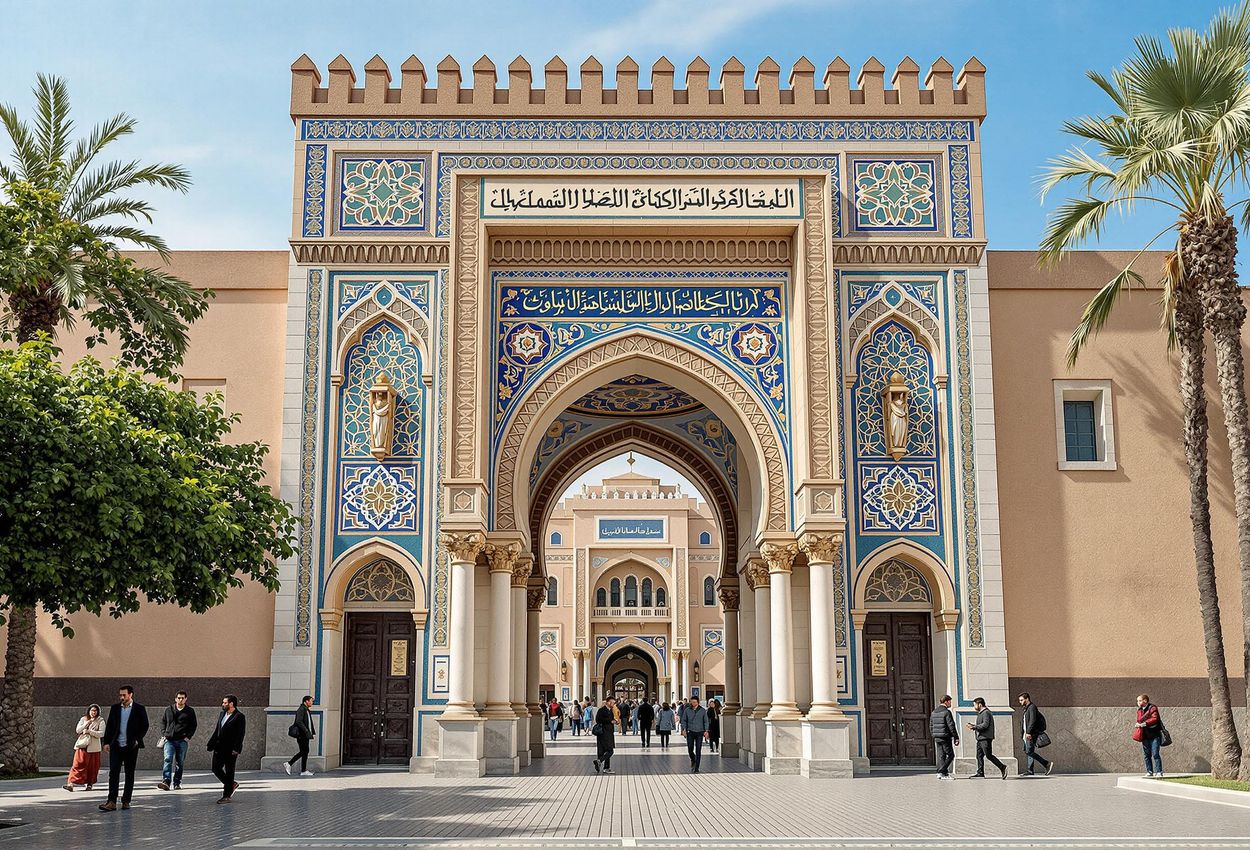
The Place el-Hedim, the square in front of Bab Mansour, comes alive in the late afternoon as locals gather to socialize and storytellers captivate audiences with tales of old. The square provides an excellent vantage point to admire the gate's intricate details and to soak up the vibrant atmosphere of Meknes.
The Bab Mansour is not just a historical monument; it's a living testament to the city's artistic spirit. The gate is often used as a venue for art exhibitions, showcasing contemporary works against the backdrop of its ancient walls. This juxtaposition of old and new creates a unique cultural experience, highlighting Meknes's ability to blend tradition with modernity.
A short walk from Bab Mansour lies the Mausoleum of Moulay Ismail, the final resting place of the sultan who transformed Meknes into an imperial capital. This sacred site is a masterpiece of Moroccan architecture, a sprawling complex of courtyards, patios, and exquisitely decorated chambers.
The mausoleum's patios are adorned with intricate zellij tilework, stucco friezes, and cedar ceilings, showcasing the exceptional craftsmanship of Moroccan artisans. The ablutions court, with its central fountain, provides a serene space for contemplation, while the tomb itself is a sight to behold.
Inside the tomb chamber, the air is thick with incense and the soft murmur of prayers. The walls are covered in ornate carvings and the floors are lined with rich carpets. Adding to the mausoleum's unique character are the Comtoises clocks gifted by Louis XIV of France, a testament to the diplomatic ties between the two nations.
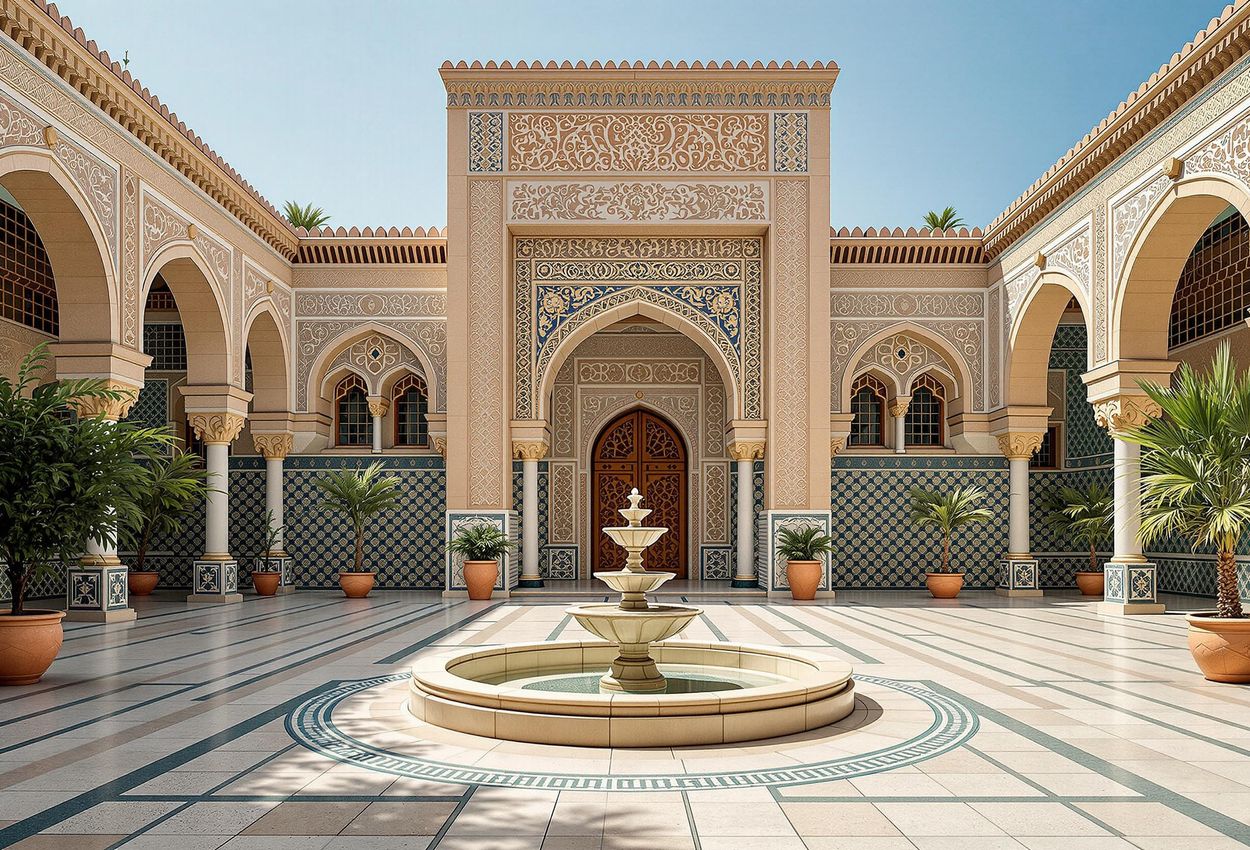
The Mausoleum of Moulay Ismail is a blend of Moroccan and Islamic styles, a reflection of the sultan's vision for his city. Non-Muslims are welcome to enter the complex, but access to the tomb itself is restricted. However, the spiritual atmosphere and the architectural splendor of the surrounding areas are enough to leave a lasting impression.
Beyond the Mausoleum of Moulay Ismail, the remnants of the sultan's imperial city offer a glimpse into the scale of his ambitions. The massive walls that once enclosed the kasbah still stand, a testament to the city's military importance.
The Heri es-Souani, the sultan's granaries, are an architectural marvel, a series of vaulted chambers designed to store vast quantities of grain. The nearby Agdal Basin, a large artificial lake, provided water for the city's inhabitants and served as a recreational area for the royal family.
The former kasbah, with its various palaces and military academy, is now largely in ruins, but its sheer size is a reminder of the sultan's power and influence. The water storage cisterns, designed to ensure a constant supply of fresh water, are another example of the city's advanced infrastructure.
Parts of the imperial city have been adapted for residential use, offering a glimpse into the past. Wandering through these areas, one can imagine what life was like during the sultan's reign, a time of great prosperity and architectural innovation.
After a day of exploring Meknes's historical sites, there's nothing better than retreating to the comfort of a luxurious riad. These traditional Moroccan houses, with their interior gardens and tranquil courtyards, offer a welcome respite from the hustle and bustle of the city.
Riad Yacout, Riad El Ma, and Ryad Bahia are just a few of the many excellent riads in Meknes, each offering a unique blend of traditional Moroccan culture and modern luxury. These riads feature stunning architecture, intricately designed interiors, and a range of amenities to ensure a comfortable stay.
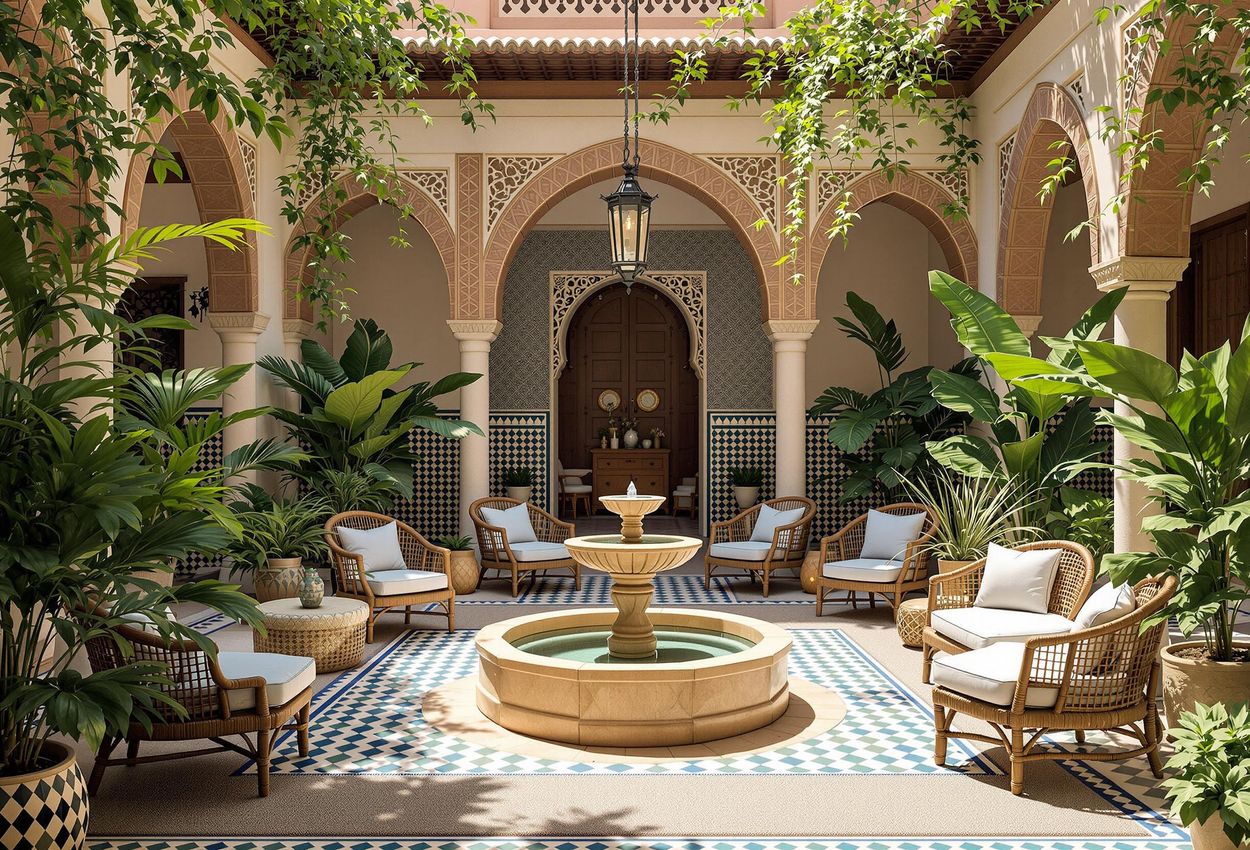
Many riads offer hammams, traditional Moroccan bathhouses, where you can indulge in a rejuvenating spa treatment. Rooftop terraces provide panoramic views of the city, perfect for enjoying a cup of mint tea as the sun sets. The combination of traditional Moroccan hospitality and modern comforts makes these riads ideal winter havens.
No trip to Meknes is complete without sampling the city's authentic cuisine. From traditional tagines and couscous to flavorful pastilla, Meknesi cuisine is a feast for the senses.
Aisha, Collier de la Colombe, and Restaurant Dar Baraka are just a few of the many excellent restaurants in Meknes that offer a taste of local flavors. These restaurants serve traditional dishes made with fresh, local ingredients, providing an authentic culinary experience.
Meknes is also known for its local wines, which pair perfectly with the city's cuisine. Many restaurants offer a selection of Moroccan wines, allowing you to sample the region's viticultural heritage. For vegetarian and vegan travelers, many restaurants offer plant-based options, ensuring that everyone can enjoy the culinary delights of Meknes.
Exploring Meknes's souks and workshops is a journey into the heart of Moroccan craftsmanship. Here, artisans create traditional Moroccan goods, from zellij tilework to handwoven carpets and brass lamps.
The souks offer a sensory overload, with the vibrant colors, intricate patterns, and the rhythmic sounds of artisans at work. Each craft has its own cultural significance, reflecting the traditions and values of Moroccan society.

The tradition of Moroccan doors reflecting Islamic virtue adds a unique element to the city's cultural landscape. These doors, often adorned with intricate carvings and geometric patterns, are not just functional; they are symbols of hospitality, privacy, and spiritual values.
Whether you're looking for a unique souvenir or simply want to appreciate the artistry of Moroccan craftsmanship, Meknes's souks and workshops are a must-visit.
Meknes's status as a UNESCO World Heritage Site underscores its historical importance and cultural significance. The city's blend of Islamic and European architectural elements is a testament to its diverse influences, and its well-preserved monuments offer a glimpse into its imperial past.
Founded in the 11th century, Meknes reached its zenith in the 17th century under the rule of Sultan Moulay Ismail, who transformed it into a magnificent capital. The city's influence on civil and military architecture is evident in its massive walls, monumental gates, and elaborate palaces.
As a UNESCO World Heritage Site, Meknes is committed to preserving its cultural heritage for future generations. The city's timeless appeal lies in its ability to blend history, culture, and modernity, creating a unique and unforgettable travel experience.
As the day draws to a close, Meknes offers a variety of ideal locations for enjoying winter sunsets. The viewpoints near Bab Mansour provide stunning vistas of the city's skyline, while the rooftop terraces of many riads offer a more intimate setting.
The colors of the sky, the sounds of the city, and the cool winter air create a sensory experience that is both invigorating and calming. The cooler temperatures enhance the experience, allowing you to savor the moment without the discomfort of heat.
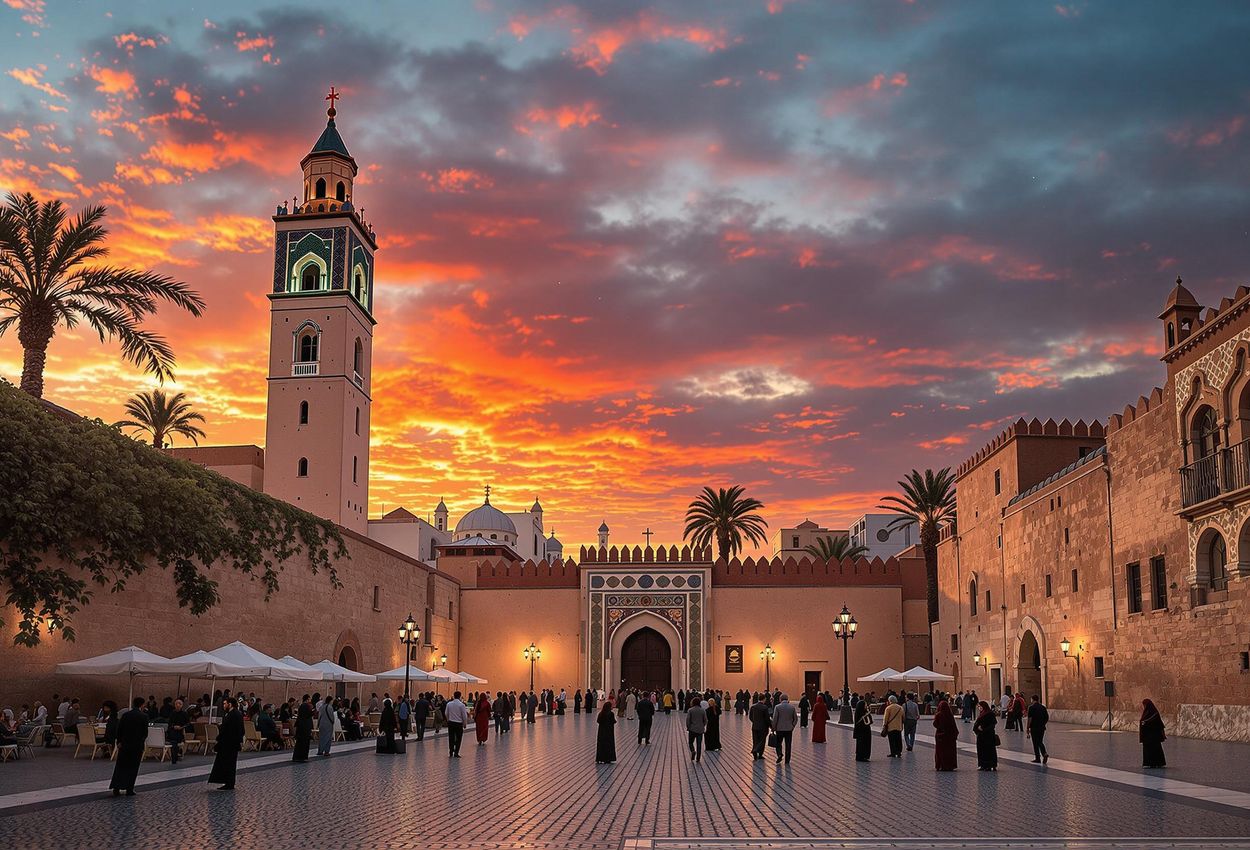
Whether you're sipping mint tea on a riad rooftop or strolling through the Place el-Hedim, watching the winter sunset in Meknes is a magical experience.
While Meknes itself offers plenty to see and do, a day trip to nearby attractions is a worthwhile addition to your itinerary. Volubilis, the Roman ruins, and Moulay Idriss, the tomb of Moulay Idriss I, are both within easy reach of the city.
Volubilis, a UNESCO World Heritage Site, is a testament to the Roman Empire's reach into North Africa. The triumphal arch, the basilica, and the well-preserved mosaics offer a glimpse into the lives of the city's former inhabitants.
Moulay Idriss, a hilltop town, is a sacred site for Moroccans. The tomb of Moulay Idriss I, the founder of the Idrisid dynasty, is a major pilgrimage destination. The town's pastel-painted alleys and stunning views make it a picturesque place to explore.
Both Volubilis and Moulay Idriss can be easily reached by taxi or grand taxi from Meknes. Allow a full day for the excursion to fully appreciate these historical and cultural treasures.
In winter's embrace, Meknes reveals its imperial grandeur in a new light. The cooler temperatures, the reduced crowds, and the soft winter light create a magical atmosphere, inviting you to step back in time and experience the city's rich history and culture. From the monumental Bab Mansour to the sacred Mausoleum of Moulay Ismail, Meknes offers a wealth of treasures waiting to be discovered. So, pack your bags, embrace the winter chill, and prepare to be captivated by the imperial grandeur of Meknes.
Our editors` picks of the latest and greatest in travel - delivered to your inbox daily
Relax on the beaches and explore the reefs of Xai-Xai.
View More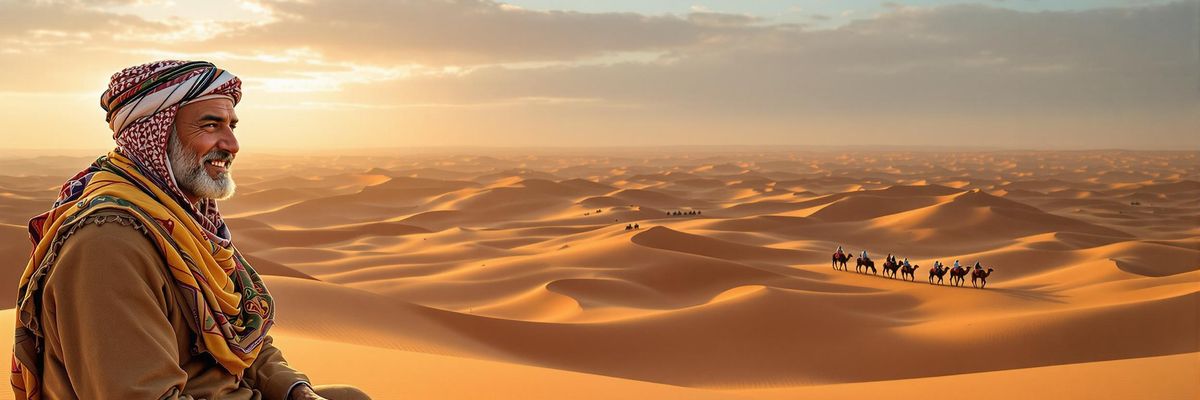
Embrace the cooler temperatures and experience the International Festival of the Sahara in Douz this December.
View More
Celebrate the year-end festivities in Accra, culminating in the vibrant Afrofuture festival.
View More Albania EDITION
 Algeria EDITION
 Argentina EDITION
 Armenia EDITION
 Australia EDITION
 Austria EDITION
 Bangladesh EDITION
 Belgium EDITION
 Belize EDITION
 Benin EDITION
 Bhutan EDITION
 Bolivia EDITION
 Bosnia and Herzegovina EDITION
 Botswana EDITION
 Brazil EDITION
 Bulgaria EDITION
 Burkina Faso EDITION
 Cambodia EDITION
 Cameroon EDITION
 Canada EDITION
 Central African Republic EDITION
 Chad EDITION
 Chile EDITION
 China EDITION
 Colombia EDITION
 Costa Rica EDITION
 Croatia EDITION
 Cyprus EDITION
 Denmark EDITION
 Djibouti EDITION
 Ecuador EDITION
 Egypt EDITION
 El Salvador EDITION
 Eritrea EDITION
 Estonia EDITION
 Ethiopia EDITION
 Finland EDITION
 France EDITION
 Gabon EDITION
 Georgia EDITION
 Germany EDITION
 Ghana EDITION
 Greece EDITION
 Guatemala EDITION
 Guinea EDITION
 Guinea-Bissau EDITION
 Honduras EDITION
 Hungary EDITION
 Iceland EDITION
 India EDITION
 Indonesia EDITION
 Ireland EDITION
 Israel EDITION
 Italy EDITION
 Jamaica EDITION
 Japan EDITION
 Jordan EDITION
 Kenya EDITION
 Kuwait EDITION
 Laos EDITION
 Latvia EDITION
 Lebanon EDITION
 Lesotho EDITION
 Liberia EDITION
 Lithuania EDITION
 Luxembourg EDITION
 Madagascar EDITION
 Malawi EDITION
 Malaysia EDITION
 Maldives EDITION
 Mali EDITION
 Malta EDITION
 Mauritania EDITION
 Mauritius EDITION
 Mexico EDITION
 Mongolia EDITION
 Montenegro EDITION
 Morocco EDITION
 Mozambique EDITION
 Namibia EDITION
 Nepal EDITION
 Netherlands EDITION
 New Zealand EDITION
 Nicaragua EDITION
 Niger EDITION
 Nigeria EDITION
 Norway EDITION
 Oman EDITION
 Pakistan EDITION
 Panama EDITION
 Papua New Guinea EDITION
 Paraguay EDITION
 Peru EDITION
 Philippines EDITION
 Poland EDITION
 Portugal EDITION
 Qatar EDITION
 Romania EDITION
 Rwanda EDITION
 Saudi Arabia EDITION
 Senegal EDITION
 Serbia EDITION
 Singapore EDITION
 Slovakia EDITION
 Slovenia EDITION
 Somalia EDITION
 South Africa EDITION
 South Korea EDITION
 Spain EDITION
 Sri Lanka EDITION
 Suriname EDITION
 Sweden EDITION
 Switzerland EDITION
 Tanzania EDITION
 Thailand EDITION
 Tunisia EDITION
 Uganda EDITION
 United Arab Emirates EDITION
 United Kingdom EDITION
 Uruguay EDITION
 Venezuela EDITION
 Vietnam EDITION
 Zambia EDITION
 Zimbabwe EDITION
Subscribe to our newsletter and get the most captivating travel stories, hidden gems, and expert insights delivered straight to your inbox. As a subscriber, you’ll be first in line for exclusive content, premium offers, and unforgettable travel experiences