


Destination Guide
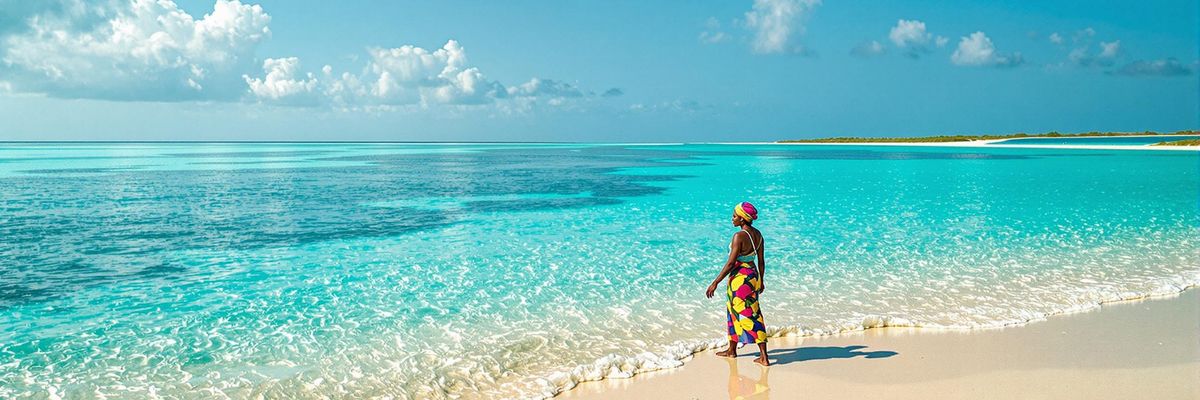
Xai-Xai: A Coastal Retreat
Relax on the beaches and explore the reefs of Xai-Xai.
View More

Venture into the heart of Kenya, where the spirit of 'Born Free' still roams, and discover a sanctuary reborn.
In the vast expanse of eastern Kenya, where the sun paints the savanna in hues of gold and crimson, lies a hidden gem waiting to be discovered: Meru National Park. This is not just another park; it's a place where history whispers through the wind, where conservation triumphs over adversity, and where the untamed beauty of Africa unfolds in its purest form.
Established in 1966, Meru National Park quickly gained fame as the home of Elsa the lioness, whose story, immortalized in the book and film 'Born Free', captured the hearts of millions. George and Joy Adamson, the couple who raised and released Elsa back into the wild, played a pivotal role in shaping the park's early history. Their work transformed Meru into a symbol of hope and a haven for wildlife.
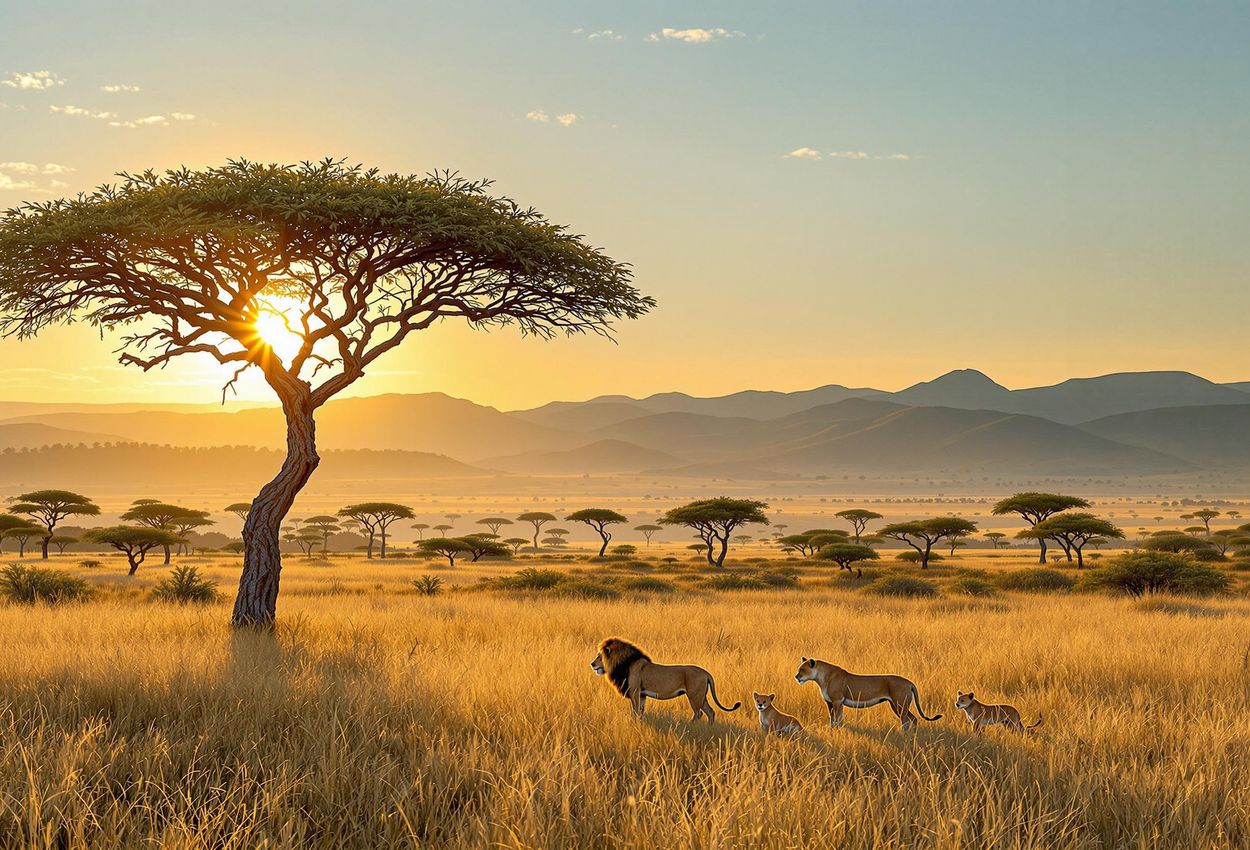
However, the park's initial success was short-lived. In the 1980s and 90s, rampant poaching decimated its wildlife populations, pushing it to the brink of collapse. Elephants and rhinos were particularly hard hit, their numbers dwindling to alarming levels. The once-thriving ecosystem teetered on the edge of ruin, and Meru's future hung in the balance.
But from the depths of despair, a remarkable resurgence began. In the early 2000s, the Kenya Wildlife Service (KWS) and the International Fund for Animal Welfare (IFAW) joined forces to launch a comprehensive conservation effort. Anti-poaching patrols were intensified, infrastructure was revitalized, and community engagement programs were implemented. Slowly but surely, Meru began to heal.
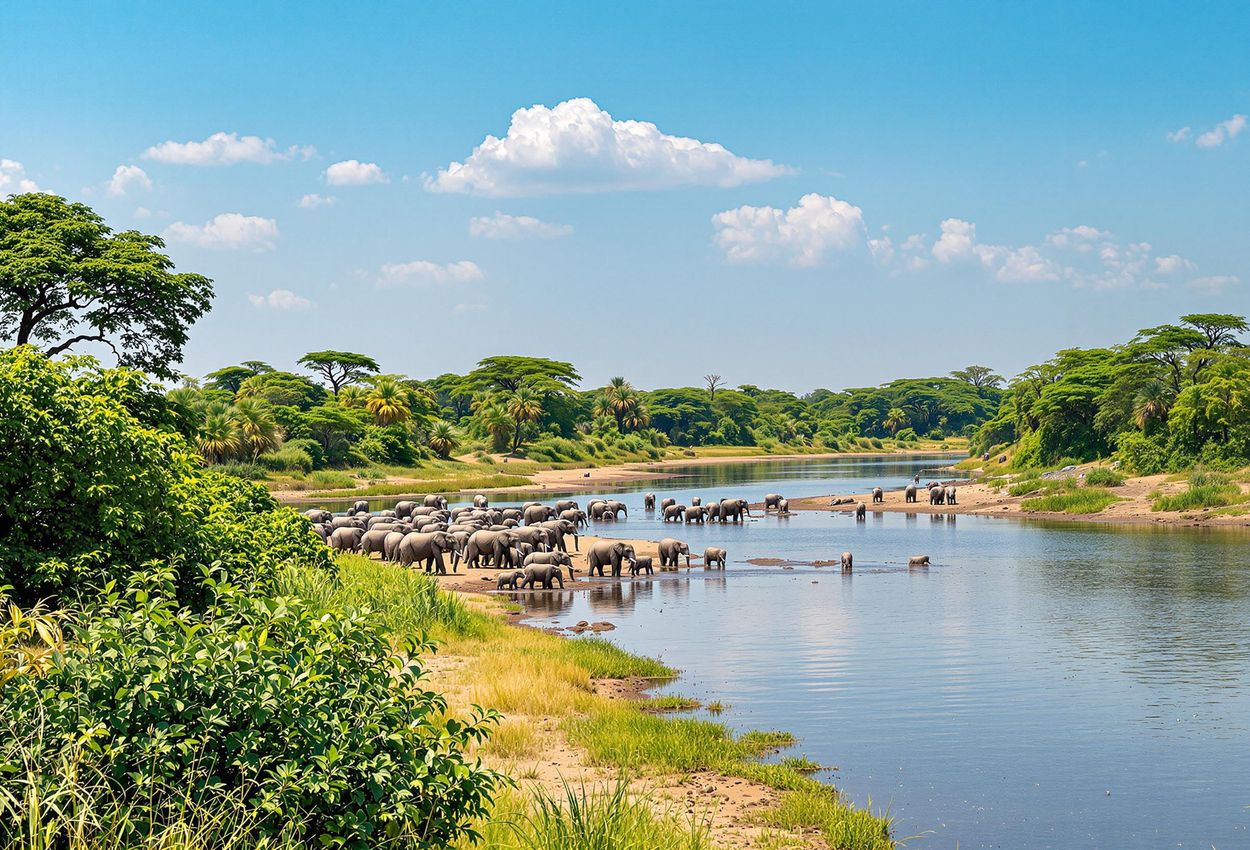
Today, Meru National Park stands as a testament to the power of conservation. Its landscapes, once scarred by poaching, are now teeming with life. Lions roam freely, elephants graze peacefully, and rhinos thrive in a specially protected sanctuary. The park has been reborn, offering visitors a truly authentic and unforgettable safari experience.
For those seeking a deeper connection to the park's history, a visit to Elsa's grave is a must. Located in a remote area on the park's southern border, the grave serves as a poignant reminder of the Adamsons' legacy and the enduring spirit of 'Born Free'. The location is set astride a river, not far from George and Joy Adamson's former camp.
Local Tip: Engage a local guide to learn more about the park's history and conservation efforts. Their insights will enrich your experience and deepen your appreciation for Meru's remarkable transformation.
A Sanctuary Rises: The Rhino's Haven
At the heart of Meru National Park's conservation success lies its dedicated rhino sanctuary, a testament to the intensive efforts to protect these endangered creatures. Recognizing the critical need for specialized protection, a 50 square kilometer area on the park's western boundary was set aside as a rhino sanctuary. This 'park within a park' provides a secure environment where rhinos can thrive, shielded from the threats that plague them elsewhere.
The sanctuary is home to both white and black rhinos, with a population of approximately 40 white rhinos and 20 black rhinos roaming freely within its boundaries. These rhinos were initially translocated from other areas in Kenya, including Solio Ranch, Lake Nakuru National Park, Lewa Downs, and Nairobi National Park, to establish a viable breeding population in Meru.
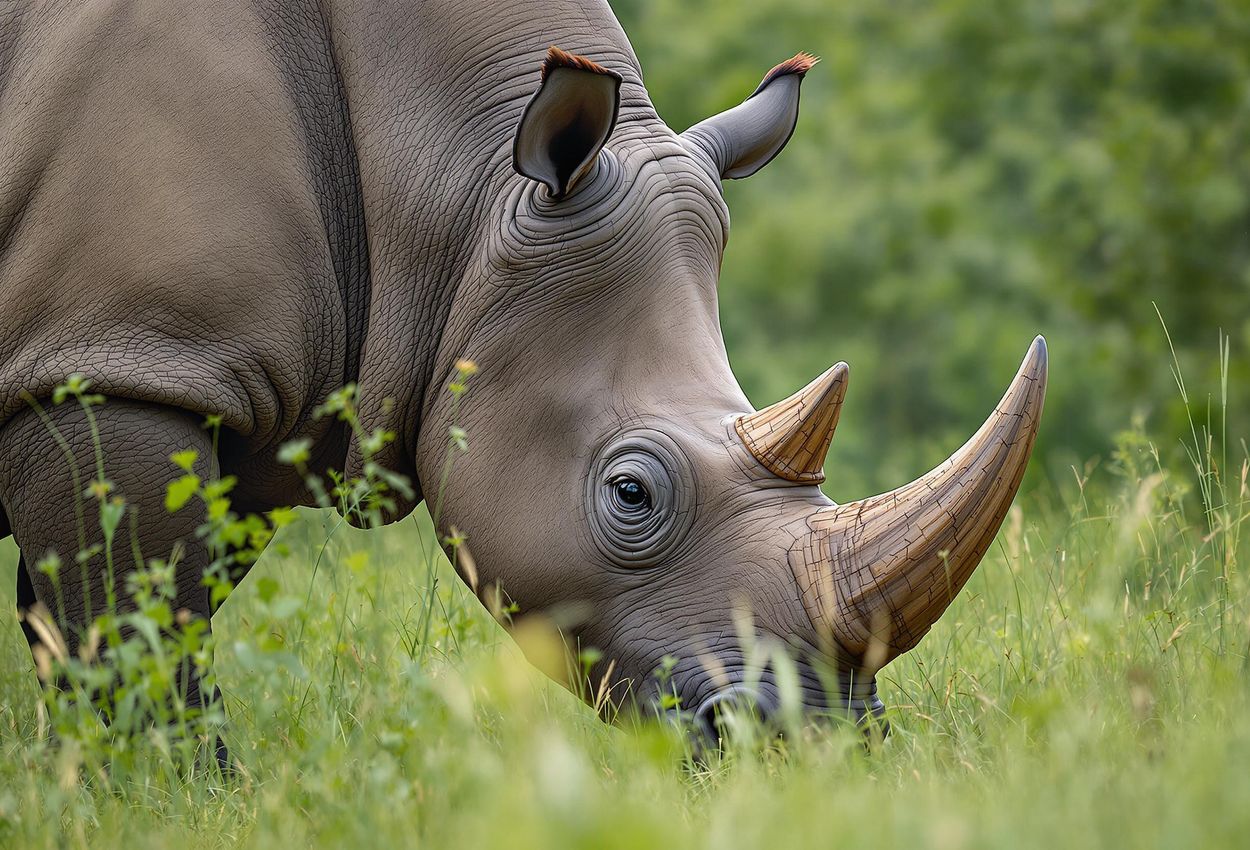
The results have been astounding. Meru's rhino sanctuary boasts a high birth rate and a low mortality rate compared to other rhino areas in Kenya. Calves are frequently seen, a sign that the rhinos are adapting well to their new home and that the sanctuary's protection measures are effective. The population has grown from the initial introduction to over 100 white and 45 black rhinos.
Despite the sanctuary's success, spotting rhinos still requires patience and a bit of luck. The rhinos are naturally shy and tend to graze in areas with dense vegetation. However, with the help of experienced guides and a bit of persistence, visitors have a good chance of encountering these magnificent animals in their natural habitat.
The sanctuary is surrounded by an electric fence that keeps the rhinos safe and prevents them from wandering into areas where they could be at risk. Rangers patrol the sanctuary regularly, monitoring the rhinos' health and behavior and deterring potential poachers.
Hidden Gem: For a truly unique experience, consider a night drive in the rhino sanctuary. The nocturnal environment offers a different perspective on the park's wildlife, and you might even spot a rhino under the cover of darkness.
Safari Routes and Hidden Campsites
Meru National Park is a land of diverse landscapes, bisected by 13 rivers and numerous mountain-fed streams. These waterways create a rich tapestry of habitats, supporting a wide array of wildlife and offering endless opportunities for exploration. The park's varied terrain also provides a range of safari routes, each with its own unique charm and attractions.
For those seeking the thrill of spotting the 'Big Five', the routes along the Tana River and the Rojewero River are highly recommended. These areas are known for their high concentrations of elephants, lions, leopards, buffaloes, and, of course, rhinos. Keep an eye out for other iconic species, such as giraffes, zebras, and various antelope species.
The park's network of roads can be challenging, especially during the rainy season, so a 4x4 vehicle is essential. Consider hiring a local guide who knows the terrain well and can help you navigate the best routes for wildlife viewing.
For a truly immersive experience, consider spending a night or two at Bwatherongai, Meru's only public campsite. This well-maintained campsite offers a range of facilities, including cold showers, flushing toilets, a swimming pool, and fire pits. There are three separate campsites, with No. 3 being the most private and shaded.
Camping at Bwatherongai allows you to experience the park's nocturnal sounds and sights, from the distant roar of a lion to the twinkling of stars in the African sky. Be aware that the campsite is unfenced, so it's essential to take precautions against wildlife encounters. Always keep a fire burning at night, and never leave food unattended.
Local Tip: Pack a good pair of binoculars for enhanced wildlife viewing. The park's diverse landscapes offer opportunities to spot animals from a distance, and binoculars will help you get a closer look.
Feathered Jewels: Bird Watching Paradise
Beyond its iconic mammals, Meru National Park is a haven for birdwatchers, boasting over 400 recorded species. The park's diverse habitats, ranging from forests and swamps to rivers and grasslands, attract a wide variety of birdlife, making it a paradise for ornithologists and casual bird enthusiasts alike.
The Rojewero River is a particularly rewarding spot for bird watching, offering opportunities to see the African Harrier-hawk, Barbets, Waxbills, and Sunbirds. The river's lush vegetation provides shelter and food for a variety of species, making it a hub of avian activity.
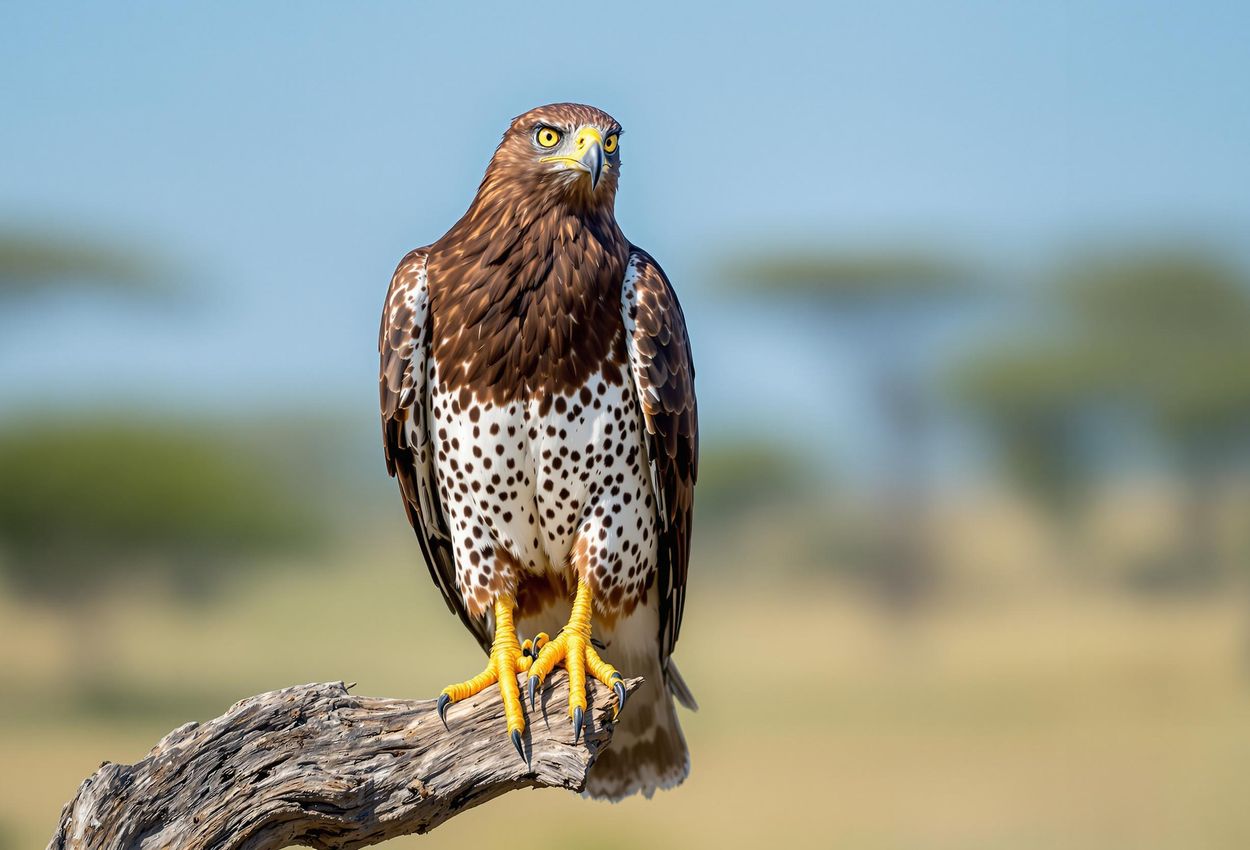
Other notable bird species to look out for include kingfishers, sunbirds, storks, the Somali ostrich, secretary bird, martial eagle, and vulturine guinea fowl. Meru National Park hosts 59 of the 94 Somalia – Masai biome species found in Kenya, making it a crucial refuge for these birds.
The best time for bird watching in Meru is during the months of November to April, when migratory birds from Europe and North Africa arrive. This period also coincides with the breeding season, when many species are nesting and displaying their vibrant plumage.
Local Tip: Hire a local birding guide to help you identify the park's diverse bird species. Their expertise will greatly enhance your bird watching experience.
Meru National Park is more than just a destination; it's an experience that will stay with you long after you leave. It's a place where you can witness the resilience of nature, connect with the spirit of 'Born Free', and discover the untamed beauty of Africa in its purest form. So, pack your bags, grab your binoculars, and prepare to embark on an unforgettable adventure in Kenya's hidden wilderness.
Our editors` picks of the latest and greatest in travel - delivered to your inbox daily
Relax on the beaches and explore the reefs of Xai-Xai.
View More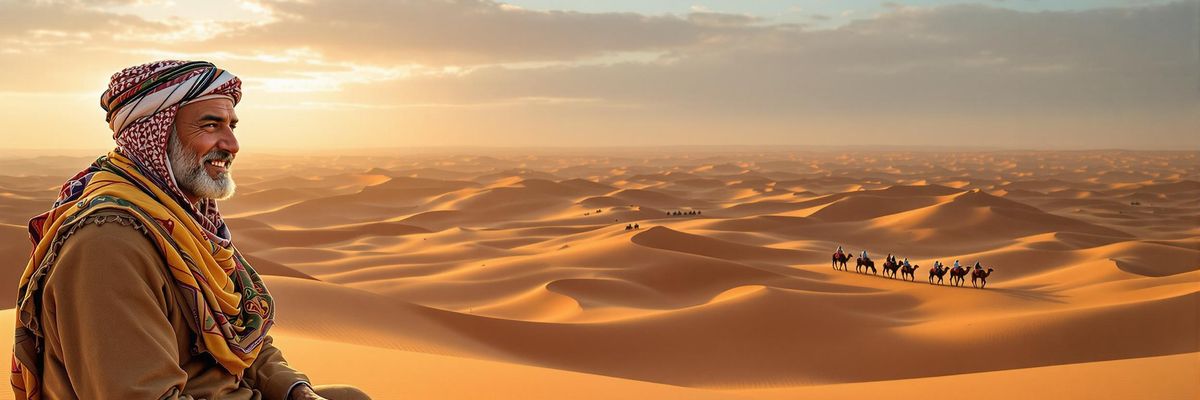
Embrace the cooler temperatures and experience the International Festival of the Sahara in Douz this December.
View More
Celebrate the year-end festivities in Accra, culminating in the vibrant Afrofuture festival.
View More Albania EDITION
 Algeria EDITION
 Argentina EDITION
 Armenia EDITION
 Australia EDITION
 Austria EDITION
 Bangladesh EDITION
 Belgium EDITION
 Belize EDITION
 Benin EDITION
 Bhutan EDITION
 Bolivia EDITION
 Bosnia and Herzegovina EDITION
 Botswana EDITION
 Brazil EDITION
 Bulgaria EDITION
 Burkina Faso EDITION
 Cambodia EDITION
 Cameroon EDITION
 Canada EDITION
 Central African Republic EDITION
 Chad EDITION
 Chile EDITION
 China EDITION
 Colombia EDITION
 Costa Rica EDITION
 Croatia EDITION
 Cyprus EDITION
 Denmark EDITION
 Djibouti EDITION
 Ecuador EDITION
 Egypt EDITION
 El Salvador EDITION
 Eritrea EDITION
 Estonia EDITION
 Ethiopia EDITION
 Finland EDITION
 France EDITION
 Gabon EDITION
 Georgia EDITION
 Germany EDITION
 Ghana EDITION
 Greece EDITION
 Guatemala EDITION
 Guinea EDITION
 Guinea-Bissau EDITION
 Honduras EDITION
 Hungary EDITION
 Iceland EDITION
 India EDITION
 Indonesia EDITION
 Ireland EDITION
 Israel EDITION
 Italy EDITION
 Jamaica EDITION
 Japan EDITION
 Jordan EDITION
 Kenya EDITION
 Kuwait EDITION
 Laos EDITION
 Latvia EDITION
 Lebanon EDITION
 Lesotho EDITION
 Liberia EDITION
 Lithuania EDITION
 Luxembourg EDITION
 Madagascar EDITION
 Malawi EDITION
 Malaysia EDITION
 Maldives EDITION
 Mali EDITION
 Malta EDITION
 Mauritania EDITION
 Mauritius EDITION
 Mexico EDITION
 Mongolia EDITION
 Montenegro EDITION
 Morocco EDITION
 Mozambique EDITION
 Namibia EDITION
 Nepal EDITION
 Netherlands EDITION
 New Zealand EDITION
 Nicaragua EDITION
 Niger EDITION
 Nigeria EDITION
 Norway EDITION
 Oman EDITION
 Pakistan EDITION
 Panama EDITION
 Papua New Guinea EDITION
 Paraguay EDITION
 Peru EDITION
 Philippines EDITION
 Poland EDITION
 Portugal EDITION
 Qatar EDITION
 Romania EDITION
 Rwanda EDITION
 Saudi Arabia EDITION
 Senegal EDITION
 Serbia EDITION
 Singapore EDITION
 Slovakia EDITION
 Slovenia EDITION
 Somalia EDITION
 South Africa EDITION
 South Korea EDITION
 Spain EDITION
 Sri Lanka EDITION
 Suriname EDITION
 Sweden EDITION
 Switzerland EDITION
 Tanzania EDITION
 Thailand EDITION
 Tunisia EDITION
 Uganda EDITION
 United Arab Emirates EDITION
 United Kingdom EDITION
 Uruguay EDITION
 Venezuela EDITION
 Vietnam EDITION
 Zambia EDITION
 Zimbabwe EDITION
Subscribe to our newsletter and get the most captivating travel stories, hidden gems, and expert insights delivered straight to your inbox. As a subscriber, you’ll be first in line for exclusive content, premium offers, and unforgettable travel experiences