


Destination Guide
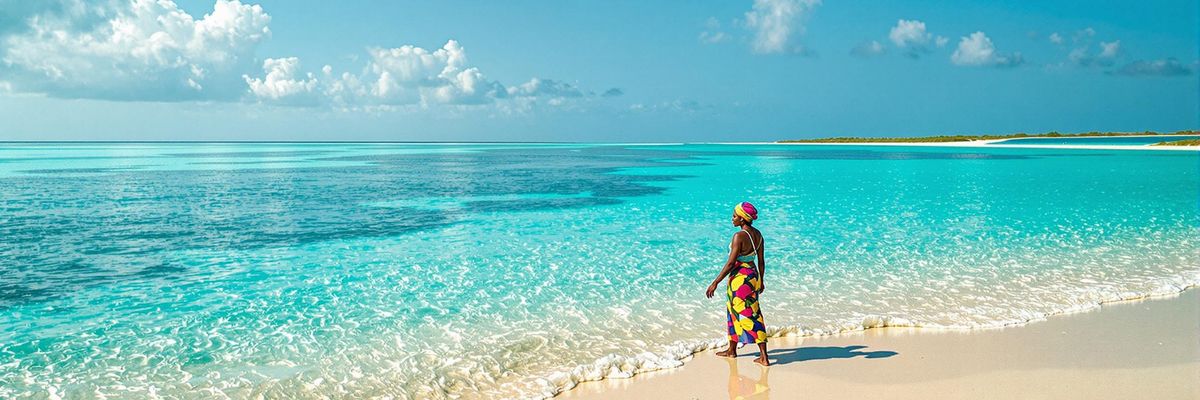
Xai-Xai: A Coastal Retreat
Relax on the beaches and explore the reefs of Xai-Xai.
View More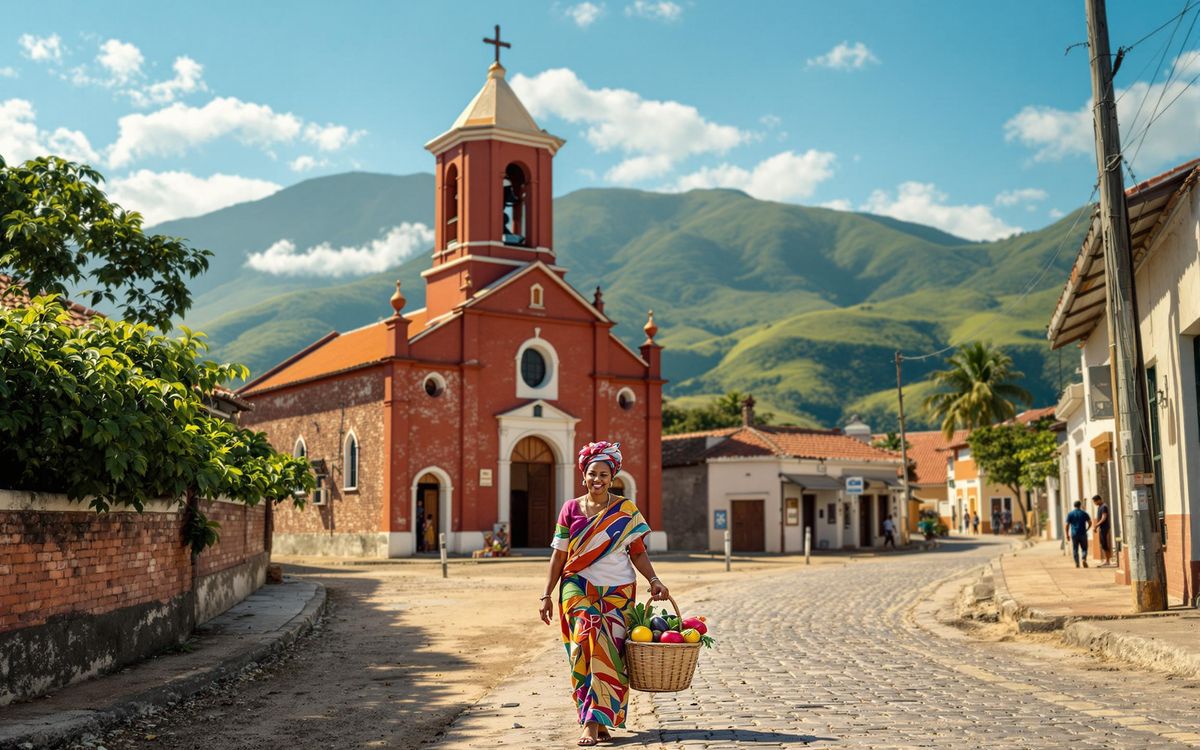

Moca, nestled high in the volcanic highlands of Bioko Island, Equatorial Guinea, offers a unique journey into the heart of Bubi culture. Here, traditions echo through colonial-era architecture and breathtaking natural landscapes, creating an unforgettable travel experience.
Venture into a world where ancient customs thrive amidst verdant hills and misty peaks. Moca invites you to discover the soul of the Bubi people, explore dramatic volcanic scenery, and experience a side of Africa few get to witness.
The journey begins in Malabo, the bustling capital of Equatorial Guinea. As you leave the city behind, the landscape transforms, the urban sprawl giving way to rolling hills blanketed in emerald green. The air grows cooler, carrying the scent of damp earth and exotic flora, signaling your ascent into the highlands.
Each twist and turn in the road brings you closer to Moca, anticipation building with every meter gained. Upon arrival, a sense of stepping back in time washes over you. Colonial-era buildings stand as silent witnesses to a rich history, while the faces of the local Bubi people reflect a deep connection to their heritage.
Moca served as a refuge for the Bubi people, a cultural stronghold where they preserved their traditions in the face of colonial influence. Named after King Moka (Möókáta), who ruled in the 19th century, the town remains a symbol of Bubi identity and resilience.
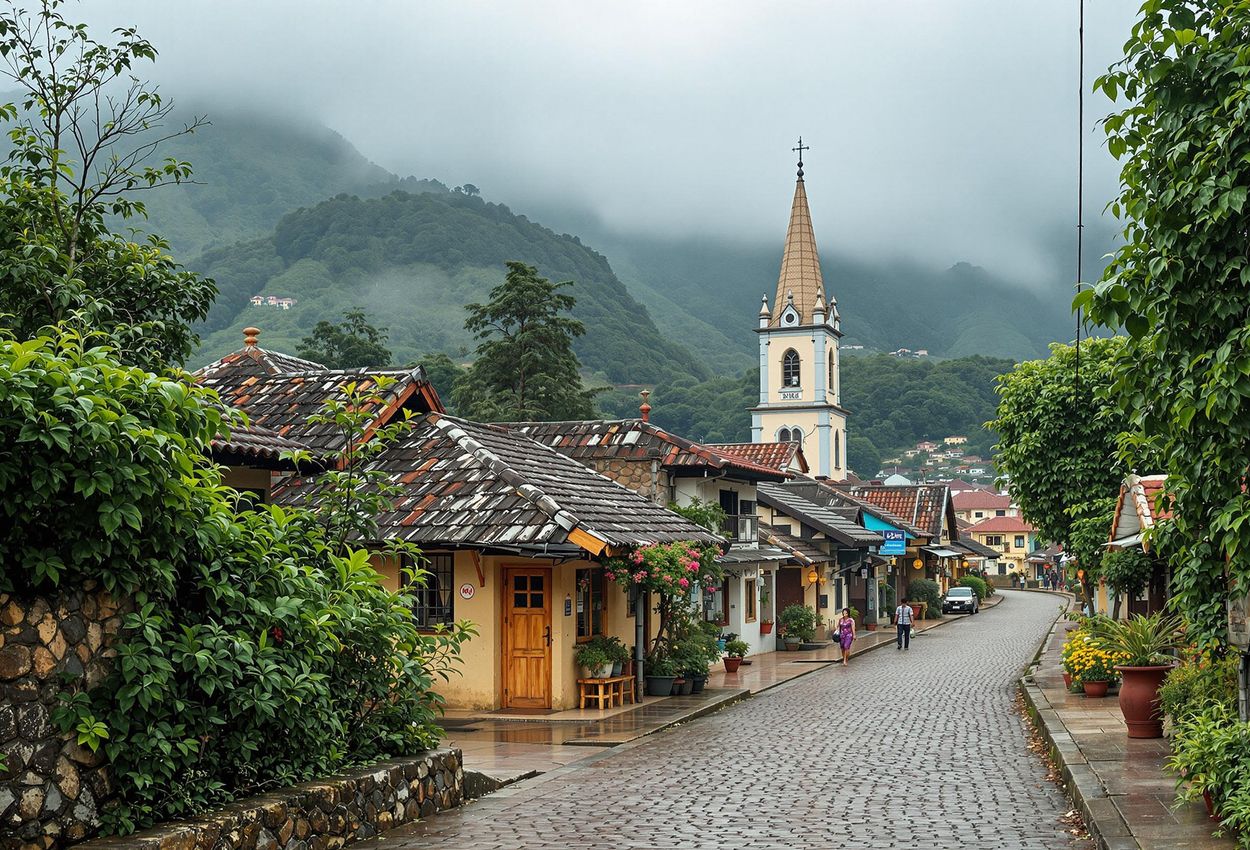
The highlands offer respite from the coastal heat, with temperatures averaging a comfortable 24-30°C (75-86°F) during the dry season from June to September, making it the ideal time to explore. The cooler climate is a welcome change, inviting you to immerse yourself in the tranquility of this highland escape.
In Moca, you're not just a tourist; you're an explorer, a cultural voyager, ready to uncover the secrets of a land where the past and present intertwine.
Local Tip: Engage with the local community respectfully. Learning a few basic Spanish phrases can greatly enhance your interactions and open doors to deeper cultural understanding.
Hidden Gem: Look for local artisans selling handcrafted goods. These unique souvenirs offer a tangible connection to Bubi culture and support the local economy.
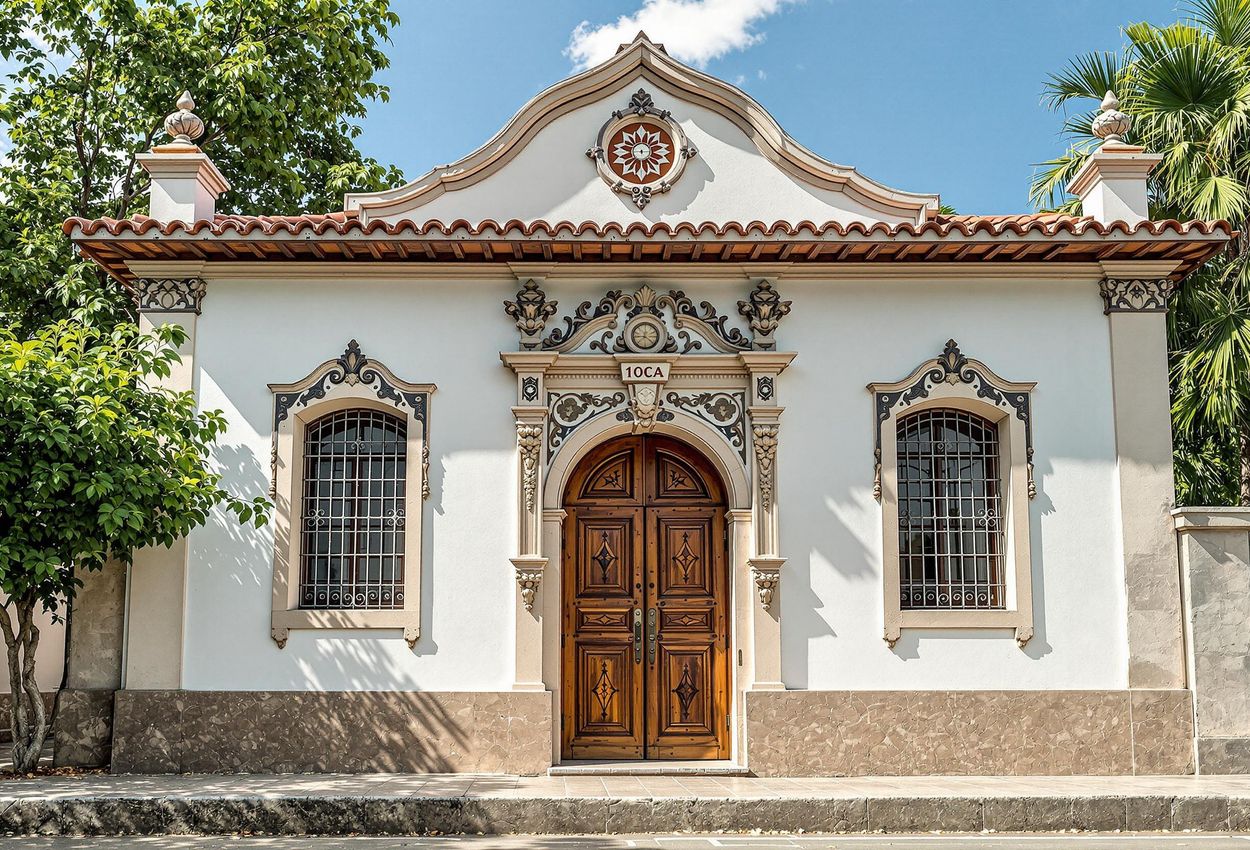
Moca's architecture is a captivating blend of Spanish colonial and Bubi influences, a testament to the town's layered history. The buildings tell stories of a past where two cultures met, sometimes clashed, but ultimately coexisted, leaving an indelible mark on the town's landscape.
The Spanish influence is evident in the use of materials like red brick and stone, common in colonial constructions. Yet, the Bubi aesthetic subtly integrates with the Spanish designs, creating a unique architectural style. Look closely, and you'll notice the use of local wood in balconies and window frames, adding an indigenous touch to the European structures.
La Casa de la Cultura stands as a prime example of this fusion. Once a Spanish administrative building, it now serves as a cultural center, promoting Equatoguinean heritage. Its sturdy brick facade is softened by intricate wooden carvings, a visual representation of the blending of cultures.
Other notable structures include the town's older residences, many featuring wide verandas, reminiscent of Spanish haciendas, but adapted to the highland climate. These verandas offer stunning views of the surrounding landscape, a practical design element that also enhances the aesthetic appeal of the buildings.
Preservation efforts are underway to maintain Moca's architectural heritage. Local organizations and government initiatives are working to restore these buildings, recognizing their importance in preserving the town's identity.
Walking through Moca is like strolling through an open-air museum, where each building is a chapter in the town's history. The architecture reflects Moca's transition from a colonial outpost to a modern town, a journey etched in stone, brick, and wood.
Local Tip: Visit La Casa de la Cultura to learn more about the history and architecture of Moca. The center often hosts exhibitions and workshops that provide deeper insights into the town's cultural heritage.
Hidden Gem: Explore the backstreets of Moca to discover hidden architectural details. Look for unique carvings, old signage, and other remnants of the town's past.
The Church of San Juan Bautista stands as a spiritual and architectural beacon in Moca, its presence deeply intertwined with the community's faith and history. The church is more than just a building; it's a symbol of resilience, a testament to the enduring power of faith in the face of cultural change.
Built with a blend of neo-Gothic and colonial styles, the church's red brick facade and towering bell tower dominate the skyline. The architecture reflects the influence of Spanish missionaries, who played a significant role in introducing Catholicism to the Bubi people.
Stepping inside, you're greeted by a serene atmosphere. Stained glass windows cast colorful patterns of light across the nave, illuminating the wooden pews and marble altars. The interior is adorned with religious artifacts, each carrying its own story and significance.
Catholicism plays a significant role in Bubi culture, often intertwined with traditional beliefs and practices. While many Bubi people identify as Catholic, they also maintain elements of their ancestral spirituality, creating a unique syncretic faith.
Local religious festivals and celebrations are often associated with the church, showcasing the community's vibrant faith and cultural traditions. These events are a blend of Catholic rituals and Bubi customs, a colorful display of music, dance, and religious devotion.
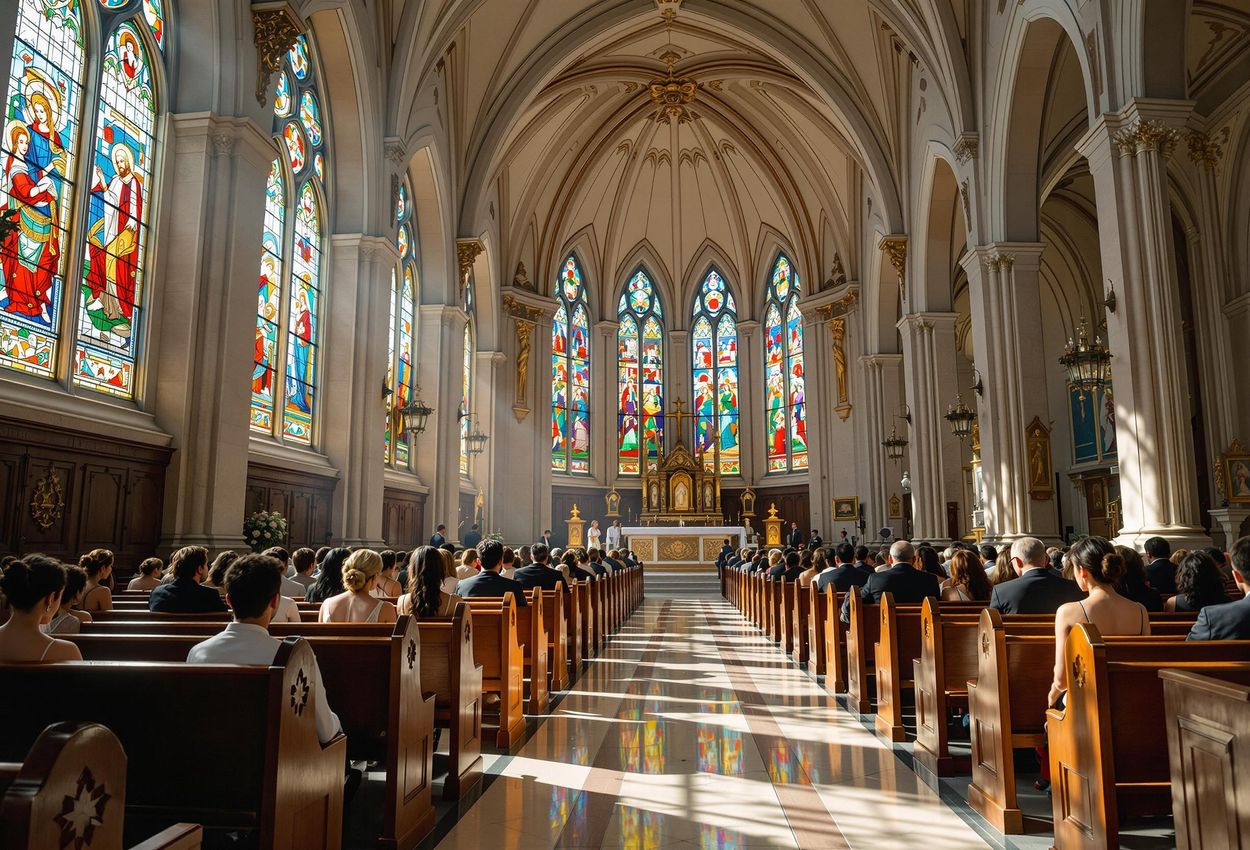
Local Quote: The Church of San Juan Bautista is the heart of our community, says Father Carlos, a local priest. It's a place where we come together to celebrate our faith, share our joys and sorrows, and preserve our traditions.
Local Tip: Attend a Sunday mass to experience the church's vibrant atmosphere and witness the community's devotion. Remember to dress respectfully.
Hidden Gem: Look for the small chapel dedicated to Our Lady of Lourdes, located near the church. This serene space offers a quiet retreat for prayer and reflection.
Immerse yourself in the vibrant traditions of the Bubi people, the indigenous inhabitants of Bioko Island. Their culture, shaped by centuries of isolation and resilience, offers a unique glimpse into Equatorial Guinea's rich heritage.
Traditional Bubi clothing often features colorful textiles and intricate patterns, reflecting the community's artistic skills and cultural identity. Music and dance play a central role in Bubi celebrations, with rhythmic drumming, melodic chants, and energetic movements that tell stories of their history and beliefs.
Bubi art and crafts are renowned for their intricate wood carvings and pottery. These creations often depict scenes from daily life, ancestral figures, or symbolic representations of their spiritual beliefs.
The Bubi language, known as Bube, is an essential part of their cultural identity. Efforts are underway to preserve and promote the language, ensuring its survival for future generations.
Bubi society is traditionally matrilineal, meaning that lineage and inheritance are traced through the mother's side. This unique social structure reflects the important role of women in Bubi culture.
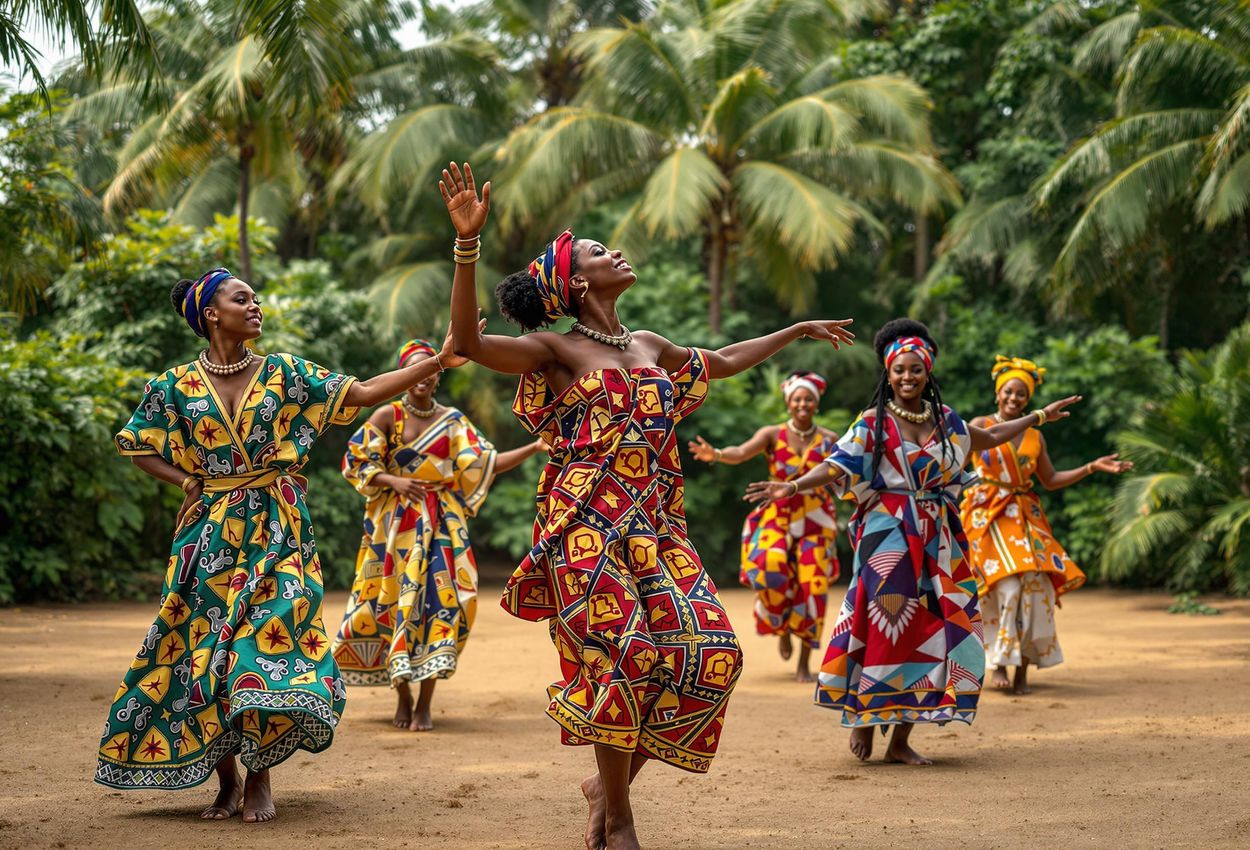
Local Tip: Attend a cultural performance to experience Bubi music and dance firsthand. These events offer a vibrant and immersive glimpse into their traditions.
Hidden Gem: Seek out local artisans who create traditional Bubi crafts. Purchasing their work directly supports the community and helps preserve their cultural heritage.
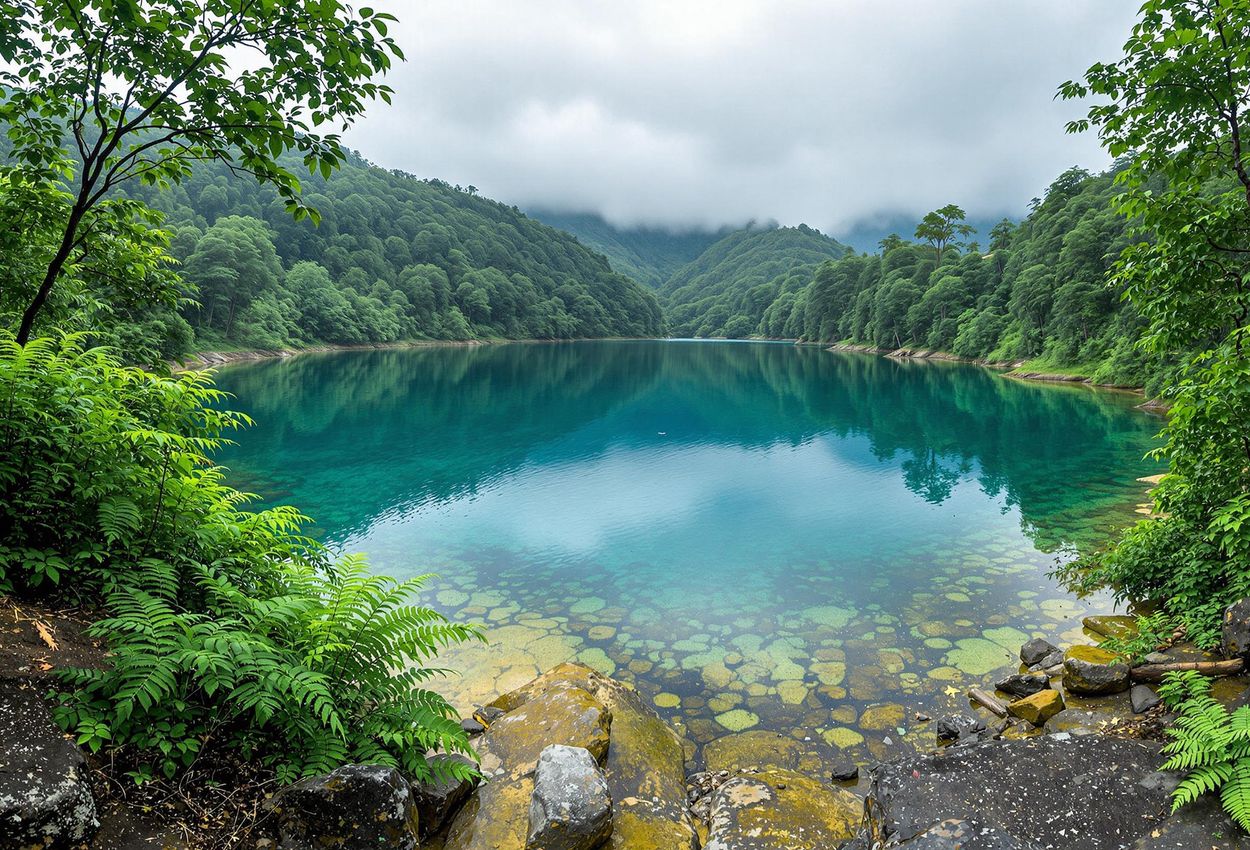
Embark on an unforgettable hike to Lake Biao, also known as Lake Moka, a stunning crater lake atop a dormant volcano. This natural paradise offers breathtaking views and a chance to connect with Bioko Island's volcanic landscape.
The trail to Lake Biao winds through lush rainforest, offering glimpses of endemic flora and fauna. Keep an eye out for colorful birds and playful monkeys along the way. The hike takes approximately 2-3 hours, requiring a moderate level of fitness.
As you ascend, the vegetation thins, revealing panoramic views of the surrounding highlands. The air becomes crisp and cool, carrying the scent of volcanic earth.
Reaching the summit, you're rewarded with a breathtaking sight: Lake Biao, a crystal-clear lake nestled within the volcanic crater. The surrounding cliffs create a sense of serenity and isolation, a perfect escape from the hustle and bustle of daily life.
Practical Information: Hiking permits are required and can be obtained from the local tourism office. Hiring a local guide is highly recommended, as they can provide valuable insights into the area's history, ecology, and safety precautions.
What to Bring: Sturdy hiking shoes, plenty of water, snacks, sunscreen, a hat, and rain gear are essential for this hike.
Local Tip: Visit Lake Biao early in the morning to avoid crowds and enjoy the best views. The early morning light creates a magical atmosphere.
Hidden Gem: Take a refreshing dip in the lake's cool waters (if permitted and safe). It's a unique way to experience this volcanic paradise.
For the adventurous traveler, hiking Moca Volcano offers an unparalleled experience. The trail leads to the summit, revealing unique volcanic landscapes and breathtaking views of Bioko Island.
The hike is challenging, requiring a good level of physical fitness. The terrain is steep and rocky, but the rewards are well worth the effort.
As you ascend, the landscape transforms, the lush rainforest giving way to volcanic rock and sparse vegetation. The air thins, and the views expand with every step.
Reaching the summit, you're greeted by a panoramic vista. The surrounding highlands stretch out before you, a tapestry of green hills and valleys. On a clear day, you can see the coastline and even Pico Basile, Bioko Island's highest peak.
The geological significance of Moca Volcano is evident in its unique landscape. Volcanic craters, lava flows, and thermal vents tell the story of the island's fiery past.
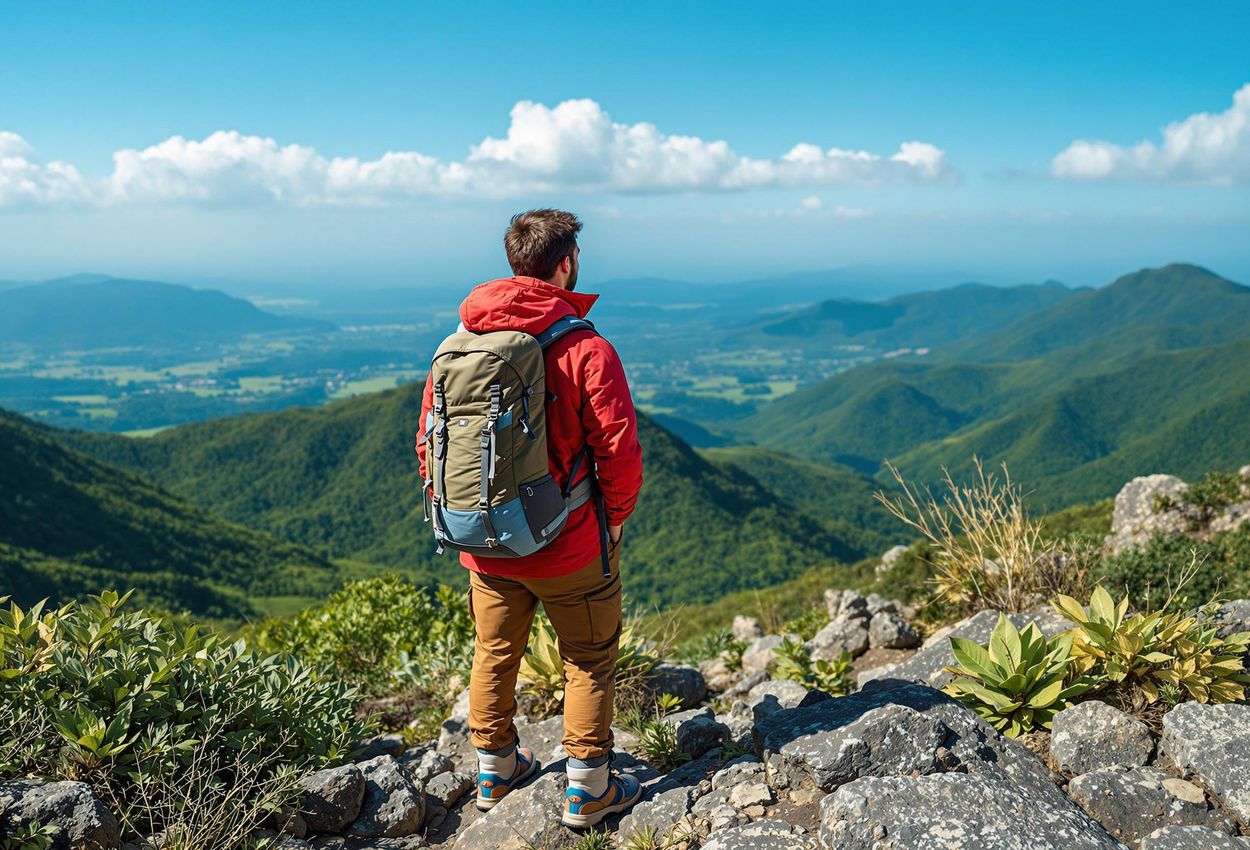
Safety Precautions: Check the weather conditions before embarking on the hike. Wear appropriate clothing and footwear. Bring plenty of water and snacks. Hike with a guide who is familiar with the terrain.
Local Tip: Start the hike early in the morning to avoid the midday heat. Allow ample time to reach the summit and descend safely.
Hidden Gem: Look for unique volcanic rock formations along the trail. These geological wonders offer a glimpse into the island's volcanic history.
Embark on a culinary journey through Moca, savoring the unique flavors of Bubi cuisine. Traditional dishes, prepared with local ingredients and time-honored techniques, offer a delicious glimpse into the community's culture.
Bubi cuisine features a variety of ingredients, including fresh seafood, tropical fruits, and indigenous vegetables. Cooking methods often involve grilling, stewing, and smoking, imparting distinct flavors to the dishes.
Visit local markets and eateries to sample traditional Bubi dishes. Engage with vendors and cooks, learning about their culinary traditions and the stories behind their recipes.
One popular dish is pepesup, a spicy fish soup made with local herbs and spices. The soup is a flavorful and hearty meal, perfect for warming up on a cool highland evening.

Recipe: Isopo (Bubi Yam Stew)
Ingredients:
Instructions:
Local Tip: Be adventurous and try new dishes. Don't be afraid to ask locals for recommendations.
Hidden Gem: Look for small, family-run eateries that serve traditional Bubi meals. These hidden gems often offer the most authentic culinary experiences.
Immerse yourself in the vibrant culture of Moca by attending local festivals and celebrations. These events showcase Bubi traditions through music, dance, costumes, and rituals.
The Bioko Island Moka Festival, typically held in late July or early August, is a major cultural event. The festival features traditional music and dance performances, culinary showcases, and artisan markets.
Other local celebrations may include harvest festivals, religious ceremonies, and community gatherings. These events offer a unique glimpse into the community's spirit and cultural heritage.
Attending a local celebration is an unforgettable experience, allowing you to connect with the Bubi people and witness their traditions firsthand.
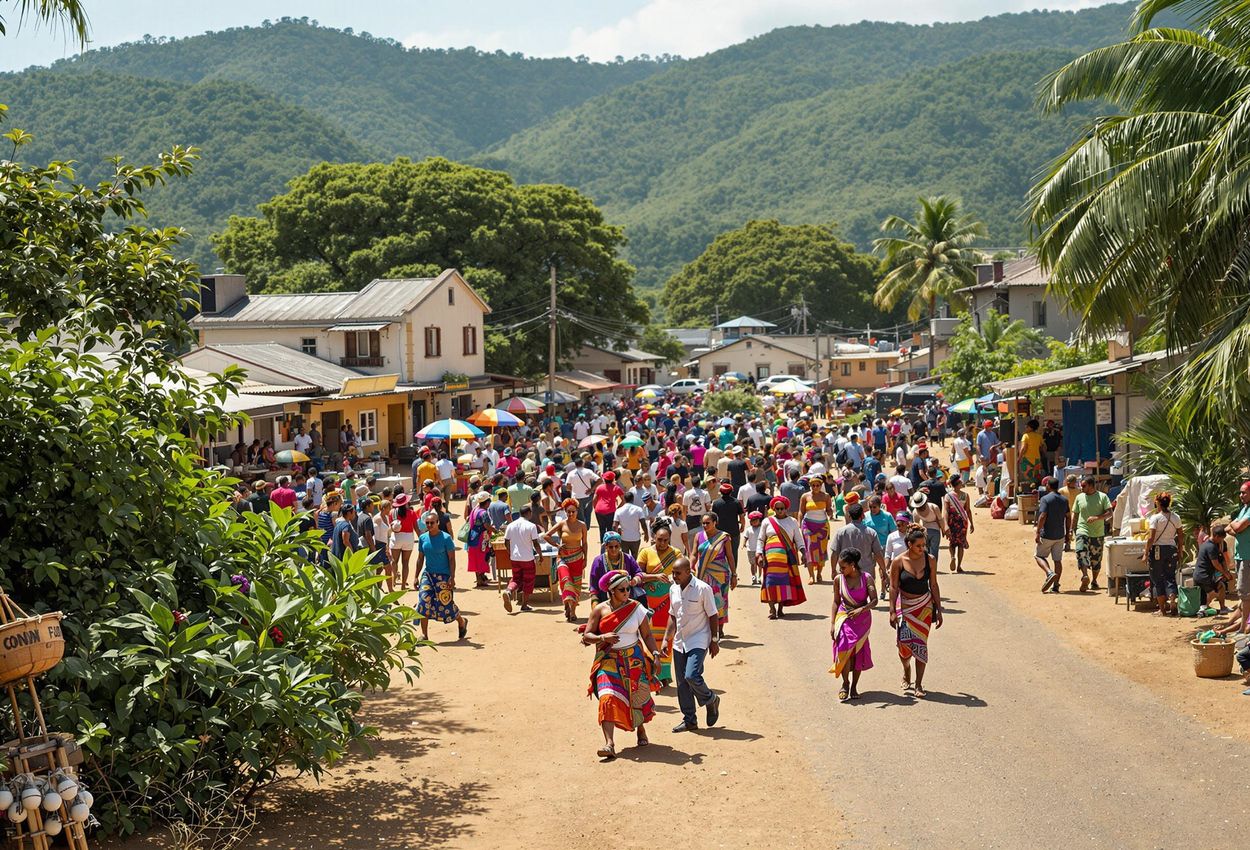
Local Tip: Check the local calendar for upcoming festivals and celebrations. Plan your visit accordingly to experience these cultural events.
Hidden Gem: Engage with the local community during festivals. Participate in dances, try local foods, and learn about the significance of the celebrations.
Venture off the beaten path and discover Moca's hidden gems, lesser-known attractions that offer a unique glimpse into local life. These secret spots reveal the town's authentic character and provide unforgettable experiences.
Seek out secluded waterfalls cascading through the rainforest. Explore traditional healers' workshops, learning about their ancient practices and remedies. Visit local artisans' studios, witnessing their creative process and purchasing unique handcrafted goods.
Exploring these hidden gems requires a sense of adventure and respect for local customs and traditions. Always ask for permission before entering private property or photographing people.
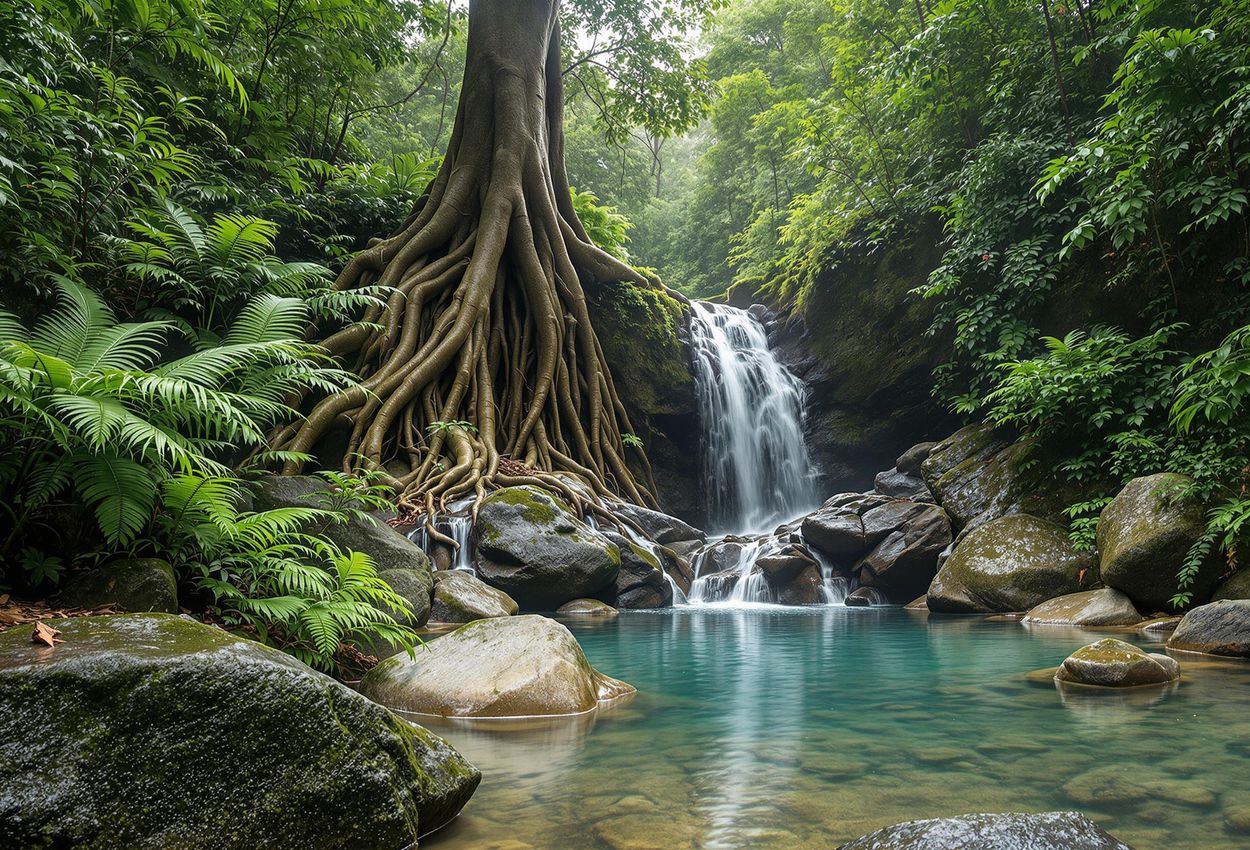
Local Tip: Ask locals for recommendations on hidden gems. They often know the best spots and can provide valuable insights.
Hidden Gem: Explore the surrounding hills and valleys, discovering hidden trails and scenic viewpoints.
Discover the rich biodiversity of Bioko Island at the Moka Wildlife Center BBPP. This center plays a crucial role in protecting the island's unique flora and fauna, including endemic species found nowhere else in the world.
The center is home to a variety of animals and plants, including primates, birds, reptiles, and amphibians. Conservation efforts focus on protecting these species and their habitats.
Visitors can support the center's work by taking guided tours, participating in educational programs, or volunteering their time.

Local Tip: Take a guided tour of the center to learn about the island's biodiversity and conservation efforts. Support the center's work by making a donation or purchasing souvenirs.
Hidden Gem: Explore the trails surrounding the center, keeping an eye out for unique wildlife sightings. Remember to respect the animals and their habitat.
As you leave Moca, you carry with you not just memories of stunning landscapes and unique architecture, but also a deep appreciation for the resilience and cultural richness of the Bubi people. This highland escape offers a journey into the heart of a unique culture, a reminder of the importance of preserving traditions and respecting the natural world.
Our editors` picks of the latest and greatest in travel - delivered to your inbox daily
Relax on the beaches and explore the reefs of Xai-Xai.
View More
Embrace the cooler temperatures and experience the International Festival of the Sahara in Douz this December.
View More
Celebrate the year-end festivities in Accra, culminating in the vibrant Afrofuture festival.
View More Albania EDITION
 Algeria EDITION
 Argentina EDITION
 Armenia EDITION
 Australia EDITION
 Austria EDITION
 Bangladesh EDITION
 Belgium EDITION
 Belize EDITION
 Benin EDITION
 Bhutan EDITION
 Bolivia EDITION
 Bosnia and Herzegovina EDITION
 Botswana EDITION
 Brazil EDITION
 Bulgaria EDITION
 Burkina Faso EDITION
 Cambodia EDITION
 Cameroon EDITION
 Canada EDITION
 Central African Republic EDITION
 Chad EDITION
 Chile EDITION
 China EDITION
 Colombia EDITION
 Costa Rica EDITION
 Croatia EDITION
 Cyprus EDITION
 Denmark EDITION
 Djibouti EDITION
 Ecuador EDITION
 Egypt EDITION
 El Salvador EDITION
 Eritrea EDITION
 Estonia EDITION
 Ethiopia EDITION
 Finland EDITION
 France EDITION
 Gabon EDITION
 Georgia EDITION
 Germany EDITION
 Ghana EDITION
 Greece EDITION
 Guatemala EDITION
 Guinea EDITION
 Guinea-Bissau EDITION
 Honduras EDITION
 Hungary EDITION
 Iceland EDITION
 India EDITION
 Indonesia EDITION
 Ireland EDITION
 Israel EDITION
 Italy EDITION
 Jamaica EDITION
 Japan EDITION
 Jordan EDITION
 Kenya EDITION
 Kuwait EDITION
 Laos EDITION
 Latvia EDITION
 Lebanon EDITION
 Lesotho EDITION
 Liberia EDITION
 Lithuania EDITION
 Luxembourg EDITION
 Madagascar EDITION
 Malawi EDITION
 Malaysia EDITION
 Maldives EDITION
 Mali EDITION
 Malta EDITION
 Mauritania EDITION
 Mauritius EDITION
 Mexico EDITION
 Mongolia EDITION
 Montenegro EDITION
 Morocco EDITION
 Mozambique EDITION
 Namibia EDITION
 Nepal EDITION
 Netherlands EDITION
 New Zealand EDITION
 Nicaragua EDITION
 Niger EDITION
 Nigeria EDITION
 Norway EDITION
 Oman EDITION
 Pakistan EDITION
 Panama EDITION
 Papua New Guinea EDITION
 Paraguay EDITION
 Peru EDITION
 Philippines EDITION
 Poland EDITION
 Portugal EDITION
 Qatar EDITION
 Romania EDITION
 Rwanda EDITION
 Saudi Arabia EDITION
 Senegal EDITION
 Serbia EDITION
 Singapore EDITION
 Slovakia EDITION
 Slovenia EDITION
 Somalia EDITION
 South Africa EDITION
 South Korea EDITION
 Spain EDITION
 Sri Lanka EDITION
 Suriname EDITION
 Sweden EDITION
 Switzerland EDITION
 Tanzania EDITION
 Thailand EDITION
 Tunisia EDITION
 Uganda EDITION
 United Arab Emirates EDITION
 United Kingdom EDITION
 Uruguay EDITION
 Venezuela EDITION
 Vietnam EDITION
 Zambia EDITION
 Zimbabwe EDITION
Subscribe to our newsletter and get the most captivating travel stories, hidden gems, and expert insights delivered straight to your inbox. As a subscriber, you’ll be first in line for exclusive content, premium offers, and unforgettable travel experiences