


Destination Guide
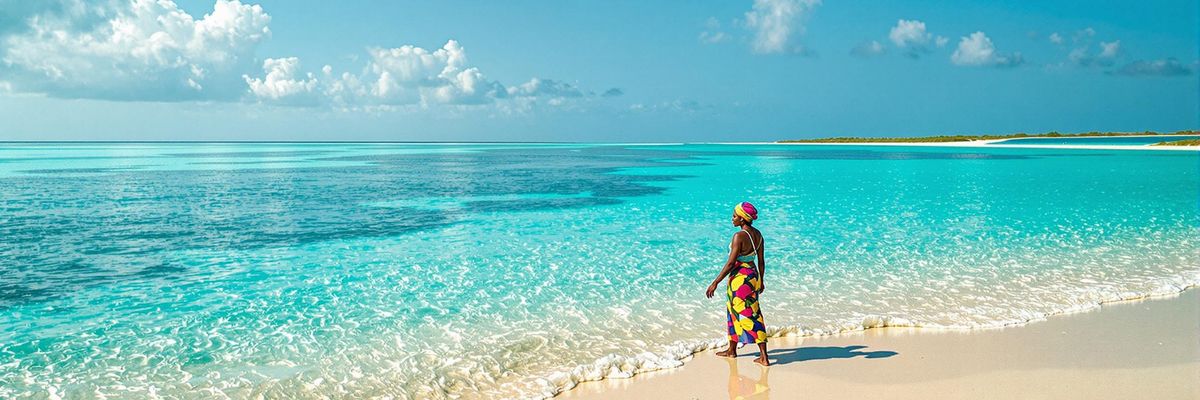
Xai-Xai: A Coastal Retreat
Relax on the beaches and explore the reefs of Xai-Xai.
View More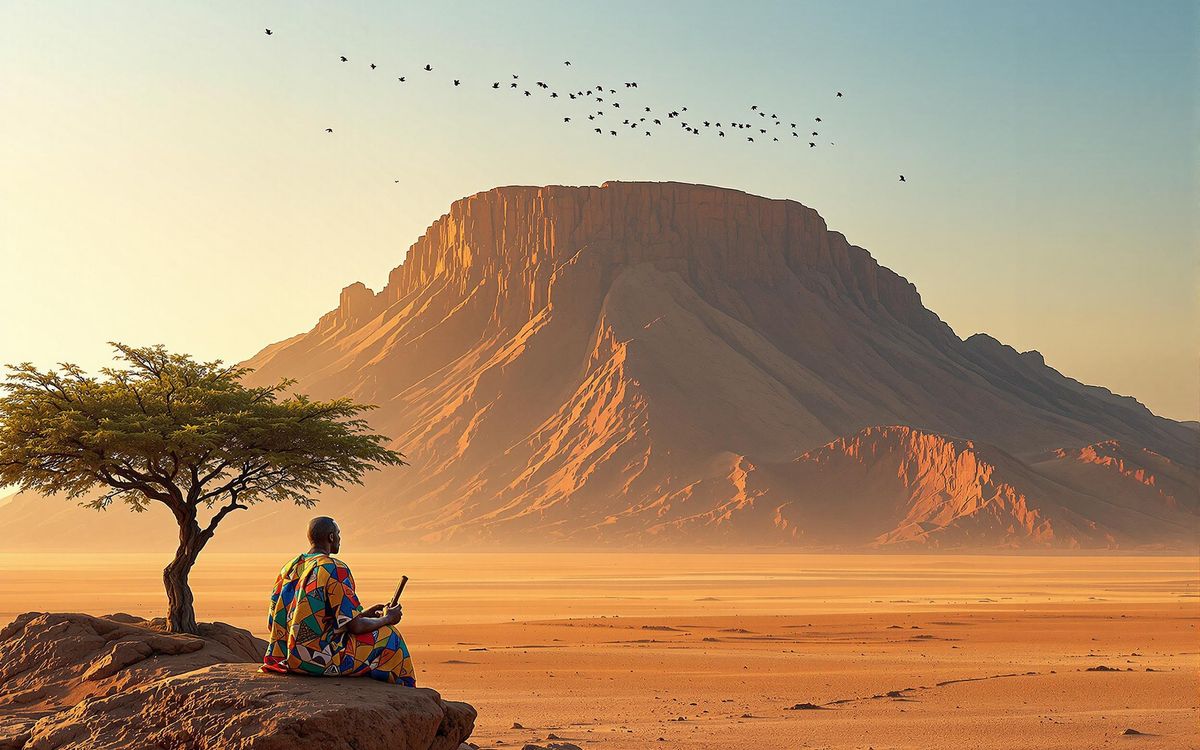

Dare to ascend Mount Hombori, Mali's majestic sentinel, where adventure intertwines with ancient history, offering an unparalleled journey for intrepid travelers.
In the heart of Mali, where the Sahara's golden hues meet the vibrant cultures of West Africa, rises Mount Hombori, the nation's highest peak. This geological marvel, a beacon for adventurous souls, presents a unique blend of challenging climbs, ecological wonders, and echoes of civilizations past. The journey to Hombori is an adventure in itself, a tapestry woven with the sights and sounds of rural Mali.
The adventure begins in Mopti, a bustling port city where the Niger and Bani rivers converge. From here, the road to Hombori village unfolds via a taxi-brousse, a shared bush taxi that embodies the spirit of communal travel. The landscape transforms as you venture further east, the flat expanse gradually giving way to the dramatic rock formations that herald the approach to Mount Hombori. These sandstone cliffs, sculpted by millennia of wind and weather, stand as silent guardians of the mountain's secrets, beckoning climbers and history enthusiasts alike.
The allure of Mount Hombori lies not only in its height but also in its distinctive table-top shape, a testament to its geological history. Unlike the monotonous plains that surround it, Hombori is an island of biodiversity, a refuge for plant and animal species found nowhere else in the region. This ecological richness, combined with the mountain's archaeological significance, makes it a destination that appeals to both the adventurous climber and the culturally curious traveler.
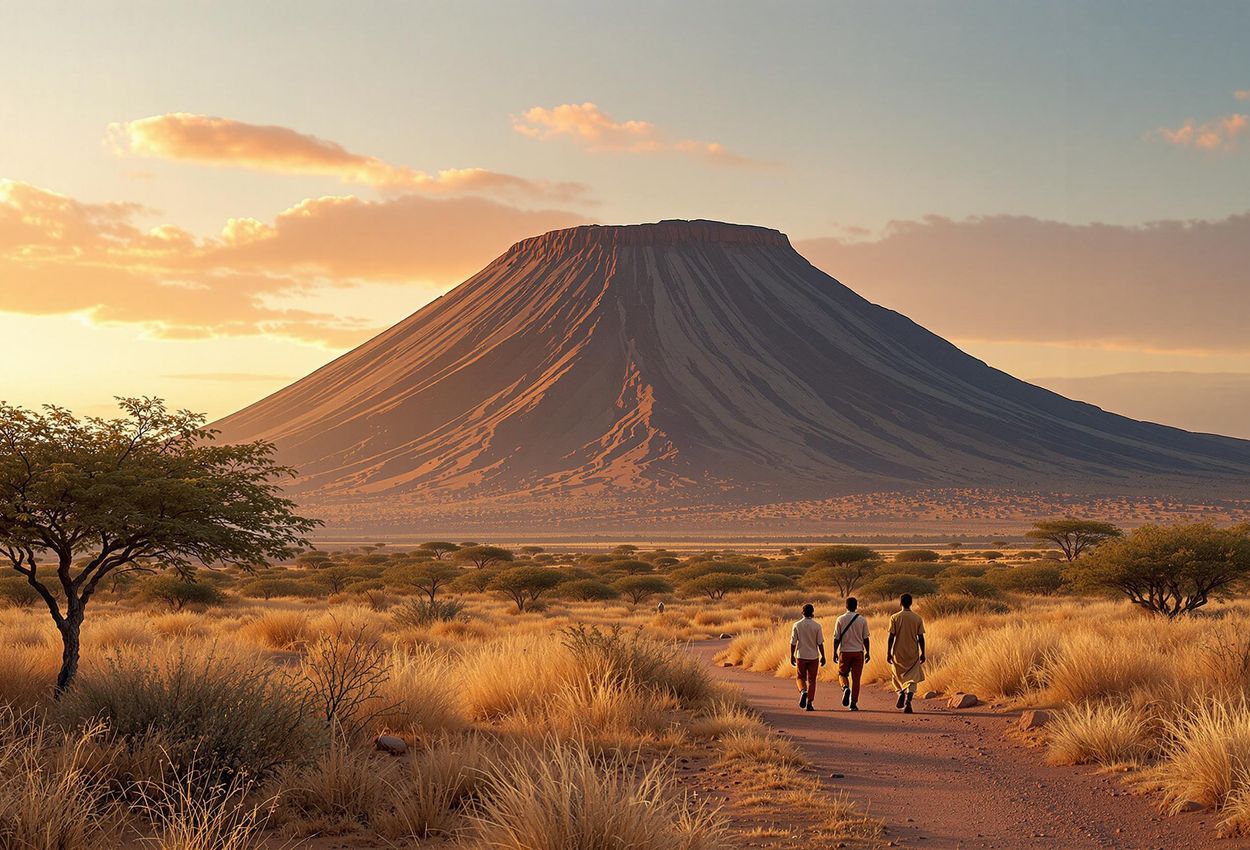
The ascent of Mount Hombori is a rewarding challenge, a trek that tests your mettle while unveiling breathtaking vistas of the Malian landscape.
The Mount Hombori trek, a 10- to 15-kilometer journey, is classified as moderately difficult, requiring a reasonable level of fitness and a spirit of adventure. The trail winds its way up the mountain's steep slopes, passing through rocky terrain and sparse vegetation. While not technically demanding, the ascent features several steep sections near the summit that call for careful footing and a good pair of hiking boots.
As you climb higher, the panoramic views begin to unfold, revealing the vastness of the Malian landscape. From the summit, the world stretches out before you, a tapestry of ochre-colored earth, dotted with acacia trees and the occasional village. On a clear day, it is said that you can even catch a glimpse of the Niger River snaking its way through the plains, a lifeline for the communities that depend on its waters.
The final scramble to the summit is perhaps the most exhilarating part of the trek. Using ropes and the occasional handhold, you'll navigate the last few meters to the top, where a sense of accomplishment washes over you as you stand on the highest point in Mali. The panoramic views from the summit are simply breathtaking, a reward for the effort expended in reaching this lofty perch.
The sense of solitude and serenity on the summit is palpable, a world away from the hustle and bustle of daily life. Take a moment to soak in the silence, to appreciate the vastness of the landscape, and to reflect on the journey that has brought you to this extraordinary place. It's an experience that will stay with you long after you've descended the mountain.

Mount Hombori's unique ecosystem is a testament to its isolation, a haven for biodiversity in the heart of the Sahel.
Rising dramatically from the surrounding flatlands, Mount Hombori fosters a unique ecological environment, a haven for plant and animal life that has adapted to its distinct conditions. The mountain's elevation and rocky terrain create a microclimate that supports a greater diversity of species than the surrounding plains, making it a valuable refuge for biodiversity in the Sahel region.
The summit plateau of Mount Hombori, spanning approximately two square kilometers, is home to an estimated 150 different plant species. This is a remarkable figure considering that the surrounding 10,000 square kilometers of flatlands contain only about 200 species. The lack of cattle grazing on the summit, due to the sheer cliffs that protect it, has allowed the flora to flourish, creating a vibrant tapestry of plant life.
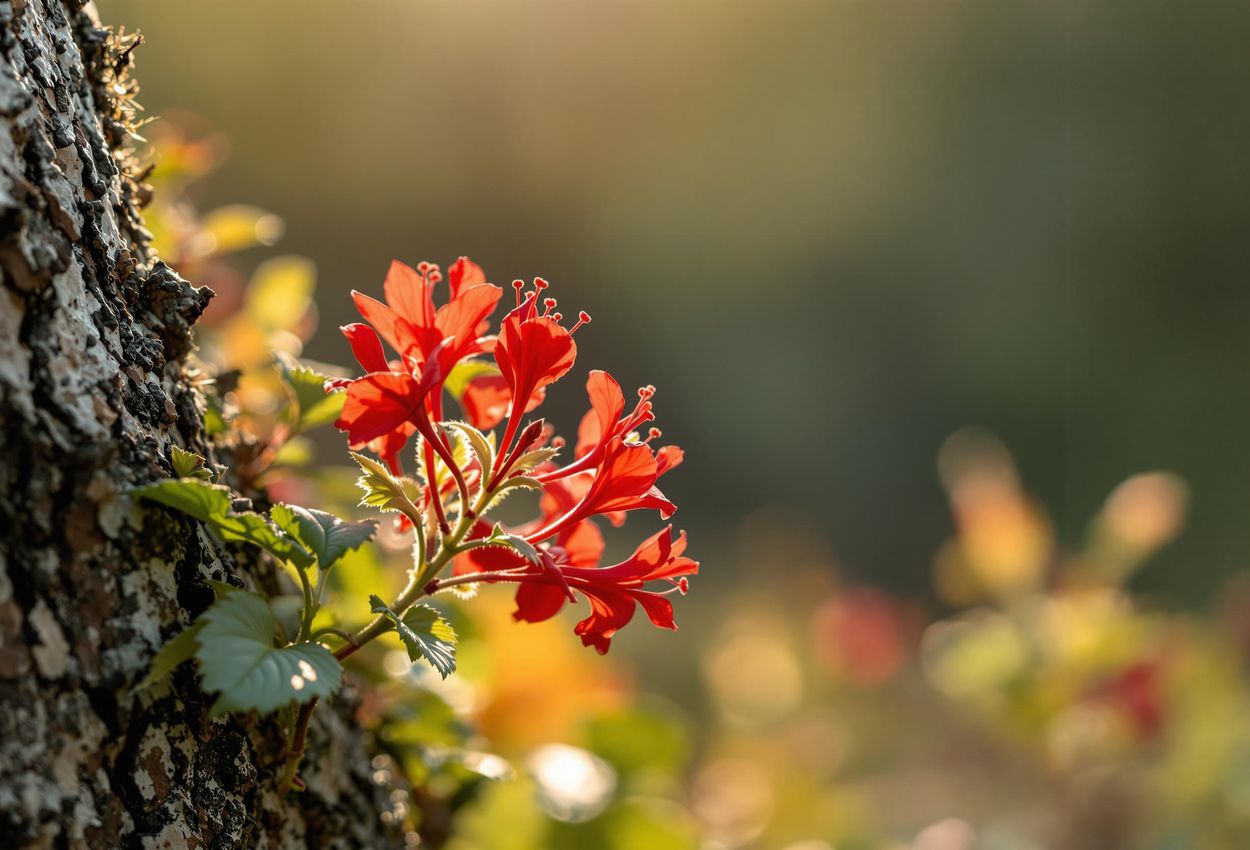
Among the notable plant species found on Mount Hombori is the Bombax costatum, a striking tree with vibrant red flowers that blooms during the dry season. For many plant species, Mount Hombori represents the northernmost point of their distribution, highlighting its importance as a refuge for southern species. The mountain's unique ecosystem also supports a variety of animal species, including reptiles, birds, and mammals such as the rock hyrax and olive baboon.
The ecological significance of Mount Hombori extends beyond its biodiversity. The mountain's vegetation plays a crucial role in preventing soil erosion and maintaining water quality in the region. The trees and plants act as a natural sponge, absorbing rainwater and releasing it slowly, helping to regulate the flow of streams and rivers. The mountain's ecosystem also provides habitat for a variety of pollinators, which are essential for the reproduction of many plant species.
Delve into the ancient history of Mount Hombori, where caves whisper tales of civilizations past.
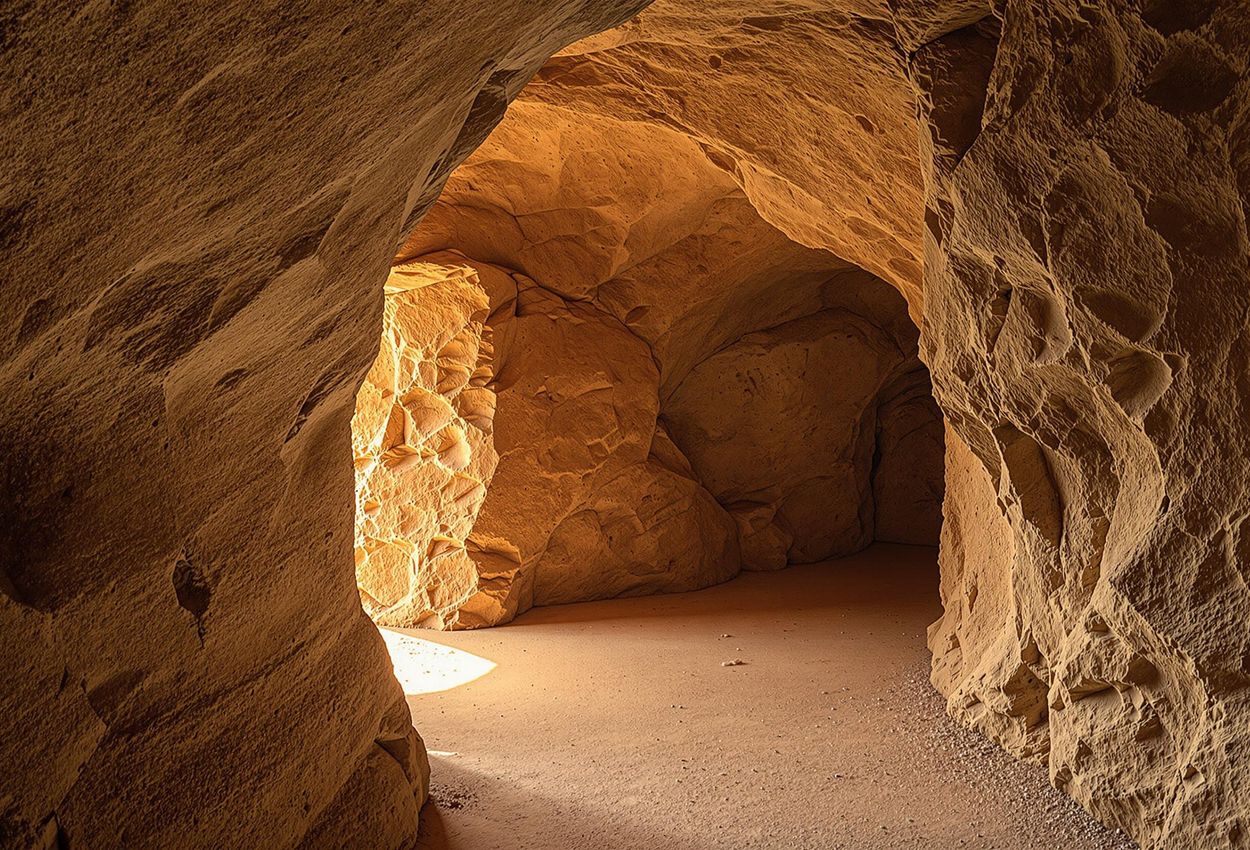
Mount Hombori is not only a natural wonder but also an archaeological treasure trove, with caves that bear witness to human habitation dating back over 2,000 years. These caves, carved into the sandstone cliffs, offer a glimpse into the lives of the ancient peoples who sought refuge and sustenance in this isolated mountain.
The Dogon people, renowned for their unique culture and cliffside villages, have a long and intertwined history with the Hombori region. While their most famous settlements are located further east, along the Bandiagara Escarpment, the Dogon have traditionally used Mount Hombori as a hunting ground and a source of medicinal plants. The mountain's caves may have also served as temporary shelters for Dogon families during times of conflict.
Prior to the arrival of the Dogon, the Hombori cliffs were inhabited by the Tellem people, an ancient civilization known for their distinctive burial practices. The Tellem constructed elaborate tombs high in the cliffs, placing the remains of their deceased in pottery vessels and wooden coffins. While most of the Tellem tombs have been looted over the centuries, there is still potential for discovering more about this enigmatic culture through archaeological research on Mount Hombori.
Exploring the caves of Mount Hombori is like stepping back in time, a chance to connect with the ancient peoples who once called this mountain home. The walls of the caves are adorned with faint traces of rock art, depicting animals, human figures, and geometric patterns. These ancient paintings offer a tantalizing glimpse into the beliefs and customs of the people who created them.
Plan your Hombori adventure with care, prioritizing safety and respecting local customs.
Embarking on a journey to Mount Hombori requires careful planning and a keen awareness of the local conditions. While the mountain offers a rewarding experience for adventurous travelers, it's essential to prioritize safety and respect the cultural norms of the communities you encounter.
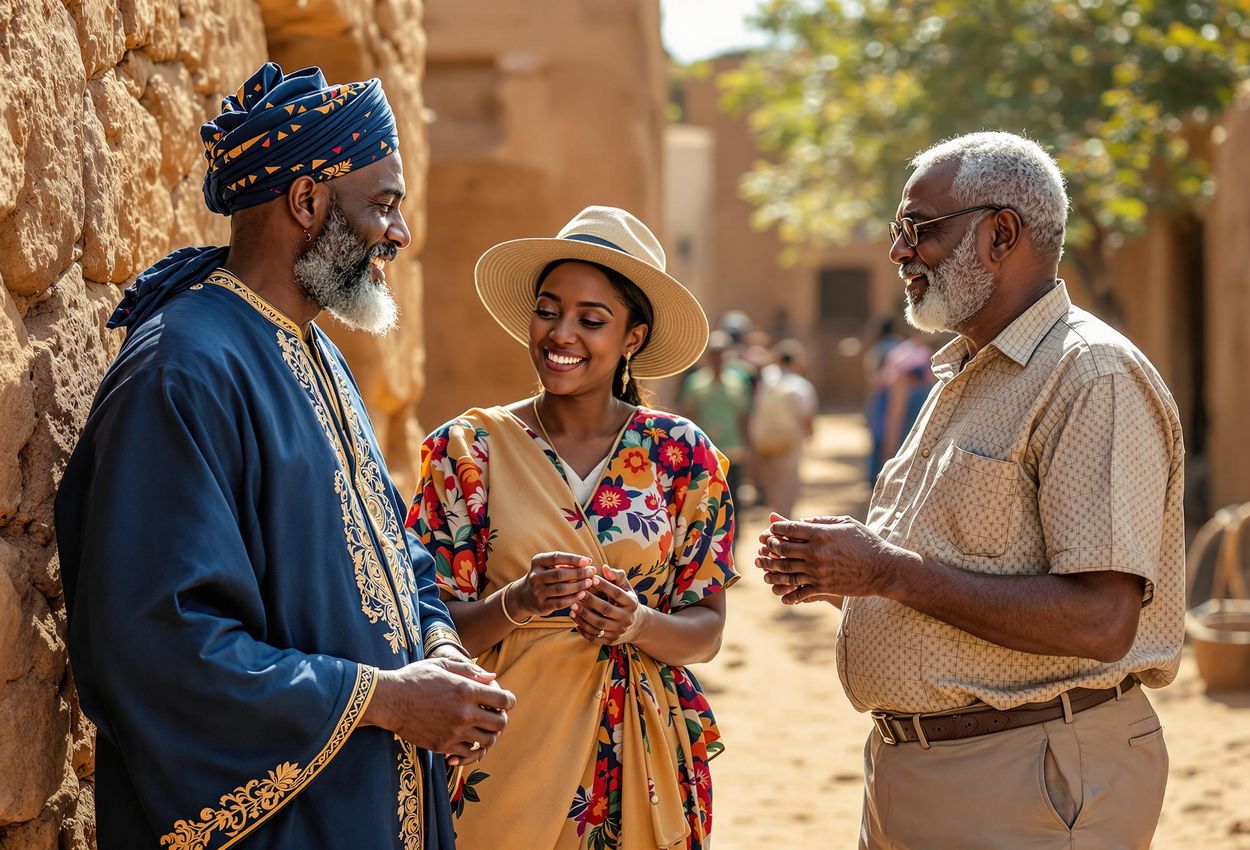
Hiring a local guide in Hombori village is highly recommended for anyone planning to trek Mount Hombori. These guides possess invaluable knowledge of the terrain, the local flora and fauna, and the mountain's history and legends. They can also assist with navigating the trail, ensuring your safety, and providing insights into the local culture.
Due to the challenging terrain and the potential for unforeseen circumstances, it's crucial to take necessary safety precautions when trekking Mount Hombori. Wear sturdy hiking boots, carry plenty of water and snacks, and inform someone of your hiking plans. Be aware of the weather conditions, as sudden storms can occur, and avoid hiking alone. It is also important to note that travel advisories are in place for Mali due to security concerns. Travelers should exercise extreme caution and stay informed about the latest safety recommendations from their government.
In addition to safety concerns, it's essential to be mindful of the local customs and traditions. Dress modestly, especially when visiting villages, and ask for permission before taking photographs. Be respectful of the local culture and avoid engaging in behavior that could be considered offensive. Learning a few basic phrases in the local language, such as greetings and expressions of gratitude, can go a long way in building rapport with the local people.
Our editors` picks of the latest and greatest in travel - delivered to your inbox daily
Relax on the beaches and explore the reefs of Xai-Xai.
View More
Embrace the cooler temperatures and experience the International Festival of the Sahara in Douz this December.
View More
Celebrate the year-end festivities in Accra, culminating in the vibrant Afrofuture festival.
View More Albania EDITION
 Algeria EDITION
 Argentina EDITION
 Armenia EDITION
 Australia EDITION
 Austria EDITION
 Bangladesh EDITION
 Belgium EDITION
 Belize EDITION
 Benin EDITION
 Bhutan EDITION
 Bolivia EDITION
 Bosnia and Herzegovina EDITION
 Botswana EDITION
 Brazil EDITION
 Bulgaria EDITION
 Burkina Faso EDITION
 Cambodia EDITION
 Cameroon EDITION
 Canada EDITION
 Central African Republic EDITION
 Chad EDITION
 Chile EDITION
 China EDITION
 Colombia EDITION
 Costa Rica EDITION
 Croatia EDITION
 Cyprus EDITION
 Denmark EDITION
 Djibouti EDITION
 Ecuador EDITION
 Egypt EDITION
 El Salvador EDITION
 Eritrea EDITION
 Estonia EDITION
 Ethiopia EDITION
 Finland EDITION
 France EDITION
 Gabon EDITION
 Georgia EDITION
 Germany EDITION
 Ghana EDITION
 Greece EDITION
 Guatemala EDITION
 Guinea EDITION
 Guinea-Bissau EDITION
 Honduras EDITION
 Hungary EDITION
 Iceland EDITION
 India EDITION
 Indonesia EDITION
 Ireland EDITION
 Israel EDITION
 Italy EDITION
 Jamaica EDITION
 Japan EDITION
 Jordan EDITION
 Kenya EDITION
 Kuwait EDITION
 Laos EDITION
 Latvia EDITION
 Lebanon EDITION
 Lesotho EDITION
 Liberia EDITION
 Lithuania EDITION
 Luxembourg EDITION
 Madagascar EDITION
 Malawi EDITION
 Malaysia EDITION
 Maldives EDITION
 Mali EDITION
 Malta EDITION
 Mauritania EDITION
 Mauritius EDITION
 Mexico EDITION
 Mongolia EDITION
 Montenegro EDITION
 Morocco EDITION
 Mozambique EDITION
 Namibia EDITION
 Nepal EDITION
 Netherlands EDITION
 New Zealand EDITION
 Nicaragua EDITION
 Niger EDITION
 Nigeria EDITION
 Norway EDITION
 Oman EDITION
 Pakistan EDITION
 Panama EDITION
 Papua New Guinea EDITION
 Paraguay EDITION
 Peru EDITION
 Philippines EDITION
 Poland EDITION
 Portugal EDITION
 Qatar EDITION
 Romania EDITION
 Rwanda EDITION
 Saudi Arabia EDITION
 Senegal EDITION
 Serbia EDITION
 Singapore EDITION
 Slovakia EDITION
 Slovenia EDITION
 Somalia EDITION
 South Africa EDITION
 South Korea EDITION
 Spain EDITION
 Sri Lanka EDITION
 Suriname EDITION
 Sweden EDITION
 Switzerland EDITION
 Tanzania EDITION
 Thailand EDITION
 Tunisia EDITION
 Uganda EDITION
 United Arab Emirates EDITION
 United Kingdom EDITION
 Uruguay EDITION
 Venezuela EDITION
 Vietnam EDITION
 Zambia EDITION
 Zimbabwe EDITION
Subscribe to our newsletter and get the most captivating travel stories, hidden gems, and expert insights delivered straight to your inbox. As a subscriber, you’ll be first in line for exclusive content, premium offers, and unforgettable travel experiences