


Destination Guide
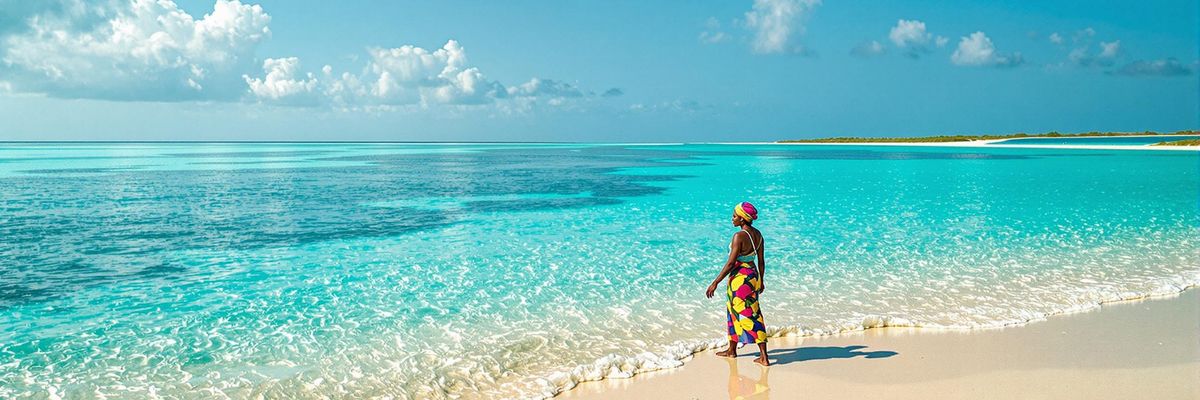
Xai-Xai: A Coastal Retreat
Relax on the beaches and explore the reefs of Xai-Xai.
View More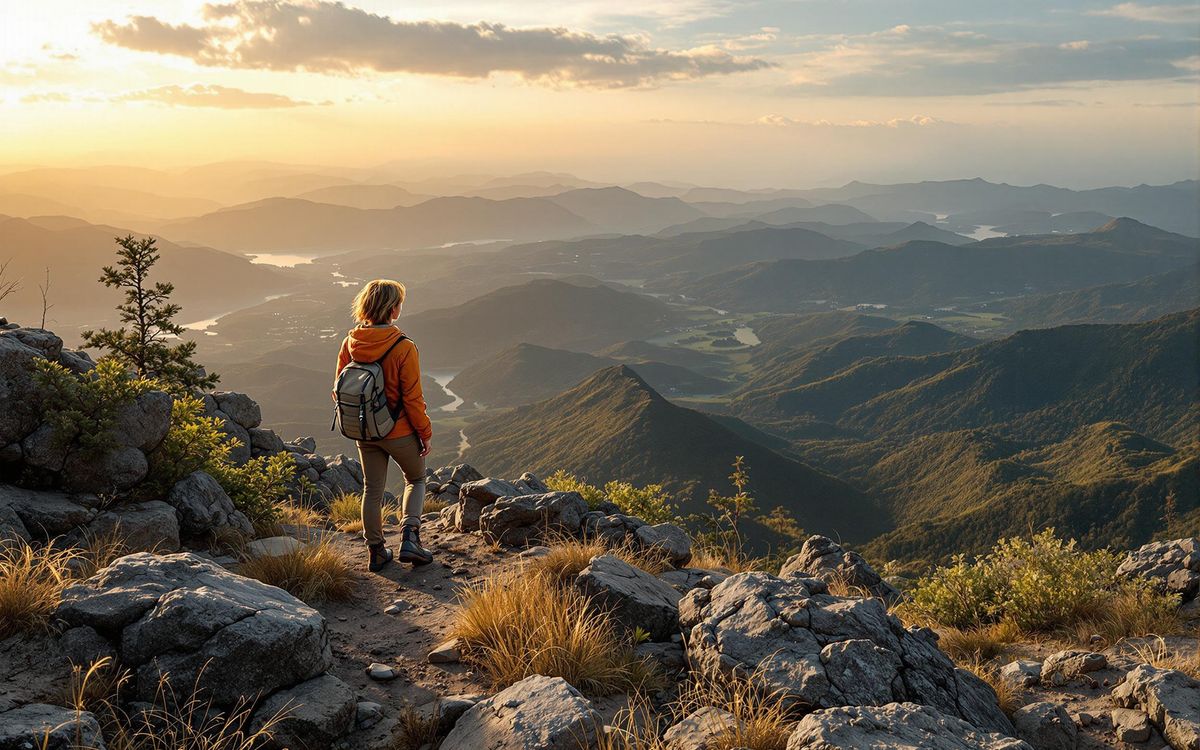
Embark on an unforgettable journey to Mount Nimba, a natural wonder straddling the borders of Côte d'Ivoire, Guinea, and Liberia. This UNESCO World Heritage Site, crowned as the highest peak in West Africa, offers intrepid travelers a chance to explore its diverse ecosystems, encounter rare wildlife, and immerse themselves in breathtaking panoramic vistas.
Prepare to be captivated by the allure of Mount Nimba, a destination that promises both adventure and a deep connection with nature. Whether you're an avid hiker, a wildlife enthusiast, or simply seeking an escape from the ordinary, Mount Nimba invites you to discover its hidden trails and unlock the secrets of its pristine wilderness.
Summiting West Africa's Giants
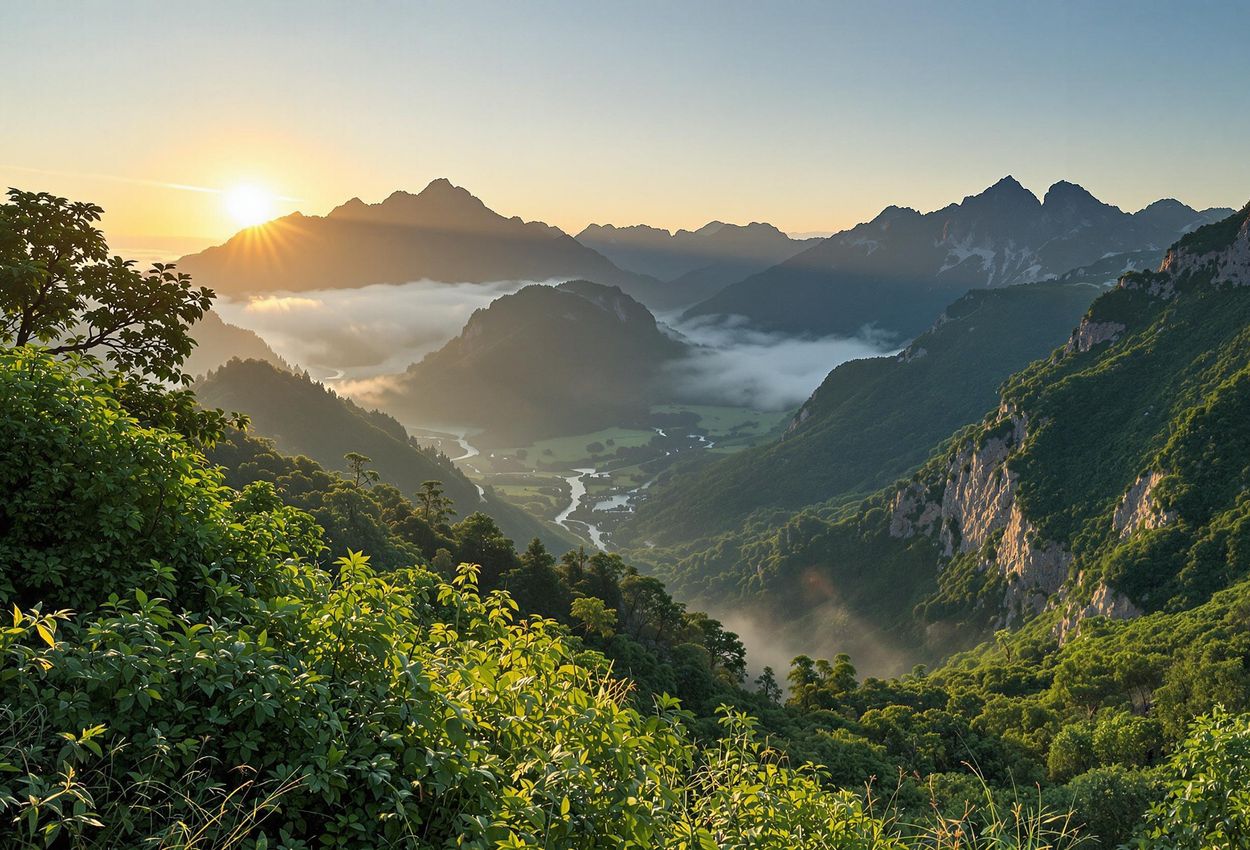
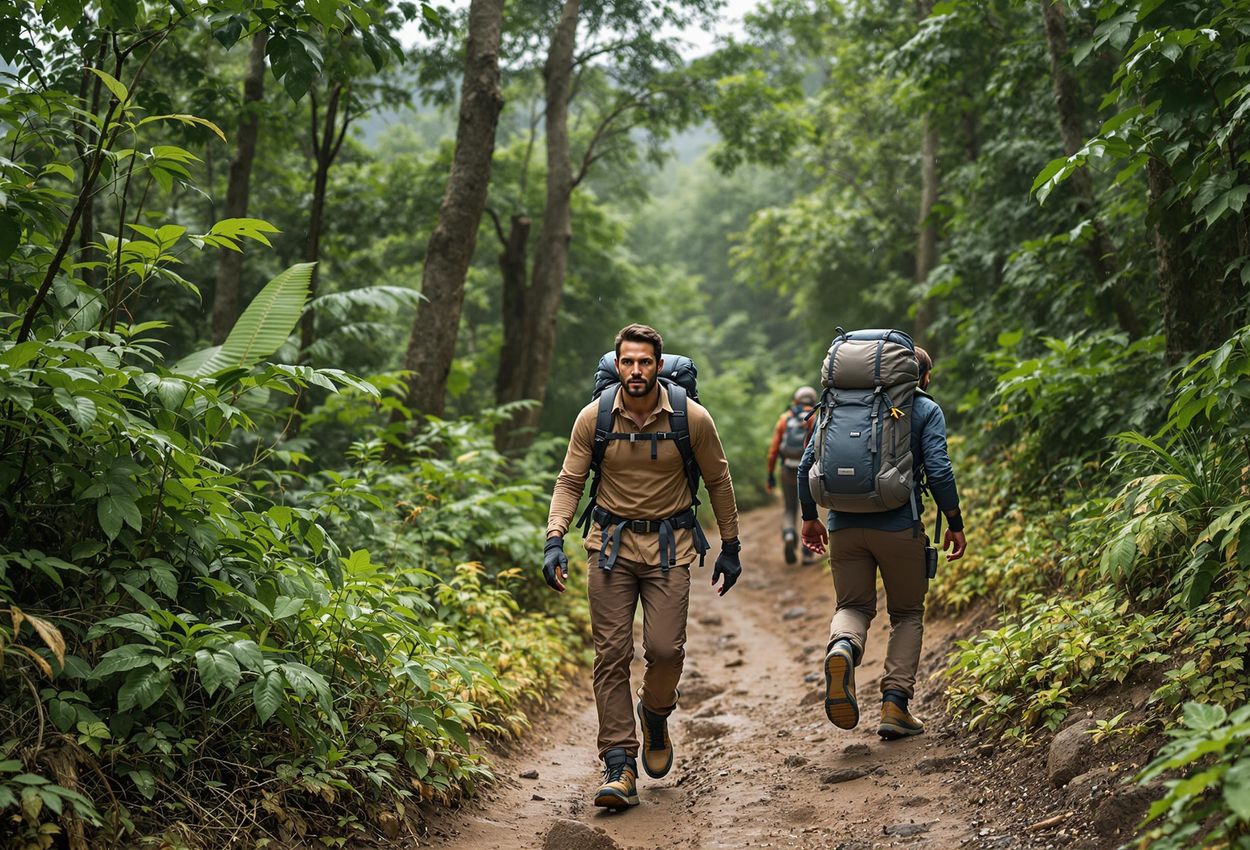
The ascent to the peak of Mount Nimba is an experience that will test your limits and reward you with unparalleled beauty. The Nimba Peak Trail, stretching approximately 10 km, typically requires 5-7 hours to complete, presenting a moderate to difficult challenge for hikers. The terrain is a mix of steep inclines, rocky paths, and muddy sections, demanding sturdy hiking boots and a good level of fitness. As you ascend, you'll traverse through a tapestry of ecosystems, from the lush embrace of tropical rainforests to the windswept expanse of montane grasslands.
The trail winds its way through a landscape teeming with life, where vibrant flora and unique fauna thrive. Keep an eye out for colorful birds flitting through the canopy, playful monkeys swinging from tree to tree, and a dazzling array of butterflies dancing in the sunlight. The air is alive with the sounds of the forest, a symphony of chirps, rustles, and the gentle murmur of hidden streams. The scent of damp earth and exotic blossoms fills your nostrils, creating an immersive sensory experience.
As you climb higher, the trees begin to thin, revealing panoramic vistas that stretch as far as the eye can see. The rolling hills and verdant valleys of Côte d'Ivoire and Guinea unfold before you, a breathtaking tapestry of nature's artistry. The sense of accomplishment grows with each step, fueling your determination to reach the summit.
Finally, after hours of exertion, you'll reach the pinnacle of Mount Nimba, the highest point in West Africa. Here, at an elevation of 1,752 meters (5,750 feet), you'll be rewarded with a vista that will forever be etched in your memory. The world stretches out beneath you, a vast expanse of green and gold, with distant peaks fading into the horizon. Take a moment to soak it all in, to feel the cool mountain air on your skin, and to appreciate the sheer majesty of nature.
The descent from the summit is equally rewarding, offering a different perspective on the landscape you've conquered. As you make your way back down, reflect on the challenges you've overcome and the beauty you've witnessed. The memory of summiting West Africa's giant will stay with you long after you've left its slopes.
Chasing Waterfalls and Rare Wildlife
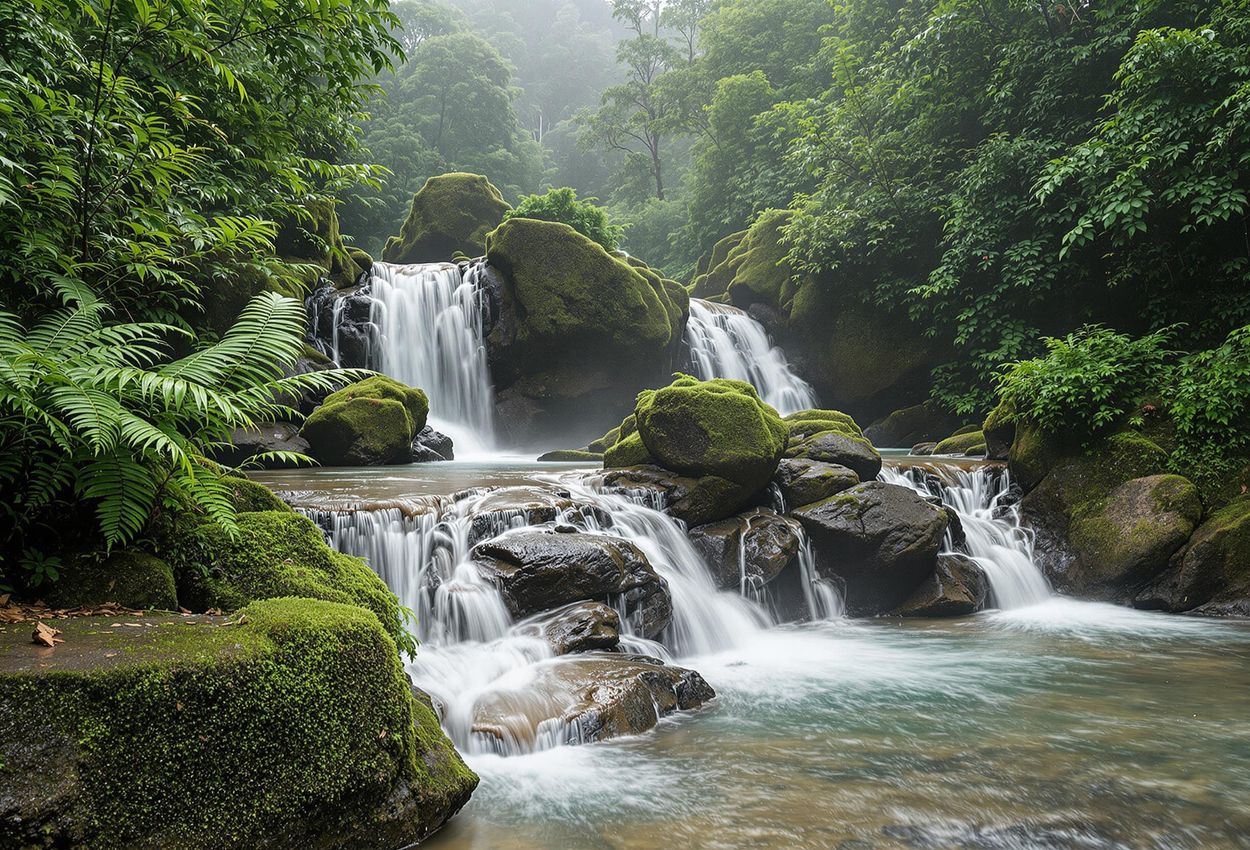
Mount Nimba Strict Nature Reserve is a sanctuary of biodiversity, harboring a wealth of natural treasures that extend far beyond its towering peak. Cascading waterfalls, teeming with life, punctuate the landscape, offering refreshing respites and captivating photo opportunities. These pristine waters carve their way through the reserve, nourishing the surrounding ecosystems and creating a haven for countless species.
The reserve is home to over 2,000 plant species, a testament to its exceptional botanical richness. From towering trees to delicate orchids, the flora of Mount Nimba is a sight to behold. The air is thick with the scent of exotic blossoms, and the forest floor is carpeted with a vibrant tapestry of ferns, mosses, and fungi.
But it's the wildlife of Mount Nimba that truly sets it apart. The reserve is a refuge for a remarkable array of creatures, including the endemic Nimba Toad, a critically endangered amphibian found nowhere else on Earth. Keep an eye out for playful monkeys swinging through the trees, colorful birds flitting through the canopy, and a dazzling array of butterflies dancing in the sunlight.
For those seeking a truly unforgettable experience, chimpanzee tracking offers a chance to observe these intelligent primates in their natural habitat. Witness their complex social interactions, their tool-using skills, and their playful antics as they navigate the forest. It's a humbling and awe-inspiring experience that will leave you with a newfound appreciation for the wonders of the natural world.
The diverse ecosystems of Mount Nimba provide a haven for a multitude of species, each playing a vital role in the delicate balance of nature. From the depths of the rainforest to the heights of the montane grasslands, every corner of the reserve is teeming with life, waiting to be discovered.

Navigating the Trails: A Hiker's Handbook
Planning a hiking adventure to Mount Nimba requires careful consideration and preparation. The best time to visit is during the dry season, which spans from November to March. During these months, the weather is more predictable, with less rainfall and clearer skies, making the trails more accessible and the views more spectacular.
Packing the right gear is essential for a comfortable and safe hiking experience. Be sure to bring plenty of drinking water to stay hydrated, as well as energy-boosting snacks to keep you fueled throughout the day. Sunscreen is a must to protect your skin from the sun's rays, and a rain jacket is recommended in case of unexpected showers. A camera is essential for capturing the breathtaking scenery, and sturdy hiking boots are crucial for navigating the rugged terrain.
Getting to Mount Nimba involves a journey to Félix-Houphouët-Boigny International Airport in Abidjan, Côte d'Ivoire. From there, you can arrange transportation to the nearest town, which serves as a gateway to the reserve. Local transportation options within the reserve are limited, with hiking being the primary mode of transport.
Before embarking on your hike, it's important to familiarize yourself with the trails and their difficulty levels. The Nimba Peak Trail is a popular option for experienced hikers, while shorter, less challenging trails are available for those with less experience. Be sure to check the weather forecast before you set out, and be prepared for changing conditions.
Whether you're a seasoned hiker or a novice adventurer, Mount Nimba offers a rewarding and unforgettable experience. With careful planning and preparation, you can navigate its trails with confidence and discover the wonders that await.
Lodging Near Nimba: Where to Rest Your Boots
After a day of hiking and exploring the wonders of Mount Nimba, finding a comfortable place to rest and rejuvenate is essential. While accommodations within the reserve itself are limited, several options are available in nearby towns and at the Nimba Ecolodge.
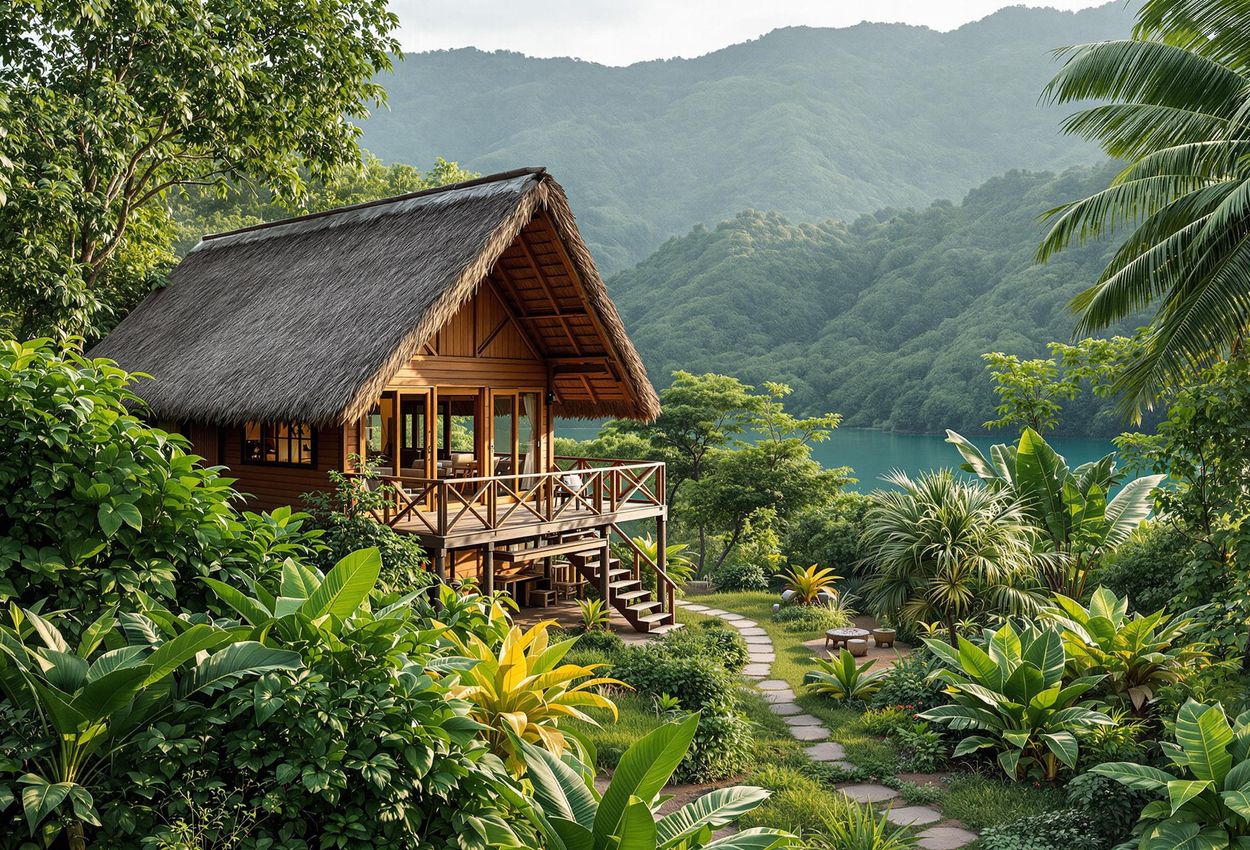
The Nimba Ecolodge and Reserve, situated near Blue Lake, offers a unique and immersive experience. Nestled in the heart of nature, this eco-friendly lodge provides a tranquil retreat where you can unwind and reconnect with the environment. The lodge features comfortable cabins, a restaurant serving local cuisine, and a swimming pool where you can cool off after a long day on the trails.
Nearby towns like Sanniquellie and Yekepa also offer a range of accommodation options, from budget-friendly guesthouses to more upscale hotels. These towns provide a convenient base for exploring Mount Nimba and the surrounding area. You'll find restaurants serving a variety of cuisines, as well as shops where you can stock up on supplies.
Staying in these locations allows you to immerse yourself in the local culture and experience the warmth and hospitality of the people who call this region home. Whether you choose to stay at the Nimba Ecolodge or in one of the nearby towns, you'll find a comfortable and welcoming place to rest your boots and prepare for your next adventure.
Responsible Tourism: Tread Lightly on Nimba
As a UNESCO World Heritage Site, Mount Nimba Strict Nature Reserve is a treasure of global significance, demanding our utmost respect and care. Responsible tourism practices are paramount to preserving the ecological integrity of this pristine wilderness for generations to come.
Adopting a 'leave no trace' approach is crucial when exploring the reserve. Pack out everything you pack in, dispose of waste properly, and avoid disturbing the natural environment. Stay on designated trails to minimize your impact on the fragile ecosystems, and refrain from collecting plants or disturbing wildlife.
The governments of Guinea and Côte d'Ivoire, along with organizations like the United Nations Development Programme (UNDP), are actively involved in conservation efforts to protect Mount Nimba's biodiversity. These efforts include monitoring wildlife populations, combating illegal activities, and promoting sustainable tourism practices.
Despite these efforts, Mount Nimba faces a number of threats, including climate change, habitat fragmentation, and illegal mining. By practicing responsible tourism and supporting conservation initiatives, we can help mitigate these threats and ensure the long-term survival of this natural wonder.
Remember, every action, no matter how small, can make a difference. By treading lightly on Nimba, we can help preserve its beauty and biodiversity for future generations to enjoy.
With a Guide: The Way to Go
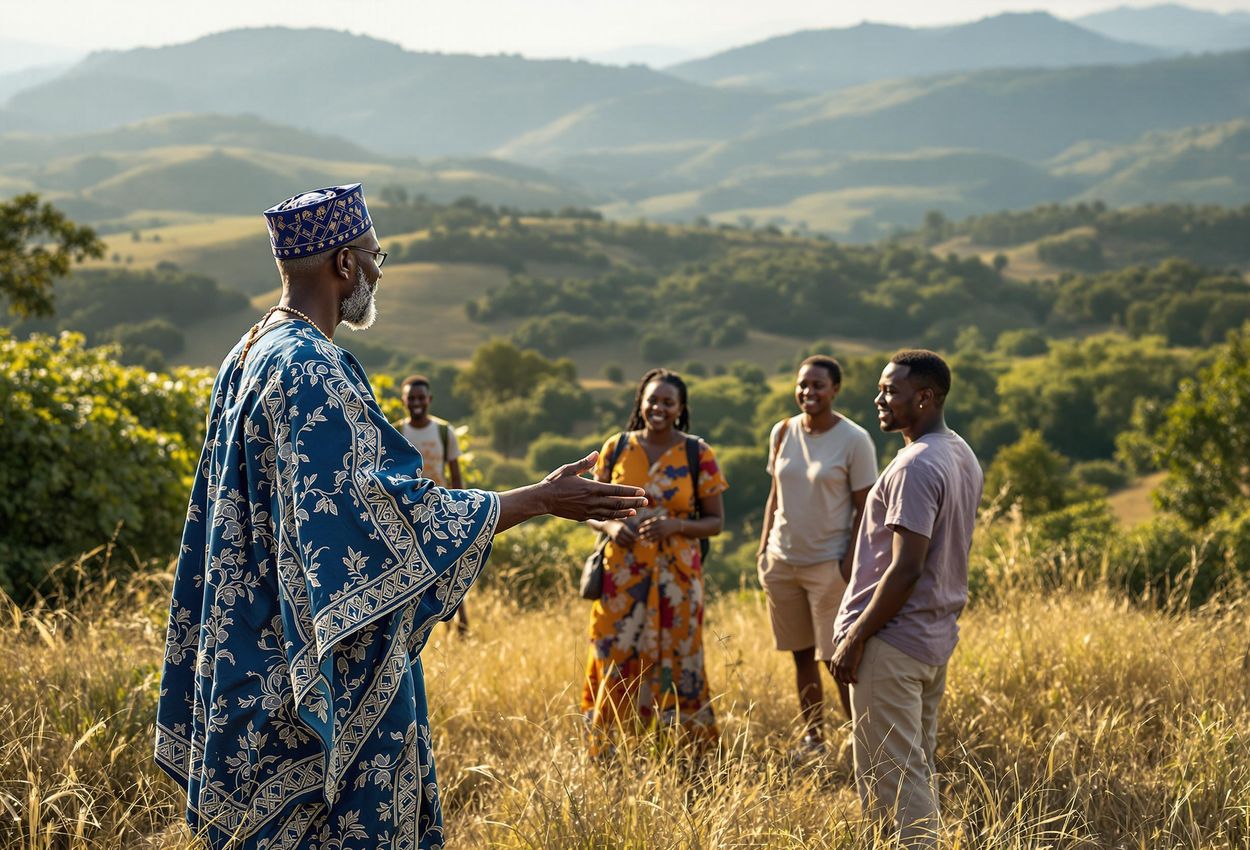
Exploring Mount Nimba with a local guide is not only recommended but often essential for a safe, enriching, and insightful experience. These knowledgeable individuals possess an intimate understanding of the area's terrain, flora, fauna, and cultural significance, allowing them to provide invaluable assistance and guidance.
Arranging for a local guide can be done through the Nimba Ecolodge, local tourism offices, or directly through community-based organizations. Ensure that your guide is licensed and experienced, with a proven track record of safety and responsible tourism practices.
Some areas of Mount Nimba are only accessible on foot or with a guide, due to the challenging terrain and the need to protect sensitive ecosystems. Your guide will lead you through the trails, ensuring your safety and providing valuable insights into the local flora and fauna.
Beyond their practical assistance, local guides offer a unique cultural perspective, sharing stories, traditions, and knowledge that you won't find in any guidebook. They can introduce you to local communities, facilitate interactions with residents, and provide a deeper understanding of the region's cultural heritage.
By hiring a local guide, you're not only enhancing your own experience but also contributing to the local economy and supporting sustainable tourism practices. It's a win-win situation that benefits both the visitor and the community.
Local Tip: Always negotiate the price with your guide beforehand and confirm what is included in the fee. Be sure to communicate your interests and expectations clearly to ensure that your guide can tailor the experience to your needs.
Our editors` picks of the latest and greatest in travel - delivered to your inbox daily
Relax on the beaches and explore the reefs of Xai-Xai.
View More
Embrace the cooler temperatures and experience the International Festival of the Sahara in Douz this December.
View More
Celebrate the year-end festivities in Accra, culminating in the vibrant Afrofuture festival.
View More Albania EDITION
 Algeria EDITION
 Argentina EDITION
 Armenia EDITION
 Australia EDITION
 Austria EDITION
 Bangladesh EDITION
 Belgium EDITION
 Belize EDITION
 Benin EDITION
 Bhutan EDITION
 Bolivia EDITION
 Bosnia and Herzegovina EDITION
 Botswana EDITION
 Brazil EDITION
 Bulgaria EDITION
 Burkina Faso EDITION
 Cambodia EDITION
 Cameroon EDITION
 Canada EDITION
 Central African Republic EDITION
 Chad EDITION
 Chile EDITION
 China EDITION
 Colombia EDITION
 Costa Rica EDITION
 Croatia EDITION
 Cyprus EDITION
 Denmark EDITION
 Djibouti EDITION
 Ecuador EDITION
 Egypt EDITION
 El Salvador EDITION
 Eritrea EDITION
 Estonia EDITION
 Ethiopia EDITION
 Finland EDITION
 France EDITION
 Gabon EDITION
 Georgia EDITION
 Germany EDITION
 Ghana EDITION
 Greece EDITION
 Guatemala EDITION
 Guinea EDITION
 Guinea-Bissau EDITION
 Honduras EDITION
 Hungary EDITION
 Iceland EDITION
 India EDITION
 Indonesia EDITION
 Ireland EDITION
 Israel EDITION
 Italy EDITION
 Jamaica EDITION
 Japan EDITION
 Jordan EDITION
 Kenya EDITION
 Kuwait EDITION
 Laos EDITION
 Latvia EDITION
 Lebanon EDITION
 Lesotho EDITION
 Liberia EDITION
 Lithuania EDITION
 Luxembourg EDITION
 Madagascar EDITION
 Malawi EDITION
 Malaysia EDITION
 Maldives EDITION
 Mali EDITION
 Malta EDITION
 Mauritania EDITION
 Mauritius EDITION
 Mexico EDITION
 Mongolia EDITION
 Montenegro EDITION
 Morocco EDITION
 Mozambique EDITION
 Namibia EDITION
 Nepal EDITION
 Netherlands EDITION
 New Zealand EDITION
 Nicaragua EDITION
 Niger EDITION
 Nigeria EDITION
 Norway EDITION
 Oman EDITION
 Pakistan EDITION
 Panama EDITION
 Papua New Guinea EDITION
 Paraguay EDITION
 Peru EDITION
 Philippines EDITION
 Poland EDITION
 Portugal EDITION
 Qatar EDITION
 Romania EDITION
 Rwanda EDITION
 Saudi Arabia EDITION
 Senegal EDITION
 Serbia EDITION
 Singapore EDITION
 Slovakia EDITION
 Slovenia EDITION
 Somalia EDITION
 South Africa EDITION
 South Korea EDITION
 Spain EDITION
 Sri Lanka EDITION
 Suriname EDITION
 Sweden EDITION
 Switzerland EDITION
 Tanzania EDITION
 Thailand EDITION
 Tunisia EDITION
 Uganda EDITION
 United Arab Emirates EDITION
 United Kingdom EDITION
 Uruguay EDITION
 Venezuela EDITION
 Vietnam EDITION
 Zambia EDITION
 Zimbabwe EDITION
Subscribe to our newsletter and get the most captivating travel stories, hidden gems, and expert insights delivered straight to your inbox. As a subscriber, you’ll be first in line for exclusive content, premium offers, and unforgettable travel experiences