


Destination Guide
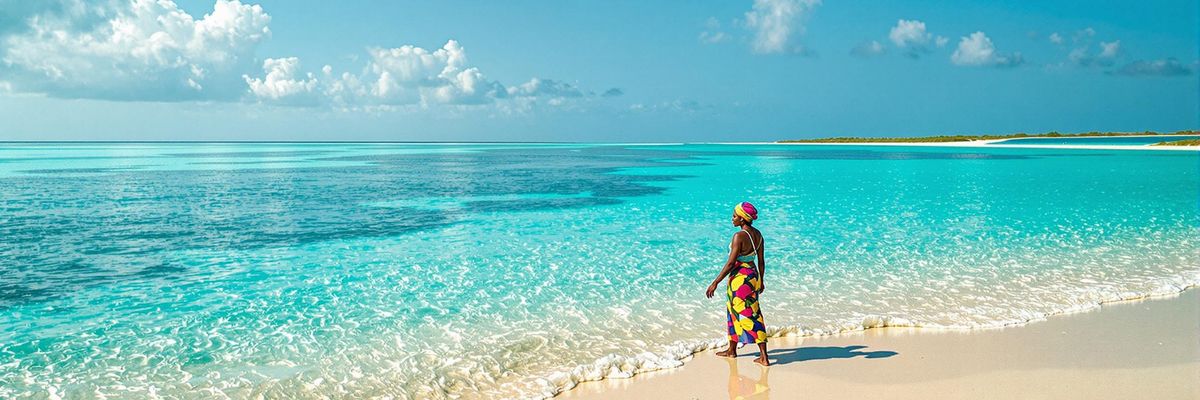
Xai-Xai: A Coastal Retreat
Relax on the beaches and explore the reefs of Xai-Xai.
View More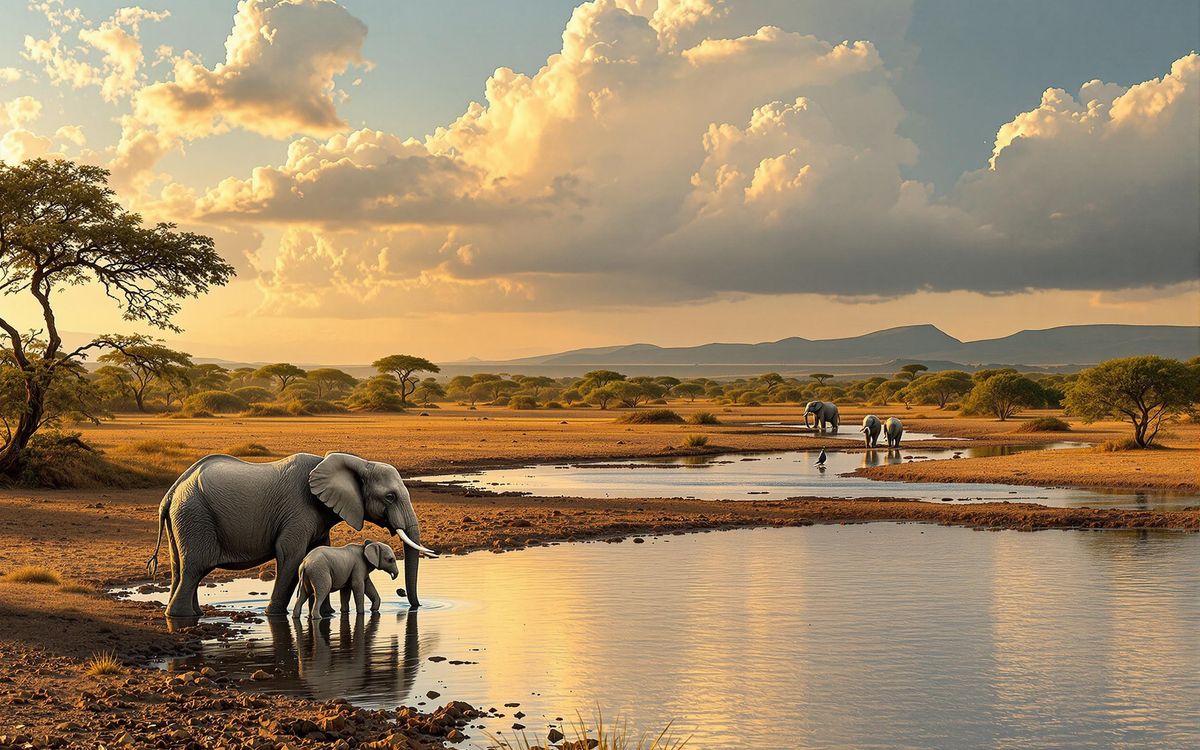

As the last drops of the rainy season fade, Niokolo-Koba National Park awakens, transforming into a vibrant stage for West Africa’s most captivating wildlife spectacle. October offers an unparalleled opportunity to witness the park's diverse inhabitants as they congregate around life-sustaining water sources, creating a symphony of sights and sounds that resonate deep within the soul.
Nestled in southeastern Senegal, near the town of Tambacounda, lies Niokolo-Koba National Park, a sprawling sanctuary encompassing 9,130 square kilometers of untamed wilderness. This vast expanse, Senegal's largest national park, stands as a testament to the country's commitment to preserving its natural heritage. Designated a UNESCO World Heritage Site in 1981, Niokolo-Koba safeguards a remarkable array of ecosystems and species, offering a glimpse into a world where nature reigns supreme.
October emerges as the quintessential month to embark on a Niokolo-Koba adventure. As the heavy rains subside, the landscape transforms from an impassable mire into a navigable haven. The receding waters compel the park's wildlife to converge around perennial water sources, offering unparalleled viewing opportunities. Imagine witnessing herds of elephants quenching their thirst, prides of lions patiently awaiting their prey, and countless bird species painting the sky with their vibrant colors. The air is fresh, the vegetation lush, and the animals are at their most visible, creating an unforgettable sensory experience.
Niokolo-Koba's significance extends beyond its captivating wildlife. The park plays a crucial role in preserving the region's biodiversity and serves as a vital refuge for numerous endangered species. Its diverse ecosystems, ranging from vast savannahs to dense gallery forests, support a complex web of life that contributes to the overall health of the planet. By visiting Niokolo-Koba in October, you not only immerse yourself in a breathtaking natural spectacle but also contribute to the park's ongoing conservation efforts.
The park was on the UNESCO List of Endangered World Heritage sites but was removed from the list in July 2024, following improvements in the park's state of conservation.

Niokolo-Koba National Park is a tapestry of diverse ecosystems, each contributing to the park's unique charm. Vast savannahs stretch across the horizon, dotted with acacia trees and towering termite mounds. Woodlands provide refuge for elusive creatures, while gallery forests line the banks of the Gambia, Niokolo, and Koulountou rivers, creating a verdant contrast to the surrounding landscape. These rivers serve as lifelines, sustaining a remarkable array of flora and fauna.
Embark on a safari through this ecological wonderland, and prepare to be amazed by the sheer abundance of wildlife. Keep your eyes peeled for the majestic African lion, a symbol of the continent's untamed spirit. Witness herds of elephants gracefully traversing the savannah, their massive forms casting long shadows in the afternoon sun. Listen for the playful chatter of chimpanzees as they swing through the trees, their intelligence and social complexity captivating all who observe them.
For the avid birdwatcher, Niokolo-Koba is a true paradise. Over 300 species of birds call this park home, each adding its unique melody to the symphony of the wild. From the vibrant Abyssinian roller to the elusive Gosling's apalis, the park's avian diversity is a sight to behold.
Venture to the Mt. Assirik plateau, accessible during the dry season, and discover a hidden gem within the park. This elevated landscape offers panoramic views of the surrounding wilderness and provides a unique vantage point for spotting wildlife. Here, you might encounter the Derby eland, the largest antelope in the world, grazing peacefully on the open plains.
Immerse yourself in the sensory symphony of Niokolo-Koba. Breathe in the scent of damp earth after a refreshing rain shower. Listen to the calls of exotic birds echoing through the trees. Witness the sight of elephants wallowing in muddy ponds, their wrinkled skin glistening in the sun. These sensory experiences will create lasting memories and forge a deep connection with the natural world.

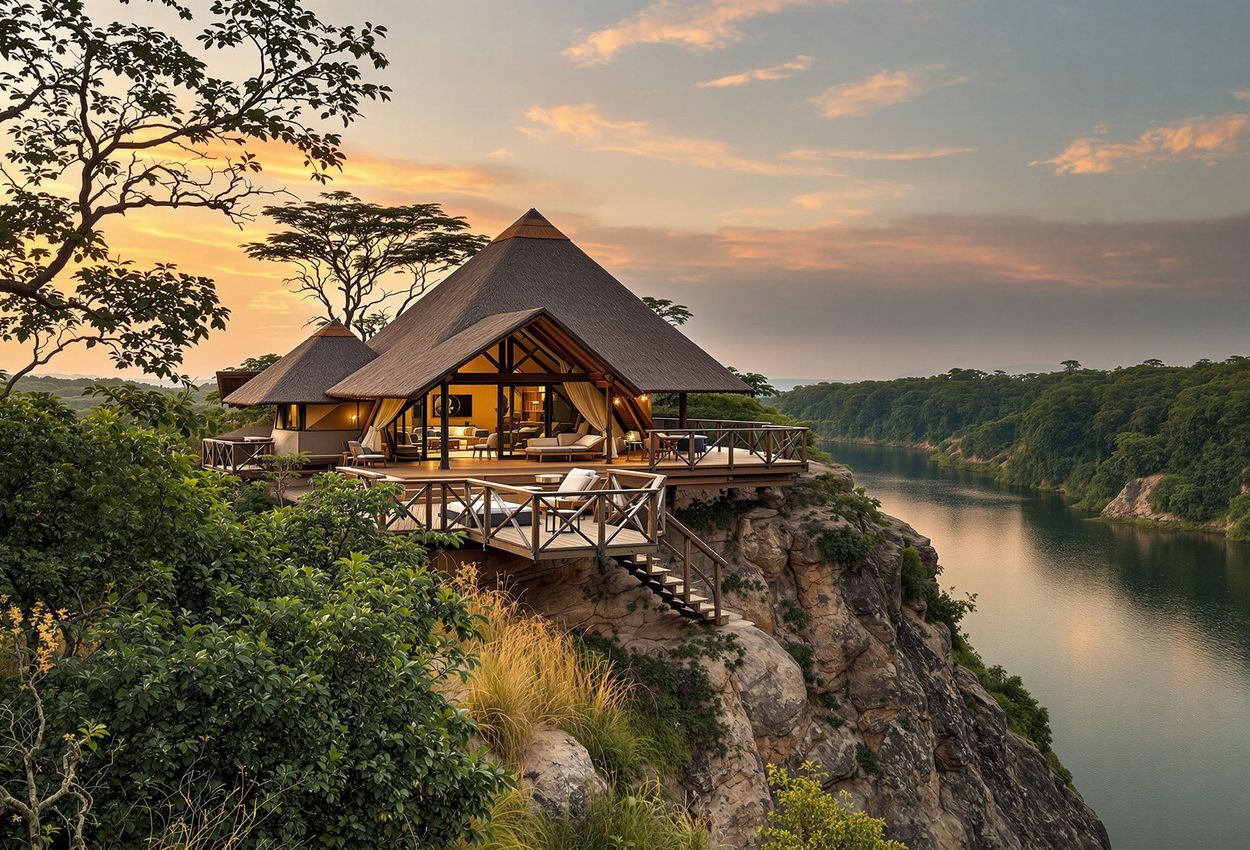
Niokolo-Koba National Park offers a range of accommodation options to suit every traveler's taste and budget. For those seeking a luxurious and immersive experience, Niokolodge stands as a beacon of eco-friendly hospitality. Perched on a cliff overlooking the Gambia River, this unique lodge provides breathtaking views and unparalleled access to the park's wonders.
Imagine waking up to the sounds of the African bush, the gentle murmur of the river, and the distant calls of exotic birds. Step outside your spacious tent, crafted from locally sourced materials, and breathe in the fresh, crisp air. Indulge in an outdoor shower, surrounded by the sights and sounds of nature, and feel your worries melt away.
Niokolodge is more than just a place to stay; it's an experience. The lodge's commitment to sustainability is evident in every detail, from its eco-friendly design to its support of local communities. By choosing to stay at Niokolodge, you contribute to the park's conservation efforts and help ensure its preservation for future generations.
For those seeking alternative accommodation options, the towns of Tambacounda and Kedougou offer a variety of hotels and guesthouses. These options provide a comfortable base for exploring the park and offer a glimpse into the local culture. Many hotels in these towns also offer family-friendly amenities, making Niokolo-Koba an ideal destination for families seeking an unforgettable adventure.
Niokolo-Koba National Park stands as a vital sanctuary for biodiversity conservation and a beacon for ecotourism in Senegal. The park provides a safe haven for endangered species like the West African lion and wild dog, offering them a chance to thrive in their natural habitat. However, the park faces numerous conservation challenges, including poaching, habitat loss, and the looming threat of mining activities.
Dedicated park rangers work tirelessly to combat these threats, conducting anti-poaching patrols and monitoring wildlife populations. Organizations like Panthera partner with Senegal's Department of National Parks to bolster wildlife protection efforts, utilizing camera traps and aerial surveys to track animal movements and identify potential threats. Their efforts have resulted in an 87% decrease in poaching and other illegal activities in the pilot area.
Ecotourism plays a crucial role in supporting these conservation initiatives. By visiting Niokolo-Koba, travelers contribute directly to the park's financial sustainability, providing much-needed resources for anti-poaching efforts, habitat restoration, and community engagement. Furthermore, ecotourism promotes awareness of the park's ecological significance, inspiring visitors to become advocates for its protection.
The involvement of local communities is essential for the long-term success of conservation efforts. Sustainable tourism initiatives that benefit local communities, such as providing employment opportunities and supporting local businesses, foster a sense of stewardship and encourage community members to actively participate in protecting the park's natural resources.

October stands out as the prime time to visit Niokolo-Koba National Park for unparalleled wildlife viewing. The end of the rainy season brings a refreshing coolness to the air, while the concentration of animals around dwindling water sources ensures frequent and rewarding sightings. To make the most of your safari adventure, consider these practical tips:
What to Bring: Pack light, neutral-colored clothing to blend in with the environment and minimize disturbance to wildlife. Comfortable walking shoes are essential for exploring the park on foot. Protect yourself from the sun with a wide-brimmed hat, sunglasses, and sunscreen. Insect repellent is crucial for warding off mosquitoes and other biting insects.
Transportation: A 4x4 vehicle is highly recommended for navigating the park's interior bush roads. Hiring a local guide is essential for navigating the park's vastness and maximizing your chances of spotting wildlife. Guides can be hired at the park entrance in Dar Salam.
Park Entrance Fees: Be prepared to pay park entrance fees, which contribute to the park's conservation efforts. In 2024, the fee was 5000 CFA francs (approximately 8.5 USD) per person per day.
Getting There: The most common way to reach Niokolo-Koba National Park is from Tambacounda or Dakar. From Tambacounda, you can take a bush taxi or hire a private car to Dar Salam, the main entrance to the park. Alternatively, you can arrange transportation through your hotel or tour operator.

Our editors` picks of the latest and greatest in travel - delivered to your inbox daily
Relax on the beaches and explore the reefs of Xai-Xai.
View More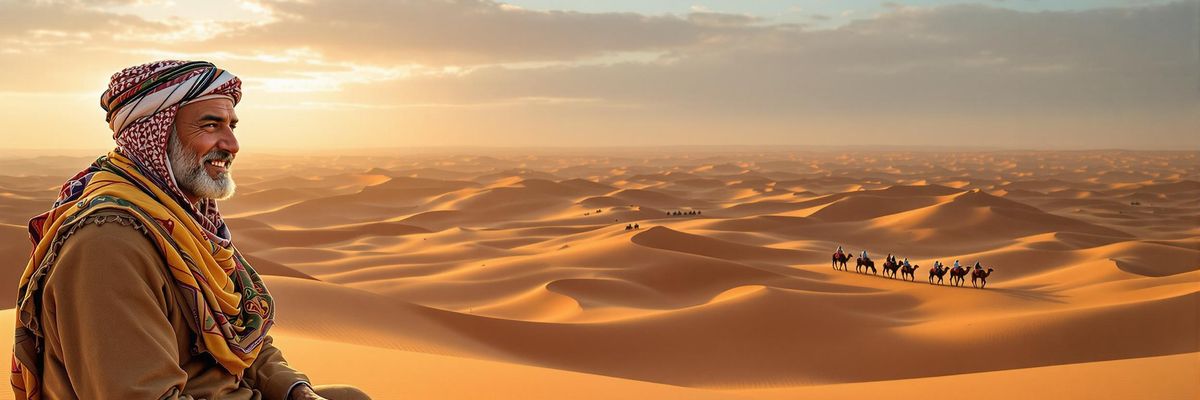
Embrace the cooler temperatures and experience the International Festival of the Sahara in Douz this December.
View More
Celebrate the year-end festivities in Accra, culminating in the vibrant Afrofuture festival.
View More Albania EDITION
 Algeria EDITION
 Argentina EDITION
 Armenia EDITION
 Australia EDITION
 Austria EDITION
 Bangladesh EDITION
 Belgium EDITION
 Belize EDITION
 Benin EDITION
 Bhutan EDITION
 Bolivia EDITION
 Bosnia and Herzegovina EDITION
 Botswana EDITION
 Brazil EDITION
 Bulgaria EDITION
 Burkina Faso EDITION
 Cambodia EDITION
 Cameroon EDITION
 Canada EDITION
 Central African Republic EDITION
 Chad EDITION
 Chile EDITION
 China EDITION
 Colombia EDITION
 Costa Rica EDITION
 Croatia EDITION
 Cyprus EDITION
 Denmark EDITION
 Djibouti EDITION
 Ecuador EDITION
 Egypt EDITION
 El Salvador EDITION
 Eritrea EDITION
 Estonia EDITION
 Ethiopia EDITION
 Finland EDITION
 France EDITION
 Gabon EDITION
 Georgia EDITION
 Germany EDITION
 Ghana EDITION
 Greece EDITION
 Guatemala EDITION
 Guinea EDITION
 Guinea-Bissau EDITION
 Honduras EDITION
 Hungary EDITION
 Iceland EDITION
 India EDITION
 Indonesia EDITION
 Ireland EDITION
 Israel EDITION
 Italy EDITION
 Jamaica EDITION
 Japan EDITION
 Jordan EDITION
 Kenya EDITION
 Kuwait EDITION
 Laos EDITION
 Latvia EDITION
 Lebanon EDITION
 Lesotho EDITION
 Liberia EDITION
 Lithuania EDITION
 Luxembourg EDITION
 Madagascar EDITION
 Malawi EDITION
 Malaysia EDITION
 Maldives EDITION
 Mali EDITION
 Malta EDITION
 Mauritania EDITION
 Mauritius EDITION
 Mexico EDITION
 Mongolia EDITION
 Montenegro EDITION
 Morocco EDITION
 Mozambique EDITION
 Namibia EDITION
 Nepal EDITION
 Netherlands EDITION
 New Zealand EDITION
 Nicaragua EDITION
 Niger EDITION
 Nigeria EDITION
 Norway EDITION
 Oman EDITION
 Pakistan EDITION
 Panama EDITION
 Papua New Guinea EDITION
 Paraguay EDITION
 Peru EDITION
 Philippines EDITION
 Poland EDITION
 Portugal EDITION
 Qatar EDITION
 Romania EDITION
 Rwanda EDITION
 Saudi Arabia EDITION
 Senegal EDITION
 Serbia EDITION
 Singapore EDITION
 Slovakia EDITION
 Slovenia EDITION
 Somalia EDITION
 South Africa EDITION
 South Korea EDITION
 Spain EDITION
 Sri Lanka EDITION
 Suriname EDITION
 Sweden EDITION
 Switzerland EDITION
 Tanzania EDITION
 Thailand EDITION
 Tunisia EDITION
 Uganda EDITION
 United Arab Emirates EDITION
 United Kingdom EDITION
 Uruguay EDITION
 Venezuela EDITION
 Vietnam EDITION
 Zambia EDITION
 Zimbabwe EDITION
Subscribe to our newsletter and get the most captivating travel stories, hidden gems, and expert insights delivered straight to your inbox. As a subscriber, you’ll be first in line for exclusive content, premium offers, and unforgettable travel experiences