


Destination Guide
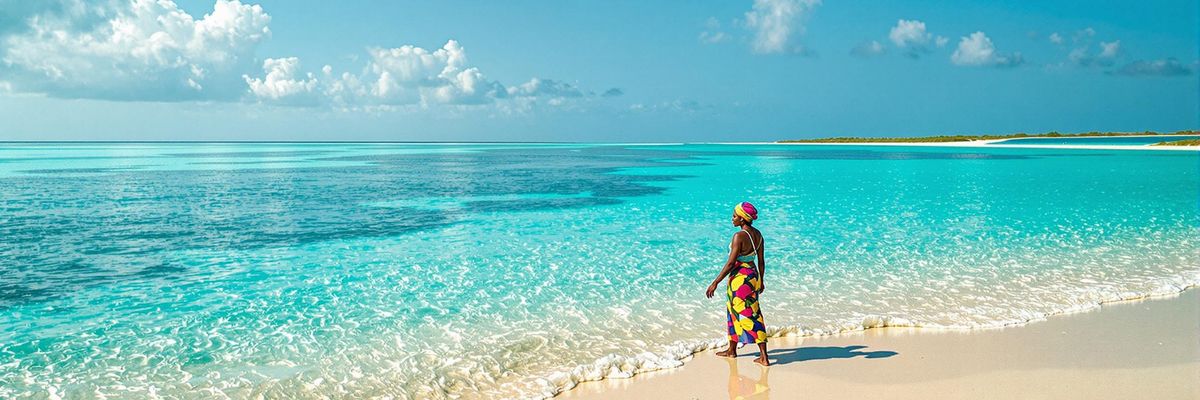
Xai-Xai: A Coastal Retreat
Relax on the beaches and explore the reefs of Xai-Xai.
View More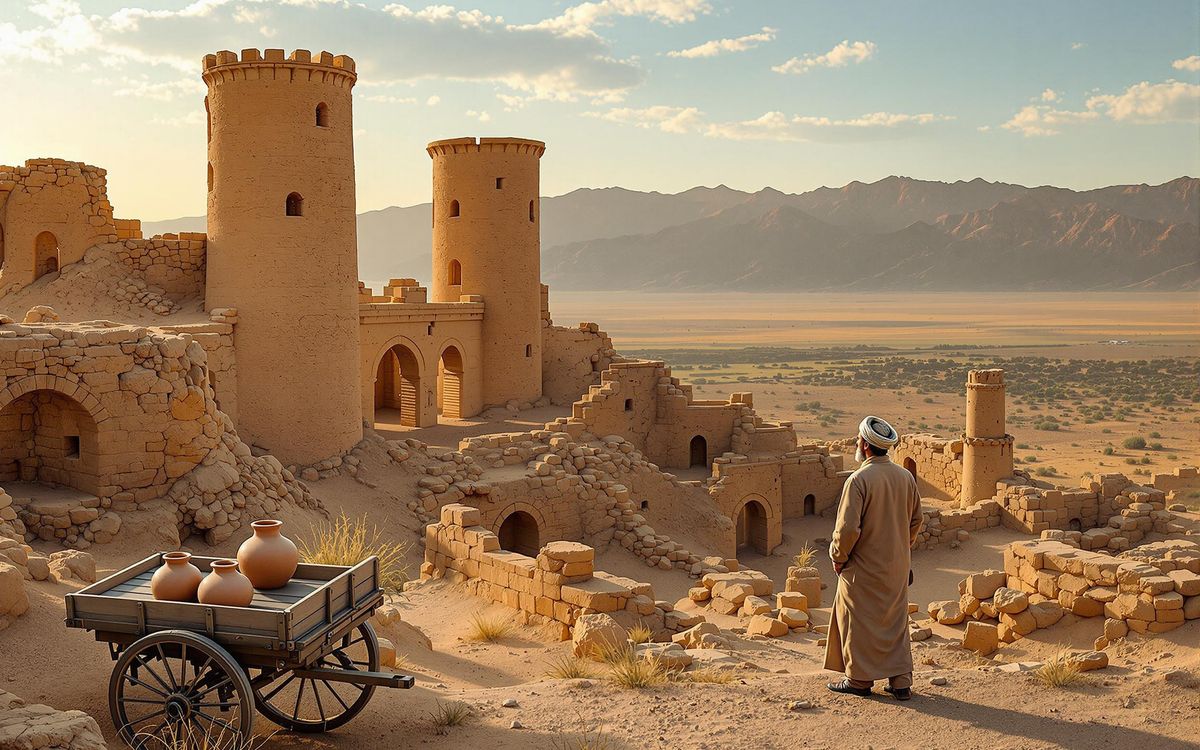

Journey to Nisa, near Ashgabat, Turkmenistan, and step back in time to explore the echoes of the Parthian Empire, a civilization whose power once resonated across Central Asia.
Imagine standing amidst the ruins of fortresses that once stood as a bulwark against the Roman legions, and envision a city teeming with Silk Road merchants, a vibrant blend of cultures, and the grandeur of a bygone era. This is Nisa, a UNESCO World Heritage site that offers a fascinating glimpse into the heart of the Parthian world.
Nestled at the foot of the Kopet Dag mountains, near the modern city of Ashgabat in Turkmenistan, lies Nisa, the ancient capital of the Parthian Empire. Founded by Arsaces I around the 3rd century BCE, Nisa quickly rose to prominence as a strategic center of trade and defense. Its location was carefully chosen, providing both natural protection and access to vital trade routes. Later, Mithridates I renamed it Mithradatkirt. Today, the area is known as Bagyr, a neighborhood within Ashgabat.
The Parthian Empire, a major power from the mid-3rd century BC to the 3rd century AD, stretched across a vast territory, acting as a crucial link between the East and West. Nisa played a pivotal role in this empire, serving not only as its capital but also as a vital defensive point, particularly against the westward expansion of the Roman Empire. The city's fortifications were a testament to its military importance, designed to withstand prolonged sieges and protect the empire's wealth and influence.
As you wander through the remains of Nisa, you'll notice a unique blend of Hellenistic and Iranian cultural elements. This fusion is evident in the city's architecture, art, and religious practices, reflecting the Parthians' ability to assimilate and adapt diverse influences. The empire's embrace of both Eastern and Western traditions contributed to its unique identity and its success as a major player in the ancient world.
The site is divided into two main areas: Old Nisa and New Nisa. Old Nisa, the original settlement, housed the royal residences and religious sanctuaries, while New Nisa served as a sprawling urban center. Together, these two areas offer a comprehensive picture of Parthian life, from the opulence of the royal court to the bustling activity of the city's inhabitants. The word 'Nisa' itself is found in ancient cuneiform texts and the Zoroastrian Avesta.
Today, Nisa stands as a powerful reminder of a civilization that skillfully combined its own cultural traditions with those of the Hellenistic and Roman West. Its ruins offer invaluable insights into the political, economic, and cultural dynamics of the ancient world, inviting visitors to explore the echoes of an empire that once shaped the destiny of Central Asia.
Nisa's strategic location along the Silk Road transformed it into a vibrant hub of commerce and cultural exchange. Caravans laden with goods from across Asia and the Mediterranean world converged within its walls, turning the city into a melting pot of languages, customs, and ideas. Imagine the bustling marketplaces, filled with the aroma of exotic spices, the sounds of bartering merchants, and the vibrant colors of silk and textiles. This was Nisa at its zenith, a crossroads of civilizations where East met West.
Goods from the far reaches of the world flowed through Nisa. Silk from China, spices from India, precious stones from Central Asia, and glassware from the Roman Empire were just a few of the commodities traded within the city's bustling markets. This constant flow of goods not only enriched Nisa economically but also fostered a unique cultural environment where diverse traditions intermingled and influenced one another.
The influence of Greek and Roman cultures on Nisa's art and architecture is readily apparent. Hellenistic styles blended seamlessly with Iranian motifs, creating a distinctive Parthian aesthetic. Excavations at Nisa have unearthed numerous examples of this cultural fusion, including sculptures, frescoes, and pottery adorned with both classical and Eastern designs. These artifacts offer tangible evidence of the Parthians' sophisticated artistic sensibilities and their ability to synthesize diverse cultural influences.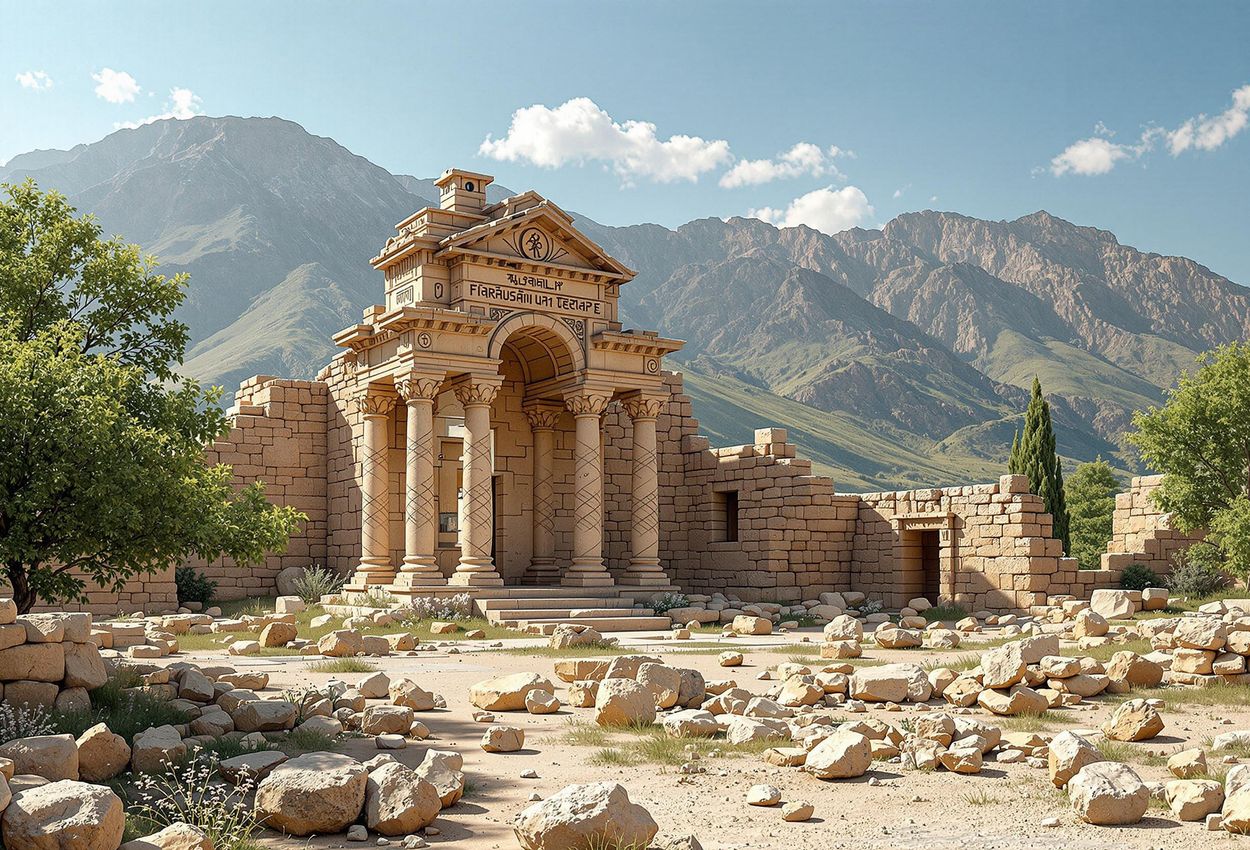
Hidden Gem: Among the lesser-known treasures of Nisa are the remnants of Zoroastrian temples. These temples suggest the deification of kings and heroes, a practice that reflects the Parthians' unique religious beliefs. Zoroastrianism, an ancient Persian religion, played a significant role in Parthian society, and its influence can be seen in various aspects of Nisa's cultural and religious life. The discovery of these temples provides valuable insights into the spiritual world of the Parthians and their complex relationship with the divine.
As you explore the ruins of Nisa, take a moment to imagine the city's vibrant past, a time when merchants from distant lands mingled with local artisans, when ideas and goods flowed freely along the Silk Road, and when the fusion of cultures created a unique and prosperous society. Nisa stands as a testament to the power of commerce and cultural exchange, a reminder that the Silk Road was not just a trade route but a conduit for the flow of ideas and the enrichment of civilizations.
Nisa's military significance is most evident in its formidable fortifications, which played a crucial role in halting Roman expansion eastward. The Old and New Fortresses, with their massive scale and defensive capabilities, stand as testaments to the Parthians' strategic prowess. These walls were not merely physical barriers; they were symbols of Parthian power and resolve, designed to deter invaders and protect the empire's heartland.
The Old Fortress, built in the 3rd century BCE, served as the original citadel of the Parthian capital. Covering an area of over 15 hectares, it was protected by a series of imposing walls and towers. The State Museum of Ashgabat reports that the fortification walls had 43 rectangular towers. Within these walls were temples, palatial buildings and storage.
The New Fortress, constructed in the 1st century BCE, was located outside the walls of the original city. This sprawling complex, covering an area of over 100 hectares, was also protected by a series of walls and towers. The massive fortifications of Nisa reflect the city's strategic importance and the Parthians' commitment to defending their territory.
The Parthians were skilled horsemen and archers, and their military tactics were well-suited to the terrain of Central Asia. One of their most famous tactics was the Parthian shot, in which mounted archers would feign retreat, only to turn and fire arrows at their pursuers. This tactic proved highly effective against the Roman legions, who were often caught off guard by the Parthians' speed and agility. The composite bows that they used were made of wood, horn, and sinew.
The Parthian army mainly consisted of two types of cavalry: cataphracts, heavy cavalry with man and horse decked in mailed armor, who formed the smaller part of the cavalry, and the mounted archers, light cavalry whose mobility and long-range warfare abilities made them a menacing enemy.
While the Parthians were not known for their siegecraft, they did maintain garrisons at their borders.
The ruins of the Royal Palace at Nisa offer a glimpse into the opulence and grandeur of the Parthian court. Constructed in the 1st century BCE, the palace was a sprawling complex adorned with intricate carvings, frescoes, and monumental architecture. Imagine the sounds of royal decrees echoing through the palace courtyard, the scent of incense filling the air during ceremonial events, and the sight of Parthian nobles dressed in their finest attire.
The palace complex included a large courtyard, a throne room, and numerous halls and chambers. The walls were decorated with elaborate frescoes depicting scenes from Parthian mythology, royal processions, and scenes of daily life. These frescoes, though faded with time, still convey a sense of the Parthians' artistic skill and their appreciation for beauty.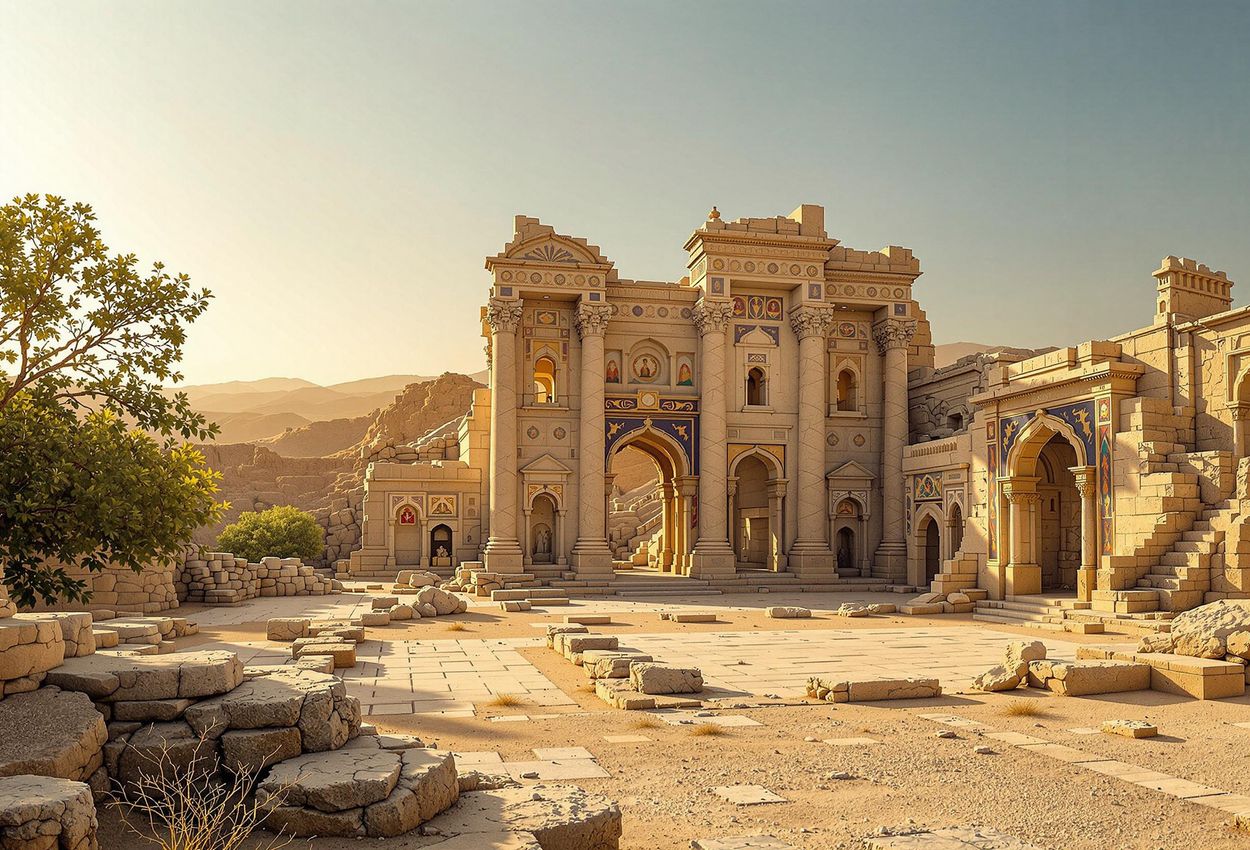
The palace's architecture reflects a blend of Hellenistic and Iranian styles, with columns, arches, and decorative motifs that showcase the Parthians' cultural synthesis. The palace was not only a residence for the royal family but also a center of political and administrative power, where important decisions were made and diplomatic receptions were held.
As you wander through the ruins of the Royal Palace, try to envision the vibrant life that once filled these halls. Imagine the bustling activity of courtiers, scribes, and servants, the sounds of music and laughter, and the weight of imperial power that permeated every corner of the complex. The Royal Palace at Nisa stands as a reminder of the Parthians' wealth, sophistication, and their ability to create a magnificent center of power in the heart of Central Asia.
Archaeological excavations at Nisa have unearthed a wealth of treasures, providing invaluable insights into Parthian art, culture, and daily life. Among the most remarkable discoveries are the Hellenistic artworks and ivory rhytons, drinking horns adorned with Iranian and mythological scenes. These artifacts showcase the Parthians' artistic skill and their ability to blend diverse cultural influences into a unique and distinctive style.
The Nisaean Heroes, statues thought to represent Parthian kings and nobles, are among the most iconic finds at Nisa. These over-life-size statues, standing at around 2 meters in height, depict male figures wearing distinctive Parthian armor and holding weapons such as bows, swords, and spears. Unfortunately, visitors cannot see the hall where the statues were found.
Inscribed documents discovered at Nisa have also shed light on various aspects of Parthian life, including their administrative practices, religious beliefs, and social customs. These documents, written in Parthian and other languages, provide valuable textual evidence that complements the archaeological record.
The wonderful ivory rhyta represent the world-famous masterpieces of Parthian art. In just 50 years after the discovery of rhyta, they have become real symbols of the ancient culture of Turkmenistan and integral attributes of the national identity.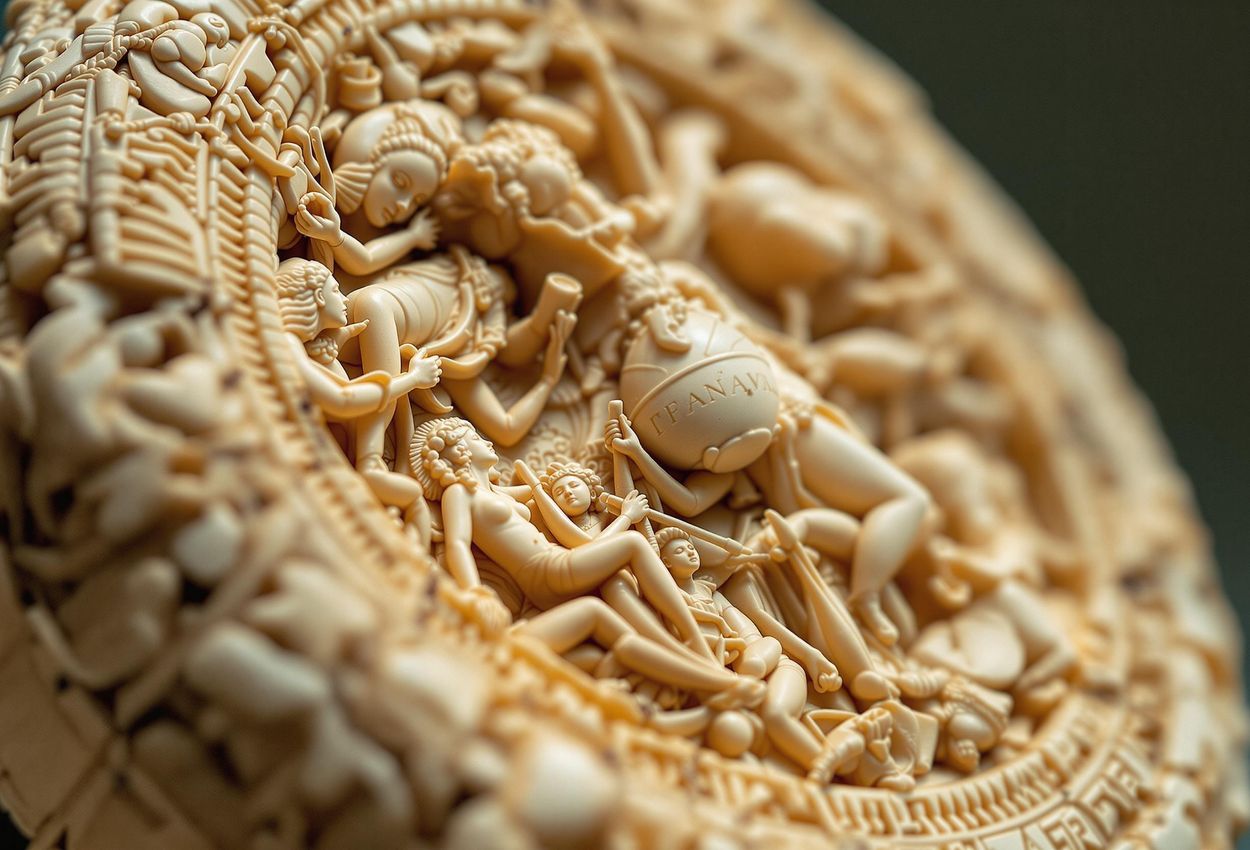
The artifacts unearthed at Nisa are now housed in museums in Turkmenistan and around the world, allowing visitors to admire the artistic achievements of the Parthians and learn about their rich cultural heritage. These treasures serve as a powerful reminder of the Parthians' contribution to the history of Central Asia and their lasting legacy as a sophisticated and influential civilization.
Despite its power and prosperity, Nisa eventually declined due to a combination of internal conflicts and external pressures. An earthquake devastated the city in the 1st century BC. Over time, the city lost its strategic importance and was eventually abandoned in the 3rd century AD. For centuries, Nisa lay in ruins, its once-grand structures slowly crumbling under the relentless forces of nature.
In the 19th century, archaeologists rediscovered the ruins of Nisa, sparking renewed interest in the Parthian Empire and its rich cultural heritage. Excavations at the site have revealed a wealth of information about Parthian history, art, and architecture, allowing scholars to piece together a more complete picture of this fascinating civilization.
Today, ongoing efforts are underway to maintain and preserve the site of Nisa, ensuring that future generations can appreciate its historical and cultural significance. These efforts include stabilizing the ruins, protecting them from the elements, and conducting further archaeological research to uncover more of Nisa's secrets.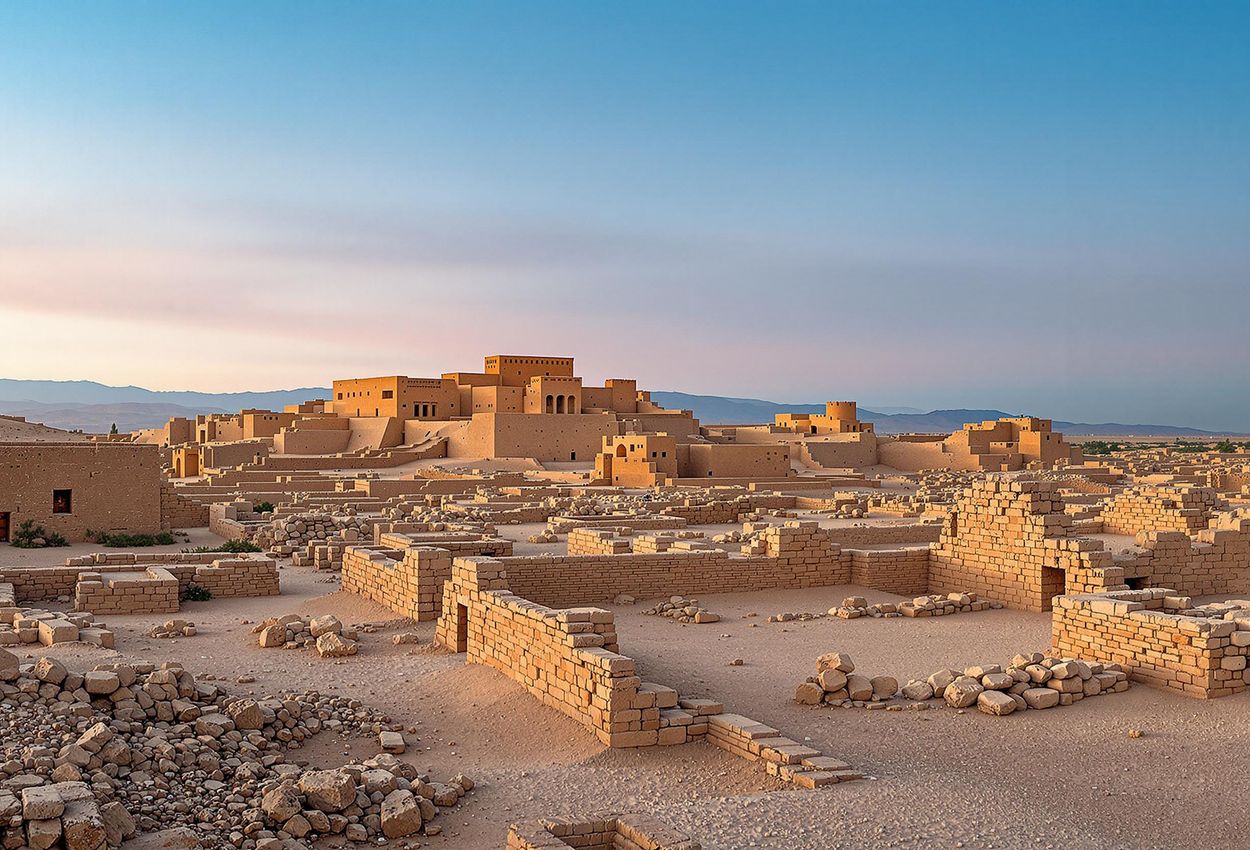
The legacy of Nisa extends far beyond its physical ruins. The city's history and cultural heritage continue to inspire artists, scholars, and visitors from around the world. Nisa serves as a reminder of the rise and fall of empires, the importance of cultural exchange, and the enduring power of human creativity.
In 2007, Nisa was designated a UNESCO World Heritage Site, recognizing its outstanding cultural and historical significance. This prestigious designation underscores the importance of preserving Nisa for future generations and ensuring that its legacy continues to inspire and educate.
Nisa met several criteria for its inclusion on the UNESCO World Heritage List, including its representation of a unique cultural tradition, its association with significant historical events, and its embodiment of a blend of Central Asian and Mediterranean cultures. The site's well-preserved ruins and archaeological finds offer invaluable insights into the Parthian Empire and its role in shaping the history of the region.
The State Historical and Cultural Park 'Nisa' was created in 1980 and was the first of its kind in Turkmenistan. The park helps to protect the site.
As a UNESCO World Heritage Site, Nisa is part of a global network of cultural and natural treasures that are recognized for their universal value. This designation brings international attention to Nisa and helps to promote its preservation and sustainable tourism. The blending of Central Asian and Mediterranean cultures is on full display.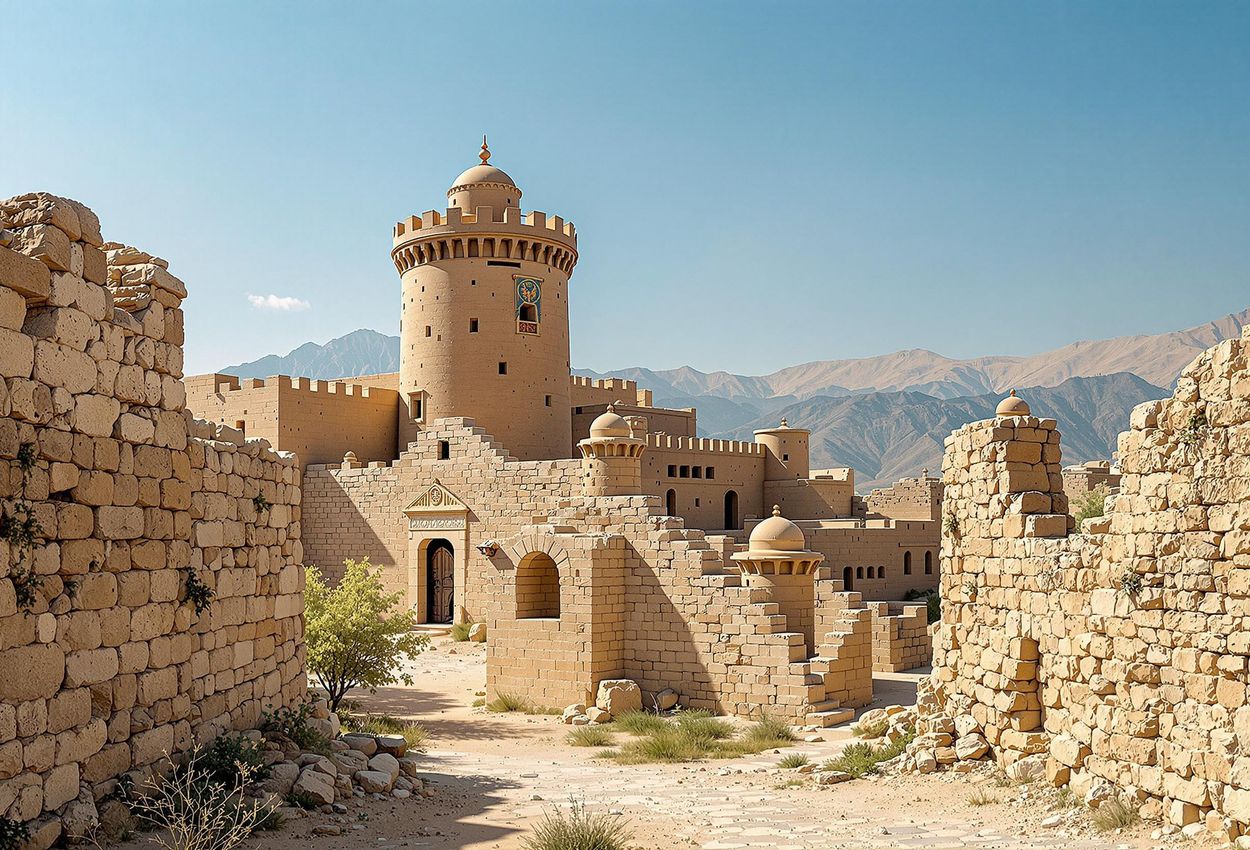
Visiting Nisa offers a unique opportunity to experience history firsthand and to appreciate the importance of preserving our shared cultural heritage. The site's designation as a UNESCO World Heritage Site serves as a reminder of the need to protect and celebrate the world's most significant cultural and natural treasures, ensuring that they continue to inspire and educate for generations to come.
Located near the village of Bagyr and the city of Ashgabat, visiting Nisa is an opportunity to step back in time and experience the grandeur of the Parthian Empire. As you explore the ruins, imagine the city's past glory, its bustling marketplaces, and its role as a center of power and culture.
While in the area, consider visiting other nearby attractions, such as the Shikh Alou Mausoleum, also called Shikh Alou Mausoleum, and the Namazga Mosque. These sites offer additional insights into the history and culture of the region. The Shikh Alou Mausoleum is believed to house the tomb of Nasipuri Sufi ascetic Abū ʿAlī al-Daqqāq.
Nisa is one of the 1,300 historical and cultural monuments of Turkmenistan. The site is one of eight State Historical and Cultural Parks.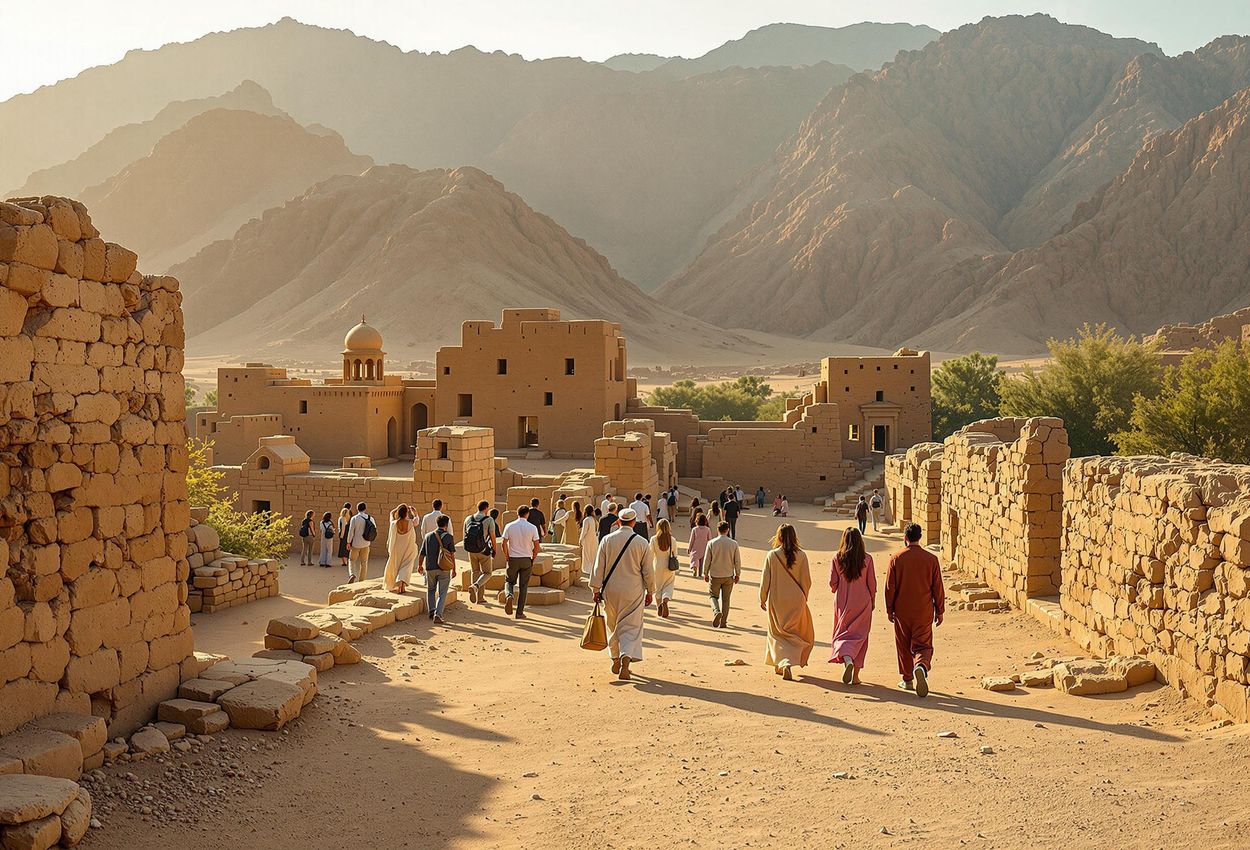
Before you go, remember that Turkmenistan can be very hot, especially in the summer. Dress accordingly, and drink plenty of water. Also be aware of local customs.
A visit to Nisa is more than just a sightseeing trip; it's an immersive experience that connects you to the past and allows you to appreciate the enduring legacy of the Parthian Empire. As you stand amidst the ruins, take a moment to reflect on the rise and fall of civilizations, the importance of cultural exchange, and the power of human ingenuity. Nisa awaits, ready to share its secrets and inspire your imagination.
Our editors` picks of the latest and greatest in travel - delivered to your inbox daily
Relax on the beaches and explore the reefs of Xai-Xai.
View More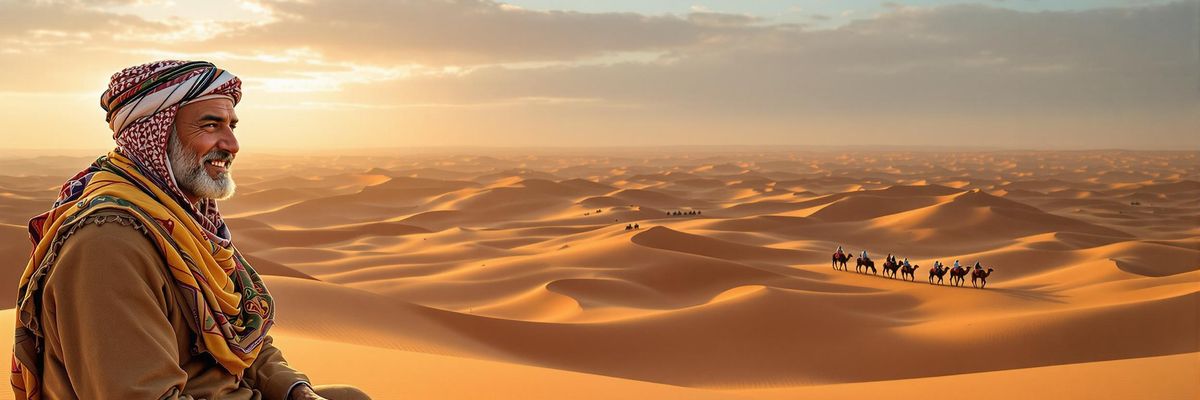
Embrace the cooler temperatures and experience the International Festival of the Sahara in Douz this December.
View More
Celebrate the year-end festivities in Accra, culminating in the vibrant Afrofuture festival.
View More Albania EDITION
 Algeria EDITION
 Argentina EDITION
 Armenia EDITION
 Australia EDITION
 Austria EDITION
 Bangladesh EDITION
 Belgium EDITION
 Belize EDITION
 Benin EDITION
 Bhutan EDITION
 Bolivia EDITION
 Bosnia and Herzegovina EDITION
 Botswana EDITION
 Brazil EDITION
 Bulgaria EDITION
 Burkina Faso EDITION
 Cambodia EDITION
 Cameroon EDITION
 Canada EDITION
 Central African Republic EDITION
 Chad EDITION
 Chile EDITION
 China EDITION
 Colombia EDITION
 Costa Rica EDITION
 Croatia EDITION
 Cyprus EDITION
 Denmark EDITION
 Djibouti EDITION
 Ecuador EDITION
 Egypt EDITION
 El Salvador EDITION
 Eritrea EDITION
 Estonia EDITION
 Ethiopia EDITION
 Finland EDITION
 France EDITION
 Gabon EDITION
 Georgia EDITION
 Germany EDITION
 Ghana EDITION
 Greece EDITION
 Guatemala EDITION
 Guinea EDITION
 Guinea-Bissau EDITION
 Honduras EDITION
 Hungary EDITION
 Iceland EDITION
 India EDITION
 Indonesia EDITION
 Ireland EDITION
 Israel EDITION
 Italy EDITION
 Jamaica EDITION
 Japan EDITION
 Jordan EDITION
 Kenya EDITION
 Kuwait EDITION
 Laos EDITION
 Latvia EDITION
 Lebanon EDITION
 Lesotho EDITION
 Liberia EDITION
 Lithuania EDITION
 Luxembourg EDITION
 Madagascar EDITION
 Malawi EDITION
 Malaysia EDITION
 Maldives EDITION
 Mali EDITION
 Malta EDITION
 Mauritania EDITION
 Mauritius EDITION
 Mexico EDITION
 Mongolia EDITION
 Montenegro EDITION
 Morocco EDITION
 Mozambique EDITION
 Namibia EDITION
 Nepal EDITION
 Netherlands EDITION
 New Zealand EDITION
 Nicaragua EDITION
 Niger EDITION
 Nigeria EDITION
 Norway EDITION
 Oman EDITION
 Pakistan EDITION
 Panama EDITION
 Papua New Guinea EDITION
 Paraguay EDITION
 Peru EDITION
 Philippines EDITION
 Poland EDITION
 Portugal EDITION
 Qatar EDITION
 Romania EDITION
 Rwanda EDITION
 Saudi Arabia EDITION
 Senegal EDITION
 Serbia EDITION
 Singapore EDITION
 Slovakia EDITION
 Slovenia EDITION
 Somalia EDITION
 South Africa EDITION
 South Korea EDITION
 Spain EDITION
 Sri Lanka EDITION
 Suriname EDITION
 Sweden EDITION
 Switzerland EDITION
 Tanzania EDITION
 Thailand EDITION
 Tunisia EDITION
 Uganda EDITION
 United Arab Emirates EDITION
 United Kingdom EDITION
 Uruguay EDITION
 Venezuela EDITION
 Vietnam EDITION
 Zambia EDITION
 Zimbabwe EDITION
Subscribe to our newsletter and get the most captivating travel stories, hidden gems, and expert insights delivered straight to your inbox. As a subscriber, you’ll be first in line for exclusive content, premium offers, and unforgettable travel experiences