


Destination Guide
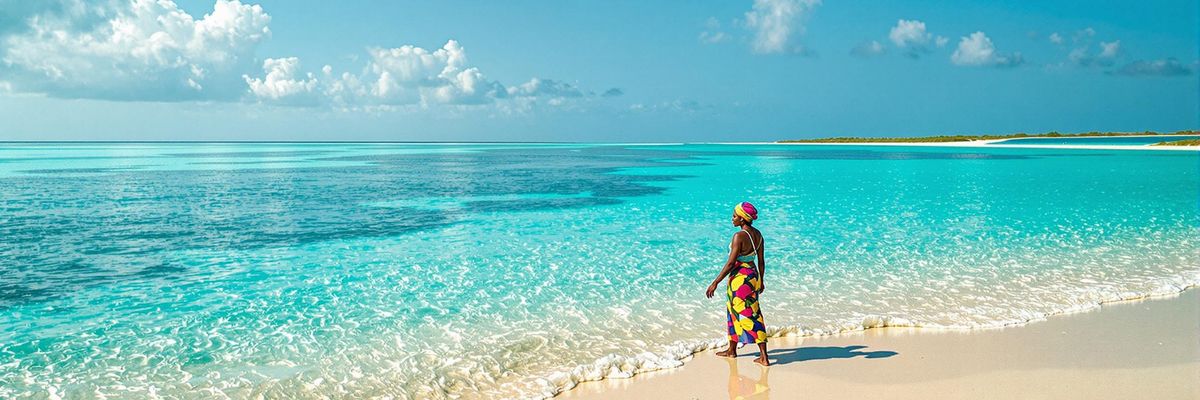
Xai-Xai: A Coastal Retreat
Relax on the beaches and explore the reefs of Xai-Xai.
View More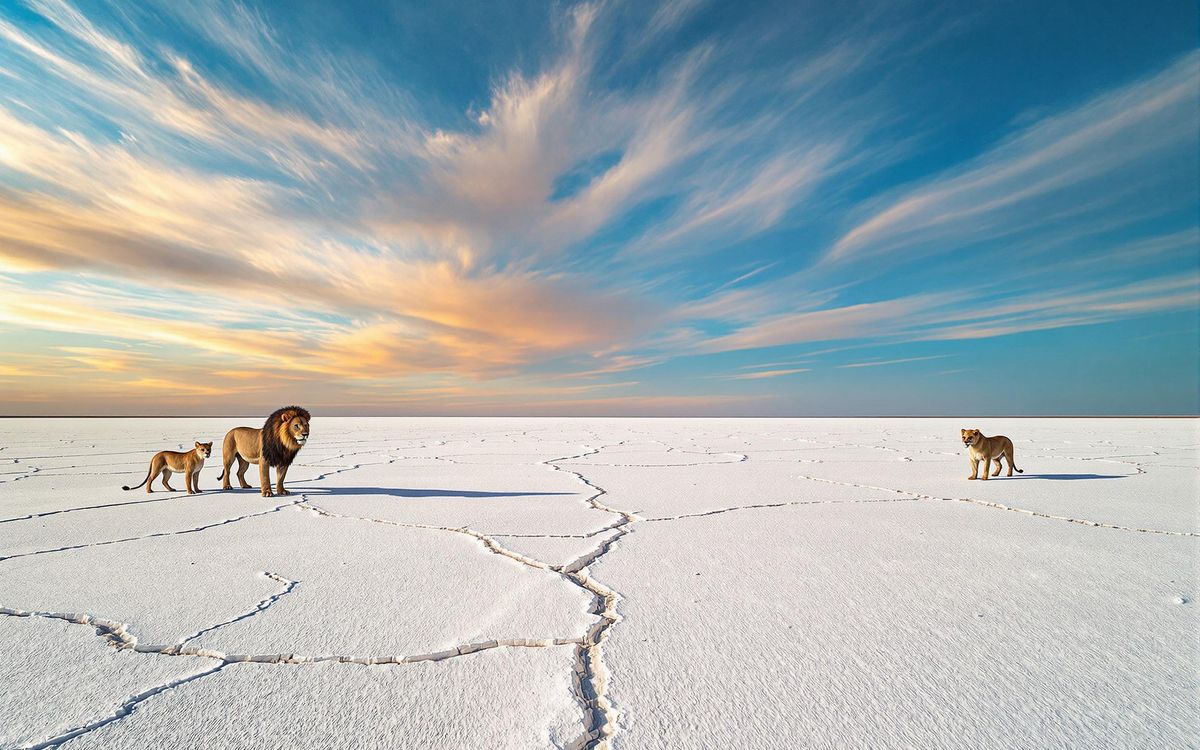

In the heart of the Kalahari, where the red dunes meet the endless sky, November whispers a promise of solitude and untamed beauty. Escape the crowds and discover the serene majesty of Kgalagadi Transfrontier Park.
Imagine a place where the silence is broken only by the rustle of wind through golden grasses, where the stars blaze with unmatched brilliance, and where the drama of the wild unfolds before your very eyes. Welcome to the Kgalagadi Transfrontier Park, a sanctuary straddling South Africa and Botswana, a hidden gem offering a unique desert experience. Unlike the bustling Okavango Delta or the well-trodden paths of Chobe National Park, Kgalagadi offers a quieter, more introspective encounter with the African wilderness.
Spanning a vast 38,000 square kilometers, the park is a semi-arid landscape characterized by towering red dunes, ancient fossil riverbeds, and sparse vegetation adapted to the harsh climate. In November, the park holds its breath, poised between the dry season's end and the first whispers of rain. The sun beats down on the parched earth, creating an atmosphere of intense heat and anticipation. This is a time of transition, when migrant birds arrive , and the animals gather around the remaining water sources, offering unparalleled game-viewing opportunities.
The allure of Kgalagadi lies in its remoteness, its raw beauty, and the feeling of being utterly immersed in nature. It's a place to disconnect from the modern world and reconnect with the primal rhythms of the desert. Here, you can witness the ancient dance of predator and prey, marvel at the resilience of life in the face of adversity, and find solace in the vastness of the landscape. November offers a unique window into this world, a time of stark contrasts and subtle beauty, where the silence speaks volumes and the desert reveals its secrets to those who listen.
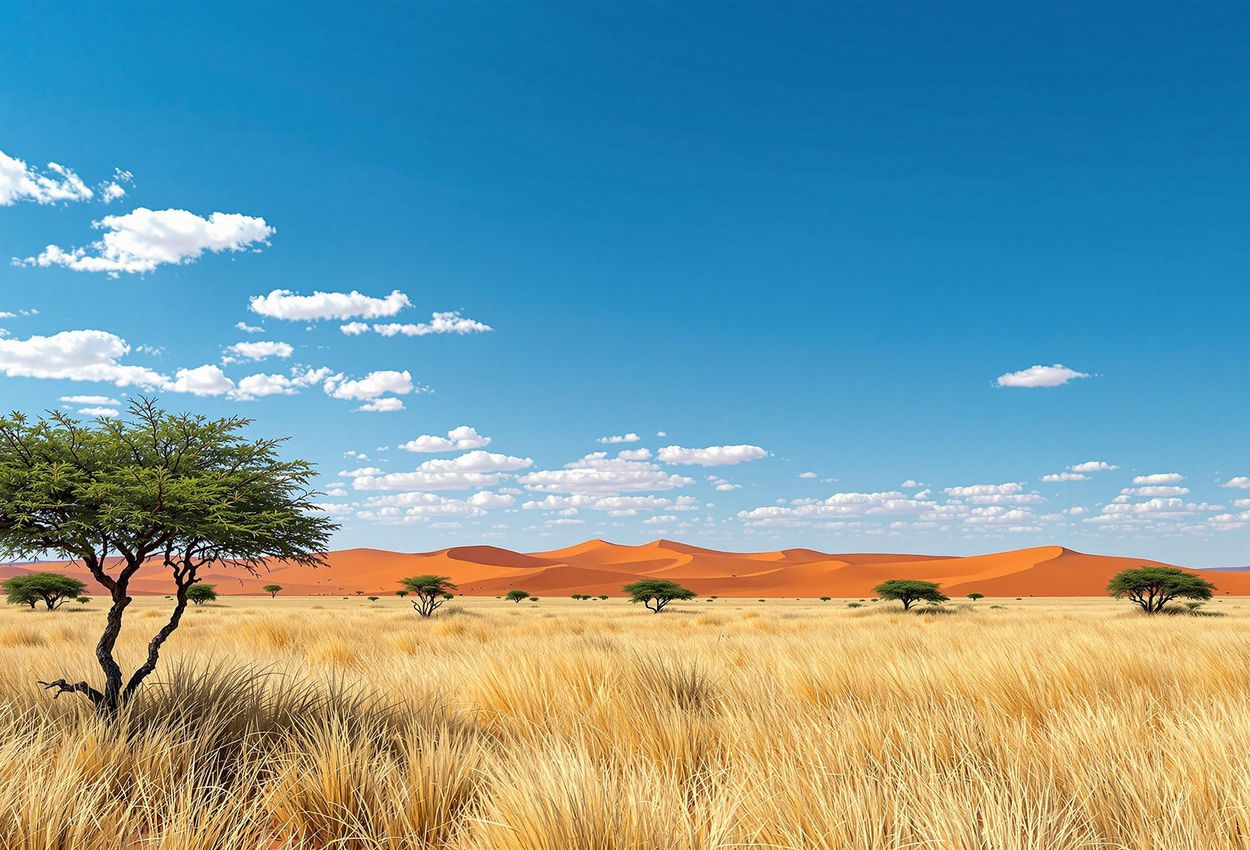
November in Kgalagadi is a time for predators. As the dry season nears its end, the scarcity of water concentrates wildlife along the Nossob and Auob riverbeds, turning them into prime hunting grounds.
The park is renowned for its healthy population of predators, offering exceptional opportunities to witness their behavior in a natural setting. The iconic black-maned lions of the Kalahari are a major draw, their imposing presence a symbol of the park's untamed spirit. Cheetahs, perfectly adapted to the open plains, use their incredible speed to chase down prey. Hyenas, both spotted and brown, patrol the landscape, their haunting calls echoing through the night.
Driving along the dry riverbeds, you'll find yourself captivated by the drama unfolding around you. The air shimmers with heat, the silence broken by the occasional call of a bird or the distant roar of a lion. The anticipation is palpable as you scan the horizon, searching for any sign of movement. Perhaps you'll spot a cheetah stalking a springbok, its lithe body blending seamlessly with the golden grasses. Or maybe you'll witness a pride of lions resting in the shade of a camel thorn tree, their watchful eyes scanning the surroundings.
The dry riverbeds are not the only places to spot predators. Keep an eye on the skies, as raptors such as martial eagles and tawny eagles soar overhead, their keen eyes searching for prey. Vultures circle in the distance, a telltale sign of a recent kill. The patient observer may be rewarded with sightings of smaller predators like caracals, bat-eared foxes and jackals.
The sensory experience of witnessing these predators in their natural habitat is unforgettable. The heat on your skin, the dust in the air, the smell of the dry earth, and the thrill of the sighting all combine to create a truly immersive experience. It's a reminder of the raw power and beauty of nature, and the delicate balance that exists between predator and prey.
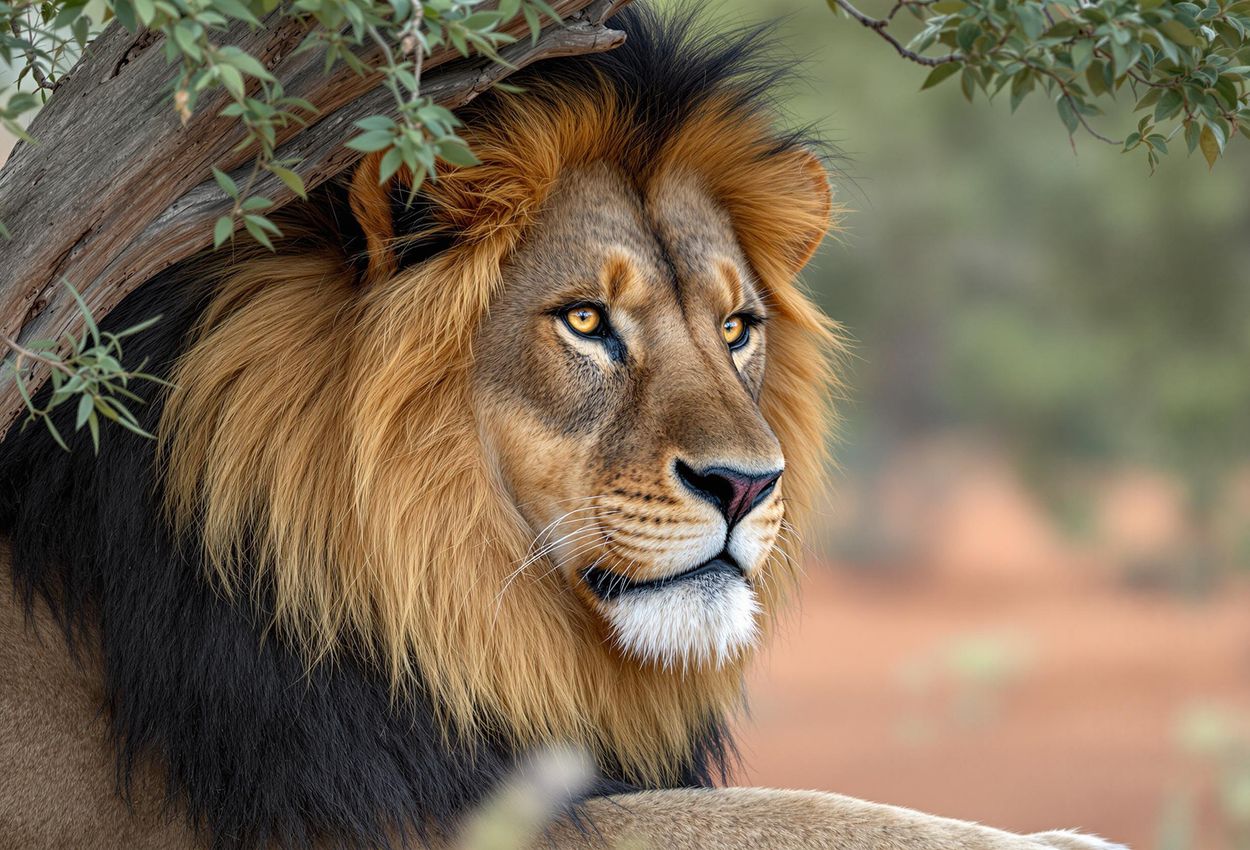
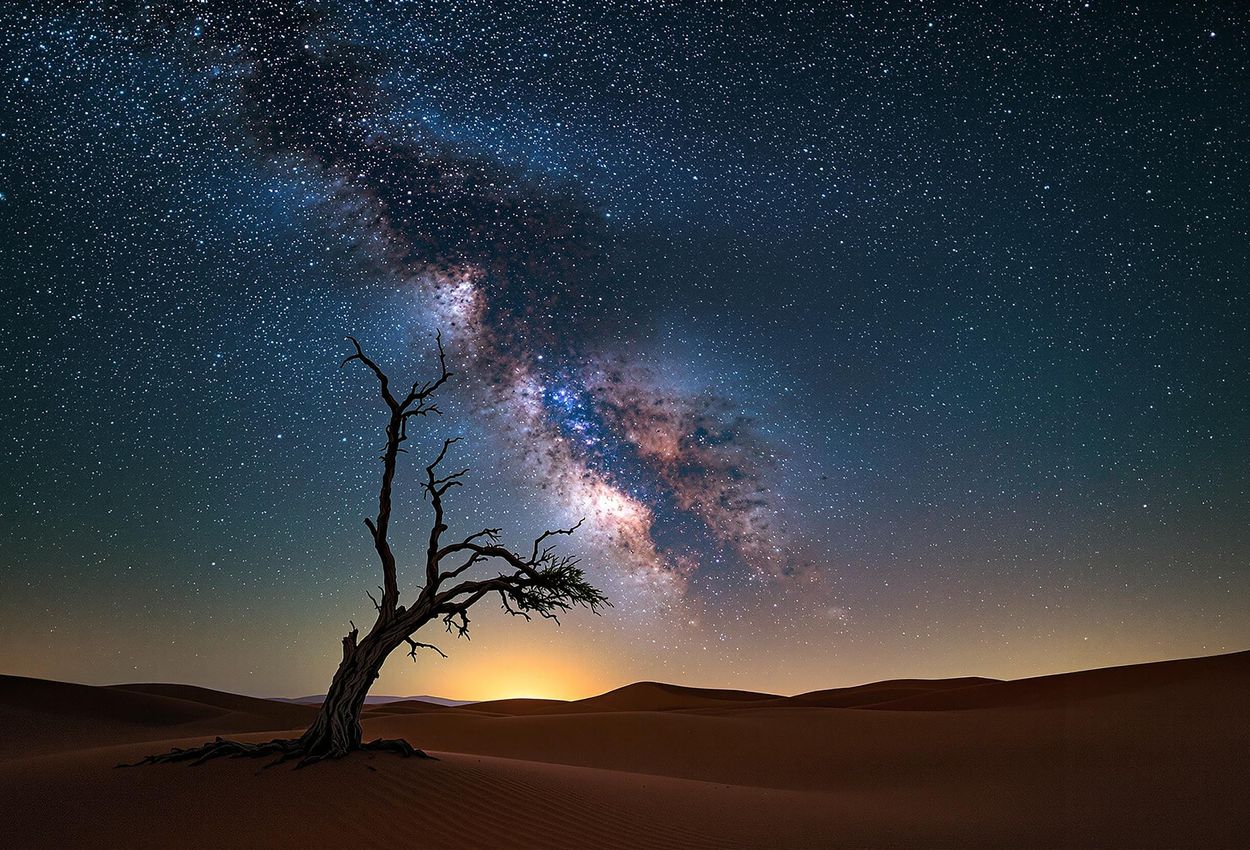
Far from the glare of city lights, Kgalagadi reveals a celestial spectacle that few other places can match. The park's designation as part of the !Ae!Hei Heritage Park, an International Dark Sky Sanctuary, ensures minimal light pollution, allowing the stars to shine with breathtaking clarity.
As darkness descends, the desert sky transforms into a vast, inky canvas dotted with countless stars. The Milky Way stretches across the horizon like a river of light, its billions of stars shimmering in the clear air. Constellations blaze with unfamiliar brilliance, their patterns easily discernible without the aid of binoculars. The sheer number of stars visible is astounding, a reminder of our place in the vastness of the universe.
Consider joining a guided night drive for a unique perspective on the park's nocturnal wildlife. With the aid of spotlights, you may spot elusive creatures like the aardvark, the bat-eared fox, or the elusive African wild cat. The guides share their knowledge of the stars and the San Bushmen's starlore, adding a cultural dimension to the experience. The ‡Khomani San people, who have lived in the Kalahari for millennia, have a deep connection to the night sky, using the stars for navigation, timekeeping, and storytelling. Their knowledge of the constellations and their associated myths offer a fascinating glimpse into a rich cultural heritage.
Even without a guided tour, simply stepping outside your accommodation at night is an experience in itself. The silence is profound, broken only by the occasional call of a jackal or the distant hoot of an owl. The air is crisp and cool, and the stars seem close enough to touch. It's a time for reflection, for contemplation, and for marveling at the beauty of the natural world.
Whether you're an avid astronomer or simply someone who appreciates the beauty of the night sky, Kgalagadi's November nights will leave you spellbound. It's an experience that will stay with you long after you've left the desert, a reminder of the magic that exists in the darkness.
A journey to Kgalagadi requires careful planning and a spirit of self-reliance. The park's remoteness and limited facilities demand that visitors come prepared.
The most common entry point is via Upington Airport in South Africa, from where you can rent a vehicle suitable for the park's terrain. A 4x4 vehicle is highly recommended, especially if you plan to explore the Botswana side of the park or venture onto the more challenging 4x4 trails. Even on the South African side, a high-clearance vehicle is advisable due to the corrugated gravel roads.
Self-sufficiency is key. Ensure you carry ample water, fuel, and supplies for your entire stay. Fuel is available at Twee Rivieren, Nossob, and Mata Mata, but it's always wise to have a reserve. The shops at these main camps stock basic food items, but it's best to do your main grocery shopping before entering the park.
Accommodation options range from camping to chalets and luxury lodges. Twee Rivieren, Nossob, and Mata Mata offer chalets and campsites with varying levels of comfort. For a more immersive experience, consider staying at one of the wilderness camps like Kieliekrankie, Urikaruus, or Gharagab. These camps offer self-catering units in secluded locations, allowing you to truly connect with the wilderness. For a touch of luxury, !Xaus Lodge provides a unique cultural experience, owned and managed by the ‡Khomani San and Mier communities. Booking well in advance is essential, as accommodation fills up quickly, especially during peak season.
Remember to obtain the necessary permits before entering the park and to familiarize yourself with the park's rules and regulations. Respect the wildlife and maintain a safe distance from animals. Be aware of the potential dangers of the desert environment, such as extreme heat and dehydration.
With careful planning and a sense of adventure, your Kgalagadi journey will be an unforgettable experience. The silence, the solitude, and the stark beauty of the desert will leave a lasting impression.

While November marks the end of the dry season in Kgalagadi, it also holds the promise of renewal. The desert flora, though seemingly dormant, is poised to burst into life with the first rains.
Even before the rains arrive, the hardy grasses and shrubs of the Kalahari display their resilience. The grey camel thorn, with its distinctive silhouette, provides shade and sustenance for many animals. Dune bushman grass and gha grass sway gently in the breeze, their golden hues adding a touch of warmth to the landscape. The shepherd's tree, with its smooth white bark, stands as a beacon of hope in the arid environment.
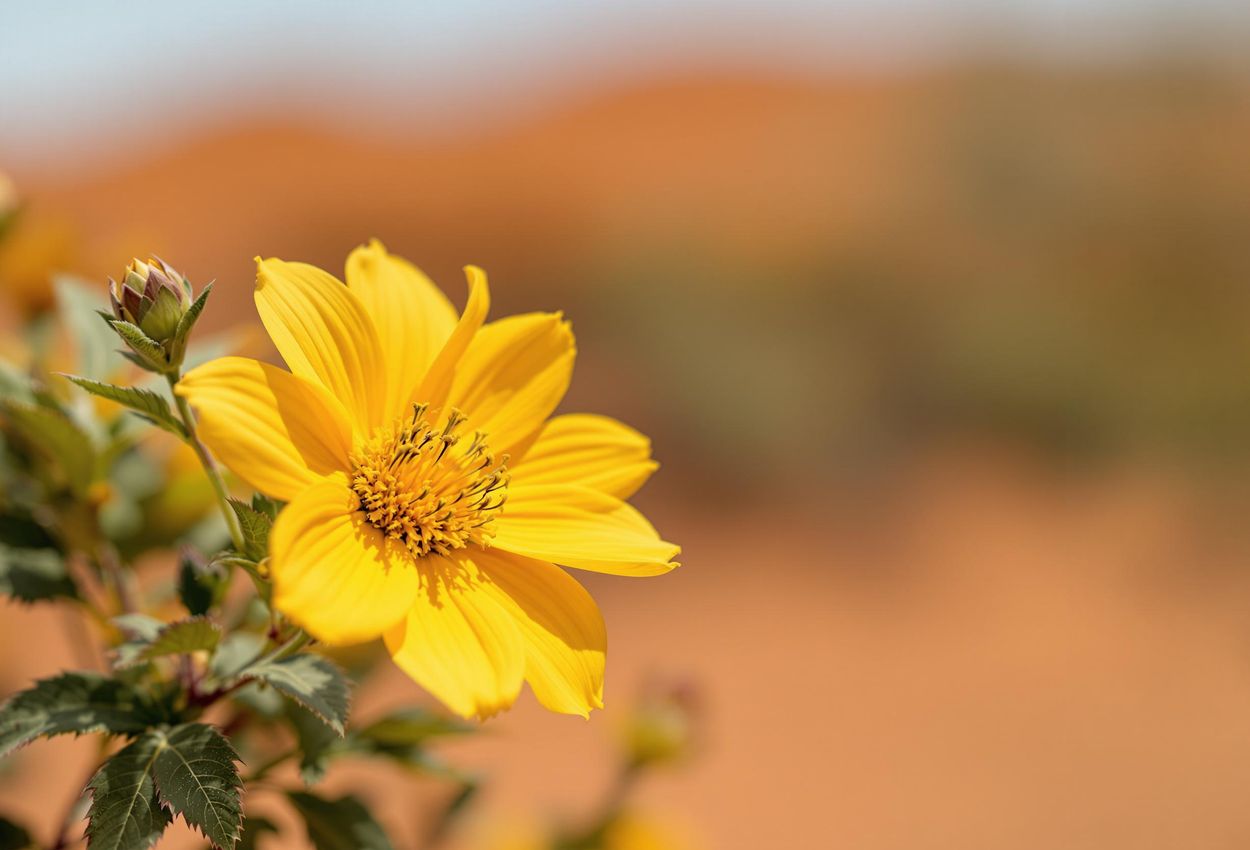
As November progresses, keep an eye out for the first signs of flowering. The devil's thorn, with its vibrant yellow blooms, may begin to appear, adding a splash of color to the desert landscape. Other hardy plants, like the gemsbok cucumber, provide food and liquid for wildlife.
The anticipation of the rains is palpable, as the desert seems to hold its breath, waiting for the life-giving moisture. When the rains finally arrive, usually in December, the transformation is dramatic. The parched earth turns green, and a carpet of wildflowers blankets the landscape. It's a time of abundance, when animals thrive and the desert reveals its full beauty.
While November may not offer the full spectacle of the post-rain bloom, it provides a unique opportunity to witness the desert's subtle beauty and to appreciate the resilience of its flora. It's a time to observe the intricate adaptations that allow plants to survive in this harsh environment and to marvel at the promise of renewal that lies just beneath the surface.
Kgalagadi Transfrontier Park strives to be a destination accessible to all, ensuring that everyone can experience the serenity and escape it offers.
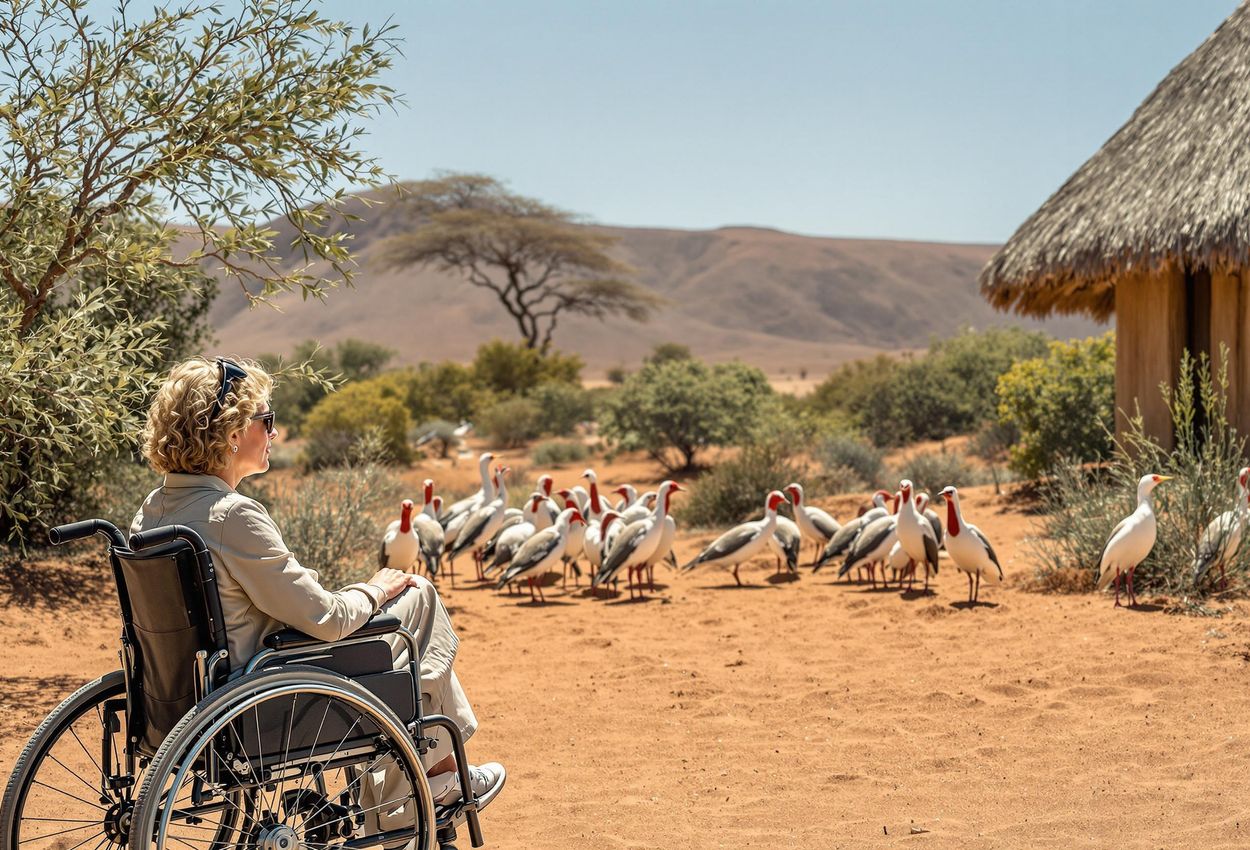
While the park's vastness and rugged terrain present some challenges, efforts have been made to improve accessibility at key locations. The wheelchair-friendly bird hide at Twee Rivieren allows visitors with mobility challenges to observe the park's diverse birdlife.
Several accommodation options offer accessible features. Three chalets at Twee Rivieren, one reed-cabin at Bitterpan, and two desert tents at Kalahari Tented Camp have access ramps and accessible ablutions. Kieliekrankie wilderness camp also has a cabin adapted for wheelchair users. It is advisable to confirm the specific accessibility features of your chosen accommodation when booking.
Although public transportation is unavailable, the park focuses on providing improved facilities at the main camps. SANParks has been working to improve accessibility at main camps like Twee Rivieren, Nossob, and Mata Mata, including accessible chalets with ramps and accessible ablution facilities.
Local Tip: Contact SANParks Central Reservations for detailed information on accessible facilities and to discuss your specific needs.
Despite the challenges, Kgalagadi remains a worthwhile destination for travelers with disabilities. The serenity of the desert, the abundance of wildlife, and the vastness of the landscape offer a unique and unforgettable experience for all who venture there.
Our editors` picks of the latest and greatest in travel - delivered to your inbox daily
Relax on the beaches and explore the reefs of Xai-Xai.
View More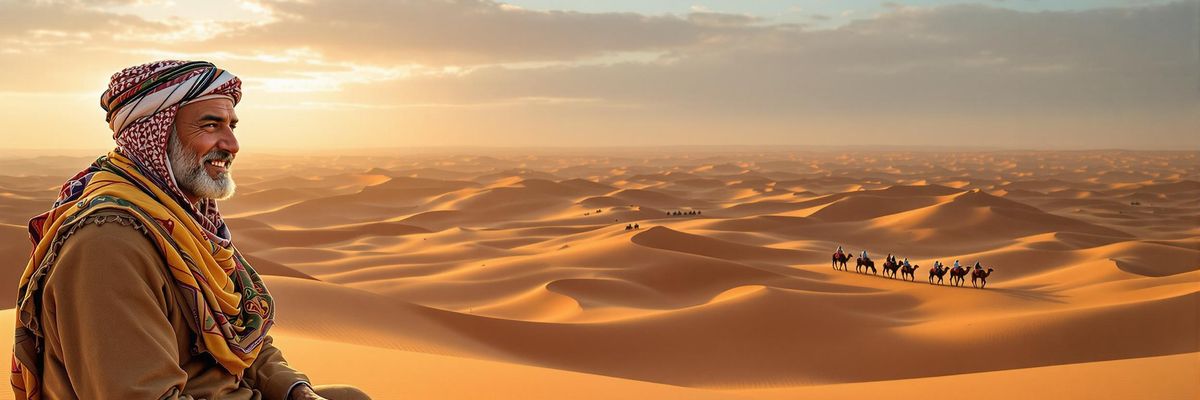
Embrace the cooler temperatures and experience the International Festival of the Sahara in Douz this December.
View More
Celebrate the year-end festivities in Accra, culminating in the vibrant Afrofuture festival.
View More Albania EDITION
 Algeria EDITION
 Argentina EDITION
 Armenia EDITION
 Australia EDITION
 Austria EDITION
 Bangladesh EDITION
 Belgium EDITION
 Belize EDITION
 Benin EDITION
 Bhutan EDITION
 Bolivia EDITION
 Bosnia and Herzegovina EDITION
 Botswana EDITION
 Brazil EDITION
 Bulgaria EDITION
 Burkina Faso EDITION
 Cambodia EDITION
 Cameroon EDITION
 Canada EDITION
 Central African Republic EDITION
 Chad EDITION
 Chile EDITION
 China EDITION
 Colombia EDITION
 Costa Rica EDITION
 Croatia EDITION
 Cyprus EDITION
 Denmark EDITION
 Djibouti EDITION
 Ecuador EDITION
 Egypt EDITION
 El Salvador EDITION
 Eritrea EDITION
 Estonia EDITION
 Ethiopia EDITION
 Finland EDITION
 France EDITION
 Gabon EDITION
 Georgia EDITION
 Germany EDITION
 Ghana EDITION
 Greece EDITION
 Guatemala EDITION
 Guinea EDITION
 Guinea-Bissau EDITION
 Honduras EDITION
 Hungary EDITION
 Iceland EDITION
 India EDITION
 Indonesia EDITION
 Ireland EDITION
 Israel EDITION
 Italy EDITION
 Jamaica EDITION
 Japan EDITION
 Jordan EDITION
 Kenya EDITION
 Kuwait EDITION
 Laos EDITION
 Latvia EDITION
 Lebanon EDITION
 Lesotho EDITION
 Liberia EDITION
 Lithuania EDITION
 Luxembourg EDITION
 Madagascar EDITION
 Malawi EDITION
 Malaysia EDITION
 Maldives EDITION
 Mali EDITION
 Malta EDITION
 Mauritania EDITION
 Mauritius EDITION
 Mexico EDITION
 Mongolia EDITION
 Montenegro EDITION
 Morocco EDITION
 Mozambique EDITION
 Namibia EDITION
 Nepal EDITION
 Netherlands EDITION
 New Zealand EDITION
 Nicaragua EDITION
 Niger EDITION
 Nigeria EDITION
 Norway EDITION
 Oman EDITION
 Pakistan EDITION
 Panama EDITION
 Papua New Guinea EDITION
 Paraguay EDITION
 Peru EDITION
 Philippines EDITION
 Poland EDITION
 Portugal EDITION
 Qatar EDITION
 Romania EDITION
 Rwanda EDITION
 Saudi Arabia EDITION
 Senegal EDITION
 Serbia EDITION
 Singapore EDITION
 Slovakia EDITION
 Slovenia EDITION
 Somalia EDITION
 South Africa EDITION
 South Korea EDITION
 Spain EDITION
 Sri Lanka EDITION
 Suriname EDITION
 Sweden EDITION
 Switzerland EDITION
 Tanzania EDITION
 Thailand EDITION
 Tunisia EDITION
 Uganda EDITION
 United Arab Emirates EDITION
 United Kingdom EDITION
 Uruguay EDITION
 Venezuela EDITION
 Vietnam EDITION
 Zambia EDITION
 Zimbabwe EDITION
Subscribe to our newsletter and get the most captivating travel stories, hidden gems, and expert insights delivered straight to your inbox. As a subscriber, you’ll be first in line for exclusive content, premium offers, and unforgettable travel experiences