



Destination Guide
Xai-Xai: A Coastal Retreat
Relax on the beaches and explore the reefs of Xai-Xai.
View More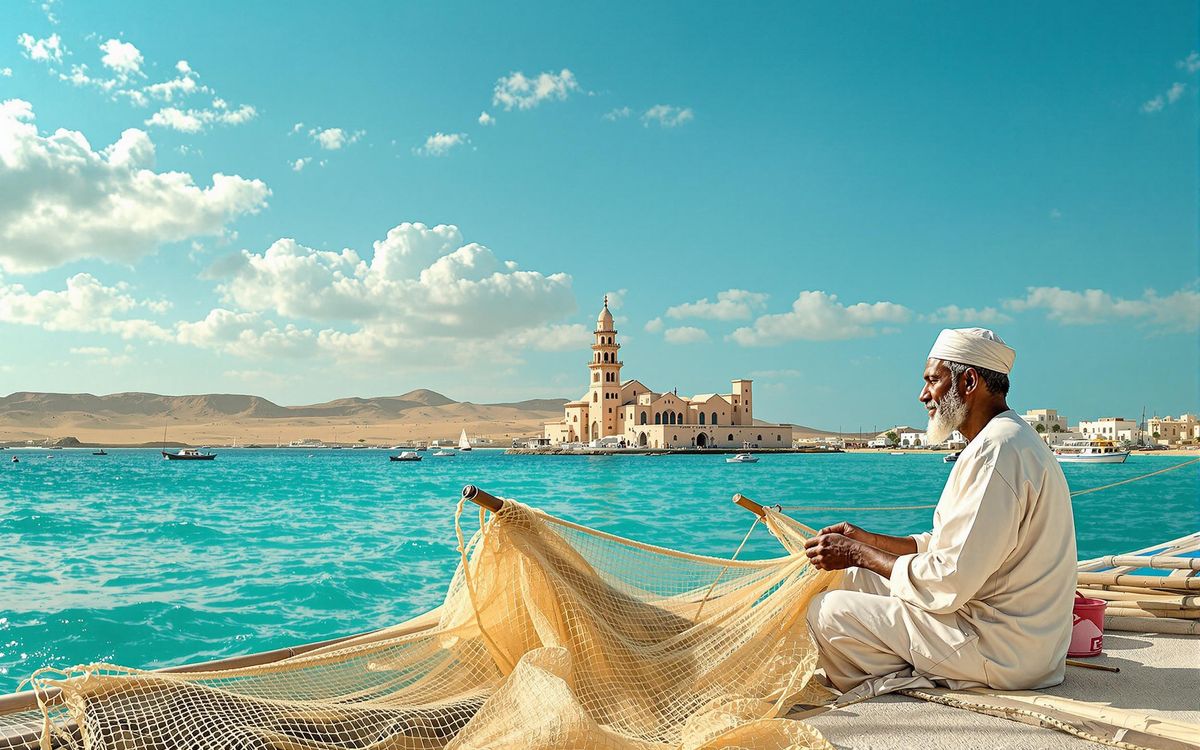

Step back in time and discover the tranquil beauty of Obock, Djibouti's former capital, where colonial history whispers on the sea breeze and a unique blend of cultures awaits.
Nestled on the northern coast of the Gulf of Tadjoura, Obock offers a serene escape from the bustling capital of Djibouti City. This historic town, once the heart of French Somaliland, invites travelers to explore its colonial past, savor its diverse cuisine, and connect with the warm and welcoming local community. Prepare to be captivated by Obock's unique charm, where time seems to slow down and the echoes of history linger in the air.
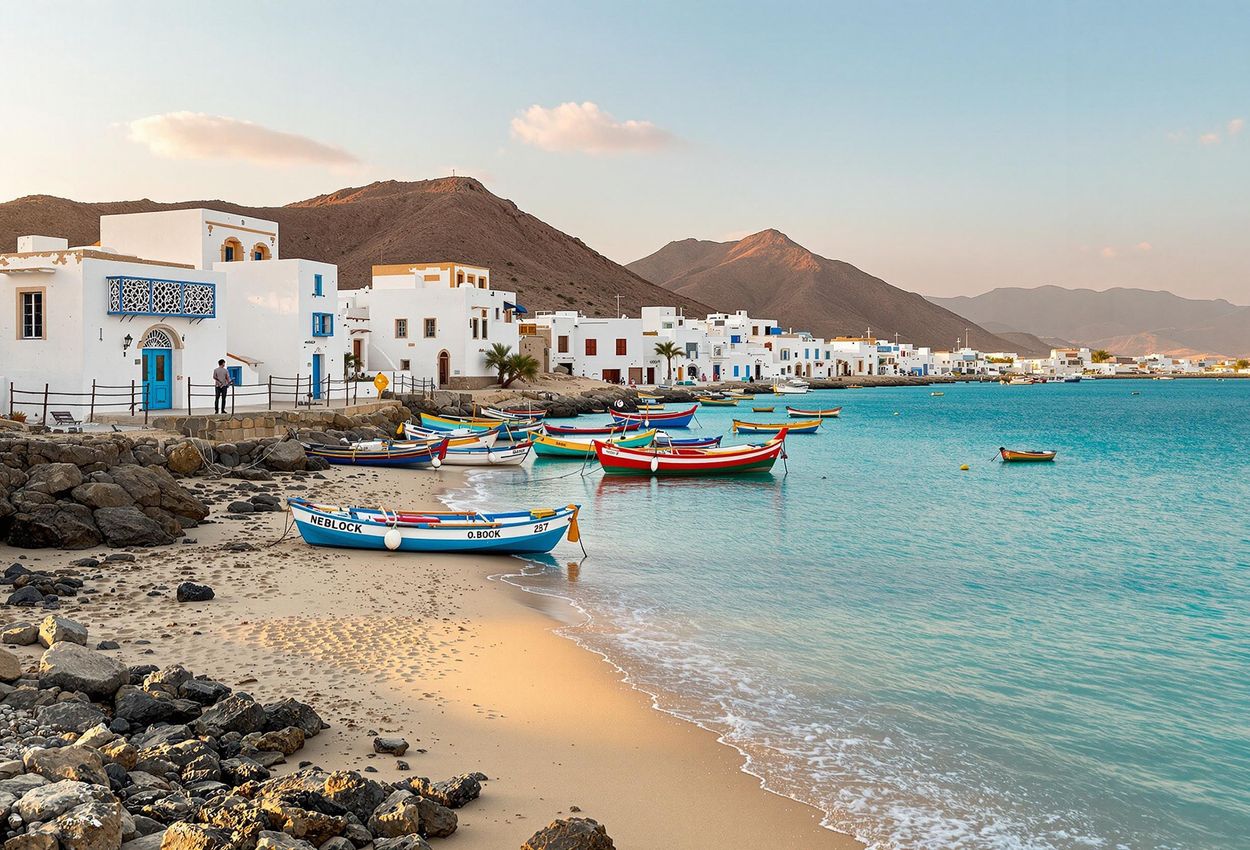
Arriving in Obock is like stepping into a bygone era. The town exudes a tranquil atmosphere, a palpable sense of history that sets it apart from other destinations. Begin your exploration with a visit to the Governor's House, currently undergoing restoration. Perched atop a hill, this colonial-era building offers panoramic views of the town and the shimmering coastline. Imagine the French administrators who once oversaw the region from this very spot, shaping the destiny of French Somaliland.
Continue your walking tour to the Marine Cemetery, a poignant reminder of Obock's colonial past. The stark white tombs, weathered by time and sea spray, stand as silent witnesses to the lives of those who came from distant lands and made their mark on this remote outpost. Take a moment to reflect on the stories etched in stone, the hopes and dreams of those who now rest in this peaceful corner of Djibouti.
Next, venture to the Old Obock Mosque, an architectural gem that reflects the Islamic heritage of the region. Admire the intricate designs and the serene ambiance of this sacred space, a testament to the enduring influence of Islam in Obock. The mosque's minaret, shaped like a lighthouse, symbolizes Islam's guiding light and the city's importance as a port.
A short distance away stands the French Fort, a vestige of Obock's strategic importance to the French. Although time has taken its toll, the fort still evokes a sense of the past, a reminder of the colonial power that once held sway over this region. Imagine the soldiers who once manned these walls, guarding the interests of France in this far-flung corner of their empire.
Obock served as the initial capital of French Somaliland from 1884 to 1896, a period that saw significant development, including the construction of administrative buildings and a port. Its strategic location along the Red Sea made it a vital coaling station for steamships, especially after the opening of the Suez Canal in 1869. The town's role as a trading hub attracted a diverse population, resulting in a unique blend of Afar, Somali, and French influences.
The laid-back vibe of Obock is a welcome change from the hustle and bustle of Djibouti City. Take your time to soak in the atmosphere, to appreciate the unhurried pace of life, and to connect with the town's rich history and cultural heritage.
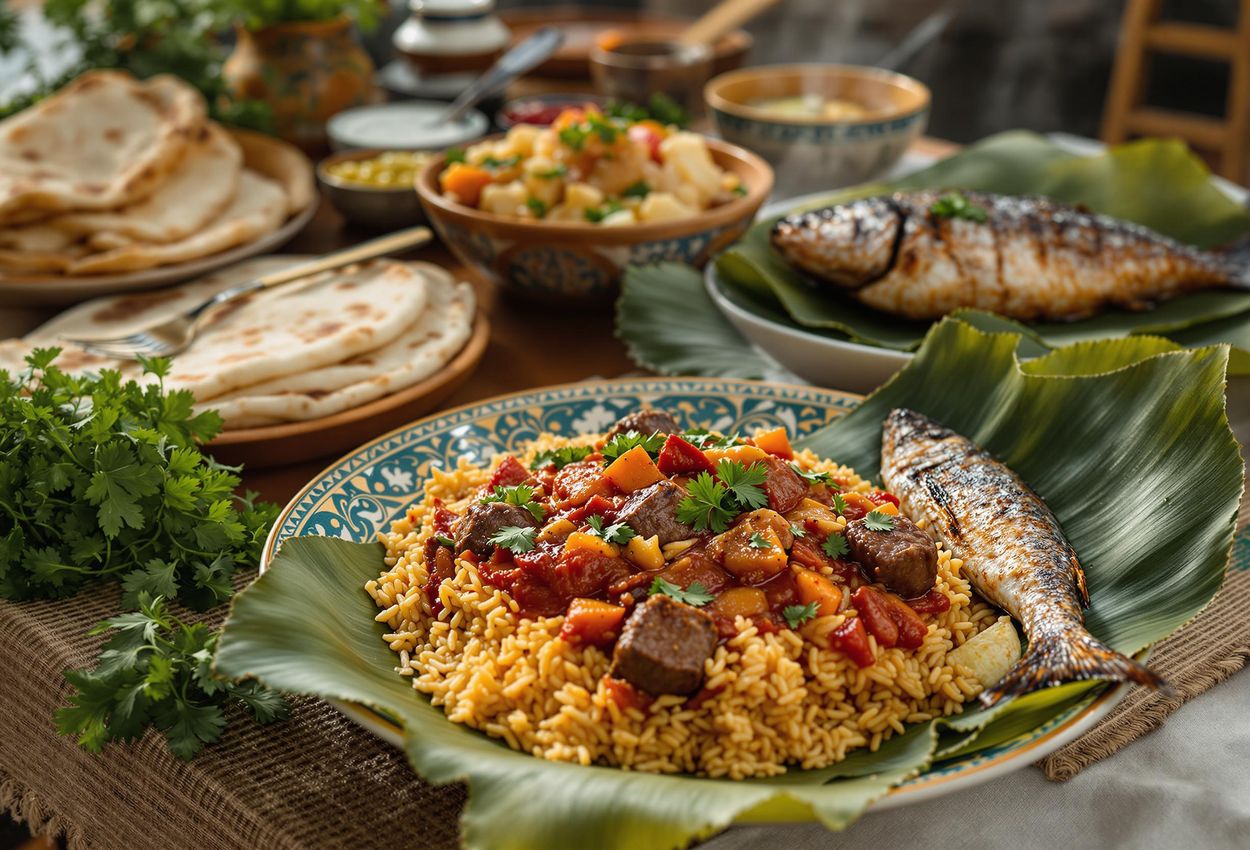
Obock's culinary scene is a delightful reflection of its diverse cultural influences. Somali, Afar, Yemeni, and French traditions intertwine to create a unique and flavorful gastronomic experience. Be sure to sample some of the local specialties, prepared with fresh ingredients and aromatic spices.
Start with Skoudehkaris, considered Djibouti's national dish. This flavorful rice dish is typically made with lamb or goat meat and seasoned with aromatic spices such as cardamom, cinnamon, and cloves. The blend of spices creates a warm and inviting aroma, while the tender meat and fluffy rice make for a satisfying and comforting meal.
Next, try Fah-Fah, a hearty vegetable soup that is a staple in Djiboutian cuisine. This dense and flavorful soup typically includes potatoes, carrots, cabbage, and barley, creating a simple, earthy, and healthy dish. It's the perfect way to start a meal or to enjoy as a light and nourishing lunch.
For a taste of local bread, sample Laxoox, a pancake-like flatbread that is similar to Ethiopian injera. Made with wheat rather than teff grain, Laxoox has a slightly spongy texture and a mild, slightly sour flavor. It's often served with stews, soups, or enjoyed for breakfast with butter and sugar.
Given Obock's coastal location, fresh seafood is abundant. Grilled fish, seasoned with Middle Eastern spices, is a must-try. The fish is typically grilled over an open flame, giving it a smoky flavor and a crispy skin. Served with a squeeze of lemon and a side of rice or vegetables, it's a simple yet delicious meal.
To experience authentic Djiboutian cuisine, head to Chez Liza or Moonlight Restaurant. These local eateries offer a wide range of traditional dishes, prepared with fresh ingredients and a generous helping of local hospitality. Don't be afraid to ask for recommendations – the friendly staff will be happy to guide you through the menu and suggest their specialties.
No culinary journey in Obock is complete without trying traditional Somali tea. This aromatic tea is typically brewed with spices like cardamom, cinnamon, and cloves, creating a warm and inviting beverage. It's often served with sugar and milk, and it's the perfect way to end a meal or to enjoy as a refreshing afternoon pick-me-up.
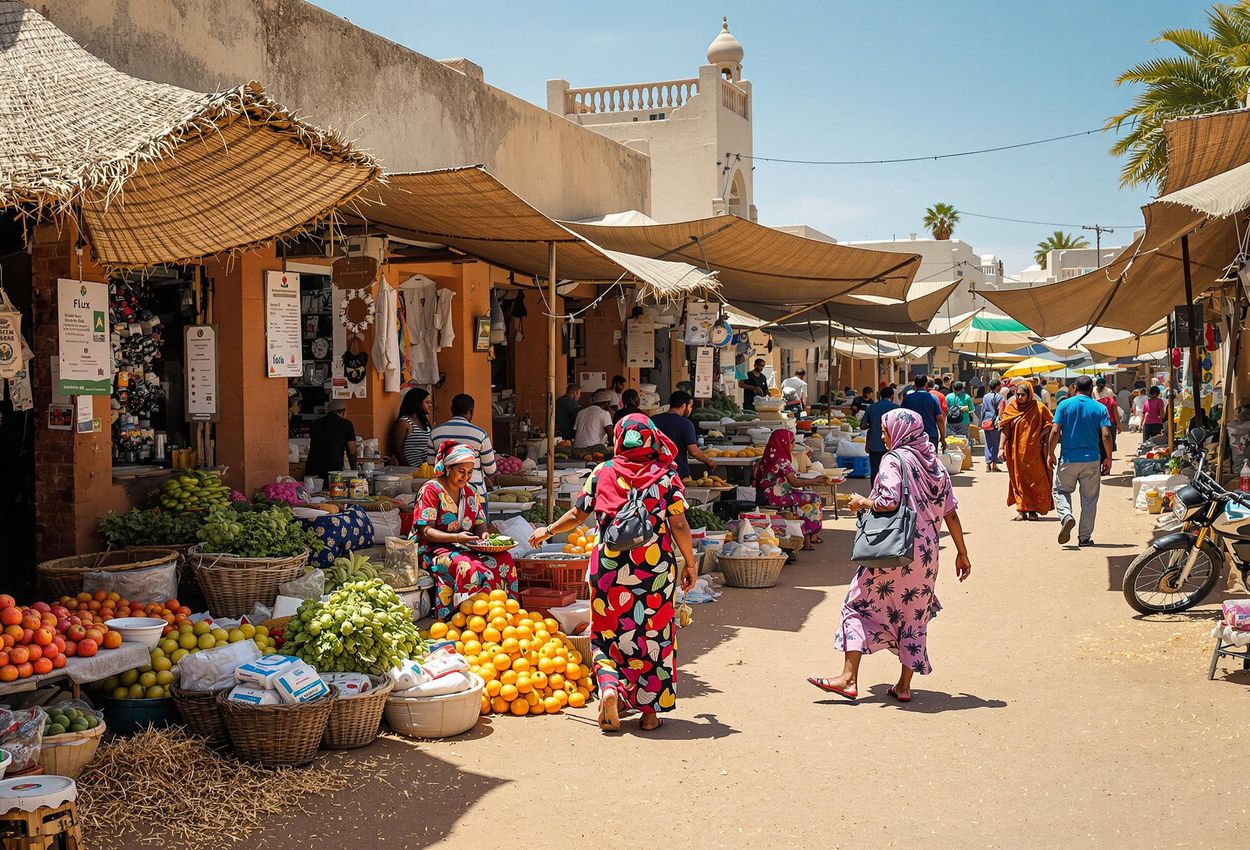
Explore the local markets for a taste of authentic Obock flavors. Here, you'll find a variety of fresh produce, spices, and local delicacies. Sample the street food, chat with the vendors, and immerse yourself in the vibrant atmosphere of the market.
One of the most rewarding aspects of traveling to Obock is the opportunity to connect with the local community. The people of Obock are known for their warmth, hospitality, and strong sense of tradition. By interacting respectfully and engaging with the local culture, you can gain a deeper understanding of this unique destination.
Learning a few basic French or Arabic phrases will go a long way in building rapport with the locals. Even simple greetings like “Bonjour” (French) or “As-salamu alaykum” (Arabic) will be appreciated and can open doors to meaningful conversations.
When visiting religious sites or interacting with the local community, it's important to dress modestly. Avoid wearing revealing clothing and opt for loose-fitting garments that cover your shoulders and knees. This shows respect for local customs and traditions and helps to create a positive impression.
The Obock Central Market is a great place to connect with locals and experience the daily life of the town. Here, you can browse through a variety of stalls selling fresh produce, spices, handicrafts, and traditional clothing. Engage with the vendors, ask questions about their products, and learn about their way of life.
Consider seeking guidance from local guides for a deeper understanding of Obock's customs and traditions. They can provide valuable insights into the local culture, share stories about the town's history, and help you navigate the local community with ease.
Embrace the laid-back vibe of Obock and take your time to connect with the people you meet. Engage in conversations, ask questions, and show a genuine interest in their lives and experiences. Remember that Obock is a predominantly Muslim community, and it's important to respect local customs and traditions. Be mindful of prayer times and avoid disruptive behavior during religious observances.
By interacting respectfully and engaging with the local community, you can create lasting memories and gain a deeper appreciation for the unique culture of Obock. Your interactions will not only enrich your own travel experience but also contribute to fostering positive relationships between visitors and the local community.
Obock welcomes you with open arms, ready to share its history, culture, and the warmth of its people. Come and discover the magic of this hidden gem in Djibouti.
Our editors` picks of the latest and greatest in travel - delivered to your inbox daily
Relax on the beaches and explore the reefs of Xai-Xai.
View More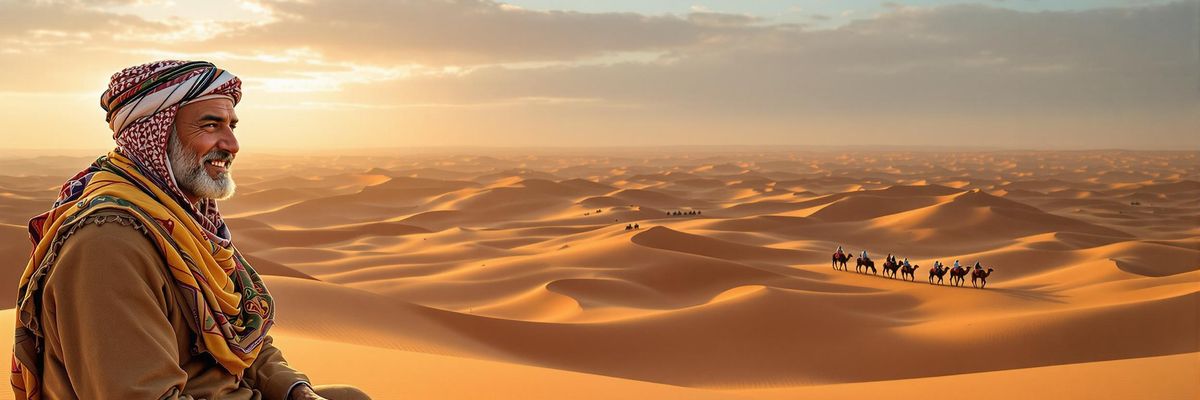
Embrace the cooler temperatures and experience the International Festival of the Sahara in Douz this December.
View More
Celebrate the year-end festivities in Accra, culminating in the vibrant Afrofuture festival.
View More Albania EDITION
 Algeria EDITION
 Argentina EDITION
 Armenia EDITION
 Australia EDITION
 Austria EDITION
 Bangladesh EDITION
 Belgium EDITION
 Belize EDITION
 Benin EDITION
 Bhutan EDITION
 Bolivia EDITION
 Bosnia and Herzegovina EDITION
 Botswana EDITION
 Brazil EDITION
 Bulgaria EDITION
 Burkina Faso EDITION
 Cambodia EDITION
 Cameroon EDITION
 Canada EDITION
 Central African Republic EDITION
 Chad EDITION
 Chile EDITION
 China EDITION
 Colombia EDITION
 Costa Rica EDITION
 Croatia EDITION
 Cyprus EDITION
 Denmark EDITION
 Djibouti EDITION
 Ecuador EDITION
 Egypt EDITION
 El Salvador EDITION
 Eritrea EDITION
 Estonia EDITION
 Ethiopia EDITION
 Finland EDITION
 France EDITION
 Gabon EDITION
 Georgia EDITION
 Germany EDITION
 Ghana EDITION
 Greece EDITION
 Guatemala EDITION
 Guinea EDITION
 Guinea-Bissau EDITION
 Honduras EDITION
 Hungary EDITION
 Iceland EDITION
 India EDITION
 Indonesia EDITION
 Ireland EDITION
 Israel EDITION
 Italy EDITION
 Jamaica EDITION
 Japan EDITION
 Jordan EDITION
 Kenya EDITION
 Kuwait EDITION
 Laos EDITION
 Latvia EDITION
 Lebanon EDITION
 Lesotho EDITION
 Liberia EDITION
 Lithuania EDITION
 Luxembourg EDITION
 Madagascar EDITION
 Malawi EDITION
 Malaysia EDITION
 Maldives EDITION
 Mali EDITION
 Malta EDITION
 Mauritania EDITION
 Mauritius EDITION
 Mexico EDITION
 Mongolia EDITION
 Montenegro EDITION
 Morocco EDITION
 Mozambique EDITION
 Namibia EDITION
 Nepal EDITION
 Netherlands EDITION
 New Zealand EDITION
 Nicaragua EDITION
 Niger EDITION
 Nigeria EDITION
 Norway EDITION
 Oman EDITION
 Pakistan EDITION
 Panama EDITION
 Papua New Guinea EDITION
 Paraguay EDITION
 Peru EDITION
 Philippines EDITION
 Poland EDITION
 Portugal EDITION
 Qatar EDITION
 Romania EDITION
 Rwanda EDITION
 Saudi Arabia EDITION
 Senegal EDITION
 Serbia EDITION
 Singapore EDITION
 Slovakia EDITION
 Slovenia EDITION
 Somalia EDITION
 South Africa EDITION
 South Korea EDITION
 Spain EDITION
 Sri Lanka EDITION
 Suriname EDITION
 Sweden EDITION
 Switzerland EDITION
 Tanzania EDITION
 Thailand EDITION
 Tunisia EDITION
 Uganda EDITION
 United Arab Emirates EDITION
 United Kingdom EDITION
 Uruguay EDITION
 Venezuela EDITION
 Vietnam EDITION
 Zambia EDITION
 Zimbabwe EDITION
Subscribe to our newsletter and get the most captivating travel stories, hidden gems, and expert insights delivered straight to your inbox. As a subscriber, you’ll be first in line for exclusive content, premium offers, and unforgettable travel experiences