


Destination Guide
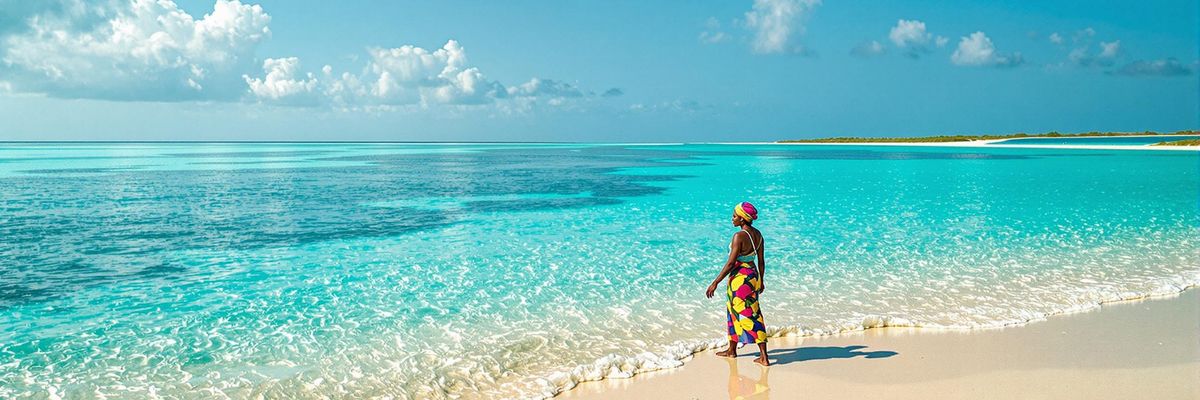
Xai-Xai: A Coastal Retreat
Relax on the beaches and explore the reefs of Xai-Xai.
View More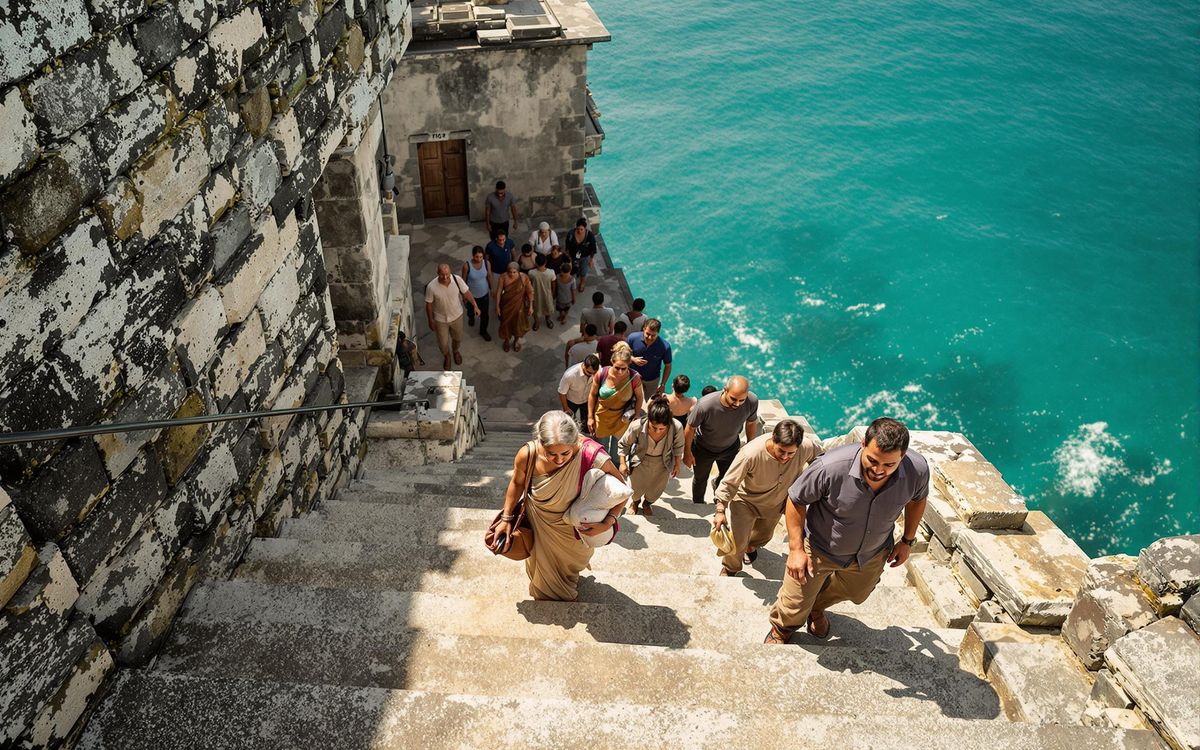

In the heart of Port Louis, Mauritius, lies a place where the echoes of history resonate with profound emotion—Aapravasi Ghat. This UNESCO World Heritage Site stands as a solemn reminder of the indentured laborers who arrived on these shores, shaping the cultural and social fabric of the nation. In October, as the island transitions into a warmer season, visiting Aapravasi Ghat offers a unique opportunity to reflect on the stories of resilience, adaptation, and cultural fusion that define Mauritius.
The journey through Aapravasi Ghat is more than a historical tour; it is an immersive experience that invites contemplation and understanding. As you walk through the grounds, imagine the hopes and fears of those who arrived here, their dreams of a new life mingled with the pain of leaving their homes. This guide explores the site's key features, shares the stories of the people who passed through its gates, and highlights the ongoing efforts to preserve this vital piece of world history.
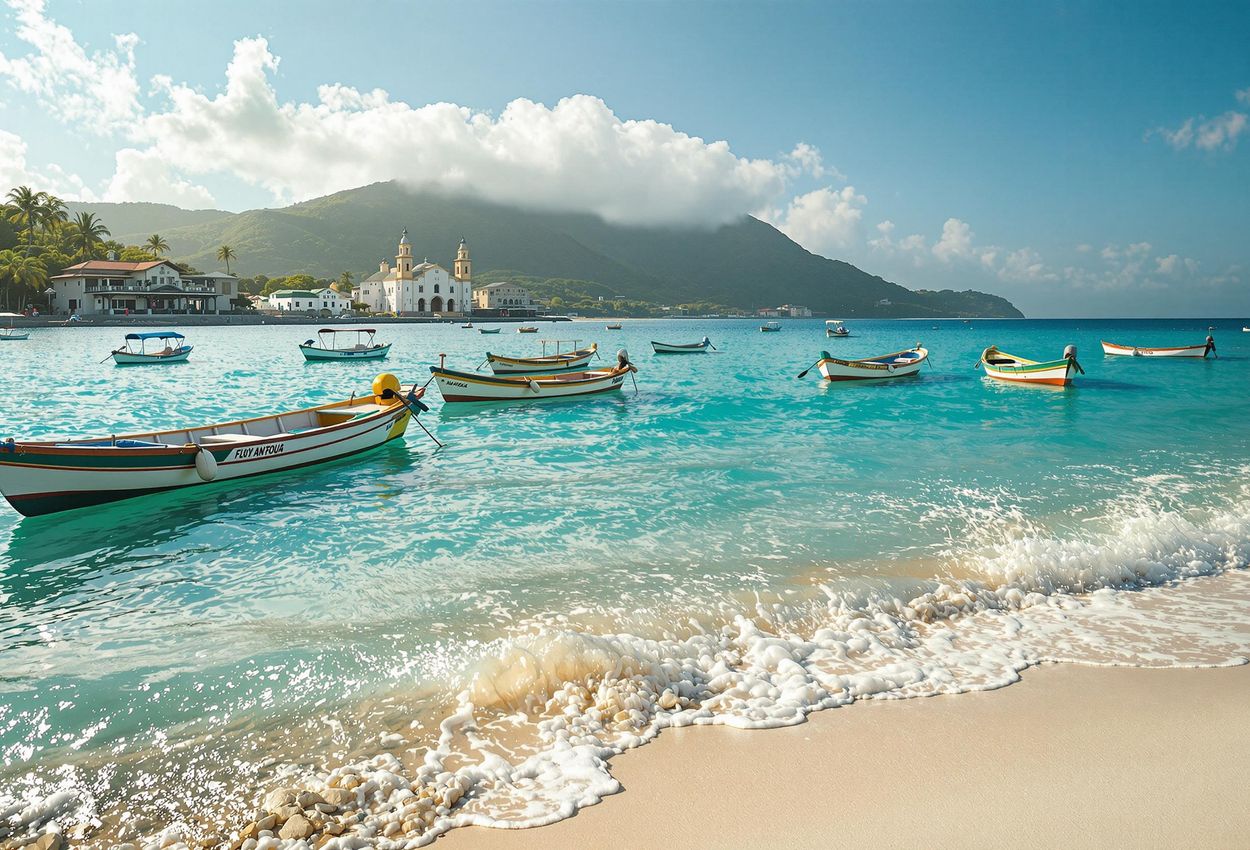
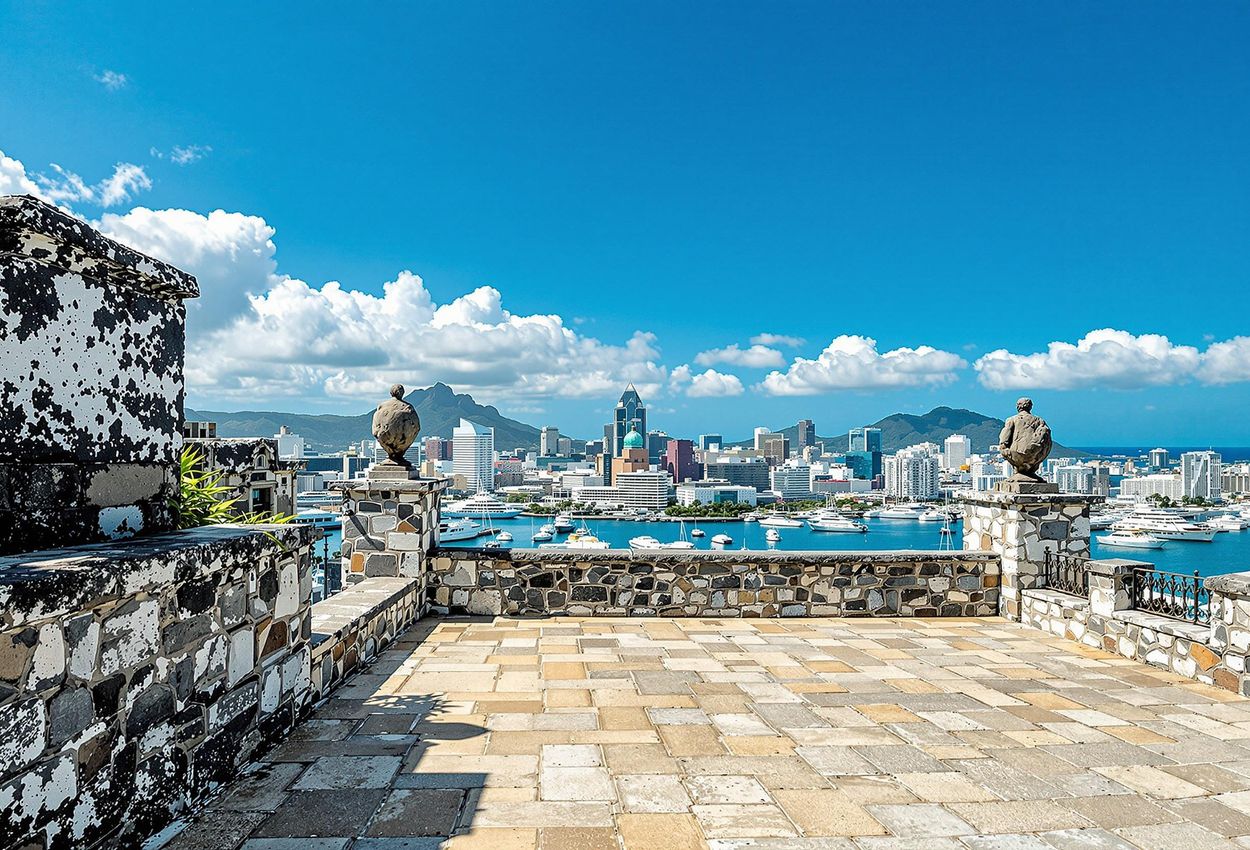
October in Port Louis brings a gentle warmth, with the intensity of the summer heat yet to fully arrive. The light is soft, casting long shadows across Trou Fanfaron Bay, where the turquoise water gently laps against the shore. Standing here, one can almost hear the whispers of the past, the sounds of ships arriving, and the murmur of voices speaking in a multitude of languages.
This bay was the primary entry point for indentured laborers arriving at Aapravasi Ghat. Imagine the scene: weary travelers disembarking after months at sea, their eyes wide with a mixture of trepidation and hope. The air would have been thick with the smells of salt, unfamiliar spices, and the damp earth of this new land. For many, this was their first glimpse of Mauritius, a land of both promise and uncertainty.
The initial experiences of the laborers were undoubtedly overwhelming. After disembarking, they were processed through the depot, a series of stone buildings that served as a gateway to their new lives. Here, they would have undergone registration, medical examinations, and assignment to various sugar plantations across the island. The sounds of clerks recording names, doctors examining bodies, and the general commotion of hundreds of people in close quarters would have created a cacophony of impressions.
The physical sensation of setting foot on Mauritian soil for the first time must have been profound. After weeks or months confined to a ship, the feel of solid ground beneath their feet would have been a welcome relief. However, this relief was likely tempered by the anxiety of what lay ahead. The weight of their journey, both literal and metaphorical, would have been palpable as they took their first steps into this new chapter of their lives.
The stone steps of Aapravasi Ghat are more than just a physical structure; they are a symbolic threshold. These steps represent the first point of contact between the indentured laborers and the land that would become their new home. Climbing these steps was a pivotal moment, marking the transition from their old lives to an uncertain future in Mauritius.
There are sixteen stone steps. The act of climbing them was likely a laborious one, especially after the long and arduous journey from their homelands. Each step would have been a deliberate movement, filled with a complex mix of emotions. Fear of the unknown, hope for a better future, and the sheer exhaustion of their journey would have weighed heavily on their minds and bodies.
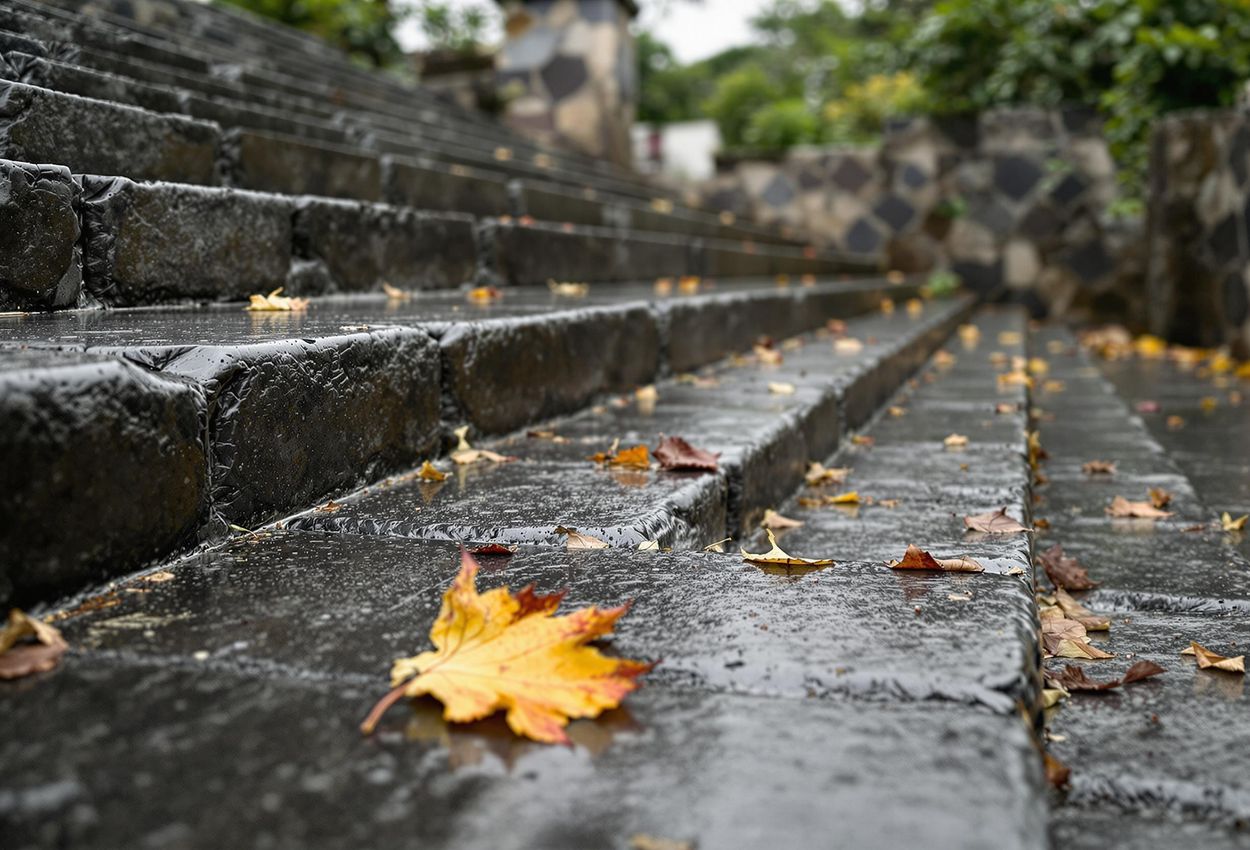
The steps themselves are constructed from dark, volcanic rock, a testament to the island's geological origins. These stones, worn smooth by the passage of countless feet, bear silent witness to the hopes, dreams, and struggles of the laborers who passed this way. Running your hand along their surface, you can almost feel the echoes of their presence, the weight of their history etched into the very fabric of the site.
Imagine the scene: men, women, and children, clad in simple garments, slowly ascending these steps, their eyes fixed on the depot buildings ahead. Some might have been carrying their few possessions, while others clutched onto family members for support. The air would have been thick with anticipation, the unspoken question of what awaited them hanging heavy in the air.
These stone steps serve as a powerful reminder of the human cost of the indentured labor system. They are a tangible link to the past, a place where visitors can connect with the experiences of those who came before and reflect on the legacy of this important historical site.
The architecture of Aapravasi Ghat reflects its dual purpose as both a processing center and a temporary home for the indentured laborers. The layout of the depot was designed to facilitate the efficient management of large numbers of people, while also providing basic necessities such as shelter, food, and medical care.
Key areas within the depot included the registration area, where new arrivals were documented; the medical examination rooms, where they were assessed for health and fitness; the dormitories, which provided basic sleeping quarters; and the kitchen, where meals were prepared. Each of these spaces played a crucial role in the lives of the laborers, shaping their experiences in profound ways.
The registration process was often impersonal and bureaucratic. Laborers were assigned numbers, their names recorded (sometimes inaccurately), and their physical attributes noted. This process stripped them of their individual identities, reducing them to mere statistics in the eyes of the colonial administration.
Medical examinations were equally dehumanizing. Laborers were subjected to invasive physical inspections, often without explanation or consent. Those deemed unfit for work were either denied entry or assigned to lighter duties, further reinforcing the power dynamics of the system.
The dormitories offered little in the way of comfort or privacy. Overcrowded and unsanitary, these spaces provided only the most basic shelter from the elements. Disease was rampant, and the lack of personal space contributed to a sense of alienation and despair.
The Beekrumsing Ramlallah Interpretation Centre offers a more in-depth look at the history of the site. Exhibits detail the experiences of the laborers, showcasing artifacts, photographs, and personal stories. The center provides valuable context for understanding the significance of Aapravasi Ghat and its impact on Mauritian society.
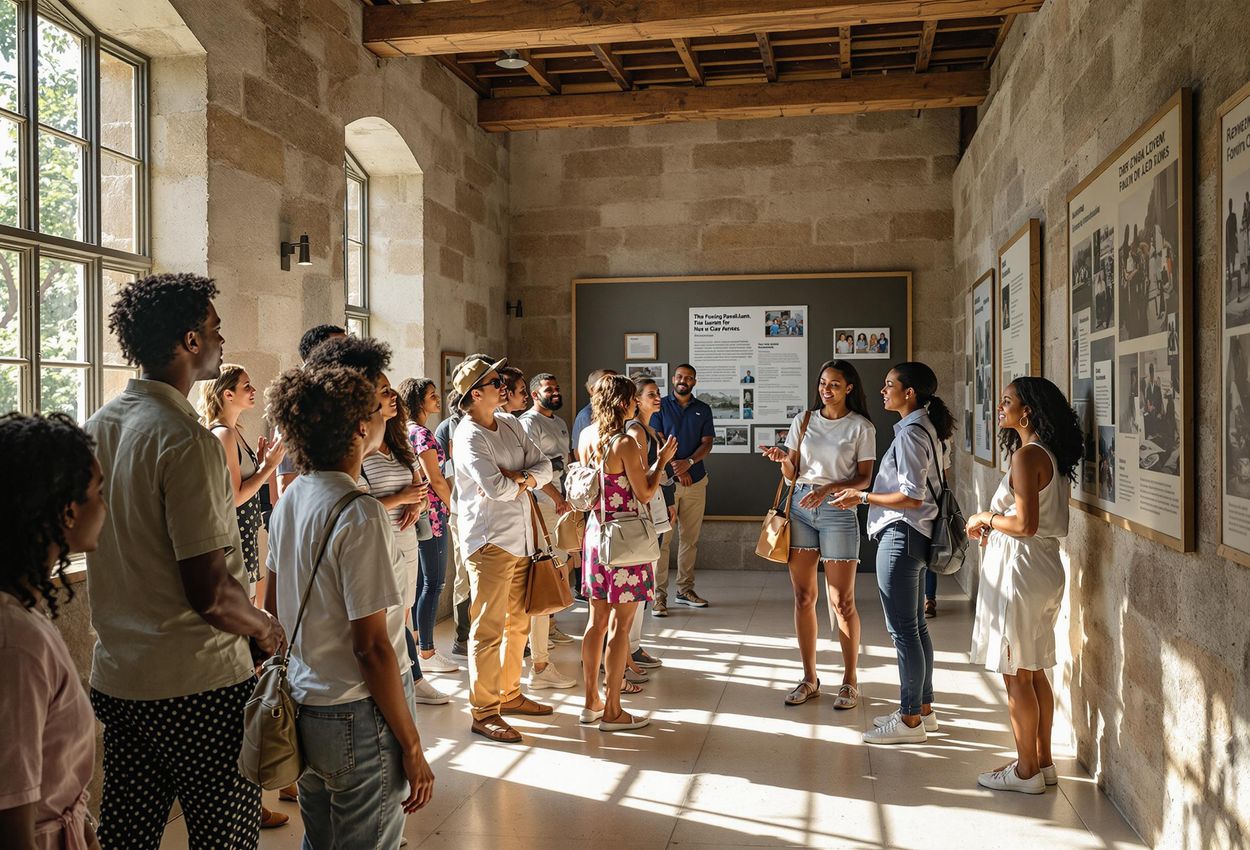
The indentured laborers who passed through Aapravasi Ghat came from diverse backgrounds and origins. The majority hailed from India, but there were also significant numbers from China, Madagascar, and other parts of Asia and Africa. Each individual brought with them their own unique stories, motivations, and cultural traditions.
For many, the decision to leave their homes was driven by economic necessity. Poverty, famine, and social unrest pushed them to seek better opportunities in Mauritius, where they hoped to earn a living and provide for their families. Others were lured by false promises of wealth and prosperity, only to find themselves trapped in a system of exploitation and abuse.
Working conditions on the sugar plantations were harsh and demanding. Laborers toiled long hours under the hot sun, performing backbreaking tasks for little pay. They faced discrimination, violence, and a constant struggle for survival. Despite these challenges, they persevered, drawing strength from their cultural heritage and their bonds with one another.
The cultural heritage that the laborers brought with them has had a profound impact on modern Mauritian society. Their languages, religions, customs, and traditions have enriched the island's cultural landscape, creating a vibrant and diverse society. Today, Mauritius is a melting pot of cultures, a testament to the resilience and adaptability of its people.
The descendants of the indentured laborers have made significant contributions to all aspects of Mauritian life, from politics and business to arts and culture. Their stories are a reminder of the importance of preserving cultural heritage and celebrating the diversity that makes Mauritius such a unique and special place.
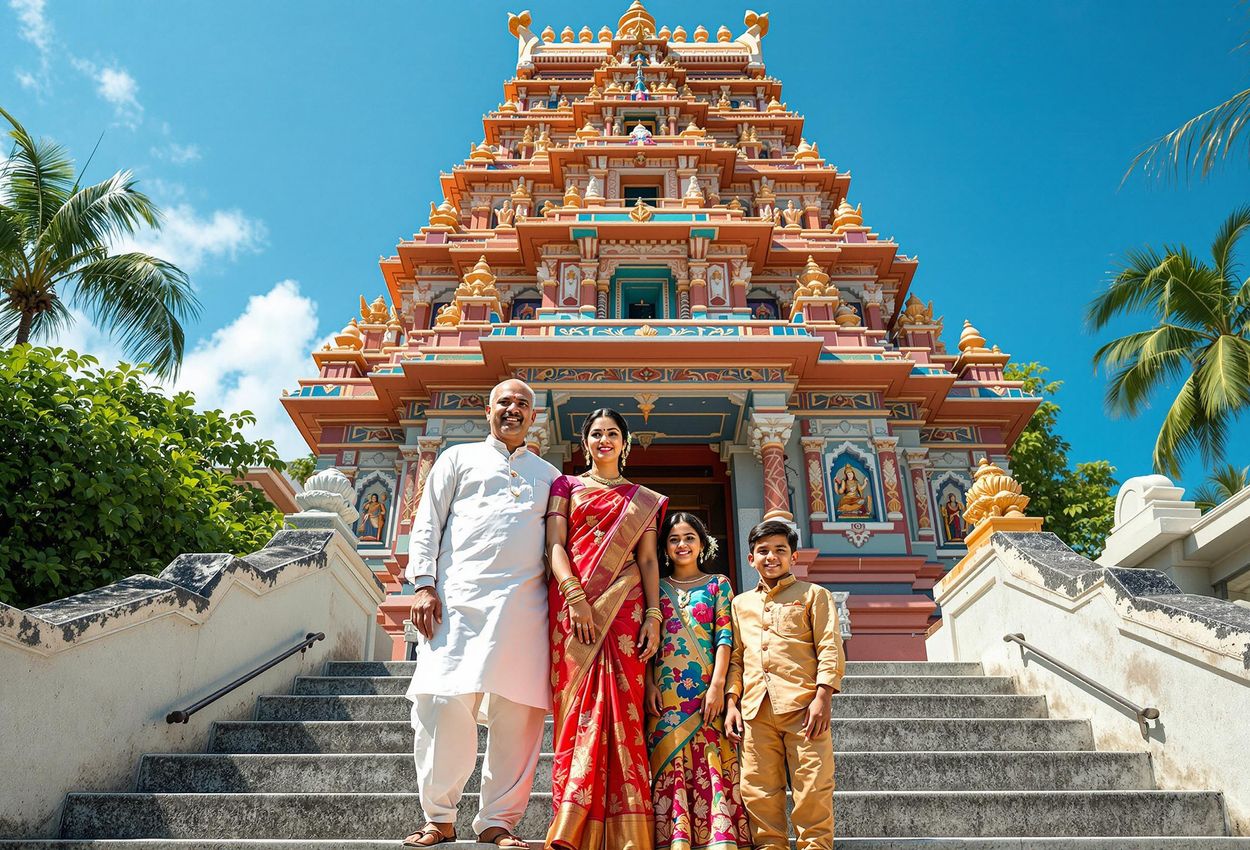
The designation of Aapravasi Ghat as a UNESCO World Heritage Site in 2006 was a significant milestone in recognizing the site's historical importance. This designation not only protects the site from further development but also raises awareness of its significance on a global scale.
Ongoing conservation efforts are crucial for preserving the physical structures of Aapravasi Ghat. The Aapravasi Ghat Trust Fund plays a vital role in this process, overseeing restoration work, conducting archaeological research, and developing educational programs. These efforts ensure that the site remains a tangible reminder of the past for future generations.
The challenges involved in preserving Aapravasi Ghat are significant. The site has suffered from neglect and decay over the years, and unchecked infrastructural development has encroached upon its boundaries. Rising sea levels and climate change also pose a threat to the site's long-term survival.
Guided tours of Aapravasi Ghat offer visitors a unique opportunity to learn about the site's history and significance. Knowledgeable guides provide insights into the lives of the indentured laborers, the architecture of the depot, and the ongoing conservation efforts. These tours are an essential part of the visitor experience, helping to connect people with the past in a meaningful way.
Educational programs and resources are also available to visitors, including exhibits, lectures, and workshops. These programs aim to educate people of all ages about the history of indenture and its impact on Mauritian society. By promoting understanding and awareness, Aapravasi Ghat can serve as a catalyst for social change and a reminder of the importance of human rights.
Aapravasi Ghat stands as a testament to the power of memory and the importance of preserving cultural heritage. It is a place where visitors can reflect on the past, connect with the present, and envision a more just and equitable future.
Our editors` picks of the latest and greatest in travel - delivered to your inbox daily
Relax on the beaches and explore the reefs of Xai-Xai.
View More
Embrace the cooler temperatures and experience the International Festival of the Sahara in Douz this December.
View More
Celebrate the year-end festivities in Accra, culminating in the vibrant Afrofuture festival.
View More Albania EDITION
 Algeria EDITION
 Argentina EDITION
 Armenia EDITION
 Australia EDITION
 Austria EDITION
 Bangladesh EDITION
 Belgium EDITION
 Belize EDITION
 Benin EDITION
 Bhutan EDITION
 Bolivia EDITION
 Bosnia and Herzegovina EDITION
 Botswana EDITION
 Brazil EDITION
 Bulgaria EDITION
 Burkina Faso EDITION
 Cambodia EDITION
 Cameroon EDITION
 Canada EDITION
 Central African Republic EDITION
 Chad EDITION
 Chile EDITION
 China EDITION
 Colombia EDITION
 Costa Rica EDITION
 Croatia EDITION
 Cyprus EDITION
 Denmark EDITION
 Djibouti EDITION
 Ecuador EDITION
 Egypt EDITION
 El Salvador EDITION
 Eritrea EDITION
 Estonia EDITION
 Ethiopia EDITION
 Finland EDITION
 France EDITION
 Gabon EDITION
 Georgia EDITION
 Germany EDITION
 Ghana EDITION
 Greece EDITION
 Guatemala EDITION
 Guinea EDITION
 Guinea-Bissau EDITION
 Honduras EDITION
 Hungary EDITION
 Iceland EDITION
 India EDITION
 Indonesia EDITION
 Ireland EDITION
 Israel EDITION
 Italy EDITION
 Jamaica EDITION
 Japan EDITION
 Jordan EDITION
 Kenya EDITION
 Kuwait EDITION
 Laos EDITION
 Latvia EDITION
 Lebanon EDITION
 Lesotho EDITION
 Liberia EDITION
 Lithuania EDITION
 Luxembourg EDITION
 Madagascar EDITION
 Malawi EDITION
 Malaysia EDITION
 Maldives EDITION
 Mali EDITION
 Malta EDITION
 Mauritania EDITION
 Mauritius EDITION
 Mexico EDITION
 Mongolia EDITION
 Montenegro EDITION
 Morocco EDITION
 Mozambique EDITION
 Namibia EDITION
 Nepal EDITION
 Netherlands EDITION
 New Zealand EDITION
 Nicaragua EDITION
 Niger EDITION
 Nigeria EDITION
 Norway EDITION
 Oman EDITION
 Pakistan EDITION
 Panama EDITION
 Papua New Guinea EDITION
 Paraguay EDITION
 Peru EDITION
 Philippines EDITION
 Poland EDITION
 Portugal EDITION
 Qatar EDITION
 Romania EDITION
 Rwanda EDITION
 Saudi Arabia EDITION
 Senegal EDITION
 Serbia EDITION
 Singapore EDITION
 Slovakia EDITION
 Slovenia EDITION
 Somalia EDITION
 South Africa EDITION
 South Korea EDITION
 Spain EDITION
 Sri Lanka EDITION
 Suriname EDITION
 Sweden EDITION
 Switzerland EDITION
 Tanzania EDITION
 Thailand EDITION
 Tunisia EDITION
 Uganda EDITION
 United Arab Emirates EDITION
 United Kingdom EDITION
 Uruguay EDITION
 Venezuela EDITION
 Vietnam EDITION
 Zambia EDITION
 Zimbabwe EDITION
Subscribe to our newsletter and get the most captivating travel stories, hidden gems, and expert insights delivered straight to your inbox. As a subscriber, you’ll be first in line for exclusive content, premium offers, and unforgettable travel experiences