


Destination Guide
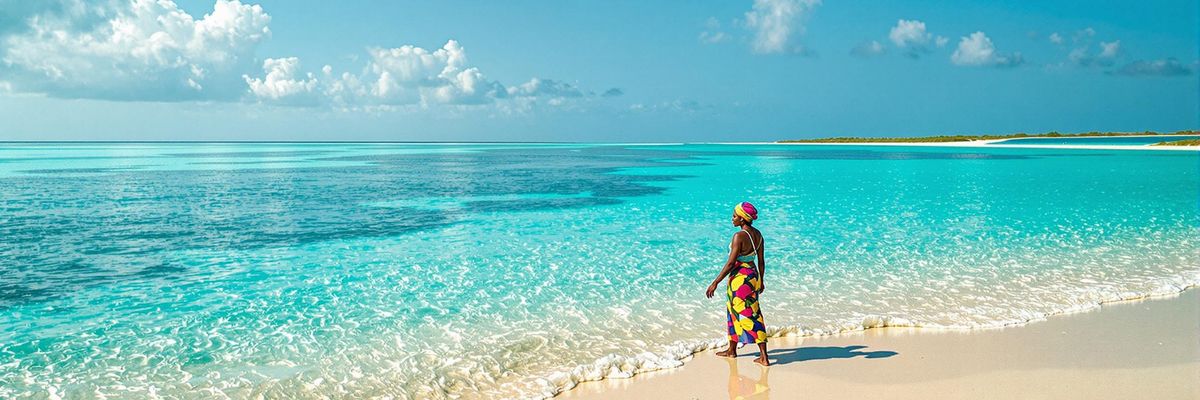
Xai-Xai: A Coastal Retreat
Relax on the beaches and explore the reefs of Xai-Xai.
View More

In the heart of Botswana's Chobe National Park, Savuti emerges as a stage for nature's most captivating dramas, where the dance between predator and prey unfolds with raw intensity. October brings a unique confluence of factors that amplify these interactions, offering an unparalleled safari experience for the intrepid traveler.
Savuti, also spelled Savute, is a remote and untamed wilderness that promises thrilling encounters with Africa's iconic wildlife. This region, characterized by diverse landscapes and a sense of untamed beauty, provides a front-row seat to the daily struggles for survival that define the African bush.
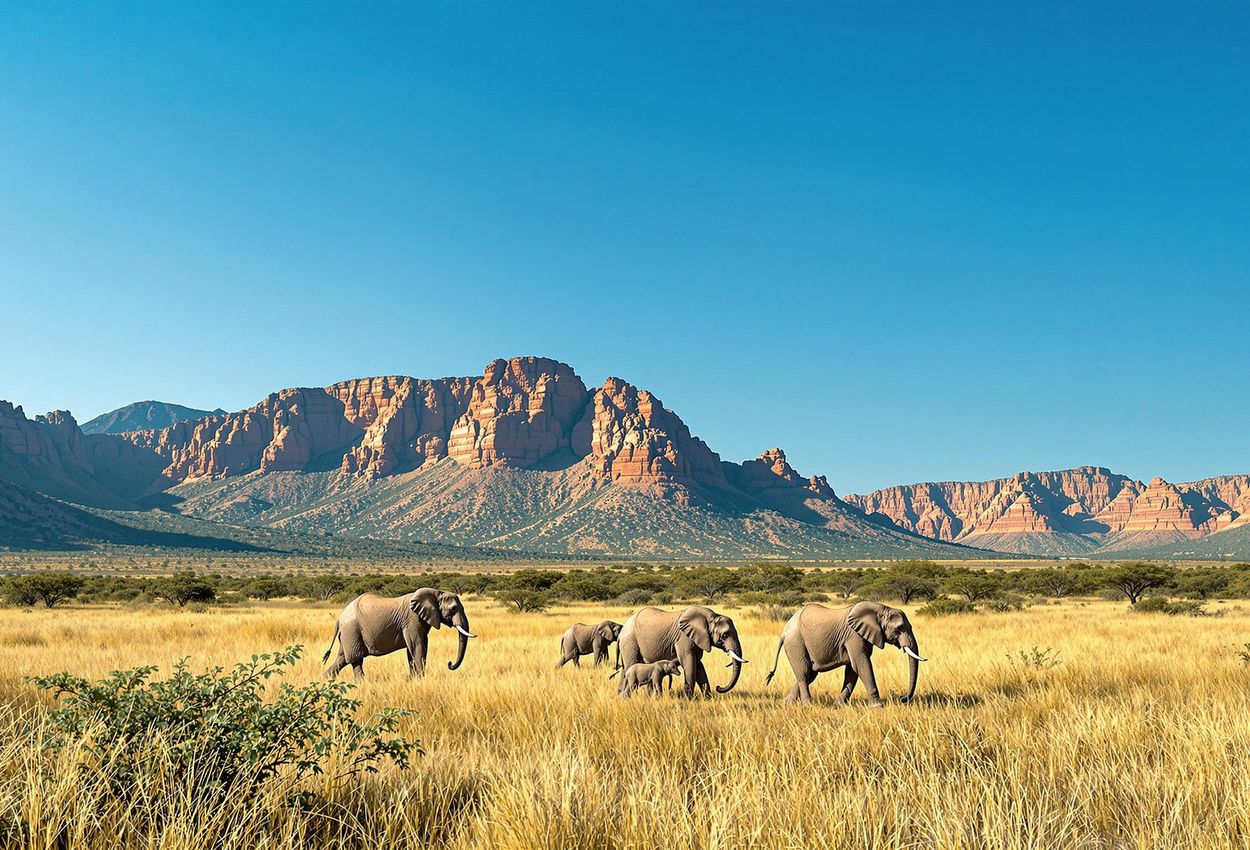
Savuti is located in a remote corner of Chobe National Park, bordering the Linyanti River to the west and the Chobe River to the east. This wild and remote area has earned a reputation as a prime location for witnessing dramatic wildlife encounters. Its landscapes are diverse, ranging from vast mopane woodlands to stretches of Camelthorn sandveld and sweeping scrub savanna. The terrain also includes open grasslands and rocky outcrops like the Gubatsa Hills, formed millions of years ago by volcanic movement, which rise dramatically from the plains.
These unique geological features provide a breathtaking backdrop for the wildlife spectacles that unfold daily. The Gubatsa Hills also hold historical significance, bearing ancient San rock art that offers a glimpse into the lives of the region's earliest inhabitants. The presence of this art adds another layer of intrigue to Savuti's already captivating character.
The region's diverse vegetation resembles the Kalahari ecosystem, featuring resilient mopane trees, elegant silver leaf Terminalia, distinctive paperbark acacia, and iconic camel thorn trees. This variety of flora supports a wide array of wildlife, making Savuti a biodiversity hotspot.
Savuti forms a crucial wildlife corridor, linking Chobe National Park with the Linyanti and Moremi Game Reserves, all contributing to the greater Okavango Delta ecosystem. This connection allows for the free movement of animals, ensuring a rich and dynamic wildlife population.
Despite its remote location and relatively undeveloped nature, Savuti's reputation as a big game paradise attracts photographers, researchers, and adventurous travelers year after year. The allure of witnessing explosive big game viewing and the chance to observe unique predator behavior make it a destination unlike any other.
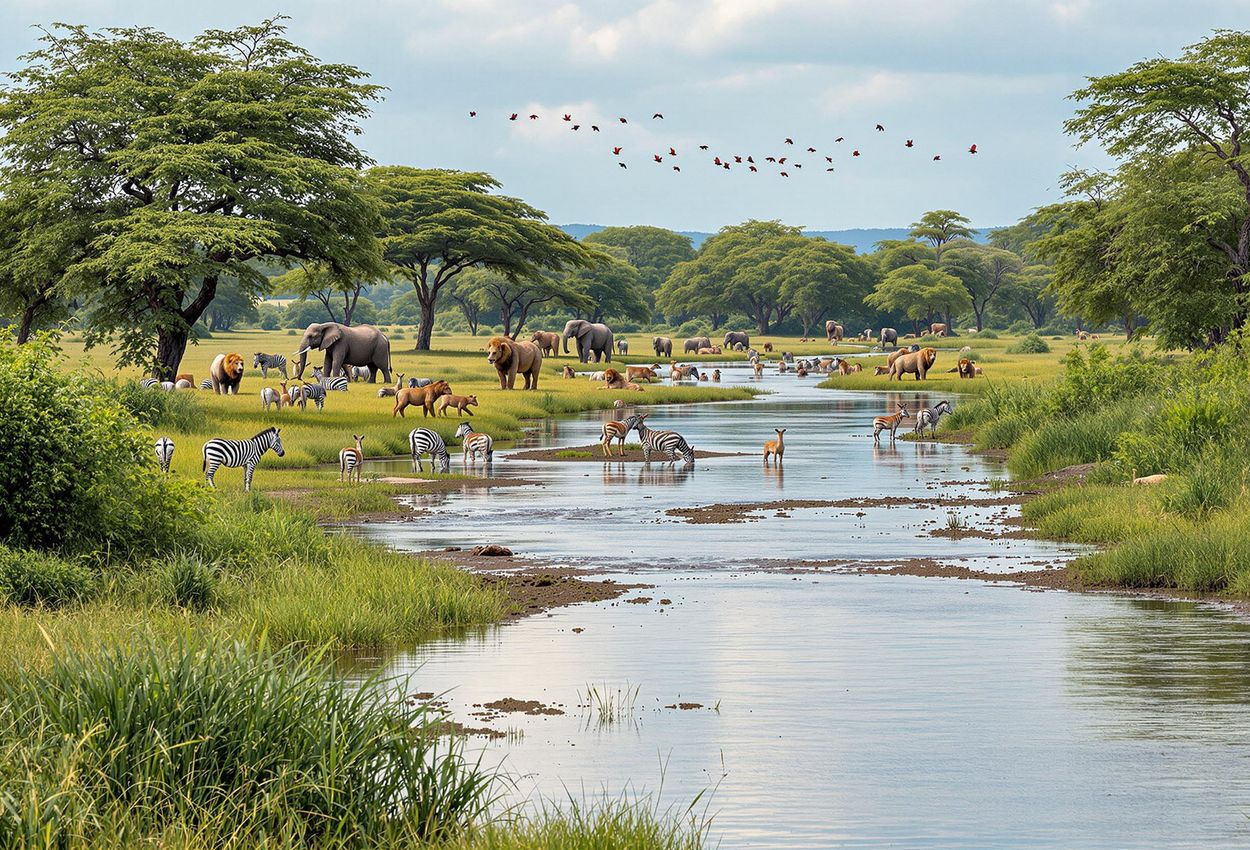
The Savuti Channel is a defining feature of the region, a mysterious and fascinating waterway that stretches approximately 100 kilometers from the Chobe River to the Mababe Depression. Its history is marked by periods of flowing and drying, a phenomenon that has intrigued geologists and researchers for years.
Historical records indicate that the channel was flowing during the time of David Livingstone in the mid-1800s, but it remained dry for nearly seventy years before flooding again in 1957. Recently, it experienced another long dry spell of about 18 years. The cause of these fluctuations is still debated, with some attributing it to tectonic activity deep below the Kalahari's sand bed, while others believe it is primarily dependent on rainfall in the Angolan highlands.
When the channel flows, it replenishes the Savuti Marsh and transforms the area into a lush haven teeming with elephants, buffalo, and other grazers. When dry, it leaves behind a more desert-like environment, driving animals to seek out remaining waterholes and placing predators and prey in closer proximity. This constant flux creates a dynamic ecosystem where wildlife must adapt to ever-changing conditions.
Specific locations along the channel, such as Marabu Pan, Pump Pan, and Rhino Vlei Pan, are known for their predator sightings. These pans act as magnets for wildlife, especially during the dry season, offering exceptional opportunities to witness predator-prey interactions. The fluctuating water levels create unique dynamics, influencing the concentration of animals and the frequency of dramatic encounters.
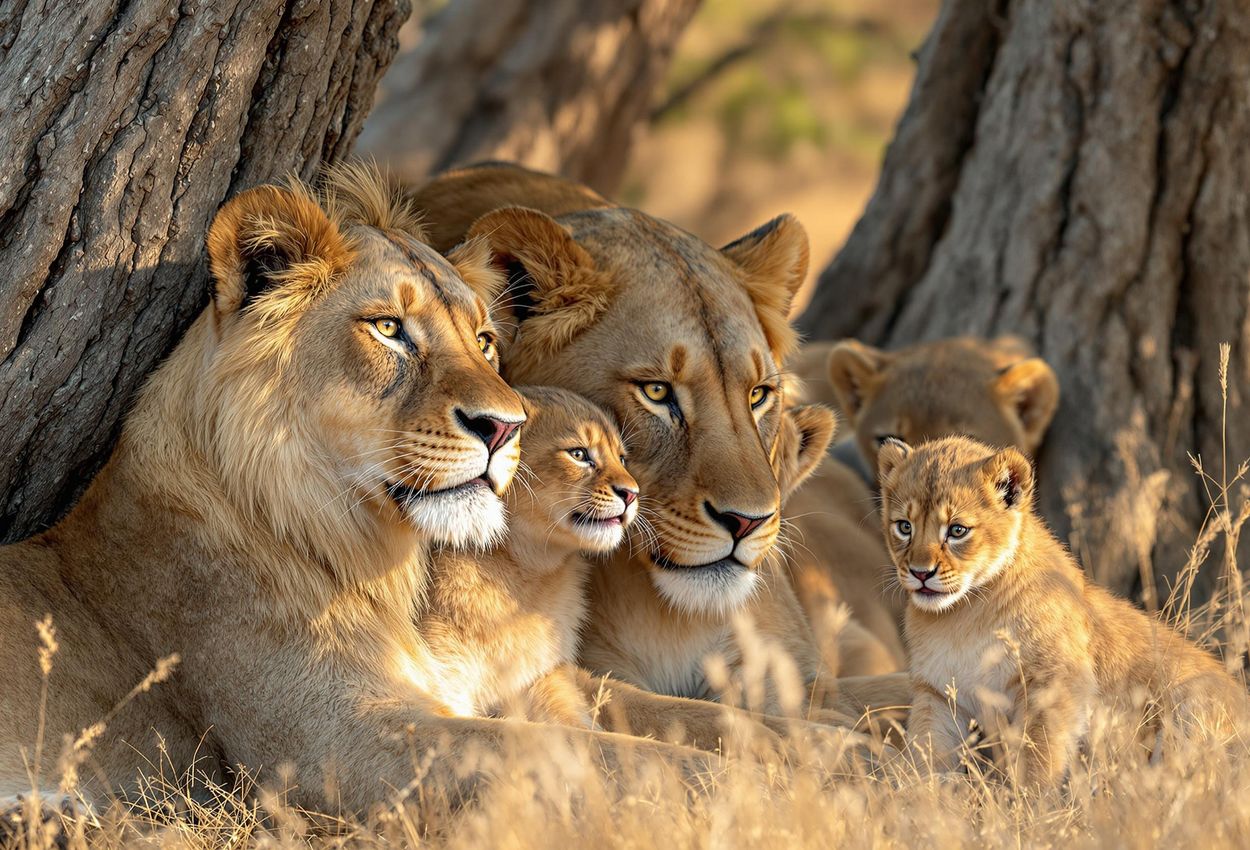
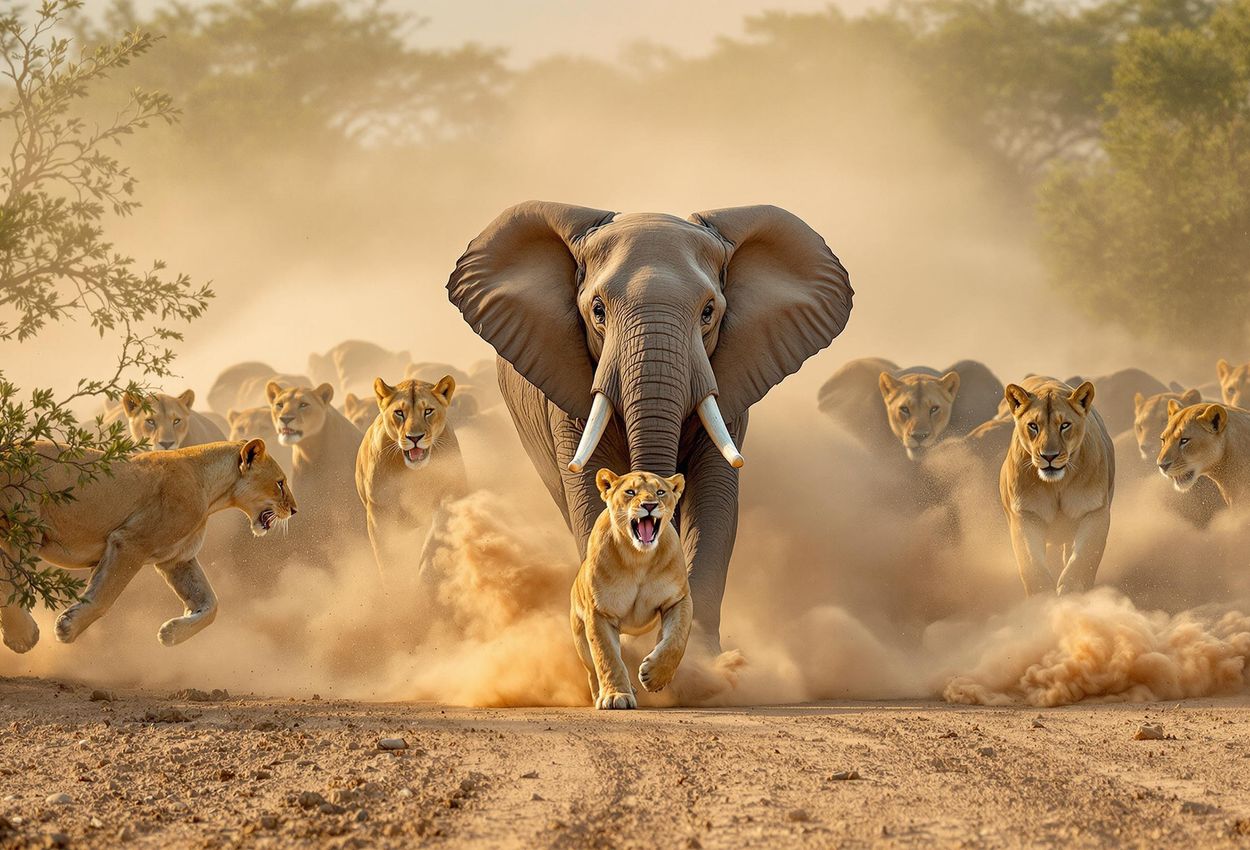
Savuti is renowned for its impressive lion population, particularly its resident lion prides. These lions have earned a reputation for their willingness to take down large prey, including elephants, during the driest months – a rare behavior that has fascinated researchers and added to Savuti's legend. The lions of Savuti have adapted to working together to hunt the biggest prey.
The most famous of these prides is the Savuti Marsh Pride, known for their exceptional skill in hunting elephants. Stories about the pride claim that they have been trailing elephants for a long time, as far back as the 1970s. When the Savuti Channel dries up, the mega pride resorts to hunting elephants. The Marsh Pride of lions successfully took down an estimated 74 elephants during a 3 year period. This learned behavior has slowly been woven into their offspring's genetics and can still be observed during Chobe's winter season.
The lions target the young or the weak within the herd. Desperation for food meant that the lions had to evolve and gain necessary skills to take down prey. The behavior went against what textbooks teach about the type of prey that lions hunt.
This adaptation is believed to have developed due to a combination of factors, including the decline in conventional ungulate prey and the increasingly sedentary population of elephants prompted by artificial water provisioning. The lions have learned to exploit the elephants' vulnerability, particularly at night, using psychological intimidation techniques and pouncing in unison to bring down these mammal giants.
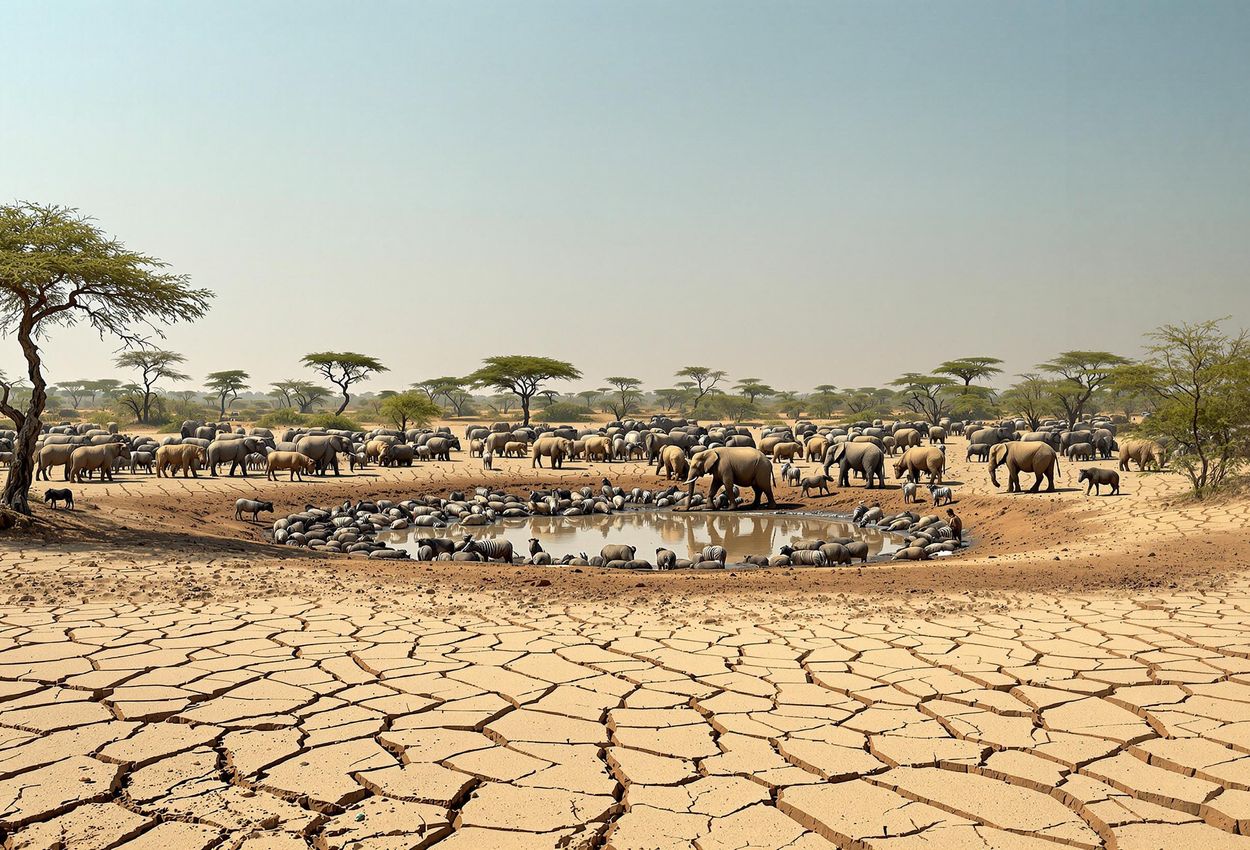
October is a prime time for game viewing in Savuti as the landscape dries up and wildlife concentrates around water sources. The dry season, from May to October, offers a more intense wildlife viewing experience, with animals congregating around the remaining water sources. The peak tourist season is from June to September, with comfortable temperatures and minimal rainfall.
The sensory experience of the dry season is palpable: the intense heat, the pervasive dust, and the animals' desperation for water create a palpable tension in the air. The landscape transforms into an almost desert-like environment, with a scorching sun and loose, hot sand. Animals seek refuge from the heat by clumping together in the limited available shade, and elephants line up to access the precious water supply.
The increased tension and frequency of predator-prey interactions become a defining characteristic of this time of year. With prey animals weakened by the harsh conditions and predators drawn to the concentration of game around waterholes, the stage is set for dramatic confrontations.
During this time, the lions are notorious for their ability to pull down Africa's biggest mammals – buffalo, giraffe and even elephants. The Savuti lions switch to preying on elephants during the late dry season (August–November).
Getting to Savuti requires careful planning, as the region is remote and access can be challenging. Access is possible by air, with light air transfers from Maun or Kasane to the Savuti airstrip.
For those seeking a more adventurous experience, 4x4 routes offer a thrilling but demanding journey. Maun and Kasane are common starting points for self-drive safaris, requiring reliable vehicles and navigation tools like Tracks4Africa.
Camping is a popular option in Savuti, providing an immersive experience in the heart of the wilderness. However, it's important to note the absence of facilities within the region, requiring travelers to be self-sufficient. The Savuti Campsite has 14 camping pitches with running water and good sanitary facilities. The campsite has no fencing, so there may be wild animals roaming around the campsite during your stay.
Self-drive safaris demand meticulous preparation, including a reliable 4x4 vehicle, sufficient fuel and water, spare tires, and comprehensive navigation equipment. Knowledge of basic vehicle mechanics and bush survival skills is highly recommended.

While Savuti is renowned for its predators, it also boasts a wealth of other wildlife species. Wild dogs, hyenas, zebras, and various antelope species roam the plains, contributing to the region's rich biodiversity.
The birdlife in Savuti is particularly impressive, with a multitude of avian species gracing the skies and waterways. Migratory birds flock to Savuti, and vast zebra herds graze on the new grasses of the Mababe Depression. Birdlife enthusiasts are also richly rewarded. Savuti Marsh draws a multitude of avian species, from tall secretary birds and kori bustards strutting across the plains to vibrant carmine bee-eaters and fish eagles when water levels rise.
October sometimes coincides with the zebra migration, a spectacle that sees thousands of animals moving through the area in search of greener pastures. This migration creates dramatic spectacles of predator-prey interactions, as lions, hyenas, and wild dogs take advantage of the abundant prey.

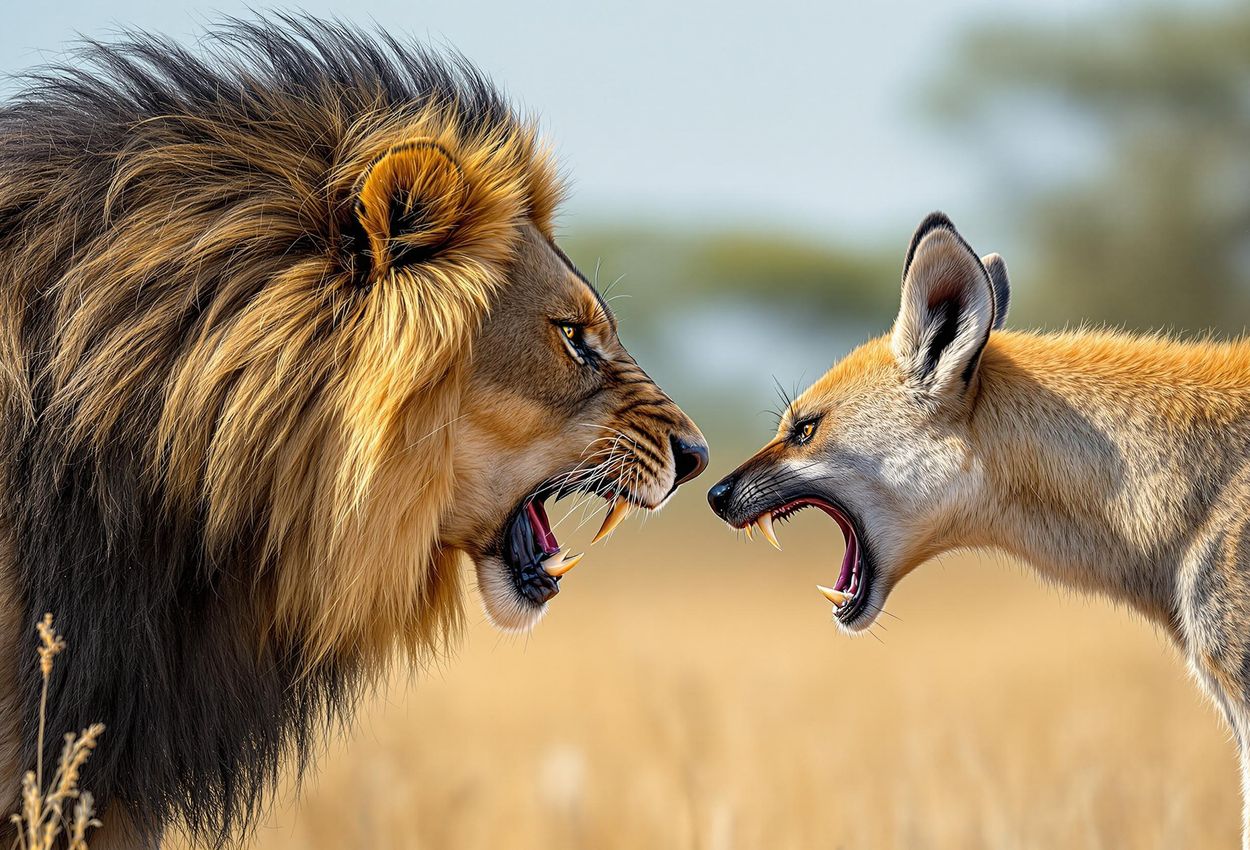
The interplay between different species in Savuti is a constant dance of survival, with predator-prey relationships and competition for resources shaping the ecosystem. Lions compete with hyenas for food and territory, often resulting in fierce confrontations. Wild dogs employ sophisticated hunting strategies to take down their prey, while zebras and antelope rely on their speed and agility to evade predators.
The area is famous as the stage upon which lion prides compete with hyena clans for food and territory. It was here in Savuti that the enmity between these two predators was first recorded.
These interactions are not always violent, as animals also exhibit cooperative behaviors and complex social structures. Elephants, for example, form strong family bonds and work together to protect their young from predators.
Camping in Savuti offers an unparalleled opportunity to connect with the African wilderness on a deeper level. The sounds and sights of the African night come alive, creating an unforgettable sensory experience.
The presence of hyenas around the campsites is a common occurrence, reminding campers of the wildness that surrounds them. Securing belongings and taking necessary precautions is essential to ensure a safe and comfortable experience.
The available campsites in Savuti vary in terms of facilities, but most offer basic amenities such as ablution blocks and designated fire pits. Some campsites provide a view of the Savuti Channel Spotting wildlife during game drives in Savuti requires patience, keen observation skills, and a bit of luck. Early morning and late afternoon drives are generally the most productive, as animals are more active during these cooler hours. Specific areas to explore include the Savuti Plains and the rocky outcrops, each offering unique opportunities to encounter different species. The open plains are ideal for spotting cheetahs and other predators on the hunt, while the rocky outcrops provide shelter for leopards and other elusive creatures. Conservation efforts in Savuti and Chobe National Park are crucial for preserving this unique ecosystem for future generations. Responsible tourism plays a vital role in minimizing environmental impact and supporting local communities. By adhering to park regulations, respecting wildlife, and choosing eco-friendly accommodations, visitors can contribute to the long-term sustainability of Savuti. As Savuti continues to evolve, adapting to the ever-changing dynamics of the Savuti Channel and the surrounding environment, it remains a testament to the resilience and beauty of the African wilderness. The dramas that unfold here each day serve as a reminder of the delicate balance of nature and the importance of protecting this precious heritage.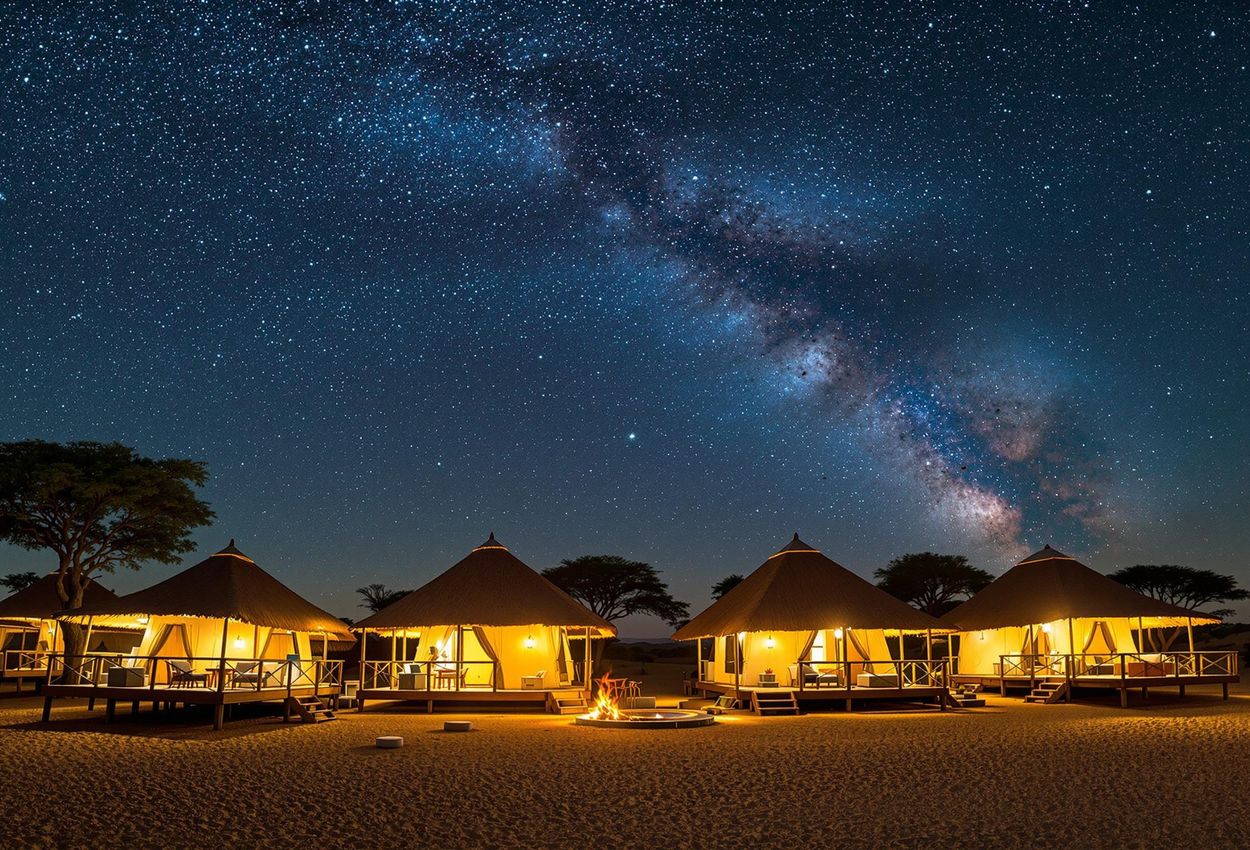
A Day in Savuti: Game Drive Strategies

Sustaining Savuti: Conservation and the Future
Our editors` picks of the latest and greatest in travel - delivered to your inbox daily
Relax on the beaches and explore the reefs of Xai-Xai.
View More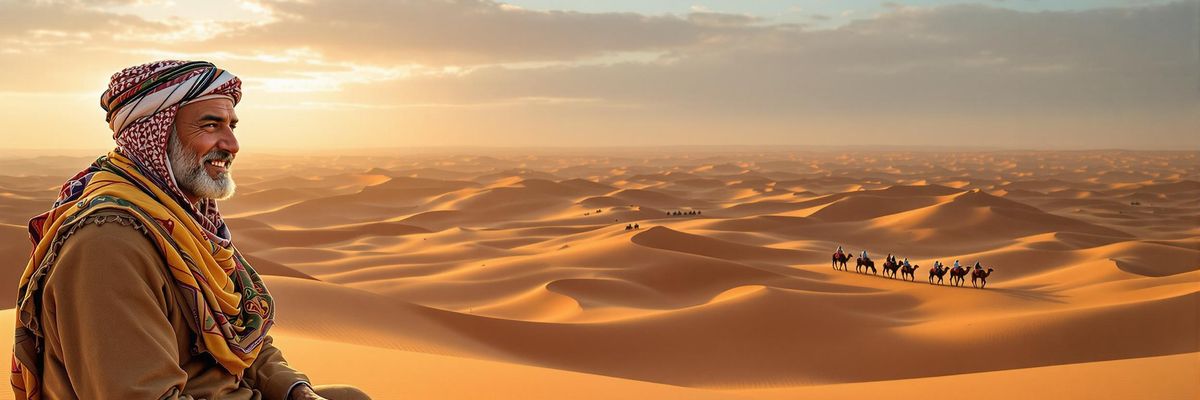
Embrace the cooler temperatures and experience the International Festival of the Sahara in Douz this December.
View More
Celebrate the year-end festivities in Accra, culminating in the vibrant Afrofuture festival.
View More Albania EDITION
 Algeria EDITION
 Argentina EDITION
 Armenia EDITION
 Australia EDITION
 Austria EDITION
 Bangladesh EDITION
 Belgium EDITION
 Belize EDITION
 Benin EDITION
 Bhutan EDITION
 Bolivia EDITION
 Bosnia and Herzegovina EDITION
 Botswana EDITION
 Brazil EDITION
 Bulgaria EDITION
 Burkina Faso EDITION
 Cambodia EDITION
 Cameroon EDITION
 Canada EDITION
 Central African Republic EDITION
 Chad EDITION
 Chile EDITION
 China EDITION
 Colombia EDITION
 Costa Rica EDITION
 Croatia EDITION
 Cyprus EDITION
 Denmark EDITION
 Djibouti EDITION
 Ecuador EDITION
 Egypt EDITION
 El Salvador EDITION
 Eritrea EDITION
 Estonia EDITION
 Ethiopia EDITION
 Finland EDITION
 France EDITION
 Gabon EDITION
 Georgia EDITION
 Germany EDITION
 Ghana EDITION
 Greece EDITION
 Guatemala EDITION
 Guinea EDITION
 Guinea-Bissau EDITION
 Honduras EDITION
 Hungary EDITION
 Iceland EDITION
 India EDITION
 Indonesia EDITION
 Ireland EDITION
 Israel EDITION
 Italy EDITION
 Jamaica EDITION
 Japan EDITION
 Jordan EDITION
 Kenya EDITION
 Kuwait EDITION
 Laos EDITION
 Latvia EDITION
 Lebanon EDITION
 Lesotho EDITION
 Liberia EDITION
 Lithuania EDITION
 Luxembourg EDITION
 Madagascar EDITION
 Malawi EDITION
 Malaysia EDITION
 Maldives EDITION
 Mali EDITION
 Malta EDITION
 Mauritania EDITION
 Mauritius EDITION
 Mexico EDITION
 Mongolia EDITION
 Montenegro EDITION
 Morocco EDITION
 Mozambique EDITION
 Namibia EDITION
 Nepal EDITION
 Netherlands EDITION
 New Zealand EDITION
 Nicaragua EDITION
 Niger EDITION
 Nigeria EDITION
 Norway EDITION
 Oman EDITION
 Pakistan EDITION
 Panama EDITION
 Papua New Guinea EDITION
 Paraguay EDITION
 Peru EDITION
 Philippines EDITION
 Poland EDITION
 Portugal EDITION
 Qatar EDITION
 Romania EDITION
 Rwanda EDITION
 Saudi Arabia EDITION
 Senegal EDITION
 Serbia EDITION
 Singapore EDITION
 Slovakia EDITION
 Slovenia EDITION
 Somalia EDITION
 South Africa EDITION
 South Korea EDITION
 Spain EDITION
 Sri Lanka EDITION
 Suriname EDITION
 Sweden EDITION
 Switzerland EDITION
 Tanzania EDITION
 Thailand EDITION
 Tunisia EDITION
 Uganda EDITION
 United Arab Emirates EDITION
 United Kingdom EDITION
 Uruguay EDITION
 Venezuela EDITION
 Vietnam EDITION
 Zambia EDITION
 Zimbabwe EDITION
Subscribe to our newsletter and get the most captivating travel stories, hidden gems, and expert insights delivered straight to your inbox. As a subscriber, you’ll be first in line for exclusive content, premium offers, and unforgettable travel experiences