



Destination Guide
Xai-Xai: A Coastal Retreat
Relax on the beaches and explore the reefs of Xai-Xai.
View More

Journey with us to the heart of Nigeria, where the ancient Ogbunike Caves whisper tales of bygone eras, spiritual reverence, and natural splendor, waiting to be discovered this August.
In the southeastern state of Anambra, a realm of underground wonder awaits. The Ogbunike Caves, a UNESCO-recognized site, beckon travelers with promises of rich history, cultural immersion, and breathtaking geological formations. This August, escape the ordinary and descend into a world where legends echo through cavernous chambers and the spirit of the Igbo people resonates in every corner.
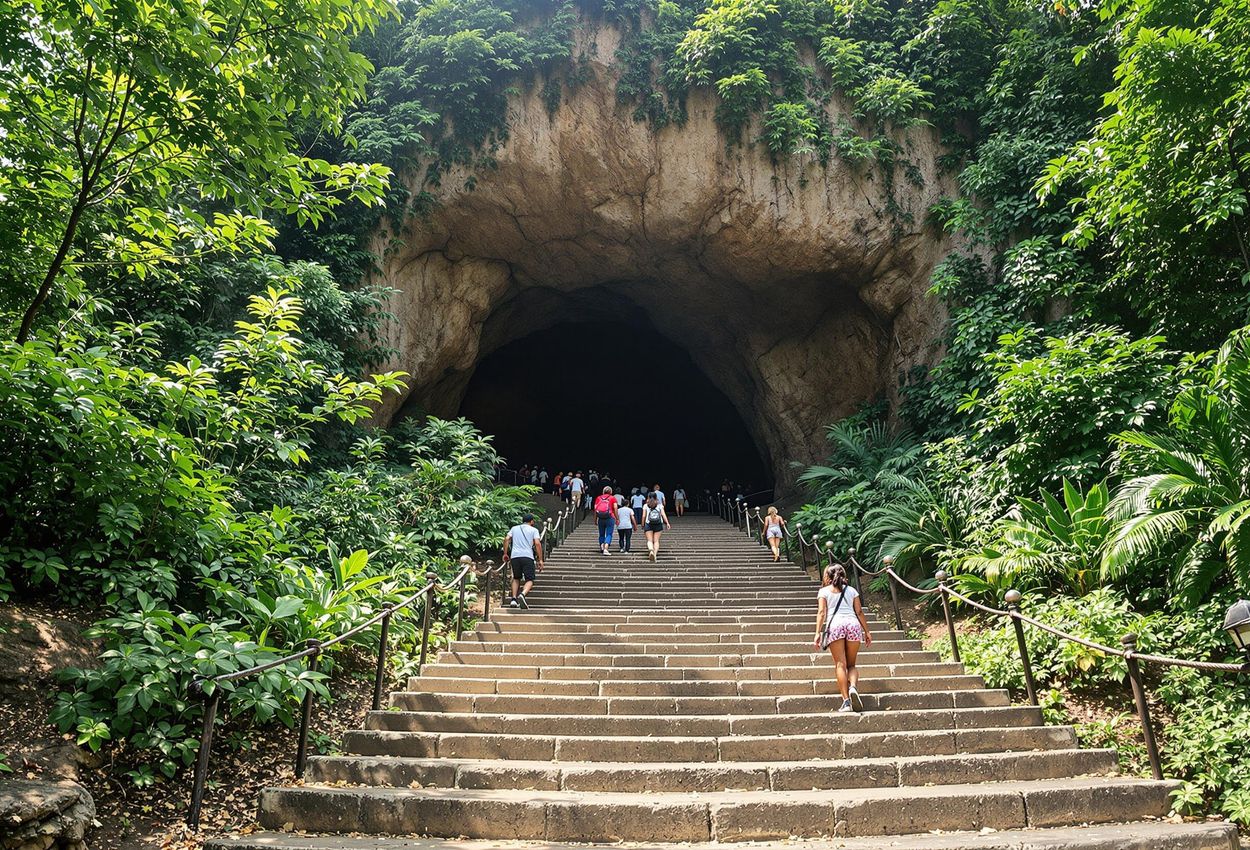
More than just a geographical location, Ogbunike is a living testament to the vibrant history and enduring culture of the Igbo people. The story of these caves is as old as the hills that cradle them. Legend has it that the caves were discovered around 4000 years ago by Ukwa, a hunter from the Umucheke family of Ifite-Ogbunike. Guided by a mysterious force, Ukwa stumbled upon this natural marvel, forever intertwining his name with its legacy.
Local lore speaks of Ogba, a powerful deity believed to have created the caves and still residing within its depths. For centuries, the caves have served as a sacred space for worship and rituals, a place where the veil between the physical and spiritual realms thins. During pre-colonial times, the caves served as a refuge during tribal conflicts. The labyrinthine tunnels offered a sanctuary, providing a safe haven from enemies. The cool, damp interior and the presence of a fresh spring provided essential resources for survival. In the latter months of 1968 and 1969, hundreds sought refuge in the darkness of the Ogbunike Caves to escape the perils of the Nigerian Civil War.
Even during the era of the Atlantic slave trade, the caves played a role, serving as hideouts for slave traders planning their raids on nearby villages. This complex history adds layers to the caves' significance, transforming them into a powerful symbol of resilience and survival. The spiritual significance of the Ogbunike Caves is deeply ingrained in the local culture. The Igbo people believe that spirits and deities inhabit the caves, protecting the community and bestowing blessings upon those who enter with pure intentions. The caves' great darkness was a place of worship for many locals for hundreds of years. Many locals and indigenous peoples still arrive at the caves to pray and worship.
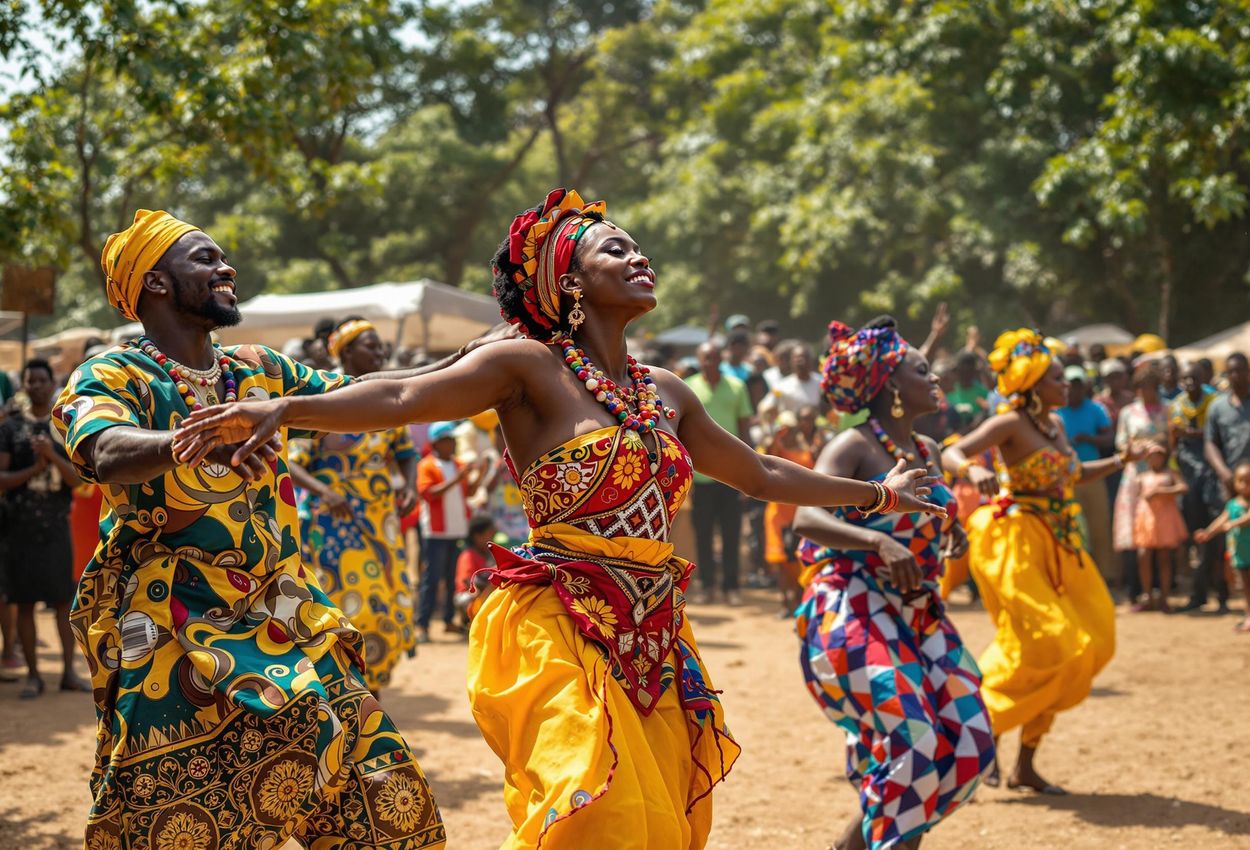
The annual Ime Ogbe festival, celebrated every November, is a vibrant testament to the caves' enduring spiritual importance. This festival is a commemoration of the discovery of the caves. The community gathers to perform rituals, celebrate the cave's spiritual significance, and honor the ancestors. Traditional dances, music, and offerings fill the air, creating a spectacle of cultural richness and spiritual devotion.
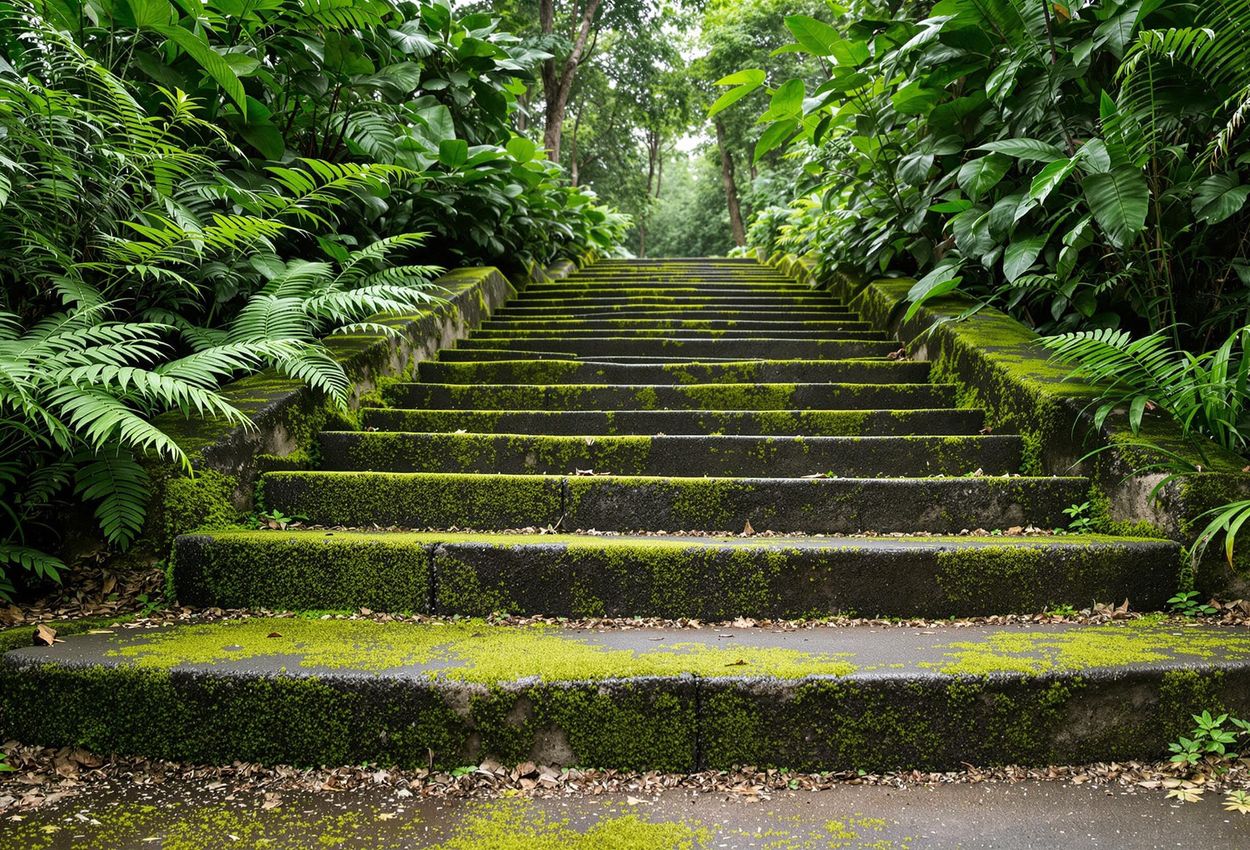
The journey to the Ogbunike Caves is an experience in itself, a physical and metaphorical descent into the heart of mystery. The path leads down a winding staircase of 317 steps. Constructed by the Anambra State Government in the 1990s, this descent is more than just a means of access; it's a symbolic passage from the ordinary world to a realm of wonder.
As you descend, the surrounding rainforest envelops you in a symphony of sensory experiences. The rustling of leaves creates a soothing melody, punctuated by the calls of exotic birds. The scent of damp earth rises from the forest floor, mingling with the sweet fragrance of tropical blossoms. The air grows cooler and more humid, a refreshing contrast to the heat of the Nigerian sun.
The staircase winds its way down the Ogba hills, behind which lies St. Monica College. This institution adds another layer to the area's history, a place of learning nestled amidst ancient wonders. Each step brings you closer to the earth's core, a physical representation of the journey into the unknown. The symbolism of the staircase is palpable, a transition from the mundane to the mystical. With each step, the sounds of the modern world fade away, replaced by the whispers of the past and the promise of adventure.
The entrance to the main cave opens into a large, open chamber, a cathedral-like space that immediately inspires awe. The chamber measures approximately 5 meters high, 10 meters wide, and 30 meters long. From this central chamber, ten tunnels branch out in different directions, each beckoning with the promise of unique discoveries.
Navigating these tunnels is an adventure in itself, a journey into the earth's embrace. Some passages are wide enough to stroll through, while others require crawling through narrow spaces, adding a touch of thrill to the exploration. The air is thick with the scent of minerals and damp earth, and the silence is broken only by the sound of dripping water and the occasional flutter of wings.
Speaking of wings, the Ogbunike Caves are home to a large colony of harmless bats. These nocturnal creatures add to the cave's mystique, their presence a reminder of the delicate balance of nature within this subterranean world. At one intersection of tunnels, tourists can choose to see “talking stone”, which the indigenes call Nwanyi Akpanyi.
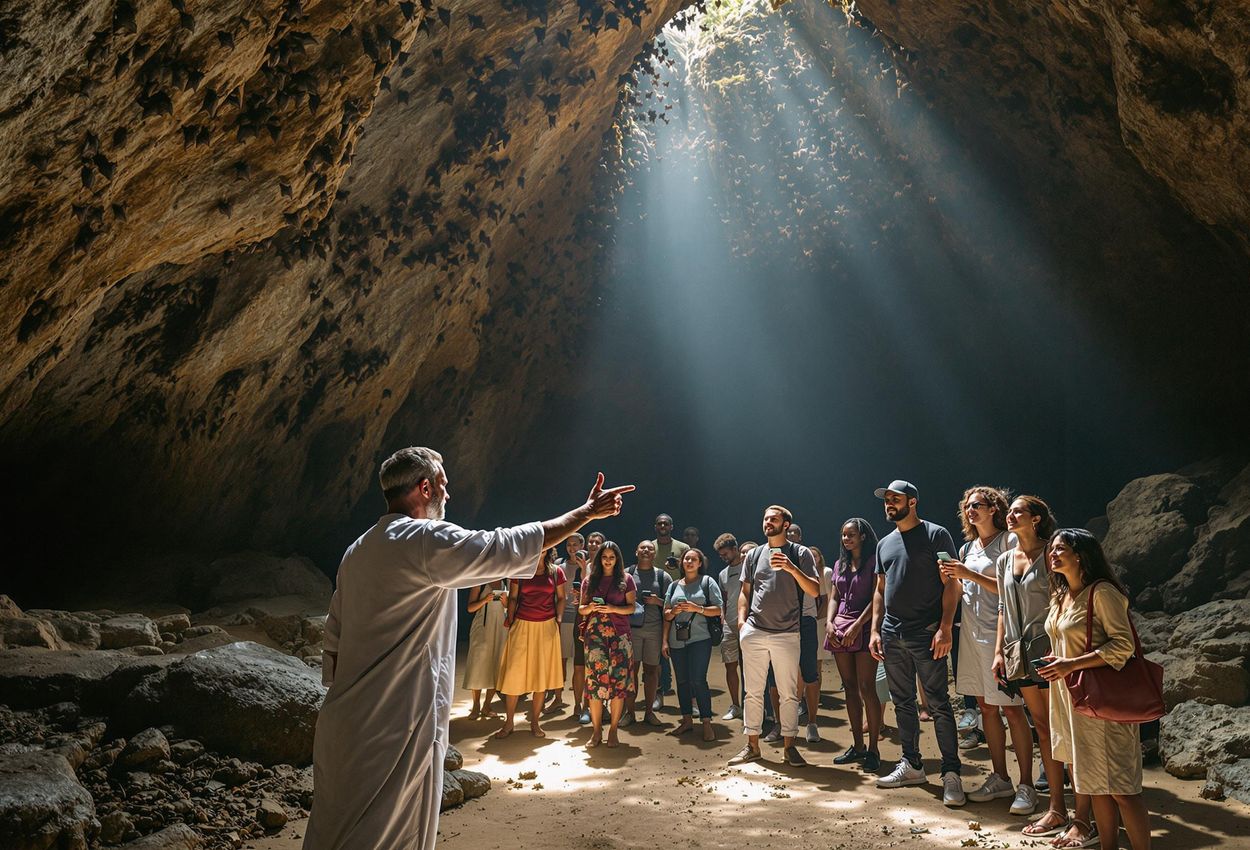
Deep within the Ogbunike Caves lies a sacred spring, a source of life and spiritual significance. Local lore attributes healing properties to the spring's water, believing it to be a gift from the deities residing within the caves. The water is considered divine, and spiritualists visit the caves to collect water that falls from the top of the caves.
A stream flows from the cave into the rapidly flowing River Nkissa, a waterway that carries the secrets of the earth to the world beyond. The meeting point of the stream and the river is a unique sensory experience. The warm water from the caves mixes with the cold river water, creating a palpable contrast that is both invigorating and symbolic.
Some visitors bottle this water, believing it heals or brings blessings, a tradition that keeps the spiritual juice flowing. The River Nkissa flows by the side of the caves into which the water that drains from the caves empties itself. Beside this portion of the river is a table land of about 5 x 5 square meters used as a relaxation spot by visitors to the caves.
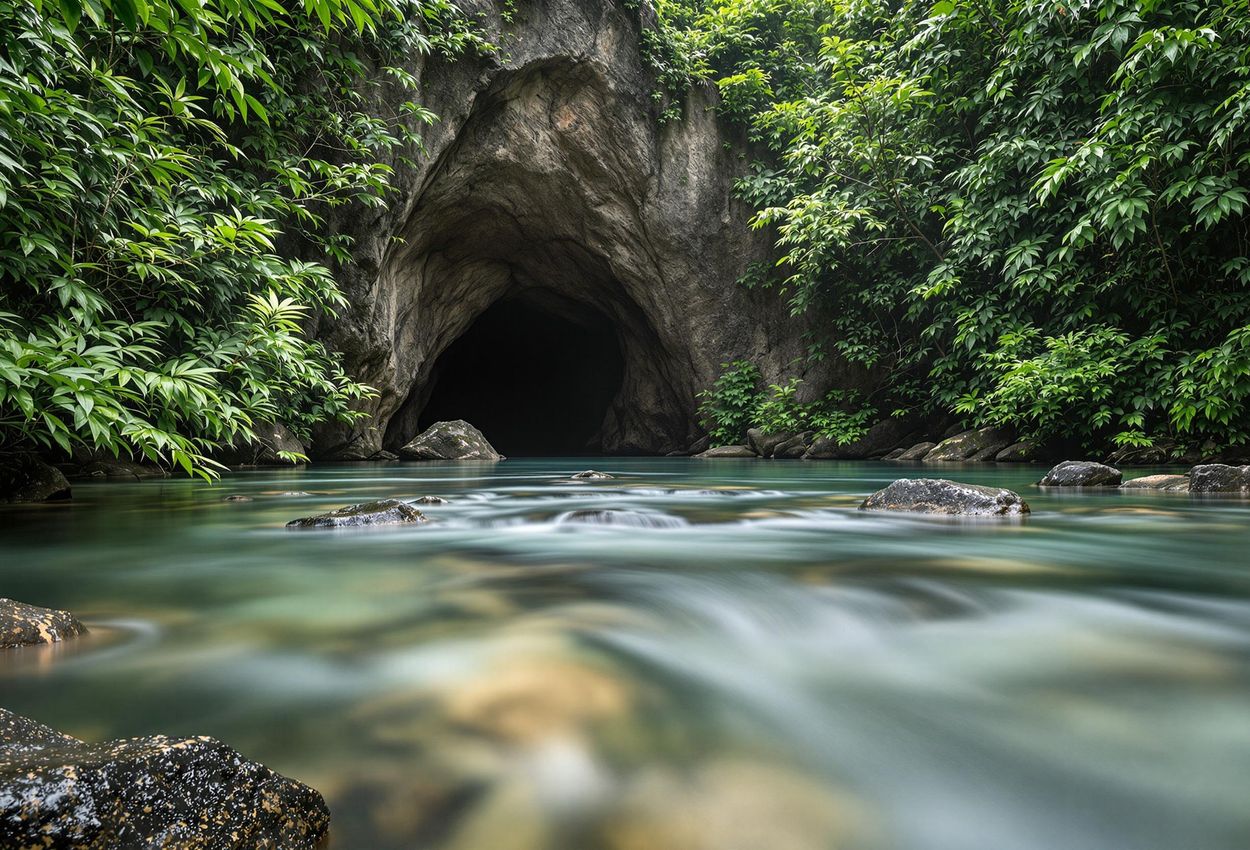
To truly experience the magic of the Ogbunike Caves, hiring a local guide is essential. These knowledgeable individuals are more than just tour guides; they are storytellers, cultural ambassadors, and guardians of the caves' legacy. They possess a deep understanding of the caves' history, legends, and natural features, enriching the visitor experience with their insights and perspectives.
Visiting the Ogbunike Caves is not only a journey of discovery but also a way to support the local community. The tourism generated by the caves provides economic opportunities for the people of Ogbunike, contributing to their livelihoods and preserving their cultural heritage. The Ogbunike Caves are associated with living traditions and are said to be used by the people for many centuries.
Visitors should be aware of certain traditions that must be respected when entering the caves. Shoes must be removed before entering the caves, a sign of reverence for the sacred space. Women during their menstrual cycle are restricted from entering the caves, a tradition rooted in Igbo beliefs about purity and spirituality.
By respecting these customs and engaging with local guides, visitors can forge a deeper connection with the Ogbunike Caves and the community that cherishes them. In 2007, the National Commission for Museums and Monuments submitted Ogbunike Cave to UNESCO, under mixed category, to be considered as a World Heritage Centre. For now, the Cave is still on the tentative list.
This August, answer the call of the Ogbunike Caves and embark on a journey that will stir your soul and awaken your senses. Discover the mystical heart of Anambra and create memories that will last a lifetime.
Our editors` picks of the latest and greatest in travel - delivered to your inbox daily
Relax on the beaches and explore the reefs of Xai-Xai.
View More
Embrace the cooler temperatures and experience the International Festival of the Sahara in Douz this December.
View More
Celebrate the year-end festivities in Accra, culminating in the vibrant Afrofuture festival.
View More Albania EDITION
 Algeria EDITION
 Argentina EDITION
 Armenia EDITION
 Australia EDITION
 Austria EDITION
 Bangladesh EDITION
 Belgium EDITION
 Belize EDITION
 Benin EDITION
 Bhutan EDITION
 Bolivia EDITION
 Bosnia and Herzegovina EDITION
 Botswana EDITION
 Brazil EDITION
 Bulgaria EDITION
 Burkina Faso EDITION
 Cambodia EDITION
 Cameroon EDITION
 Canada EDITION
 Central African Republic EDITION
 Chad EDITION
 Chile EDITION
 China EDITION
 Colombia EDITION
 Costa Rica EDITION
 Croatia EDITION
 Cyprus EDITION
 Denmark EDITION
 Djibouti EDITION
 Ecuador EDITION
 Egypt EDITION
 El Salvador EDITION
 Eritrea EDITION
 Estonia EDITION
 Ethiopia EDITION
 Finland EDITION
 France EDITION
 Gabon EDITION
 Georgia EDITION
 Germany EDITION
 Ghana EDITION
 Greece EDITION
 Guatemala EDITION
 Guinea EDITION
 Guinea-Bissau EDITION
 Honduras EDITION
 Hungary EDITION
 Iceland EDITION
 India EDITION
 Indonesia EDITION
 Ireland EDITION
 Israel EDITION
 Italy EDITION
 Jamaica EDITION
 Japan EDITION
 Jordan EDITION
 Kenya EDITION
 Kuwait EDITION
 Laos EDITION
 Latvia EDITION
 Lebanon EDITION
 Lesotho EDITION
 Liberia EDITION
 Lithuania EDITION
 Luxembourg EDITION
 Madagascar EDITION
 Malawi EDITION
 Malaysia EDITION
 Maldives EDITION
 Mali EDITION
 Malta EDITION
 Mauritania EDITION
 Mauritius EDITION
 Mexico EDITION
 Mongolia EDITION
 Montenegro EDITION
 Morocco EDITION
 Mozambique EDITION
 Namibia EDITION
 Nepal EDITION
 Netherlands EDITION
 New Zealand EDITION
 Nicaragua EDITION
 Niger EDITION
 Nigeria EDITION
 Norway EDITION
 Oman EDITION
 Pakistan EDITION
 Panama EDITION
 Papua New Guinea EDITION
 Paraguay EDITION
 Peru EDITION
 Philippines EDITION
 Poland EDITION
 Portugal EDITION
 Qatar EDITION
 Romania EDITION
 Rwanda EDITION
 Saudi Arabia EDITION
 Senegal EDITION
 Serbia EDITION
 Singapore EDITION
 Slovakia EDITION
 Slovenia EDITION
 Somalia EDITION
 South Africa EDITION
 South Korea EDITION
 Spain EDITION
 Sri Lanka EDITION
 Suriname EDITION
 Sweden EDITION
 Switzerland EDITION
 Tanzania EDITION
 Thailand EDITION
 Tunisia EDITION
 Uganda EDITION
 United Arab Emirates EDITION
 United Kingdom EDITION
 Uruguay EDITION
 Venezuela EDITION
 Vietnam EDITION
 Zambia EDITION
 Zimbabwe EDITION
Subscribe to our newsletter and get the most captivating travel stories, hidden gems, and expert insights delivered straight to your inbox. As a subscriber, you’ll be first in line for exclusive content, premium offers, and unforgettable travel experiences