


Destination Guide
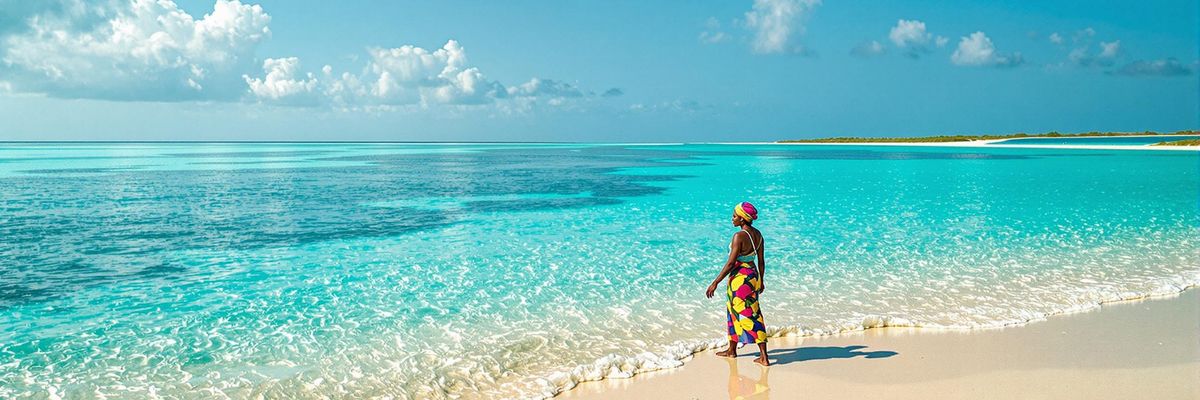
Xai-Xai: A Coastal Retreat
Relax on the beaches and explore the reefs of Xai-Xai.
View More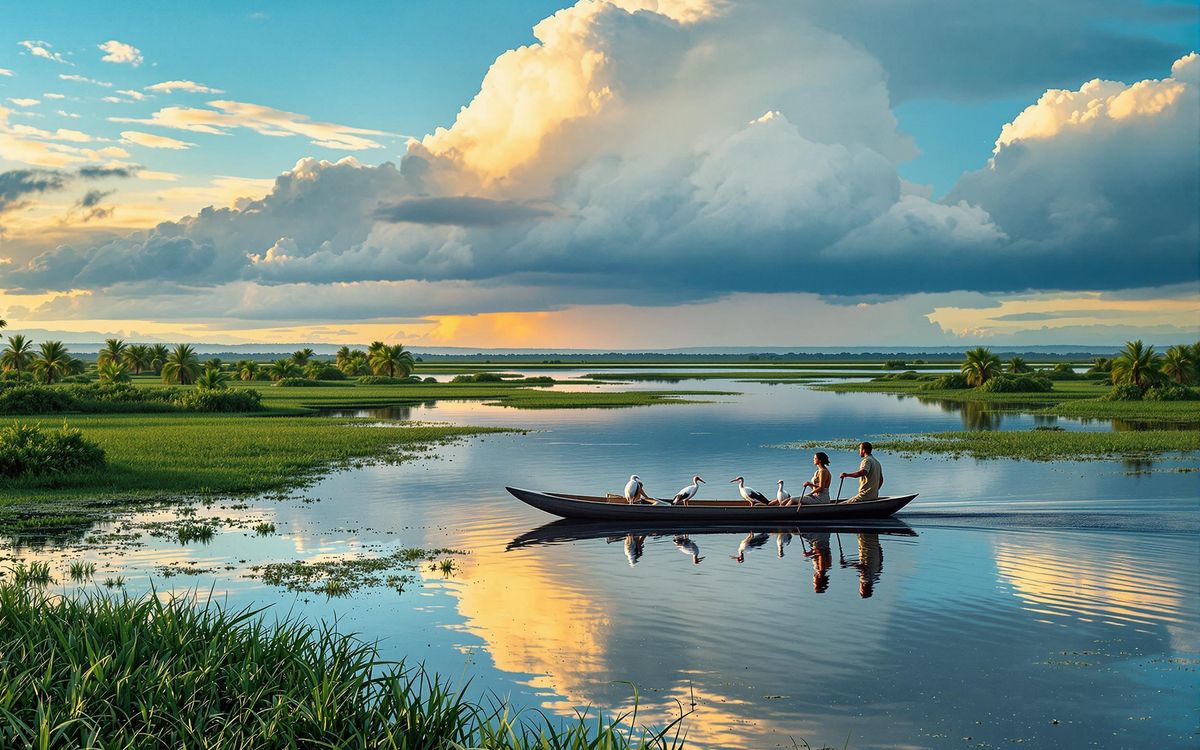

In February, the Moremi Game Reserve transforms into a vibrant tapestry of emerald landscapes and azure waterways, offering a unique safari experience unlike any other time of the year.
The rains have breathed new life into this corner of the Okavango Delta in Botswana, creating a haven for wildlife and a paradise for photographers. From the symphony of bird calls to the dramatic thunderstorms, Moremi in February is an immersive sensory experience that will leave you breathless.
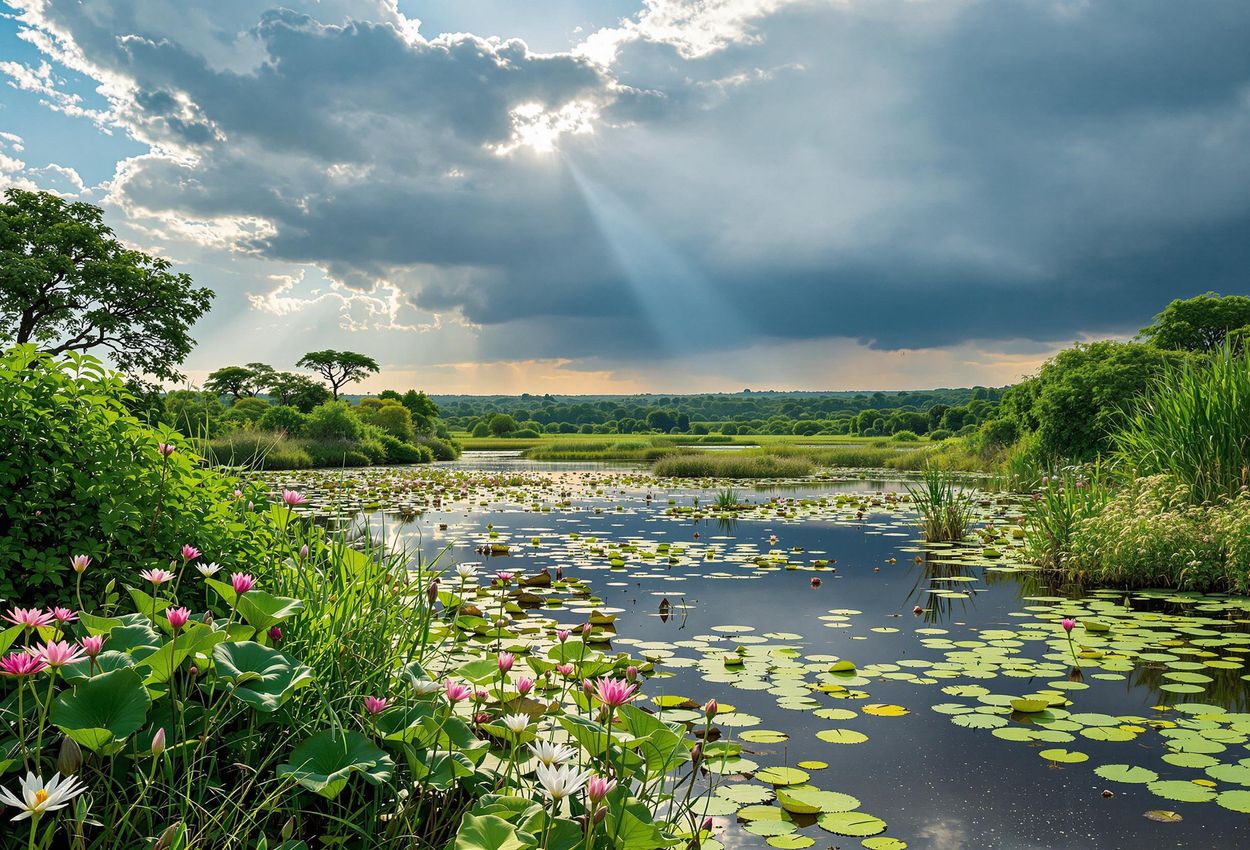
February in Moremi Game Reserve is synonymous with renewal. The parched earth of the dry season gives way to a lush, green carpet, transforming the landscape into an emerald paradise. The air is clean and crisp, offering unparalleled visibility and photographic opportunities. Gone is the dust that often hangs heavy during the dry months, replaced by an atmosphere so clear you feel you can reach out and touch the horizon.
The rains bring with them dramatic thunderstorms, their rumbles echoing across the vast plains. These storms, though brief, are a spectacle in themselves, painting the sky with flashes of lightning and unleashing a torrent of rain that revitalizes the land. The scent of rain on the dry earth is intoxicating, a fresh, earthy aroma that invigorates the senses.
The visual contrast between the verdant vegetation and the sparkling blue waterways of the Okavango Delta is simply stunning. The lagoons and channels, now swollen with rainwater, reflect the clear blue sky, creating a mosaic of color that stretches as far as the eye can see. The effect is mesmerizing, a constant reminder of the life-giving power of water in this semi-arid landscape.
One of the most iconic features of Moremi is the Xakanaxa Lagoon, a vast expanse of water surrounded by ancient forests. In February, these forests are at their most vibrant, the trees adorned with fresh, green leaves. The lagoon itself is teeming with life, from pods of hippos wallowing in the shallows to a myriad of bird species flitting through the trees. A boat trip on the lagoon is a must, offering a unique perspective on the surrounding wilderness.
The Xakanaxa area is known for its exceptional game viewing, with regular sightings of lions, leopards, elephants, and buffalo. The waterways are either traversed by vehicles or crossed on rustic log bridges. The diverse habitat of ancient riverine forests, open savannah, serpentine channels and seasonal floodplains that surround the camp make for a varied habitat of exceptional fauna and flora.
The lush vegetation provides ample cover for wildlife, making game drives a thrilling adventure. While the large herds of the dry season may have dispersed, resident wildlife remains, making it rewarding for those willing to search. Lion, leopard, wild dog, buffalo and elephant bulls can still be seen. The abundance of young plains wildlife also makes for interesting predator/prey interactions.
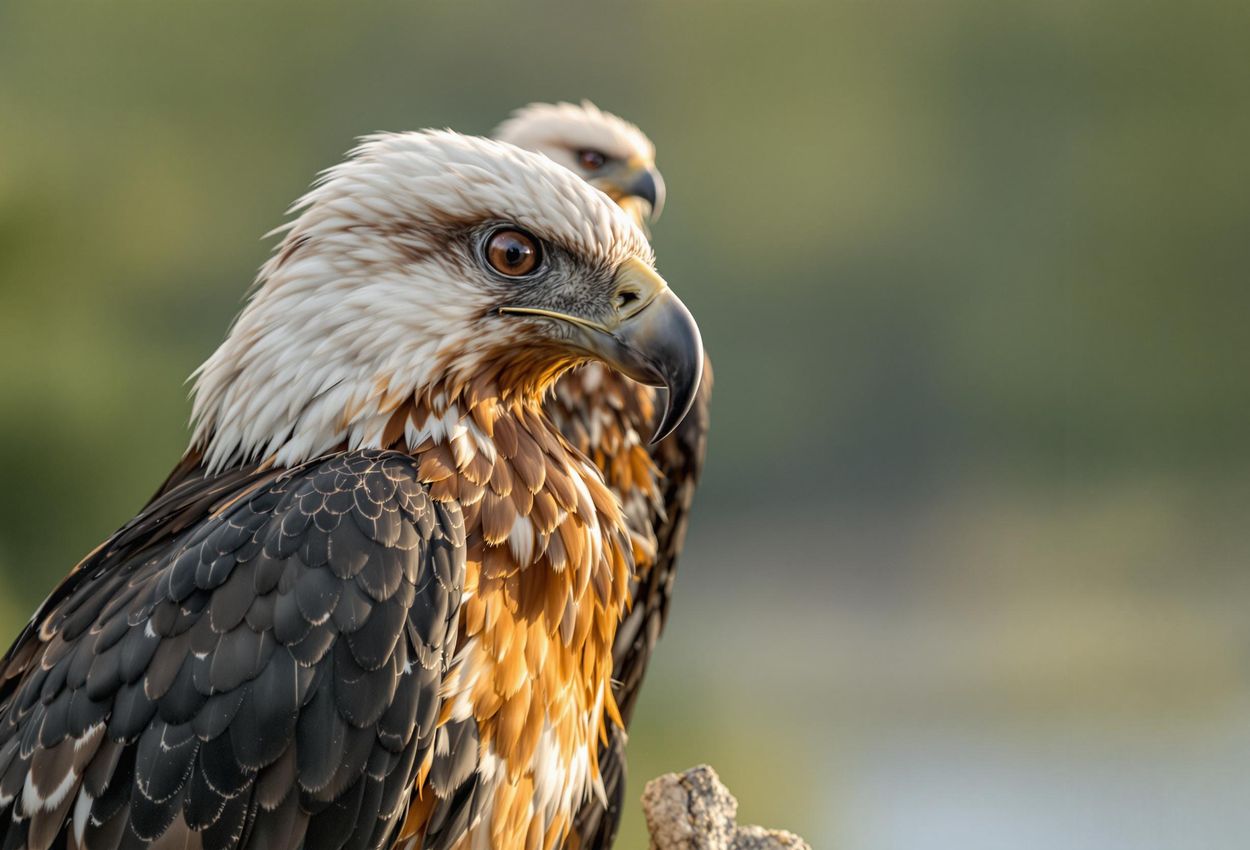
February is a paradise for birdwatchers in Moremi Game Reserve. The wet season brings an influx of migratory species, their breeding plumage adding a splash of color to the already vibrant landscape. The air is alive with their calls, a symphony of chirps, trills, and whistles that creates a constant backdrop to your safari experience.
Among the many avian species to be spotted are the majestic African fish eagle, its distinctive cry echoing across the waterways. The elusive slaty egret, a near-threatened species, can also be seen wading in the shallows, its dark plumage a stark contrast to the surrounding greenery. The elegant wattled crane, with its distinctive red wattles, is another highlight, often seen in pairs or small groups.
A mokoro trip through the waterways offers an unparalleled opportunity for close encounters with these feathered wonders. Gliding silently through the water in a traditional dugout canoe, you can get within touching distance of birds nesting in the reeds or perched on branches overhead. The experience is magical, a chance to connect with nature on a truly intimate level.
Hidden Gem: For a truly special birdwatching experience, seek out Godikwe Lagoon, a vital nesting site for hundreds of birds. This heronry is shared by a variety of species and is active from July to March. Breeding colonies of herons are joined in the shallows and among the low trees and swamp-fig thickets by Marabou, Yellow-billed and Saddle-billed Storks, Sacred Ibis and several species of egret. Flapping, noisy and colourful breeding displays can be enjoyed at close quarters.
The summer months see the influx of a large variety of migrant birds from the northern hemisphere which use Botswana – and more specifically the Okavango Delta – as preferred areas for breeding and feeding. The period from December to March is very active and the colours, especially with the birds in breeding plumage displaying, are spectacular. The Okavango Delta is a birders' paradise, which entertains both the experienced ornithologist and the eager amateur.

Reaching Moremi Game Reserve is an adventure in itself, with several access options available depending on your preferences and starting point. The most convenient way to reach Moremi Game Reserve, especially for international travelers or those with limited time, is by flying. The primary gateway to Moremi is Maun, a small town often referred to as the “safari capital” of Botswana. From Maun, you can charter a flight to several airstrips located within the reserve, such as Xakanaxa or Khwai. These short flights offer spectacular aerial views of the Okavango Delta and are often the quickest way to reach remote parts of the reserve.
For adventurous travelers, driving to Moremi is an exhilarating way to explore Botswana's rugged landscapes. The reserve is accessible by 4×4 vehicles only, as the terrain includes deep sand, seasonal water crossings, and rough tracks. From Maun, the drive to the South Gate of Moremi takes approximately 4-5 hours, depending on road conditions.
Caution: During the rainy season, some roads may become impassable due to flooding. It's advisable to check road conditions before planning a self-drive trip. It is essential to have experienced 4x4 drivers.
Arriving by air offers a breathtaking initial view of the Delta. As the small plane descends, the landscape unfolds beneath you, a vast expanse of waterways, reed beds, and islands dotted with palm trees. It's a sight that will stay with you long after you've landed. Transfers from the airstrips to the camps vary with location and season, and can be a combination of boat and game drive transfers.
Before entering Moremi Game Reserve, it's essential to obtain the necessary permits and pay the required fees. These can be purchased in advance from the Department of Wildlife and National Parks offices in Maun or Kasane, or at the entrance gates. Carrying a small amount of Botswana currency, the Pula (BWP) is useful when paying for smaller food or ticket items. The Moremi Park gate opening times are as follows: 6.00 am–6.30 pm from April to September; 5.30 am–7.00 pm from October to March.
Whether you choose to arrive by air or by land, Moremi Game Reserve in February promises an unforgettable safari experience. The lush landscapes, abundant wildlife, and dramatic weather create a unique atmosphere that will captivate your senses and leave you with memories to last a lifetime.
Our editors` picks of the latest and greatest in travel - delivered to your inbox daily
Relax on the beaches and explore the reefs of Xai-Xai.
View More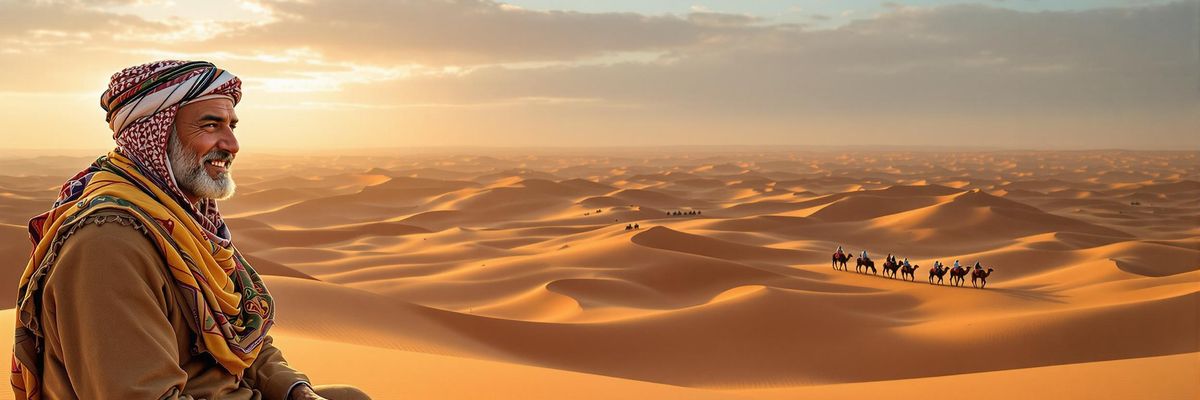
Embrace the cooler temperatures and experience the International Festival of the Sahara in Douz this December.
View More
Celebrate the year-end festivities in Accra, culminating in the vibrant Afrofuture festival.
View More Albania EDITION
 Algeria EDITION
 Argentina EDITION
 Armenia EDITION
 Australia EDITION
 Austria EDITION
 Bangladesh EDITION
 Belgium EDITION
 Belize EDITION
 Benin EDITION
 Bhutan EDITION
 Bolivia EDITION
 Bosnia and Herzegovina EDITION
 Botswana EDITION
 Brazil EDITION
 Bulgaria EDITION
 Burkina Faso EDITION
 Cambodia EDITION
 Cameroon EDITION
 Canada EDITION
 Central African Republic EDITION
 Chad EDITION
 Chile EDITION
 China EDITION
 Colombia EDITION
 Costa Rica EDITION
 Croatia EDITION
 Cyprus EDITION
 Denmark EDITION
 Djibouti EDITION
 Ecuador EDITION
 Egypt EDITION
 El Salvador EDITION
 Eritrea EDITION
 Estonia EDITION
 Ethiopia EDITION
 Finland EDITION
 France EDITION
 Gabon EDITION
 Georgia EDITION
 Germany EDITION
 Ghana EDITION
 Greece EDITION
 Guatemala EDITION
 Guinea EDITION
 Guinea-Bissau EDITION
 Honduras EDITION
 Hungary EDITION
 Iceland EDITION
 India EDITION
 Indonesia EDITION
 Ireland EDITION
 Israel EDITION
 Italy EDITION
 Jamaica EDITION
 Japan EDITION
 Jordan EDITION
 Kenya EDITION
 Kuwait EDITION
 Laos EDITION
 Latvia EDITION
 Lebanon EDITION
 Lesotho EDITION
 Liberia EDITION
 Lithuania EDITION
 Luxembourg EDITION
 Madagascar EDITION
 Malawi EDITION
 Malaysia EDITION
 Maldives EDITION
 Mali EDITION
 Malta EDITION
 Mauritania EDITION
 Mauritius EDITION
 Mexico EDITION
 Mongolia EDITION
 Montenegro EDITION
 Morocco EDITION
 Mozambique EDITION
 Namibia EDITION
 Nepal EDITION
 Netherlands EDITION
 New Zealand EDITION
 Nicaragua EDITION
 Niger EDITION
 Nigeria EDITION
 Norway EDITION
 Oman EDITION
 Pakistan EDITION
 Panama EDITION
 Papua New Guinea EDITION
 Paraguay EDITION
 Peru EDITION
 Philippines EDITION
 Poland EDITION
 Portugal EDITION
 Qatar EDITION
 Romania EDITION
 Rwanda EDITION
 Saudi Arabia EDITION
 Senegal EDITION
 Serbia EDITION
 Singapore EDITION
 Slovakia EDITION
 Slovenia EDITION
 Somalia EDITION
 South Africa EDITION
 South Korea EDITION
 Spain EDITION
 Sri Lanka EDITION
 Suriname EDITION
 Sweden EDITION
 Switzerland EDITION
 Tanzania EDITION
 Thailand EDITION
 Tunisia EDITION
 Uganda EDITION
 United Arab Emirates EDITION
 United Kingdom EDITION
 Uruguay EDITION
 Venezuela EDITION
 Vietnam EDITION
 Zambia EDITION
 Zimbabwe EDITION
Subscribe to our newsletter and get the most captivating travel stories, hidden gems, and expert insights delivered straight to your inbox. As a subscriber, you’ll be first in line for exclusive content, premium offers, and unforgettable travel experiences