


Destination Guide
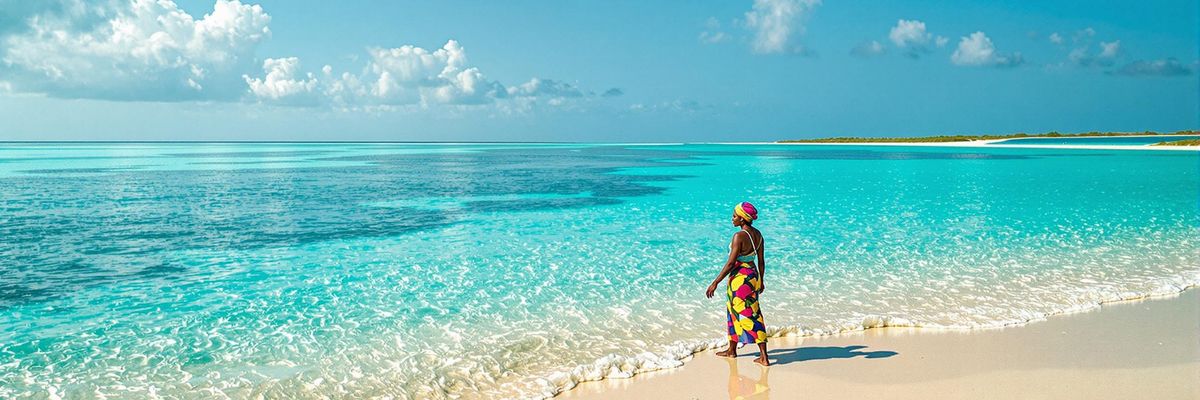
Xai-Xai: A Coastal Retreat
Relax on the beaches and explore the reefs of Xai-Xai.
View More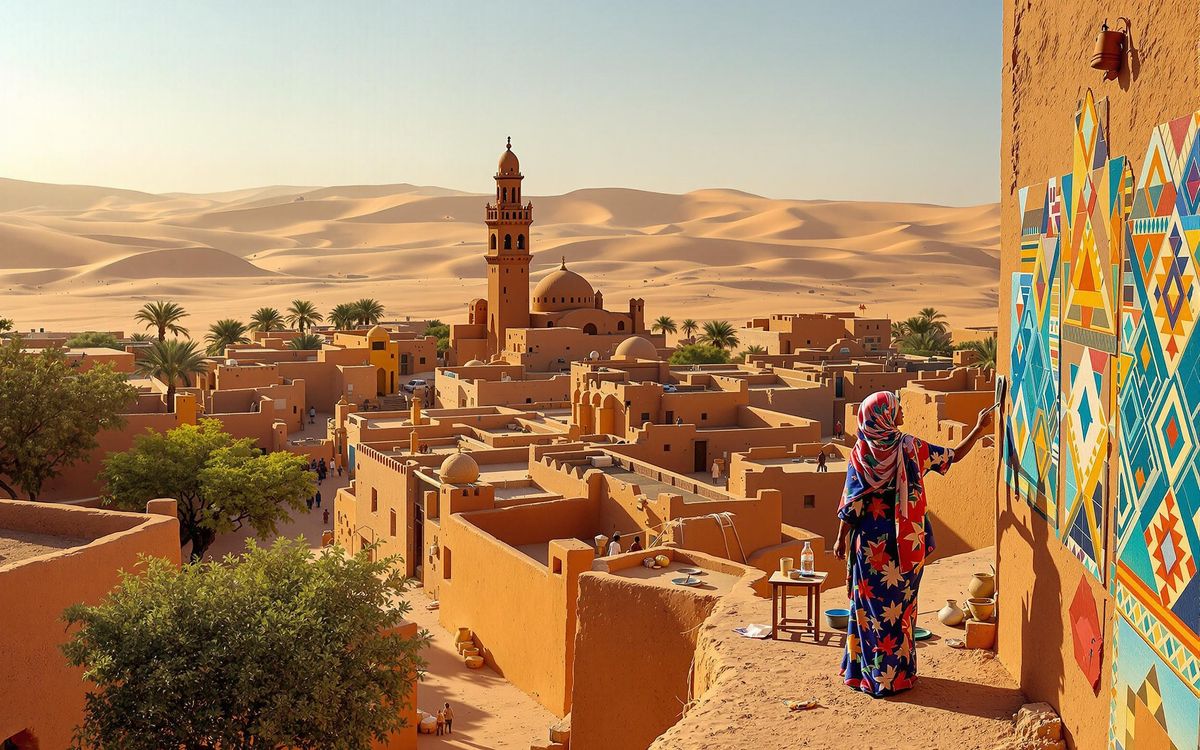

In the heart of the Mauritanian Sahara, where the sands whisper tales of ancient empires and forgotten trade routes, lies Oualata, a living museum of Saharan architecture. This UNESCO World Heritage Site invites you to step back in time and immerse yourself in a world where intricate mud buildings stand as testaments to human resilience and artistic expression.
The journey to Oualata is an adventure in itself, a passage through the vast, undulating dunes of the Sahara. As you traverse this seemingly endless expanse, the air shimmers with heat, and the silence is broken only by the gentle sigh of the wind. The ochre sands stretch out before you, meeting the horizon in a hazy embrace, creating a landscape that feels both timeless and surreal. The remoteness of Oualata has played a crucial role in preserving its authenticity, shielding it from the rapid modernization that has transformed other parts of the world.
Reaching Oualata requires careful planning and a spirit of adventure. The journey often involves long drives across rugged terrain, navigating with the aid of experienced local guides. This isolation, however, is part of Oualata's charm, offering a unique opportunity to disconnect from the modern world and reconnect with the raw beauty of the desert. As you approach the town, the first glimpse of its mud-brick buildings rising from the sands is a breathtaking sight, a mirage come to life.
The town slowly reveals itself, a cluster of ochre-colored buildings clinging to the edge of the desert. The air is thick with the scent of sun-baked earth, and the sounds of daily life – children's laughter, the murmur of conversations, the rhythmic pounding of millet – create a vibrant tapestry of human activity. Here, time seems to slow down, allowing you to savor the simple pleasures of life and appreciate the enduring spirit of the Saharan people.
The architecture of Oualata is a mesmerizing blend of form and function, a testament to the ingenuity of its inhabitants in adapting to the harsh desert environment. The buildings are constructed primarily of mud bricks, or 'banco,' a mixture of earth, water, and straw that provides excellent insulation against the scorching heat of the day and the cold of the night. The geometric designs that adorn the walls are not merely decorative; they also serve a practical purpose, helping to deflect sunlight and regulate the temperature inside the homes.
As you wander through the narrow, winding streets of Oualata, you'll notice that the houses are tightly packed together, their walls rising high to create a maze-like network of alleyways. This design offers protection from the elements, providing shade from the sun and shelter from sandstorms. The streets themselves are often narrow and uneven, adding to the town's unique character and creating a sense of intimacy and community.
The women of Oualata play a vital role in preserving the town's architectural heritage. They are responsible for decorating the interiors and exteriors of the homes with intricate patterns, using natural pigments derived from the earth. These designs, passed down through generations, reflect the town's Islamic heritage and add a touch of vibrancy and color to the otherwise monochrome landscape.
Maintaining the mud-brick architecture of Oualata is an ongoing process, requiring constant attention and care. After each rainy season, the buildings must be repaired and re-coated with banco to protect them from the elements. This communal effort reinforces the bonds between the town's residents and ensures the preservation of their unique cultural heritage.
Oualata's history is inextricably linked to the trans-Saharan trade, a network of caravan routes that connected the Mediterranean world with West Africa for centuries. The town served as a key stop on this route, linking Sijilmasa (in present-day Morocco) and Taghaza (with its vital salt mines) with the gold-rich lands of West Africa.
The goods traded through Oualata were diverse and valuable, including gold, salt, dates, and unfortunately, slaves. The town's wealth grew as it facilitated this commerce, attracting merchants, scholars, and travelers from far and wide. Oualata became a melting pot of cultures, a place where ideas and traditions mingled and evolved.
Oualata's strategic location also made it an important center within the Ghana and Mali Empires. The town served as a vital link between these powerful kingdoms and the wider world, facilitating the exchange of goods and ideas. It was also a significant starting point for Hajj pilgrims, who embarked on the long and arduous journey to Mecca from Oualata.
The cultural exchange that occurred in Oualata had a profound impact on the town's architecture and traditions. Islamic influences blended with local customs, creating a unique cultural identity that is still evident today. The geometric designs on the buildings, the intricate patterns of the textiles, and the rich oral traditions all bear witness to this vibrant cultural fusion.
One of Oualata's most precious treasures is its Manuscript Museum, a repository of ancient texts that cover a wide range of subjects, including theology, philosophy, science, and literature. These manuscripts, meticulously transcribed by hand over centuries, represent a priceless record of Islamic scholarship and intellectual life in the Sahara.
The meticulous transcription of these manuscripts was a labor of love, a testament to the dedication and skill of the scholars who devoted their lives to preserving knowledge. The texts were copied with painstaking accuracy, often using elaborate calligraphy and intricate illuminations. These manuscripts were not merely functional; they were works of art in their own right.
Many families in Oualata have preserved these manuscripts for generations, passing them down through their lineage as treasured heirlooms. The family of Mohamed Ben Baty, the town's imam, is one such example, safeguarding a collection of texts that dates back to the 14th century. Their dedication ensures that these invaluable records of cultural heritage are not lost to time.
Recognizing the importance of these manuscripts, efforts are underway to digitize and preserve them for future generations. This process involves carefully scanning each page and creating a digital archive that can be accessed by scholars and researchers around the world. By digitizing these texts, Oualata is ensuring that its intellectual legacy will continue to inspire and inform for centuries to come.
The artistic spirit of Oualata is alive and well, thanks to the dedicated work of local artisans, particularly women, who continue to create pottery, sculptures, and wall paintings using traditional techniques. These art forms are not merely decorative; they are an integral part of Oualata's cultural identity, reflecting the town's history, beliefs, and values.
The traditional designs used by Oualata's artisans are rich in symbolism, drawing inspiration from the natural world and Islamic motifs. The use of natural pigments, derived from the earth and local plants, adds a unique character to their art, creating a palette of warm, earthy tones that blend seamlessly with the surrounding landscape.
The artisans of Oualata face numerous challenges, including dwindling tourism and the increasing availability of mass-produced goods. Supporting their craft is essential to preserving Oualata's cultural heritage and ensuring that these traditional skills are passed down to future generations. By purchasing their products and promoting their work, visitors can help to sustain this living tradition.
Local cultural preservation efforts and sustainable tourism initiatives are playing a vital role in supporting the artisans of Oualata. These initiatives aim to promote responsible tourism that benefits the local community while also protecting the town's unique environment and cultural heritage. By working together, the people of Oualata and their supporters are ensuring that this vibrant artistic tradition will continue to thrive.
The mosque, located on the eastern edge of town, stands as a testament to Oualata's enduring Islamic faith. Its towering minaret, a beacon visible for miles across the desert, serves as a focal point for the community and a reminder of the town's spiritual heritage. The mosque is not only a place of worship but also a center for learning and social gathering, playing a vital role in the daily life of Oualata's residents.
The cemetery of Tirzet, located near Oualata, holds historical importance as the final resting place for many of the town's prominent figures. The simple, unadorned graves reflect the egalitarian values of Islamic tradition, emphasizing the equality of all before God. Visiting the cemetery offers a moment of reflection on the passage of time and the enduring legacy of those who came before.
These sacred spaces, the mosque and the cemetery, are integral to Oualata's cultural landscape, embodying the town's spiritual beliefs and historical memory. They serve as a reminder of the importance of faith, community, and remembrance in the lives of the Saharan people.
Oualata faces numerous challenges, including desertification, depopulation, and the impact of heavy rains on its fragile mud-brick buildings. These issues threaten the town's unique identity and way of life, requiring concerted efforts to combat their effects.
Efforts to combat desertification include planting trees and implementing sustainable land management practices. These initiatives aim to stabilize the soil, reduce erosion, and create a more hospitable environment for agriculture and human habitation. By working to protect their natural resources, the people of Oualata are demonstrating their commitment to a sustainable future.
Festivals and cultural events play a vital role in raising funds for restoration and promoting community pride. These celebrations showcase Oualata's rich cultural heritage, attracting visitors and generating income that can be used to support preservation efforts. They also provide an opportunity for residents to come together, share their traditions, and strengthen their bonds.
Despite its location in a region where many nations advise against travel, Oualata's resilient spirit shines through. The town's residents are determined to preserve their unique identity and way of life, welcoming visitors with warmth and hospitality. By sharing their culture and traditions, they are helping to build bridges of understanding and promote a more positive image of the Sahara. Oualata is a testament to the enduring power of the human spirit, a place where the past and the present come together to create a vibrant and hopeful future.
Our editors` picks of the latest and greatest in travel - delivered to your inbox daily
Relax on the beaches and explore the reefs of Xai-Xai.
View More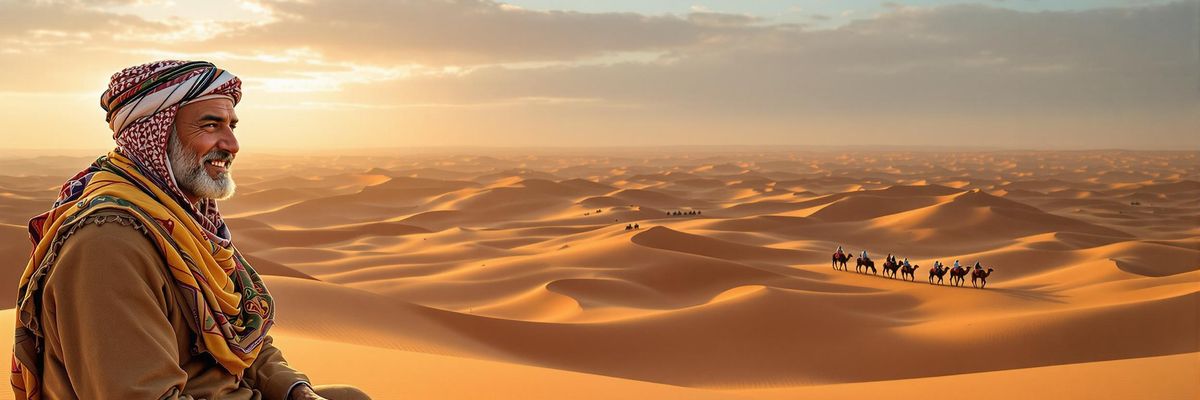
Embrace the cooler temperatures and experience the International Festival of the Sahara in Douz this December.
View More
Celebrate the year-end festivities in Accra, culminating in the vibrant Afrofuture festival.
View More Albania EDITION
 Algeria EDITION
 Argentina EDITION
 Armenia EDITION
 Australia EDITION
 Austria EDITION
 Bangladesh EDITION
 Belgium EDITION
 Belize EDITION
 Benin EDITION
 Bhutan EDITION
 Bolivia EDITION
 Bosnia and Herzegovina EDITION
 Botswana EDITION
 Brazil EDITION
 Bulgaria EDITION
 Burkina Faso EDITION
 Cambodia EDITION
 Cameroon EDITION
 Canada EDITION
 Central African Republic EDITION
 Chad EDITION
 Chile EDITION
 China EDITION
 Colombia EDITION
 Costa Rica EDITION
 Croatia EDITION
 Cyprus EDITION
 Denmark EDITION
 Djibouti EDITION
 Ecuador EDITION
 Egypt EDITION
 El Salvador EDITION
 Eritrea EDITION
 Estonia EDITION
 Ethiopia EDITION
 Finland EDITION
 France EDITION
 Gabon EDITION
 Georgia EDITION
 Germany EDITION
 Ghana EDITION
 Greece EDITION
 Guatemala EDITION
 Guinea EDITION
 Guinea-Bissau EDITION
 Honduras EDITION
 Hungary EDITION
 Iceland EDITION
 India EDITION
 Indonesia EDITION
 Ireland EDITION
 Israel EDITION
 Italy EDITION
 Jamaica EDITION
 Japan EDITION
 Jordan EDITION
 Kenya EDITION
 Kuwait EDITION
 Laos EDITION
 Latvia EDITION
 Lebanon EDITION
 Lesotho EDITION
 Liberia EDITION
 Lithuania EDITION
 Luxembourg EDITION
 Madagascar EDITION
 Malawi EDITION
 Malaysia EDITION
 Maldives EDITION
 Mali EDITION
 Malta EDITION
 Mauritania EDITION
 Mauritius EDITION
 Mexico EDITION
 Mongolia EDITION
 Montenegro EDITION
 Morocco EDITION
 Mozambique EDITION
 Namibia EDITION
 Nepal EDITION
 Netherlands EDITION
 New Zealand EDITION
 Nicaragua EDITION
 Niger EDITION
 Nigeria EDITION
 Norway EDITION
 Oman EDITION
 Pakistan EDITION
 Panama EDITION
 Papua New Guinea EDITION
 Paraguay EDITION
 Peru EDITION
 Philippines EDITION
 Poland EDITION
 Portugal EDITION
 Qatar EDITION
 Romania EDITION
 Rwanda EDITION
 Saudi Arabia EDITION
 Senegal EDITION
 Serbia EDITION
 Singapore EDITION
 Slovakia EDITION
 Slovenia EDITION
 Somalia EDITION
 South Africa EDITION
 South Korea EDITION
 Spain EDITION
 Sri Lanka EDITION
 Suriname EDITION
 Sweden EDITION
 Switzerland EDITION
 Tanzania EDITION
 Thailand EDITION
 Tunisia EDITION
 Uganda EDITION
 United Arab Emirates EDITION
 United Kingdom EDITION
 Uruguay EDITION
 Venezuela EDITION
 Vietnam EDITION
 Zambia EDITION
 Zimbabwe EDITION
Subscribe to our newsletter and get the most captivating travel stories, hidden gems, and expert insights delivered straight to your inbox. As a subscriber, you’ll be first in line for exclusive content, premium offers, and unforgettable travel experiences