


Destination Guide
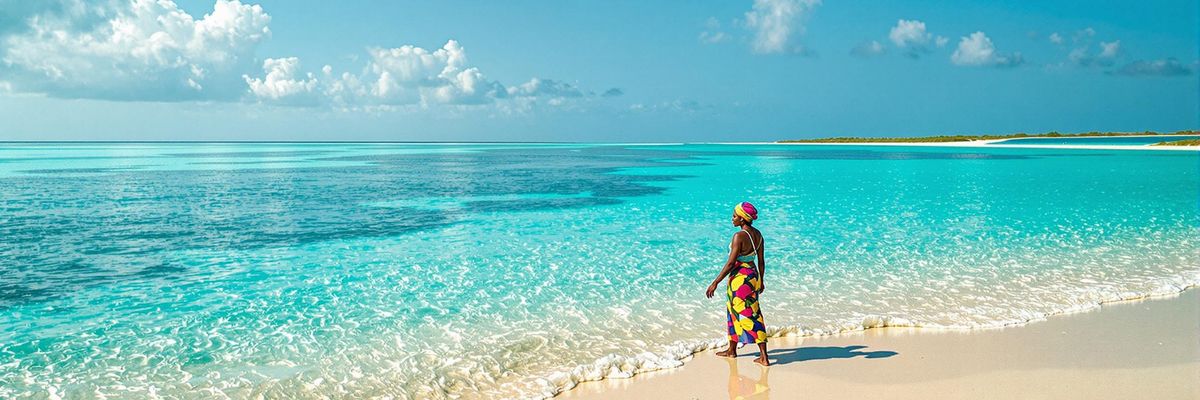
Xai-Xai: A Coastal Retreat
Relax on the beaches and explore the reefs of Xai-Xai.
View More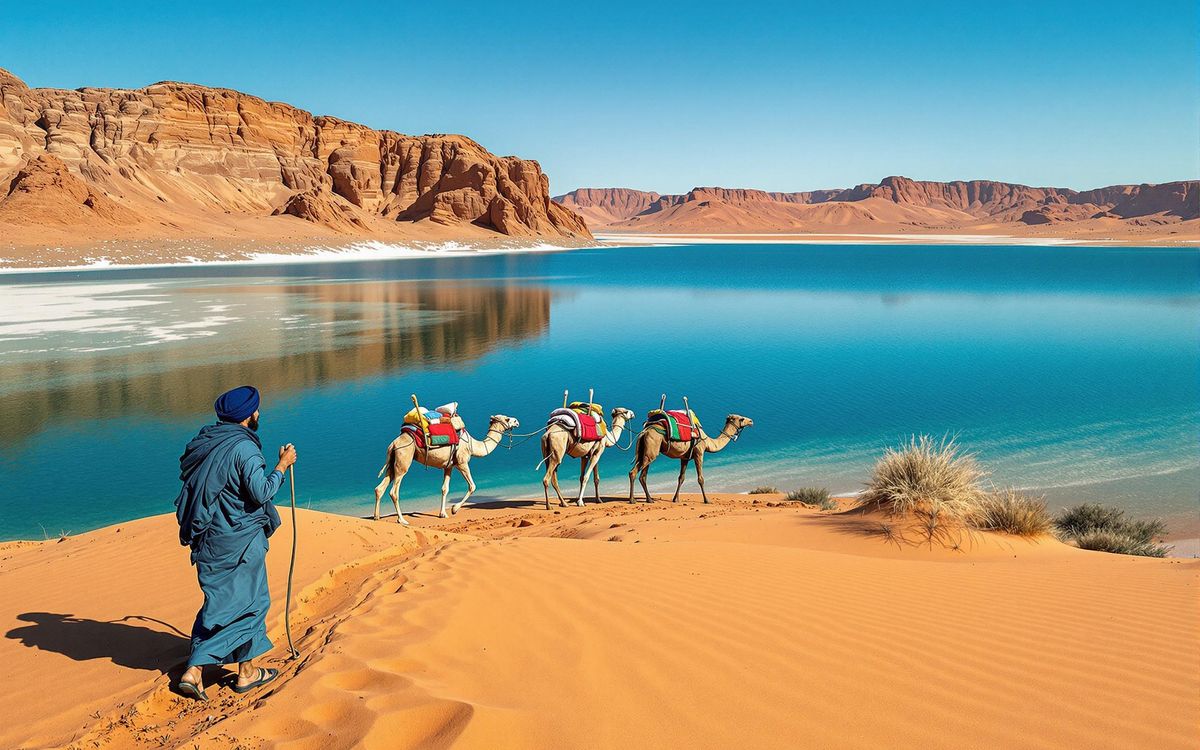

In the heart of the Sahara Desert, where endless golden dunes meet the scorching sun, lies an unexpected treasure: the Lakes of Ounianga. These stunning freshwater lakes, a UNESCO World Heritage site, offer a mesmerizing contrast to the arid landscape, inviting travelers to discover a hidden paradise teeming with life and wonder.
Imagine standing amidst the vast expanse of the Sahara, the world's largest hot desert, and suddenly encountering a series of vibrant blue lakes stretching towards the horizon. This is the surreal experience that awaits you at the Lakes of Ounianga, a geological marvel and a testament to nature's resilience. The sheer contrast between the azure waters and the surrounding arid landscape is a sight to behold, a visual symphony that captivates the senses and leaves an indelible mark on the soul.
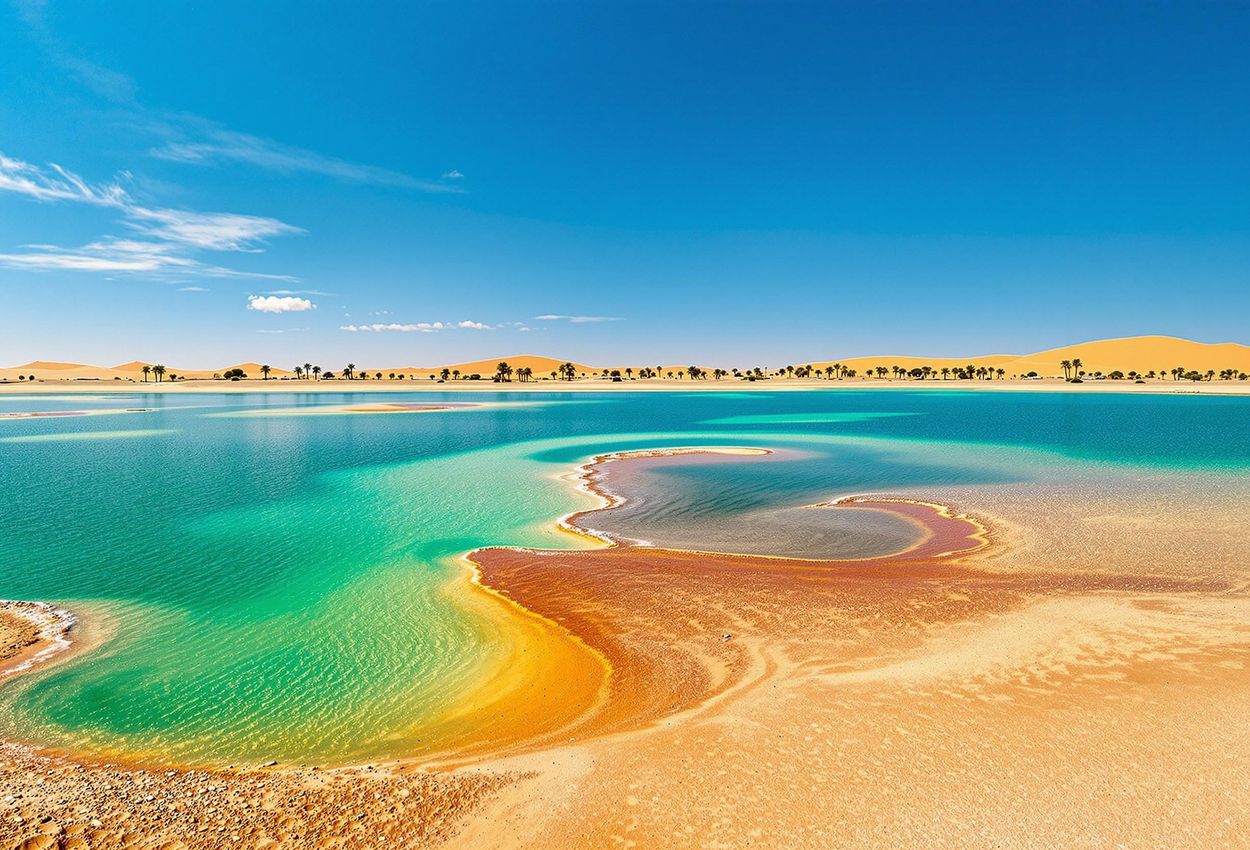
Designated as a UNESCO World Heritage site in 2012, the Lakes of Ounianga encompass an area of 62,808 hectares (155,190 acres), a vast expanse that showcases the unique beauty resulting from the varied colored lakes. Here, blue, green, and reddish waters are surrounded by palm trees, towering dunes, and dramatic sandstone formations, creating a landscape that seems almost otherworldly. This remarkable oasis stands as a refuge for both humans and wildlife, a testament to the enduring power of water in the face of extreme adversity.
The Lakes of Ounianga are comprised of 18 interconnected lakes, divided into two main groups: Ounianga Kebir and Ounianga Serir. Each group possesses its own distinct characteristics and charm, offering visitors a diverse range of experiences to discover and enjoy. From the hypersaline waters of Lake Yoan to the freshwater ecosystems of Lake Teli, the Lakes of Ounianga present a fascinating study in ecological adaptation and resilience.
As you journey through this remarkable landscape, prepare to be mesmerized by the sheer beauty and tranquility of the Lakes of Ounianga. Whether you're a nature enthusiast, an adventure seeker, or simply a traveler in search of unique and unforgettable experiences, this desert oasis promises to leave you spellbound.
In the western part of the Ounianga system lies Ounianga Kebir, home to four captivating lakes, the most prominent of which is Lake Yoan. As the largest and deepest of all the Ounianga lakes, Lake Yoan holds a unique allure, its waters telling a tale of extreme adaptation and survival.
The waters of Lake Yoan are hypersaline, a result of intense evaporation in this hyperarid environment. This high salt concentration limits the diversity of life that can thrive within its depths. Only specialized algae and microorganisms have adapted to survive in these harsh conditions, painting the lake with hues of green and red. Despite the limited life it supports, Lake Yoan remains a vital component of the Ounianga ecosystem, its unique chemistry contributing to the overall biodiversity of the region.
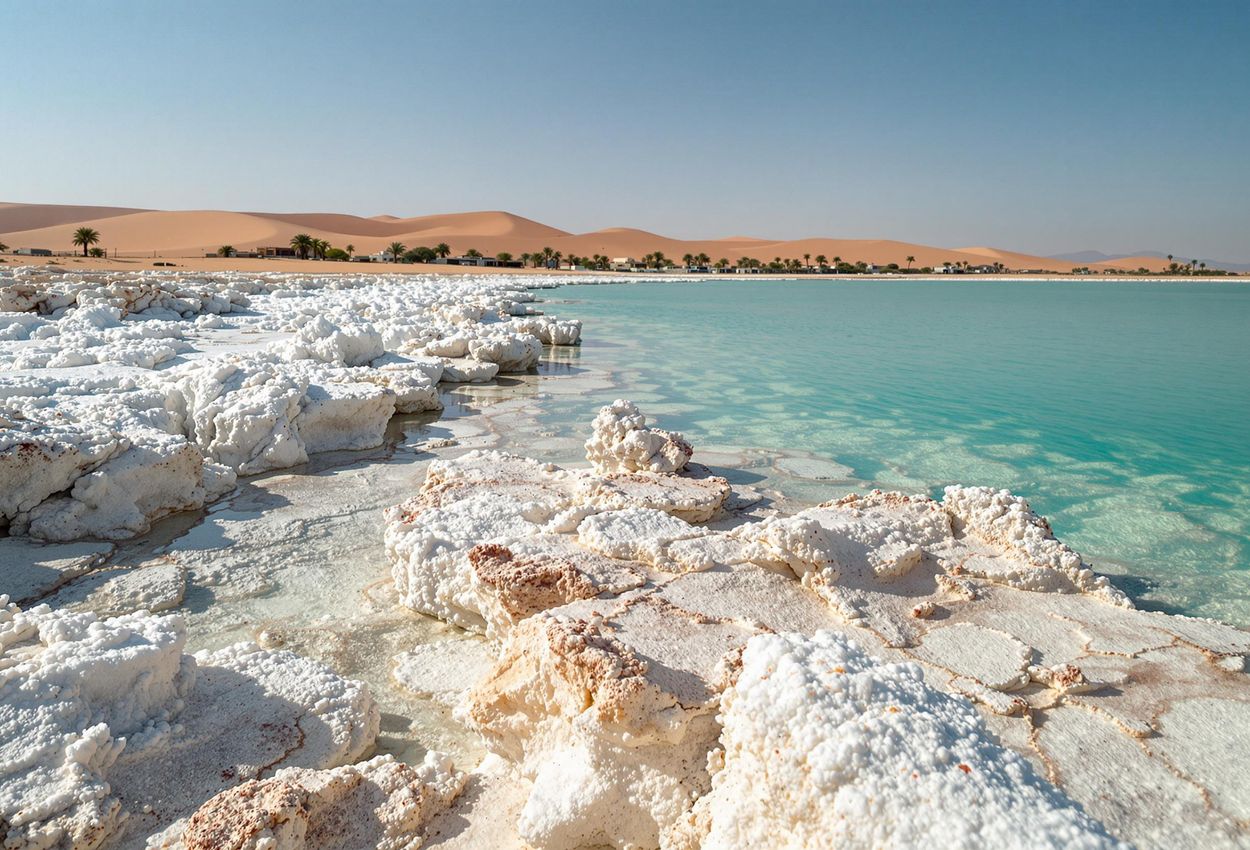
In stark contrast to the saline waters of Lake Yoan, the village of Ounianga Kebir offers a welcoming oasis of human life and activity. Nestled amidst the dunes and palm groves near the lake, this small settlement provides essential amenities for both locals and travelers. A health center ensures the well-being of the community, while a school provides education for the younger generation. The village serves as a vital hub for the nomadic populations that roam the surrounding desert, offering a place to rest, resupply, and connect with others.
For those seeking a glimpse into local culture and traditions, a visit to the Mosque of Ounianga Kebir is highly recommended. This simple yet elegant structure stands as a testament to the enduring faith of the community, its walls echoing with the prayers and aspirations of generations. As you explore the village, be sure to interact with the friendly locals, who are always eager to share their stories and insights into life in this remote corner of the Sahara.
Local Tip: Engage with the local community by visiting the market in Ounianga Kebir. It's a great place to purchase handmade crafts and learn about traditional Toubou culture.
Journeying eastward from Ounianga Kebir, the landscape transforms into the mesmerizing Ounianga Serir, a complex of fourteen lakes separated by towering sand dunes. This unique hydrological system presents a captivating contrast to the single, expansive Lake Yoan, showcasing the remarkable diversity of the Ounianga region.
One of the most striking features of Ounianga Serir is the presence of floating reed carpets that adorn the surface of many of the lakes. These dense mats of vegetation play a crucial role in reducing evaporation, helping to maintain the delicate balance of the ecosystem. As the wind gently ripples across the water, the reed carpets create a shimmering effect, adding to the ethereal beauty of the landscape.
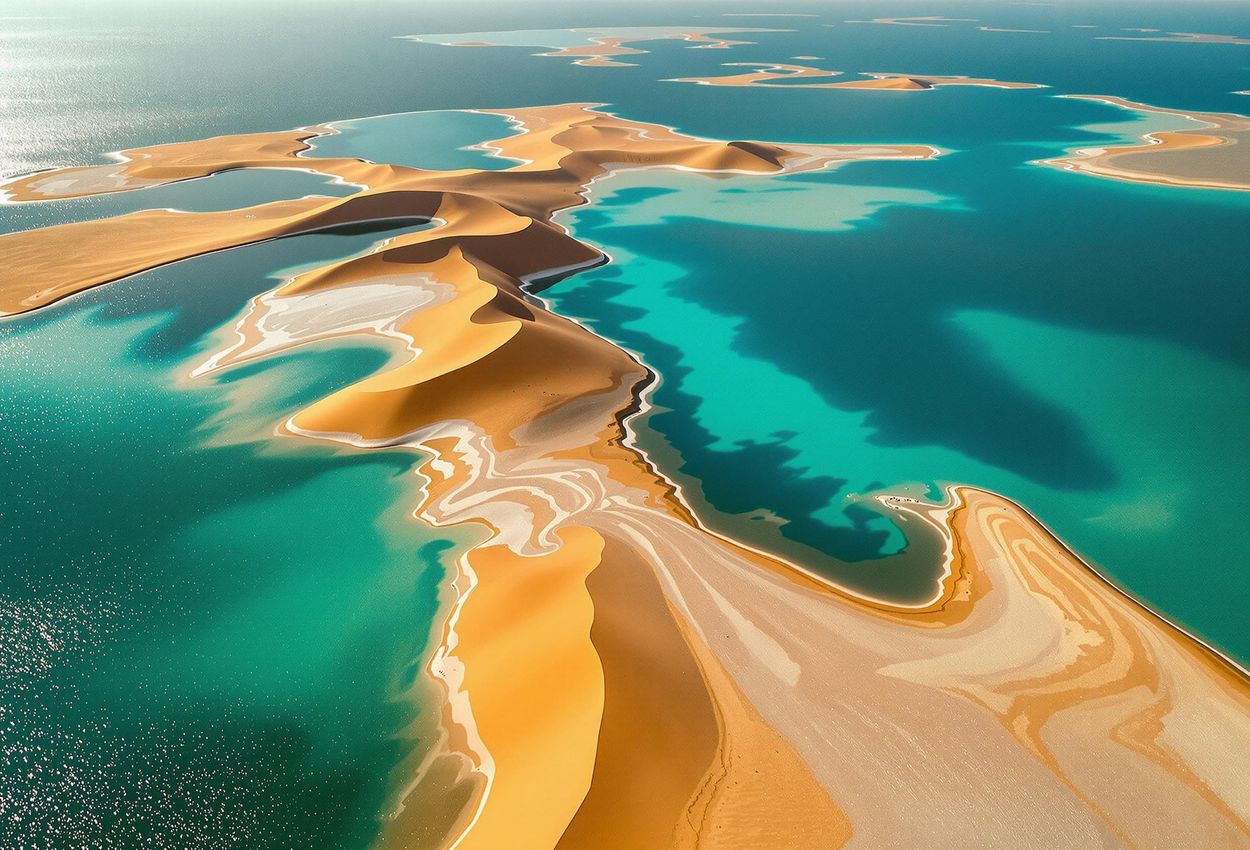
Lake Teli, the largest in surface area within Ounianga Serir, stands out as a haven for freshwater aquatic life. Unlike the hypersaline waters of Lake Yoan, Lake Teli boasts a thriving ecosystem, supporting a variety of fish, plants, and other organisms. This remarkable contrast highlights the intricate interplay of geological and hydrological processes that shape the Lakes of Ounianga.
The unique hydrological system of Ounianga Serir is a testament to the region's geological history. Thousands of years ago, during a wetter period in the Sahara, a single large lake occupied this basin. As the climate gradually dried, wind-blown sand sculpted the landscape, dividing the lake into the fourteen individual bodies of water that exist today. Despite the separation, the lakes remain interconnected through a network of underground channels, allowing for the exchange of water and nutrients.
Hidden Gem: Take a swim in Lake Teli, one of the few freshwater lakes in the Sahara. The cool, refreshing water is a welcome respite from the desert heat.
Beyond the stunning landscapes and unique ecosystems, the Lakes of Ounianga offer a chance to immerse yourself in the rich cultural heritage of the Sahara. The region is home to nomadic communities, such as the Toubou people, who have adapted their traditional lifestyle to thrive in this harsh environment.
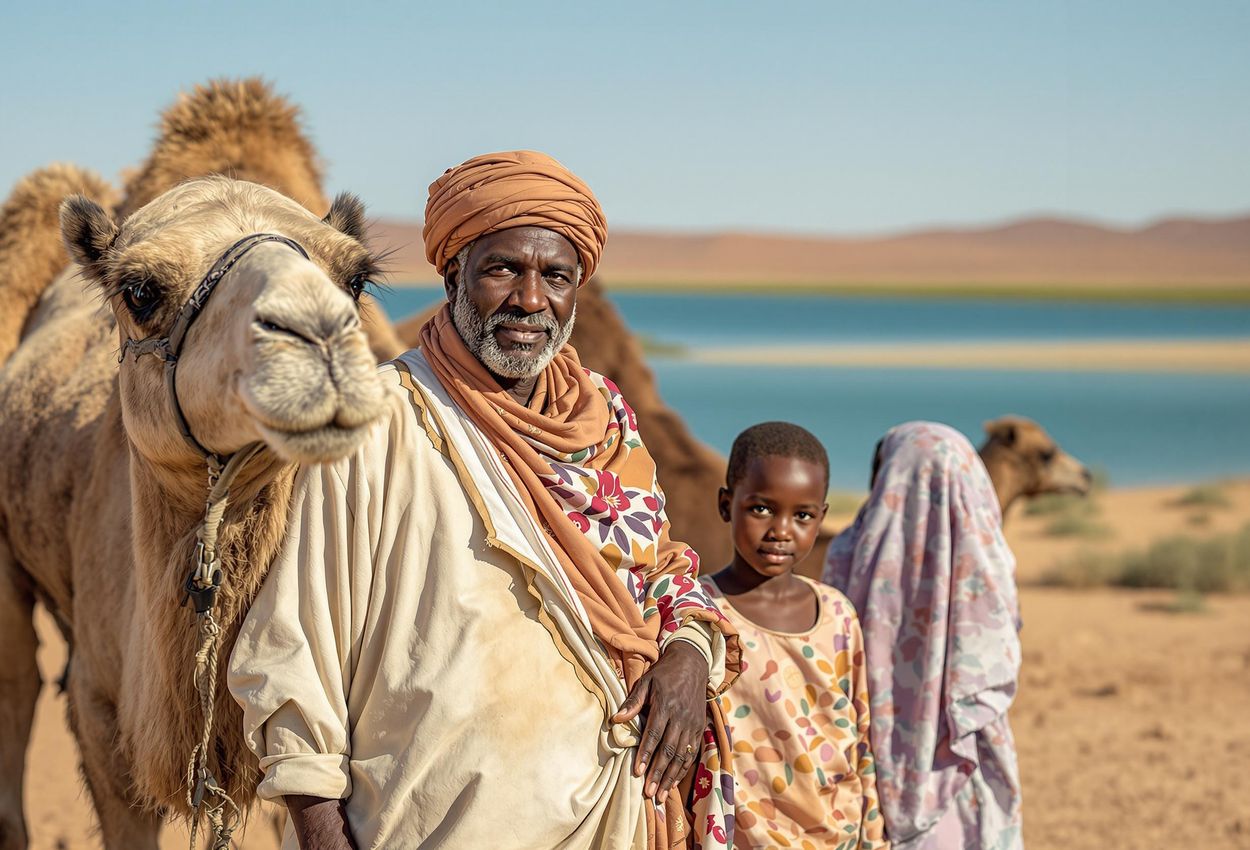
The Toubou are a resilient and resourceful people, their lives intimately intertwined with the rhythms of the desert. They are skilled herders, raising camels, goats, and sheep, and their knowledge of the land and its resources is unparalleled. As you travel through the Ounianga region, you may encounter Toubou families tending to their herds or setting up camp near the lakes. Take the opportunity to learn about their customs, traditions, and the challenges they face in preserving their way of life in the face of modernization.
For a deeper understanding of the region's history and cultural evolution, consider a visit to the Ennedi Massif, located near the Ounianga Lakes. This remarkable sandstone formation is home to a wealth of rock art, some dating back thousands of years. These ancient engravings and paintings depict a variety of subjects, including animals, humans, and abstract symbols, offering a glimpse into the beliefs and daily lives of the people who once inhabited this region.
The rock art in the Ennedi Massif also provides valuable insights into the region's climate change over millennia. Depictions of animals such as giraffes, elephants, and crocodiles suggest that the Sahara was once a much wetter and greener place. By studying these ancient artworks, scientists can gain a better understanding of the long-term environmental changes that have shaped this landscape.
Local Tip: Ask your local guide to share stories about the Toubou people and their traditions. Their insights will enrich your understanding of the region's cultural heritage.
Planning a trip to the Lakes of Ounianga requires careful consideration, as this remote destination presents unique challenges and logistical considerations. However, with proper preparation, the journey to this desert oasis can be an unforgettable adventure.
The best time to visit the Lakes of Ounianga is during the cooler months of November to February. During this period, daytime temperatures range from 25°C to 30°C (77°F to 86°F), making it more comfortable for outdoor activities. Nights can be chilly, dropping to around 10°C to 15°C (50°F to 59°F), so packing layers is advisable. Visiting during this season also allows you to avoid the extreme heat of the summer months, where temperatures can soar above 40°C (104°F).
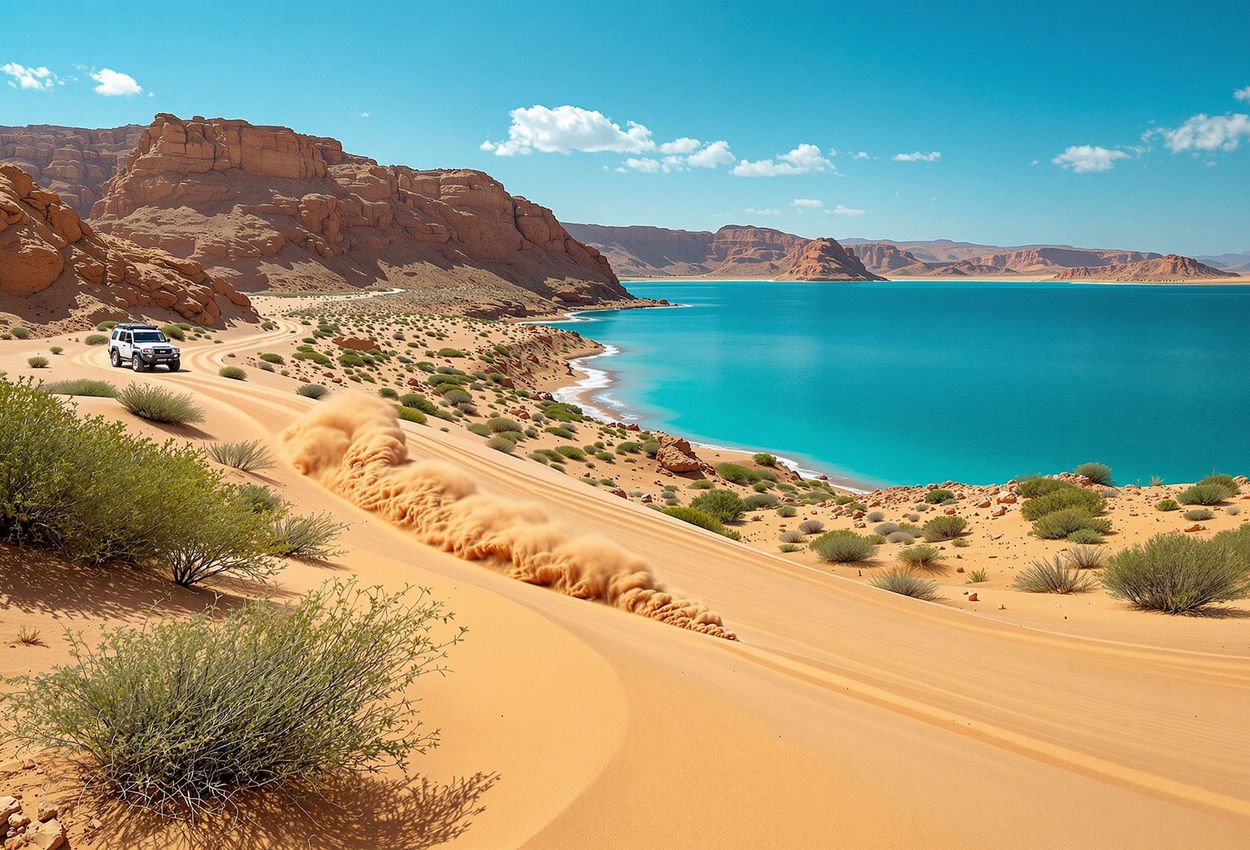
Reaching the Lakes of Ounianga requires a 4x4 vehicle, as the terrain can be challenging and unpredictable. It is highly recommended to hire a local guide who is familiar with the area and can navigate the desert roads safely. The starting point for most Ounianga Lakes hikes is the town of Ounianga Kebir, where you can find basic supplies and accommodations.
As you embark on your journey to the Lakes of Ounianga, remember to respect the local culture and environment. Dress modestly, ask permission before taking photos of people, and avoid littering or damaging the fragile ecosystem. By practicing responsible tourism, you can help ensure that this unique destination remains a treasure for generations to come.
Local Tip: Stock up on supplies in advance, as options are limited in Ounianga Kebir. Bring plenty of water, sunscreen, and a hat to protect yourself from the desert sun.
The Lakes of Ounianga are more than just a destination; they are an experience that will transform your perspective and leave you with a deep appreciation for the beauty and resilience of life in the Sahara. So pack your bags, prepare for an adventure, and discover the magic of this desert oasis.
Our editors` picks of the latest and greatest in travel - delivered to your inbox daily
Relax on the beaches and explore the reefs of Xai-Xai.
View More
Embrace the cooler temperatures and experience the International Festival of the Sahara in Douz this December.
View More
Celebrate the year-end festivities in Accra, culminating in the vibrant Afrofuture festival.
View More Albania EDITION
 Algeria EDITION
 Argentina EDITION
 Armenia EDITION
 Australia EDITION
 Austria EDITION
 Bangladesh EDITION
 Belgium EDITION
 Belize EDITION
 Benin EDITION
 Bhutan EDITION
 Bolivia EDITION
 Bosnia and Herzegovina EDITION
 Botswana EDITION
 Brazil EDITION
 Bulgaria EDITION
 Burkina Faso EDITION
 Cambodia EDITION
 Cameroon EDITION
 Canada EDITION
 Central African Republic EDITION
 Chad EDITION
 Chile EDITION
 China EDITION
 Colombia EDITION
 Costa Rica EDITION
 Croatia EDITION
 Cyprus EDITION
 Denmark EDITION
 Djibouti EDITION
 Ecuador EDITION
 Egypt EDITION
 El Salvador EDITION
 Eritrea EDITION
 Estonia EDITION
 Ethiopia EDITION
 Finland EDITION
 France EDITION
 Gabon EDITION
 Georgia EDITION
 Germany EDITION
 Ghana EDITION
 Greece EDITION
 Guatemala EDITION
 Guinea EDITION
 Guinea-Bissau EDITION
 Honduras EDITION
 Hungary EDITION
 Iceland EDITION
 India EDITION
 Indonesia EDITION
 Ireland EDITION
 Israel EDITION
 Italy EDITION
 Jamaica EDITION
 Japan EDITION
 Jordan EDITION
 Kenya EDITION
 Kuwait EDITION
 Laos EDITION
 Latvia EDITION
 Lebanon EDITION
 Lesotho EDITION
 Liberia EDITION
 Lithuania EDITION
 Luxembourg EDITION
 Madagascar EDITION
 Malawi EDITION
 Malaysia EDITION
 Maldives EDITION
 Mali EDITION
 Malta EDITION
 Mauritania EDITION
 Mauritius EDITION
 Mexico EDITION
 Mongolia EDITION
 Montenegro EDITION
 Morocco EDITION
 Mozambique EDITION
 Namibia EDITION
 Nepal EDITION
 Netherlands EDITION
 New Zealand EDITION
 Nicaragua EDITION
 Niger EDITION
 Nigeria EDITION
 Norway EDITION
 Oman EDITION
 Pakistan EDITION
 Panama EDITION
 Papua New Guinea EDITION
 Paraguay EDITION
 Peru EDITION
 Philippines EDITION
 Poland EDITION
 Portugal EDITION
 Qatar EDITION
 Romania EDITION
 Rwanda EDITION
 Saudi Arabia EDITION
 Senegal EDITION
 Serbia EDITION
 Singapore EDITION
 Slovakia EDITION
 Slovenia EDITION
 Somalia EDITION
 South Africa EDITION
 South Korea EDITION
 Spain EDITION
 Sri Lanka EDITION
 Suriname EDITION
 Sweden EDITION
 Switzerland EDITION
 Tanzania EDITION
 Thailand EDITION
 Tunisia EDITION
 Uganda EDITION
 United Arab Emirates EDITION
 United Kingdom EDITION
 Uruguay EDITION
 Venezuela EDITION
 Vietnam EDITION
 Zambia EDITION
 Zimbabwe EDITION
Subscribe to our newsletter and get the most captivating travel stories, hidden gems, and expert insights delivered straight to your inbox. As a subscriber, you’ll be first in line for exclusive content, premium offers, and unforgettable travel experiences