


Destination Guide
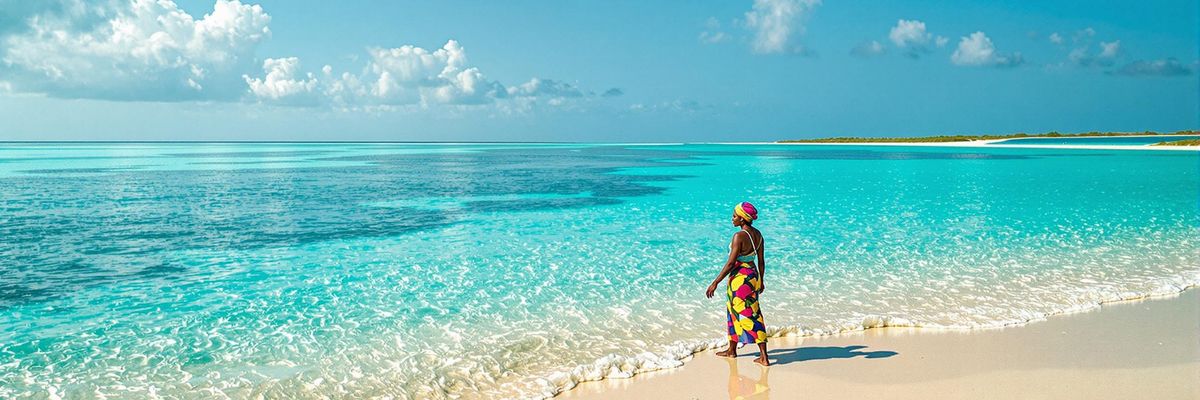
Xai-Xai: A Coastal Retreat
Relax on the beaches and explore the reefs of Xai-Xai.
View More

Imagine yourself standing amidst the vast expanse of the Sahara Desert, the sun beating down relentlessly, and mirages shimmering on the horizon. Then, a startling sight emerges: a series of freshwater lakes, an oasis defying the harsh reality of the desert. This is Ounianga Serir, a place where the surreal becomes real, and swimming in the Sahara is not just a dream, but an extraordinary experience.
The journey to Ounianga Serir is an immersion into the heart of the Sahara, a landscape dominated by endless sand and unforgiving conditions. Yet, as you approach this hidden gem, the scenery undergoes a dramatic transformation. The shimmering horizon gradually solidifies into the unmistakable form of water, reflecting the sky above. The contrast is striking, a vibrant tapestry woven from the golden hues of the desert and the cool blues of the lakes.
Located in northeastern Chad, the Ounianga lakes are found in the Ennedi region. The area spans approximately 20 square kilometers and comprises 18 interconnected lakes, divided into two main groups: Ounianga Kebir and Ounianga Serir. The initial glimpse of these lakes evokes a sense of disbelief, a feeling that you've stumbled upon a secret world untouched by time. The sheer improbability of such a place existing within the Sahara's arid embrace is enough to inspire awe. It's a place where the impossible becomes vividly, refreshingly real.
The lakes appear like a mirage, but the cool, clear water invites you to take a swim. It is an experience that transcends the ordinary, etching itself into your memory as a testament to the earth's hidden wonders. The sense of wonder is palpable, amplified by the silence and the stark beauty of the surroundings. It's an invitation to embrace the unexpected, to surrender to the magic of a place where water and desert intertwine in an unforgettable dance.
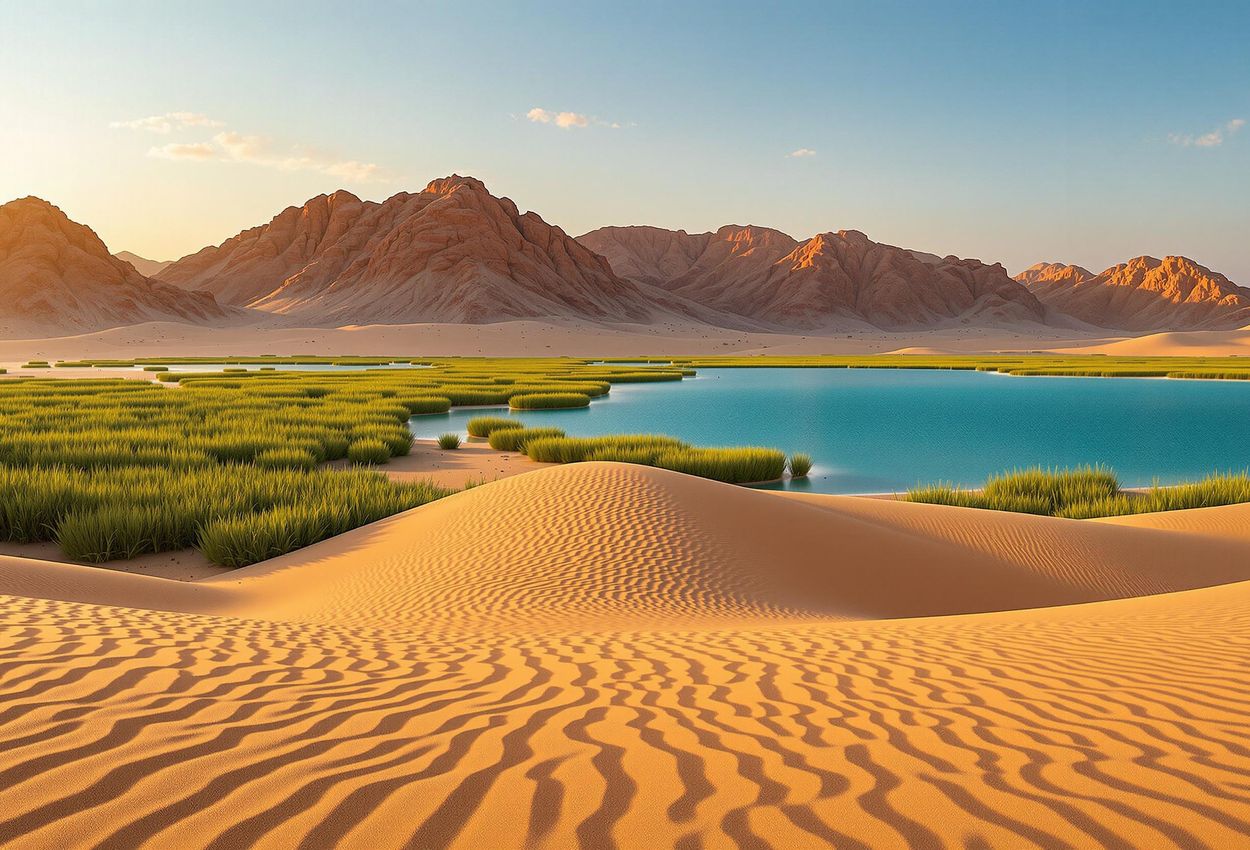
Lake Teli, the largest lake in Ounianga Serir, beckons with its promise of cool, clear water, a sanctuary from the oppressive desert heat. Swimming in its freshwater is an experience that defies expectations, a sensory awakening that juxtaposes the harsh exterior with an oasis of tranquility.
As you enter the water, the contrast is immediate and profound. The desert heat gives way to a refreshing coolness, enveloping your skin and invigorating your senses. The water is exceptionally clear, allowing you to see the aquatic life that thrives beneath the surface. Small fish dart among the reeds, and the sunlight dances on the sandy bottom, creating an ethereal underwater world.
Adding to the unique character of Lake Teli are its floating reed carpets, verdant islands that drift across the water's surface. These carpets play a vital ecological role, providing shelter for birds and other wildlife, while also reducing the rate of evaporation. The feel of the water is silky smooth, a testament to its purity and mineral composition. The sounds of birds chirping and the gentle lapping of water against the shore create a soothing symphony, a stark contrast to the silence of the surrounding desert. The air is clean and crisp, carrying the subtle scent of desert flora, a reminder of the life that persists even in this arid environment.
The water temperature of Lake Teli hovers around a refreshing 17 degrees Celsius, offering a welcome respite from the scorching heat. Swimming in the lake is not just a physical experience; it's a sensory immersion, a chance to connect with nature in its most surprising and resilient form. It's a reminder that even in the harshest environments, life finds a way to flourish, offering moments of unexpected beauty and serenity.

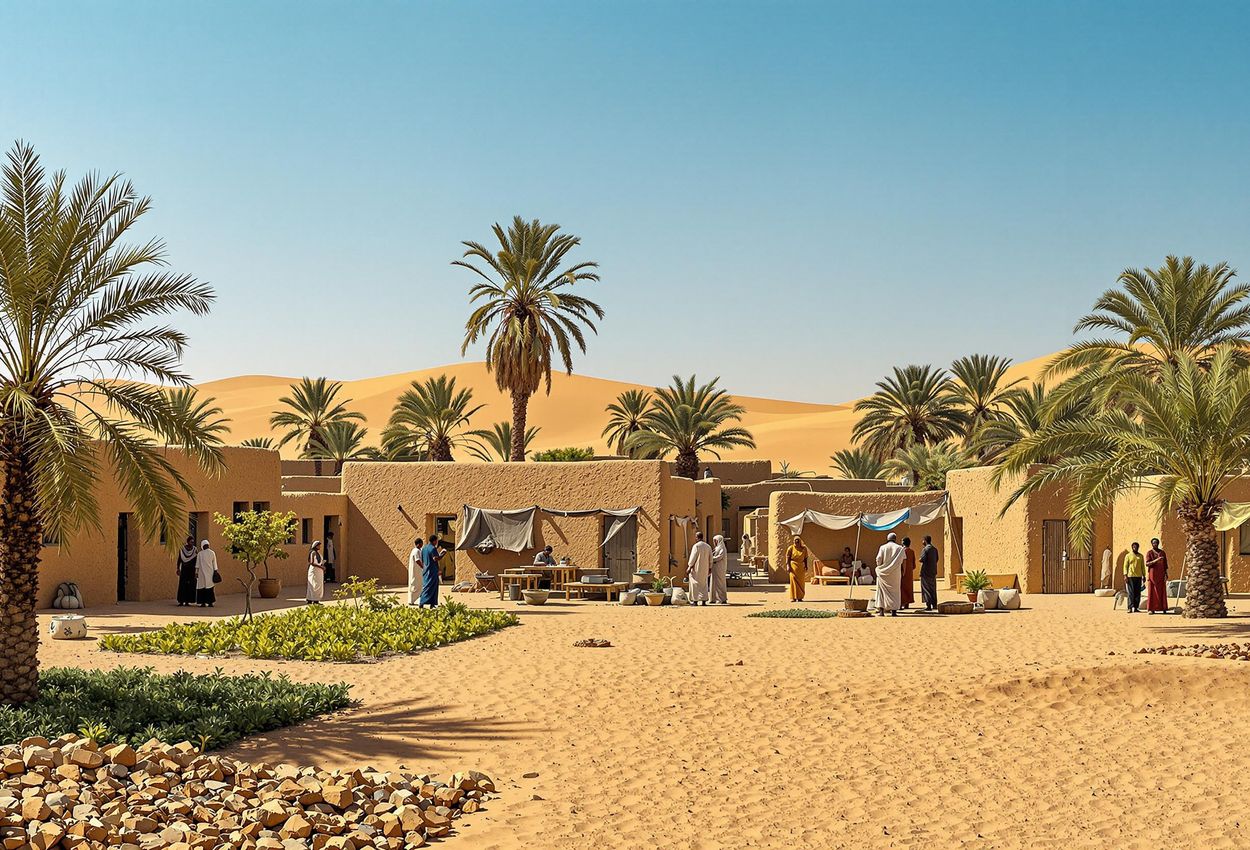
The Ounianga lakes are not just a natural wonder; they are also home to a resilient local culture, shaped by the challenges and opportunities of this unique environment. The villages of Ounianga Kebir and Ounianga Serir are the heart of this community, where traditional lifestyles persist amidst the vastness of the Sahara.
Ounianga Kebir, the larger of the two villages, has a population of approximately 9,000, while Ounianga Serir is home to around 1,000 people. These communities have developed ingenious ways to thrive in this challenging landscape, relying on date palm cultivation and subsistence fishing as their primary sources of sustenance. The date palms provide not only food but also shade and building materials, while the lakes offer a source of protein and a vital water supply.
Interactions with the Toubou people, the dominant ethnic group in this region, offer a glimpse into their rich cultural heritage. Known for their hospitality and resilience, the Toubou have a deep connection to the desert, possessing an intimate knowledge of its secrets and rhythms. They are traditionally nomadic or semi-nomadic herders and farmers, with a clan-based society that values cooperation and mutual support.
One unique cultural detail is the harvesting of 'kreep,' a wild grass that grows along the shores of the lakes. This grass is a valuable source of food for both humans and livestock, and its harvesting is a communal activity that brings people together. It's a reminder of the resourcefulness and adaptability of the Ounianga people, their ability to find sustenance and meaning in a landscape that appears barren to the untrained eye. Life in Ounianga is a testament to the enduring power of human connection and the resilience of the human spirit.
Reaching Ounianga Serir is an adventure in itself, requiring careful planning and preparation. The journey involves navigating remote desert landscapes and addressing potential safety concerns. However, with the right approach, this extraordinary destination is within reach.
Transportation to Ounianga Serir typically requires a 4x4 vehicle, capable of handling the challenging desert terrain. It's advisable to hire a local driver with experience in the area, as they possess invaluable knowledge of the routes and conditions. Due to the remoteness, it's essential to carry ample supplies of fuel, water, and food.
Safety is a significant consideration when traveling to Chad. It is important to check travel advisories from your government before planning your trip. Many advisories recommend reconsidering travel to Chad due to crime, terrorism, and civil unrest. Some areas, particularly border regions and the Lake Chad region, are considered high-risk and should be avoided.
Responsible tourism is crucial to preserving the natural and cultural integrity of Ounianga Serir. Respect local customs and traditions, and minimize your environmental impact. Avoid littering, and support local businesses whenever possible. Be mindful of water usage, as it is a precious resource in this arid environment.
The best time to visit Ounianga Serir is during the cooler months, from November to February. During this period, temperatures are more moderate, making outdoor activities more comfortable. The extreme heat of the summer months can be debilitating, making exploration difficult and potentially dangerous. A visit to Ounianga Serir requires careful planning and an adventurous spirit, but the rewards are immeasurable, offering an experience that is both surreal and deeply enriching.

Our editors` picks of the latest and greatest in travel - delivered to your inbox daily
Relax on the beaches and explore the reefs of Xai-Xai.
View More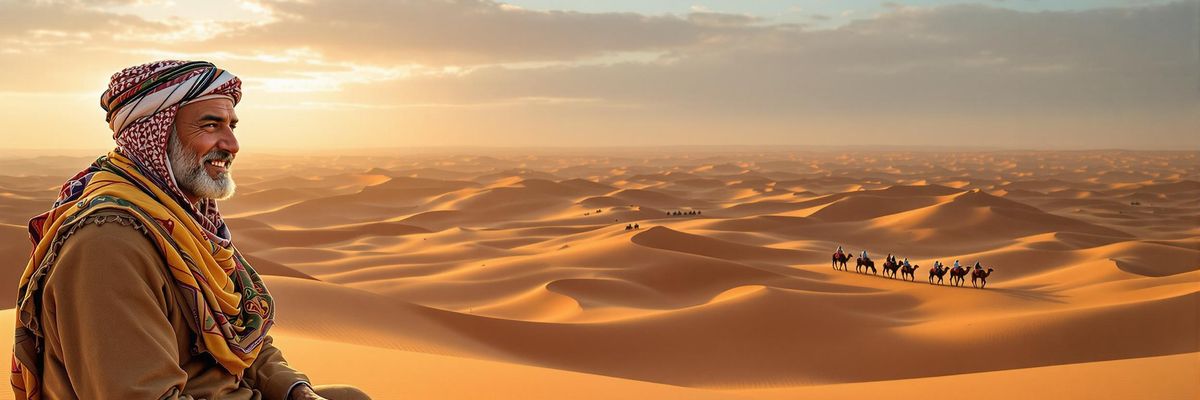
Embrace the cooler temperatures and experience the International Festival of the Sahara in Douz this December.
View More
Celebrate the year-end festivities in Accra, culminating in the vibrant Afrofuture festival.
View More Albania EDITION
 Algeria EDITION
 Argentina EDITION
 Armenia EDITION
 Australia EDITION
 Austria EDITION
 Bangladesh EDITION
 Belgium EDITION
 Belize EDITION
 Benin EDITION
 Bhutan EDITION
 Bolivia EDITION
 Bosnia and Herzegovina EDITION
 Botswana EDITION
 Brazil EDITION
 Bulgaria EDITION
 Burkina Faso EDITION
 Cambodia EDITION
 Cameroon EDITION
 Canada EDITION
 Central African Republic EDITION
 Chad EDITION
 Chile EDITION
 China EDITION
 Colombia EDITION
 Costa Rica EDITION
 Croatia EDITION
 Cyprus EDITION
 Denmark EDITION
 Djibouti EDITION
 Ecuador EDITION
 Egypt EDITION
 El Salvador EDITION
 Eritrea EDITION
 Estonia EDITION
 Ethiopia EDITION
 Finland EDITION
 France EDITION
 Gabon EDITION
 Georgia EDITION
 Germany EDITION
 Ghana EDITION
 Greece EDITION
 Guatemala EDITION
 Guinea EDITION
 Guinea-Bissau EDITION
 Honduras EDITION
 Hungary EDITION
 Iceland EDITION
 India EDITION
 Indonesia EDITION
 Ireland EDITION
 Israel EDITION
 Italy EDITION
 Jamaica EDITION
 Japan EDITION
 Jordan EDITION
 Kenya EDITION
 Kuwait EDITION
 Laos EDITION
 Latvia EDITION
 Lebanon EDITION
 Lesotho EDITION
 Liberia EDITION
 Lithuania EDITION
 Luxembourg EDITION
 Madagascar EDITION
 Malawi EDITION
 Malaysia EDITION
 Maldives EDITION
 Mali EDITION
 Malta EDITION
 Mauritania EDITION
 Mauritius EDITION
 Mexico EDITION
 Mongolia EDITION
 Montenegro EDITION
 Morocco EDITION
 Mozambique EDITION
 Namibia EDITION
 Nepal EDITION
 Netherlands EDITION
 New Zealand EDITION
 Nicaragua EDITION
 Niger EDITION
 Nigeria EDITION
 Norway EDITION
 Oman EDITION
 Pakistan EDITION
 Panama EDITION
 Papua New Guinea EDITION
 Paraguay EDITION
 Peru EDITION
 Philippines EDITION
 Poland EDITION
 Portugal EDITION
 Qatar EDITION
 Romania EDITION
 Rwanda EDITION
 Saudi Arabia EDITION
 Senegal EDITION
 Serbia EDITION
 Singapore EDITION
 Slovakia EDITION
 Slovenia EDITION
 Somalia EDITION
 South Africa EDITION
 South Korea EDITION
 Spain EDITION
 Sri Lanka EDITION
 Suriname EDITION
 Sweden EDITION
 Switzerland EDITION
 Tanzania EDITION
 Thailand EDITION
 Tunisia EDITION
 Uganda EDITION
 United Arab Emirates EDITION
 United Kingdom EDITION
 Uruguay EDITION
 Venezuela EDITION
 Vietnam EDITION
 Zambia EDITION
 Zimbabwe EDITION
Subscribe to our newsletter and get the most captivating travel stories, hidden gems, and expert insights delivered straight to your inbox. As a subscriber, you’ll be first in line for exclusive content, premium offers, and unforgettable travel experiences