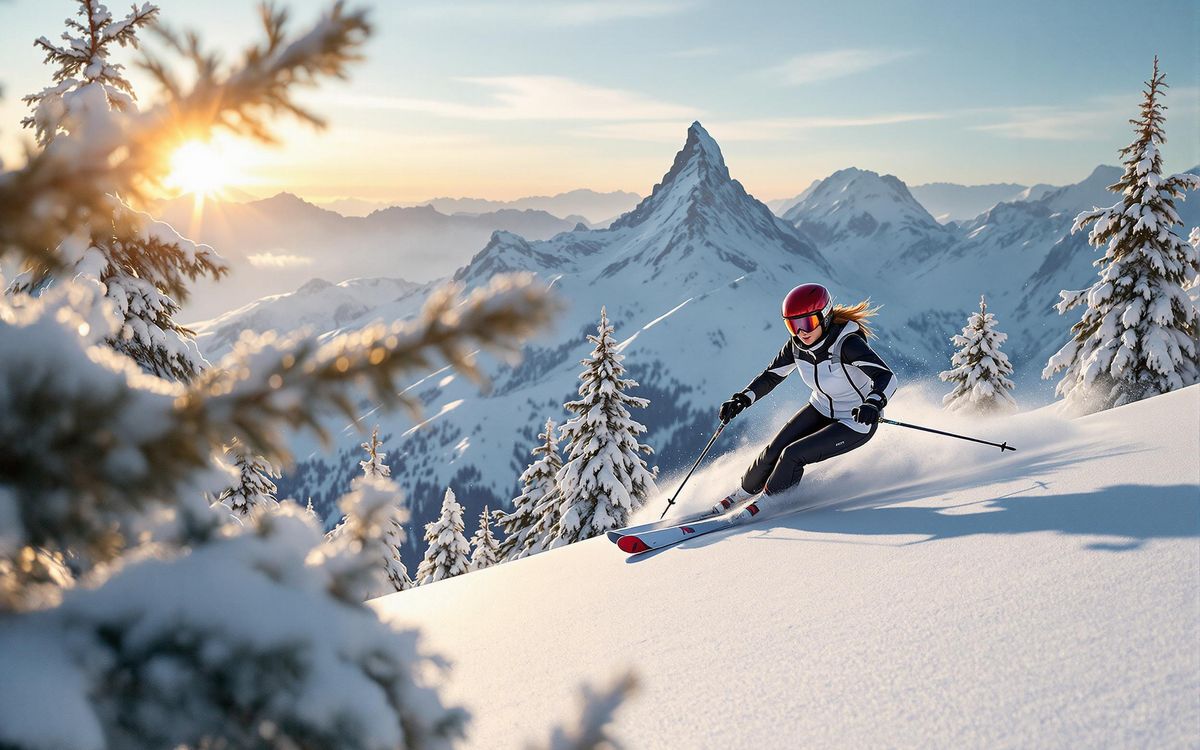
Hitting the slopes this winter? Don't let packing be an uphill battle! This ultimate checklist ensures you're fully equipped for a fantastic ski trip, from essential base layers to après-ski style.
Ski trips demand careful planning, especially when it comes to packing. The key is layering, choosing waterproof and windproof materials, and remembering essential safety items. Whether you're a seasoned pro or a first-timer, this guide will help you pack like a seasoned traveler, ensuring you stay warm, dry, safe, and stylish throughout your mountain adventure.
Base Layer Basics: Wicking Away Winter's Chill
Base layers are your first line of defense against the cold, working to wick away moisture and regulate your body temperature. Opt for merino wool or synthetic fabrics like polyester or nylon; these materials excel at drawing sweat away from your skin, keeping you dry and comfortable.
Cotton is a definite no-no, as it retains moisture and can leave you feeling cold and clammy. Brands like Smartwool and Icebreaker are renowned for their high-quality base layers that stand up to the rigors of winter sports.
Essential items include long-sleeved thermal tops and leggings. These should fit snugly against your skin without restricting movement. Consider packing multiple sets, especially for longer trips, so you always have a fresh, dry layer to wear.
Local Tip: For extended trips, consider base layers with antimicrobial properties to minimize odor.
Mid-Layer Magic: Insulating for Mountain Comfort
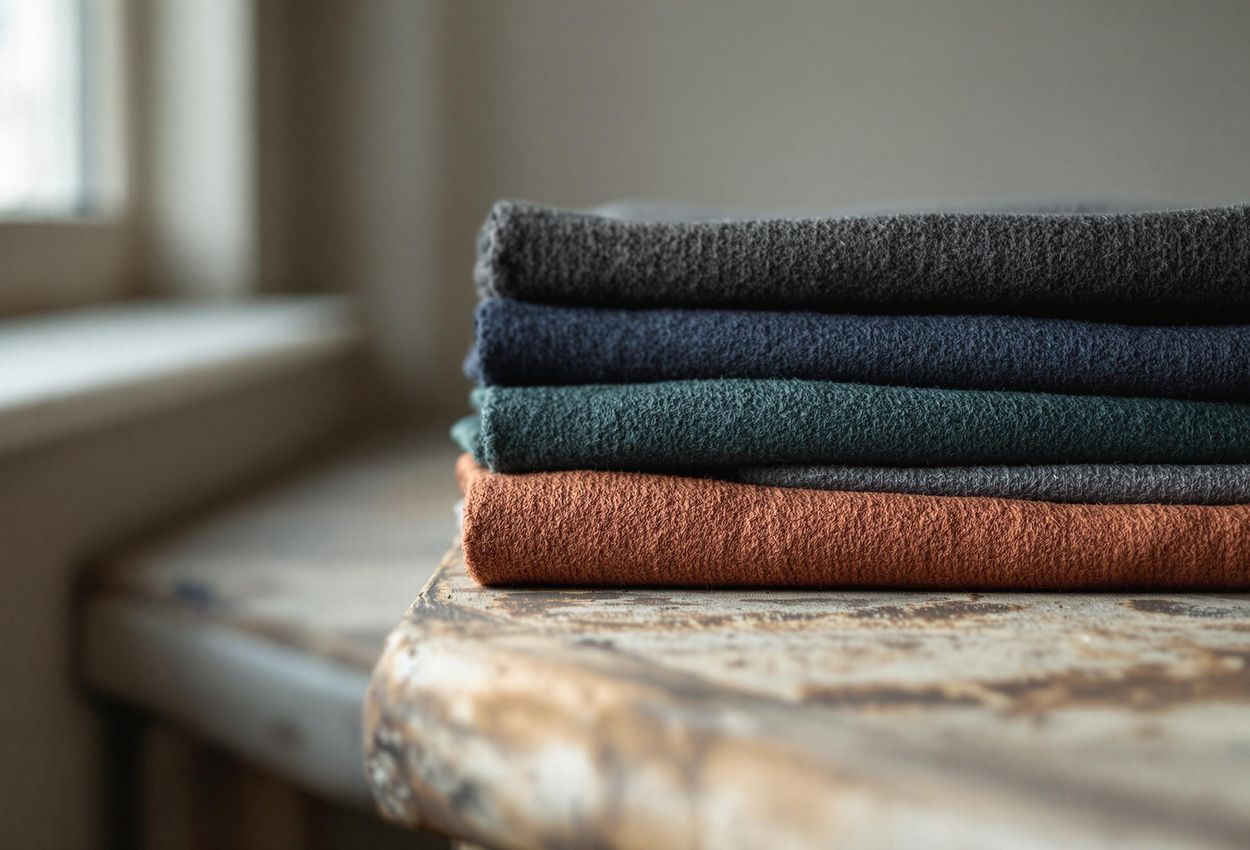
Mid-layers are crucial for trapping body heat and providing insulation. Fleece, down, or synthetic insulation are all excellent choices, offering varying degrees of warmth and breathability.
A fleece jacket is a versatile option, providing warmth without bulk and allowing for excellent freedom of movement. Down sweaters are incredibly warm and lightweight, making them ideal for colder conditions. Brands like Patagonia and The North Face offer a wide range of mid-layers to suit different needs and preferences.
Zip-up options are particularly useful, as they allow you to easily adjust your ventilation and prevent overheating. Consider packing a few different mid-layers to accommodate changing weather conditions.
Hidden Gem: Pack a lightweight, packable down jacket that can be easily stowed in your backpack for extra warmth on the chairlift or during breaks.
Outerwear Essentials: Battling the Elements
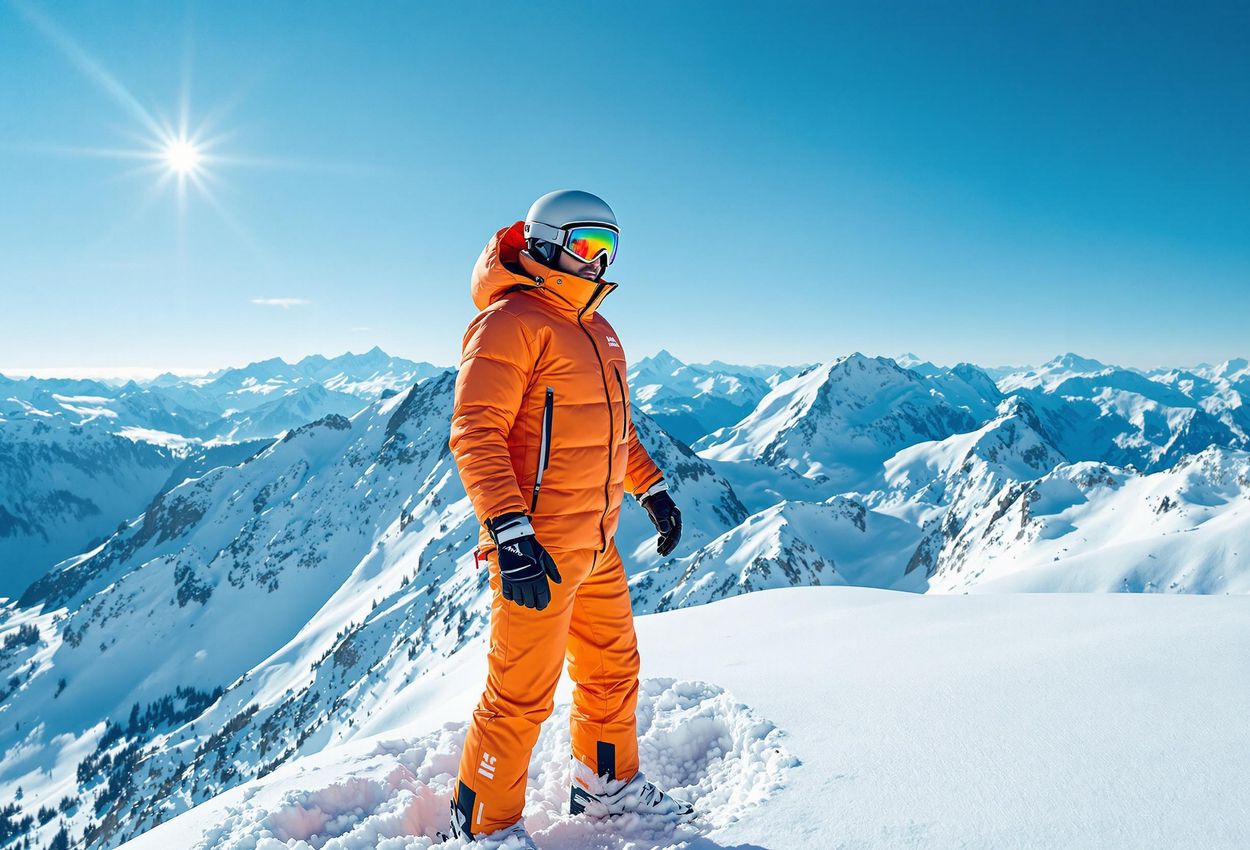
Your outerwear is your shield against the elements, so it's essential to choose pieces that are both waterproof and windproof. A ski jacket and pants with a high waterproof rating (at least 10,000mm) are a must. Look for features like sealed seams, which prevent water from seeping through stitching, adjustable hoods to protect your face from wind and snow, and snow gaiters at the ankles to keep snow out of your boots.
Hardshell jackets offer excellent waterproof and windproof protection but can be less breathable, while softshell jackets provide greater breathability but may not be as waterproof in heavy precipitation. Brands like Arc'teryx and Columbia are known for their high-performance outerwear that can withstand the harshest winter conditions.
Consider the type of skiing you'll be doing when choosing your outerwear. If you plan on spending a lot of time in the backcountry, opt for a lightweight and breathable shell that will allow you to move freely. For resort skiing, a more insulated jacket may be a better choice.
Glove Guide: Keeping Fingers Frostbite-Free
Protecting your hands from the cold is crucial for a comfortable ski trip. Waterproof and insulated gloves or mittens are essential. Mittens tend to be warmer than gloves, as they keep your fingers together, allowing them to share heat. However, gloves offer greater dexterity, which can be useful for tasks like adjusting bindings or using your phone.
Hestra and Black Diamond are reputable brands known for their high-quality gloves and mittens. Look for features like wrist leashes, which prevent you from losing your gloves on the chairlift, and touchscreen compatibility, which allows you to use your phone without taking your gloves off.
Consider bringing both gloves and mittens to accommodate different weather conditions. On warmer days, gloves may be sufficient, while mittens will be necessary on colder days.
Local Tip: Dry your gloves or mittens overnight using a boot dryer or by stuffing them with newspaper.
Foot Fetish: Sock Strategies for Ski Boots
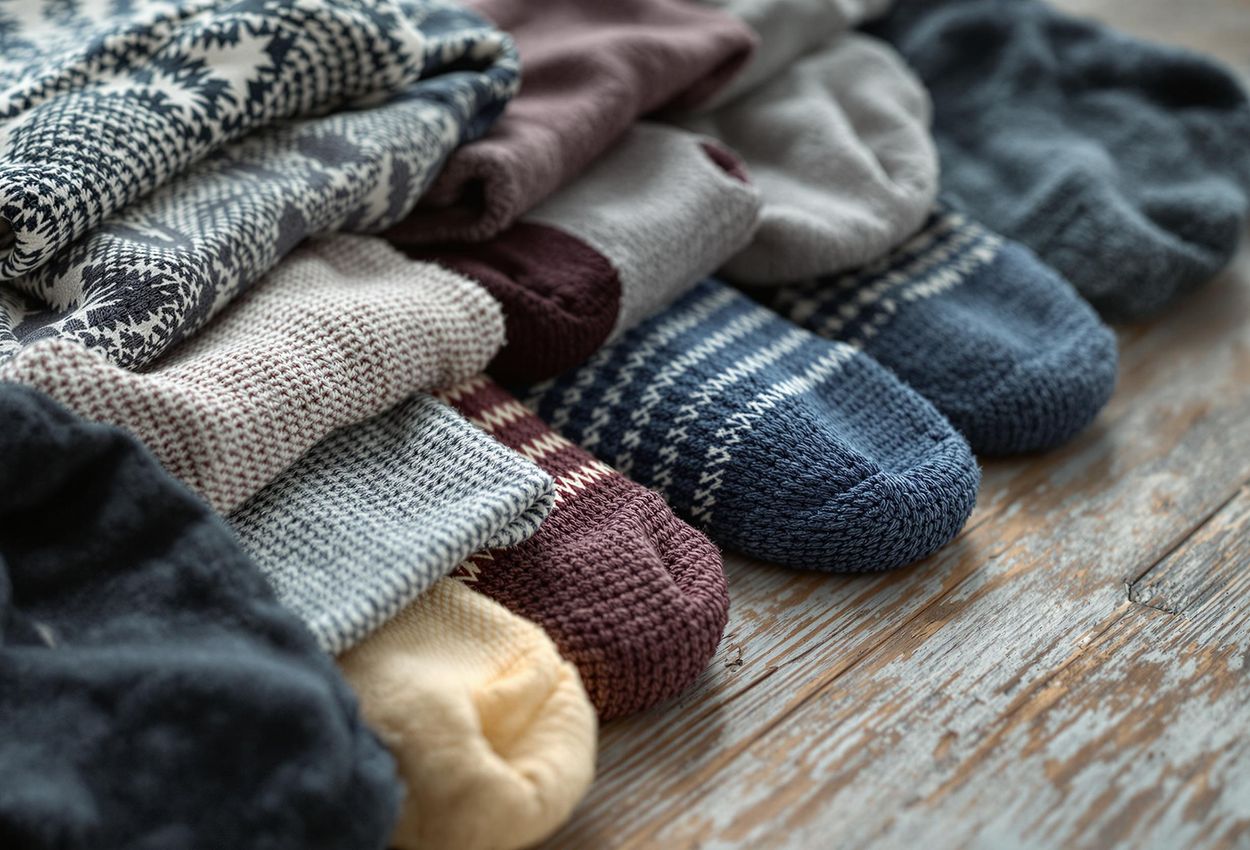
Ski-specific socks are essential for moisture-wicking and comfort inside your ski boots. Merino wool or synthetic blends are the best choices, as they help to keep your feet dry and warm. Avoid thick socks, which can restrict blood flow and make your feet colder.
Darn Tough and Smartwool are popular brands known for their durable and comfortable ski socks. Pack at least 3-5 pairs for a week-long trip, so you always have a fresh, dry pair to wear.
Consider bringing a variety of sock thicknesses to accommodate different boot fits and weather conditions. On warmer days, thinner socks may be sufficient, while thicker socks will be necessary on colder days.
Hidden Gem: Turn your socks inside out after each day of skiing to allow them to air out and dry more effectively.
Head Games: Helmets, Goggles, and Beanies
A properly fitted ski helmet is essential for safety on the slopes. Look for a helmet that meets safety standards and fits snugly on your head without being too tight. Giro and Smith are reputable brands known for their high-quality ski helmets.
Ski goggles protect your eyes from UV rays, glare, and wind. Choose goggles with anti-fog lenses and ensure they fit properly with your helmet. Brands like Oakley and Dragon offer a wide range of ski goggles to suit different needs and preferences.
Don't forget a warm beanie for off-slope activities. A cozy beanie will keep your head warm and comfortable while you're relaxing at the lodge or exploring the town.
Local Tip: Store your goggles in a soft case when not in use to prevent scratches and damage.
Avalanche Safety Gear: Essential for Backcountry
If you plan on skiing off-piste, avalanche safety gear is a necessity. This includes a transceiver, shovel, and probe. A transceiver transmits a signal that can be used to locate you if you're buried in an avalanche. A shovel is used to dig out buried victims, and a probe is used to locate them beneath the snow.
Ortovox and Black Diamond are reputable brands known for their high-quality avalanche safety gear. It is crucial to take an avalanche safety training course to learn how to use this equipment properly.
Remember, avalanche safety gear is only effective if you know how to use it. Take a course, practice regularly, and always ski with a partner in the backcountry.
Hidden Gem: Carry a small repair kit with essential tools for fixing minor gear malfunctions on the mountain.

Sun Protection Savvy: Shielding from Mountain Rays
Sunscreen and lip balm with SPF are essential, even on cloudy days. The sun's rays are more intense at high altitudes, and the snow reflects UV rays, increasing your exposure. Choose a sunscreen with a high SPF (30 or higher) and apply it liberally to all exposed skin.
Sun Bum and Neutrogena offer a variety of sunscreens that are suitable for winter sports. Don't forget to reapply sunscreen throughout the day, especially after sweating or toweling off.
Lip balm with SPF will protect your lips from chapping and sunburn. Apply it frequently, especially before and after eating or drinking.
Local Tip: Wear sunglasses or goggles with UV protection to protect your eyes from the sun's harmful rays.
Gadgets and Gear: Tech for the Trip
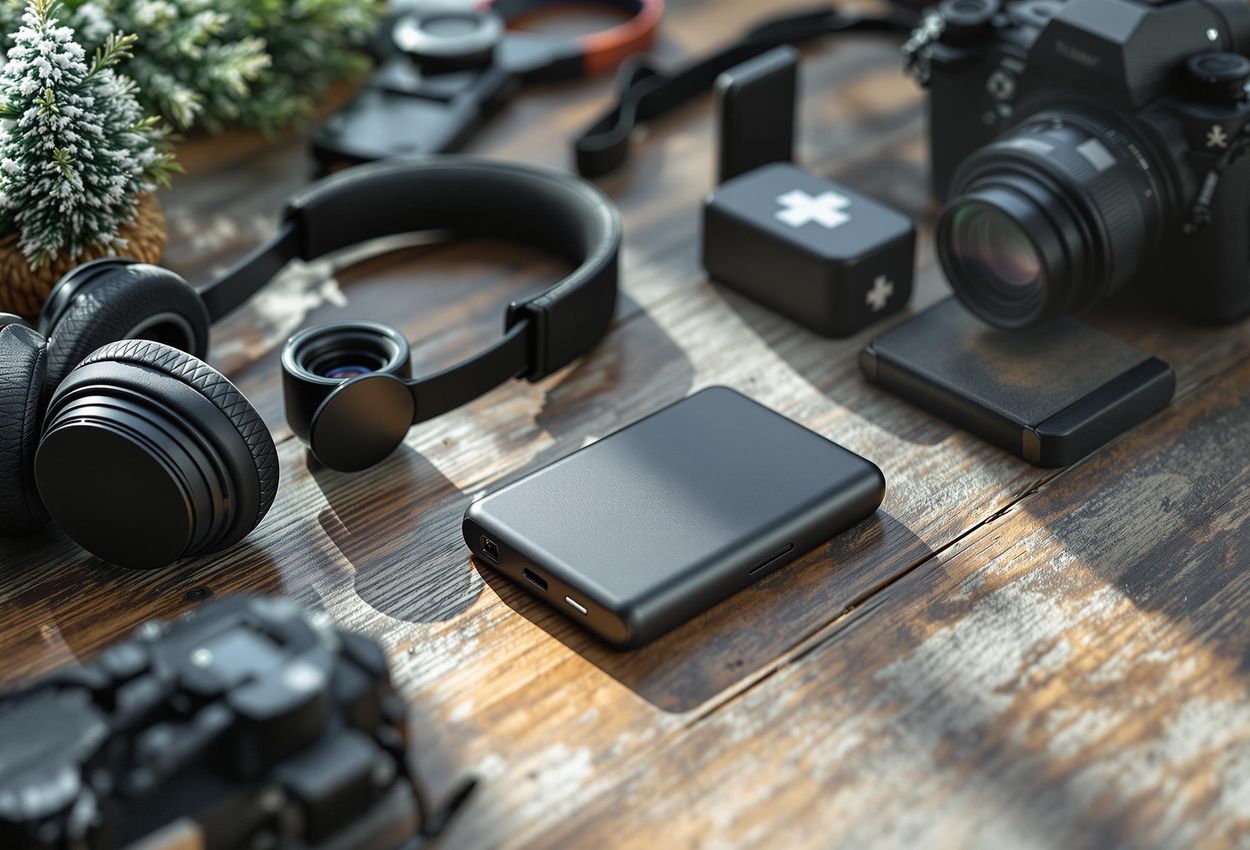
Consider bringing useful gadgets like a portable charger to keep your phone and other devices powered up. A camera is essential for capturing memories of your ski trip, and headphones will allow you to listen to music or podcasts while you're on the slopes.
Consider pre-purchasing lift tickets online to save time and money. A small first-aid kit with essentials like pain relievers, bandages, and antiseptic wipes is also a good idea.
Don't forget any necessary adapters for charging your electronic devices. A small backpack is useful for carrying essentials like water, snacks, and extra layers while you're skiing.
Hidden Gem: Download a ski resort app to access trail maps, snow reports, and other useful information.
Après-Ski Apparel: Relaxing in Style
Pack comfortable and warm clothing for après-ski activities. Sweaters, jeans, and waterproof winter boots are all good choices. A swimsuit is a must for hot tubs or swimming pools.
Don't forget warm socks and comfortable shoes for walking around the resort. Pack a few stylish outfits for evenings out.
Après-ski is all about relaxing and enjoying the mountain atmosphere, so choose clothing that is both comfortable and stylish.
Local Tip: Check the dress code for local bars and restaurants before you go out in the evening.
With this ultimate checklist in hand, you'll be well-prepared for a memorable and enjoyable ski trip. Remember to pack smart, layer effectively, and prioritize safety. Now get out there and shred some powder!