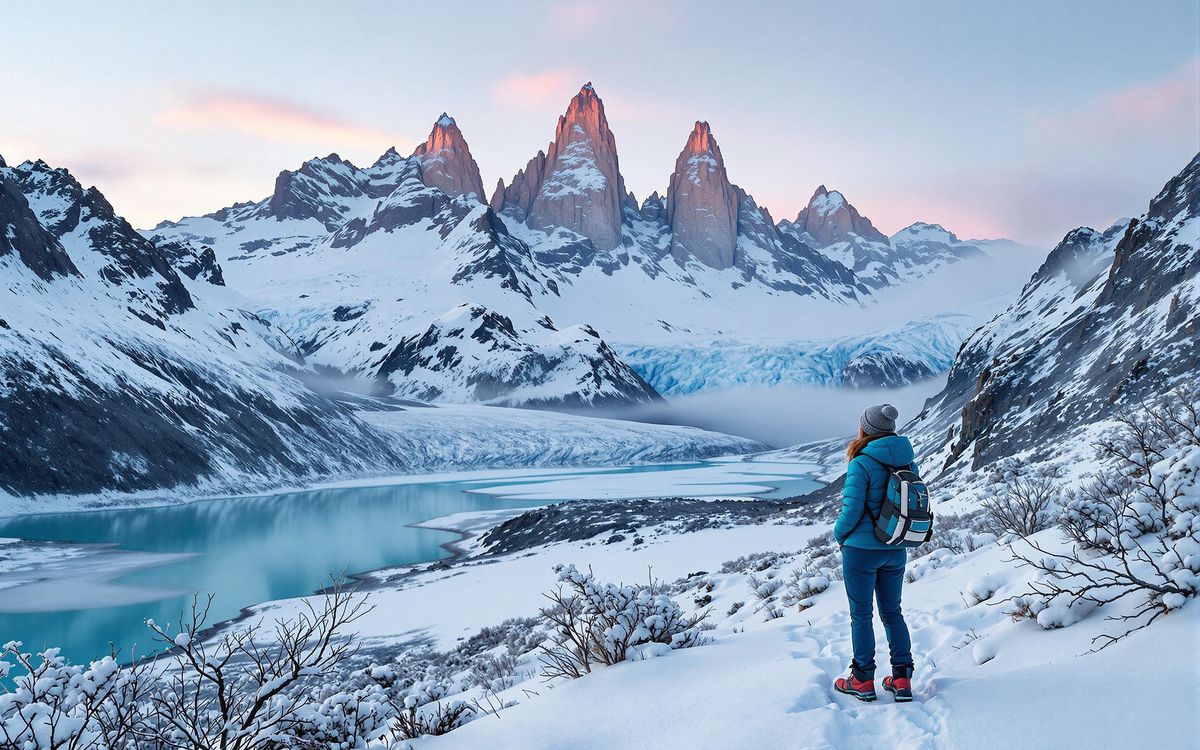
Patagonia in June? It's not for the faint of heart. It's for those who crave solitude, who find beauty in the raw, untamed wilderness, and who seek a challenge that few others dare to accept. This is Patagonia stripped bare, a land of snow-covered peaks, icy winds, and unparalleled tranquility.
Imagine a landscape transformed: the familiar greens and browns replaced by a pristine blanket of white, the summer crowds vanished, leaving you alone with the towering mountains and the whispering wind. This is Patagonia in winter, a realm of stark beauty and demanding adventures. June marks the heart of the Patagonian winter, a time when the region sheds its bustling summer persona and embraces a more austere, solitary existence. While most travelers flock to Patagonia during the warmer months, those who venture here in June are rewarded with a unique and unforgettable experience.
The winter months bring a distinct set of conditions. Average temperatures range from highs of 7°C (45°F) to lows of -4°C (25°F), demanding careful preparation and layered clothing. Shorter daylight hours, with sunrise occurring after 9 AM and sunset around 5 PM, require meticulous planning of each day's activities. But these challenges are precisely what make a winter trek through Patagonia so rewarding. The snow-covered landscapes create a dramatic backdrop for hiking, offering breathtaking views at every turn. The lack of crowds ensures a sense of solitude and immersion in nature, allowing you to fully appreciate the vastness and tranquility of the Patagonian wilderness.
Moreover, winter brings increased opportunities for wildlife spotting. Guanacos, with their thick winter coats, roam the snow-covered plains, while pumas descend from the mountains in search of prey. Andean condors, majestic birds with impressive wingspans, soar through the clear, crisp air. Keep your eyes peeled, and you might witness these incredible creatures in their natural habitat, undisturbed by the presence of other tourists.
Venturing into Patagonia in June is an invitation to experience the region in its purest, most challenging form. It's a chance to test your limits, to connect with nature on a deeper level, and to discover a side of Patagonia that remains hidden to most.
Embrace the Chill: Why June is Patagonia's Best-Kept Secret
Patagonia in June is a paradox: a land of harsh conditions and unparalleled beauty, of solitude and profound connection with nature. The secret to enjoying Patagonia in winter lies in embracing the chill, both literally and figuratively. It's about accepting the challenges that come with the season and discovering the unique rewards that await those who dare to venture into this winter wonderland.
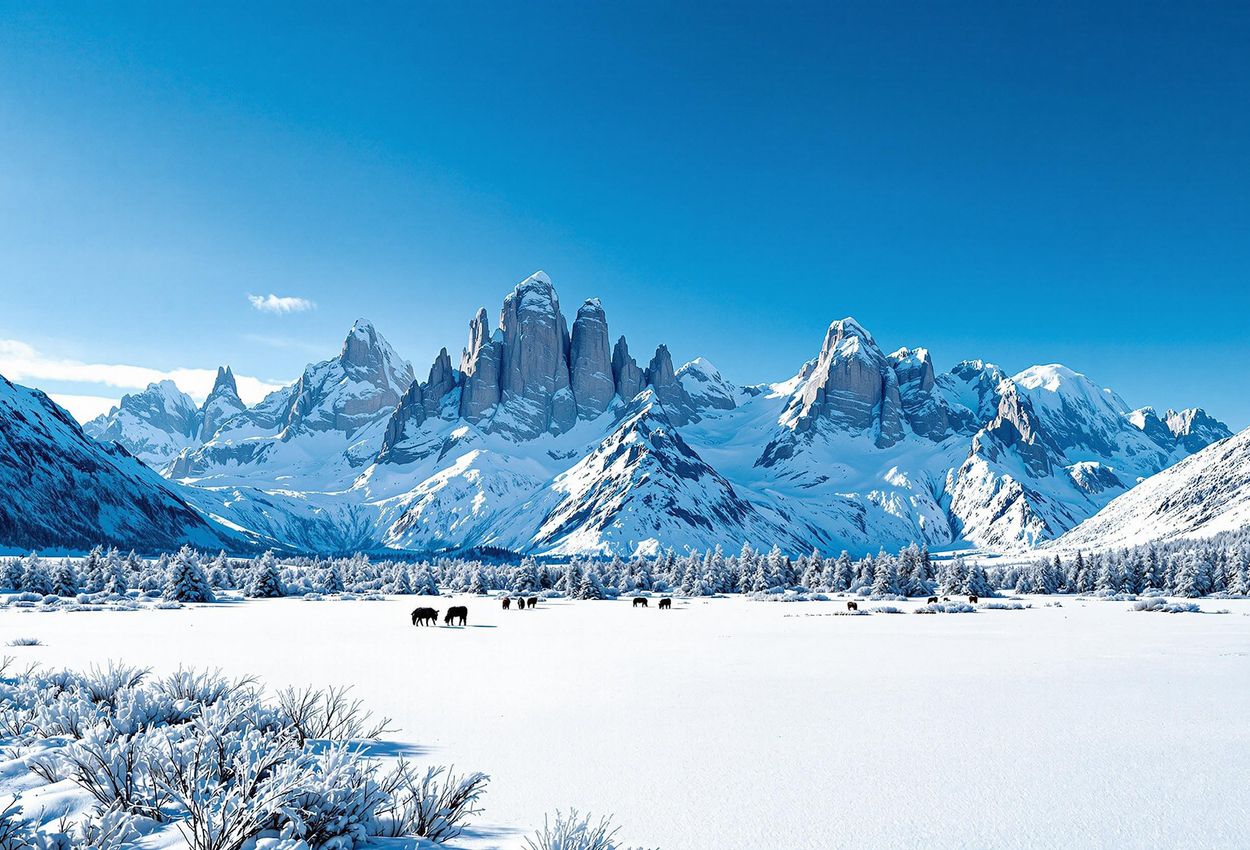
The dramatic, snow-covered landscapes are, without a doubt, one of the main draws of visiting Patagonia in June. The familiar trails and viewpoints are transformed into scenes of pristine beauty, with snow blanketing the mountains, forests, and valleys. The contrast between the white snow and the dark granite peaks creates a stunning visual spectacle, offering unparalleled photographic opportunities. Imagine capturing the iconic peaks of Torres del Paine or Mount Fitz Roy against a backdrop of freshly fallen snow, the images imbued with a sense of stark beauty and untouched wilderness.
Beyond the visual appeal, the snow also adds a layer of challenge to trekking. Trails become more difficult to navigate, requiring appropriate gear such as trekking boots, poles, and crampons. The potential for icy conditions demands caution and careful foot placement. However, these challenges are part of the adventure, adding a sense of accomplishment to each completed hike. The feeling of conquering a snow-covered trail, of reaching a breathtaking viewpoint after a demanding climb, is an experience that will stay with you long after you leave Patagonia.
The solitude of winter is another compelling reason to visit Patagonia in June. With the summer crowds gone, you'll have the trails and viewpoints virtually to yourself. This allows for a deeper connection with nature, a chance to fully immerse yourself in the silence and tranquility of the Patagonian wilderness. Imagine standing at the base of the Towers of Paine, with no other souls in sight, listening to the wind whistling through the mountains and feeling the immense power of nature surrounding you. These moments of solitude are rare and precious, offering a sense of peace and perspective that is hard to find in our busy modern lives.
And let's not forget about the wildlife. Winter brings unique opportunities for spotting animals in their natural habitat. With fewer people around, animals are less wary and more likely to be seen. Guanacos, with their thick winter coats, graze on the snow-covered plains, while pumas prowl the mountains in search of prey. Keep an eye out for the elusive huemul, an endangered South Andean deer, or the majestic Andean condor soaring overhead. Witnessing these animals in their winter environment is a truly special experience, offering a glimpse into the resilience and adaptability of life in Patagonia.
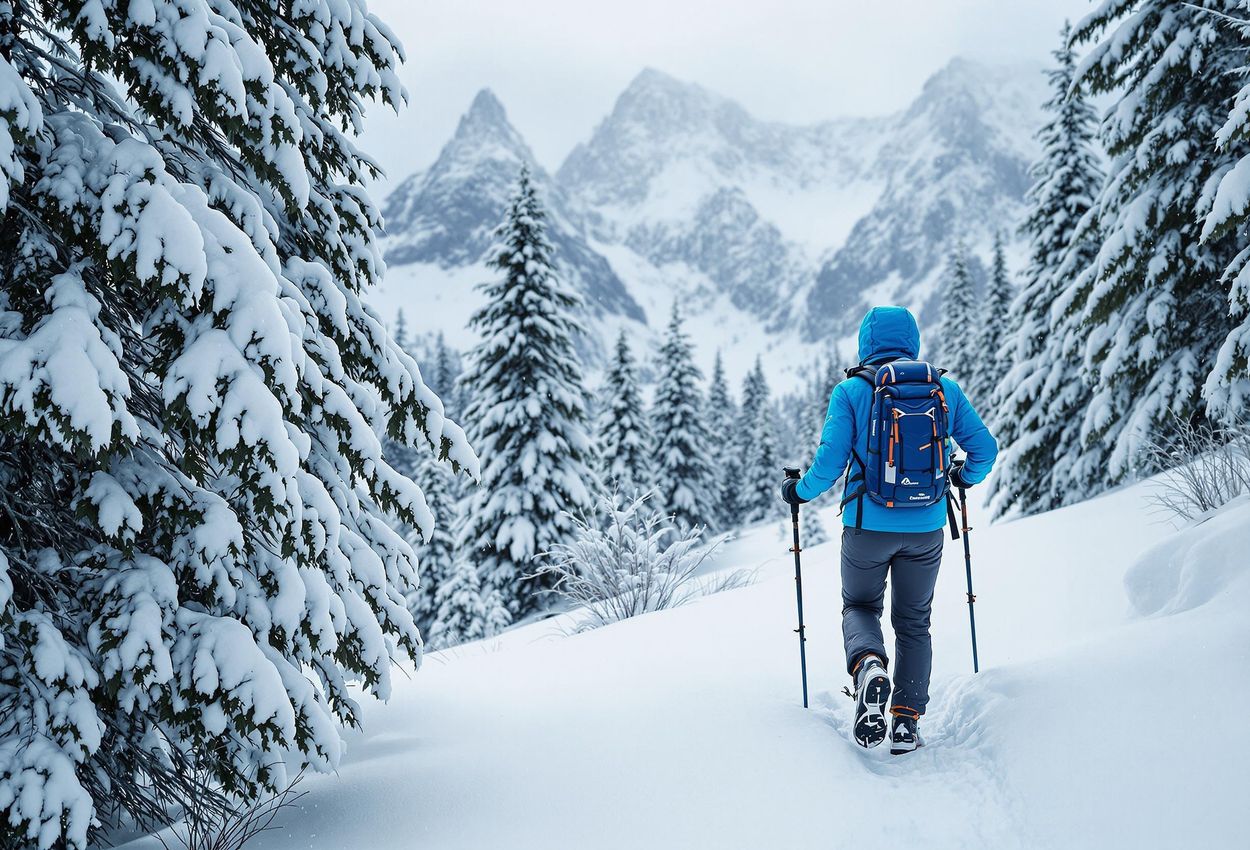
W Trek Winter Edition: Conquering Torres del Paine in Snow
The W Trek in Torres del Paine National Park is an iconic Patagonian adventure, renowned for its stunning scenery and challenging terrain. Hiking the W Trek in June transforms the experience into a true winter expedition, demanding careful preparation, appropriate gear, and a spirit of adventure. While a guide is mandatory for winter treks, the rewards are immeasurable: snow-covered trails, frozen landscapes, and the unparalleled beauty of Torres del Paine in its most pristine form. The park is open year-round, but winter requires extra caution and preparation. The experience can be truly special, but you need to understand the challenges and risks involved.
Key viewpoints along the W Trek, such as the base of the Towers (Mirador Las Torres), take on a new dimension in winter. The iconic granite peaks, often shrouded in mist during the summer, stand tall and majestic against a backdrop of clear, crisp air and snow-covered slopes. Reaching the Mirador Las Torres in winter is a challenging but rewarding feat, offering panoramic views of the surrounding landscape that are simply breathtaking. The snow-covered trails add an extra layer of difficulty, requiring careful foot placement and the use of crampons or microspikes. But the sense of accomplishment upon reaching the viewpoint is amplified by the knowledge that you've conquered the elements and witnessed one of the most iconic sights in Patagonia in its winter glory.
Hiking the W Trek in June requires appropriate gear and preparation. Trekking boots with good ankle support are essential, as are trekking poles for stability on snow-covered trails. Crampons or microspikes are highly recommended for icy conditions, providing the necessary grip to navigate steep or slippery sections. Layered clothing is crucial for regulating body temperature, as conditions can change rapidly throughout the day. A waterproof and windproof jacket and pants are essential for protection against the elements, as are gloves, a hat, and sunglasses. And don't forget sunscreen, as the sun can be surprisingly strong even in winter, especially when reflected off the snow.
Due to potential trail closures, alternative activities may be available. A full-day tour of Torres del Paine National Park offers a chance to explore the park's highlights without the demands of a multi-day trek. This tour typically includes a visit to the Milodón Cave, a prehistoric site where the remains of a giant sloth were discovered, and a boat tour on Lago Grey, offering close-up views of the Grey Glacier. These alternative activities provide a valuable opportunity to experience the beauty and diversity of Torres del Paine, even if some of the hiking trails are inaccessible.
While winter hiking in Torres del Paine presents challenges, it also offers unparalleled rewards. The solitude, the stunning scenery, and the sense of accomplishment make it an unforgettable experience for those who are prepared to embrace the chill.
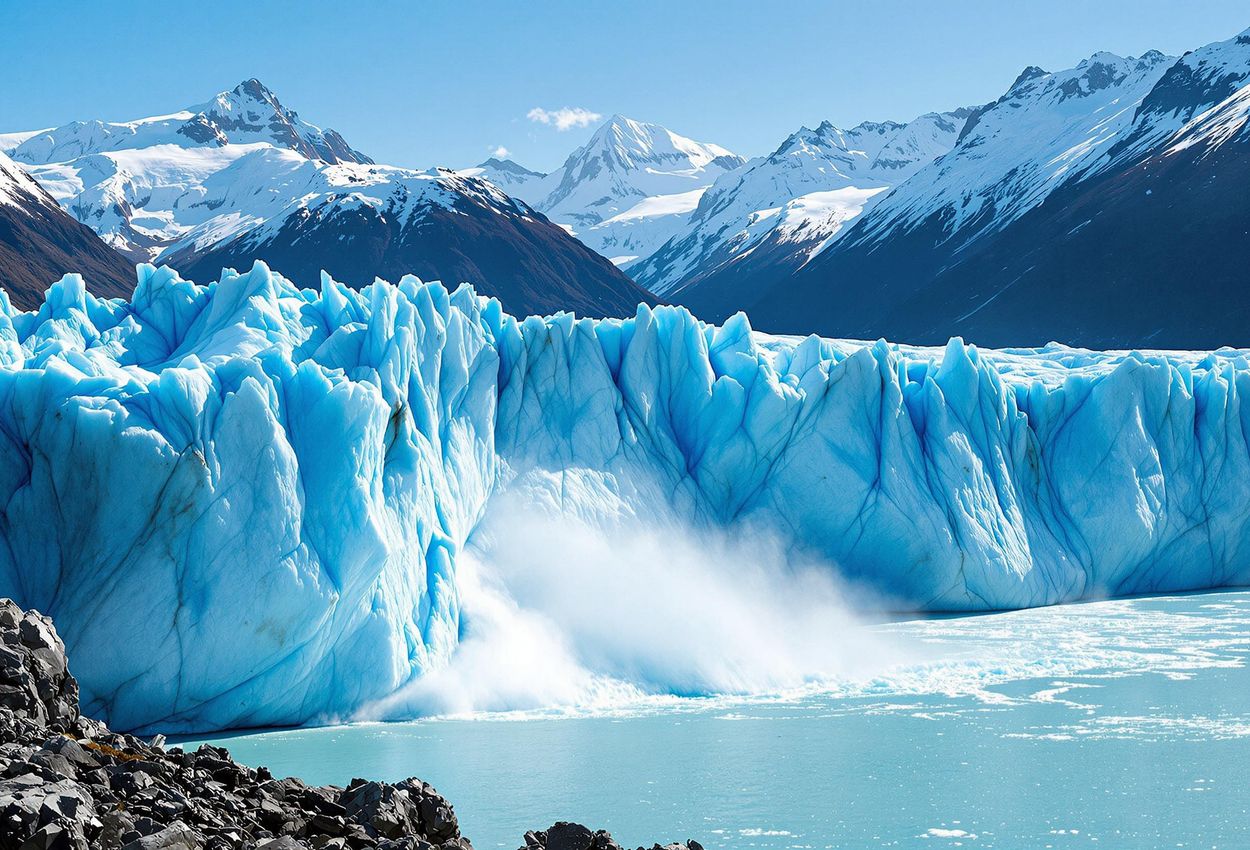
Glacial Majesty: Witnessing Perito Moreno's Winter Calving
Los Glaciares National Park, a UNESCO World Heritage Site, is home to the magnificent Perito Moreno Glacier, one of Patagonia's most iconic sights. Witnessing ice calving in June is a unique and awe-inspiring experience, as the glacier appears even bluer against the snow-covered landscape. The tranquility of the winter season, with fewer tourists, allows for a more intimate connection with this natural wonder.
Ice calving, the dramatic breaking off of ice chunks from the glacier's face, is a natural phenomenon that occurs year-round. However, in June, the experience is heightened by the winter conditions. The glacier's blue ice appears even more vibrant against the backdrop of snow-covered mountains and forests. The sound of the ice cracking and breaking, followed by the thunderous roar of the calving, resonates through the still winter air, creating a truly unforgettable sensory experience. The size of the ice chunks breaking off has been alarming local guides and glaciologists, already anxious at a prolonged retreat by Perito Moreno, which had bucked the trend in recent decades by maintaining its mass even as warmer climates spurred faster glacial melting worldwide. Recent ice calving events have raised concerns among scientists. The glacier, once stable for decades, has started to retreat and lose mass at unprecedented rates. An event on April 21, 2025, saw a block of ice comparable to a 20-story building break off, indicating a troubling trend.
For a thrilling experience, consider an ice trekking tour on the Perito Moreno Glacier. This involves hiking on the glacier itself, equipped with crampons and guided by experienced professionals. Ice trekking offers a unique perspective on the glacier's immense size and intricate formations, allowing you to explore its crevasses, ice caves, and seracs up close. The feeling of standing on a glacier, surrounded by towering walls of ice, is an experience that will stay with you forever.
Alternatively, a boat tour provides a closer view of the glacier's imposing walls. These tours navigate along the face of the glacier, allowing you to witness the calving from a safe distance. The boats often get close enough to the glacier that you can feel the spray of the ice as it crashes into the water. The views from the boat are simply stunning, offering a panoramic perspective of the glacier and the surrounding landscape.
For an educational experience, visit the Glaciarium Ice Museum in El Calafate. This museum provides insights into the formation, dynamics, and importance of glaciers, with exhibits on the Perito Moreno Glacier and other glaciers in the region. The museum also features an ice bar, where you can enjoy a drink in a unique and frosty setting. The Glaciarium is a great place to learn more about these incredible natural wonders and to appreciate their significance in the Patagonian ecosystem.
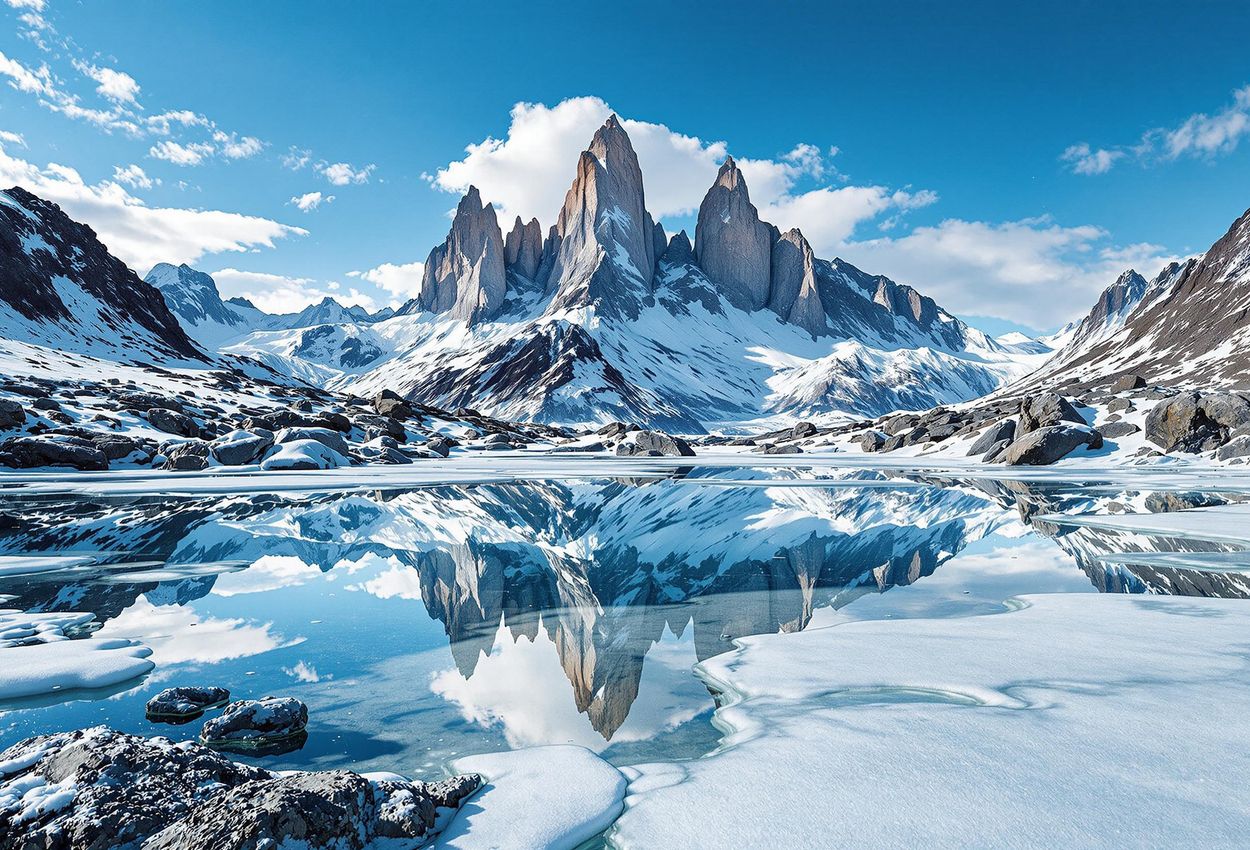
Fitz Roy's Frozen Crown: A Challenging Ascent in Solitude
Mount Fitz Roy, with its jagged peaks and imposing presence, is another iconic Patagonian landmark. Trekking to Mount Fitz Roy in June offers a challenging but rewarding experience, with the solitude and stunning views making it a memorable adventure. Be aware that many facilities will be closed, and some hiking trails become inaccessible due to snowfall, requiring experience and proper gear for winter hiking.
The views of the Fitz Roy massif, Laguna de los Tres, and Laguna Sucia are particularly stunning in winter. The snow-covered peaks create a dramatic backdrop for the turquoise waters of the lakes, offering unparalleled photographic opportunities. Imagine capturing the iconic silhouette of Mount Fitz Roy against a backdrop of freshly fallen snow, the image imbued with a sense of stark beauty and untouched wilderness. Laguna de los Tres, the lake at the base of Mount Fitz Roy, often freezes over in winter, creating a surreal and otherworldly landscape.
The trail from El Chalten to the lookout point, passing by Laguna Capri, is a popular route for reaching Mount Fitz Roy. This trail offers stunning views of the Fitz Roy massif and the surrounding landscape, with several viewpoints along the way. Laguna Capri, a beautiful lake surrounded by forests, is a great place to stop for a break and enjoy the scenery. In winter, the trail may be snow-covered and icy, requiring appropriate gear and caution. However, the rewards are well worth the effort, as the views from the lookout point are simply breathtaking.
Hiking to Mount Fitz Roy in June requires experience and proper gear. The trails can be challenging, with steep ascents and potentially icy conditions. Trekking boots with good ankle support are essential, as are trekking poles for stability. Crampons or microspikes are highly recommended for icy sections. Layered clothing is crucial for regulating body temperature, as conditions can change rapidly throughout the day. A waterproof and windproof jacket and pants are essential for protection against the elements, as are gloves, a hat, and sunglasses. And don't forget to bring plenty of water and snacks, as there are no facilities along the trail.
While winter hiking to Mount Fitz Roy presents challenges, it also offers unparalleled rewards. The solitude, the stunning scenery, and the sense of accomplishment make it an unforgettable experience for those who are prepared to embrace the chill.

El Calafate's Winter Charm: Patagonian Cuisine and Cozy Nights
El Calafate, the gateway to Los Glaciares National Park, offers a cozy and charming atmosphere in winter. While the town is quieter than during the summer months, it still provides a range of activities and attractions for visitors to enjoy. Indulge in Patagonian cuisine, stargaze on clear nights, and explore local shops for artisanal crafts and souvenirs.
Patagonian cuisine is a must-try when visiting El Calafate. Cordero al asador (roasted lamb) is a regional specialty, cooked over an open fire and infused with smoky flavors. Calafate berry desserts, made with the local Calafate berry, are another delicious treat. Restaurants like La Tablita and Casimiro Biguá are known for their excellent Patagonian cuisine, offering a cozy and welcoming atmosphere in the winter months. Trying the local cuisine is a great way to experience the culture and flavors of Patagonia.
The cozy atmosphere of El Calafate in winter is another draw. The town is quieter and less crowded than during the summer, allowing for a more relaxed and intimate experience. The snow-covered streets and buildings create a picturesque setting, perfect for strolling and exploring the local shops. Many of the restaurants and cafes have fireplaces, providing a warm and inviting atmosphere for enjoying a meal or a drink. The cozy atmosphere of El Calafate in winter is a welcome respite from the harsh conditions of the Patagonian wilderness.
On clear nights, El Calafate offers excellent opportunities for stargazing. The dark skies and remote location make it an ideal place for observing the stars and constellations. Take a walk outside of town on a clear night and marvel at the vastness of the universe. You might even be lucky enough to see the Southern Lights (Aurora Australis), a rare and spectacular phenomenon that can sometimes be seen in Patagonia during the winter months.
Don't forget to visit local shops for artisanal crafts and souvenirs. El Calafate is home to many talented artisans who create beautiful and unique products using local materials. You can find woolen garments, leather goods, wood carvings, and other handcrafted items. Supporting local businesses is a great way to contribute to the community and to take home a piece of Patagonia with you.

Responsible Trekking: Leaving No Trace in Patagonia's Winter
As you explore the pristine wilderness of Patagonia, it's essential to practice responsible travel and minimize your environmental impact. The fragility of Patagonia's ecosystems underscores the importance of sustainable travel. Irresponsible tourism practices can lead to habitat destruction, pollution, and the displacement of local wildlife. The footprints of unsustainable tourism can leave a lasting negative impact on the region's biodiversity and overall environmental health.
Pack light and responsibly, bringing reusable items and minimizing single-use plastics. Water is a precious resource in Patagonia, so use it sparingly. Turn off lights and heating when not needed in your accommodations. Choose local restaurants and shops to support the community. By doing so, you can contribute to the local economy and reduce your carbon footprint. Follow Leave No Trace principles, packing out all trash, staying on designated trails, and respecting wildlife. Don't approach wildlife, but observe from a distance.
Conserving water and energy is crucial in Patagonia, where resources are limited. Be mindful of your water usage when showering, washing dishes, and brushing your teeth. Turn off lights and heating when you leave your accommodation. These small actions can make a big difference in reducing your environmental impact.
Supporting local businesses is another important aspect of responsible travel. Choose local restaurants and shops over international chains, as this helps to support the local economy and to preserve the unique character of the region. Purchase artisanal crafts and souvenirs from local artisans, rather than mass-produced items from overseas. By supporting local businesses, you can help to ensure the sustainability of the Patagonian community.
By following these principles, you can help to protect the beauty and integrity of Patagonia for future generations. Embrace the responsibility of preserving Patagonia's natural and cultural treasures, and leave behind only footprints of admiration and gratitude.