


Destination Guide
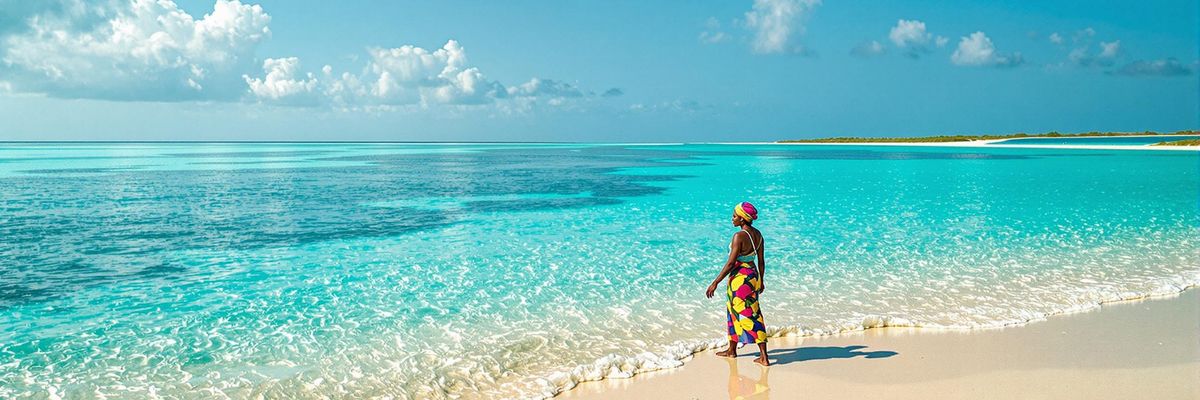
Xai-Xai: A Coastal Retreat
Relax on the beaches and explore the reefs of Xai-Xai.
View More

Embarking on a Comorian adventure? This guide provides essential insights for planning your trip to this unique archipelago, from visa requirements to cultural nuances.
The Comoros Islands, a hidden gem in the Indian Ocean, offer a unique blend of African, Arab, and French cultures. These 'perfumed islands' boast fragrant plant life and scenic beauty, promising an unforgettable travel experience. However, navigating this off-the-beaten-path destination requires careful planning. This guide offers practical tips to ensure a smooth and enriching journey.
Hahaya International Airport (HAH) serves as the primary gateway to the Comoros. Upon arrival, understanding the entry procedures is crucial for a hassle-free start to your island exploration.

For most nationalities, obtaining a visa for the Comoros is a straightforward process. A visa on arrival is available at Hahaya International Airport (HAH) and other entry points. The cost is approximately 30 euros, payable in cash. Ensure you have the necessary documents ready: a passport valid for at least six months beyond your intended stay , a return ticket , proof of accommodation such as hotel booking confirmations , and completed visa application forms.
Children under 16 may have visa-free access, but it's always best to verify this information with the Comoros Embassy before traveling. Visas issued on arrival are typically single entry and valid for up to 45 days. For the most up-to-date details, consult the official Comoros immigration website or a reliable visa service like iVisa.
Local Tip: Have the exact visa fee in euros ready upon arrival to expedite the process. While US dollars may be accepted, euros are generally preferred.
The Comoros consists of three main islands: Grande Comore (Njazidja), Anjouan (Nzwani), and Mohéli (Mwali). Traveling between these islands requires careful planning due to limited transportation options. Domestic airlines, such as Int'Air Îles and R Komor, offer flights, but tickets must often be purchased in person. Be prepared to reconfirm your flights, as schedules can change with little notice.
While small fishing boats (vedettes) may seem like a convenient option, they are generally not recommended for safety reasons. For a more reliable and secure journey, consider the ferry service operated by SGTM, which connects Moroni, Anjouan, and Mayotte. You can find departure schedules and book tickets through their office.
Hidden Gem: For a unique experience, inquire about cargo ships that occasionally transport passengers between the islands. While less frequent, they offer a glimpse into local life and trade.
The official currency of the Comoros is the Comorian Franc (KMF). ATMs are scarce outside of major cities, so it's essential to carry sufficient cash. Euros are widely accepted and can be exchanged at banks and exchange bureaus. Credit card use is limited.
Budgeting for your trip depends on your travel style. A budget-friendly trip can cost around $40-$50 per day, while a mid-range experience may range from $100-$200 per day. Accommodation in a mid-range hotel or guesthouse might cost around $50 per night. Local restaurant meals can be found for $10-$15. Transportation costs vary, with local buses or taxis costing $5-$10 per ride and full-day car rentals ranging from $25-$40.
Local Tip: Negotiate taxi fares before starting your journey to avoid misunderstandings. Also, be aware of potential ATM fees when withdrawing cash.
The Comoros boasts three official languages: Comorian (Shikomori), French, and Arabic. Comorian, a Bantu language related to Swahili, is the most widely spoken. French is commonly used in business and government. While Arabic holds significance due to the country's Islamic heritage , English is not widely spoken.
Learning basic phrases in French or Comorian can greatly enhance your interactions with locals. Simple greetings like 'Bonjour' (Good day) or 'M хоро' (Hello in Comorian) can go a long way in showing respect and fostering connections.
Phrasebook Essential: 'Shukran' (Thank you) is a useful phrase to express gratitude for hospitality and services.
Understanding Comorian culture is key to a respectful and enriching travel experience. Hospitality and respect are highly valued. Greetings are important, and showing deference to elders is customary. When visiting someone's home, it's polite to remove your shoes before entering.
Modest dress is advisable, especially when visiting religious sites. As Islam significantly influences daily life, be mindful of local customs and traditions. Gift-giving is customary when visiting homes; small tokens like pastries or fruit are appreciated.
Cultural Insight: Comorian meals are often communal, served from large shared dishes. Wait for the host to begin eating before starting, and eat with your right hand in traditional settings.

While the Comoros is generally safe, exercising caution is always wise. Petty crime, such as pickpocketing, can occur, especially in crowded areas. Avoid walking alone at night and keep valuables secure.
Be aware of potential civil unrest, particularly around elections. Avoid demonstrations and follow the guidance of local authorities. It's advisable to monitor local media for updates on any ongoing situations.
Safety Precaution: Keep a copy of your passport separate from the original and store valuables in a hotel safe when possible.
Medical facilities in the Comoros are limited, so taking health precautions is crucial. Consult your doctor about necessary vaccinations and malaria prophylaxis. Carry prescription medications in their original packaging. U.S. Medicare does not apply in the Comoros.
Avoid drinking tap water; opt for bottled water instead. It's also wise to be cautious about food hygiene to prevent traveler's diarrhea. For comprehensive health information, refer to the CDC website for Comoros.
Health Essential: Pack a basic first-aid kit with essentials like bandages, antiseptic wipes, and pain relievers, as these may be difficult to find locally.
Embrace responsible tourism practices to minimize your impact on the Comoros. Support local businesses by purchasing locally made products and services. Respect the environment by avoiding single-use plastics and properly disposing of waste.
Respect local customs and traditions, and be mindful of cultural sensitivities. Engage with the local community in a positive and respectful manner, fostering mutual understanding and appreciation.
Eco-Friendly Tip: Bring a reusable water bottle and shopping bag to reduce plastic consumption.
The best time to visit the Comoros is during the dry season, from May to September. This period offers mild weather, lower humidity, and less rainfall, making it ideal for outdoor activities and exploring the islands.
Consider planning your trip around local festivals and events, such as the Grand Mariage, to experience the vibrant Comorian culture. Be aware that the rainy season, from November to April, can bring cyclones.
Weather Wise: Pack light, breathable clothing suitable for warm, humid conditions, regardless of the time of year.
By following these practical tips, you'll be well-prepared to explore the captivating Comoros Islands, creating lasting memories while respecting the local culture and environment. Safe travels!
Our editors` picks of the latest and greatest in travel - delivered to your inbox daily
Relax on the beaches and explore the reefs of Xai-Xai.
View More
Embrace the cooler temperatures and experience the International Festival of the Sahara in Douz this December.
View More
Celebrate the year-end festivities in Accra, culminating in the vibrant Afrofuture festival.
View More Albania EDITION
 Algeria EDITION
 Argentina EDITION
 Armenia EDITION
 Australia EDITION
 Austria EDITION
 Bangladesh EDITION
 Belgium EDITION
 Belize EDITION
 Benin EDITION
 Bhutan EDITION
 Bolivia EDITION
 Bosnia and Herzegovina EDITION
 Botswana EDITION
 Brazil EDITION
 Bulgaria EDITION
 Burkina Faso EDITION
 Cambodia EDITION
 Cameroon EDITION
 Canada EDITION
 Central African Republic EDITION
 Chad EDITION
 Chile EDITION
 China EDITION
 Colombia EDITION
 Costa Rica EDITION
 Croatia EDITION
 Cyprus EDITION
 Denmark EDITION
 Djibouti EDITION
 Ecuador EDITION
 Egypt EDITION
 El Salvador EDITION
 Eritrea EDITION
 Estonia EDITION
 Ethiopia EDITION
 Finland EDITION
 France EDITION
 Gabon EDITION
 Georgia EDITION
 Germany EDITION
 Ghana EDITION
 Greece EDITION
 Guatemala EDITION
 Guinea EDITION
 Guinea-Bissau EDITION
 Honduras EDITION
 Hungary EDITION
 Iceland EDITION
 India EDITION
 Indonesia EDITION
 Ireland EDITION
 Israel EDITION
 Italy EDITION
 Jamaica EDITION
 Japan EDITION
 Jordan EDITION
 Kenya EDITION
 Kuwait EDITION
 Laos EDITION
 Latvia EDITION
 Lebanon EDITION
 Lesotho EDITION
 Liberia EDITION
 Lithuania EDITION
 Luxembourg EDITION
 Madagascar EDITION
 Malawi EDITION
 Malaysia EDITION
 Maldives EDITION
 Mali EDITION
 Malta EDITION
 Mauritania EDITION
 Mauritius EDITION
 Mexico EDITION
 Mongolia EDITION
 Montenegro EDITION
 Morocco EDITION
 Mozambique EDITION
 Namibia EDITION
 Nepal EDITION
 Netherlands EDITION
 New Zealand EDITION
 Nicaragua EDITION
 Niger EDITION
 Nigeria EDITION
 Norway EDITION
 Oman EDITION
 Pakistan EDITION
 Panama EDITION
 Papua New Guinea EDITION
 Paraguay EDITION
 Peru EDITION
 Philippines EDITION
 Poland EDITION
 Portugal EDITION
 Qatar EDITION
 Romania EDITION
 Rwanda EDITION
 Saudi Arabia EDITION
 Senegal EDITION
 Serbia EDITION
 Singapore EDITION
 Slovakia EDITION
 Slovenia EDITION
 Somalia EDITION
 South Africa EDITION
 South Korea EDITION
 Spain EDITION
 Sri Lanka EDITION
 Suriname EDITION
 Sweden EDITION
 Switzerland EDITION
 Tanzania EDITION
 Thailand EDITION
 Tunisia EDITION
 Uganda EDITION
 United Arab Emirates EDITION
 United Kingdom EDITION
 Uruguay EDITION
 Venezuela EDITION
 Vietnam EDITION
 Zambia EDITION
 Zimbabwe EDITION
Subscribe to our newsletter and get the most captivating travel stories, hidden gems, and expert insights delivered straight to your inbox. As a subscriber, you’ll be first in line for exclusive content, premium offers, and unforgettable travel experiences