


Destination Guide
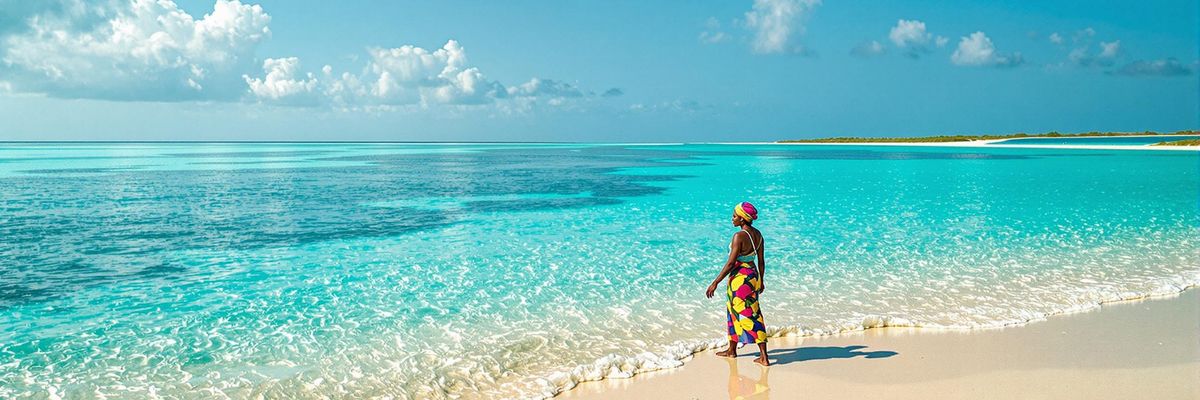
Xai-Xai: A Coastal Retreat
Relax on the beaches and explore the reefs of Xai-Xai.
View More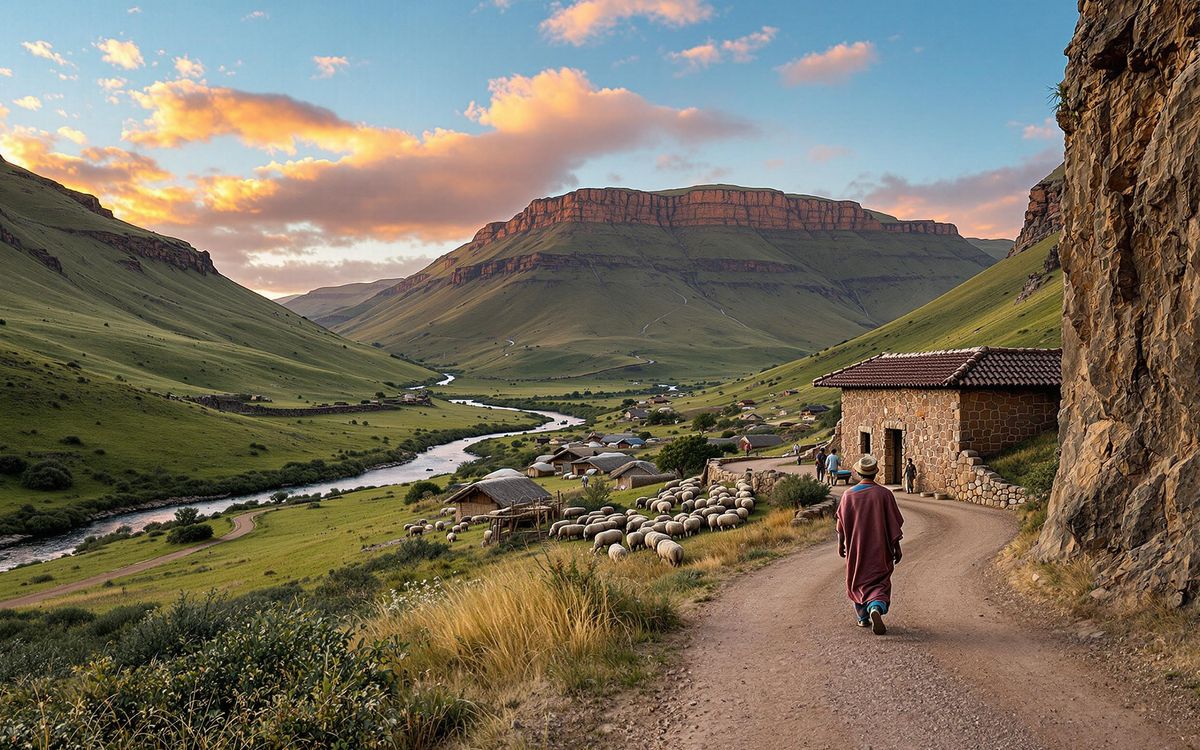

Venture into the heart of southern Lesotho, where the rugged landscapes of Quthing whisper tales of prehistoric giants and ancient cultures, offering a unique journey for the intrepid traveler.
Imagine tracing the footsteps of dinosaurs that roamed the earth millions of years ago, then stepping into caves adorned with ancient art, and finally, standing in awe before panoramic vistas that stretch as far as the eye can see. This is Quthing, a hidden gem in the Mountain Kingdom of Lesotho, beckoning adventure travelers and paleontology enthusiasts alike. As the weather warms up in November and December, Quthing reveals its breathtaking beauty, inviting you to uncover its secrets.

Quthing, also known as Moyeni, sits nestled in the southern part of Lesotho, a landlocked country surrounded by South Africa. This remote district, far from the bustling tourist trails, offers a unique blend of geological wonders and cultural heritage. The journey to Quthing is an adventure in itself, as you traverse rugged mountain roads that wind through breathtaking landscapes.
As you approach Quthing, the air becomes crisp and clean, carrying the scent of the high-altitude flora. The landscape transforms into a tapestry of rolling hills, deep valleys, and dramatic rock formations. This is a land where time seems to stand still, where the echoes of the past resonate in every stone and every footprint.
November and December mark the ideal time to visit Quthing, as the weather transitions into a mild, reasonably dry season. The warming temperatures make exploring the outdoors more comfortable, while the clear skies provide optimal conditions for viewing the dinosaur footprints and soaking in the panoramic vistas.
Quthing's claim to fame lies in its rich paleontological history, specifically the dinosaur footprints that have been discovered throughout the area. These ancient imprints, dating back approximately 230 million years, offer a glimpse into a world ruled by colossal reptiles. They tell a story of a time when dinosaurs roamed freely across this land, leaving their mark on the very fabric of the earth.
The dinosaur footprints serve as a powerful reminder of the earth's ancient past and the incredible creatures that once inhabited it. They spark the imagination and ignite a sense of wonder, inviting you to connect with a time long before human existence. In Quthing, you're not just a traveler; you're an explorer, a time-traveler, and a witness to the grand story of life on Earth.
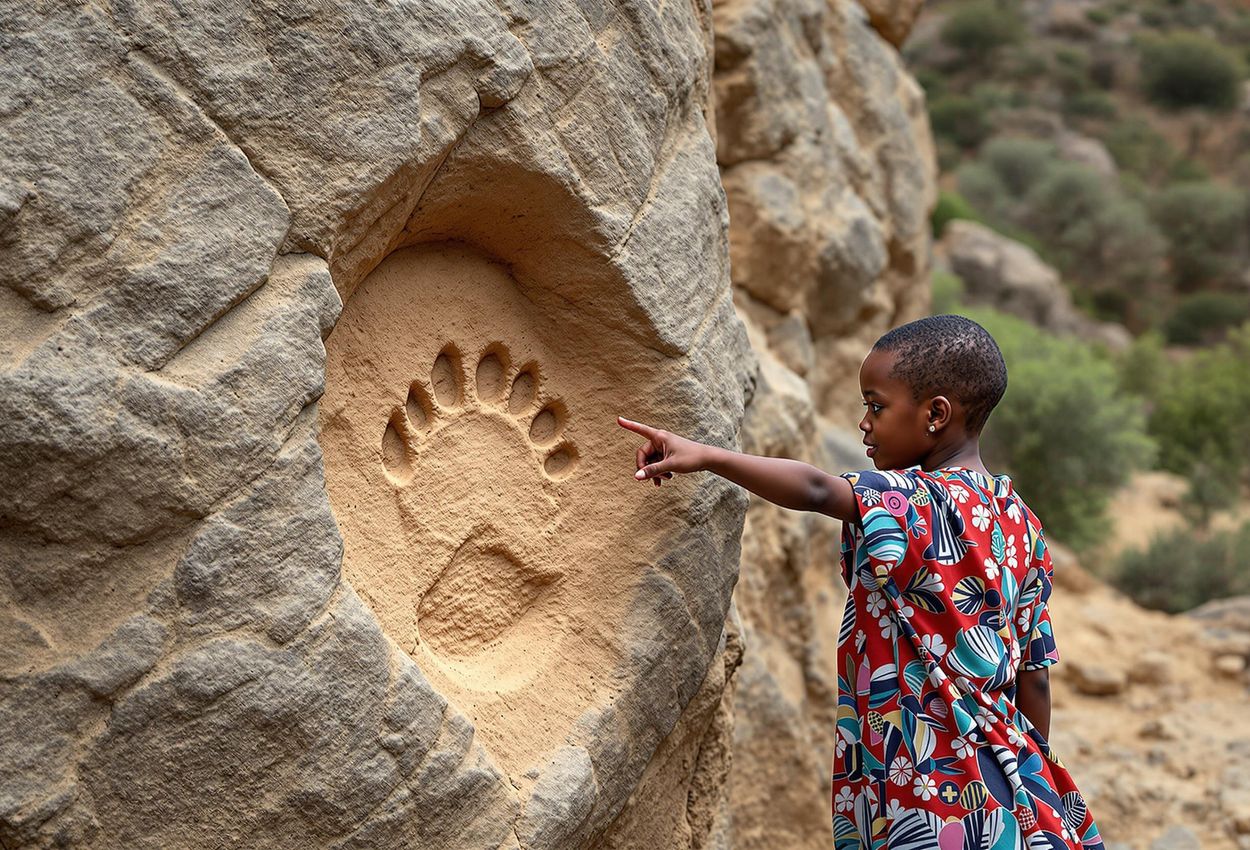
The area surrounding Quthing is a treasure trove of dinosaur footprints, with the Moyeni area holding some of the most significant discoveries. These footprints, embedded in the sandstone rocks, offer a tangible connection to the Jurassic period. The most easily accessible site is signposted on the left as you leave town heading northeast towards Qacha's Nek.
The dinosaur footprints near Quthing are approximately 230 million years old, dating back to the Early Jurassic period. These footprints provide valuable insights into the types of dinosaurs that roamed the area during this time. Paleontologists have identified prints belonging to carnivorous bipeds, which walked on two legs, and Lesothosaurus, a smaller herbivore resembling a large lizard.
The Quthing Dinosaur Footprint site houses the footprints in a building with a craft shop. Local children often offer to guide visitors to more footprints for a small tip. These young guides possess an intimate knowledge of the landscape, leading you to hidden locations where the ancient imprints are etched into the rocks.
The geological significance of these footprints cannot be overstated. They offer invaluable information about the dinosaurs' size, weight, and gait, providing clues about their behavior and lifestyle. The footprints also reveal details about the environment in which these creatures lived, including the climate, vegetation, and other animal species present.
The footprints near Quthing provide a window into a world that existed millions of years ago, allowing us to understand the evolution of life on Earth. They spark curiosity and inspire a deeper appreciation for the planet's rich history.
Quthing's appeal extends beyond its prehistoric past, encompassing a rich tapestry of historical and cultural attractions. The Quthing Museum stands as a testament to the heritage of the Basotho people, showcasing artifacts, traditional attire, and displays that illuminate their way of life. A visit to the museum offers a deeper understanding of the region's cultural roots and the traditions that have shaped its identity.
Masitise Cave House, located approximately 5 kilometers west of Quthing, presents a unique historical landmark. Built into a San rock shelter in 1866 by Reverend David-Frédéric Ellenberger, a missionary, this intriguing structure served as both a home and a place of worship. The cave house offers a glimpse into the lives of early missionaries and the interactions between European settlers and the indigenous Basotho people.
Nearby, faded Bushman paintings adorn the rocks, offering a glimpse into the artistic expressions of the San people who once inhabited the area. These ancient paintings depict scenes of daily life, hunting expeditions, and spiritual beliefs, providing a window into the minds of these early inhabitants.
The Villa Maria Mission, a sandstone church with red spires, stands as a reminder of the region's religious history. Its architecture reflects a blend of European and African influences, symbolizing the cultural exchange that occurred during the colonial era.

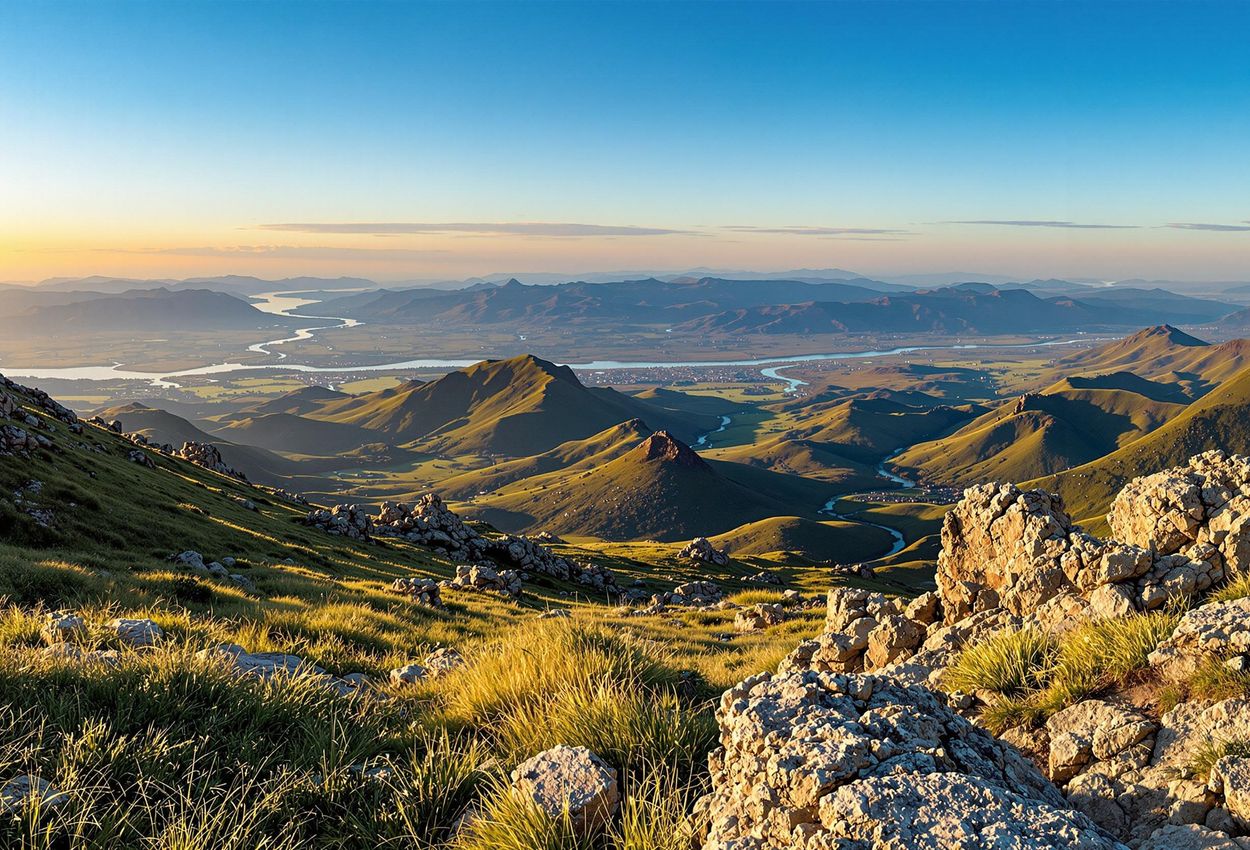
Quthing's natural beauty extends beyond its dinosaur footprints, encompassing geological wonders and scenic vistas that will leave you breathless. Thabana Tsoana, a striking hill, offers panoramic views of the surrounding landscape, rewarding hikers with stunning vistas. The sunset views from Thabana Tsoana are particularly spectacular, painting the sky with vibrant hues of orange, pink, and purple.
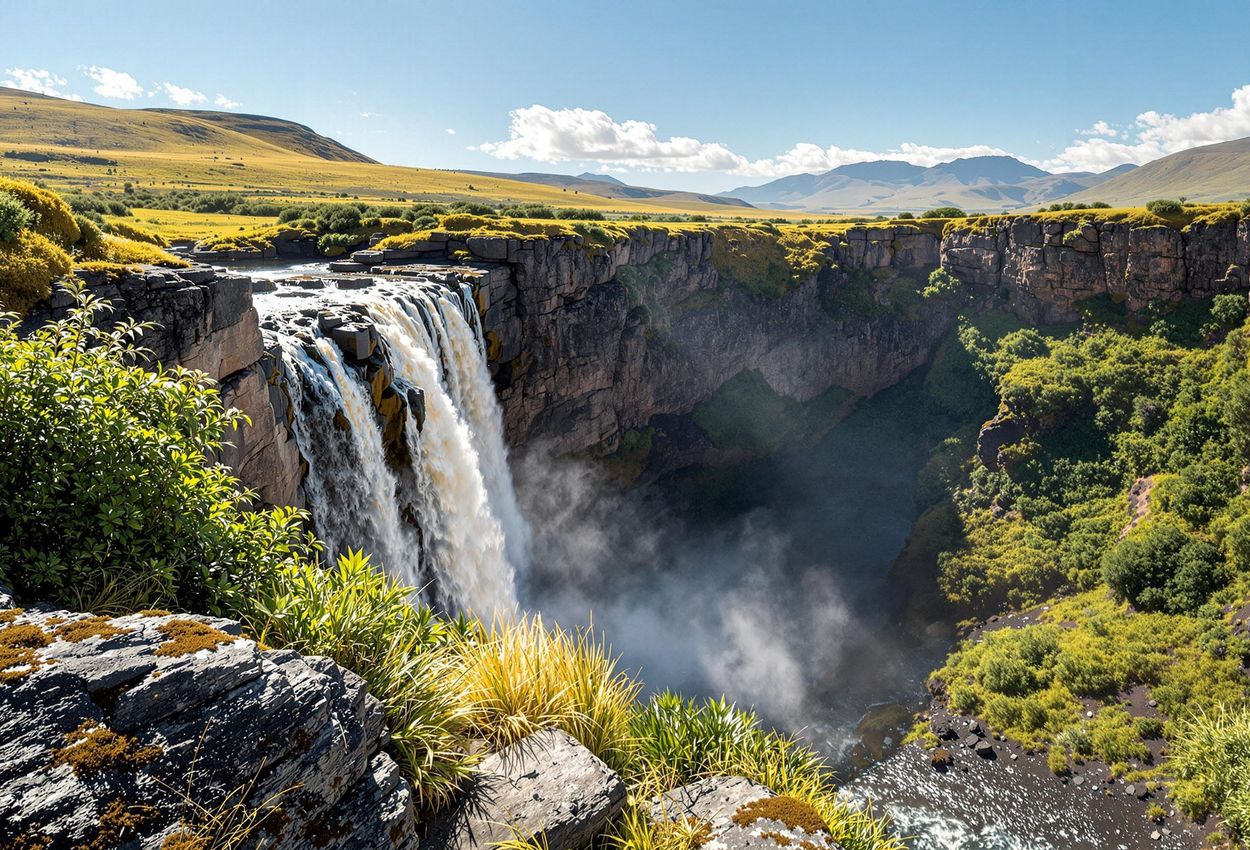
Maletsunyane Falls, one of the highest single-dropping waterfalls in Southern Africa, is a must-see natural attraction. The falls plunge 192 meters into a spectacular gorge, creating clouds of spray that are visible from afar. The local legend says that the sound comes from the wailing of people who have drowned in the falls.
The Quthing River meanders through the landscape, offering opportunities for leisurely strolls along its banks or peaceful picnics. The river provides a glimpse into the daily lives of the locals, who rely on its waters for sustenance and irrigation.
Letsie Lake, the largest natural freshwater body in Lesotho, is a remote and little-visited scenic gem that will prove particularly rewarding to birdwatchers. The endangered Cape vulture soars overhead, occasionally joined by the even rarer bearded vulture, and the likes of Verreaux's eagle, jackal buzzard and lesser kestrel.
Sebapala Falls is another stunning waterfall in the Quthing area. A short hike leads to this waterfall and is a perfect spot for a picnic or just to relax and soak in nature.
Planning a trip to Quthing requires careful consideration, given the area's remote location and limited infrastructure. Getting to the dinosaur footprint sites and other attractions often involves traveling on unpaved roads, so a sturdy vehicle with good ground clearance is recommended.
Accommodation options in Quthing include the Mountainside Hotel and Kubung Hotel. Mountainside Hotel offers a blend of comfort and rustic charm, while Kubung Hotel provides luxurious 4-star accommodation. Both hotels offer a range of amenities and services to ensure a pleasant stay.
Local guides are available to enhance your exploration of the area, providing valuable insights into the history, culture, and geology of Quthing. These guides can lead you to hidden gems and share stories that bring the landscape to life.
Quthing's remote location necessitates careful preparation. It's essential to pack appropriate clothing for varying weather conditions, including warm layers for the cooler evenings. Stock up on essential supplies, such as water, snacks, and sunscreen, as access to these items may be limited in certain areas.
The best time to visit Quthing is during the months of November and December, when the weather is mild and reasonably dry. During this time, the temperatures are comfortable for outdoor activities, and the clear skies provide optimal viewing conditions.
Quthing is a destination that rewards those who seek adventure and appreciate the beauty of the natural world. Its dinosaur footprints, ancient history, and stunning landscapes offer a unique and unforgettable travel experience. Embrace the spirit of exploration and embark on a journey to Quthing, where the past comes alive and the wonders of nature unfold before your eyes.
Local Tip: Engage with local guides for a deeper understanding of the area's history and culture.
Our editors` picks of the latest and greatest in travel - delivered to your inbox daily
Relax on the beaches and explore the reefs of Xai-Xai.
View More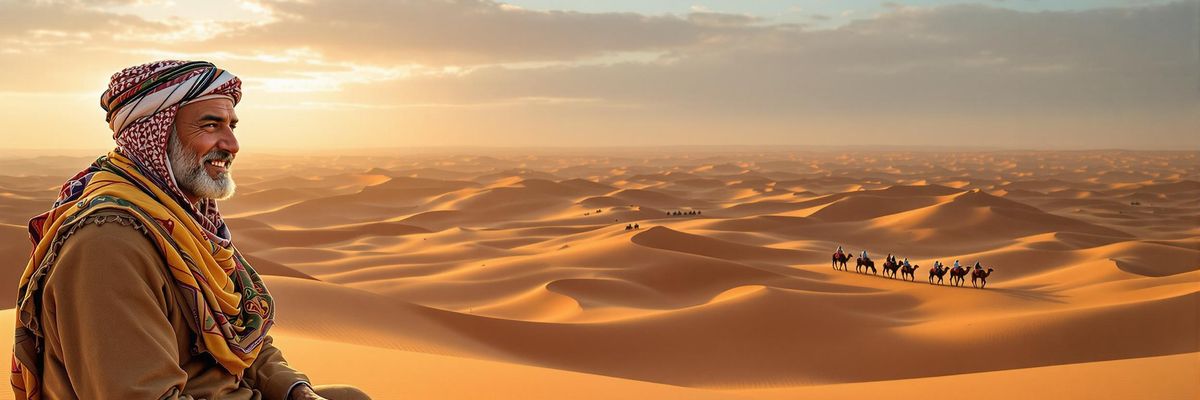
Embrace the cooler temperatures and experience the International Festival of the Sahara in Douz this December.
View More
Celebrate the year-end festivities in Accra, culminating in the vibrant Afrofuture festival.
View More Albania EDITION
 Algeria EDITION
 Argentina EDITION
 Armenia EDITION
 Australia EDITION
 Austria EDITION
 Bangladesh EDITION
 Belgium EDITION
 Belize EDITION
 Benin EDITION
 Bhutan EDITION
 Bolivia EDITION
 Bosnia and Herzegovina EDITION
 Botswana EDITION
 Brazil EDITION
 Bulgaria EDITION
 Burkina Faso EDITION
 Cambodia EDITION
 Cameroon EDITION
 Canada EDITION
 Central African Republic EDITION
 Chad EDITION
 Chile EDITION
 China EDITION
 Colombia EDITION
 Costa Rica EDITION
 Croatia EDITION
 Cyprus EDITION
 Denmark EDITION
 Djibouti EDITION
 Ecuador EDITION
 Egypt EDITION
 El Salvador EDITION
 Eritrea EDITION
 Estonia EDITION
 Ethiopia EDITION
 Finland EDITION
 France EDITION
 Gabon EDITION
 Georgia EDITION
 Germany EDITION
 Ghana EDITION
 Greece EDITION
 Guatemala EDITION
 Guinea EDITION
 Guinea-Bissau EDITION
 Honduras EDITION
 Hungary EDITION
 Iceland EDITION
 India EDITION
 Indonesia EDITION
 Ireland EDITION
 Israel EDITION
 Italy EDITION
 Jamaica EDITION
 Japan EDITION
 Jordan EDITION
 Kenya EDITION
 Kuwait EDITION
 Laos EDITION
 Latvia EDITION
 Lebanon EDITION
 Lesotho EDITION
 Liberia EDITION
 Lithuania EDITION
 Luxembourg EDITION
 Madagascar EDITION
 Malawi EDITION
 Malaysia EDITION
 Maldives EDITION
 Mali EDITION
 Malta EDITION
 Mauritania EDITION
 Mauritius EDITION
 Mexico EDITION
 Mongolia EDITION
 Montenegro EDITION
 Morocco EDITION
 Mozambique EDITION
 Namibia EDITION
 Nepal EDITION
 Netherlands EDITION
 New Zealand EDITION
 Nicaragua EDITION
 Niger EDITION
 Nigeria EDITION
 Norway EDITION
 Oman EDITION
 Pakistan EDITION
 Panama EDITION
 Papua New Guinea EDITION
 Paraguay EDITION
 Peru EDITION
 Philippines EDITION
 Poland EDITION
 Portugal EDITION
 Qatar EDITION
 Romania EDITION
 Rwanda EDITION
 Saudi Arabia EDITION
 Senegal EDITION
 Serbia EDITION
 Singapore EDITION
 Slovakia EDITION
 Slovenia EDITION
 Somalia EDITION
 South Africa EDITION
 South Korea EDITION
 Spain EDITION
 Sri Lanka EDITION
 Suriname EDITION
 Sweden EDITION
 Switzerland EDITION
 Tanzania EDITION
 Thailand EDITION
 Tunisia EDITION
 Uganda EDITION
 United Arab Emirates EDITION
 United Kingdom EDITION
 Uruguay EDITION
 Venezuela EDITION
 Vietnam EDITION
 Zambia EDITION
 Zimbabwe EDITION
Subscribe to our newsletter and get the most captivating travel stories, hidden gems, and expert insights delivered straight to your inbox. As a subscriber, you’ll be first in line for exclusive content, premium offers, and unforgettable travel experiences