


Destination Guide
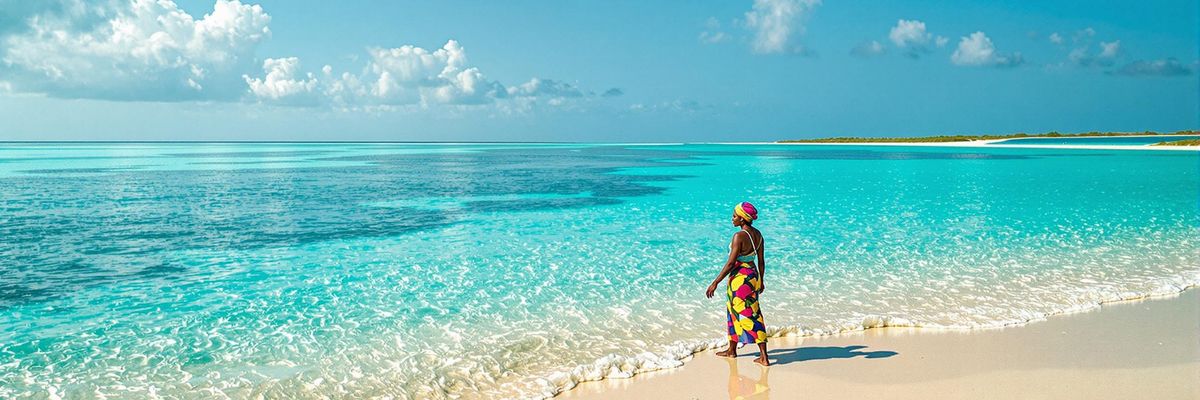
Xai-Xai: A Coastal Retreat
Relax on the beaches and explore the reefs of Xai-Xai.
View More

In the vast expanse where the Sahara Desert surrenders to the Atlantic Ocean, lies a sanctuary of vital importance: Réserve Satellite du Cap Blanc. This remote reserve in Mauritania is a refuge for one of the world's most endangered marine mammals, the Mediterranean monk seal.
Here, amidst the stark beauty of desert cliffs and crashing waves, a dedicated effort unfolds to protect these vulnerable creatures and their fragile habitat.
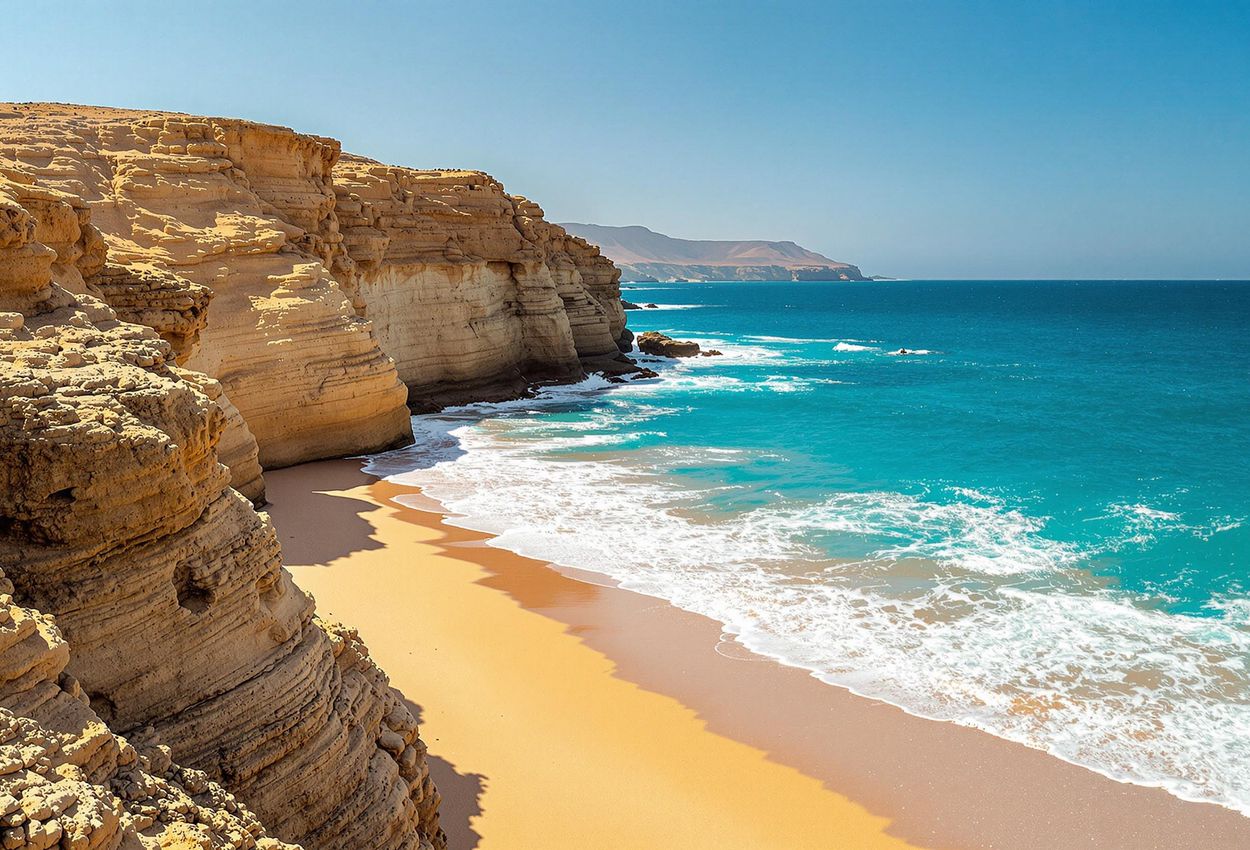
Imagine a place where the golden dunes of the Sahara Desert meet the rugged coastline of the Atlantic Ocean. This is Réserve Satellite du Cap Blanc, a protected area on the Cap Blanc peninsula in Mauritania, a land of stark contrasts and captivating beauty. The reserve stands as a sentinel, guarding a precious fragment of biodiversity in a world where such havens are increasingly rare.
The nearest urban center, Nouadhibou, hums with the activity of a major fishing port. Originally named Port-Étienne, the city's history is intertwined with the sea, its fortunes rising and falling with the tides of the fishing industry. While large international fishing industries dominate much of the fishing and development areas, Nouadhibou remains a vital place for local fishermen. From here, a sandy track leads to the reserve, a journey that feels like a pilgrimage to the edge of the world.
The landscape of Cap Blanc is dramatic, characterized by towering cliffs of red sand that plunge into the turquoise waters of the Atlantic. The air is thick with the scent of salt and the cries of seabirds, a symphony of nature that underscores the wildness of this place. The reserve itself is relatively small, but its significance is immense, for it provides critical habitat for the Mediterranean monk seal (Monachus monachus), one of the most endangered marine mammals on Earth.
Hunted for centuries for their valuable skins and oil, these gentle creatures have been driven to the brink of extinction. With only an estimated 443 to 599 mature individuals remaining, every refuge is a lifeline for the species. Réserve Satellite du Cap Blanc is one of their last strongholds, a place where they can find shelter in the sea caves that dot the base of the cliffs. These caves provide safe havens for breeding and resting, offering protection from the harsh elements and the prying eyes of humans.

The survival of the Mediterranean monk seal hinges on the dedicated conservation efforts undertaken at Réserve Satellite du Cap Blanc. Organizations like the CBD-Habitat Foundation work tirelessly to monitor the seal population, study their behavior, and safeguard their fragile habitat. Their work involves painstaking surveys of the coastline, identifying and protecting the caves where the seals breed.
One of the primary challenges facing the monk seals is the vulnerability of their habitat. The sea caves they rely on are susceptible to collapse and erosion, and are easily disturbed by human activity. Pollution, including legacy pollutants and microplastics, also poses a significant threat. To combat these threats, the reserve implements strict regulations to limit access to sensitive areas and minimize disturbance.
International cooperation is also essential for the long-term survival of the Mediterranean monk seal. The seals range across the waters of Mauritania, Spain, Portugal, and Morocco, requiring a coordinated approach to conservation. These countries collaborate on research, monitoring, and enforcement efforts to protect the seals and their habitat.
Thanks to these concerted efforts, the monk seal population at Cap Blanc has shown signs of recovery in recent years. While the species remains critically endangered, the increase in numbers offers a glimmer of hope for the future. This success story is a testament to the power of conservation and the importance of protecting even the smallest of refuges.
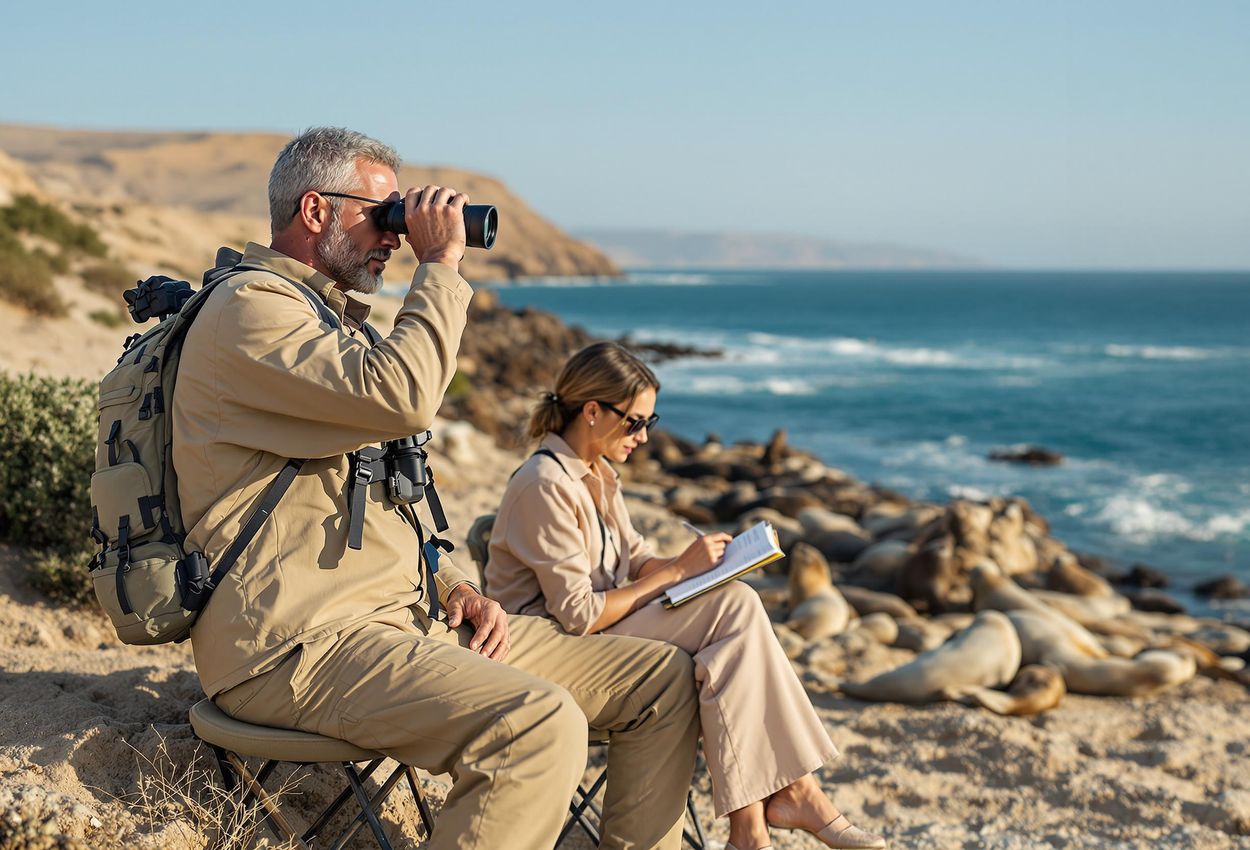
For those who wish to witness the beauty of Réserve Satellite du Cap Blanc and learn about the monk seals, a visit to the reserve is an unforgettable experience. An information center provides valuable insights into the natural history of the area and the conservation efforts underway. Knowledgeable guides offer tours of the reserve, leading visitors along designated paths and sharing their expertise about the seals and other wildlife.
Responsible tourism is paramount to ensure the continued well-being of the monk seals and their habitat. Visitors are encouraged to respect the seals' space, minimize noise, and avoid approaching the caves. By following these guidelines, visitors can enjoy the reserve without causing harm to the animals or their environment.
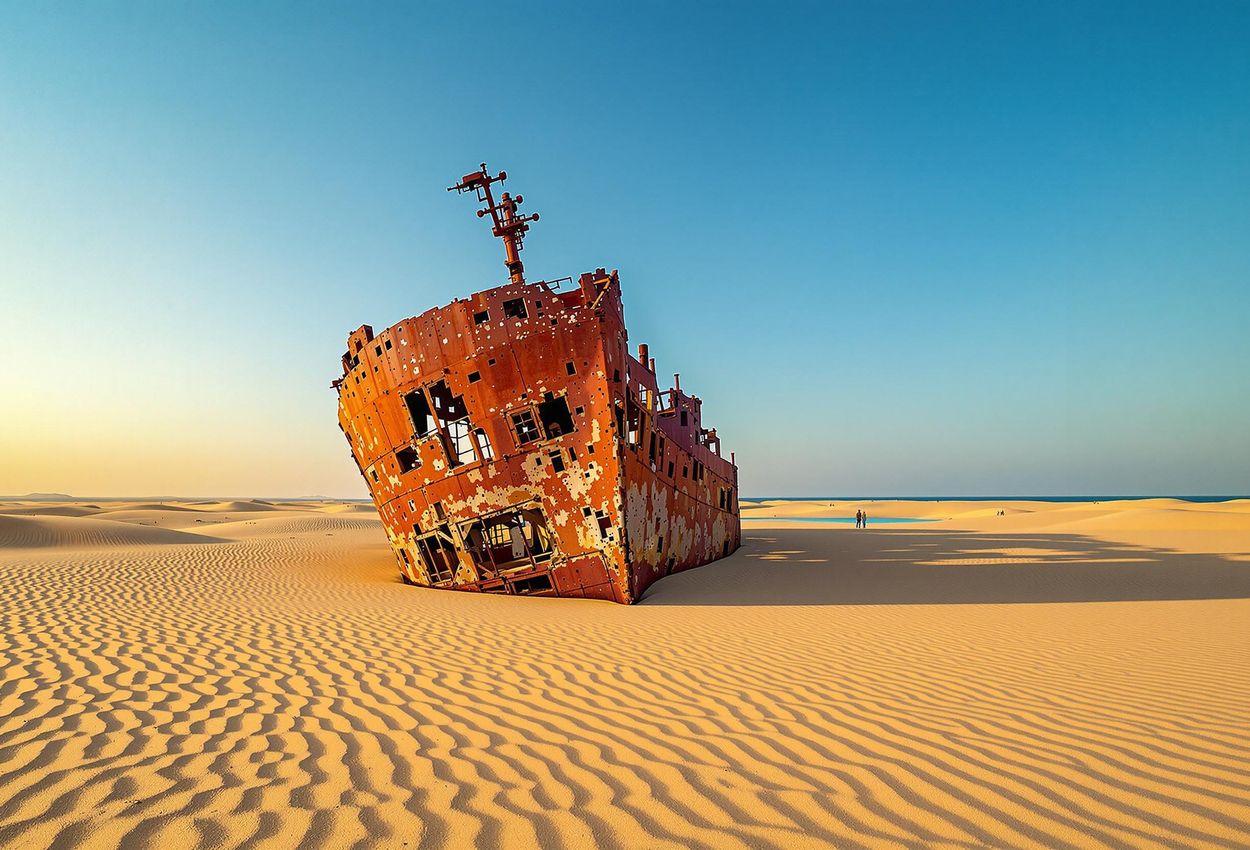
Beyond the monk seals, Réserve Satellite du Cap Blanc offers other attractions for the adventurous traveler. A nearby lighthouse stands as a beacon, offering panoramic views of the coastline. The shipwreck of the United Malika, a cargo ship beached on a wide sandy beach, is a surreal sight, a testament to the power of the sea. The wreck looks like a movie set.
Please note that access to Cap Blanc was restricted in May-June 2025, to increase controls on migrants. It is best to contact Mr. Abdel Rahim (+222 44 40 91 88) to get updated information before your visit.
To enter the reserve, there is a fee. The revenue from entrance fees supports the conservation efforts and helps to maintain the reserve's infrastructure. By visiting Réserve Satellite du Cap Blanc, you are not only experiencing a unique and beautiful place, but also contributing to the protection of a critically endangered species.
Our editors` picks of the latest and greatest in travel - delivered to your inbox daily
Relax on the beaches and explore the reefs of Xai-Xai.
View More
Embrace the cooler temperatures and experience the International Festival of the Sahara in Douz this December.
View More
Celebrate the year-end festivities in Accra, culminating in the vibrant Afrofuture festival.
View More Albania EDITION
 Algeria EDITION
 Argentina EDITION
 Armenia EDITION
 Australia EDITION
 Austria EDITION
 Bangladesh EDITION
 Belgium EDITION
 Belize EDITION
 Benin EDITION
 Bhutan EDITION
 Bolivia EDITION
 Bosnia and Herzegovina EDITION
 Botswana EDITION
 Brazil EDITION
 Bulgaria EDITION
 Burkina Faso EDITION
 Cambodia EDITION
 Cameroon EDITION
 Canada EDITION
 Central African Republic EDITION
 Chad EDITION
 Chile EDITION
 China EDITION
 Colombia EDITION
 Costa Rica EDITION
 Croatia EDITION
 Cyprus EDITION
 Denmark EDITION
 Djibouti EDITION
 Ecuador EDITION
 Egypt EDITION
 El Salvador EDITION
 Eritrea EDITION
 Estonia EDITION
 Ethiopia EDITION
 Finland EDITION
 France EDITION
 Gabon EDITION
 Georgia EDITION
 Germany EDITION
 Ghana EDITION
 Greece EDITION
 Guatemala EDITION
 Guinea EDITION
 Guinea-Bissau EDITION
 Honduras EDITION
 Hungary EDITION
 Iceland EDITION
 India EDITION
 Indonesia EDITION
 Ireland EDITION
 Israel EDITION
 Italy EDITION
 Jamaica EDITION
 Japan EDITION
 Jordan EDITION
 Kenya EDITION
 Kuwait EDITION
 Laos EDITION
 Latvia EDITION
 Lebanon EDITION
 Lesotho EDITION
 Liberia EDITION
 Lithuania EDITION
 Luxembourg EDITION
 Madagascar EDITION
 Malawi EDITION
 Malaysia EDITION
 Maldives EDITION
 Mali EDITION
 Malta EDITION
 Mauritania EDITION
 Mauritius EDITION
 Mexico EDITION
 Mongolia EDITION
 Montenegro EDITION
 Morocco EDITION
 Mozambique EDITION
 Namibia EDITION
 Nepal EDITION
 Netherlands EDITION
 New Zealand EDITION
 Nicaragua EDITION
 Niger EDITION
 Nigeria EDITION
 Norway EDITION
 Oman EDITION
 Pakistan EDITION
 Panama EDITION
 Papua New Guinea EDITION
 Paraguay EDITION
 Peru EDITION
 Philippines EDITION
 Poland EDITION
 Portugal EDITION
 Qatar EDITION
 Romania EDITION
 Rwanda EDITION
 Saudi Arabia EDITION
 Senegal EDITION
 Serbia EDITION
 Singapore EDITION
 Slovakia EDITION
 Slovenia EDITION
 Somalia EDITION
 South Africa EDITION
 South Korea EDITION
 Spain EDITION
 Sri Lanka EDITION
 Suriname EDITION
 Sweden EDITION
 Switzerland EDITION
 Tanzania EDITION
 Thailand EDITION
 Tunisia EDITION
 Uganda EDITION
 United Arab Emirates EDITION
 United Kingdom EDITION
 Uruguay EDITION
 Venezuela EDITION
 Vietnam EDITION
 Zambia EDITION
 Zimbabwe EDITION
Subscribe to our newsletter and get the most captivating travel stories, hidden gems, and expert insights delivered straight to your inbox. As a subscriber, you’ll be first in line for exclusive content, premium offers, and unforgettable travel experiences