


Destination Guide
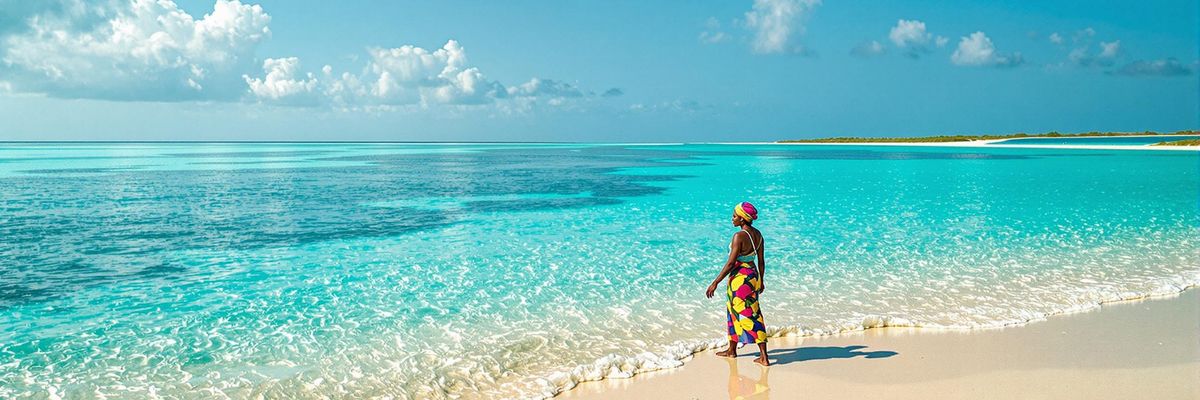
Xai-Xai: A Coastal Retreat
Relax on the beaches and explore the reefs of Xai-Xai.
View More

Venture into the heart of Cameroon's Far North Province, where the earth rises in dramatic spires and the whispers of ancient traditions echo through the valleys. Welcome to Rhumsiki, a village cradled by the Mandara Mountains, a place where the surreal becomes reality and the spirit of the Kapsiki people thrives amidst a landscape sculpted by volcanic forces.
Here, time seems to slow, inviting you to immerse yourself in a world where towering rock formations meet vibrant culture, creating an unforgettable travel experience far removed from the ordinary. Prepare to be captivated by the otherworldly beauty and rich heritage of this hidden gem.
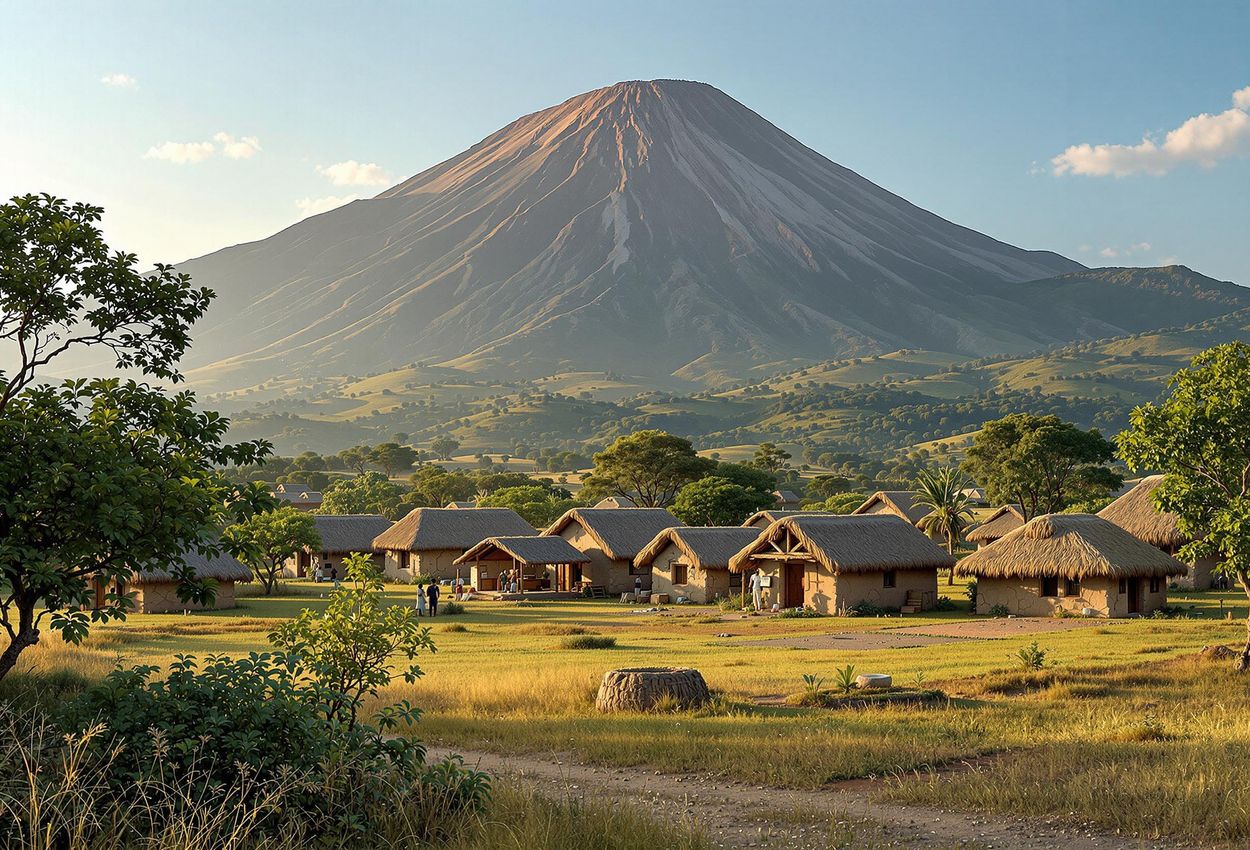
The journey to Rhumsiki is an adventure in itself, a transition from the familiar to the extraordinary. Leaving behind the bustling city of Maroua, the road winds its way towards the Mandara Mountains, the landscape gradually transforming into a mesmerizing panorama of volcanic plugs and basalt outcroppings. The final stretch of the journey is often undertaken by bush taxi, a shared minibus that bumps along the dusty roads, bringing you closer to this remote village.
As you approach Rhumsiki, the scenery becomes increasingly dramatic. Towering rock needles pierce the sky, remnants of ancient volcanoes that once dominated the landscape. These geological wonders create an almost lunar appearance, a surreal tableau that has captivated travelers for decades. Writer and explorer André Gide famously described Rhumsiki's surroundings as “one of the most beautiful landscapes in the world”.
Located just a few kilometers from the border with Nigeria, Rhumsiki offers a unique blend of cultures and traditions. The village itself is nestled in a valley, surrounded by these imposing rock formations, creating a sense of seclusion and tranquility. The air is thick with the scent of the savannah, and the sounds of daily life – the bleating of goats, the chatter of villagers – create a vibrant atmosphere.
Local Tip: The best way to reach Rhumsiki is by taking a bush taxi from Maroua. The journey takes approximately 40 minutes to an hour, offering a glimpse into rural life in northern Cameroon. Be prepared for a bumpy ride, but the stunning scenery makes it all worthwhile.
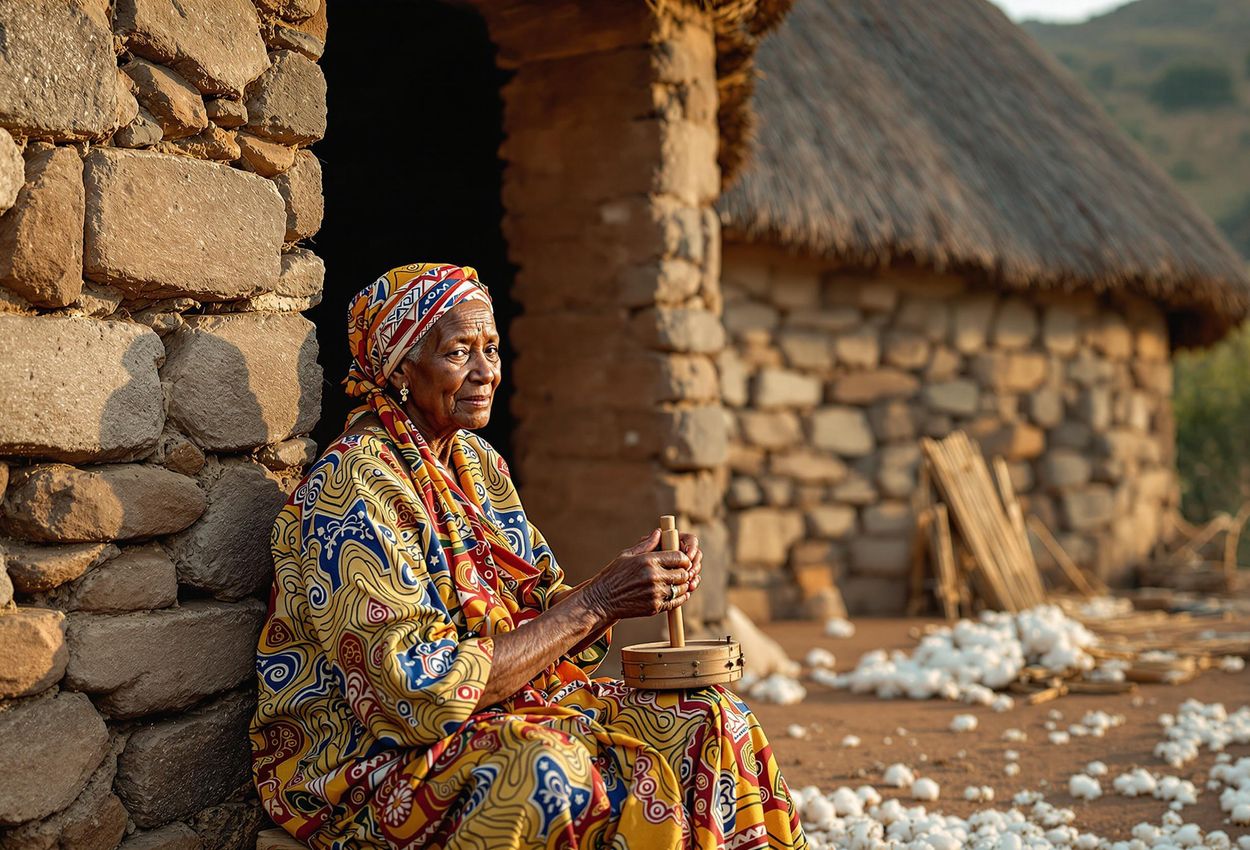
Rhumsiki is more than just a pretty landscape; it's also home to the Kapsiki people, an ethnic group with a rich history and unique cultural traditions. The Kapsiki have long inhabited this region, their ancestors seeking refuge in the mountains to resist Islamization. As one of Cameroon's Kirdi ethnic groups, they have preserved their traditional way of life, creating a vibrant cultural tapestry that adds depth and meaning to the landscape.
The Kapsiki live in small houses built from local stone and topped with thatched roofs, their homes scattered throughout the village and surrounding valley. These traditional dwellings blend seamlessly with the natural environment, reflecting the Kapsiki's deep connection to the land. Agriculture plays a vital role in their daily lives, with terraced farms carved into the hillsides, showcasing their ingenuity and resourcefulness. Sorghum is a principal crop, used for both food and the brewing of traditional beer.
Traditional beliefs and rituals remain an integral part of Kapsiki culture. Home sacrifices are common, often involving the immolation of a goat, followed by a communal meal and the sharing of beer. These ceremonies serve to honor ancestors, appease spirits, and maintain harmony within the community. The brewing of beer itself is a ritualistic process, with specific taboos and traditions surrounding its preparation.
Hidden Gem: Ask a local about the process of brewing Kapsiki beer. It is a multi-day process with its own traditions. The process involves soaking sorghum grains in water, letting them sprout, and then drying them. The sprouts should not remain exposed to the air too long, because otherwise “the beer is for one's one burial”.
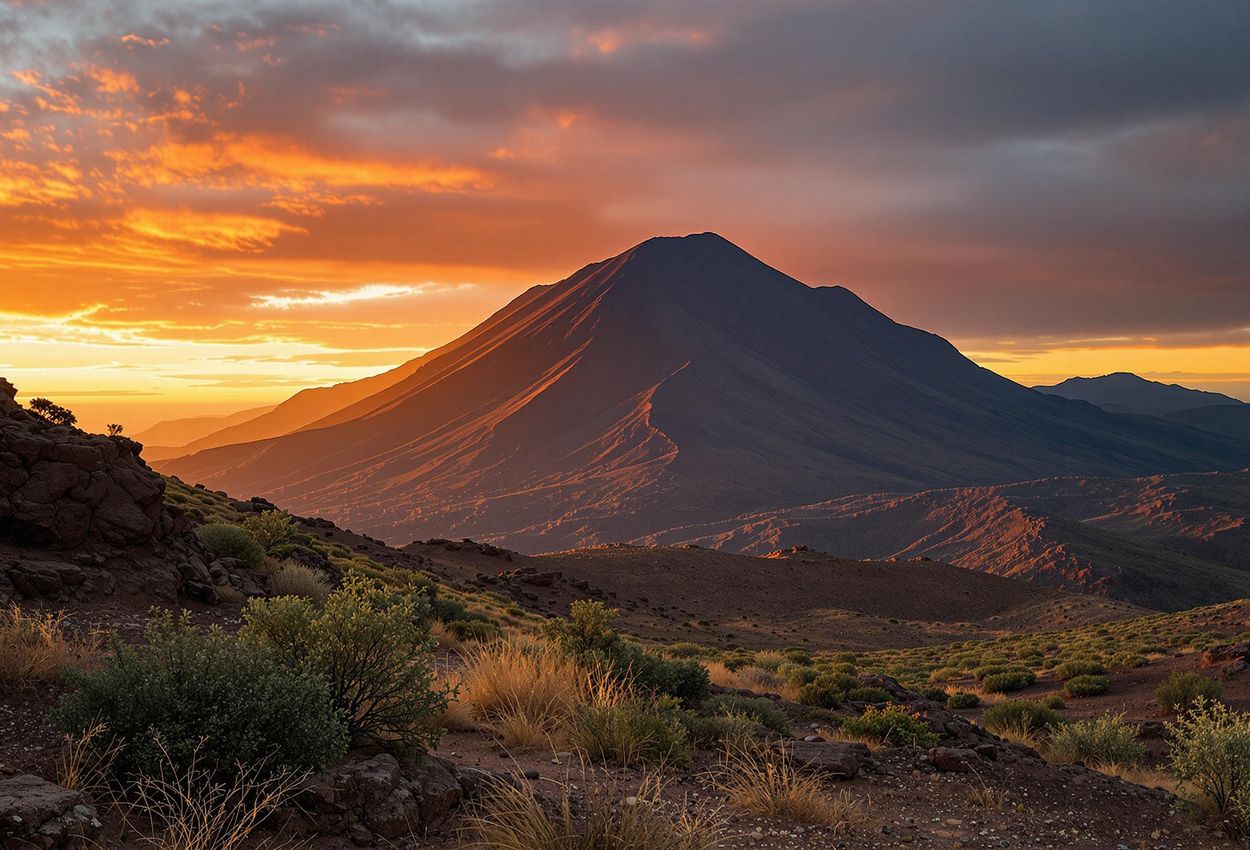
Rising majestically above the village is Kapsiki Peak, the most photographed rock formation in Rhumsiki. This towering volcanic plug stands at an impressive 1,224 meters (4,016 feet), dominating the skyline and casting a long shadow over the valley. Its distinctive shape and sheer size make it an unforgettable sight, a symbol of Rhumsiki's unique beauty.
Seeing Kapsiki Peak for the first time is an awe-inspiring experience. The rock formation seems to defy gravity, its jagged edges and imposing presence creating a sense of wonder and reverence. The peak's visual impact is undeniable, drawing the eye and inspiring countless photographs. It's a natural masterpiece, a testament to the power of geological forces and the enduring beauty of the natural world.
Beyond its aesthetic appeal, Kapsiki Peak also holds cultural significance. Traditional beliefs associate the peak with fertility, with barren women making sacrifices at its foot in hopes of conceiving. This connection to fertility and life underscores the peak's importance to the Kapsiki people, who see it as more than just a rock formation, but as a symbol of hope and renewal.
Local Belief: According to local tradition, Kapsiki Peak is associated with fertility. Barren women would make sacrifices at the foot of the peak in hopes of conceiving.
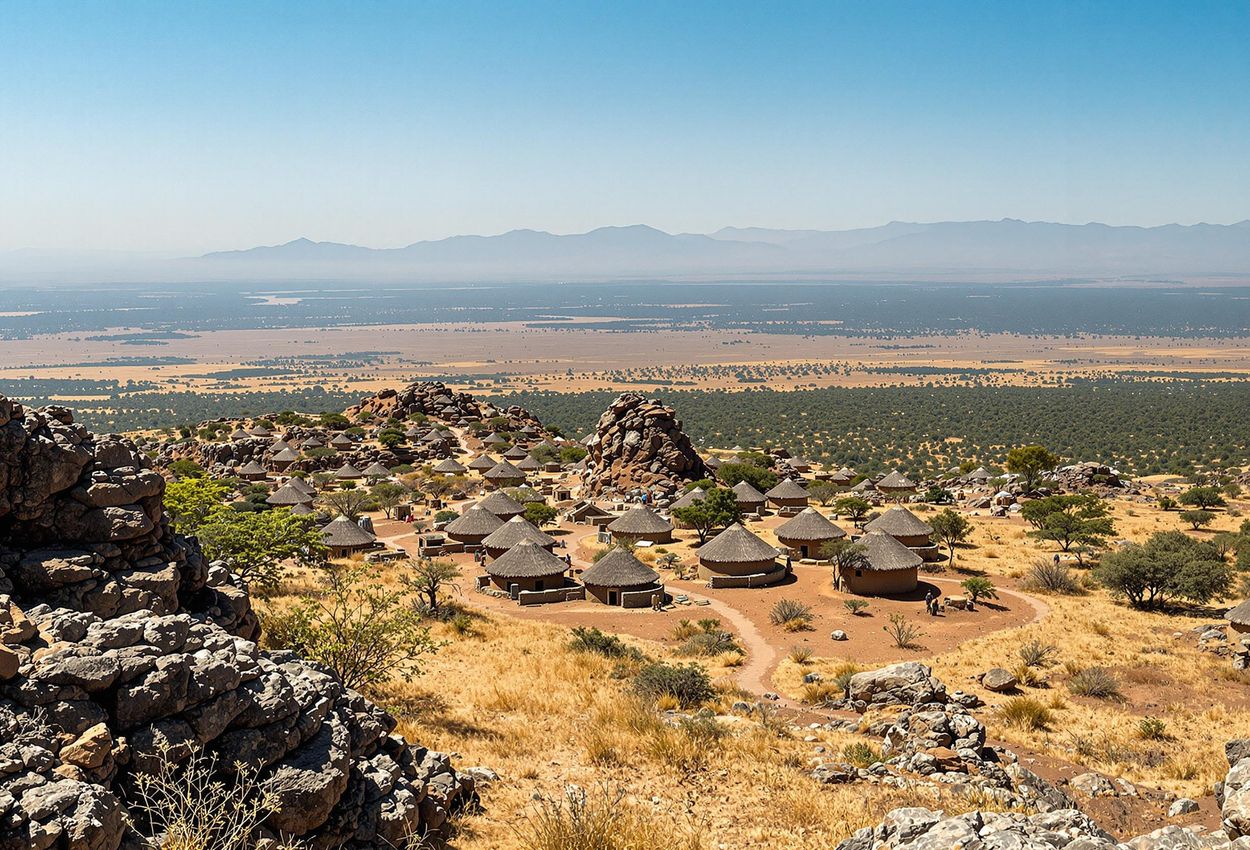
As the day draws to a close, Rhumsiki transforms into a canvas of vibrant colors, offering a spectacle of sunset photography. The best viewpoints are scattered throughout the village, each providing a unique perspective on the changing light and shadows. Find a spot on a rocky outcrop, or climb to a higher vantage point for panoramic views of the valley.
As the sun dips below the horizon, the rock formations and surrounding savannah take on a warm, ocher glow. The sky explodes in a riot of colors, from fiery reds and oranges to soft pinks and purples. The light dances across the landscape, highlighting the textures and contours of the rocks, creating a mesmerizing display of natural beauty. The air is still and quiet, save for the occasional call of a bird or the rustling of leaves, adding to the sense of serenity and awe.
To truly appreciate the beauty of Rhumsiki, consider staying overnight to experience both sunset and sunrise. The colors are even more intense during these hours, and the stillness of the morning and evening allows for a deeper connection with the landscape. Watching the sunrise paint the valley with its golden light is an experience you won't soon forget.
Photography Tip: The best time for sunset photography is during the dry season (November to February), when the skies are clear and the colors are most vibrant. Arrive early to scout out the perfect location and be prepared to capture the changing light as it unfolds.

Rhumsiki offers a variety of hiking opportunities, from gentle strolls through the valley to more challenging climbs to the surrounding peaks. The hike to Rhumsiki Peak is a popular choice, offering stunning panoramic views from the summit. The trail is considered moderate in difficulty, taking approximately 2-3 hours to complete.
The trail winds its way through unique geological formations, showcasing the volcanic origins of the landscape. Along the way, you'll have the chance to encounter local villagers, offering a glimpse into their daily lives and traditions. The panoramic views from the summit are breathtaking, stretching across the Mandara Mountains and the surrounding savannah. It's a truly rewarding experience, combining physical activity with cultural immersion and natural beauty.
Whether you're an experienced hiker or a casual walker, Rhumsiki has something to offer. The trails are well-worn and relatively easy to follow, but it's always a good idea to hire a local guide to enhance your experience and ensure your safety. Be sure to wear comfortable shoes, bring plenty of water, and be prepared for the heat.
Hiking Tip: Hire a local guide for the hike to Rhumsiki Peak. They can provide valuable insights into the local culture and geology, as well as ensure your safety on the trail. The fees for a local guide can vary but typically range from 5,000 to 10,000 CFA francs ($10 to $20) for a half-day guide.

Rhumsiki is a hub of traditional crafts, with skilled artisans producing a variety of handmade souvenirs. Blacksmiths, potters, spinners, and weavers all ply their trade in the village, creating beautiful and functional objects using traditional techniques. Visiting these artisans and witnessing their craft is a fascinating glimpse into the local culture and economy.
One particularly interesting process is cotton spinning, using traditional wood machines. The artisans transform raw cotton into thread, which is then used to weave intricate fabrics and garments. The process is labor-intensive and requires great skill and patience, but the results are well worth the effort.
For a wider selection of crafts, consider visiting the artisan center in nearby Maroua. Here, you'll find a variety of goods from across the region, including leatherwork, pottery, and textiles. Supporting these local artisans helps to preserve traditional skills and provides economic opportunities for the community.
Shopping Tip: Support local artisans by purchasing their handmade goods. Not only will you be acquiring a unique souvenir, but you'll also be contributing to the local economy.
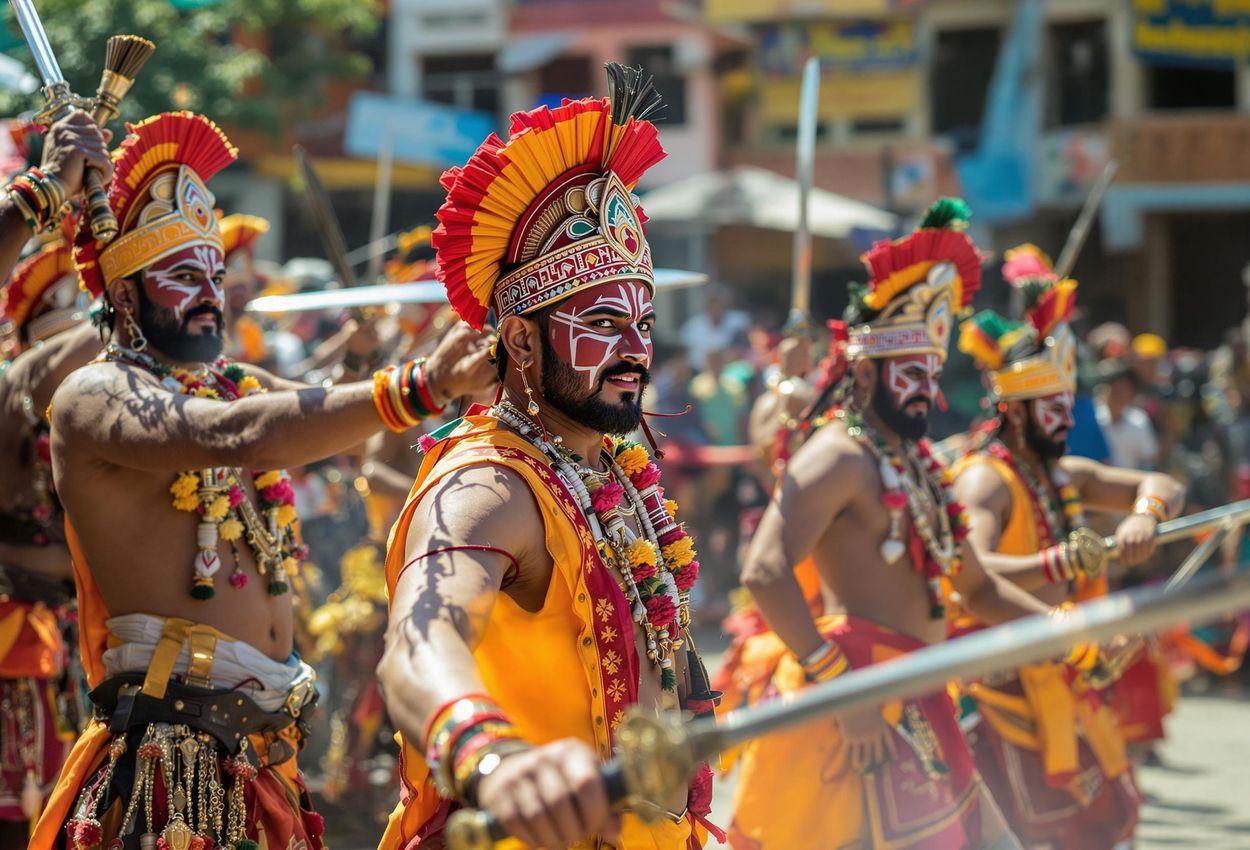
One of Rhumsiki's most unique attractions is the 'féticheur', or crab sorcerer. This traditional fortune-teller uses a rather unusual method to predict the future, relying on the movements of a crab within a specially prepared container. Visiting the crab sorcerer is an experience that blends curiosity, superstition, and a touch of the surreal.
The divination process involves placing a crab in a gourd filled with sand, sticks, and stones. The fortune-teller then covers the gourd and allows the crab to move around in the dark. By interpreting the patterns formed by the fallen sticks and stones, the sorcerer can answer questions about the future. The cost of a divination is typically around 1,000 CFA.
Whether you believe in the crab sorcerer's powers or not, the experience is a fascinating glimpse into the traditional beliefs and practices of the Kapsiki people. It's a reminder that in this remote corner of the world, ancient traditions continue to thrive, offering a unique perspective on life and the unknown.
Local Custom: When visiting the crab sorcerer, be respectful of the process and the traditions it represents. Whether you believe in the predictions or not, it's important to approach the experience with an open mind and a sense of curiosity.
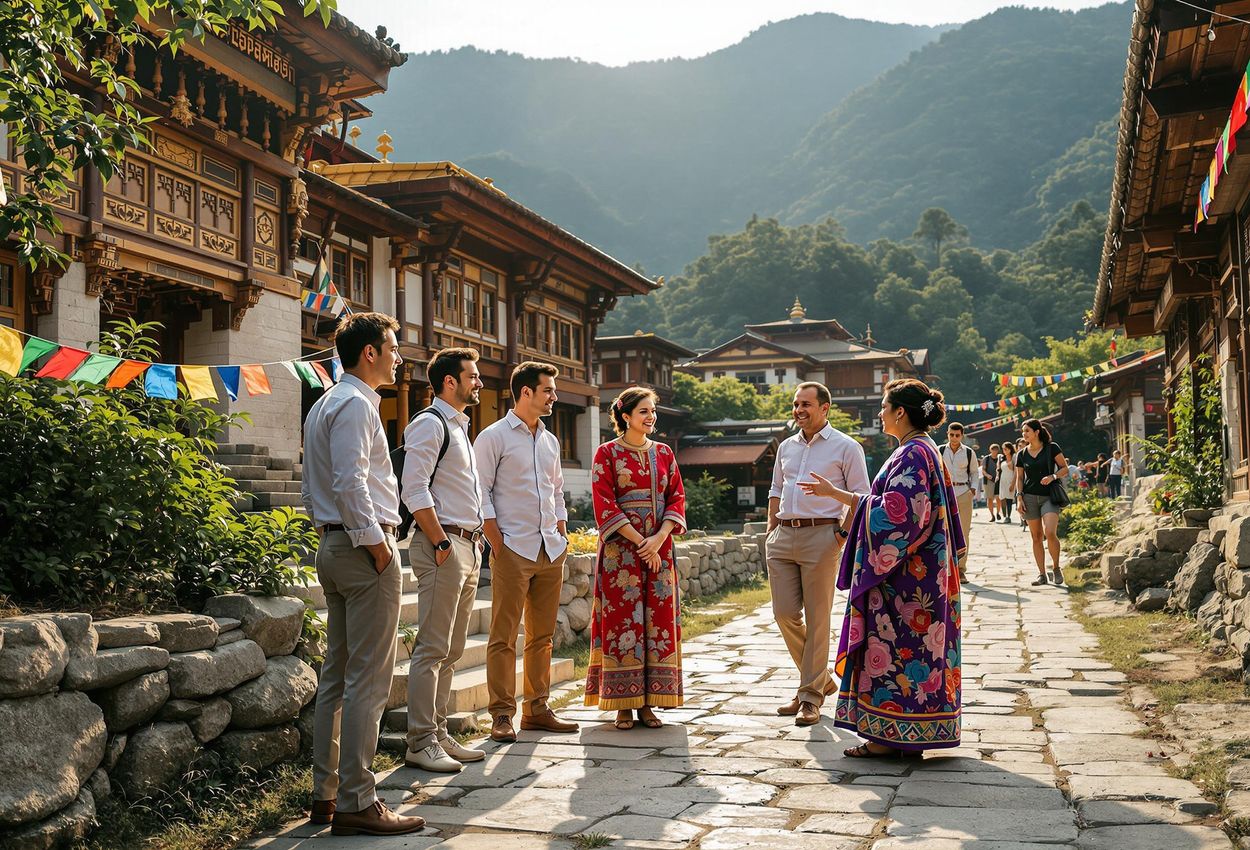
The Chilla Chilla dance is a traditional and unique dance of the Kapsiki people, showcasing their vibrant culture and artistic expression. This energetic and colorful performance is a celebration of life, community, and the enduring spirit of the Kapsiki.
The Chilla Chilla dance plays a significant role in Kapsiki traditions, often performed during festivals, celebrations, and other important events. The dance involves intricate footwork, rhythmic drumming, and vibrant costumes, creating a captivating spectacle for onlookers. The dancers move in unison, their bodies swaying and twirling to the beat of the drums, conveying a sense of joy and unity.
Witnessing the Chilla Chilla dance is a must-do experience for any visitor to Rhumsiki. It's a chance to connect with the local culture on a deeper level, to appreciate the artistry and skill of the Kapsiki people, and to experience the infectious energy of their traditions.
Cultural Experience: Ask your local guide about the meaning and significance of the Chilla Chilla dance. They can provide valuable insights into the cultural context of the performance and help you appreciate its nuances.

As tourism to Rhumsiki increases, it's essential to travel responsibly, minimizing negative impacts on the community and the environment. Respecting local customs and traditions is paramount, ensuring that your visit is a positive experience for both you and the Kapsiki people.
When visiting Rhumsiki, dress modestly, ask permission before taking photographs, and be mindful of local customs and beliefs. Support local businesses and artisans by purchasing their goods and services, and avoid activities that could harm the environment. Be respectful of the natural landscape, avoiding littering and staying on designated trails.
By practicing responsible travel, you can help to preserve the unique culture and environment of Rhumsiki for future generations. Your visit can be a force for good, contributing to the local economy and promoting cross-cultural understanding.
Travel Ethic: Before you go, research the local customs and traditions of Rhumsiki. This will help you to be a more respectful and responsible traveler, ensuring that your visit is a positive experience for everyone involved.

While Rhumsiki is undoubtedly the star attraction of the Mandara Mountains, there are other nearby villages and landscapes worth exploring. Consider venturing beyond Rhumsiki to discover the hidden gems of this remote region.
Villages like Mogode and Kamale offer a glimpse into traditional life in the Mandara Mountains. These remote settlements are home to diverse ethnic groups, each with their own unique customs and traditions. Hiking through the mountains, you'll encounter stunning landscapes, terraced farms, and friendly villagers, creating an unforgettable travel experience.
Exploring beyond Rhumsiki requires a sense of adventure and a willingness to embrace the unknown. Be prepared for rough roads, basic accommodations, and limited amenities. However, the rewards are well worth the effort, offering a chance to discover the authentic beauty and cultural richness of the Mandara Mountains.
Exploration Tip: Hire a local guide to explore beyond Rhumsiki. They can help you navigate the rugged terrain, connect with local communities, and ensure your safety on the trails.
In Rhumsiki, the surreal landscape intertwines with the vibrant Kapsiki culture, creating an experience that transcends the ordinary. From the towering Kapsiki Peak to the captivating Chilla Chilla dance, every corner of this village offers a unique and unforgettable encounter. As you bid farewell to this enchanting valley, carry with you the memories of its otherworldly beauty and the warmth of its people, forever etched in your heart.
Our editors` picks of the latest and greatest in travel - delivered to your inbox daily
Relax on the beaches and explore the reefs of Xai-Xai.
View More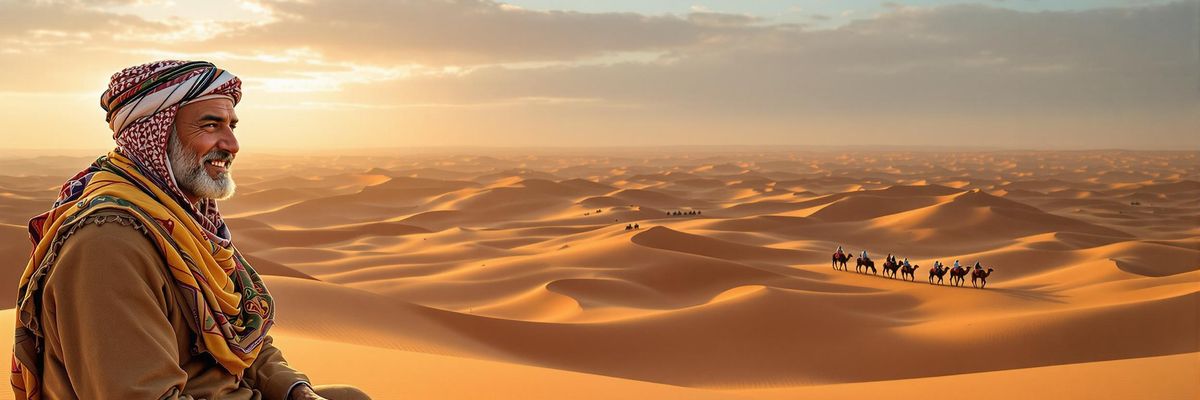
Embrace the cooler temperatures and experience the International Festival of the Sahara in Douz this December.
View More
Celebrate the year-end festivities in Accra, culminating in the vibrant Afrofuture festival.
View More Albania EDITION
 Algeria EDITION
 Argentina EDITION
 Armenia EDITION
 Australia EDITION
 Austria EDITION
 Bangladesh EDITION
 Belgium EDITION
 Belize EDITION
 Benin EDITION
 Bhutan EDITION
 Bolivia EDITION
 Bosnia and Herzegovina EDITION
 Botswana EDITION
 Brazil EDITION
 Bulgaria EDITION
 Burkina Faso EDITION
 Cambodia EDITION
 Cameroon EDITION
 Canada EDITION
 Central African Republic EDITION
 Chad EDITION
 Chile EDITION
 China EDITION
 Colombia EDITION
 Costa Rica EDITION
 Croatia EDITION
 Cyprus EDITION
 Denmark EDITION
 Djibouti EDITION
 Ecuador EDITION
 Egypt EDITION
 El Salvador EDITION
 Eritrea EDITION
 Estonia EDITION
 Ethiopia EDITION
 Finland EDITION
 France EDITION
 Gabon EDITION
 Georgia EDITION
 Germany EDITION
 Ghana EDITION
 Greece EDITION
 Guatemala EDITION
 Guinea EDITION
 Guinea-Bissau EDITION
 Honduras EDITION
 Hungary EDITION
 Iceland EDITION
 India EDITION
 Indonesia EDITION
 Ireland EDITION
 Israel EDITION
 Italy EDITION
 Jamaica EDITION
 Japan EDITION
 Jordan EDITION
 Kenya EDITION
 Kuwait EDITION
 Laos EDITION
 Latvia EDITION
 Lebanon EDITION
 Lesotho EDITION
 Liberia EDITION
 Lithuania EDITION
 Luxembourg EDITION
 Madagascar EDITION
 Malawi EDITION
 Malaysia EDITION
 Maldives EDITION
 Mali EDITION
 Malta EDITION
 Mauritania EDITION
 Mauritius EDITION
 Mexico EDITION
 Mongolia EDITION
 Montenegro EDITION
 Morocco EDITION
 Mozambique EDITION
 Namibia EDITION
 Nepal EDITION
 Netherlands EDITION
 New Zealand EDITION
 Nicaragua EDITION
 Niger EDITION
 Nigeria EDITION
 Norway EDITION
 Oman EDITION
 Pakistan EDITION
 Panama EDITION
 Papua New Guinea EDITION
 Paraguay EDITION
 Peru EDITION
 Philippines EDITION
 Poland EDITION
 Portugal EDITION
 Qatar EDITION
 Romania EDITION
 Rwanda EDITION
 Saudi Arabia EDITION
 Senegal EDITION
 Serbia EDITION
 Singapore EDITION
 Slovakia EDITION
 Slovenia EDITION
 Somalia EDITION
 South Africa EDITION
 South Korea EDITION
 Spain EDITION
 Sri Lanka EDITION
 Suriname EDITION
 Sweden EDITION
 Switzerland EDITION
 Tanzania EDITION
 Thailand EDITION
 Tunisia EDITION
 Uganda EDITION
 United Arab Emirates EDITION
 United Kingdom EDITION
 Uruguay EDITION
 Venezuela EDITION
 Vietnam EDITION
 Zambia EDITION
 Zimbabwe EDITION
Subscribe to our newsletter and get the most captivating travel stories, hidden gems, and expert insights delivered straight to your inbox. As a subscriber, you’ll be first in line for exclusive content, premium offers, and unforgettable travel experiences