


Destination Guide
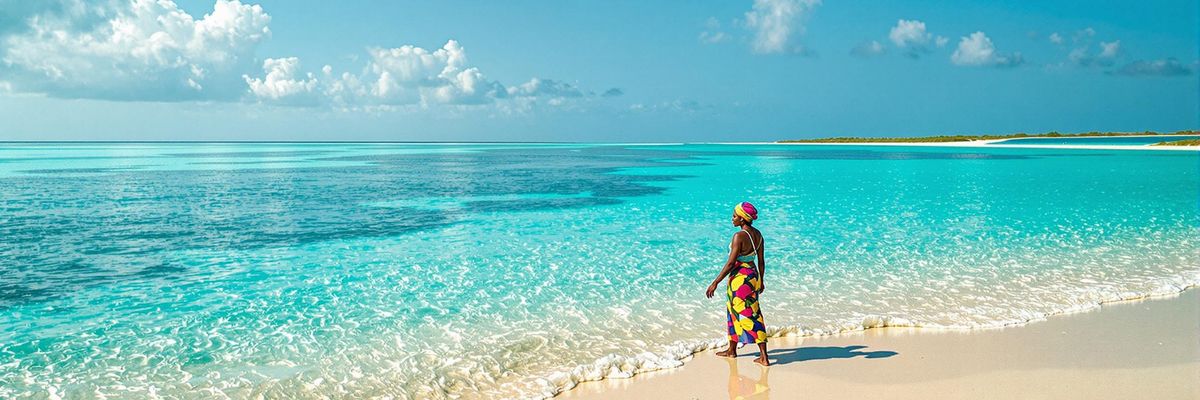
Xai-Xai: A Coastal Retreat
Relax on the beaches and explore the reefs of Xai-Xai.
View More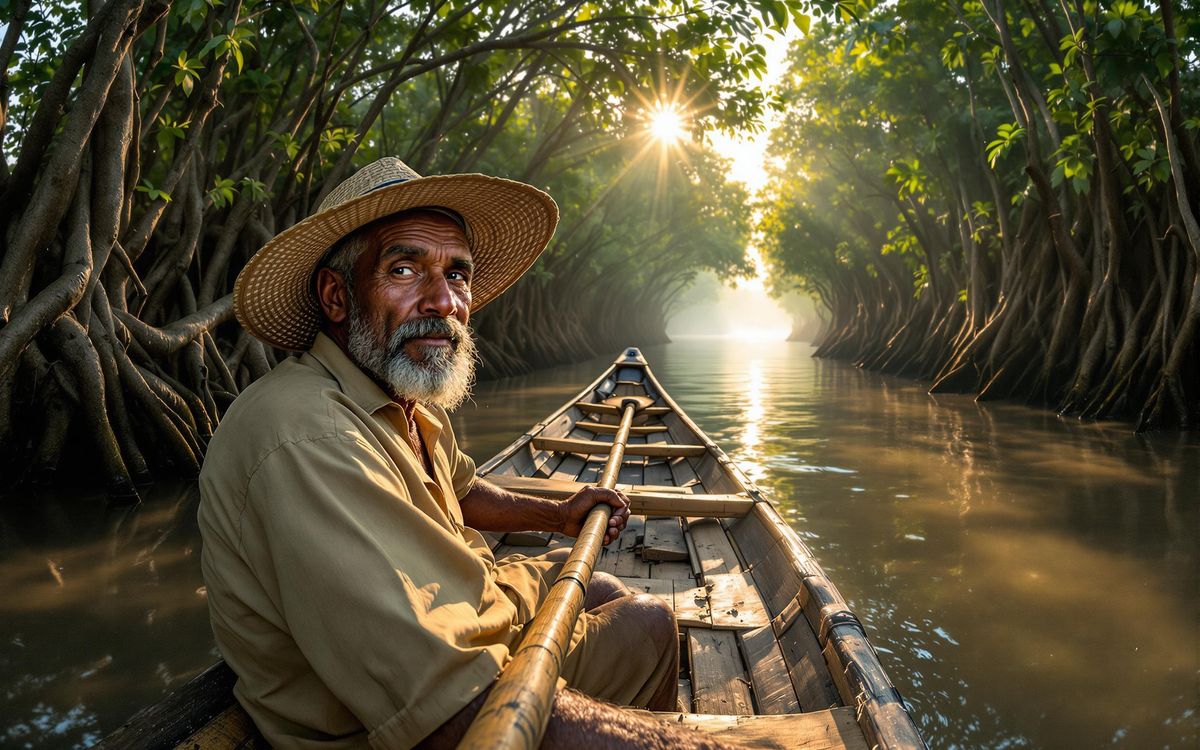

Venture into a realm where the symphony of nature plays out in vibrant hues and melodious calls, a place where the earth breathes in harmony with the tides. Welcome to Rio Cacheu Mangroves Natural Park, a hidden gem in Guinea-Bissau that promises an unforgettable experience for birdwatchers and nature enthusiasts alike.
Here, the largest mangrove forest in West Africa unfolds, inviting you to explore its intricate waterways and witness the magic of its diverse ecosystem. Prepare to be captivated by the sheer abundance of avian life, the tranquility of the mangrove tunnels, and the rich cultural heritage that intertwines with the natural landscape.
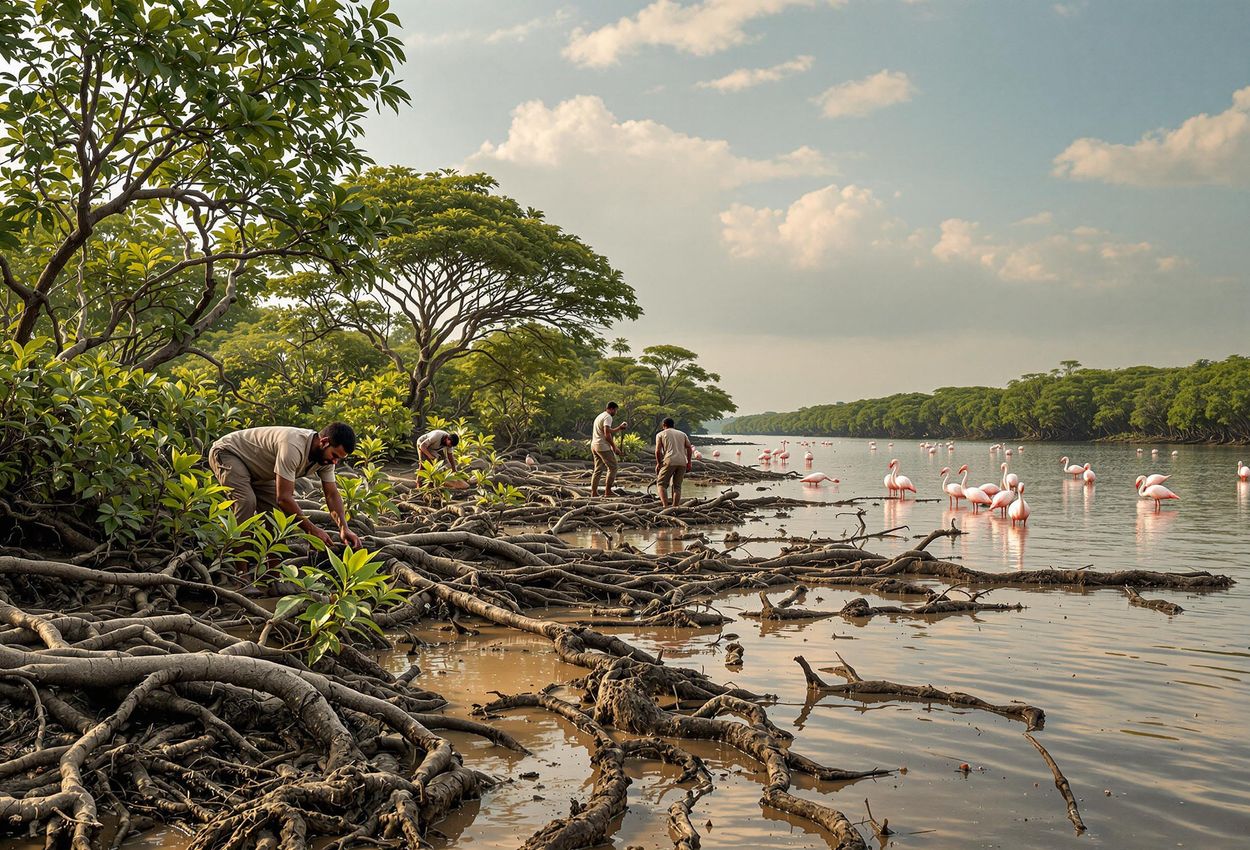
Rio Cacheu Mangroves Natural Park sprawls across northern Guinea-Bissau, a verdant tapestry woven where the Cacheu River meets the vast Atlantic Ocean. This unique intertidal forested wetland, recognized as a Ramsar site since 2015, encompasses a staggering 886 square kilometers, with over half its area blanketed by mangroves. As the largest continuous mangrove ecosystem in West Africa, it stands as a crucial biodiversity hotspot, teeming with life both above and below the waterline.
Imagine standing at the edge of this natural cathedral, the air thick with the briny scent of the ocean mingling with the earthy aroma of the mangroves. The Cacheu River, more of a ria where the sea penetrates the land, carves its way through the landscape, creating a haven for countless species. The gentle lapping of the water against the mangrove roots provides a constant, soothing soundtrack, punctuated by the rustling of leaves in the ocean breeze.
The park's ecological significance is further amplified by its diverse landscapes. Beyond the dense mangrove forests, you'll discover palm groves, savannah grasslands, and woodlands, each contributing to the area's rich biodiversity. This mosaic of habitats provides refuge and sustenance for a wide array of species, making Rio Cacheu a true sanctuary for nature.
Just a stone's throw away lies the historic town of Cacheu, a settlement with a past as rich and complex as the surrounding ecosystem. Founded in 1588, Cacheu was one of the earliest European colonial settlements in sub-Saharan Africa, strategically positioned on the Cacheu River. Its proximity adds a layer of cultural depth to the natural wonders of the park, inviting you to explore both the history and the ecology of this fascinating region.

For birdwatching aficionados, Rio Cacheu Mangroves Natural Park is nothing short of paradise. The park boasts an astounding 248 recorded bird species, a vibrant tapestry of local and migratory birds gracing its skies and waterways. Whether you're a seasoned birder or a novice enthusiast, the sheer diversity of avian life will leave you breathless.
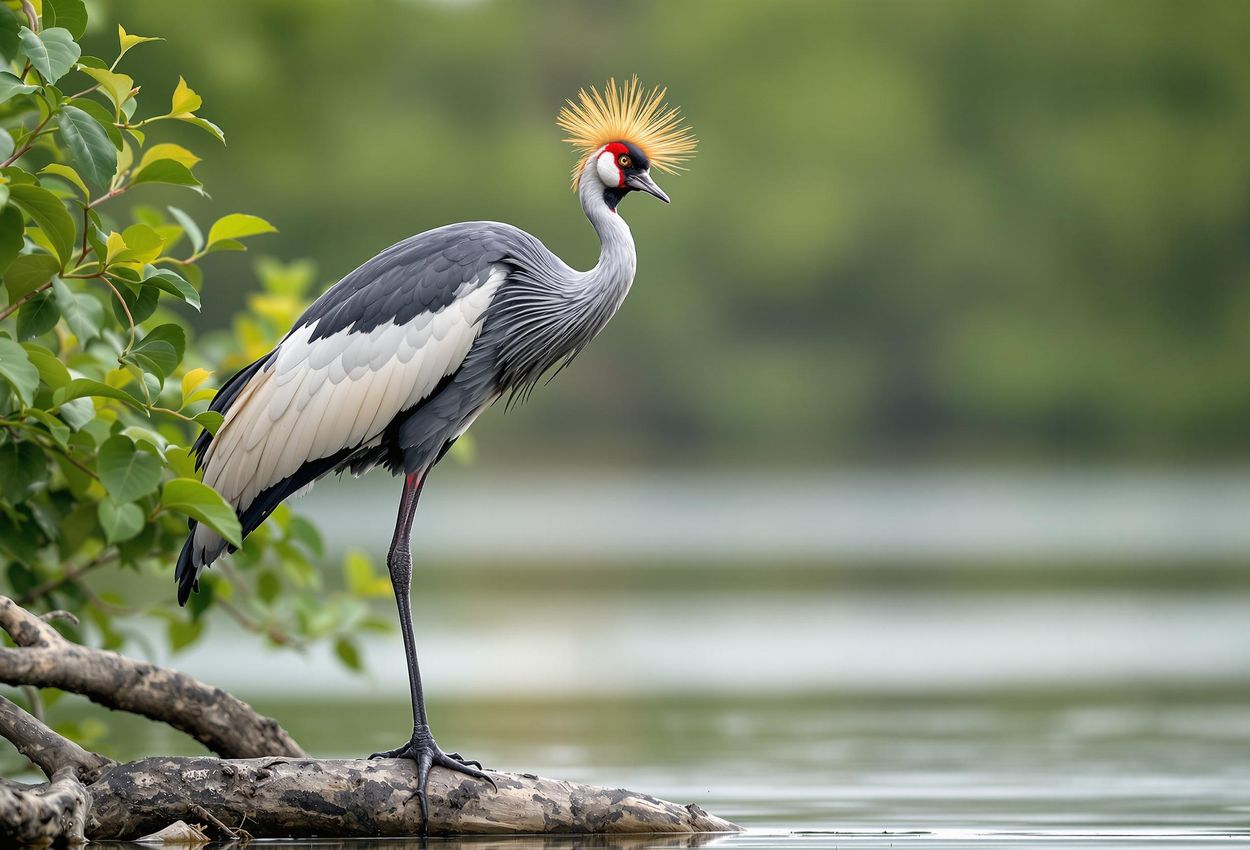
Keep your eyes peeled for iconic species like the elegant black crowned-crane, a symbol of grace and beauty, or the majestic greater flamingo, painting the landscape with flashes of pink. The African fish-eagle, with its distinctive call and impressive wingspan, is another highlight, soaring high above the river in search of its next meal.
Prime birdwatching spots abound within the park. The riverbanks offer excellent vantage points for spotting wading birds and waterfowl, while the observation points provide panoramic views of the mangrove canopy, perfect for spotting forest-dwelling species.
Local Tip: For the most rewarding birdwatching experience, rise with the sun or embrace the tranquility of the late afternoon. During these golden hours, the birds are most active, their calls echoing through the stillness of the park, creating a symphony of nature that will stay with you long after you leave.
To truly immerse yourself in the heart of Rio Cacheu Mangroves Natural Park, embark on a journey by pirogue, a traditional canoe that has navigated these waterways for generations. As you glide through the intricate network of mangrove tunnels, a whole new world unfolds, revealing the hidden wonders of this unique ecosystem.
Feel the gentle rocking of the boat as it cuts through the brackish water, the air thick with the scent of salt and earth. The dense mangrove canopy forms a verdant cathedral overhead, filtering the sunlight and casting dappled shadows on the water's surface. The silence is broken only by the rhythmic splash of the paddle and the occasional call of a hidden bird.
Keep a watchful eye on the banks, as you might be lucky enough to spot some of the park's elusive wildlife. Monkeys scamper through the trees, their playful chatter echoing through the forest. West African manatees, gentle giants of the sea, graze peacefully in the shallows. And if you're particularly fortunate, you might even catch a glimpse of a stealthy crocodile basking in the sun.
Guided tours are readily available, offering the opportunity to learn about the local ecosystem from experienced guides. These knowledgeable locals can share insights into the unique flora and fauna of the park, as well as the traditional uses of the mangroves by the local communities.

Within the boundaries of Rio Cacheu Mangroves Natural Park lie the bolanhas, traditional rice paddies that represent a vital part of the local communities' livelihoods and cultural heritage. These carefully cultivated fields showcase the ingenuity and sustainable practices of the people who have lived in harmony with this landscape for centuries.
Witness the intricate system of dikes and canals that control the flow of water, allowing the locals to cultivate rice in the nutrient-rich mudflats. These sustainable practices demonstrate a deep understanding of the delicate balance between agriculture and environmental conservation.
Rice farming holds immense cultural significance in this region, and if you're lucky, you might have the opportunity to witness or even participate in the rice harvest festival in one of the Felupe villages. This vibrant celebration is a testament to the community's connection to the land and their gratitude for its bounty.

While Rio Cacheu Mangroves Natural Park is a haven of natural beauty, it's important to acknowledge the historical significance of the nearby town of Cacheu, a former slave trading port. A visit to the Cacheu Slavery Museum and the Fort of Cacheu offers a moment of reflection on the past, a reminder of the resilience of the human spirit in the face of unimaginable adversity.
The Cacheu Slavery Museum, inaugurated in 2016, stands as a solemn tribute to the victims of the transatlantic slave trade. Through historical documents, photographs, and personal stories, the museum sheds light on the struggles and resilience of enslaved individuals, inviting visitors to engage with this dark chapter in history.
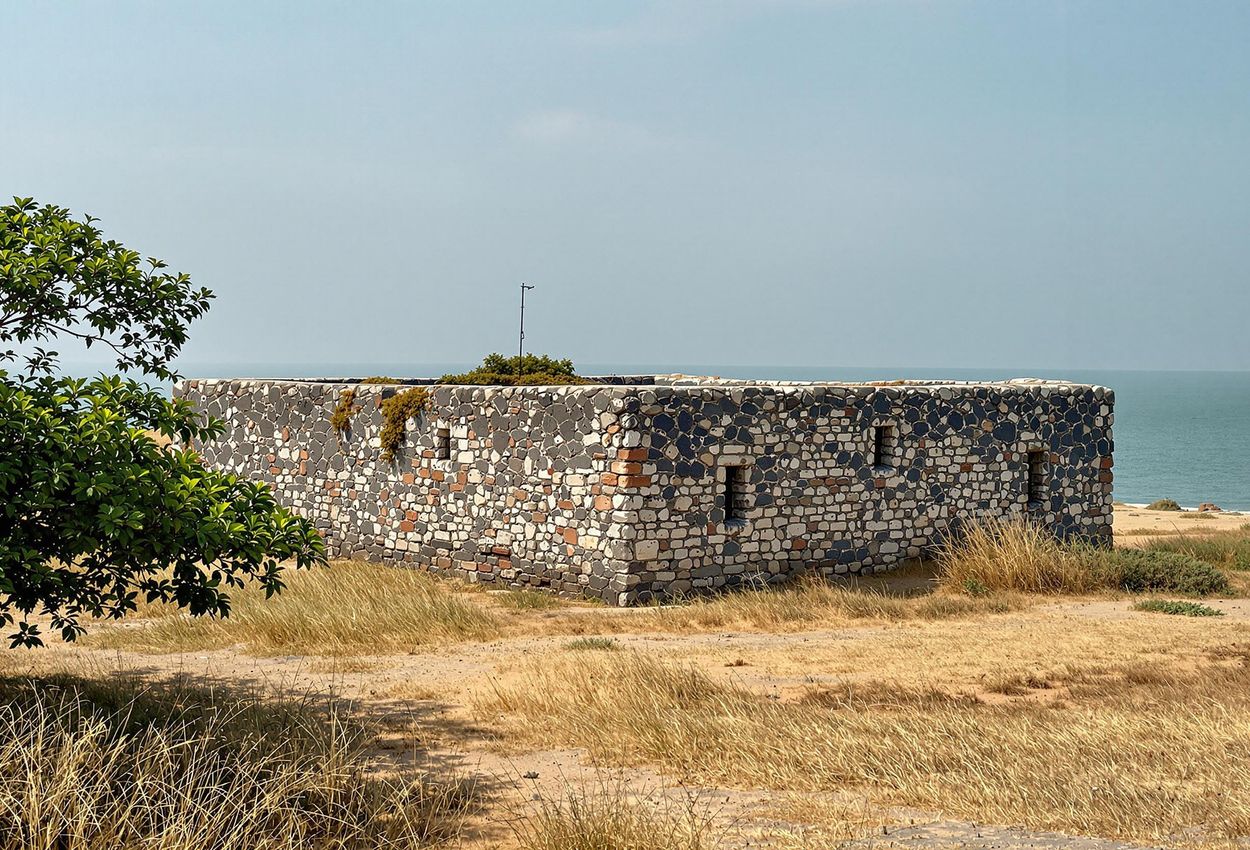
The Fort of Cacheu, dating back to the 16th century, stands as a silent witness to the town's past. Though small, the fort offers a glimpse into the early days of European colonization and the devastating impact of the slave trade on the region.
Connecting this historical context to the present-day conservation efforts highlights the resilience of the local communities, their determination to protect their natural heritage and build a more sustainable future.
As you explore the wonders of Rio Cacheu Mangroves Natural Park, embrace responsible travel practices to minimize your impact and contribute to the well-being of the local communities. Supporting local businesses, respecting the environment, and learning about the local culture are all essential steps towards sustainable tourism.
Seek out eco-tourism initiatives that prioritize community involvement and environmental conservation. Community-managed accommodations, such as those in Elalab, offer a unique opportunity to experience the traditional architecture of the Félupe ethnic group while directly supporting the local economy.
Remember to pack essentials like sunscreen, insect repellent, and binoculars to enhance your experience while minimizing your impact on the environment. By treading lightly and supporting local initiatives, you can ensure that Rio Cacheu Mangroves Natural Park remains a pristine paradise for generations to come.

The health of Rio Cacheu Mangroves Natural Park hinges on the conservation of its mangrove forests, vital ecosystems that play a crucial role in the region's ecological balance. Mangroves act as nurseries for fish, crustaceans, and molluscs, providing essential habitats for countless species. They also protect coastlines from erosion, storms, and sea-level rise, while supplying essential resources such as timber and fishery products.
Organizations like Wetlands International and IBAP (Institute for Biodiversity and Protected Areas) are actively involved in ongoing conservation efforts within the park. These initiatives include ecological mangrove restoration projects, aiming to rehabilitate abandoned rice fields and restore the natural water flow.
By supporting these conservation efforts and raising awareness about the importance of mangrove ecosystems, we can help ensure the long-term health and resilience of Rio Cacheu Mangroves Natural Park, protecting its biodiversity and the livelihoods of the communities that depend on it.
Embarking on your adventure to Rio Cacheu Mangroves Natural Park requires some logistical planning. The journey typically begins in Bissau, the capital of Guinea-Bissau, from where you can find transportation to the town of Cacheu.
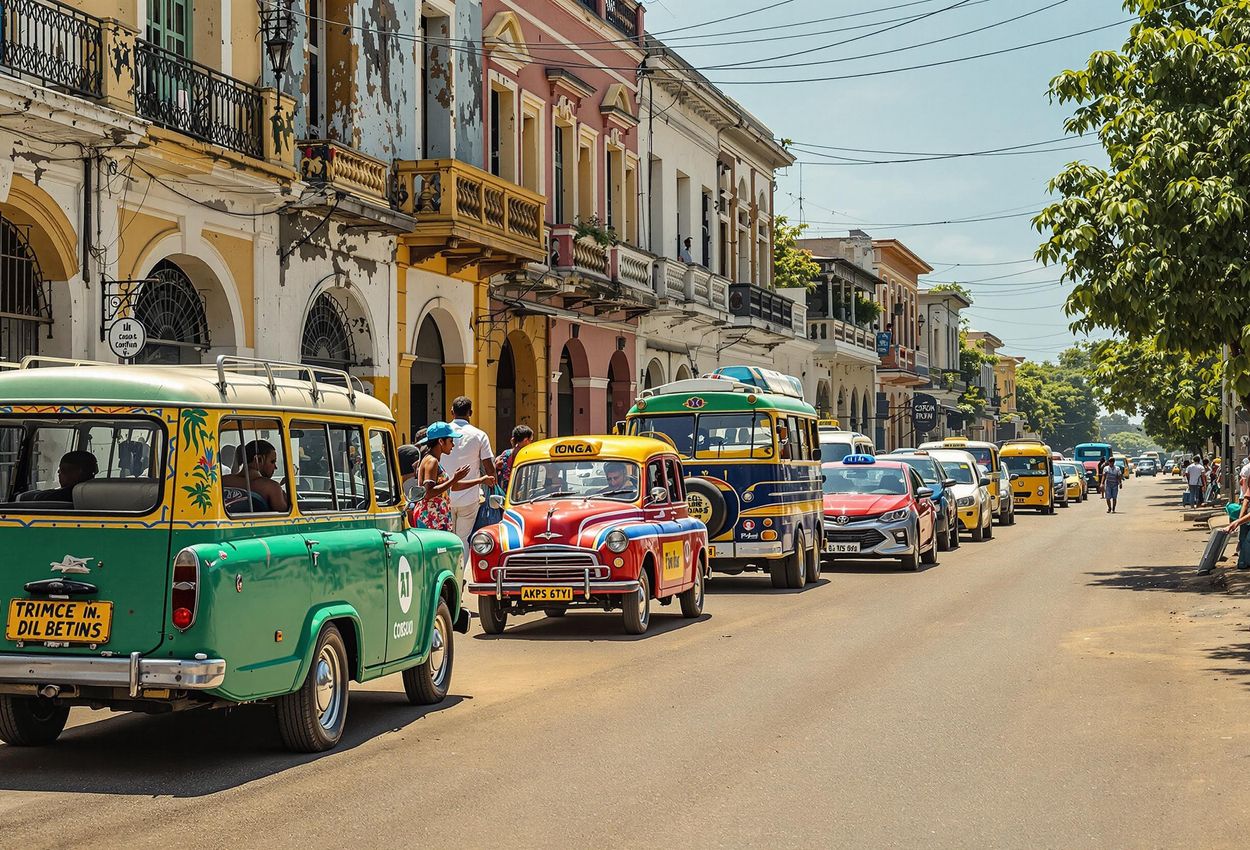
Shared taxis are a common and affordable option for traveling from Bissau to Cacheu, covering the distance in approximately 1.5 to 2 hours. From Cacheu, you can arrange boat trips to explore the park's waterways, immersing yourself in its natural wonders.
The best time to visit Rio Cacheu Mangroves Natural Park is during the dry season, which spans from November to May. During these months, the weather is more pleasant, wildlife viewing is optimal, and the waterways are easier to navigate. Remember to pack essentials such as binoculars, sunscreen, and insect repellent to ensure a comfortable and rewarding experience.
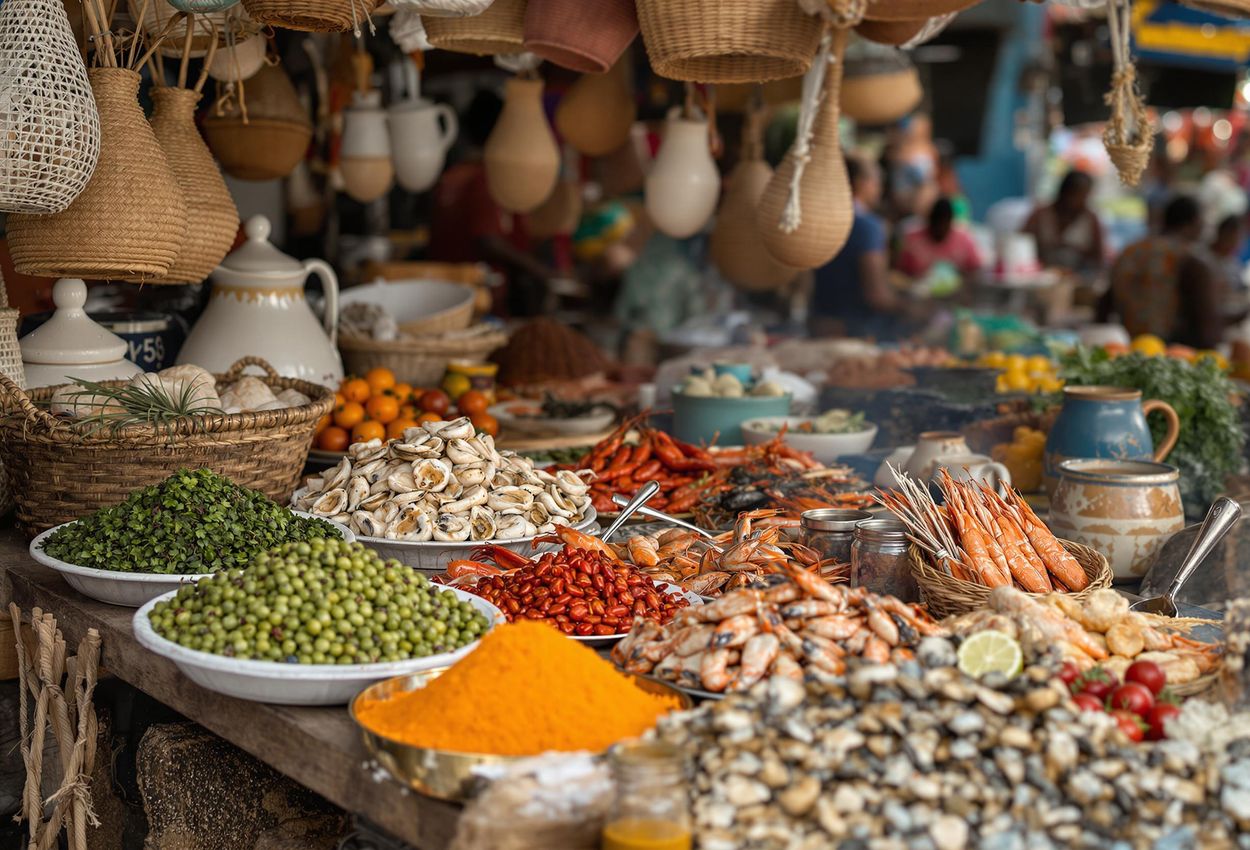
No journey is complete without indulging in the local cuisine, and Cacheu offers a delightful array of culinary experiences that will tantalize your taste buds. Fresh seafood takes center stage, reflecting the region's coastal location and abundant marine resources.
Traditional dishes often feature grilled or stewed fish, lobster, shrimp, and crab, prepared with local spices and served with rice, a staple food in Guinea-Bissau. Don't miss the opportunity to sample caldo de mancarra, a flavorful peanut stew that showcases the region's agricultural heritage.
Exploring the local markets is a must, offering a chance to sample regional produce and interact with local vendors. You might even have the opportunity to participate in the preparation of traditional meals, gaining a deeper understanding of the local culture and culinary traditions.
While birdwatching is a major draw, Rio Cacheu Mangroves Natural Park offers a wealth of other activities and sights to captivate your senses. Keep an eye out for West African manatees, gentle creatures that graze peacefully in the waterways, or playful dolphins leaping through the waves.
Green monkeys scamper through the trees, their curious eyes watching your every move, while stealthy crocodiles bask in the sun, adding an element of excitement to your exploration. The park's diverse landscapes, including palm forests, savannah grasslands, and woodlands, provide a stunning backdrop for your adventures.
The flora of the region is equally captivating, with six mangrove species thriving within the park, each playing a vital role in the ecosystem. From the stilt roots of the Rhizophora to the air-breathing pneumatophores of the Avicennia, the mangroves showcase the remarkable adaptations of plants to this unique environment.
As your journey through Rio Cacheu Mangroves Natural Park comes to an end, you'll carry with you memories of a truly special place, a sanctuary where nature reigns supreme and the rhythm of life beats in harmony with the tides. This is a destination that will stay with you long after you leave, inspiring you to appreciate the beauty and fragility of our planet and to embrace responsible travel practices that protect our natural heritage for generations to come.
Our editors` picks of the latest and greatest in travel - delivered to your inbox daily
Relax on the beaches and explore the reefs of Xai-Xai.
View More
Embrace the cooler temperatures and experience the International Festival of the Sahara in Douz this December.
View More
Celebrate the year-end festivities in Accra, culminating in the vibrant Afrofuture festival.
View More Albania EDITION
 Algeria EDITION
 Argentina EDITION
 Armenia EDITION
 Australia EDITION
 Austria EDITION
 Bangladesh EDITION
 Belgium EDITION
 Belize EDITION
 Benin EDITION
 Bhutan EDITION
 Bolivia EDITION
 Bosnia and Herzegovina EDITION
 Botswana EDITION
 Brazil EDITION
 Bulgaria EDITION
 Burkina Faso EDITION
 Cambodia EDITION
 Cameroon EDITION
 Canada EDITION
 Central African Republic EDITION
 Chad EDITION
 Chile EDITION
 China EDITION
 Colombia EDITION
 Costa Rica EDITION
 Croatia EDITION
 Cyprus EDITION
 Denmark EDITION
 Djibouti EDITION
 Ecuador EDITION
 Egypt EDITION
 El Salvador EDITION
 Eritrea EDITION
 Estonia EDITION
 Ethiopia EDITION
 Finland EDITION
 France EDITION
 Gabon EDITION
 Georgia EDITION
 Germany EDITION
 Ghana EDITION
 Greece EDITION
 Guatemala EDITION
 Guinea EDITION
 Guinea-Bissau EDITION
 Honduras EDITION
 Hungary EDITION
 Iceland EDITION
 India EDITION
 Indonesia EDITION
 Ireland EDITION
 Israel EDITION
 Italy EDITION
 Jamaica EDITION
 Japan EDITION
 Jordan EDITION
 Kenya EDITION
 Kuwait EDITION
 Laos EDITION
 Latvia EDITION
 Lebanon EDITION
 Lesotho EDITION
 Liberia EDITION
 Lithuania EDITION
 Luxembourg EDITION
 Madagascar EDITION
 Malawi EDITION
 Malaysia EDITION
 Maldives EDITION
 Mali EDITION
 Malta EDITION
 Mauritania EDITION
 Mauritius EDITION
 Mexico EDITION
 Mongolia EDITION
 Montenegro EDITION
 Morocco EDITION
 Mozambique EDITION
 Namibia EDITION
 Nepal EDITION
 Netherlands EDITION
 New Zealand EDITION
 Nicaragua EDITION
 Niger EDITION
 Nigeria EDITION
 Norway EDITION
 Oman EDITION
 Pakistan EDITION
 Panama EDITION
 Papua New Guinea EDITION
 Paraguay EDITION
 Peru EDITION
 Philippines EDITION
 Poland EDITION
 Portugal EDITION
 Qatar EDITION
 Romania EDITION
 Rwanda EDITION
 Saudi Arabia EDITION
 Senegal EDITION
 Serbia EDITION
 Singapore EDITION
 Slovakia EDITION
 Slovenia EDITION
 Somalia EDITION
 South Africa EDITION
 South Korea EDITION
 Spain EDITION
 Sri Lanka EDITION
 Suriname EDITION
 Sweden EDITION
 Switzerland EDITION
 Tanzania EDITION
 Thailand EDITION
 Tunisia EDITION
 Uganda EDITION
 United Arab Emirates EDITION
 United Kingdom EDITION
 Uruguay EDITION
 Venezuela EDITION
 Vietnam EDITION
 Zambia EDITION
 Zimbabwe EDITION
Subscribe to our newsletter and get the most captivating travel stories, hidden gems, and expert insights delivered straight to your inbox. As a subscriber, you’ll be first in line for exclusive content, premium offers, and unforgettable travel experiences