


Destination Guide
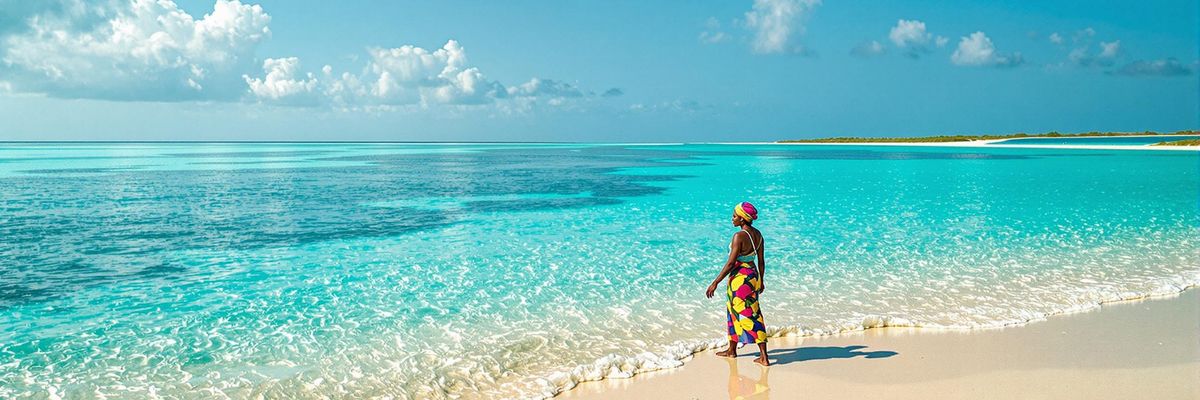
Xai-Xai: A Coastal Retreat
Relax on the beaches and explore the reefs of Xai-Xai.
View More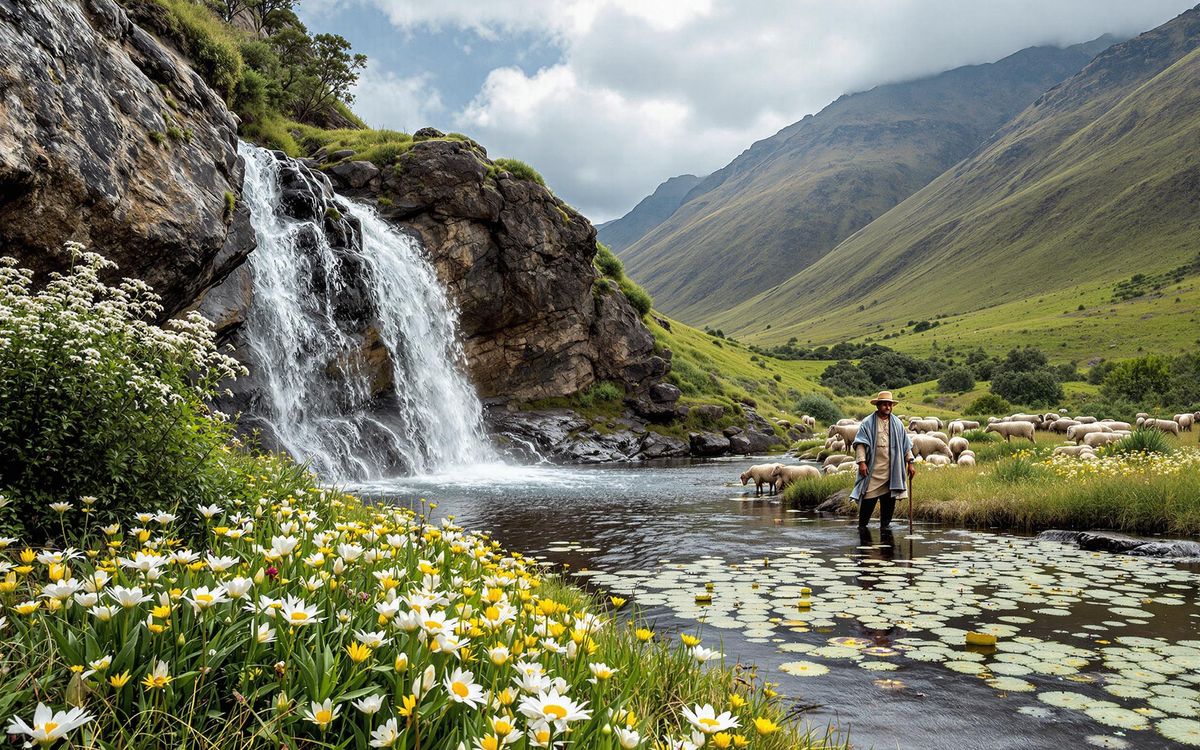

Venture into the heart of Lesotho, where the untamed beauty of Sehlabathebe National Park awaits. This remote sanctuary, a part of the Maloti-Drakensberg World Heritage Site, offers a soul-stirring escape for those who seek solitude amidst dramatic landscapes.
Imagine a place where rolling grasslands meet towering sandstone formations, where crystal-clear streams meander through an ancient landscape, and where the whispers of the San people echo through time. Sehlabathebe National Park, a jewel in the crown of Lesotho's natural wonders, beckons adventurous travelers to discover its pristine beauty. Established in 1969, this park, located in the Qacha's Nek District, is a haven of tranquility, far removed from the hustle and bustle of city life. As you traverse its vast expanse, you'll find yourself immersed in a world where nature reigns supreme, and the spirit of the mountains embraces you.
Sehlabathebe, meaning “Shield of the Plateau” in Sesotho, perfectly encapsulates the park's unique character. The park covers approximately 69.5 square kilometers at elevations ranging from 2,200 to 2,600 meters above sea level. As Lesotho's oldest protected area, Sehlabathebe National Park offers a sanctuary of solitude and tranquility for those seeking an escape from the ordinary. The park's remote location and rugged terrain have preserved its pristine condition, making it a haven for both wildlife and those who appreciate the unspoiled beauty of nature. Here, you can disconnect from the modern world and reconnect with the raw, untamed essence of the African highlands.
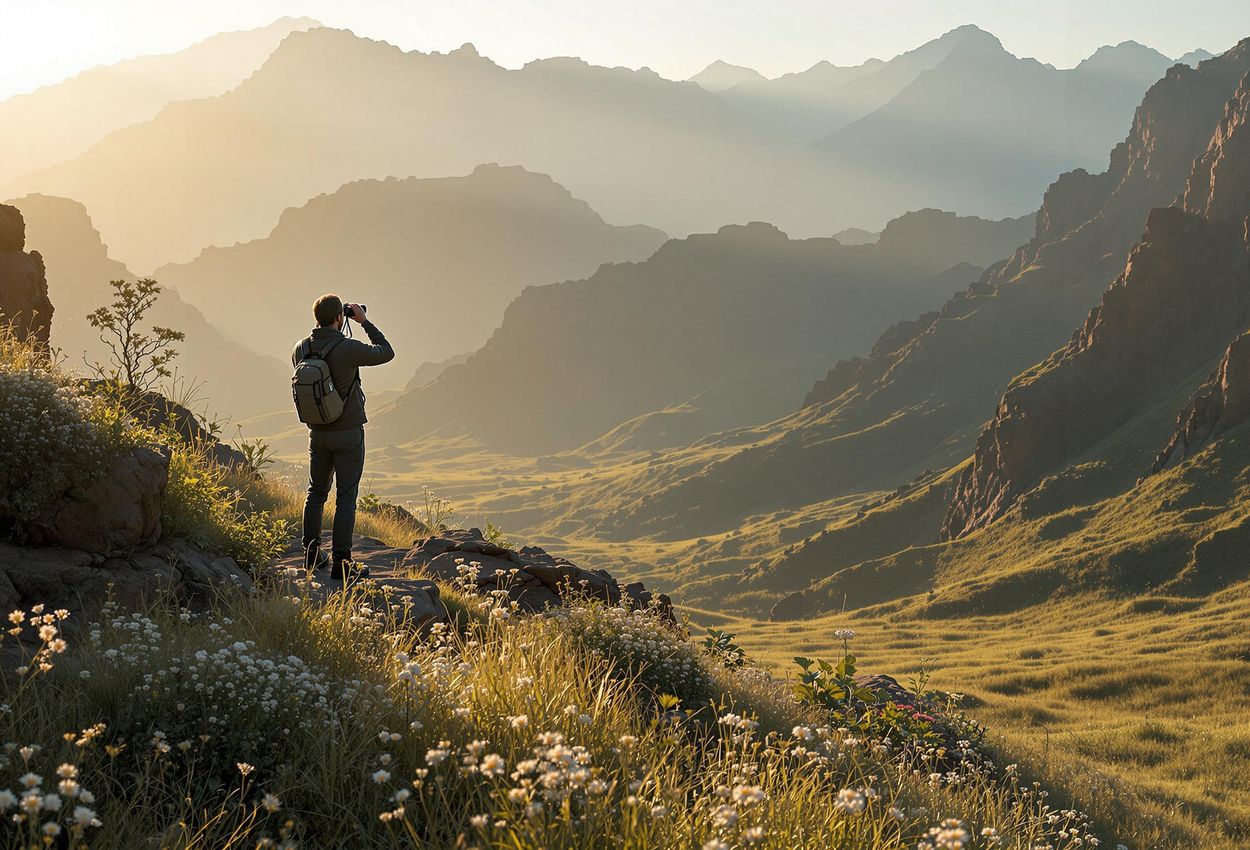
The park's unique landscape is a result of millions of years of geological activity and erosion. The Maloti Mountains, of which Sehlabathebe is a part, were formed by volcanic activity and shaped by the forces of wind and water. This has resulted in a dramatic landscape of rolling grasslands, interspersed with towering sandstone formations, rock arches, and unique rock pools. Clear streams and wetlands crisscross the park, providing a vital source of water for the region and supporting a diverse array of plant and animal life.
For adventurous travelers, Sehlabathebe National Park offers a chance to experience true wilderness. The park's remote location means that it is relatively untouched by tourism, allowing visitors to immerse themselves in the solitude and tranquility of the landscape. Whether you're hiking through the grasslands, exploring the rock formations, or simply sitting by a stream, you'll feel a sense of connection to nature that is hard to find elsewhere. The air is clean and crisp, the silence is profound, and the stars at night are breathtaking.
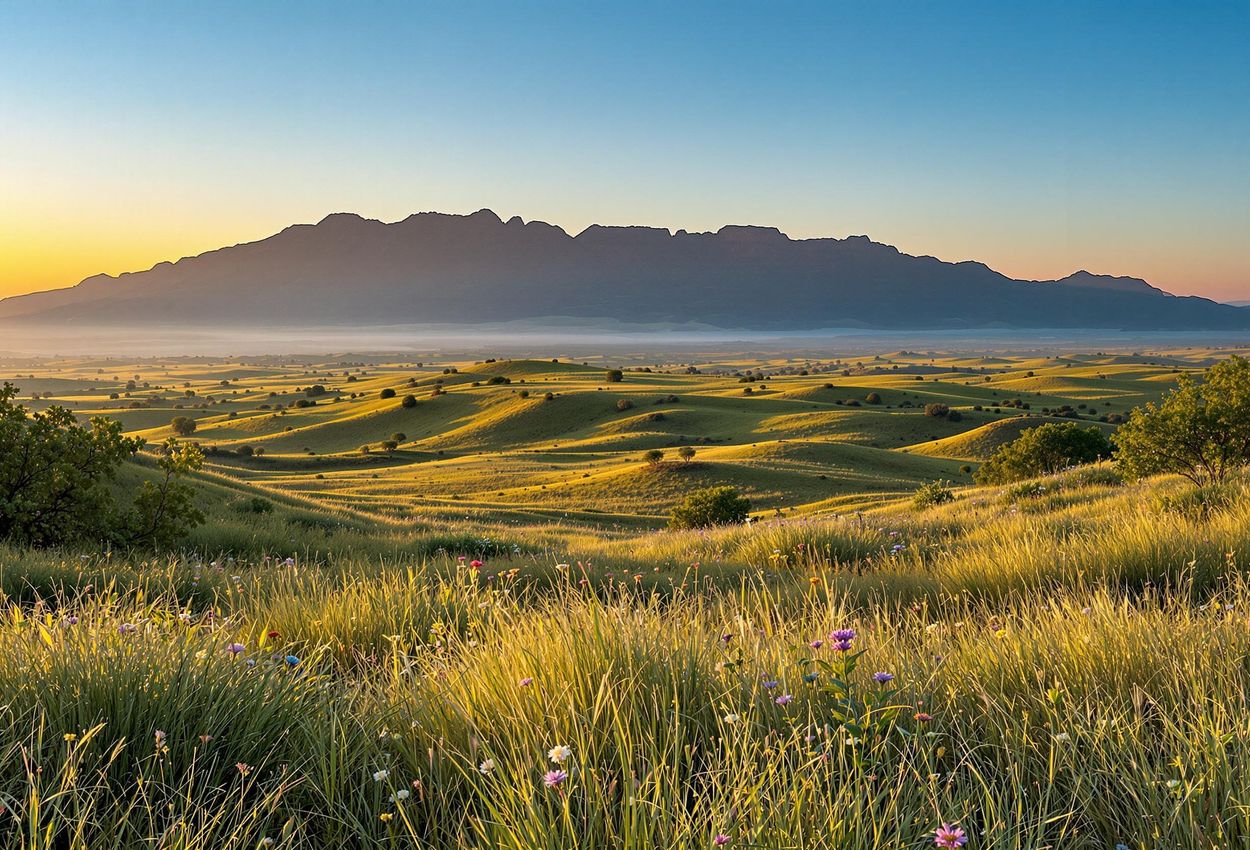
The dramatic landscape of Sehlabathebe National Park is a testament to the power of nature's artistry. The park's sandstone formations, sculpted by wind and water over millennia, create a surreal and captivating environment. Towering cliffs, rock arches, and unique rock pools dot the landscape, offering endless opportunities for exploration and discovery.
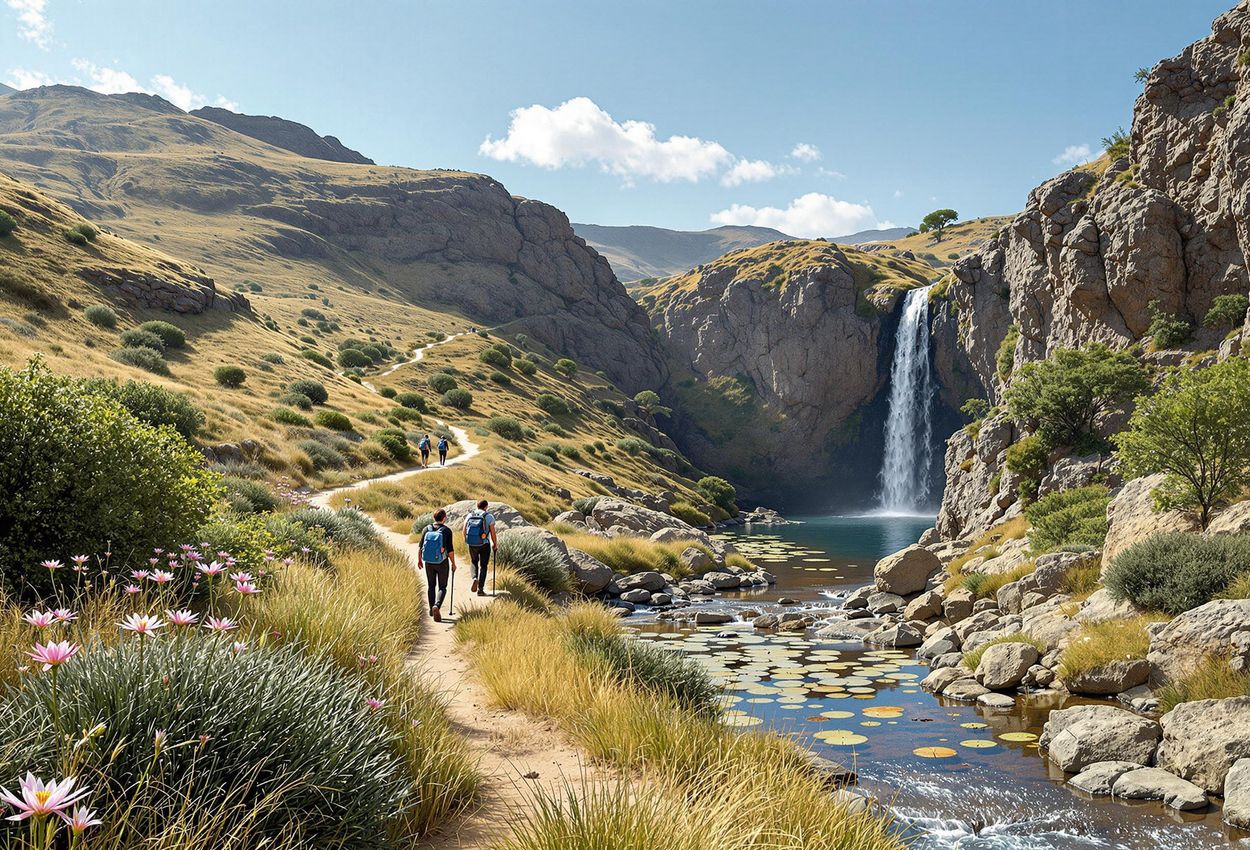
One of the park's most iconic features is the Tsoelikane Waterfall, the largest waterfall in Sehlabathebe. The Tsoelikana River plunges over a low cliff into a chilly natural swimming pool. The waterfall is particularly beautiful after rain, creating a serene atmosphere perfect for a picnic.
Another notable landmark is the 'Devil's Knuckles' or 'Three Bushmen' mountains, offering stunning vistas of the park. These peaks provide a challenging but rewarding climb for hikers, with panoramic views that stretch as far as the eye can see. From the summit, you can appreciate the vastness of the park and the intricate details of its landscape.
The diverse flora of Sehlabathebe National Park adds another layer of beauty to the landscape. The park is home to a variety of alpine and sub-alpine plant species, many of which are endemic to the region. Among these is the endangered Sehlabathebe water lily (Aponogeton ranunculiflorus), an aquatic plant that grows in the park's wetlands. This delicate flower, with its white and yellow petals, is a symbol of the park's unique biodiversity. The wildflowers bloom most prolifically between November and February.

Sehlabathebe National Park is a hiker's paradise, offering a range of trails that cater to all skill levels. From gentle strolls through the grasslands to challenging treks up the mountain peaks, there's a hike for everyone in this pristine wilderness.
One popular trail is the Sehlabathebe Trail, a moderate 2-mile hike that takes you through some of the park's most scenic areas. This trail offers stunning views of the sandstone formations, rock pools, and diverse flora that characterize the park. Another option is the Bushmans Nek Pass, a hard 19.8-mile hike. For those seeking a more challenging adventure, the Devil's Knuckles Valley trail offers a steep ascent to the summit of the 'Devil's Knuckles' mountains.
As you hike through Sehlabathebe National Park, you'll be immersed in the rugged terrain and breathtaking scenery. The trails wind through rolling grasslands, cross crystal-clear streams, and ascend rocky slopes, offering a diverse and rewarding experience. Along the way, you may encounter Basotho herdsmen tending to their livestock, a reminder of the traditional way of life that still thrives in this remote corner of Lesotho.
The solitude of the landscape is another key element of the Sehlabathebe hiking experience. With few other visitors around, you'll feel a sense of connection to the natural world that is hard to find in more crowded destinations. The silence is broken only by the sound of the wind, the chirping of birds, and the occasional call of a herdsman, creating a truly immersive and unforgettable experience.
Sehlabathebe National Park is not only a natural wonder but also a repository of cultural heritage. The park is home to numerous ancient rock art sites, providing a glimpse into the history and traditions of the San people who once inhabited this region.
It is estimated that there are 65 identified rock art sites within the park. The paintings, created by the San people over thousands of years, depict a variety of subjects, including animals, humans, and geometric patterns. The most accessible, and one of the best preserved, is signposted from the main road between the gate and the lodge.
The rock art provides valuable insights into the beliefs, customs, and daily lives of the San people. The depictions of animals, such as eland and other antelope, reflect the importance of hunting in their culture. The human figures, often depicted in hunting scenes or dancing rituals, offer a glimpse into their social structures and spiritual practices. The geometric patterns, while their exact meaning remains a mystery, may represent symbolic or religious concepts.
The cultural significance of the rock art is immense, as it provides a tangible link to the past and helps to preserve the heritage of the San people. The park strives to protect these fragile sites from damage and vandalism, ensuring that future generations can appreciate their beauty and learn from their stories. Exploring the rock art sites of Sehlabathebe National Park is a humbling and enriching experience, connecting you to the ancient history of this land and its people.

Sehlabathebe National Park is a haven for birdwatchers, boasting a rich and diverse birdlife. The park's varied ecosystems, from grasslands to wetlands to rocky slopes, provide habitat for a wide range of avian species, including several that are endangered. Sehlabathebe National Park has been recognized as an Important Bird Area (IBA) by BirdLife International.
Among the most sought-after sightings are the endangered Cape vulture (Gyps coprotheres) and bearded vulture (Gypaetus barbatus), majestic birds of prey that soar through the skies above the park. These vultures play a vital role in the ecosystem, scavenging on carcasses and helping to prevent the spread of disease. Other notable avian species that can be spotted in Sehlabathebe include the yellow-breasted pipit.
Birdwatchers can explore the park's diverse ecosystems for unique sightings. The grasslands are home to a variety of ground-nesting birds, while the wetlands attract waterfowl and other aquatic species. The rocky slopes provide habitat for birds of prey and other species that are adapted to the harsh alpine environment. Whether you're an experienced birder or a novice enthusiast, Sehlabathebe National Park offers a rewarding and unforgettable experience.
Planning a trip to Sehlabathebe National Park requires careful consideration, given its remote location and challenging terrain. Getting to the park typically requires a 4x4 vehicle, as the roads are unsurfaced and can be difficult to navigate, especially after heavy rains. It's advisable to check road conditions before you travel and to allow plenty of time for the journey.
Accommodation options within the park are limited but comfortable. The Sehlabathebe National Park Lodge offers self-catering units and camping facilities, providing a base from which to explore the area. It can accommodate up to 40 people. Campers also have the possibility of utilizing the dining room at the new lodge for meals. It's essential to book in advance, especially during peak season. Basic catered accommodation can be found a short distance outside the park.
Responsible travel is paramount in Sehlabathebe National Park, given its fragile ecosystem and cultural heritage. Visitors should respect the park's unique environment by avoiding littering, staying on marked trails, and minimizing their impact on the landscape. It's also important to respect the local culture and traditions of the Basotho people, who have lived in this region for centuries. Hiring local guides can enhance your experience and provide valuable insights into the park's natural and cultural history.
As you depart from Sehlabathebe National Park, carry with you the memories of its untamed beauty and the whispers of its ancient past. This remote wilderness is a reminder of the power and fragility of nature, and the importance of preserving it for future generations.
Our editors` picks of the latest and greatest in travel - delivered to your inbox daily
Relax on the beaches and explore the reefs of Xai-Xai.
View More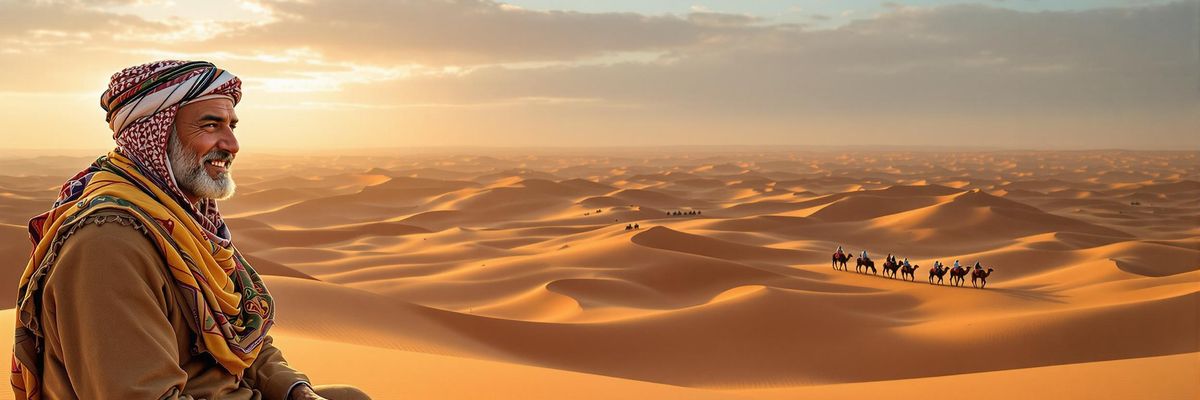
Embrace the cooler temperatures and experience the International Festival of the Sahara in Douz this December.
View More
Celebrate the year-end festivities in Accra, culminating in the vibrant Afrofuture festival.
View More Albania EDITION
 Algeria EDITION
 Argentina EDITION
 Armenia EDITION
 Australia EDITION
 Austria EDITION
 Bangladesh EDITION
 Belgium EDITION
 Belize EDITION
 Benin EDITION
 Bhutan EDITION
 Bolivia EDITION
 Bosnia and Herzegovina EDITION
 Botswana EDITION
 Brazil EDITION
 Bulgaria EDITION
 Burkina Faso EDITION
 Cambodia EDITION
 Cameroon EDITION
 Canada EDITION
 Central African Republic EDITION
 Chad EDITION
 Chile EDITION
 China EDITION
 Colombia EDITION
 Costa Rica EDITION
 Croatia EDITION
 Cyprus EDITION
 Denmark EDITION
 Djibouti EDITION
 Ecuador EDITION
 Egypt EDITION
 El Salvador EDITION
 Eritrea EDITION
 Estonia EDITION
 Ethiopia EDITION
 Finland EDITION
 France EDITION
 Gabon EDITION
 Georgia EDITION
 Germany EDITION
 Ghana EDITION
 Greece EDITION
 Guatemala EDITION
 Guinea EDITION
 Guinea-Bissau EDITION
 Honduras EDITION
 Hungary EDITION
 Iceland EDITION
 India EDITION
 Indonesia EDITION
 Ireland EDITION
 Israel EDITION
 Italy EDITION
 Jamaica EDITION
 Japan EDITION
 Jordan EDITION
 Kenya EDITION
 Kuwait EDITION
 Laos EDITION
 Latvia EDITION
 Lebanon EDITION
 Lesotho EDITION
 Liberia EDITION
 Lithuania EDITION
 Luxembourg EDITION
 Madagascar EDITION
 Malawi EDITION
 Malaysia EDITION
 Maldives EDITION
 Mali EDITION
 Malta EDITION
 Mauritania EDITION
 Mauritius EDITION
 Mexico EDITION
 Mongolia EDITION
 Montenegro EDITION
 Morocco EDITION
 Mozambique EDITION
 Namibia EDITION
 Nepal EDITION
 Netherlands EDITION
 New Zealand EDITION
 Nicaragua EDITION
 Niger EDITION
 Nigeria EDITION
 Norway EDITION
 Oman EDITION
 Pakistan EDITION
 Panama EDITION
 Papua New Guinea EDITION
 Paraguay EDITION
 Peru EDITION
 Philippines EDITION
 Poland EDITION
 Portugal EDITION
 Qatar EDITION
 Romania EDITION
 Rwanda EDITION
 Saudi Arabia EDITION
 Senegal EDITION
 Serbia EDITION
 Singapore EDITION
 Slovakia EDITION
 Slovenia EDITION
 Somalia EDITION
 South Africa EDITION
 South Korea EDITION
 Spain EDITION
 Sri Lanka EDITION
 Suriname EDITION
 Sweden EDITION
 Switzerland EDITION
 Tanzania EDITION
 Thailand EDITION
 Tunisia EDITION
 Uganda EDITION
 United Arab Emirates EDITION
 United Kingdom EDITION
 Uruguay EDITION
 Venezuela EDITION
 Vietnam EDITION
 Zambia EDITION
 Zimbabwe EDITION
Subscribe to our newsletter and get the most captivating travel stories, hidden gems, and expert insights delivered straight to your inbox. As a subscriber, you’ll be first in line for exclusive content, premium offers, and unforgettable travel experiences