



Destination Guide
Xai-Xai: A Coastal Retreat
Relax on the beaches and explore the reefs of Xai-Xai.
View More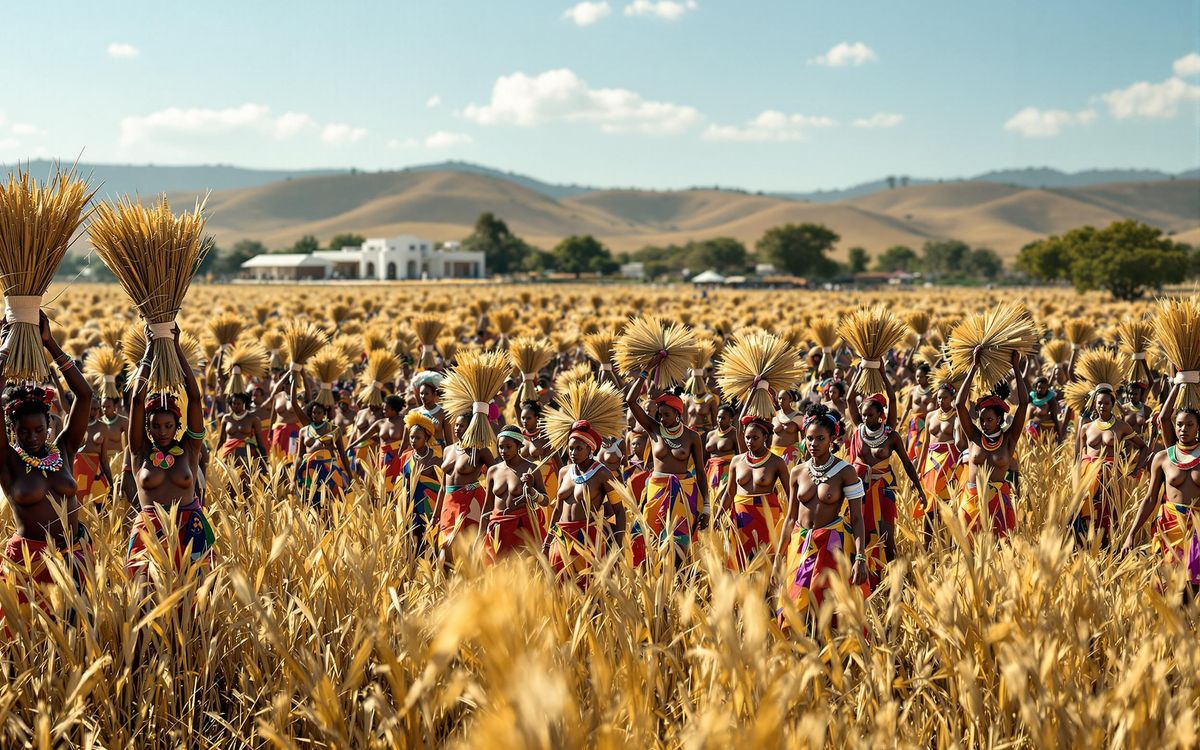

Eswatini's Umhlanga Reed Dance is more than just a festival; it's a vibrant expression of Swazi culture, unity, and heritage.
Each year, as the southern African winter gives way to the promise of spring, the Kingdom of Eswatini prepares for one of its most spectacular events: the Umhlanga Reed Dance. This isn't just a local tradition; it's a powerful symbol of national identity, a celebration of womanhood, and a display of unity that draws thousands of participants and spectators from across the globe. As September approaches, anticipation builds for this extraordinary cultural event, offering a unique window into the heart of Eswatini's rich traditions.
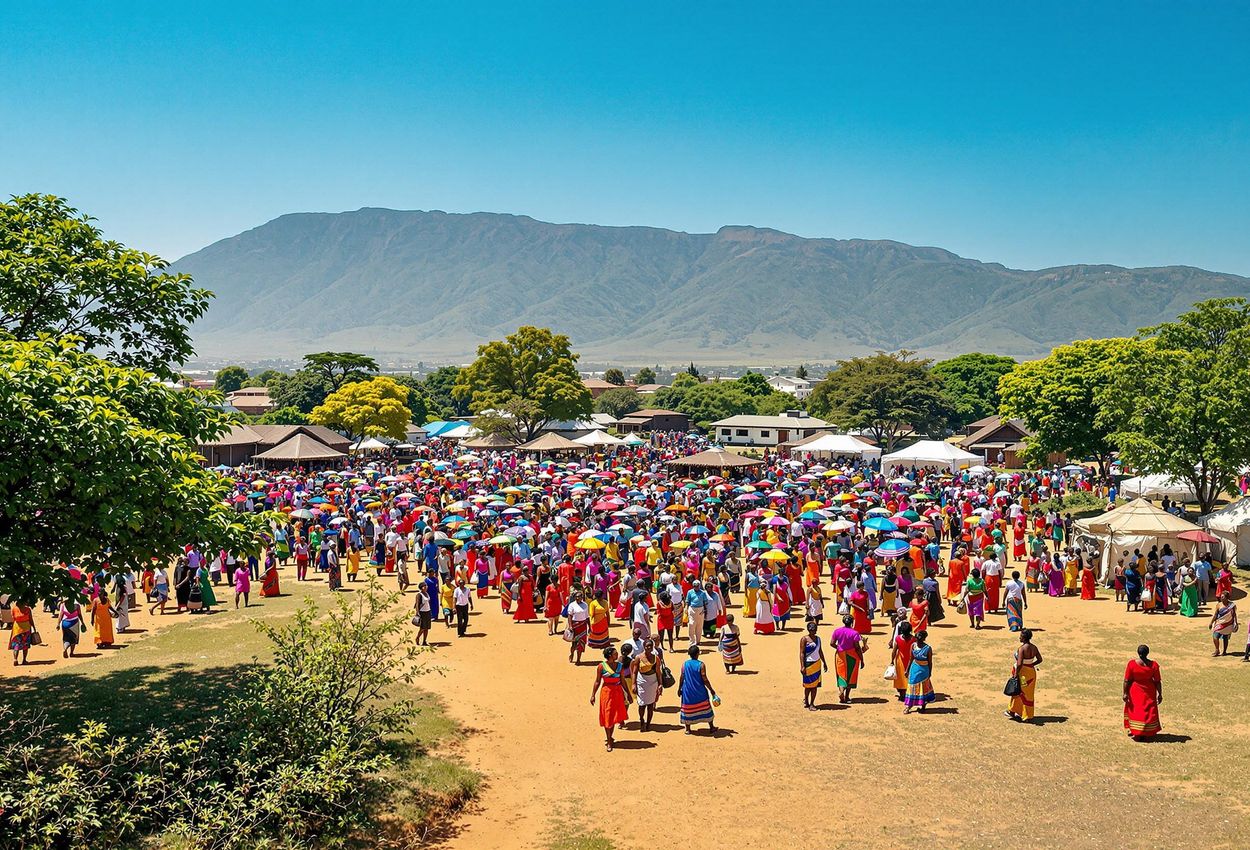
The Umhlanga Reed Dance doesn't just happen; it's meticulously planned and orchestrated, beginning with a royal summons. King Mswati III, the reigning monarch, officially announces the dates, setting in motion a flurry of activity across the kingdom. The logistical undertaking is immense, requiring coordination between various chiefdoms and the royal authorities. Leading the charge is Indvuna yeMbali Bongiwe Hlatjwako, a figure of great respect and authority, who oversees the registration and organization of the maidens.
As September 2nd dawns, the atmosphere around the Ludzidzini Royal Residence in Lobamba crackles with excitement. Young girls and women arrive in droves, clad in colorful traditional attire, their faces beaming with pride and anticipation. Registration is a crucial step, ensuring the safety and well-being of all participants. The sheer scale of the event is breathtaking, with thousands of girls converging on the royal residence, a testament to the deep cultural significance of Umhlanga.
The traditions upheld during this period are steeped in history and spirituality. The Umhlanga Reed Dance is not merely a performance; it's a sacred ritual, a tribute to the Queen Mother (Indlovukazi) and a reaffirmation of Swazi values. The spiritual significance permeates every aspect of the preparations, from the songs and dances to the meticulous attention to detail in the traditional costumes. Accommodating such a vast number of participants requires careful planning, with the royal residence transforming into a bustling hub of activity. Makeshift dormitories are set up, and communal kitchens are established to feed the thousands of girls who have traveled from far and wide.
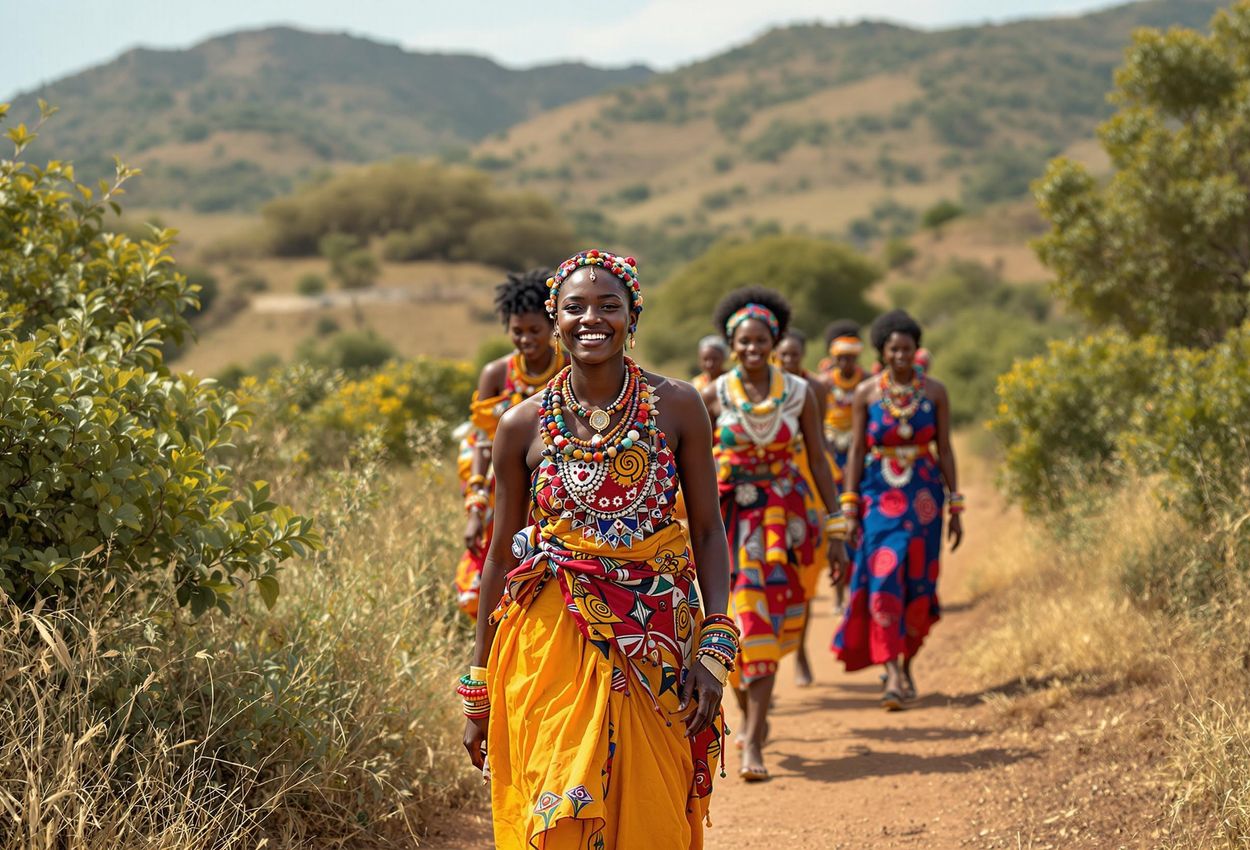
The heart of the Umhlanga Reed Dance lies in the journey to the reed beds, a physical and symbolic test of strength and unity. On September 3rd and 4th, the maidens embark on this arduous trek, their colorful attire a stark contrast to the rugged landscape. The journey is not uniform; the older girls, typically those aged 14 to 22, undertake a longer journey to Mphisi Farm, a distance of approximately 40 kilometers. The younger girls, aged 8 to 13, travel a shorter distance of about 10 kilometers to Bhamsakhe near Malkerns.
As they walk, the maidens sing and dance, their voices echoing through the valleys, creating a vibrant soundtrack to their journey. The songs are not just melodies; they are narratives, stories of their ancestors, and affirmations of their commitment to Swazi traditions. The dances are equally symbolic, each step and movement carrying a deeper meaning. The landscape itself becomes a character in this epic journey. The rolling hills, the vast plains, and the winding rivers all bear witness to the maidens' strength and determination. The sun beats down relentlessly, testing their endurance, but their spirits remain high, fueled by a sense of communal purpose.
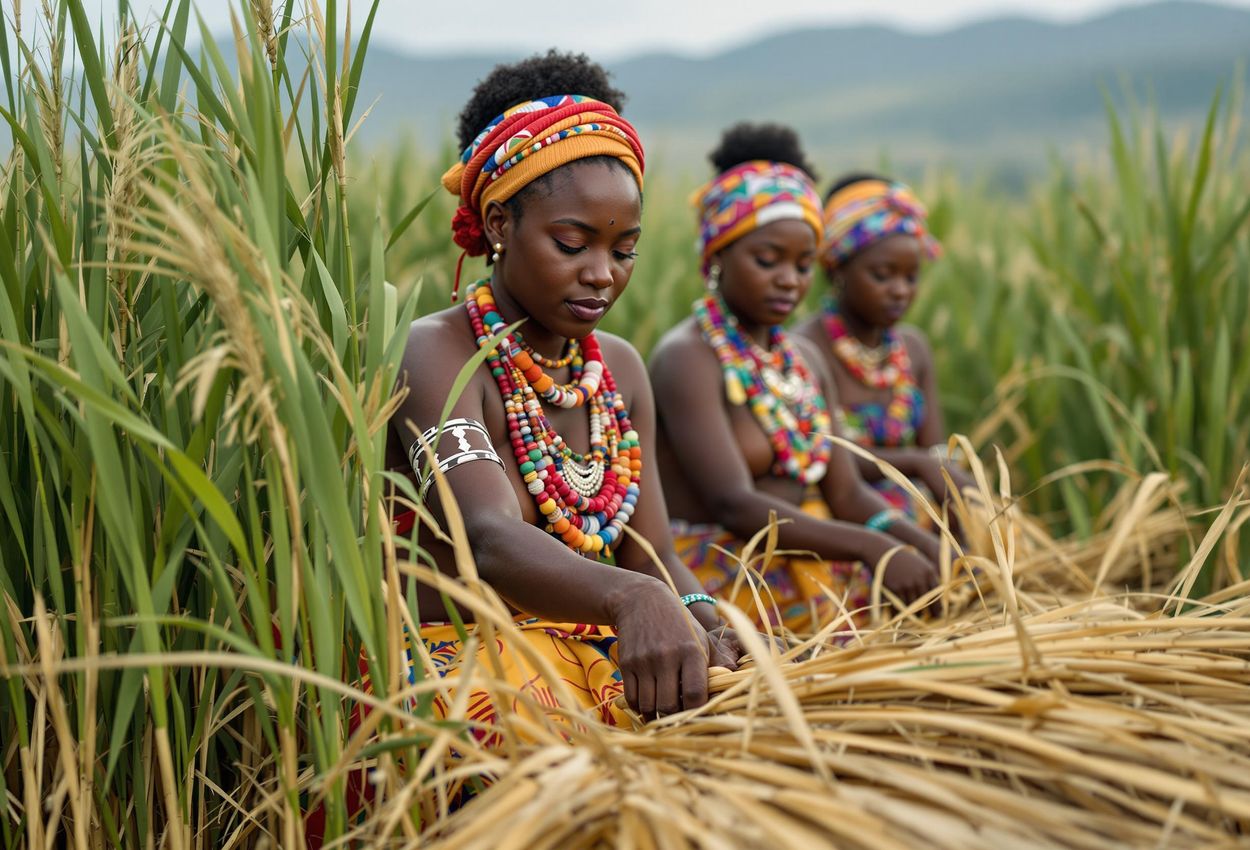
Reaching the reed beds is no easy feat. Armed with long knives, the girls carefully select and cut the reeds, choosing only the tallest and strongest. This labor is not merely practical; it's a symbolic act of tribute, a demonstration of their willingness to work for the Queen Mother and the betterment of their community. The reeds are then tied into bundles using traditional methods, showcasing their resourcefulness and connection to the land. The communal spirit is palpable, with girls helping each other, sharing stories, and offering encouragement. Despite the challenges, there is a sense of joy and camaraderie, a shared understanding of the importance of their task.
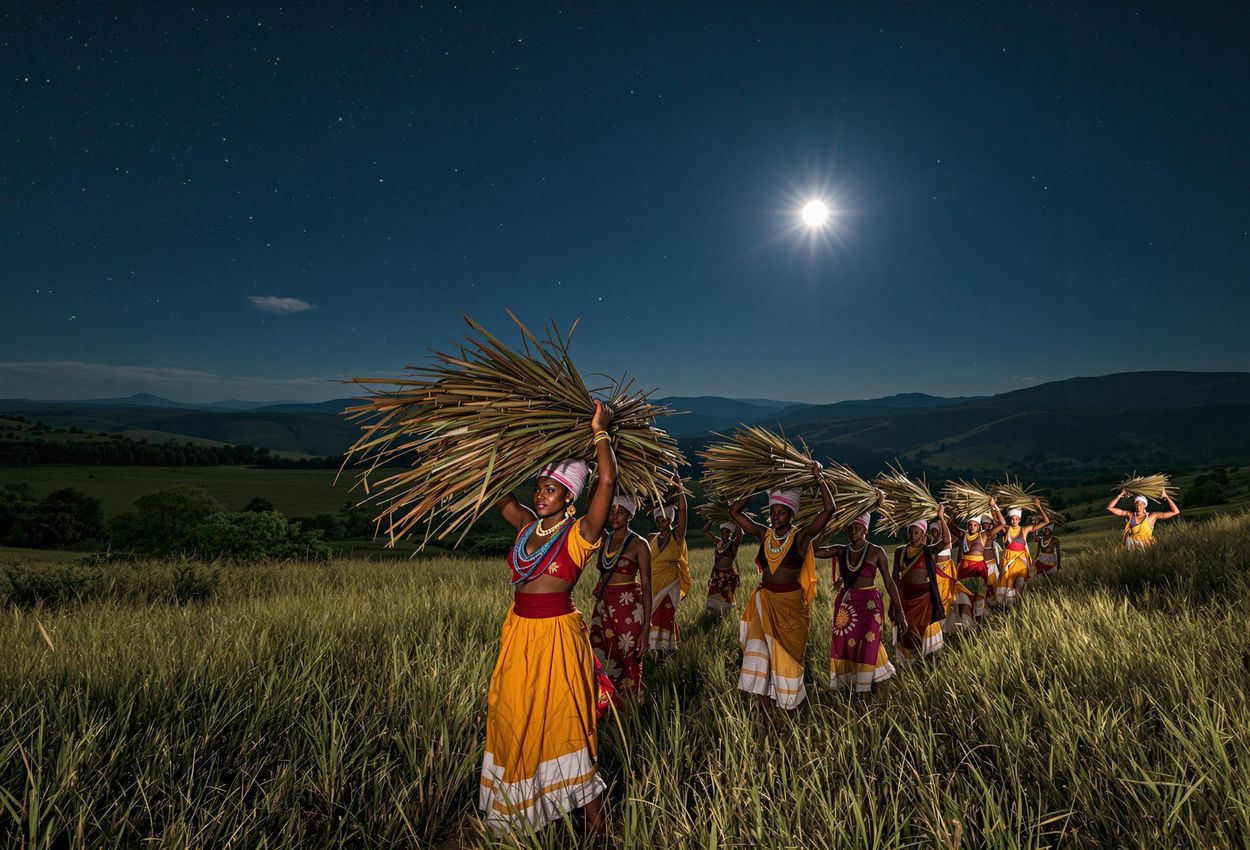
The return journey to Ludzidzini Royal Residence on September 5th is a powerful spectacle, imbued with symbolic significance. As darkness descends, the maidens begin their trek back, each carrying a bundle of reeds high above their heads. The reeds, now symbols of their labor and dedication, sway gently in the night breeze, creating an ethereal effect. The physical demands of this journey are considerable. The reeds are heavy, and the terrain is uneven, but the maidens press on, their determination unwavering. Their colorful attire, illuminated by the moonlight, adds to the visual drama of the scene.
The sounds of their songs echo through the valleys, a chorus of voices celebrating their heritage and their unity. The two groups, older and younger girls, maintain their formations, each carrying their respective loads with pride. Male supervisors accompany the maidens, ensuring their safety and providing guidance along the way. Their presence is a reminder of the community's commitment to protecting and supporting its young women.
Carrying the reeds back at night is not merely a logistical necessity; it's a symbolic act of defiance against the darkness, a demonstration of their courage and resilience. The journey is a metaphor for life's challenges, and the maidens' ability to overcome these challenges together is a testament to their strength and unity.
September 6th is a day of rest and preparation, a welcome respite after the arduous journey to and from the reed beds. The maidens use this day to meticulously prepare their traditional costumes, transforming themselves into vibrant symbols of Swazi culture. The process is a communal affair, with girls helping each other, sharing stories, and offering advice.
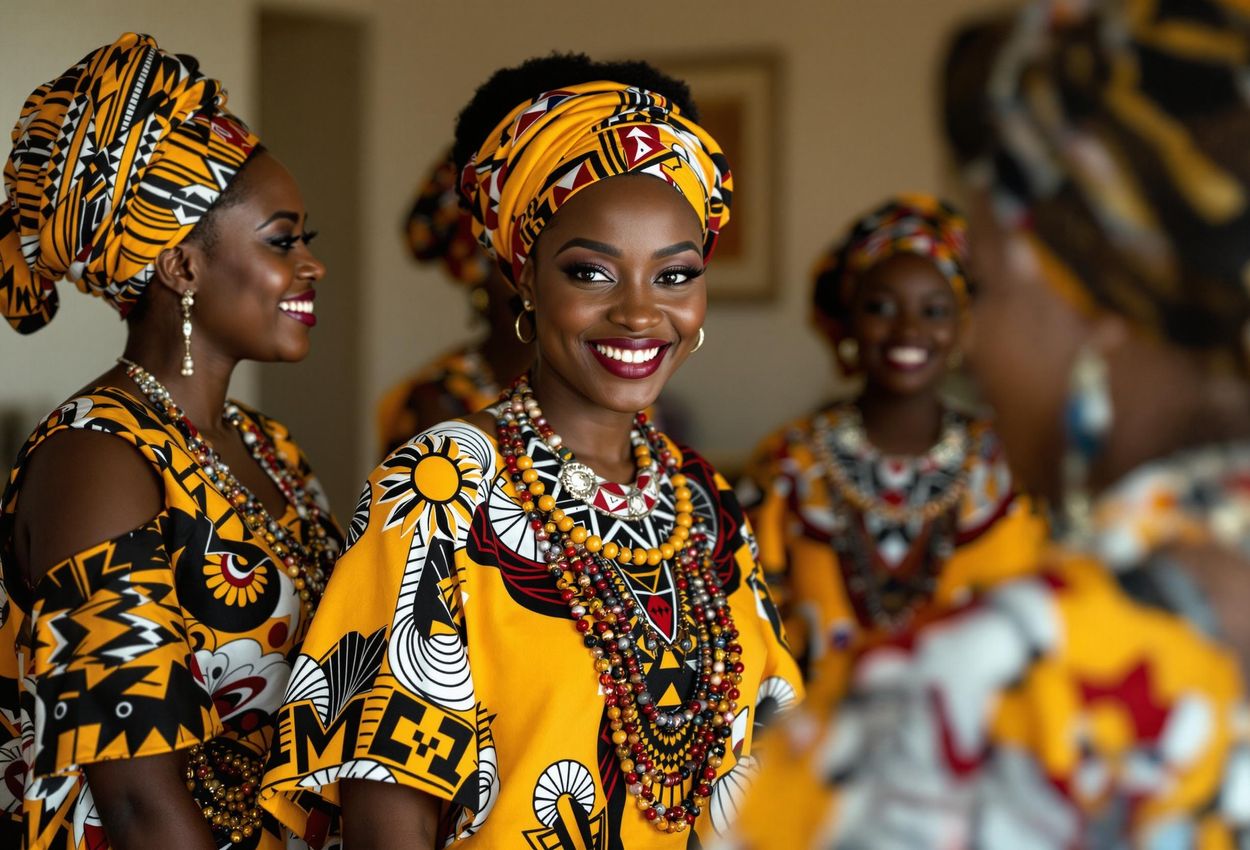
Each element of the attire is carefully considered, from the bead necklaces to the rattling anklets made from cocoons. The colorful sashes, adorned with intricate beadwork, are tied around their waists, adding a splash of vibrancy to their appearance. The indlamu skirts, made from animal skin, are carefully adjusted to ensure a perfect fit. The hairstyles are equally elaborate, with each girl taking pride in her unique design. Decorations, such as feathers and beads, are added to enhance their beauty and showcase their individuality.
The significance of each element of the attire is deeply rooted in Swazi tradition. The beads represent purity and innocence, while the rattling anklets symbolize the rhythm of life. The sashes denote their status as unmarried women, and the indlamu skirts pay homage to their ancestors. As they prepare, the girls share laughter and stories, strengthening the bonds of friendship and sisterhood. The communal atmosphere is a reminder that Umhlanga is not just an individual experience; it's a collective celebration of womanhood and Swazi heritage.
September 7th marks the presentation of the reeds to the Queen Mother (Indlovukazi), a moment of profound respect and reverence. The maidens form a procession, their colorful attire creating a kaleidoscope of beauty as they walk towards the royal enclosure. The order of the procession is carefully choreographed, with each group of girls maintaining their formation and rhythm.
The atmosphere is thick with anticipation as the maidens approach the Queen Mother. The reeds, now symbols of their tribute labor, are presented with grace and humility. The Queen Mother, a figure of immense authority and wisdom, offers her blessings and words of encouragement to the girls. Her words are not just platitudes; they are words of guidance, inspiration, and affirmation of their role in Swazi society.
The symbolism of the reeds as a gift is multifaceted. They represent the maidens' purity, their dedication to service, and their connection to the land. They are also a practical gift, used to repair the windbreaks around the Queen Mother's residence, providing protection and shelter. The sense of pride felt by the maidens is palpable. They have completed their task with diligence and grace, earning the respect of their community and the blessings of their Queen Mother.
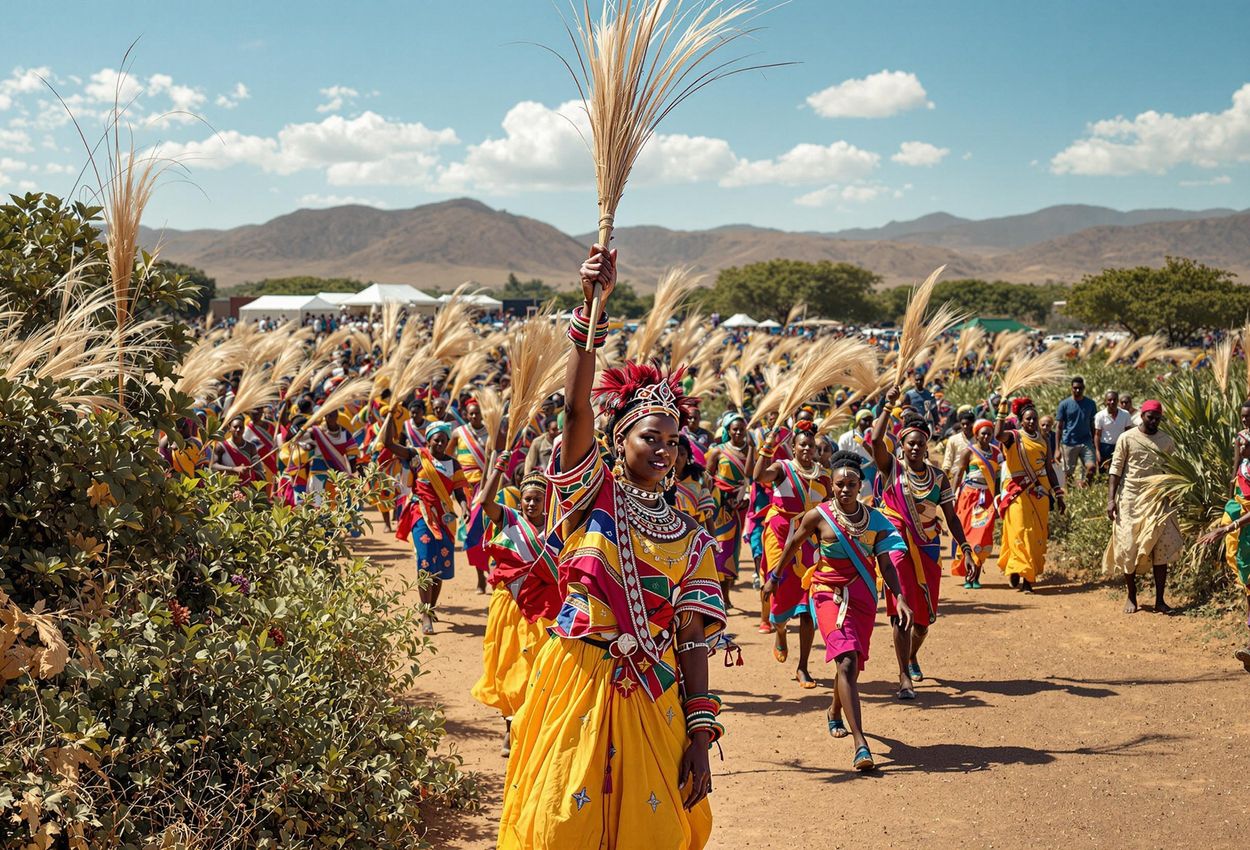
September 8th is the main day of the Umhlanga Reed Dance, a public holiday in Eswatini, and a spectacle unlike any other. The arrival of King Mswati III is a moment of high drama, with the crowd erupting in cheers and applause. Dignitaries from across the globe are in attendance, adding to the sense of occasion. But the true stars of the show are the maidens, their vibrant colors and rhythmic movements creating a mesmerizing display of Swazi culture.
The dancing begins, and the air is filled with the powerful songs of the maidens. Their voices blend together in perfect harmony, creating a symphony of sound that resonates deep within the soul. The rhythmic movements of their bodies are equally captivating, each step and sway telling a story of their heritage and their unity. The energy and excitement are infectious, with the crowd joining in the celebration, clapping, singing, and dancing along with the maidens.
The Umhlanga Reed Dance is more than just a performance; it's a reaffirmation of Swazi values, a celebration of womanhood, and a testament to the strength and unity of the Eswatini people. It's a reminder that tradition and modernity can coexist, and that cultural heritage is a source of pride and identity. For those attending the festival, it's important to be mindful of local customs and traditions. Modest dressing is essential, and respectful photography is encouraged, but always with consideration for the privacy and dignity of the subjects.
Local Tip: To respectfully capture the beauty of the Umhlanga Reed Dance through photography, focus on candid shots that showcase the vibrant colors and cultural pride without intruding on the dancers' personal space. Seek permission before taking close-up portraits and avoid using flash photography during the performances.
Hidden Gem: Beyond the main festivities, explore the local crafts and markets surrounding the Ludzidzini Royal Residence to discover unique handmade souvenirs and support local artisans, offering a deeper connection to the cultural richness of Eswatini.
The Umhlanga Reed Dance is a September spectacle that will leave you breathless, a cultural immersion that will stay with you long after you leave the Kingdom of Eswatini.
Our editors` picks of the latest and greatest in travel - delivered to your inbox daily
Relax on the beaches and explore the reefs of Xai-Xai.
View More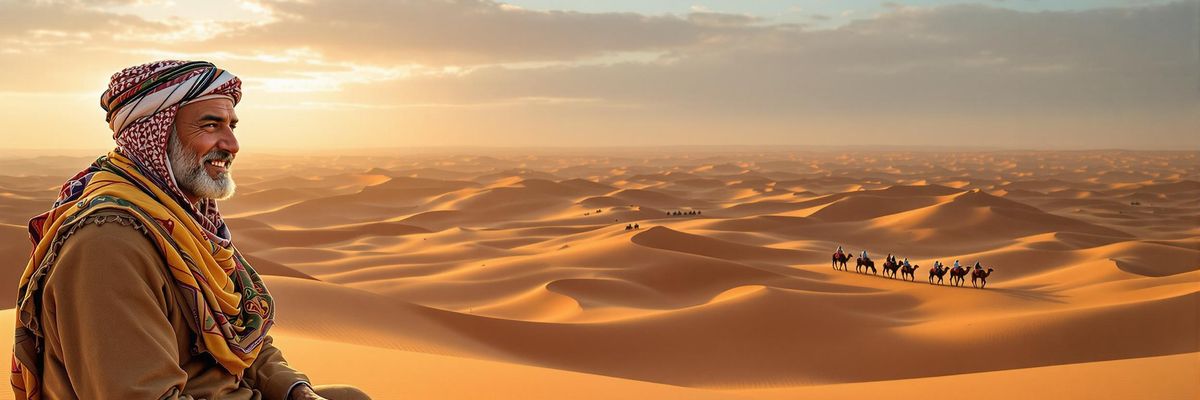
Embrace the cooler temperatures and experience the International Festival of the Sahara in Douz this December.
View More
Celebrate the year-end festivities in Accra, culminating in the vibrant Afrofuture festival.
View More Albania EDITION
 Algeria EDITION
 Argentina EDITION
 Armenia EDITION
 Australia EDITION
 Austria EDITION
 Bangladesh EDITION
 Belgium EDITION
 Belize EDITION
 Benin EDITION
 Bhutan EDITION
 Bolivia EDITION
 Bosnia and Herzegovina EDITION
 Botswana EDITION
 Brazil EDITION
 Bulgaria EDITION
 Burkina Faso EDITION
 Cambodia EDITION
 Cameroon EDITION
 Canada EDITION
 Central African Republic EDITION
 Chad EDITION
 Chile EDITION
 China EDITION
 Colombia EDITION
 Costa Rica EDITION
 Croatia EDITION
 Cyprus EDITION
 Denmark EDITION
 Djibouti EDITION
 Ecuador EDITION
 Egypt EDITION
 El Salvador EDITION
 Eritrea EDITION
 Estonia EDITION
 Ethiopia EDITION
 Finland EDITION
 France EDITION
 Gabon EDITION
 Georgia EDITION
 Germany EDITION
 Ghana EDITION
 Greece EDITION
 Guatemala EDITION
 Guinea EDITION
 Guinea-Bissau EDITION
 Honduras EDITION
 Hungary EDITION
 Iceland EDITION
 India EDITION
 Indonesia EDITION
 Ireland EDITION
 Israel EDITION
 Italy EDITION
 Jamaica EDITION
 Japan EDITION
 Jordan EDITION
 Kenya EDITION
 Kuwait EDITION
 Laos EDITION
 Latvia EDITION
 Lebanon EDITION
 Lesotho EDITION
 Liberia EDITION
 Lithuania EDITION
 Luxembourg EDITION
 Madagascar EDITION
 Malawi EDITION
 Malaysia EDITION
 Maldives EDITION
 Mali EDITION
 Malta EDITION
 Mauritania EDITION
 Mauritius EDITION
 Mexico EDITION
 Mongolia EDITION
 Montenegro EDITION
 Morocco EDITION
 Mozambique EDITION
 Namibia EDITION
 Nepal EDITION
 Netherlands EDITION
 New Zealand EDITION
 Nicaragua EDITION
 Niger EDITION
 Nigeria EDITION
 Norway EDITION
 Oman EDITION
 Pakistan EDITION
 Panama EDITION
 Papua New Guinea EDITION
 Paraguay EDITION
 Peru EDITION
 Philippines EDITION
 Poland EDITION
 Portugal EDITION
 Qatar EDITION
 Romania EDITION
 Rwanda EDITION
 Saudi Arabia EDITION
 Senegal EDITION
 Serbia EDITION
 Singapore EDITION
 Slovakia EDITION
 Slovenia EDITION
 Somalia EDITION
 South Africa EDITION
 South Korea EDITION
 Spain EDITION
 Sri Lanka EDITION
 Suriname EDITION
 Sweden EDITION
 Switzerland EDITION
 Tanzania EDITION
 Thailand EDITION
 Tunisia EDITION
 Uganda EDITION
 United Arab Emirates EDITION
 United Kingdom EDITION
 Uruguay EDITION
 Venezuela EDITION
 Vietnam EDITION
 Zambia EDITION
 Zimbabwe EDITION
Subscribe to our newsletter and get the most captivating travel stories, hidden gems, and expert insights delivered straight to your inbox. As a subscriber, you’ll be first in line for exclusive content, premium offers, and unforgettable travel experiences