


Destination Guide
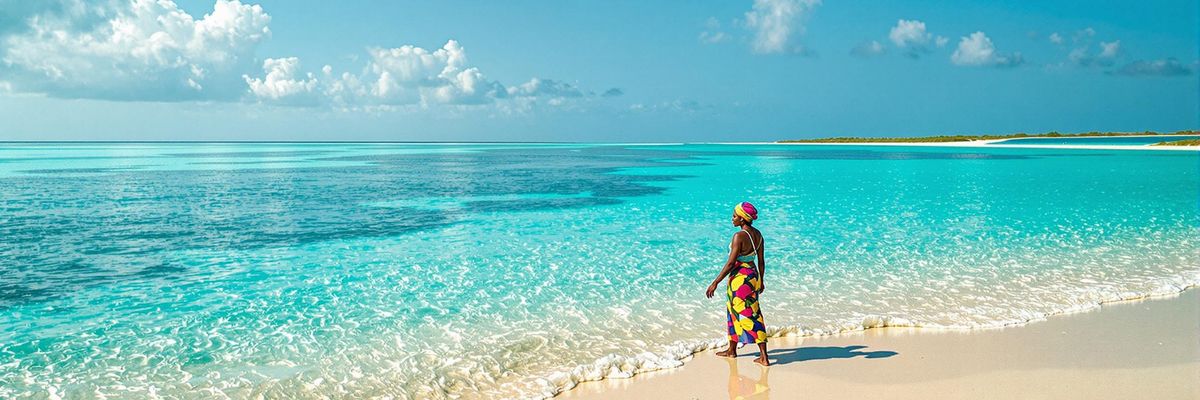
Xai-Xai: A Coastal Retreat
Relax on the beaches and explore the reefs of Xai-Xai.
View More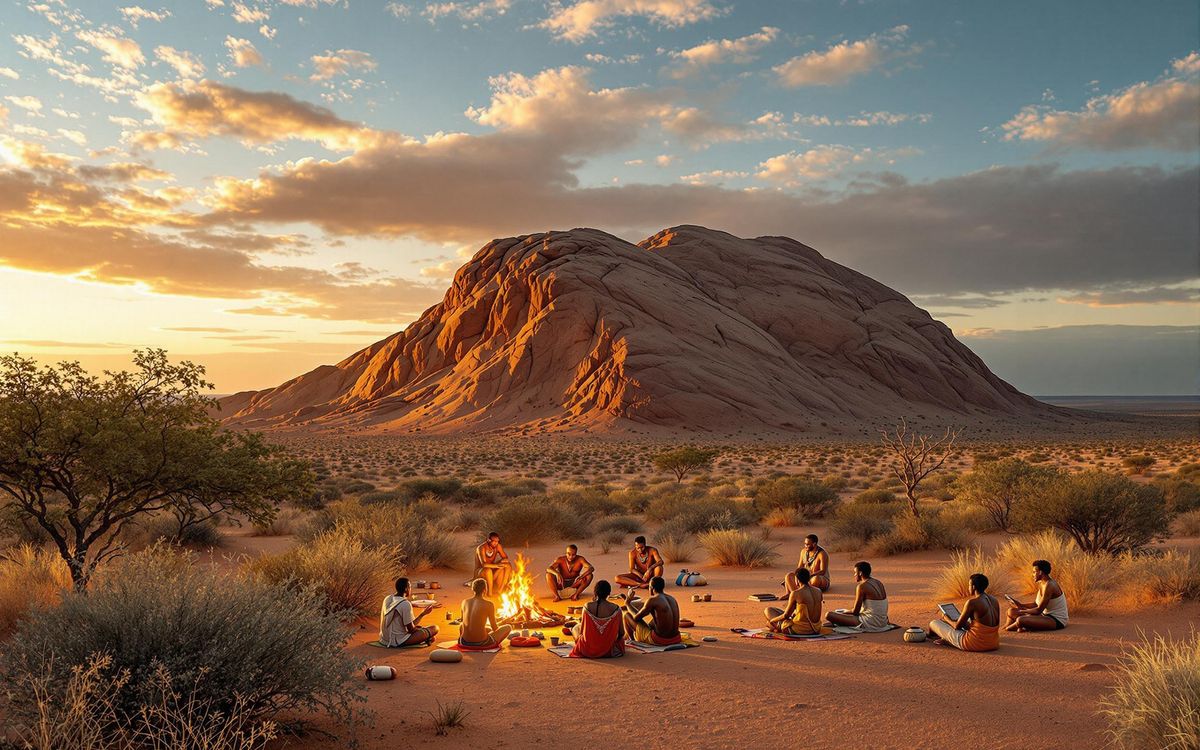

Rising from the vast expanse of the Kalahari Desert, the Tsodilo Hills beckon travelers to a realm where ancient art whispers tales of humanity's enduring connection to the land. This UNESCO World Heritage Site in northwest Botswana is more than just a collection of rocks; it's a spiritual sanctuary, an open-air museum, and a testament to the rich cultural heritage of the San people.
As September casts its golden hue over the landscape, the Tsodilo Hills offer a unique opportunity to step back in time and immerse oneself in the stories etched onto these ancient canvases. Join us as we explore the depths of this remarkable destination, guided by the echoes of the past and the vibrant traditions of its people.
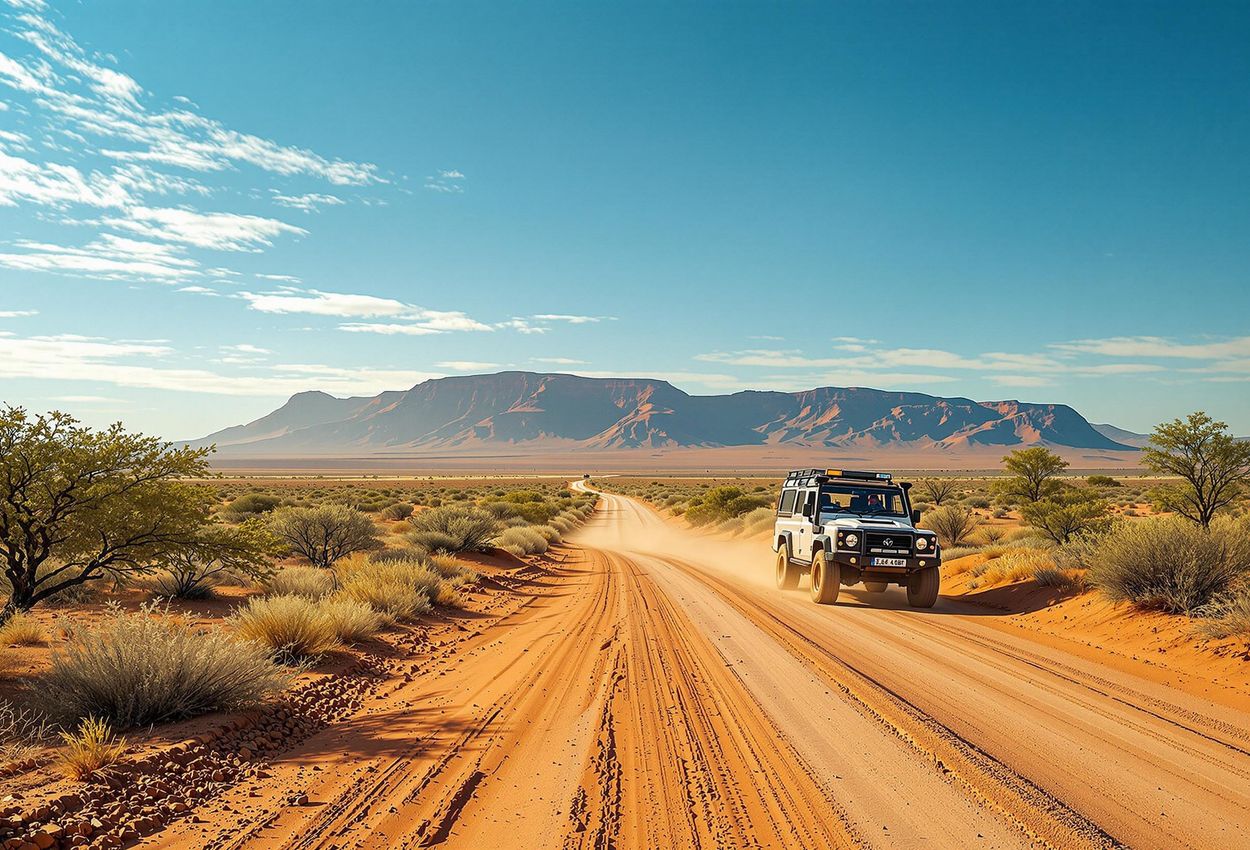
The journey to Tsodilo Hills is an adventure in itself, a pilgrimage into the heart of the Kalahari. Whether you're traveling from Maun or Shakawe, the remoteness of the location becomes apparent as the landscape transforms. The paved roads gradually give way to sandy tracks, demanding a reliable 4x4 vehicle to navigate the rugged terrain.
The best time to undertake this expedition is during the cooler months, from April to October, when the harsh African sun relents, offering a more temperate climate for exploration. As you drive, the air crackles with anticipation, the heat shimmers above the horizon, and the fine dust coats everything in a sepia tone. The vastness of the Kalahari stretches out before you, an ocean of sand and scrub dotted with the occasional acacia tree.
Then, seemingly out of nowhere, the Tsodilo Hills emerge. Rising dramatically from the flat earth, they stand as silent sentinels, their ancient presence palpable even from afar. This sudden appearance is a breathtaking sight, a testament to the unique geological forces that shaped this landscape over millennia. The sense of arrival is profound, a feeling of having reached a place set apart, a destination where time itself seems to slow down.
The Tsodilo Hills are comprised of four main hills, each holding its own significance and shrouded in legend. The largest, known as Male Hill, stands tall and imposing, a symbol of strength and authority. Beside it, Female Hill exudes a nurturing presence, believed to be the dwelling place of ancestral spirits and the home of the gods. The Child Hill, smaller in stature, completes the central trio, representing the promise of future generations.
An unnamed fourth hill, often referred to as the First Wife, adds another layer to the mythology. According to local lore, this hill was once the partner of Male Hill, but was cast aside for a younger bride, now represented by Female Hill. This tale of love and betrayal echoes through the ages, a reminder of the complexities of human relationships and the enduring power of storytelling.
For the San people, the Tsodilo Hills are a sacred resting place for ancestral spirits. They believe that these hills are imbued with spiritual energy, a conduit between the earthly realm and the world beyond. The Hambukushu people, who also share a deep connection to this land, believe that the hills mark the spot where God brought humans to earth, further emphasizing the site's profound spiritual importance.
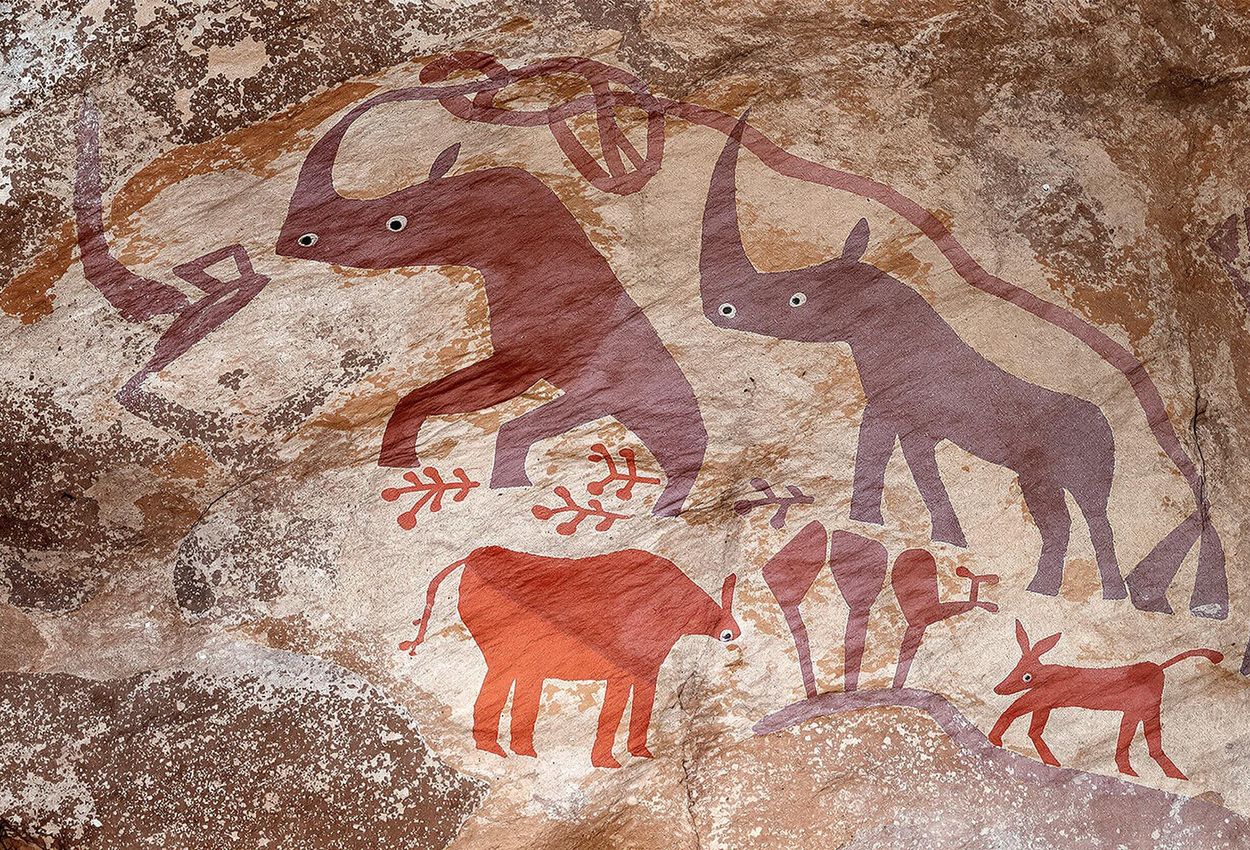
The true magic of Tsodilo Hills lies in its rock art, an unparalleled collection of ancient paintings that adorn the caves and rock shelters. Estimated to number over 4,500 individual paintings across more than 500 sites, this is one of the highest concentrations of rock art in the world. These images, created over millennia, offer a glimpse into the lives, beliefs, and artistic expressions of the people who have called this place home.
The red paintings, primarily attributed to the San people, stand in contrast to the white paintings created by the Bantu. The red hues, derived from ochre and possibly mixed with blood, depict a range of subjects, from wild animals like rhino, giraffe, eland, and lions to human figures engaged in hunting, dancing, and ritual. Geometric patterns, often interpreted as symbols of spiritual significance, also feature prominently. The white paintings, created with a powdery or greasy pigment, often showcase domestic animals, human figures on horseback, and scenes reflecting a later period in the region's history.
Among the most notable paintings are the rhino polychromes, renowned for their intricate detail and vibrant colors. The Eland panel, situated on a soaring cliff, is another masterpiece, showcasing the eland antelope, a creature of great importance in San culture. The inaccessibility of some of these paintings has led to theories about their religious significance, suggesting that these were created in secluded locations for sacred purposes.
Exploring the Tsodilo Hills on foot is an immersive experience, a chance to connect with the landscape and discover its hidden treasures. Several hiking trails wind through the hills, each offering a unique perspective and a glimpse into the area's rich history. The Rhino Trail, perhaps the most popular, circles Female Hill, passing by numerous rock art sites, including the famed Laurens van der Post panel. The Lion Trail, considered the easiest, meanders through the hills, offering stunning views of the surrounding landscape. For the adventurous, the Cliff Trail presents a more challenging route, traversing rocky terrain and dense vegetation.
Local San or Hambukushu guides can enhance the experience, sharing their knowledge of the area's history, culture, and natural environment. As you walk, keep an eye out for wildlife like kudu, steenbok, and duiker, which have adapted to the arid conditions. Birdwatchers will also find plenty to admire, with a variety of species inhabiting the hills.
A hidden gem within the Tsodilo Hills is the Serpent Cave, a spiritual gathering place dating back 70,000 years. Inside, a stone python, its scales seemingly scraped out by shamans, represents the Milky Way, a conduit to the star realms. This cave, a testament to humanity's earliest spiritual practices, offers a glimpse into the beliefs and rituals of our ancestors.
The Tsodilo Hills hold immense cultural significance for the San people, who have lived in this region for millennia. Their traditions, rituals, and beliefs are deeply intertwined with the landscape, emphasizing the importance of respecting the site as a sacred space. The San believe that the hills are inhabited by ancestral spirits, and they perform ceremonies to connect with these entities, seeking guidance, healing, and blessings.
Visitors have the opportunity to learn about traditional hunting techniques, medicinal knowledge, and artistic expressions from local guides. The San are renowned for their tracking skills, their knowledge of plants and their healing properties, and their intricate artwork, which reflects their deep understanding of the natural world. Engaging with the San community is a chance to gain a deeper appreciation for their unique way of life and their enduring connection to the Tsodilo Hills.
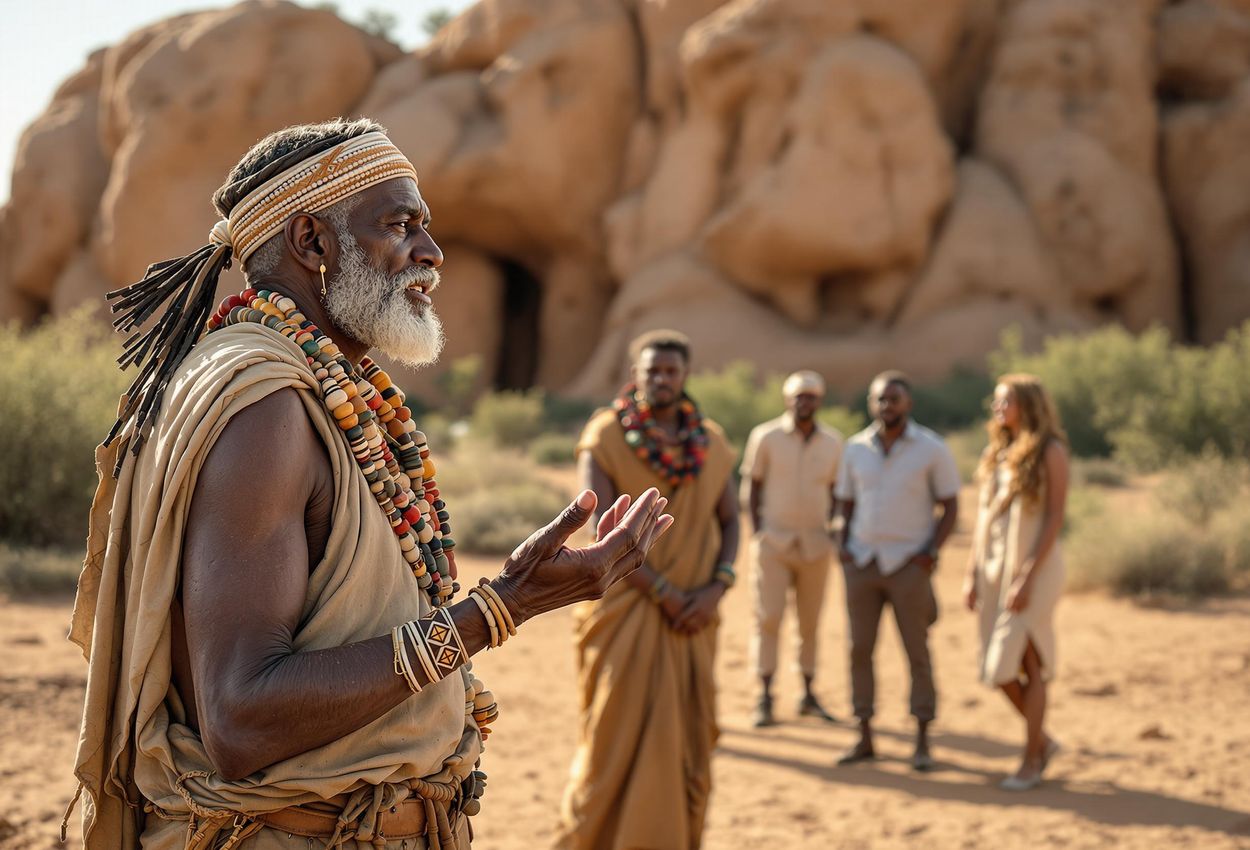
Beyond its rock art, Tsodilo Hills boasts significant archaeological value, revealing a continuous record of human habitation spanning over 100,000 years. Excavations have unearthed pottery, iron, glass beads, and stone tools dating back tens of thousands of years, providing invaluable insights into the evolution of human culture and technology.
The Early Iron Age site at Divuyu offers evidence of early Bantu settlement and trade networks. Findings at this site reveal that Bantu people have been living close to the hills for over 1,000 years, likely migrating from central Africa. They were cattle farmers who settled on the plateau, trading copper jewellery from the Congo, seashells from the Atlantic, and glass beads from Asia. The presence of these artifacts highlights the interconnectedness of ancient societies and the importance of trade in shaping human history.
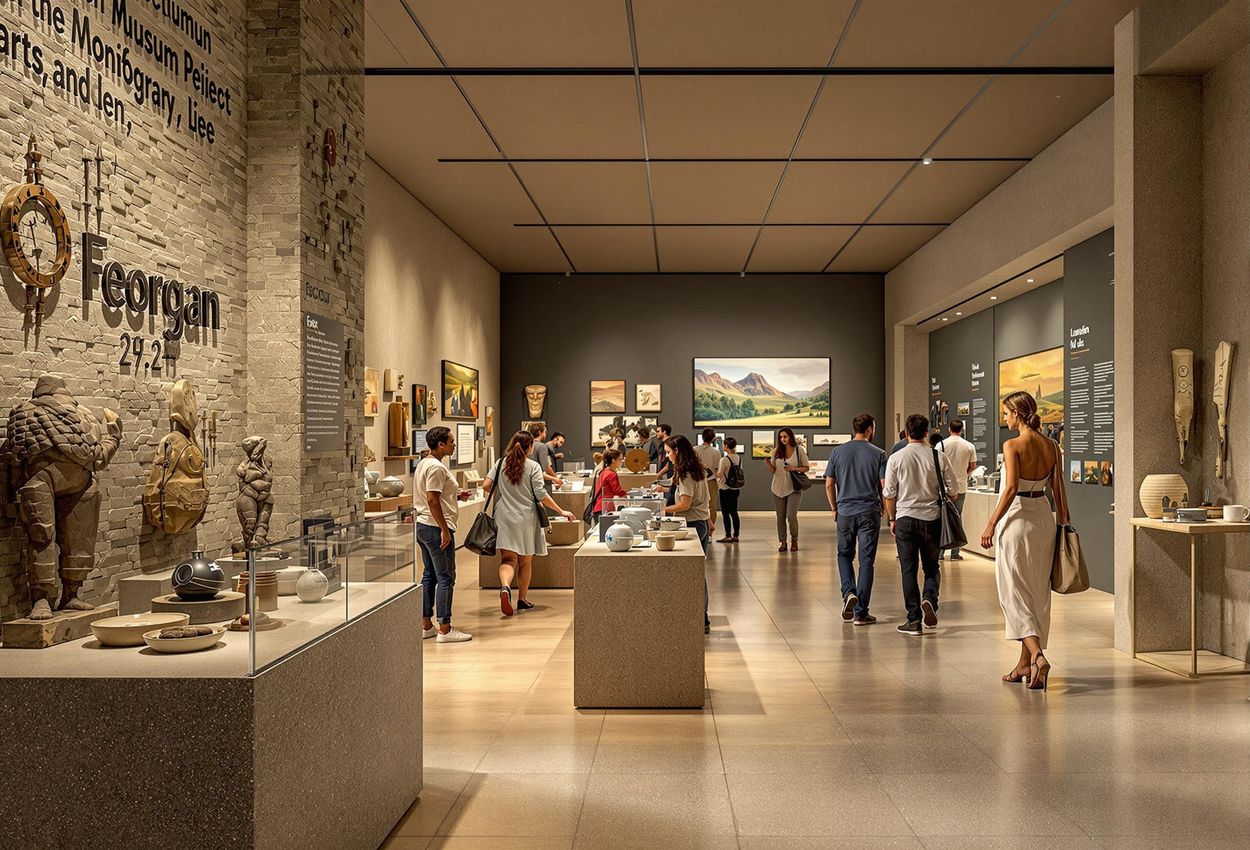
To delve deeper into the history and culture of Tsodilo Hills, a visit to the Tsodilo Museum is essential. This small but informative museum showcases exhibits on the geology, archaeology, and traditions of the San and Hambukushu people. Artifacts, photographs, and interpretive displays bring the stories of Tsodilo to life, providing context for the rock art and the cultural landscape.
The museum also serves as a gateway to the community campsite, offering visitors the opportunity to arrange cultural activities with nearby communities. These activities may include traditional song and dance performances, storytelling sessions, and demonstrations of traditional crafts. By engaging with the local communities, visitors can contribute to the preservation of their cultural heritage and gain a deeper understanding of their way of life.
The conservation of Tsodilo Hills is a collaborative effort, involving the local communities, the Botswana government, and UNESCO. Recognizing the site's cultural and natural significance, these stakeholders work together to preserve its fragile environment and cultural heritage. Sustainable tourism practices are encouraged to minimize environmental impact and support local communities.
Challenges remain, including balancing tourism with the need to protect the site's delicate ecosystem and cultural integrity. Efforts are underway to educate visitors about responsible tourism practices, such as respecting the rock art, avoiding disturbance to the environment, and supporting local businesses. By working together, we can ensure that Tsodilo Hills remains a treasure for generations to come.
As the sun sets over the Tsodilo Hills, casting long shadows across the ancient landscape, one can't help but feel a sense of awe and wonder. This is a place where the past comes alive, where the stories of our ancestors are etched onto the very rocks beneath our feet. A journey to Tsodilo Hills is more than just a trip; it's a pilgrimage to the heart of human history and a celebration of the enduring power of culture and tradition.
Our editors` picks of the latest and greatest in travel - delivered to your inbox daily
Relax on the beaches and explore the reefs of Xai-Xai.
View More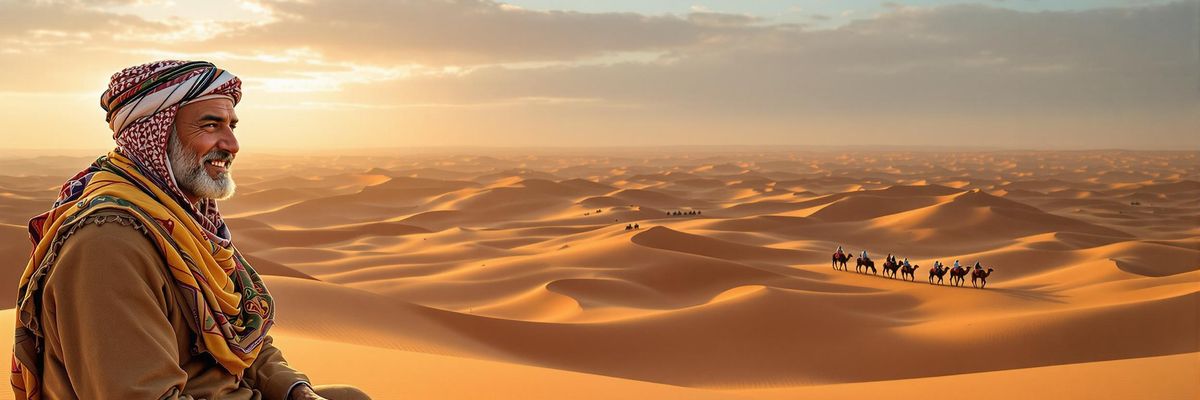
Embrace the cooler temperatures and experience the International Festival of the Sahara in Douz this December.
View More
Celebrate the year-end festivities in Accra, culminating in the vibrant Afrofuture festival.
View More Albania EDITION
 Algeria EDITION
 Argentina EDITION
 Armenia EDITION
 Australia EDITION
 Austria EDITION
 Bangladesh EDITION
 Belgium EDITION
 Belize EDITION
 Benin EDITION
 Bhutan EDITION
 Bolivia EDITION
 Bosnia and Herzegovina EDITION
 Botswana EDITION
 Brazil EDITION
 Bulgaria EDITION
 Burkina Faso EDITION
 Cambodia EDITION
 Cameroon EDITION
 Canada EDITION
 Central African Republic EDITION
 Chad EDITION
 Chile EDITION
 China EDITION
 Colombia EDITION
 Costa Rica EDITION
 Croatia EDITION
 Cyprus EDITION
 Denmark EDITION
 Djibouti EDITION
 Ecuador EDITION
 Egypt EDITION
 El Salvador EDITION
 Eritrea EDITION
 Estonia EDITION
 Ethiopia EDITION
 Finland EDITION
 France EDITION
 Gabon EDITION
 Georgia EDITION
 Germany EDITION
 Ghana EDITION
 Greece EDITION
 Guatemala EDITION
 Guinea EDITION
 Guinea-Bissau EDITION
 Honduras EDITION
 Hungary EDITION
 Iceland EDITION
 India EDITION
 Indonesia EDITION
 Ireland EDITION
 Israel EDITION
 Italy EDITION
 Jamaica EDITION
 Japan EDITION
 Jordan EDITION
 Kenya EDITION
 Kuwait EDITION
 Laos EDITION
 Latvia EDITION
 Lebanon EDITION
 Lesotho EDITION
 Liberia EDITION
 Lithuania EDITION
 Luxembourg EDITION
 Madagascar EDITION
 Malawi EDITION
 Malaysia EDITION
 Maldives EDITION
 Mali EDITION
 Malta EDITION
 Mauritania EDITION
 Mauritius EDITION
 Mexico EDITION
 Mongolia EDITION
 Montenegro EDITION
 Morocco EDITION
 Mozambique EDITION
 Namibia EDITION
 Nepal EDITION
 Netherlands EDITION
 New Zealand EDITION
 Nicaragua EDITION
 Niger EDITION
 Nigeria EDITION
 Norway EDITION
 Oman EDITION
 Pakistan EDITION
 Panama EDITION
 Papua New Guinea EDITION
 Paraguay EDITION
 Peru EDITION
 Philippines EDITION
 Poland EDITION
 Portugal EDITION
 Qatar EDITION
 Romania EDITION
 Rwanda EDITION
 Saudi Arabia EDITION
 Senegal EDITION
 Serbia EDITION
 Singapore EDITION
 Slovakia EDITION
 Slovenia EDITION
 Somalia EDITION
 South Africa EDITION
 South Korea EDITION
 Spain EDITION
 Sri Lanka EDITION
 Suriname EDITION
 Sweden EDITION
 Switzerland EDITION
 Tanzania EDITION
 Thailand EDITION
 Tunisia EDITION
 Uganda EDITION
 United Arab Emirates EDITION
 United Kingdom EDITION
 Uruguay EDITION
 Venezuela EDITION
 Vietnam EDITION
 Zambia EDITION
 Zimbabwe EDITION
Subscribe to our newsletter and get the most captivating travel stories, hidden gems, and expert insights delivered straight to your inbox. As a subscriber, you’ll be first in line for exclusive content, premium offers, and unforgettable travel experiences