The Serengeti. The name itself conjures images of endless plains teeming with wildlife, a place where the drama of nature unfolds on an epic scale. And there’s no greater spectacle than the Great Migration, a mesmerizing ballet of millions of wildebeest, zebras, and gazelles as they journey across the landscape in search of sustenance. June offers a prime opportunity to witness this extraordinary event, a time when the herds gather in the Western Serengeti, preparing for the perilous crossing of the Grumeti River.
Prepare to be captivated by the sheer magnitude of this natural phenomenon, where predator and prey engage in a timeless dance of survival. The Serengeti awaits, promising an adventure unlike any other.
A Symphony of Hooves: The Migration's Grand Overture
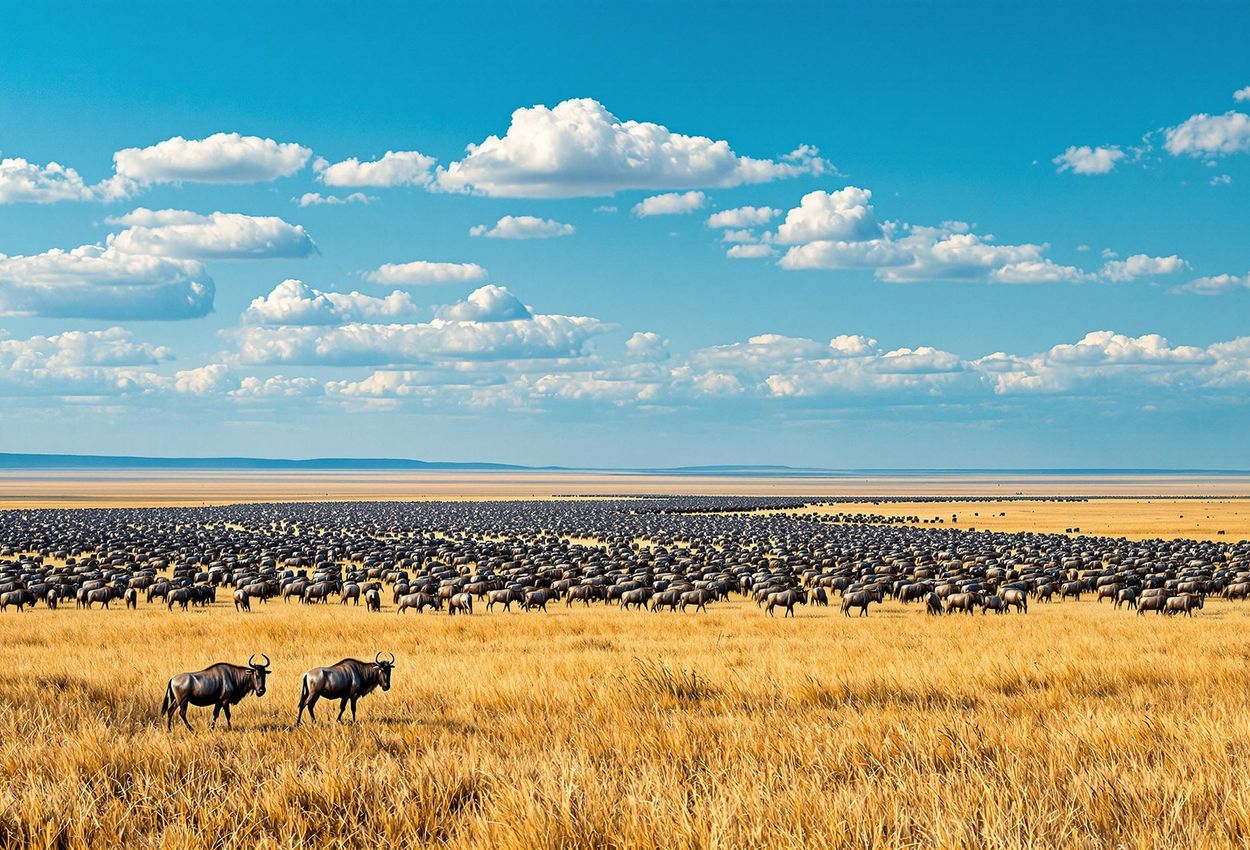
Imagine standing on the edge of the Serengeti plains in June, the air thick with anticipation. The dry season has begun, and the landscape is transforming, the once lush grasses now turning golden under the relentless African sun. This changing environment is the starting cue for the Great Migration, a truly awe-inspiring event. Before you, stretching as far as the eye can see, is a moving carpet of life: wildebeest, zebras, and gazelles, numbering in the millions, all driven by an ancient instinct.
The scale of the migration is simply staggering. Columns of animals extend for kilometers, a seemingly endless river of life flowing towards the Western Corridor and the Grumeti River. The sound is equally impressive – a constant, low rumble, a symphony of hooves pounding the earth, punctuated by the calls of the animals. Dust clouds rise in the distance, swirling vortexes that mark the passage of the mega-herds. The air is dry and carries the scent of earth and animal musk, a primal aroma that speaks of the wild heart of Africa.
As the herds approach the Grumeti River, a palpable tension fills the air. The animals gather along the banks, their movements restless, their senses on high alert. They know that danger lurks in the murky waters, that this crossing will be a test of survival. The urge to move on, to find fresh grazing, is overwhelming, but the fear of the unknown holds them back, creating a moment of profound anticipation. The air crackles with nervous energy as the first animals venture into the water, their fate hanging in the balance.

Grumeti River's Gauntlet: A Test of Survival
The Grumeti River crossing is a pivotal moment in the Great Migration, a dramatic illustration of the circle of life. Here, the migrating herds face one of their first major obstacles: a river teeming with Nile crocodiles, ancient predators perfectly adapted to ambush their prey. While perhaps not as widely publicized as the Mara River crossings further north, the Grumeti offers a raw and unfiltered view of predator-prey dynamics.
As the wildebeest plunge into the Grumeti River, chaos erupts. The water churns with frantic splashing as thousands of animals struggle against the currents. The air is filled with desperate cries, the sounds of panic and fear as the crocodiles strike. These apex predators, masters of stealth, lie in wait beneath the surface, their powerful jaws ready to snap shut on unsuspecting victims. The scene is both terrifying and mesmerizing, a stark reminder of the brutal realities of nature.
Despite the danger, the wildebeest are driven by an overwhelming instinct to cross. They surge forward, their numbers providing a degree of protection. Many make it safely to the other side, but for others, the Grumeti River becomes their final resting place. The riverbanks become littered with carcasses, a testament to the ferocity of the struggle. Even amidst this carnage, life persists, as scavengers gather to feast on the remains, ensuring that nothing goes to waste.
Hidden Gem: Beyond the spectacle, the Great Migration also supports local communities. Eco-tourism initiatives provide employment and revenue, funding schools, healthcare, and conservation projects. By visiting during this time, travelers contribute directly to the well-being of the people who call this region home.
Predator's Paradise: The Circle of Life Unfolds
The Great Migration is not just a feast for the eyes; it’s also a feast for the predators that follow the herds. Lions, cheetahs, hyenas, and other carnivores shadow the migrating animals, their survival intricately linked to the movements of their prey. The Western Serengeti, particularly the Grumeti Reserve, becomes a stage for dramatic predator-prey interactions.
Lion prides strategically position themselves near watering holes or along the migration routes, patiently waiting for an opportunity to strike. Their hunting techniques are honed to perfection, generations of experience passed down through the pride. A coordinated attack, a burst of speed, and a swift kill are often the result, providing sustenance for the entire group. Cheetahs, with their incredible speed, target the faster prey, such as gazelles, engaging in thrilling chases across the open plains. Hyenas, with their scavenging prowess, clean up the leftovers, ensuring that nothing is wasted in this efficient ecosystem.
During this time, witnessing a hunt is not uncommon. A lioness stalking a herd of wildebeest, her eyes focused on a weak or vulnerable individual. A cheetah exploding from the tall grass, chasing down a fleeing gazelle in a blur of motion. These are the moments that define the Serengeti, the raw and unfiltered drama of life and death playing out before your eyes. The predators play a vital role in maintaining the health of the ecosystem. By preying on the weak and sick, they prevent the spread of disease and ensure that only the strongest animals survive, contributing to the overall resilience of the herds.

Luxury Under Canvas: Serengeti's Exclusive Sanctuaries
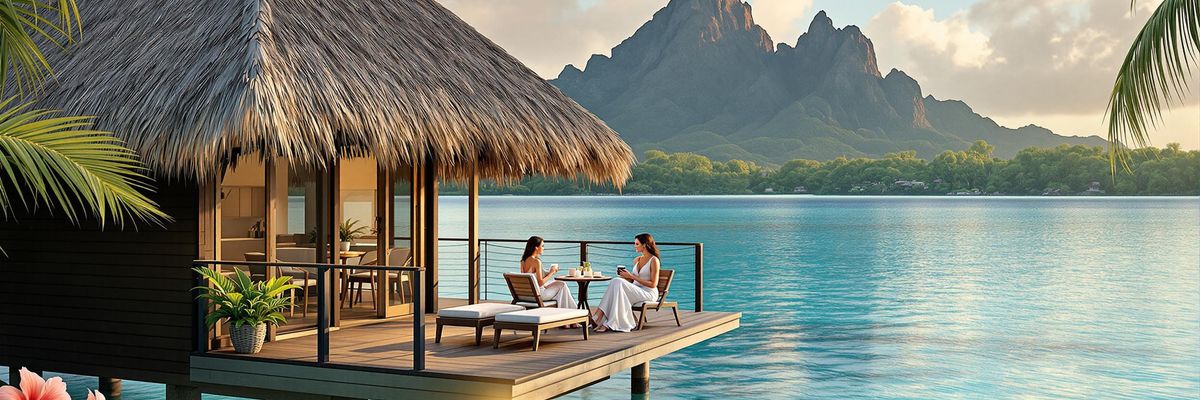
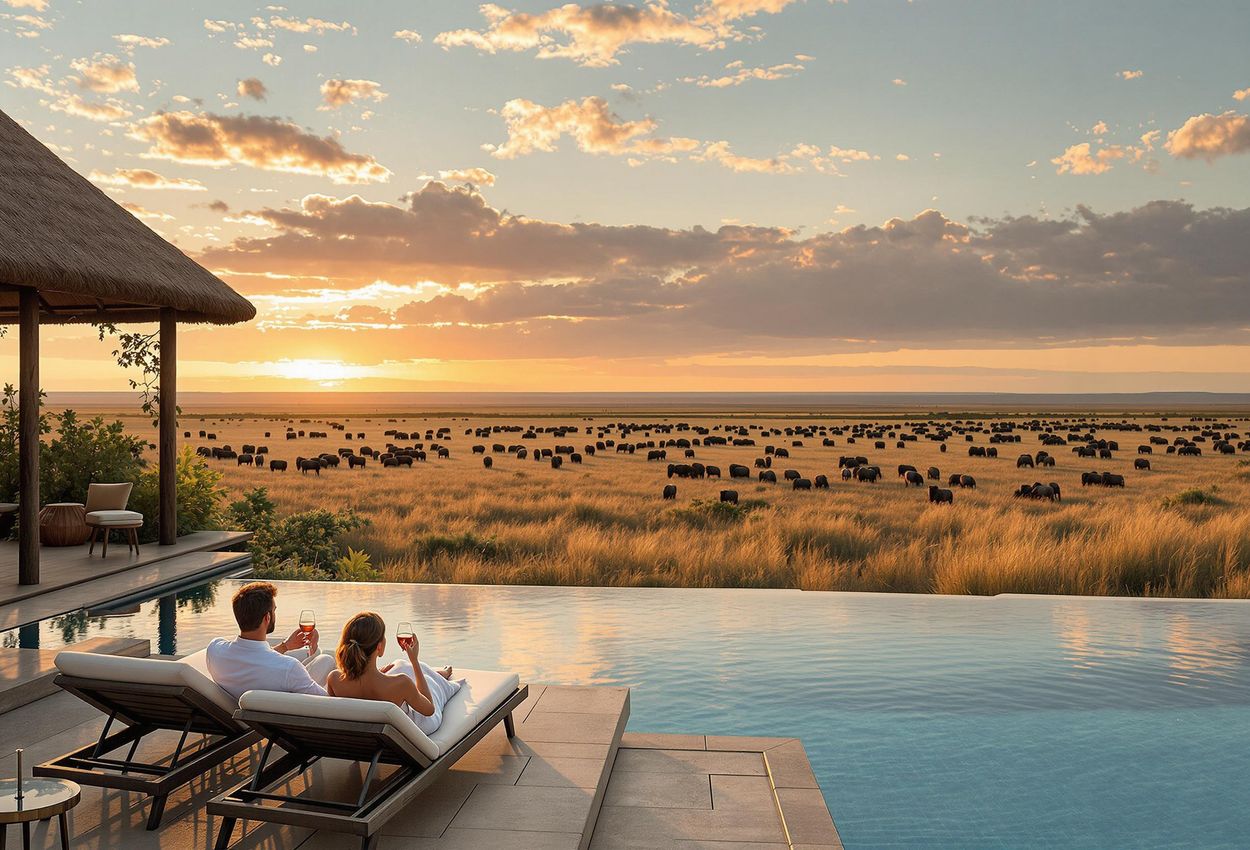
To fully immerse yourself in the Great Migration experience, consider staying in one of the luxurious safari lodges and camps located in the Western Serengeti. These exclusive sanctuaries offer unparalleled access to the wildlife spectacle while providing world-class amenities and comforts. Imagine waking up to the sounds of the African bush, enjoying a gourmet breakfast with panoramic views of the plains, and then setting out on a guided safari to witness the migration up close.
Kirawira Camp, for example, offers a unique blend of luxury and wilderness. Nestled amidst the acacia groves near the Grumeti River, this tented lodge provides spacious accommodations, private plunge pools, and open-air showers, allowing you to connect with nature in a truly intimate way. After a day of game viewing, you can relax by the pool, sip on a refreshing cocktail, and share stories of your wildlife encounters with fellow travelers.
Many lodges also offer unique experiences, such as guided walking safaris, allowing you to explore the bush on foot and learn about the smaller details of the ecosystem, from the intricate patterns of insect life to the medicinal properties of local plants. Night drives provide an opportunity to spot nocturnal animals, such as leopards, civets, and bush babies, adding another dimension to your safari adventure. These intimate experiences provide a deeper understanding and appreciation for the Serengeti’s natural wonders.
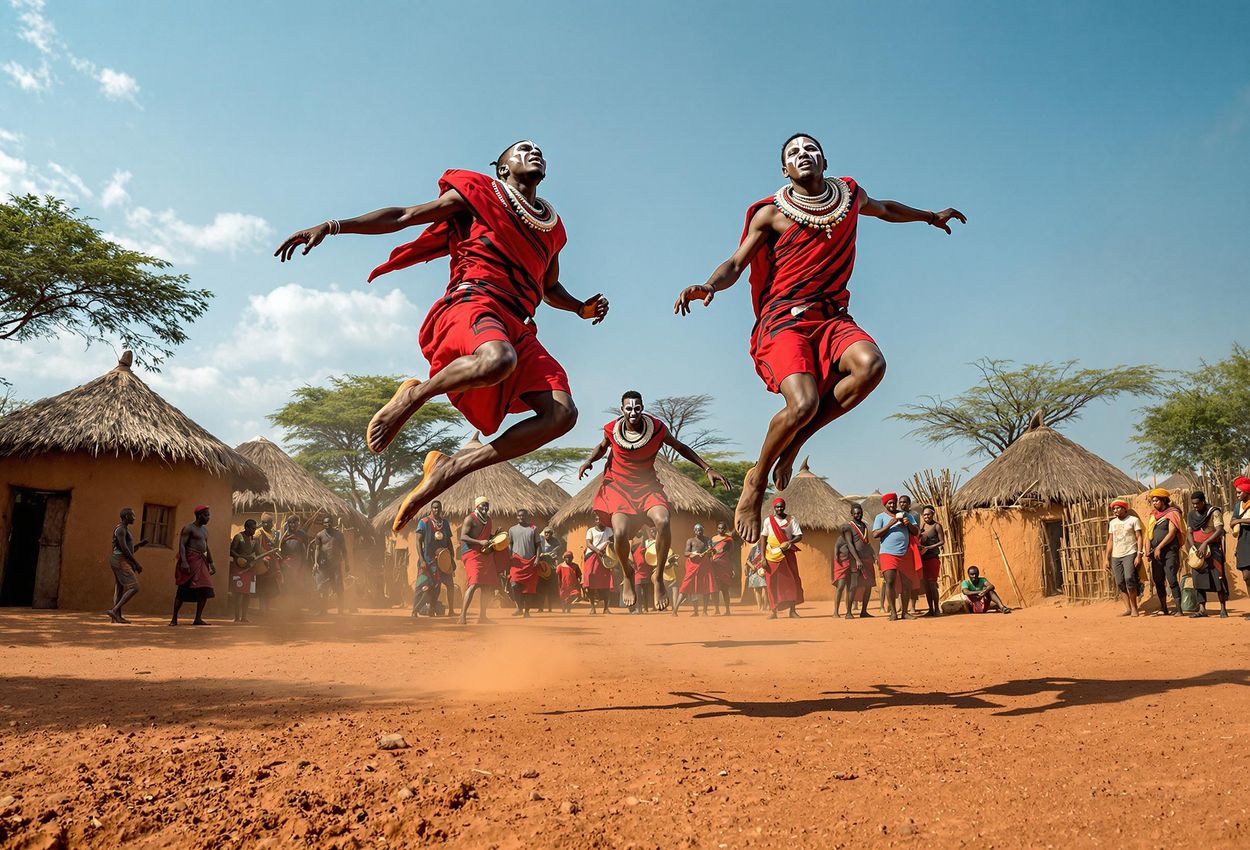
Hidden Gem: Some lodges offer cultural exchange programs, providing guests with the opportunity to learn about the traditions and customs of the local Maasai communities. Spend time with Maasai elders, learn about their traditional way of life, and participate in cultural activities, such as beadwork and dance. This cultural immersion adds a meaningful dimension to your safari experience, fostering a deeper connection with the people and the land.
Ballooning Above the Beasts: A Bird's-Eye Ballet
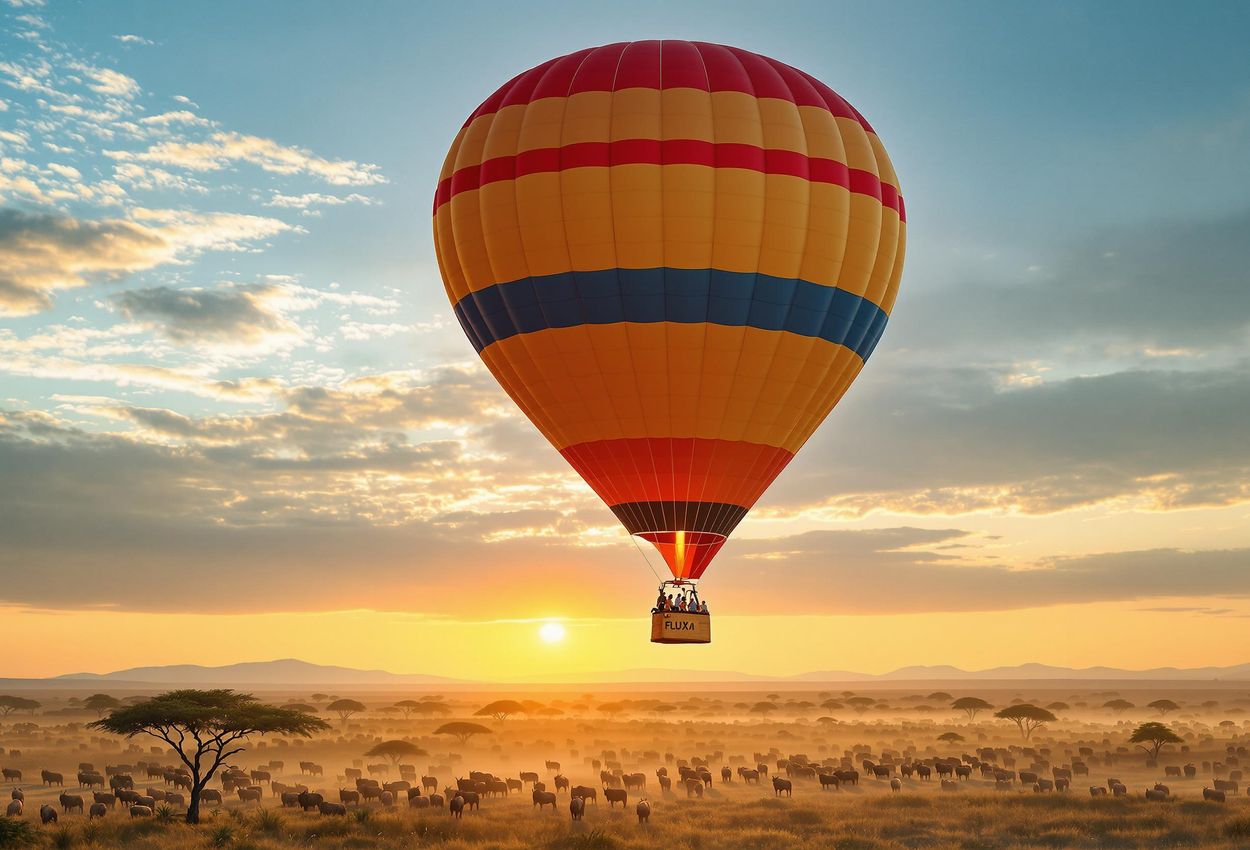
For a truly unforgettable perspective on the Great Migration, consider taking a hot air balloon safari over the Serengeti. As the sun rises, casting a golden glow across the plains, you'll gently ascend into the sky, floating silently above the landscape. From this unique vantage point, you'll witness the migration from a bird's-eye view, a breathtaking panorama of life stretching as far as the eye can see.
The feeling of floating above the Serengeti is surreal. The warmth of the rising sun on your face, the crisp morning air filling your lungs, and the silence broken only by the occasional whoosh of the burner – it's an experience that engages all of your senses. Below, the landscape unfolds like a living map, revealing the intricate patterns of the migration, the movements of the herds, and the interactions between predator and prey.
As you drift over the plains, keep your eyes peeled for wildlife. From above, you can spot herds of wildebeest, zebras, and gazelles grazing peacefully, lions lounging in the shade of acacia trees, and elephants lumbering towards watering holes. The balloon provides a unique perspective, allowing you to appreciate the scale of the migration and the diversity of life in the Serengeti. After landing, you'll be treated to a champagne toast and a delicious breakfast, a perfect ending to an unforgettable adventure.