


Destination Guide
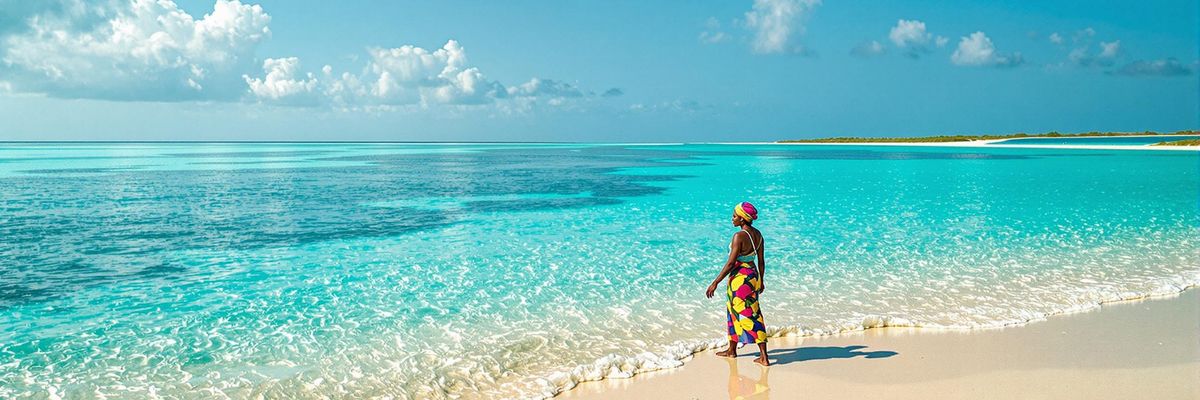
Xai-Xai: A Coastal Retreat
Relax on the beaches and explore the reefs of Xai-Xai.
View More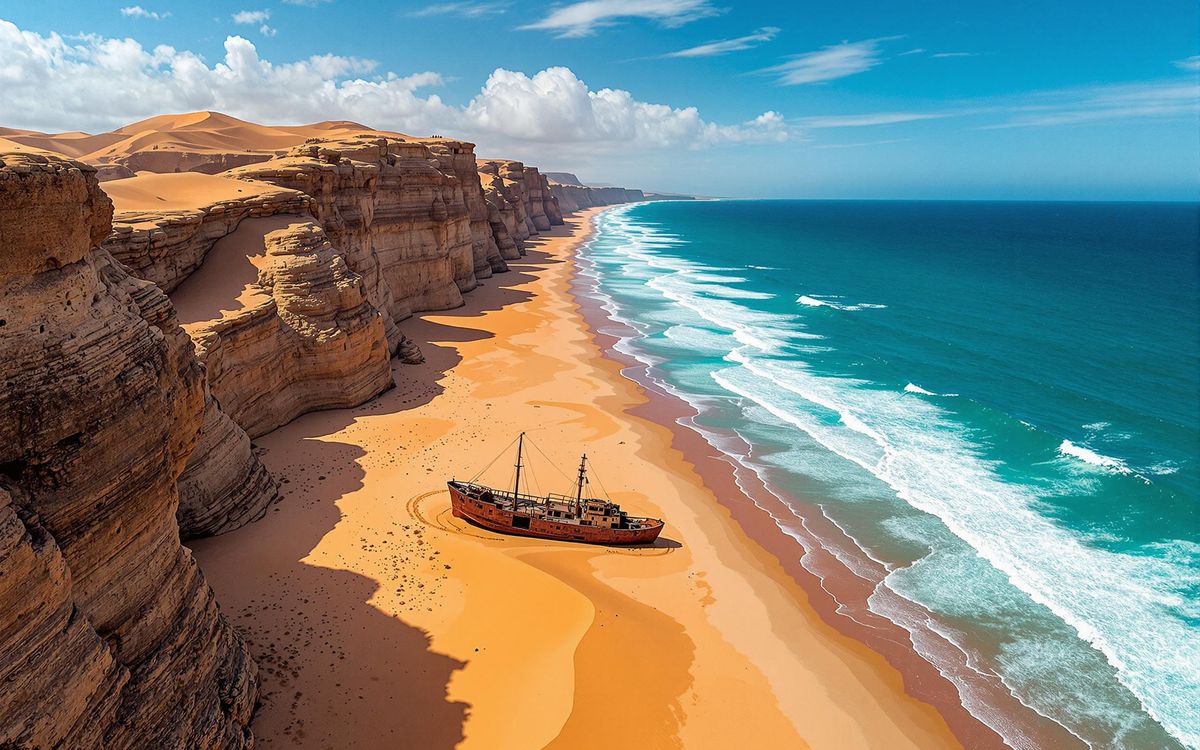

Namibia's Skeleton Coast National Park is a place where the desert meets the Atlantic in a symphony of desolation and stark beauty. It's a realm of haunting shipwrecks, whispering winds, and a profound sense of isolation that captivates the soul.
Stretching between the Kunene and Swakop Rivers, this coastal wilderness is a place unlike any other. The origin of its ominous name lies in the whale bones and seal skeletons that once littered the shore, remnants of the whaling industry, as well as the numerous shipwrecks claimed by its treacherous waters. The dense fogs, born from the cold Benguela Current, and the unpredictable winds create perilous conditions for sailors, earning it the moniker 'The Land God Made in Anger'.
The park itself extends 500 km from the Ugab River in the south to the Kunene River in the north. Proclaimed in its current form in 1973, the park encompasses 1.6 million hectares. The landscape is diverse, ranging from gravel plains to towering dunes, rugged canyons, and mountain ranges.
The Skeleton Coast is more than just a graveyard of ships; it's a testament to nature's raw power and the enduring spirit of life in the face of adversity. Here, desert-adapted wildlife thrives, and the silence is broken only by the crashing waves and the whispers of the wind.
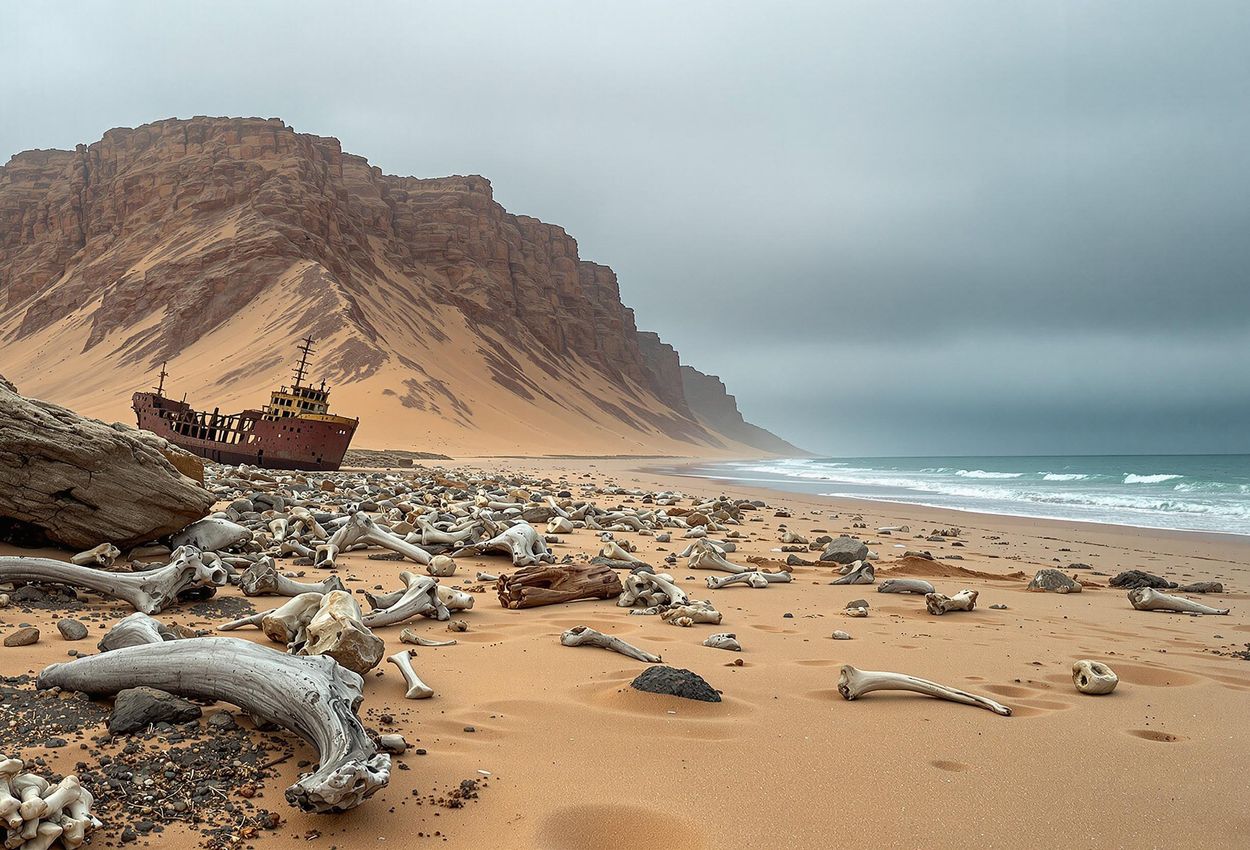
Ideal image: A wide, panoramic shot capturing the desolate beauty of the Skeleton Coast. The foreground should feature a rugged beach with scattered whale bones and the remnants of a shipwreck. In the background, towering sand dunes meet the misty Atlantic Ocean under a brooding sky. The image should convey a sense of isolation and the harshness of the environment.
Style instructions: Use a wide-angle lens to emphasize the vastness of the landscape. Capture the scene in soft, diffused light to enhance the atmosphere of mystery and desolation. The photo should be taken on a day with heavy fog, typical for the Skeleton Coast, around December 19, 2025, to match the article's publication date.
The Skeleton Coast is notorious for its shipwrecks, a haunting reminder of the ocean's power and the perils faced by seafarers. Approximately 1,000 shipwrecks are scattered along the coast.
Among the most well-known is the Eduard Bohlen, a German cargo ship that ran aground in 1909. Today, its rusting hulk lies far inland near Conception Bay, a surreal sight in the heart of the desert. The ship was en route from Swakopmund to Table Bay when it was caught in thick fog and ran aground.
Another notable wreck is the Dunedin Star, a British refrigerated cargo liner that met its end in 1942. The ship struck an underwater obstacle off the Skeleton Coast and was intentionally beached to save the passengers, crew, and valuable cargo. The Dunedin Star was carrying munitions and supplies for the British Eighth Army in the Middle East. All passengers, crew, and DEMS gunners survived, but the rescue came at a high cost: one Ventura aircraft, the tug Sir Charles Elliot, and two of the tug's crew were lost.
The Zeila, a fishing trawler, is a more recent addition to the coast's collection of wrecks. It ran aground in 2008 near Henties Bay after coming loose from its towing line. The wreck has become a popular spot for photographers, with birds now inhabiting the rusting structure.
Hidden Gem: According to Gotfrod, a local tour guide, 'Sometimes I wonder how many ships have met their end here. The wreckage disappears over time, but the ghosts haven't.'
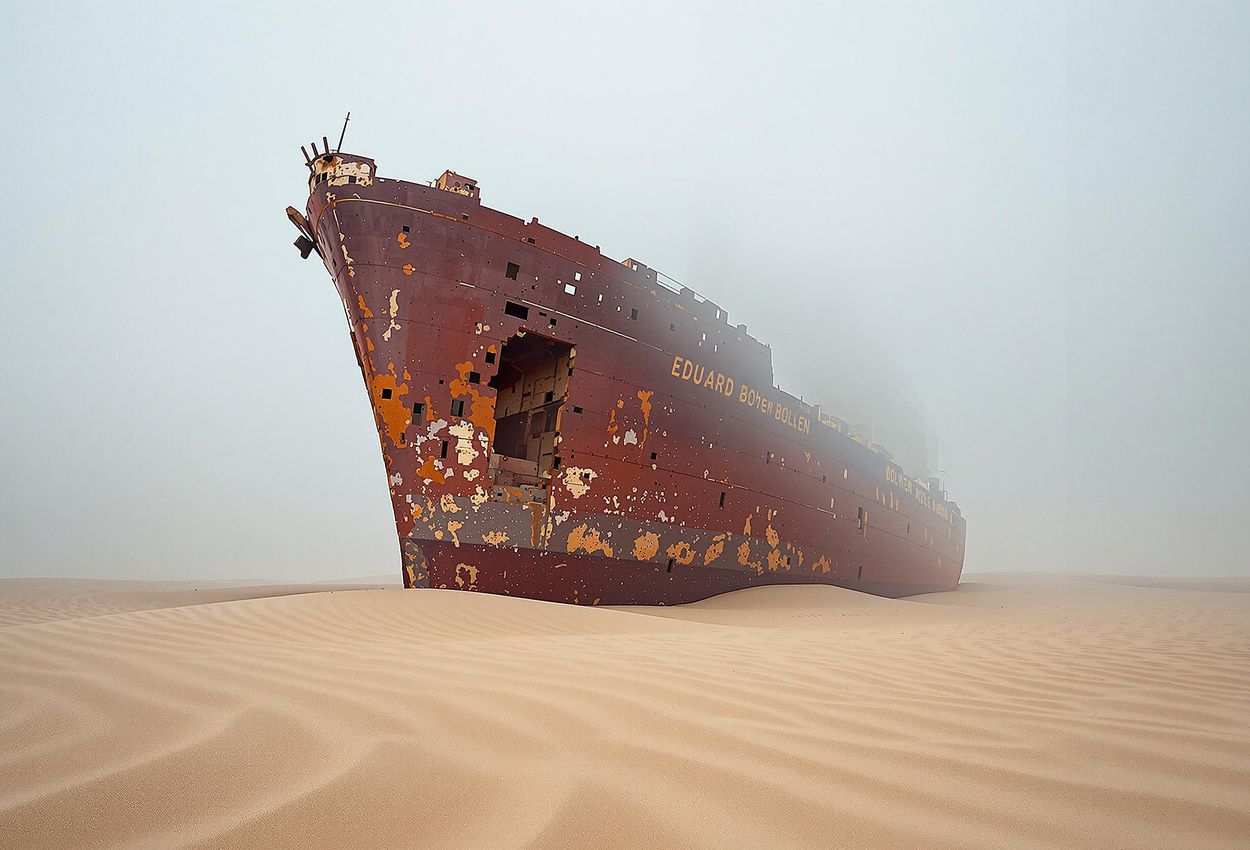
Ideal image: A medium shot of the Eduard Bohlen shipwreck, partially buried in the sand. The image should focus on the ship's rusting hull and the surrounding desert landscape, emphasizing the isolation and the passage of time. The sky should be overcast or foggy to enhance the eerie atmosphere.
Style instructions: Use a shallow depth of field to blur the background and draw attention to the shipwreck. The photo should be taken from a low angle to emphasize the size and scale of the wreck. The date of the photo should be around December 19, 2025, to align with the article's publication date.
The Skeleton Coast is a land of stark contrasts, where life and death intertwine in a unique and often unsettling way. The Cape Cross Seal Reserve is home to a massive colony of Cape fur seals, with up to 210,000 individuals during the breeding season.
The cacophony of sounds and the pungent smell of the seal colony create a sensory experience that is both overwhelming and unforgettable. Wooden boardwalks offer easy viewing of the seals.
The juxtaposition of these lively seal colonies with the skeletal remains scattered along the coast is a powerful reminder of the harsh realities of nature. Despite the challenging environment, a variety of wildlife has adapted to survive here. Desert-adapted elephants roam the dry riverbeds, while lions, brown hyenas, gemsbok, and Hartmann's mountain zebra eke out an existence in this arid landscape.
The Skeleton Coast National Park was created to protect the unique coastal shoreline and the wilderness area in the northern region. The park also protects endangered black rhinoceroses, elephants and other wildlife.
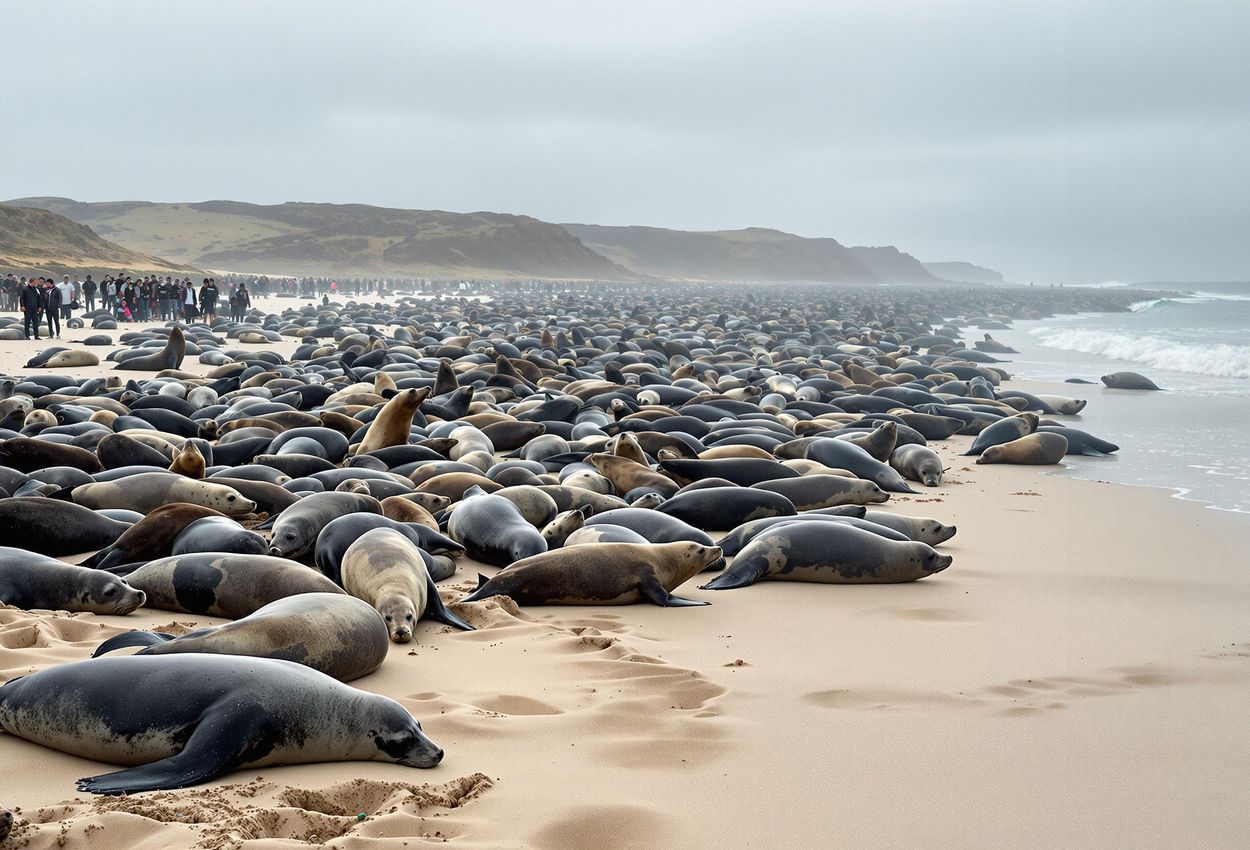
Ideal image: A wide shot of the Cape Cross Seal Reserve, showing the massive seal colony stretching along the beach. The image should capture the density of the seal population and the surrounding landscape. In the background, the Atlantic Ocean should be visible under a cloudy sky.
Style instructions: Use a telephoto lens to compress the scene and emphasize the scale of the seal colony. The photo should be taken during the breeding season (November or December) to capture the highest concentration of seals. The date of the photo should be around December 19, 2025, to match the article's publication date.
For a truly unforgettable perspective of the Skeleton Coast, consider a scenic flight. From the air, the vastness and desolation of the landscape become even more apparent.
Several operators offer flights departing from Swakopmund, including Eagle Eye Aviation and Sossusfly Namibia. These flights provide stunning views of shipwrecks, the 'Moon Landscape', Sandwich Harbour, and the dramatic contrast between the towering dunes and the Atlantic Ocean.
From above, it's possible to spot desert elephants near the Ugab River, a testament to the resilience of life in this harsh environment. The northern region of the park offers the best chances of seeing wildlife.
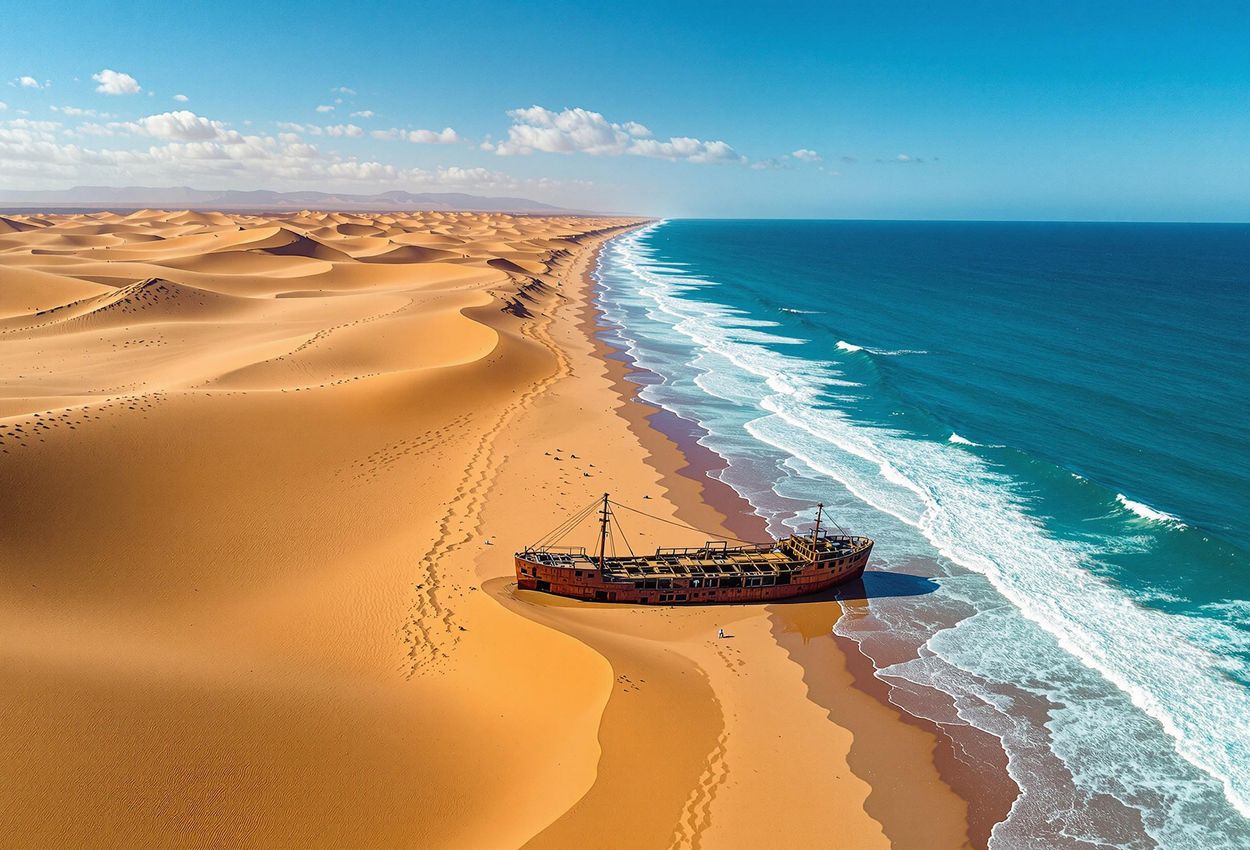
Ideal image: An aerial shot of the Skeleton Coast, capturing the dramatic contrast between the towering sand dunes and the crashing waves of the Atlantic Ocean. The image should also include a shipwreck visible along the coastline. The sky should be clear or partly cloudy to provide good visibility.
Style instructions: Use a wide-angle lens to capture the vastness of the landscape. The photo should be taken from a high altitude to provide a panoramic view. The date of the photo should be around December 19, 2025, to align with the article's publication date.
Exploring the Skeleton Coast National Park requires careful planning and preparation. Guided tours are highly recommended, especially for the northern section of the park, due to the challenging terrain and the need to protect the fragile environment.
Entry permits are required to access the park beyond the Ugab River, and can be obtained at the Ugab River gate and Springbokwasser gate. It's essential to book in advance to secure your permit and ensure entry.
Accommodation options within the park are limited. Terrace Bay offers basic lodging, and camping is permitted at Terrace Bay during December and January. Other camping options are available outside the park.
A culturally specific experience can be included in guided tours with visits to a Himba village.

Ideal image: A group of tourists on a guided tour of the Skeleton Coast National Park, accompanied by a local guide. The image should capture the ruggedness of the terrain and the vastness of the landscape. In the background, towering sand dunes and the Atlantic Ocean should be visible under a clear sky.
Style instructions: Use a wide-angle lens to capture the scale of the landscape and the group of tourists. The photo should be taken from a slightly elevated position to provide a better view of the surroundings. The date of the photo should be around December 19, 2025, to align with the article's publication date.
Our editors` picks of the latest and greatest in travel - delivered to your inbox daily
Relax on the beaches and explore the reefs of Xai-Xai.
View More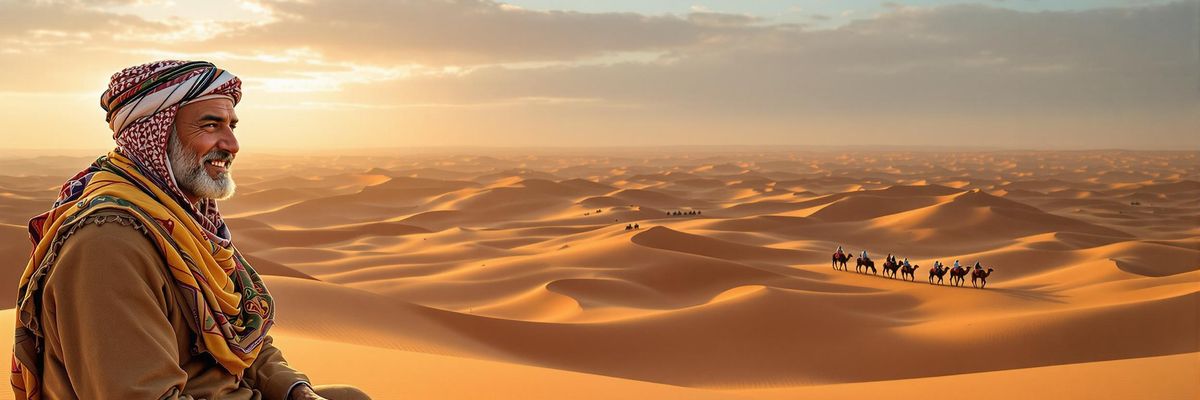
Embrace the cooler temperatures and experience the International Festival of the Sahara in Douz this December.
View More
Celebrate the year-end festivities in Accra, culminating in the vibrant Afrofuture festival.
View More Albania EDITION
 Algeria EDITION
 Argentina EDITION
 Armenia EDITION
 Australia EDITION
 Austria EDITION
 Bangladesh EDITION
 Belgium EDITION
 Belize EDITION
 Benin EDITION
 Bhutan EDITION
 Bolivia EDITION
 Bosnia and Herzegovina EDITION
 Botswana EDITION
 Brazil EDITION
 Bulgaria EDITION
 Burkina Faso EDITION
 Cambodia EDITION
 Cameroon EDITION
 Canada EDITION
 Central African Republic EDITION
 Chad EDITION
 Chile EDITION
 China EDITION
 Colombia EDITION
 Costa Rica EDITION
 Croatia EDITION
 Cyprus EDITION
 Denmark EDITION
 Djibouti EDITION
 Ecuador EDITION
 Egypt EDITION
 El Salvador EDITION
 Eritrea EDITION
 Estonia EDITION
 Ethiopia EDITION
 Finland EDITION
 France EDITION
 Gabon EDITION
 Georgia EDITION
 Germany EDITION
 Ghana EDITION
 Greece EDITION
 Guatemala EDITION
 Guinea EDITION
 Guinea-Bissau EDITION
 Honduras EDITION
 Hungary EDITION
 Iceland EDITION
 India EDITION
 Indonesia EDITION
 Ireland EDITION
 Israel EDITION
 Italy EDITION
 Jamaica EDITION
 Japan EDITION
 Jordan EDITION
 Kenya EDITION
 Kuwait EDITION
 Laos EDITION
 Latvia EDITION
 Lebanon EDITION
 Lesotho EDITION
 Liberia EDITION
 Lithuania EDITION
 Luxembourg EDITION
 Madagascar EDITION
 Malawi EDITION
 Malaysia EDITION
 Maldives EDITION
 Mali EDITION
 Malta EDITION
 Mauritania EDITION
 Mauritius EDITION
 Mexico EDITION
 Mongolia EDITION
 Montenegro EDITION
 Morocco EDITION
 Mozambique EDITION
 Namibia EDITION
 Nepal EDITION
 Netherlands EDITION
 New Zealand EDITION
 Nicaragua EDITION
 Niger EDITION
 Nigeria EDITION
 Norway EDITION
 Oman EDITION
 Pakistan EDITION
 Panama EDITION
 Papua New Guinea EDITION
 Paraguay EDITION
 Peru EDITION
 Philippines EDITION
 Poland EDITION
 Portugal EDITION
 Qatar EDITION
 Romania EDITION
 Rwanda EDITION
 Saudi Arabia EDITION
 Senegal EDITION
 Serbia EDITION
 Singapore EDITION
 Slovakia EDITION
 Slovenia EDITION
 Somalia EDITION
 South Africa EDITION
 South Korea EDITION
 Spain EDITION
 Sri Lanka EDITION
 Suriname EDITION
 Sweden EDITION
 Switzerland EDITION
 Tanzania EDITION
 Thailand EDITION
 Tunisia EDITION
 Uganda EDITION
 United Arab Emirates EDITION
 United Kingdom EDITION
 Uruguay EDITION
 Venezuela EDITION
 Vietnam EDITION
 Zambia EDITION
 Zimbabwe EDITION
Subscribe to our newsletter and get the most captivating travel stories, hidden gems, and expert insights delivered straight to your inbox. As a subscriber, you’ll be first in line for exclusive content, premium offers, and unforgettable travel experiences