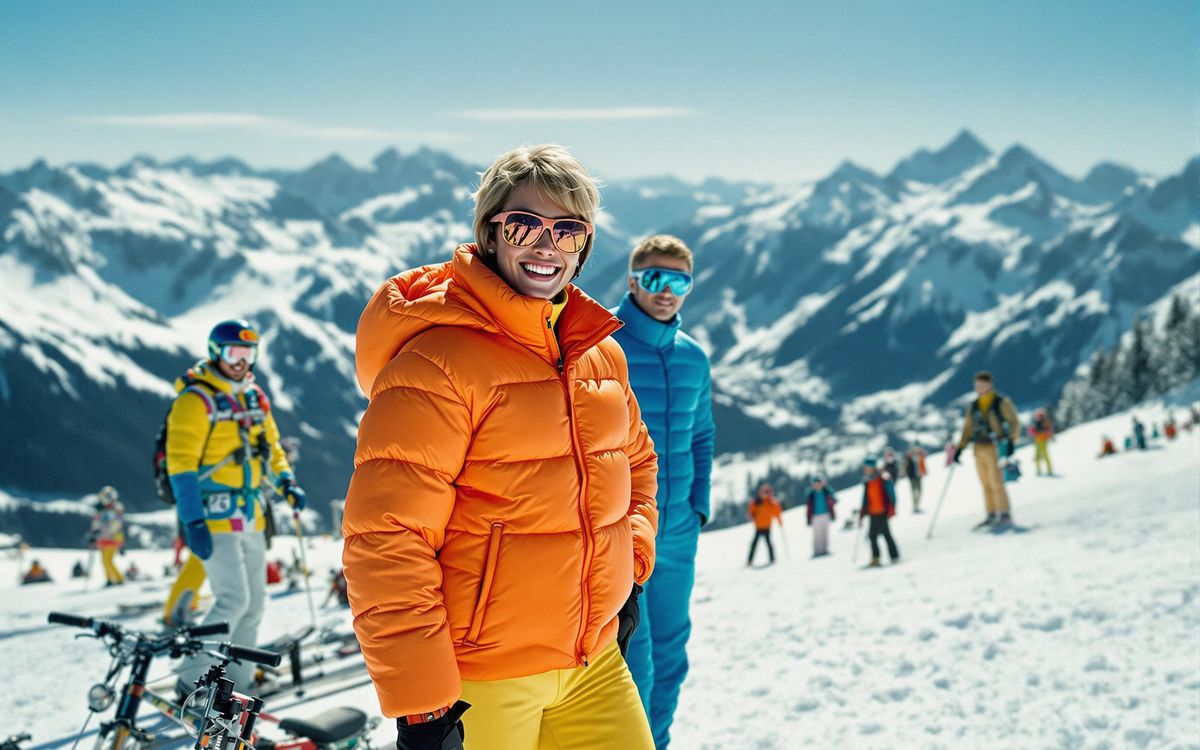
Ski fashion has carved a unique path through history, transforming from mere functional necessity to a vibrant expression of personal style and technological innovation.
From the heavy wools of the early 20th century to the high-tech fabrics and designer collaborations of today, each era has left its mark on the slopes. This is the story of how ski fashion evolved, mirroring the changing landscape of winter sports and the desires of those who seek adventure in the snow.
From Woolly Beginnings to Chalet Chic
In the nascent years of skiing, practicality reigned supreme. The early 20th century saw skiers bundled in layers of heavy wool, prioritizing warmth and protection over any semblance of style. These garments, often in muted colors, were designed for survival in harsh winter conditions. As skiing gained popularity as a recreational activity, particularly in Europe, the fashion landscape began to shift.
The 1920s and 30s brought a touch of glamour to the slopes. Influenced by European fashion trends, ski attire incorporated elements like fur coats and chic sweaters. Women, who were increasingly participating in winter sports, began to adopt trousers, a move that signaled a departure from traditional skirts. Zipper technology was also introduced, allowing for more layering and making it easier to put on and off. Ski resorts like Verbier in the Swiss Alps became magnets for the wealthy, further fueling the demand for stylish skiwear. These resorts became places to see and be seen, and fashion played a key role. The focus was on developing lighter materials, although fashion still took a backseat to staying warm.
As the decade progressed, functional improvements also played a role. The introduction of ski lifts and rope pulls influenced ski fashions, with skiers seeking tighter clothing for quicker and easier downhill movements. Tailored jackets were cinched at the waist, and trousers became slimmer. Experimentation with waterproof clothing also began at this time.

Pucci's Revolution: The Birth of the Ski Suit
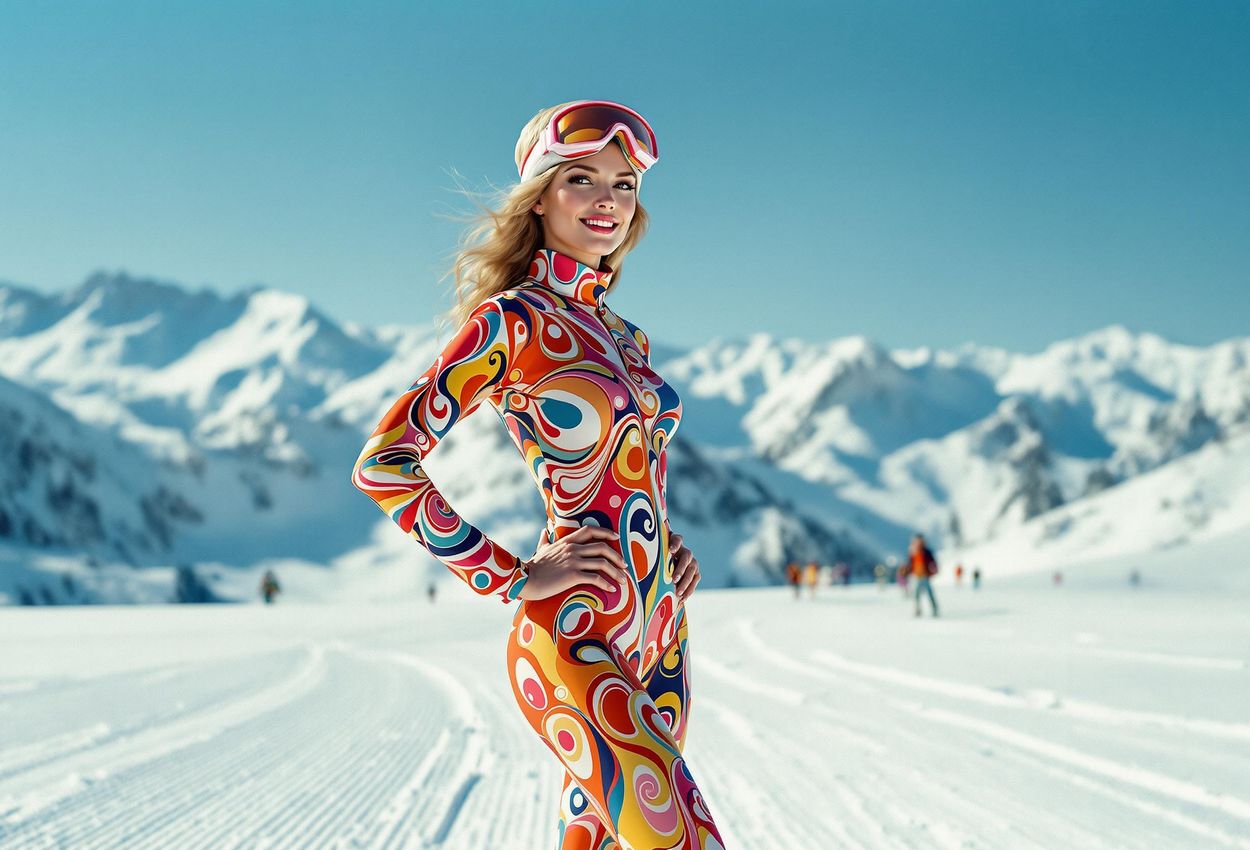
The post-World War II era marked a turning point in ski fashion, with Emilio Pucci emerging as a key innovator. In the late 1940s, Pucci designed the first one-piece ski suit, a revolutionary garment that combined practicality and style. This design offered better protection from the elements and a more streamlined silhouette. The invention of spandex in 1959 further revolutionized ski fashion, paving the way for a sleek and formfitting mountain look.
During the war years, fabric rationing influenced design, but as the 1950s dawned, ski accessories exploded onto the scene. Matching gloves, hats, and scarves added elegance to ski outfits. Goggles became standard for protection from wind and glare. Skiing became synonymous with glamour, boosted by Hollywood stars frequenting resorts. Sun Valley, California, emerged as a hub for après-ski fashion, where high-end, stylish elements were combined with practical ski wear.
Innovations extended beyond apparel. Klaus Obermeyer in Aspen introduced turtlenecks and mirrored sunglasses, enhancing both comfort and style. Cheaper travel and warmer clothing contributed to recreational skiing's rise in popularity. The influence of Hollywood stars on ski fashion was undeniable, as they often combined practical ski wear with high-end, stylish elements.
The Golden Age: Bold Colors and Synthetic Fabrics
The 1960s and 70s ushered in a golden age of ski fashion characterized by bold colors and synthetic fabrics. Nylon and spandex became popular choices, offering a lighter and more flexible alternative to traditional materials. Brands like Moncler and Bogner rose to prominence, known for their stylish and functional designs.
Vogue magazine played a significant role in shaping ski fashion trends, showcasing the latest styles and influencing consumer preferences. Puffer jackets, stretch pants, and elegant furs were all the rage, reflecting a desire for both comfort and sophistication. The 60s brought in the snood as well as mod ski goggles, inspired by space-age fashion, as Apollo 11 landed on the moon in 1969. Silver lurex and vinyl also popped up on the slopes.
Technological advancements also impacted ski gear. Double-lens goggles were introduced to prevent fogging, and plastic ski boots replaced leather ones, offering improved performance and comfort. This era marked a shift towards tighter, lighter clothing and high fashion fabrics.
Neon Nights and the Rise of Technical Wear
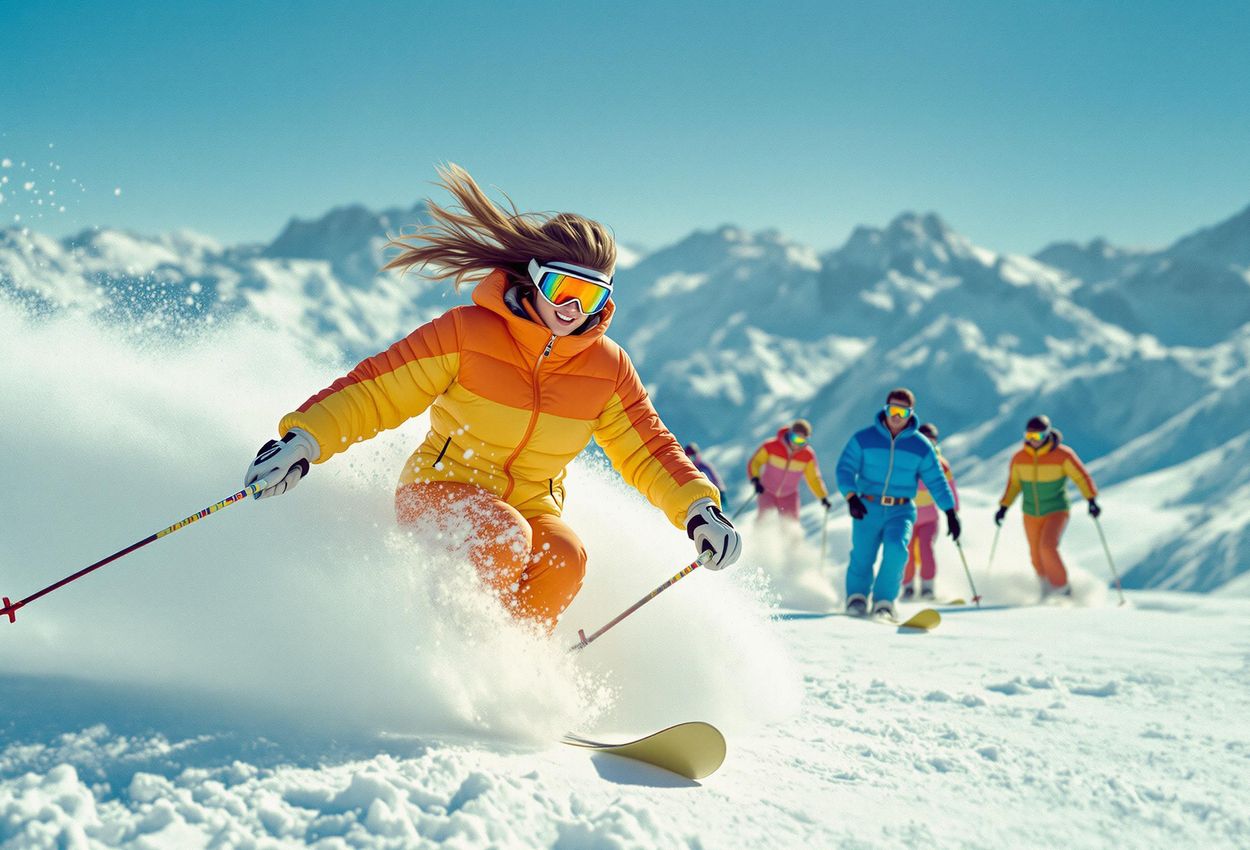
The 1980s and 90s were a time of bold experimentation in ski fashion. Neon colors dominated the slopes, with skiers embracing vibrant hues and eye-catching designs. Onesies made a comeback, offering a retro-inspired look that was both fun and functional.
During this period, technical fabrics became increasingly important. Gore-Tex, Thinsulate, and Polartec provided superior breathability, waterproofing, and insulation, enhancing the performance of skiwear. Brands like The North Face and Patagonia introduced gear that balanced aesthetics with functionality, catering to the needs of serious skiers and snowboarders. Bib overalls also experienced a resurgence in popularity.
As snowboarding gained popularity, its influence permeated ski fashion. Baggy pants, graphic prints, and oversized jackets became prevalent, breaking away from the more tailored looks of the past. Logos and brand names took center stage during these decades.

Streetwear Fusion and Designer Collaborations
Contemporary ski fashion is characterized by a fusion of vintage and retro styles with modern garment technology. Designers are drawing inspiration from past eras while incorporating innovative materials and construction techniques. The result is a diverse and dynamic landscape where anything goes.
Collaborations between ski brands and streetwear/high-fashion labels have become increasingly common. The North Face x Skims and Spyder x Supreme are just two examples of partnerships that have blurred the lines between performance and style. Smaller, niche outerwear brands are also gaining popularity, offering unique designs and a more personalized approach.
Another notable trend is the increasing interest in snowboarding styles among skiers. Baggy silhouettes, bold graphics, and streetwear-inspired details are finding their way onto the slopes, reflecting a broader cultural shift towards inclusivity and self-expression. Ski fashion today is a glorious mix of the best parts of its history. Functionality meets style in ways that early skiers could only dream of.
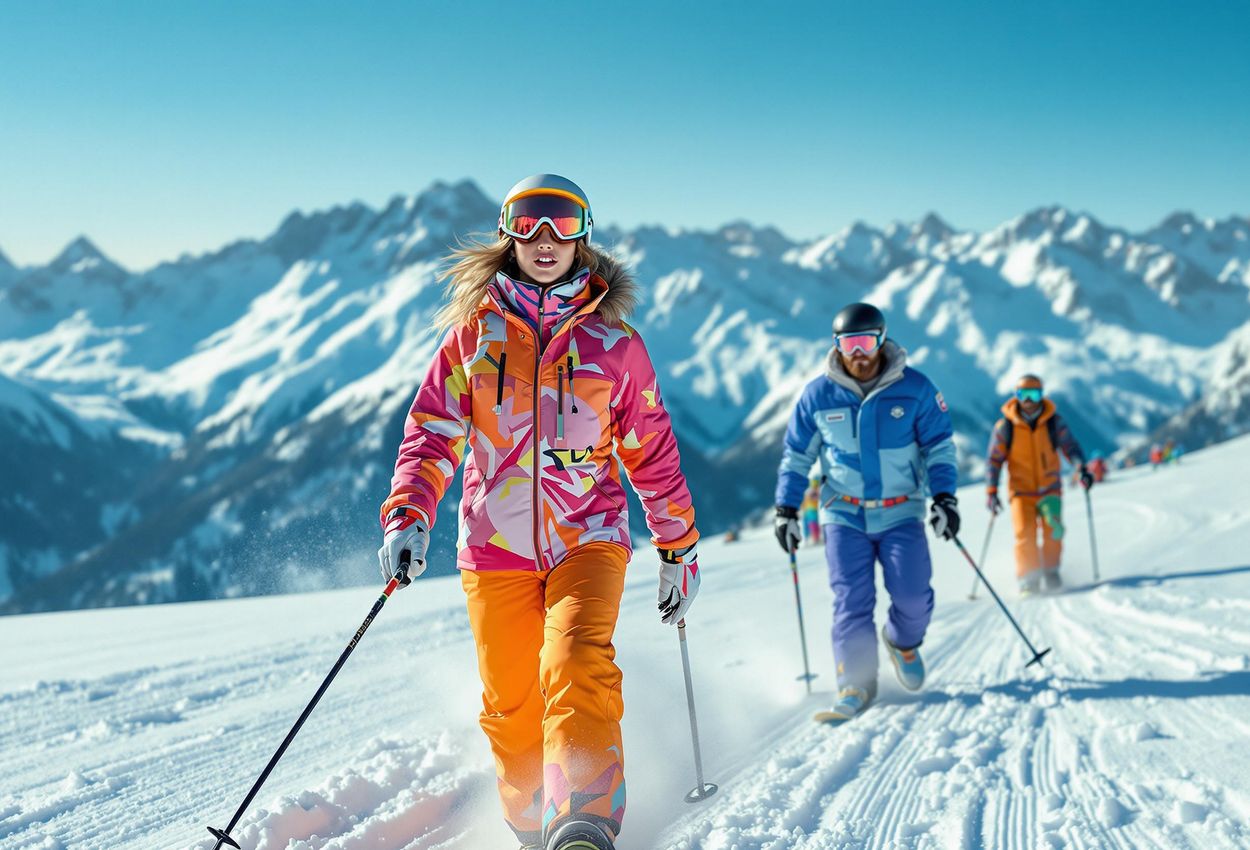
From its humble beginnings as a functional necessity to its current status as a vibrant form of self-expression, ski fashion has come a long way. As technology continues to advance and cultural influences evolve, the future of ski fashion promises to be even more exciting and innovative than its past. Whether you prefer classic elegance, retro-inspired designs, or cutting-edge streetwear, there's a place for you on the slopes. Ski fashion is not just about what you wear; it's about how you express yourself and embrace the spirit of winter adventure.