


Destination Guide
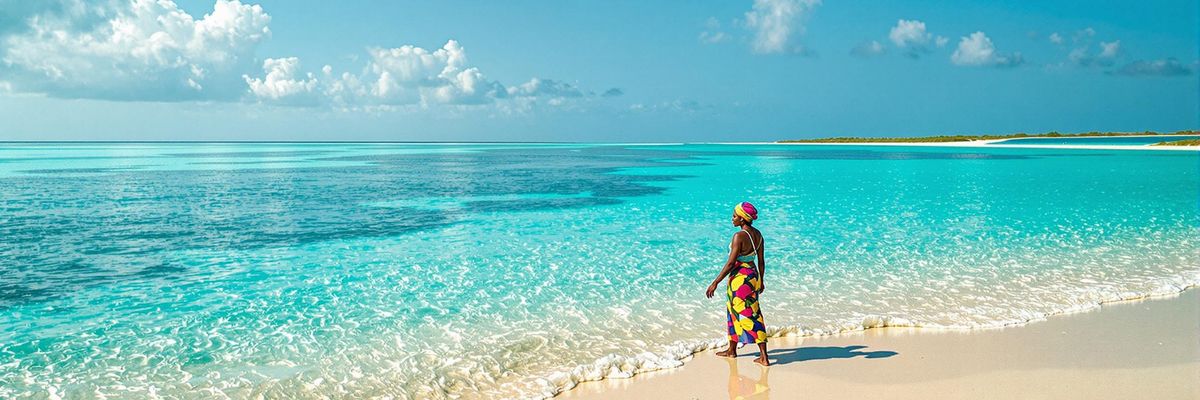
Xai-Xai: A Coastal Retreat
Relax on the beaches and explore the reefs of Xai-Xai.
View More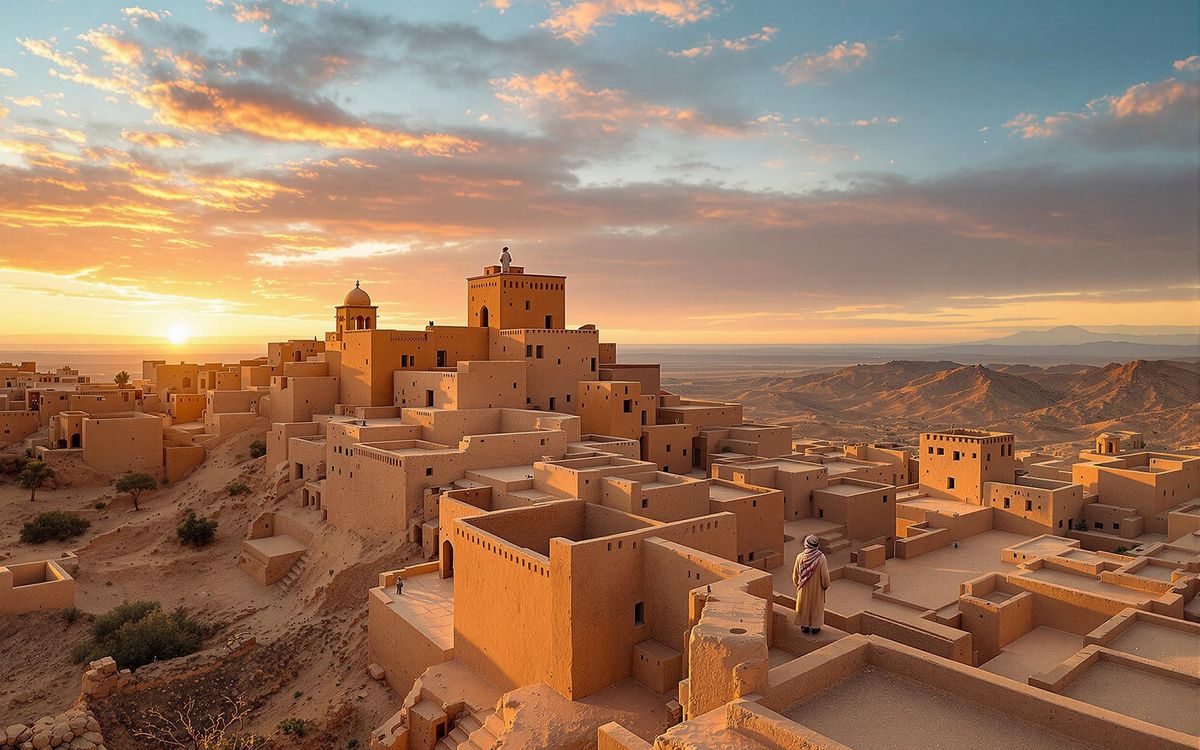

Escape to Tataouine this February, where the cinematic allure of 'Star Wars' meets the raw beauty of the Tunisian desert. This isn't just a trip; it's an immersive experience blending film history with authentic Berber culture, under the gentle North African sun.
Imagine trading winter's chill for the welcoming warmth of Tataouine in February. Here, the weather is a sweet spot, hovering around a comfortable 19°C (64°F) during the day and a mild 8°C (46°F) at night. Rainfall is minimal, with only a slight 9% chance of rain on any given day, ensuring clear skies for exploration and adventure. The humidity is also at a comfortable level of 52%.
Tataouine, named after the Berber word for 'springs,' is more than just a geographical location; it's a cultural crossroads where the echoes of ancient traditions resonate with the futuristic visions of 'Star Wars'. This unique blend makes it an irresistible destination for both ardent fans of the saga and intrepid travelers seeking authentic experiences. The town itself exudes a palpable sense of history, with its traditional architecture and bustling markets offering a glimpse into daily Tunisian life.
Beyond the cinematic connections, Tataouine serves as a gateway to the Sahara Desert, offering a launchpad for unforgettable adventures into the mesmerizing landscapes beyond. Whether you're drawn by the allure of 'Star Wars' or the call of the desert, February in Tataouine promises a journey that is both enriching and exhilarating.
The clear skies in February bathe the region in sunlight for approximately 8 hours each day, providing ample opportunity to explore the local markets, museums, and natural wonders. The quality of light is particularly captivating, casting long shadows across the rolling desert landscape and painting the ancient architecture in warm, inviting hues.
As you wander through the town, the aroma of spices fills the air, mingling with the scent of freshly baked bread from local bakeries. The sounds of bartering echo through the market, where you can find everything from handwoven carpets to traditional Berber jewelry. Engaging with the friendly locals offers a deeper understanding of the region's rich cultural heritage.
February is an ideal time to visit Tataouine because it allows you to avoid the scorching heat of the summer months while still enjoying pleasant weather suitable for outdoor activities. Whether you're exploring ancient ksars or embarking on a desert safari, the mild temperatures ensure a comfortable and enjoyable experience.
Before venturing further, take time to savor traditional Tunisian cuisine at one of Tataouine's local restaurants. From hearty tagines to flavorful couscous dishes, the local fare offers a delicious introduction to the region's culinary traditions. Be sure to try brik, a thin pastry filled with egg, tuna, and capers, for an authentic taste of Tunisia.
As the sun sets, the sky transforms into a canvas of vibrant colors, casting a magical glow over the town and surrounding desert. Find a quiet spot to watch the spectacle, perhaps with a cup of mint tea in hand, and let the beauty of Tataouine in February captivate your senses.
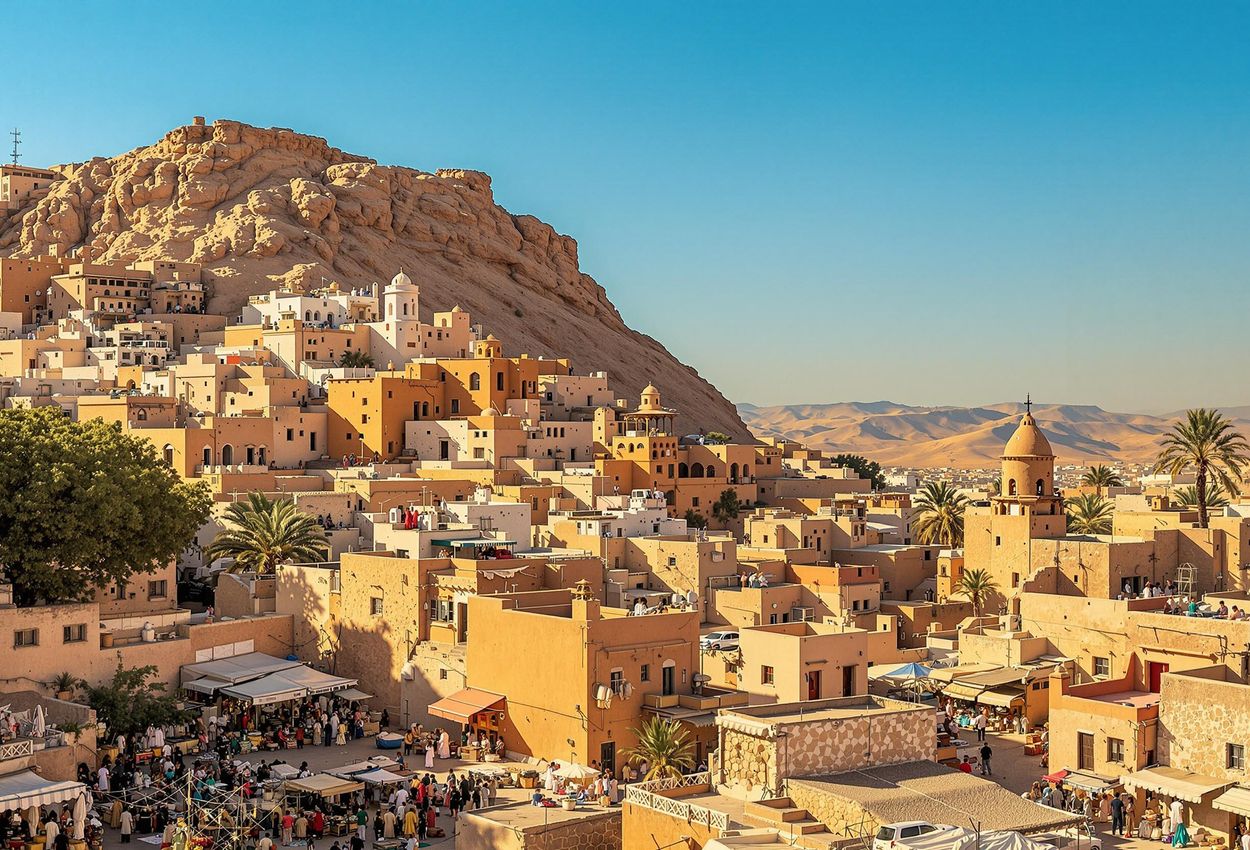
Just a short journey from Tataouine lies Ksar Ouled Soltane, a remarkably well-preserved ksar, or fortified granary, that transports you back in time. But, it also transports you to a galaxy far, far away. This historical site gained international fame when it served as a filming location for 'Star Wars: Episode I – The Phantom Menace,' specifically as the slave quarters of Mos Espa, Anakin Skywalker's home.
To get to Ksar Ouled Soltane from Tataouine, the easiest option is to take a taxi. Taxis are readily available in Tataouine and the ride to the ksar is relatively short and inexpensive. Alternatively, you can join an organized 'Star Wars' tour that includes transportation to Ksar Ouled Soltane and other filming locations in the area.
Built in the 15th century by Berber communities, Ksar Ouled Soltane stands as a testament to the ingenuity and resourcefulness of the region's inhabitants. Its primary purpose was to store grain and other valuable resources, protecting them from both harsh weather conditions and potential raiders. The structure is composed of multiple levels of ghorfas, or storage rooms, stacked atop one another, creating a honeycomb-like facade. The thick earthen walls and small entrances provided insulation against the desert heat and security against intruders.
As you approach Ksar Ouled Soltane, the sheer scale of the structure is immediately striking. The warm, earthy tones of the mud-brick construction blend seamlessly with the surrounding landscape, creating a harmonious visual effect. The ghorfas, arranged in a seemingly haphazard manner, add to the ksar's unique charm and character.
Wandering through the ksar, you can almost hear the echoes of the past. Imagine the bustling activity of Berber families as they hauled sacks of grain up the narrow staircases to store them in the ghorfas. Picture the community gatherings that took place in the central courtyards, where people shared stories, celebrated festivals, and made important decisions.
The views from the upper levels of the ksar are simply breathtaking. The vast, undulating desert stretches out before you, dotted with occasional oases and distant settlements. The silence is broken only by the gentle whisper of the wind, creating a sense of peace and tranquility.
While exploring Ksar Ouled Soltane, take note of the architectural details that make it such a remarkable structure. The wooden doors, though weathered by time, still bear intricate carvings that reflect the Berber artistic tradition. The walls, though made of simple materials, are remarkably sturdy and have withstood the test of centuries.
For 'Star Wars' fans, visiting Ksar Ouled Soltane is a truly special experience. Although the film set decorations are no longer present, you can still recognize the familiar architecture and imagine yourself walking in the footsteps of Anakin Skywalker. The ksar offers a tangible connection to the beloved saga, allowing you to immerse yourself in the world of 'Star Wars' in a unique and unforgettable way.
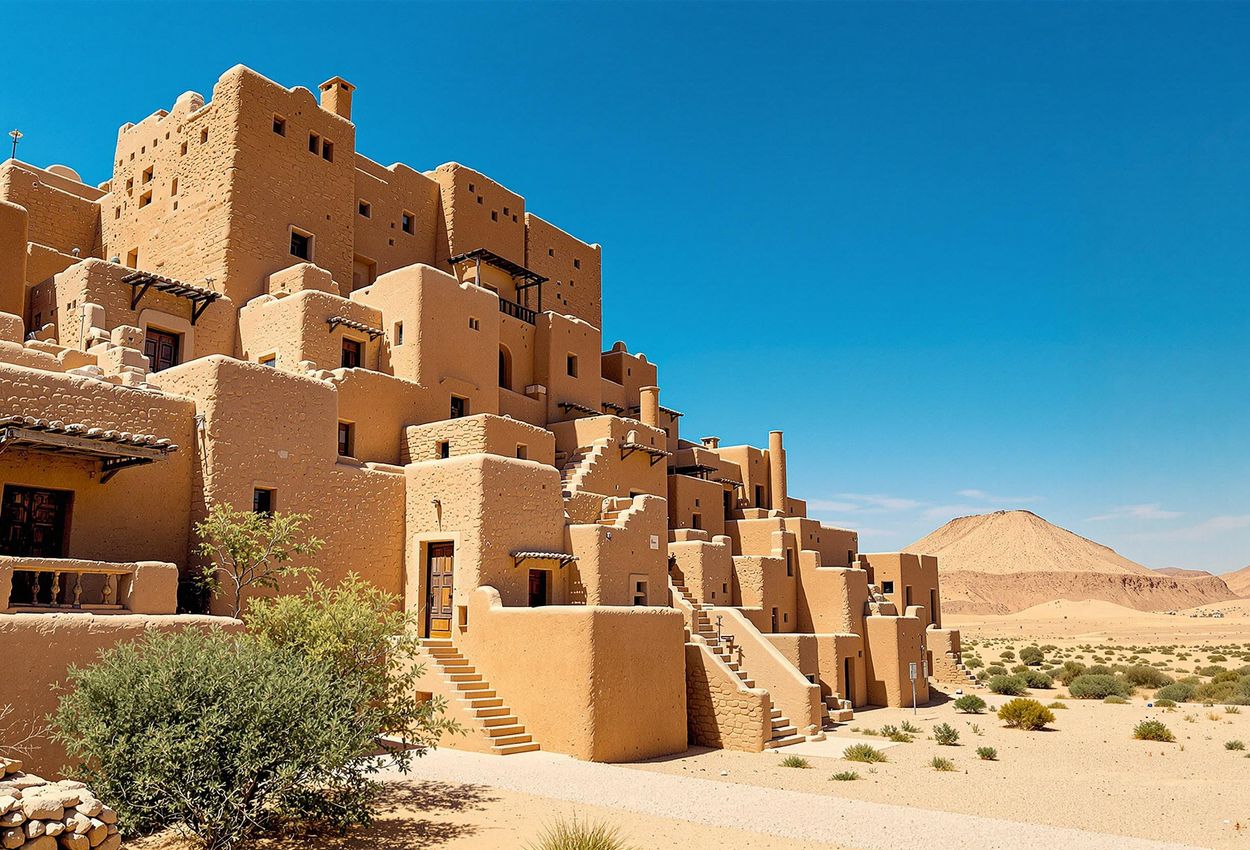
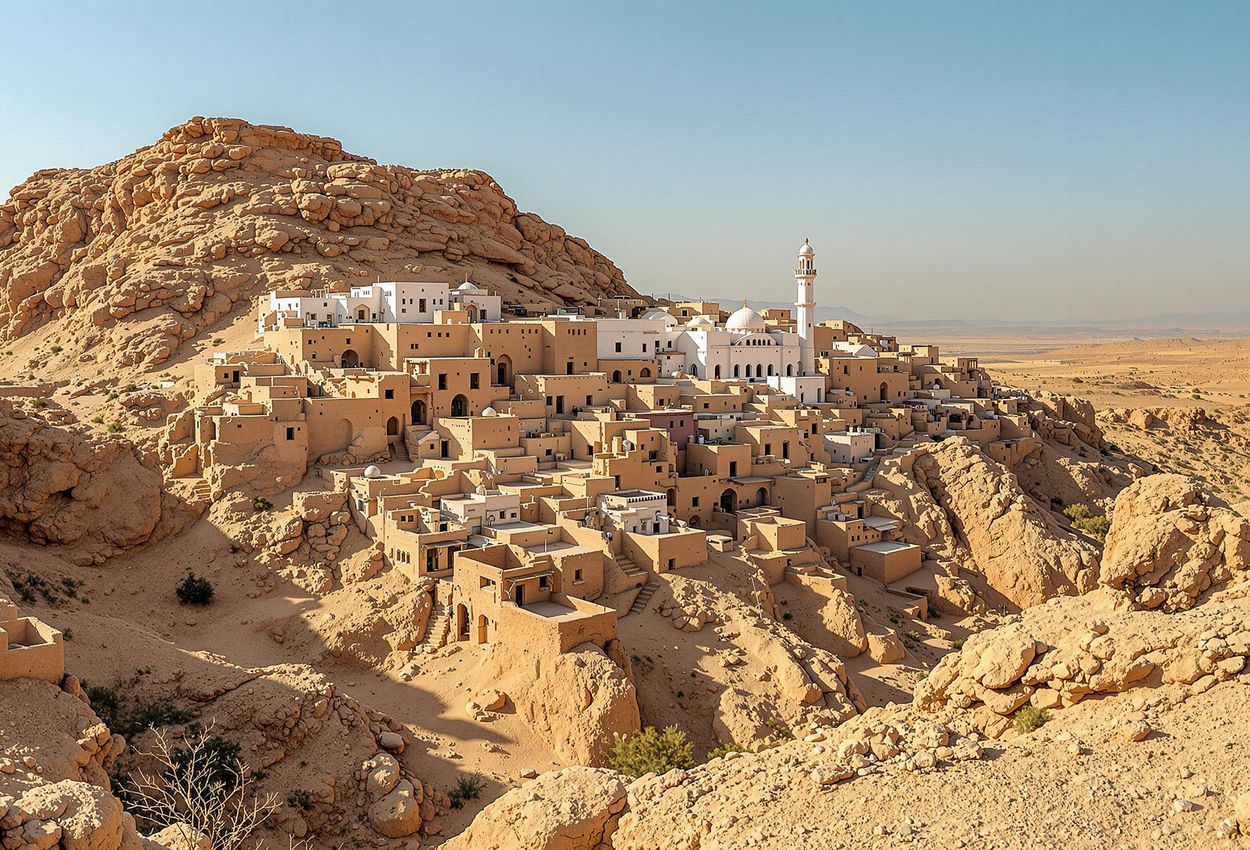
Venture just 18 kilometers west of Tataouine and you'll discover Chenini, an extraordinary troglodyte village that seems to emerge organically from the rugged landscape. This ancient Berber settlement is carved directly into the cliffs, its dwellings blending seamlessly with the surrounding rock formations. Exploring Chenini is like stepping back in time, offering a glimpse into a traditional way of life that has endured for centuries.
The history of Chenini dates back to the 12th century when Berber communities sought refuge in the remote hills of southern Tunisia. They built their homes into the cliffs to protect themselves from raiding parties and to escape the harsh desert climate. The village's strategic location, perched on a hilltop, provided a natural defense against invaders.
As you approach Chenini, the white mosque atop the hill serves as a beacon, guiding you through the winding paths that lead to the village. The mosque, with its distinctive minaret, stands as a symbol of faith and unity for the Berber community. The village’s white minaret once served as a prominent landmark for caravanners, guiding them through the rugged terrain.
Wandering through Chenini, you'll encounter a labyrinth of narrow alleyways, stone staircases, and hidden courtyards. The houses, carved into the rock face, are often interconnected, creating a sense of community and shared space. Many of the dwellings are still inhabited, offering a rare opportunity to witness daily life in a traditional Berber village.
One of the most fascinating aspects of Chenini is its unique architecture. The Berber people ingeniously adapted their building techniques to the natural environment, creating homes that are both functional and aesthetically pleasing. The thick stone walls provide insulation against the desert heat, while the cave-like interiors offer a cool and comfortable living space.
Be sure to visit the Mosque of the Seven Sleepers, one of several sites associated with the pious legend. This ancient mosque is said to be built over the tombs of seven young men who sought refuge from religious persecution in a cave and slept for centuries. The mosque is a place of pilgrimage for Muslims from all over Tunisia.
Chenini shares its name with one of Luke Skywalker's planet's moons, solidifying the region's connection to the 'Star Wars' universe. The region’s awe-inspiring landscapes have served as the backdrop for many iconic scenes in the beloved film franchise.
As you explore Chenini, take time to interact with the local community. The Berber people are known for their hospitality and are often willing to share their stories and traditions with visitors. You may even have the opportunity to sample traditional Berber cuisine, such as tagine or couscous, prepared with local ingredients.
From the village, you can enjoy panoramic views of the surrounding landscape. The rugged hills, dotted with olive groves and palm trees, stretch out before you, creating a sense of awe and wonder. The silence is broken only by the sound of birdsong and the distant bleating of goats.
Tataouine serves as an excellent base for exploring the vast Sahara Desert. Numerous tour operators in the town offer a variety of desert adventures, catering to different interests and budgets. Whether you're seeking a thrilling 4x4 excursion, a peaceful camel trek, or an immersive cultural experience, Tataouine provides the perfect starting point.
Desert tour options from Tataouine typically range from day trips to multi-day expeditions. Day trips often focus on visiting nearby oases, such as Ksar Ghilane, where you can swim in hot springs and explore the surrounding sand dunes. Multi-day tours delve deeper into the Sahara, taking you to remote Berber villages, ancient ruins, and breathtaking desert landscapes.
One popular option is a camel trek, which allows you to experience the desert in a traditional and sustainable way. Riding a camel through the rolling dunes, you'll feel a sense of connection to the nomadic Berber tribes who have traversed these landscapes for centuries. As you journey deeper into the Sahara, the landscape transforms into a sea of sand, with towering dunes stretching as far as the eye can see. The silence is broken only by the rhythmic footfalls of the camels and the occasional call of a desert bird.
For a more adrenaline-fueled adventure, consider a 4x4 excursion into the Sahara. These tours take you off the beaten path, allowing you to explore remote areas that are inaccessible by other means. You'll speed across the dunes, climb steep inclines, and navigate rocky terrain, experiencing the thrill of off-road driving in a truly unique environment.
Many desert tours include visits to Berber villages, where you can learn about the culture and traditions of the local people. You may have the opportunity to share a meal with a Berber family, learn about their weaving techniques, or even try your hand at riding a camel. These cultural encounters provide a valuable insight into the lives of the people who call the Sahara home.
As night falls, the desert sky comes alive with a dazzling display of stars. Far from the light pollution of urban areas, the Sahara offers unparalleled stargazing opportunities. Many tours include overnight camping in the desert, where you can sleep under the stars and listen to the sounds of the night.
Waking up in the Sahara is an unforgettable experience. As the sun rises over the horizon, the dunes are bathed in a warm, golden light. The air is crisp and clean, and the silence is profound. It's a moment of pure tranquility, a chance to connect with nature and appreciate the beauty of the desert.
Before embarking on a desert tour from Tataouine, it's important to choose a reputable tour operator and to pack appropriately. Be sure to bring plenty of water, sunscreen, a hat, and comfortable shoes. It's also a good idea to dress in layers, as the desert temperatures can fluctuate dramatically between day and night.

Our editors` picks of the latest and greatest in travel - delivered to your inbox daily
Relax on the beaches and explore the reefs of Xai-Xai.
View More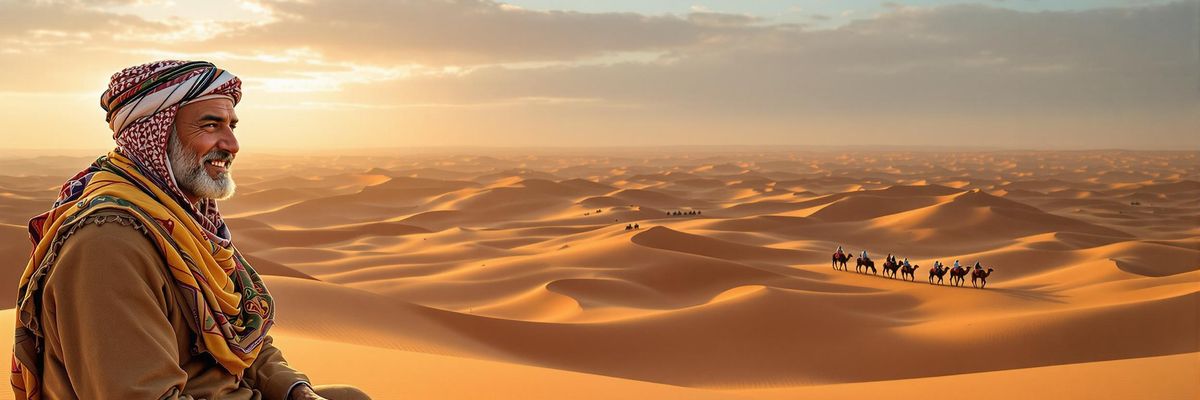
Embrace the cooler temperatures and experience the International Festival of the Sahara in Douz this December.
View More
Celebrate the year-end festivities in Accra, culminating in the vibrant Afrofuture festival.
View More Albania EDITION
 Algeria EDITION
 Argentina EDITION
 Armenia EDITION
 Australia EDITION
 Austria EDITION
 Bangladesh EDITION
 Belgium EDITION
 Belize EDITION
 Benin EDITION
 Bhutan EDITION
 Bolivia EDITION
 Bosnia and Herzegovina EDITION
 Botswana EDITION
 Brazil EDITION
 Bulgaria EDITION
 Burkina Faso EDITION
 Cambodia EDITION
 Cameroon EDITION
 Canada EDITION
 Central African Republic EDITION
 Chad EDITION
 Chile EDITION
 China EDITION
 Colombia EDITION
 Costa Rica EDITION
 Croatia EDITION
 Cyprus EDITION
 Denmark EDITION
 Djibouti EDITION
 Ecuador EDITION
 Egypt EDITION
 El Salvador EDITION
 Eritrea EDITION
 Estonia EDITION
 Ethiopia EDITION
 Finland EDITION
 France EDITION
 Gabon EDITION
 Georgia EDITION
 Germany EDITION
 Ghana EDITION
 Greece EDITION
 Guatemala EDITION
 Guinea EDITION
 Guinea-Bissau EDITION
 Honduras EDITION
 Hungary EDITION
 Iceland EDITION
 India EDITION
 Indonesia EDITION
 Ireland EDITION
 Israel EDITION
 Italy EDITION
 Jamaica EDITION
 Japan EDITION
 Jordan EDITION
 Kenya EDITION
 Kuwait EDITION
 Laos EDITION
 Latvia EDITION
 Lebanon EDITION
 Lesotho EDITION
 Liberia EDITION
 Lithuania EDITION
 Luxembourg EDITION
 Madagascar EDITION
 Malawi EDITION
 Malaysia EDITION
 Maldives EDITION
 Mali EDITION
 Malta EDITION
 Mauritania EDITION
 Mauritius EDITION
 Mexico EDITION
 Mongolia EDITION
 Montenegro EDITION
 Morocco EDITION
 Mozambique EDITION
 Namibia EDITION
 Nepal EDITION
 Netherlands EDITION
 New Zealand EDITION
 Nicaragua EDITION
 Niger EDITION
 Nigeria EDITION
 Norway EDITION
 Oman EDITION
 Pakistan EDITION
 Panama EDITION
 Papua New Guinea EDITION
 Paraguay EDITION
 Peru EDITION
 Philippines EDITION
 Poland EDITION
 Portugal EDITION
 Qatar EDITION
 Romania EDITION
 Rwanda EDITION
 Saudi Arabia EDITION
 Senegal EDITION
 Serbia EDITION
 Singapore EDITION
 Slovakia EDITION
 Slovenia EDITION
 Somalia EDITION
 South Africa EDITION
 South Korea EDITION
 Spain EDITION
 Sri Lanka EDITION
 Suriname EDITION
 Sweden EDITION
 Switzerland EDITION
 Tanzania EDITION
 Thailand EDITION
 Tunisia EDITION
 Uganda EDITION
 United Arab Emirates EDITION
 United Kingdom EDITION
 Uruguay EDITION
 Venezuela EDITION
 Vietnam EDITION
 Zambia EDITION
 Zimbabwe EDITION
Subscribe to our newsletter and get the most captivating travel stories, hidden gems, and expert insights delivered straight to your inbox. As a subscriber, you’ll be first in line for exclusive content, premium offers, and unforgettable travel experiences