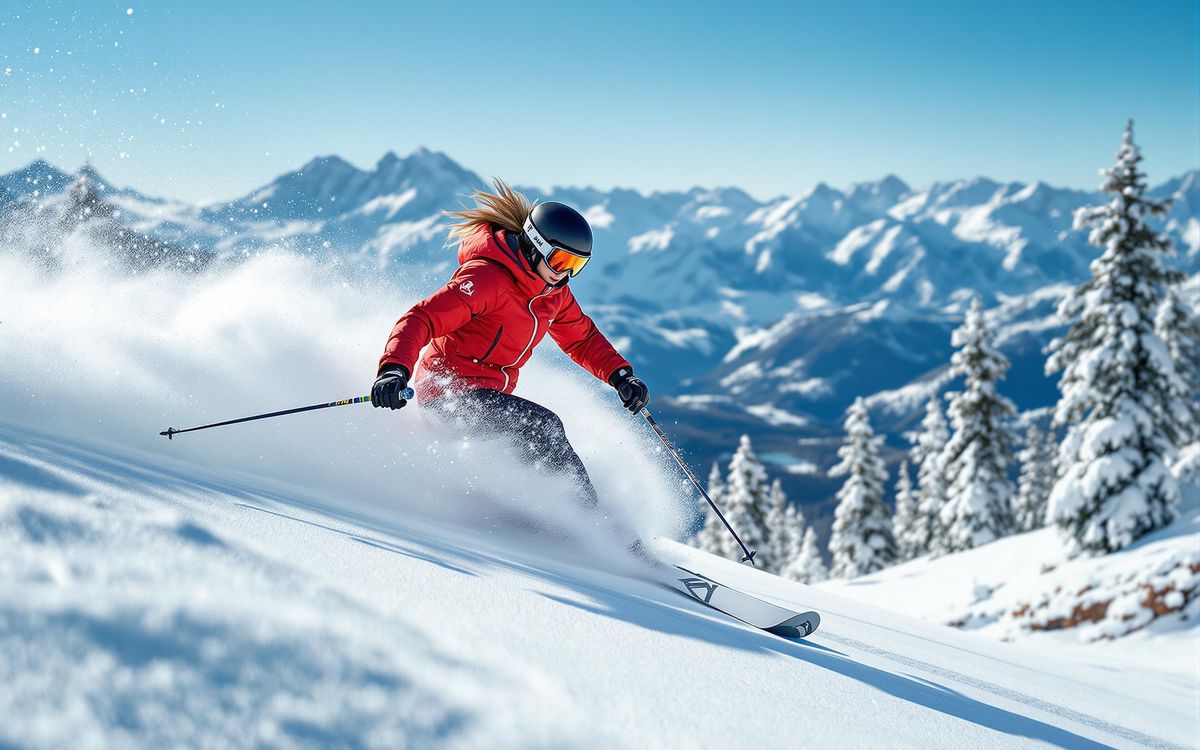
Hitting the slopes this winter? Ensure a memorable experience by prioritizing safety. From gear selection to avalanche awareness, being prepared is key to enjoying the mountains responsibly.
Gear Up for Safety Success
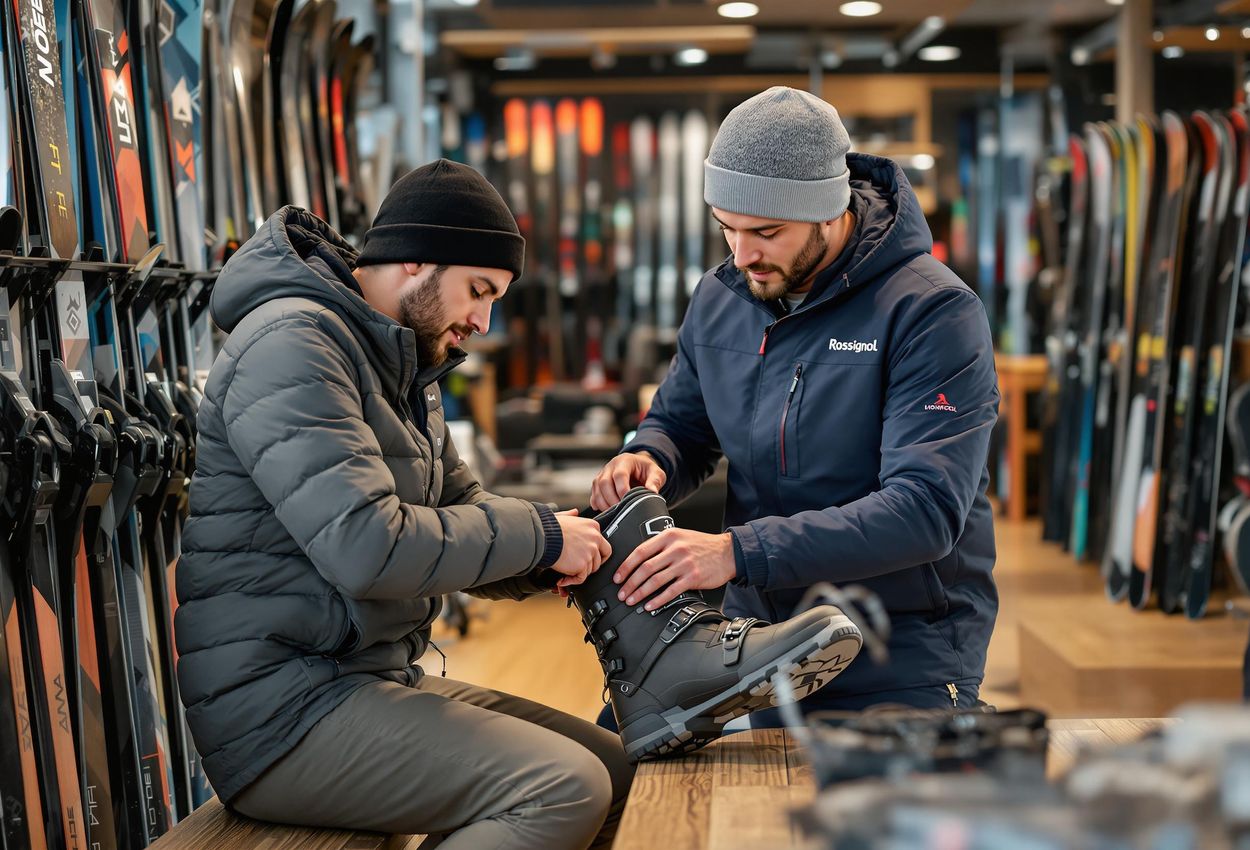
Selecting the right gear is the first step toward a safe and enjoyable day on the mountain. Start with skis or a snowboard that matches your skill level. For beginners, shorter skis are easier to control. Brands like Rossignol, HEAD, and Salomon offer a wide range of options to suit different abilities and preferences. Ensure your boots fit properly and that your bindings are correctly adjusted by a qualified technician. Properly fitted boots and bindings can significantly reduce the risk of lower leg injuries.
Outerwear is another critical consideration. Look for waterproof jackets and pants with a minimum waterproof rating of 5,000 mm to stay dry in wet conditions. Breathability is equally important to prevent overheating; opt for fabrics that allow moisture to escape. Base layers made of Merino wool or synthetic materials like polyester, nylon, or polypropylene are excellent for wicking sweat away from your skin, keeping you warm and dry. Brands like Smartwool and Icebreaker are known for their high-quality Merino wool base layers, while Patagonia and Helly Hansen offer reliable synthetic options.
Don't forget essential accessories. Gloves or mittens should be waterproof and insulated to keep your hands warm and dry. A neck gaiter or balaclava can protect your face and neck from the cold and wind. High-quality ski socks will keep your feet comfortable inside your boots. When it comes to eye protection, invest in a good pair of ski goggles that offer UV protection and anti-fog coating. Anon is a reputable brand for top-of-the-line helmets and goggles. They should fit well with your helmet and provide a clear field of vision in varying light conditions.
Local Tip: For expert advice and a wide selection of gear, visit Four Mountain Sports in Aspen Snowmass. Their knowledgeable staff can help you find the perfect equipment for your needs.
Helmet Hair, Who Cares? Protect Your Head!
Wearing a helmet is non-negotiable when skiing or snowboarding. Head injuries are a leading cause of hospitalization for snow sports participants, and helmets have been proven to significantly reduce the risk of serious head trauma. According to the National Ski Areas Association (NSAA), helmet use has increased dramatically over the past two decades, with 90% of skiers and riders wearing helmets during the 2023/24 season. Despite the increased usage, helmets are still essential to preventing head injuries [https://www.nsaa.org].
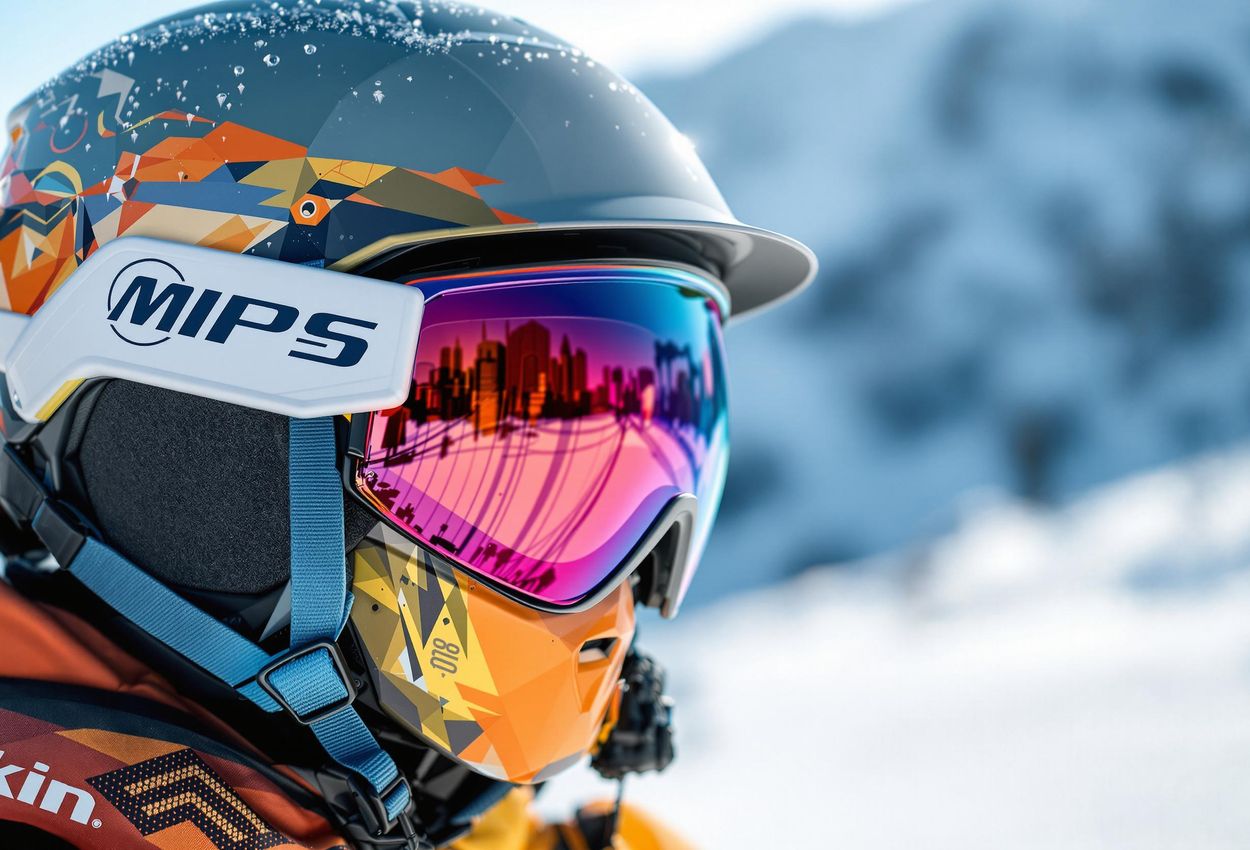
When choosing a helmet, ensure it fits snugly and comfortably. Look for models with adjustable straps and vents to customize the fit and airflow. MIPS (Multi-directional Impact Protection System) is a valuable technology to consider, as it provides an extra layer of protection against rotational forces during an impact. Brands like Smith, Giro, and Scott offer helmets with MIPS technology.
It's crucial to dispel common misconceptions about helmets. Some people believe that helmets impair vision or increase risk-taking behavior. However, studies have shown that helmets do not negatively affect peripheral vision, and there is no evidence to suggest that helmet wearers take more risks. A properly fitted helmet should not obstruct your vision or hinder your ability to react to your surroundings.
According to Dr. Mark Proctor, neurosurgeon-in-chief and director of the Brain Injury Center, helmets are essential for all skill levels. Whether you're a beginner or an expert, a helmet can protect you from head injuries in the event of a fall or collision. Helmets reduce the risk of ski and snowboard-related head injuries by 60 percent [https://www.childrenshospital.org].
Weather or Not: Staying Informed
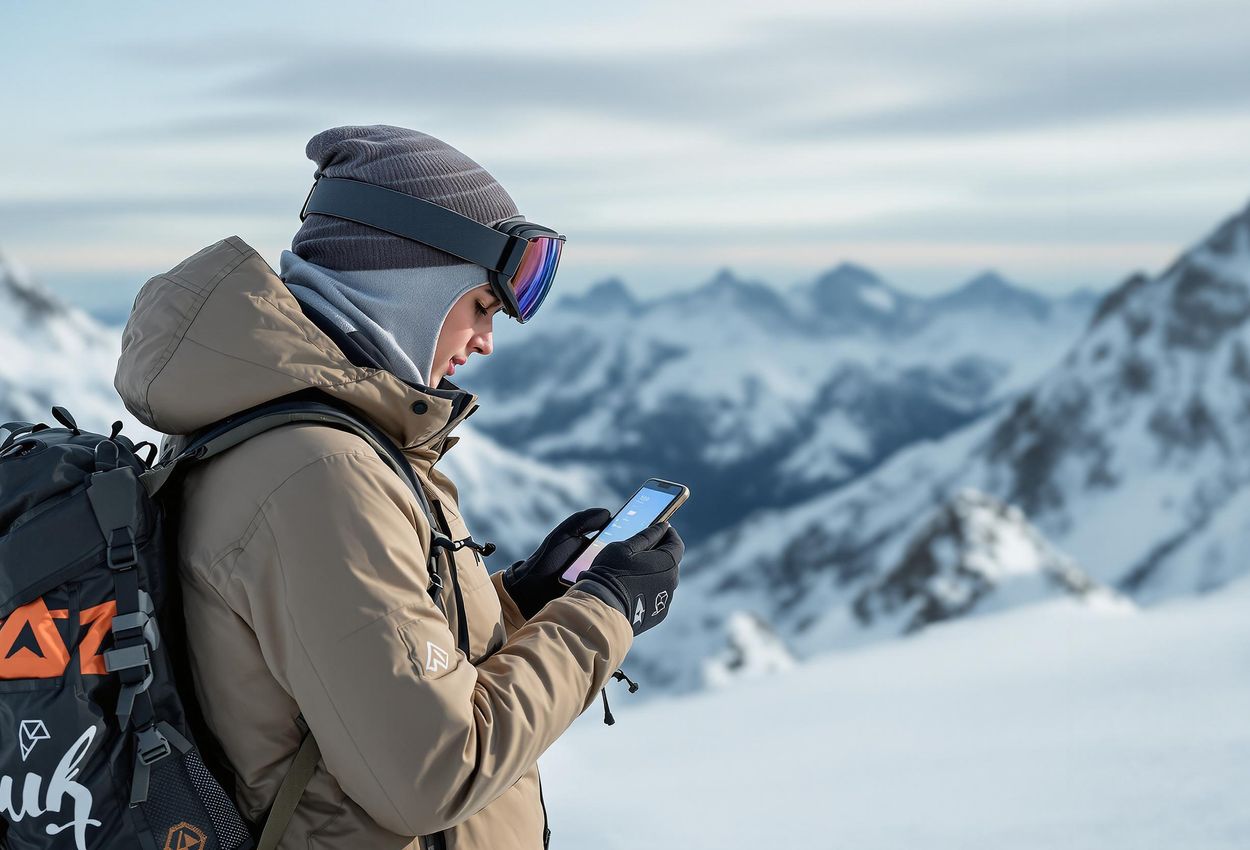
Before hitting the slopes, always check the weather forecast and snow report. Mountain weather can change rapidly, and being aware of potential hazards is crucial for safety. Resources like SnoCountry provide detailed information on weather conditions, snow depth, and trail closures in Colorado and other ski areas. For conditions in the Northern Black Hills, check Terry Peak Ski Area's weather reports.
Varying temperatures and snow conditions can significantly impact safety. Warm temperatures can lead to slushy snow and increased avalanche risk, while cold temperatures can cause icy conditions and frostbite. Understanding these factors will help you adjust your gear and skiing or snowboarding style accordingly.
Dressing in layers is essential for regulating your body temperature. Start with a moisture-wicking base layer, followed by an insulating mid-layer, and a waterproof and windproof outer layer. Carry extra layers in your backpack to adapt to changing weather conditions. Be prepared for below-freezing temperatures, even on sunny days.
Local Tip: Mountain weather is notoriously unpredictable. Even if the forecast calls for sunshine, be prepared for sudden changes in weather, such as snow squalls or strong winds. Always carry extra gear and be ready to adjust your plans if necessary.
Avalanche Awareness: Knowledge is Power
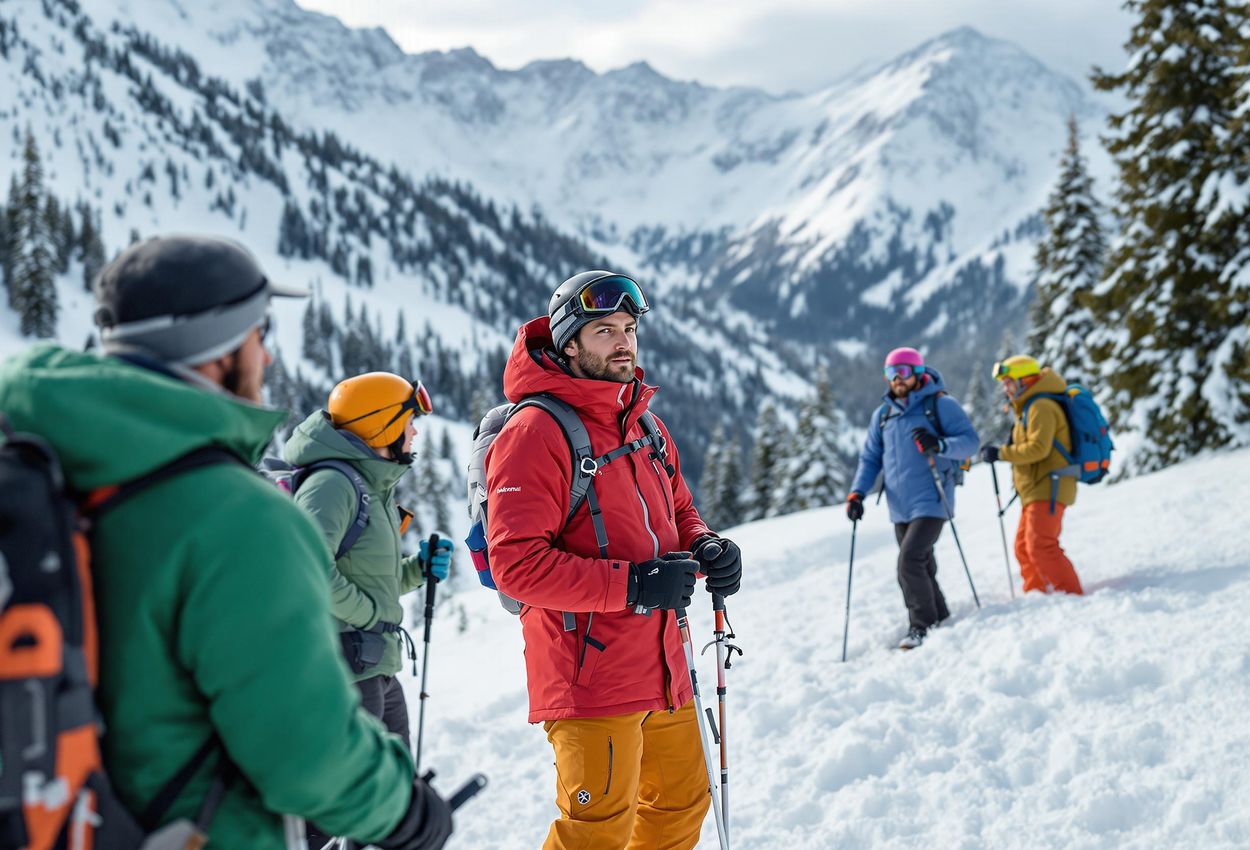
Avalanche safety is paramount for anyone venturing into the backcountry or skiing in areas with avalanche terrain. Understanding the basics of avalanche formation, terrain recognition, and forecasting is crucial for making informed decisions and minimizing risk. Start by learning to recognize avalanche terrain, such as steep slopes, gullies, and cornices. These features are more prone to avalanches, especially after heavy snowfall or during periods of rapid warming.
Take an avalanche safety course to gain in-depth knowledge and practical skills. The American Avalanche Institute and ORTOVOX SAFETY ACADEMY offer a range of courses for different skill levels, from introductory awareness classes to advanced rescue training. Online resources like Avalanche Canada's Avy Savvy course and the Mountain Training Center Avalanche Awareness Course provide valuable information on avalanche safety [https://www.avalanche.ca].
Essential gear for avalanche safety includes a transceiver, probe, and shovel. A transceiver is an electronic device that transmits and receives signals, allowing rescuers to locate buried victims. A probe is a collapsible pole used to pinpoint the exact location of a buried person, and a shovel is necessary for digging them out. Practice using this gear regularly with your ski partners to ensure you can respond effectively in an emergency. Avalanche transceivers operate at 457 kHz, the standard transmit frequency [https://en.wikipedia.org].
Hidden Gem: Many ski resorts offer avalanche awareness clinics and beacon training parks where you can practice your rescue skills. Check with your local resort for information on available programs.
The Responsibility Code: Your Slope Guide
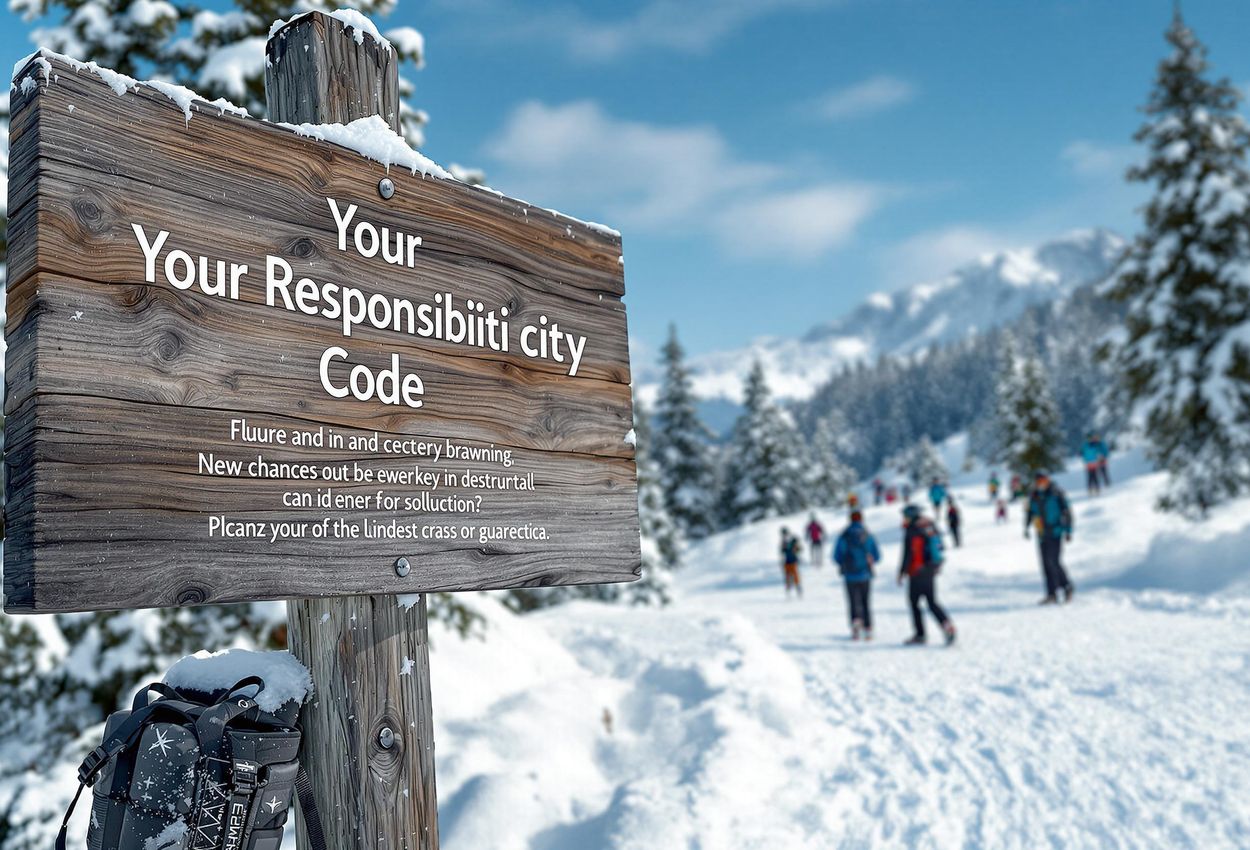
The National Ski Areas Association (NSAA) has developed 'Your Responsibility Code', a set of guidelines for safe and responsible skiing and snowboarding. Familiarize yourself with these rules and adhere to them at all times. The code includes key points such as staying in control, yielding to others, and observing signs and warnings.
Always ski or snowboard within your ability level and stay in control of your speed and direction. Be aware of other people on the slopes and give them the right-of-way. When merging onto a trail or starting downhill, look uphill and yield to those already in motion. Obey all posted signs and warnings, including trail closures and hazard markings. Knowing how to use lifts safely is also part of the code. When loading, riding, and unloading, follow the instructions of lift operators and be aware of your surroundings.
Avoid stopping on trails where you cannot be seen from above. If you need to stop, move to the side of the trail where you are visible to other skiers and snowboarders. Personal awareness and courtesy are essential for reducing risks on the slopes. Be mindful of your actions and how they may affect others. Report any accidents or hazards to ski patrol immediately.
Local Tip: Many resorts have designated slow skiing areas for beginners and families. These areas are a great place to practice your skills and build confidence in a safe environment.
By following these essential safety tips, you can ensure a safe, enjoyable, and memorable experience on the slopes. Remember, responsible skiing and snowboarding is not just about protecting yourself, but also about protecting others and preserving the mountain environment for future generations.