As the crisp mountain air fills your lungs and the glistening snow beckons, a crucial question lingers: can we continue to enjoy our beloved winter playgrounds without compromising their future? The answer lies in sustainable skiing—a commitment to eco-friendly practices that preserve the pristine beauty of our slopes.
From the majestic peaks of the **Alps** to the sprawling resorts of **Colorado**, the ski industry is facing an unprecedented challenge. As climate change intensifies, embracing sustainability is no longer a choice, but a necessity. Join us as we explore the innovative ways resorts are minimizing their environmental impact and how you can contribute to a greener skiing experience.
The Melting Reality: Climate Change's Toll on Skiing
The once-reliable blanket of snow that defined winter wonderlands is now thinning, receding, and arriving later each season. The consequences of climate change are starkly visible in the ski industry, where declining snowpacks and rising temperatures are reshaping the landscape. Across the **United States** and **Europe**, ski resorts are grappling with the harsh reality of shorter seasons and less predictable snowfall. The numbers paint a concerning picture: the US ski industry has lost over $5 billion between 2000 and 2019 due to human-caused climate change. The average ski season has shortened by 5-7 days from 2000-2019, and it is expected to double or triple by 2050.
Imagine a once-thriving ski resort, now struggling to maintain even a fraction of its former glory. The vibrant slopes, once teeming with skiers and snowboarders, are now dotted with patches of bare ground. The cheerful buzz of activity has been replaced by a palpable sense of unease, as resort operators and local businesses alike confront an uncertain future. The air, once filled with the crisp scent of pine and snow, carries a faint, earthy smell from the exposed soil. The laughter of children building snowmen is replaced by the whirring of snowmaking machines, desperately trying to compensate for nature's shortfall.
This isn't just an environmental issue; it's an economic one. Communities that depend on winter tourism are feeling the pinch as visitor numbers dwindle and revenue streams dry up. The impact extends beyond the resorts themselves, affecting hotels, restaurants, and countless other businesses that rely on a steady influx of winter sports enthusiasts. The stakes are high, and the need for action is urgent. Without a concerted effort to mitigate climate change and adopt sustainable practices, the future of skiing—and the livelihoods of those who depend on it—hangs in the balance.
The International Ski and Snowboard Federation (FIS) had to cancel 26 out of 616 World Cup races in early 2023 due to lack of snow and warm weather. In response, FIS has created a Sustainability Guide for Ski Resorts, presenting 14 key initiatives for building environmentally resilient ski destinations. These initiatives include reducing the energy consumption of ski lifts, using 100% green electricity, and adopting effective piste management plans.
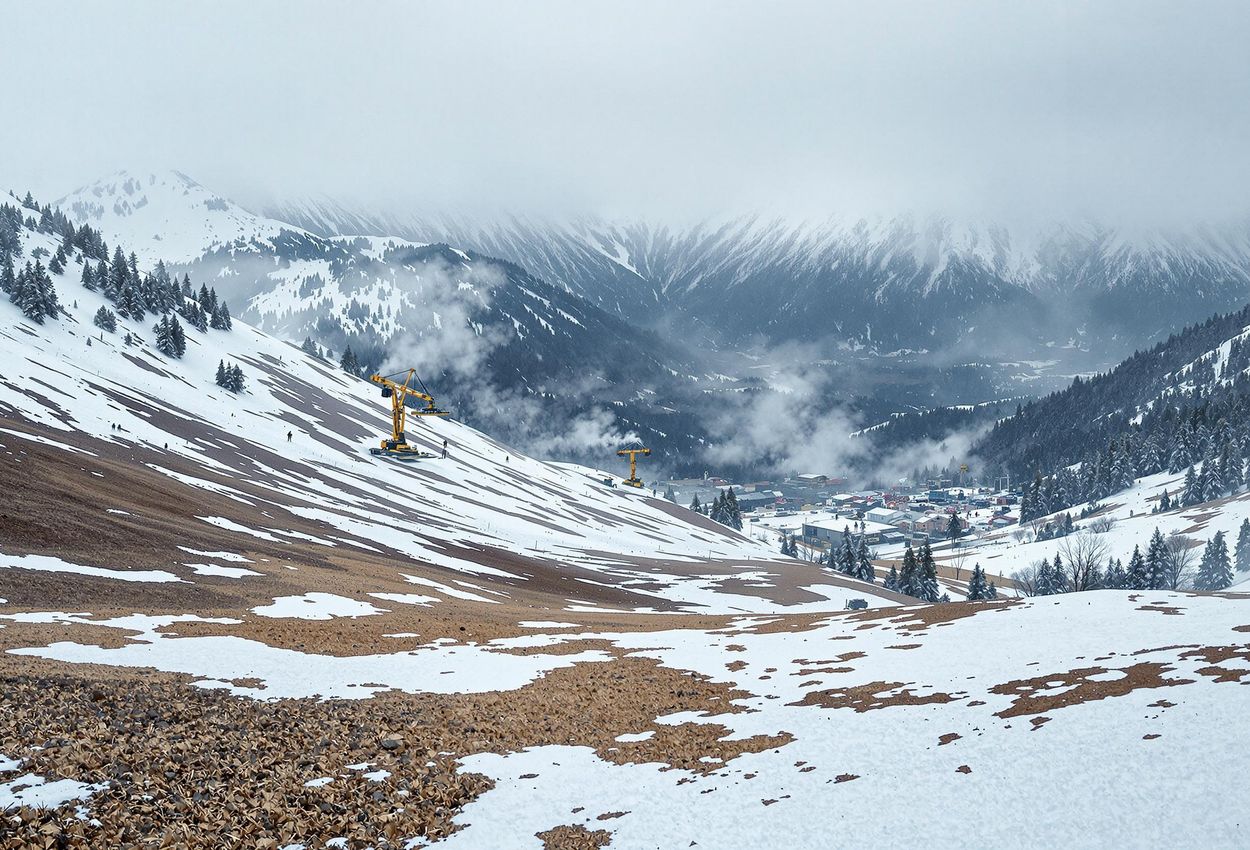
Image Description: A panoramic view of a struggling ski resort in late December. Patches of bare ground are visible on the lower slopes, contrasting sharply with the snow-covered higher elevations. Snowmaking machines are working overtime, attempting to compensate for the lack of natural snowfall. The sky is overcast, and the overall atmosphere is bleak. The scene captures the challenges posed by climate change to the ski industry, highlighting the need for sustainable practices to preserve winter playgrounds. The photo was taken with a wide-angle lens to capture the vastness of the landscape and the extent of the snow cover depletion. The image should be taken on December 28, 2024, to align with the current date and season.
Style Instructions: Landscape, Dramatic. The photo should be taken on a cloudy day to emphasize the somber mood. The focus should be on the contrast between the snow-covered and bare areas, with the snowmaking machines serving as a stark reminder of the challenges faced by the resort. The image should evoke a sense of urgency and the need for action to protect the future of skiing.
Eco-Friendly Resorts: Pioneers of Sustainable Slopes
Amidst the challenges, a beacon of hope shines through: ski resorts that are not just talking about sustainability but actively implementing it. These pioneers are demonstrating that it's possible to provide an exceptional skiing experience while minimizing environmental impact. They are setting new standards for the industry and inspiring others to follow suit.
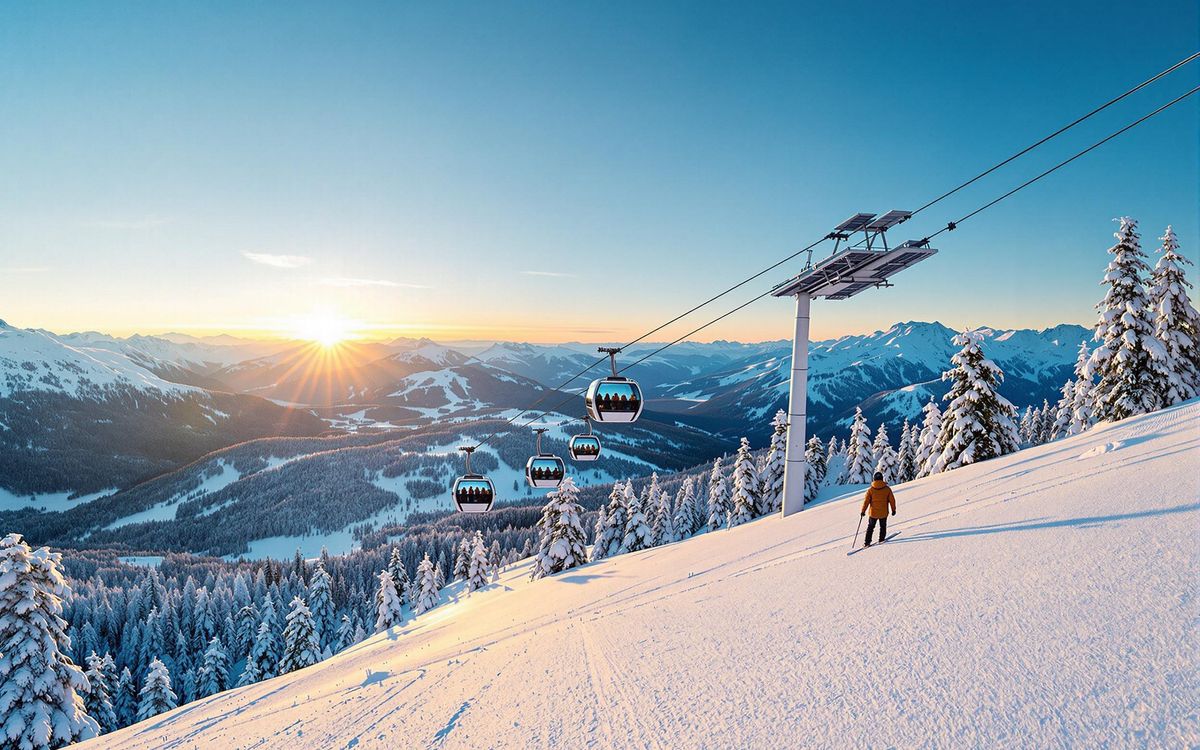
One such leader is **Laax, Switzerland**, renowned for its Greenstyle initiative. This comprehensive program encompasses everything from hydropower usage to solar panel installations on ski lifts. As you glide up the mountain on a lift powered by the sun, you can't help but feel a sense of optimism about the future of skiing. The resort's commitment to sustainability is evident in every detail, from the energy-efficient buildings to the waste reduction programs. Laax is committed to being 100% hydro-powered and generates solar on site, which covers 30% of its power needs.
**Grand Massif, France**, is another shining example, boasting 100% green energy power since 2016 and AlpEnergies100 certification. The resort's dedication to renewable energy sources is truly impressive, with hydropower, wind, and solar power all playing a role in powering its operations. The five resorts making up the Grand Massif ski area (Flaine, Samoens, Morillon, Les Carroz and Sixt) earned AlpEnergies100 certification in 2012 for their long-term commitment to reduce CO2 emissions and for committing to exclusively using renewable energy sources.
Across the Atlantic, **Wolf Creek, Colorado**, stands out as the first US mountain to transition to 100% renewable energy. Since 2006, the ski area has been purchasing all of its electricity use with wind offsets. A collaboration between the San Luis Valley Rural Electric Cooperative and owner Davey Pitcher created a 25-acre solar farm in the valley. Wolf Creek now runs entirely on renewable energy (solar during the day and wind at night).
Imagine yourself at one of these eco-friendly resorts. The air is crisp and clean, carrying the faint scent of pine and fresh snow. The only sound is the gentle hum of electric lifts, a stark contrast to the noisy diesel-powered machinery of the past. As you ski down the slopes, you notice pristine, untouched areas preserved for wildlife, a testament to the resort's commitment to biodiversity. You feel a sense of harmony with nature, knowing that your skiing experience is not coming at the expense of the environment.
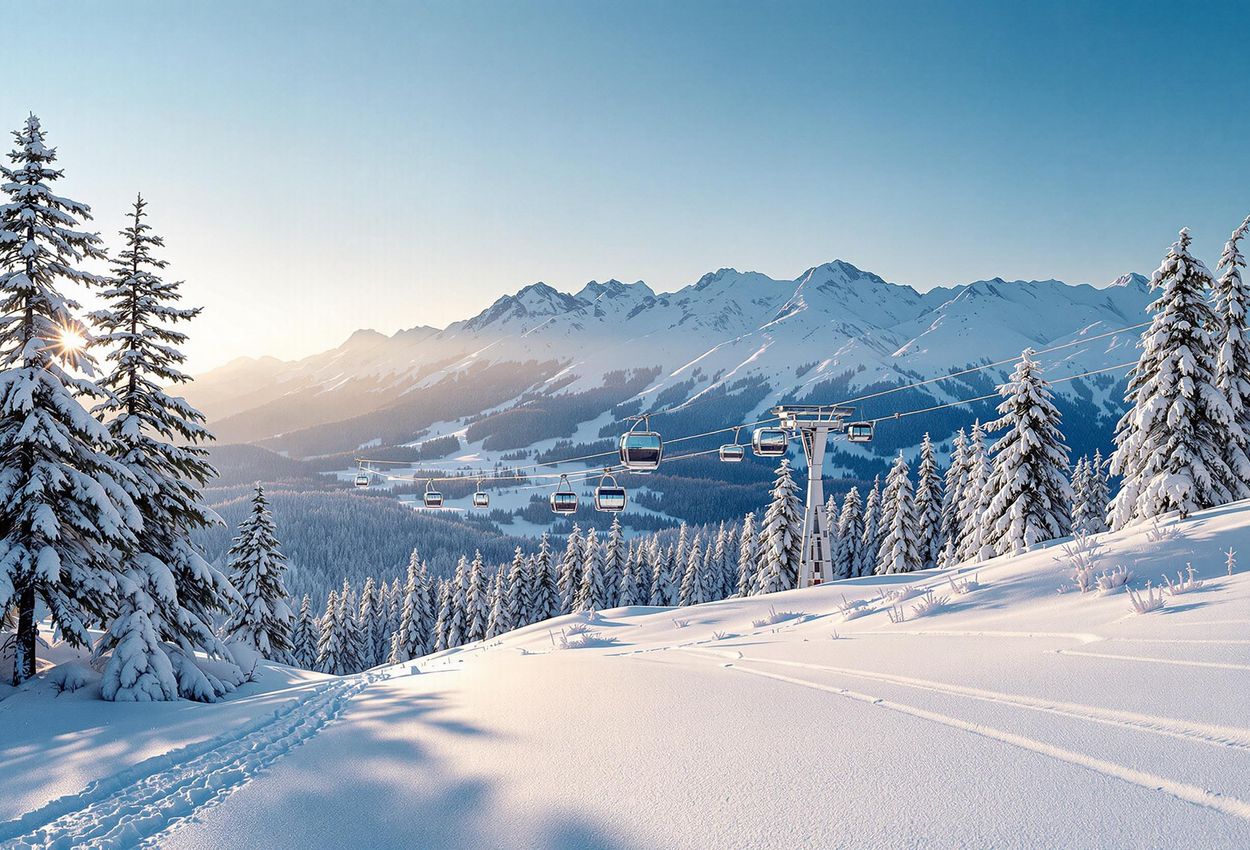
Image Description: A serene scene at Laax, Switzerland, in mid-January. The focus is on a modern, electric ski lift gliding silently through a snow-covered landscape. Solar panels are subtly integrated into the lift infrastructure, showcasing the resort's commitment to renewable energy. The surrounding forest is pristine and untouched, highlighting the resort's efforts to preserve biodiversity. The sky is clear and blue, creating a sense of peace and tranquility. The photo was taken with a telephoto lens to capture the detail of the lift and solar panels, while also showcasing the surrounding landscape. The image should be taken on January 15, 2025, to align with the current date and season.
Style Instructions: Serene, Landscape. The photo should be taken during the golden hour to create a warm, inviting atmosphere. The focus should be on the harmony between technology and nature, with the electric lift and solar panels blending seamlessly into the landscape. The image should evoke a sense of hope and optimism about the future of skiing.
Responsible Travel: Minimizing Your Carbon Footprint on the Go
Choosing an eco-friendly resort is just one piece of the puzzle. As travelers, we also have a responsibility to minimize our carbon footprint on the go. From transportation to accommodation to gear, there are countless ways to make more sustainable choices and contribute to a greener skiing experience.
Transportation is a major source of carbon emissions, so opting for more sustainable modes of travel can make a significant difference. Encourage train travel, such as the Eurostar Snow Train, which offers a convenient and eco-friendly way to reach the **Alps** from **London**. Carpooling is another great option, reducing the number of vehicles on the road and sharing the environmental impact.
When it comes to accommodation, seek out eco-friendly hotels that have implemented sustainable practices. Many hotels have stopped providing single-use items, such as plastic bottles and toiletries, and are actively working to reduce their energy and water consumption. Look for certifications like Green Key or similar eco-labels to identify hotels that are committed to sustainability.
Gear is another area where you can make a difference. Renting or buying pre-worn gear is a great way to reduce waste and minimize the environmental impact of manufacturing new products. Consider the sustainability of the materials used in your gear, opting for recycled fabrics, bio-based resins, and other eco-friendly alternatives.
For a hidden gem, venture off the beaten path and discover a local, family-run restaurant near your chosen resort. Seek out establishments that source all ingredients within a 50-mile radius, supporting local farmers and reducing the carbon footprint associated with food transportation. These restaurants often offer a more authentic and intimate dining experience, allowing you to connect with the local culture and savor the flavors of the region.

Image Description: A candid shot inside a cozy, family-run restaurant near a ski resort in the **French Alps**, taken in early February. The restaurant is bustling with activity, filled with skiers and locals enjoying a hearty meal made with locally sourced ingredients. The focus is on a family of four, laughing and sharing a plate of traditional Alpine cuisine. The atmosphere is warm and inviting, with rustic décor and soft lighting. The photo was taken with a shallow depth of field to create a sense of intimacy and highlight the family's connection. The image should be taken on February 5, 2025, to align with the current date and season.
Style Instructions: Candid, Lifestyle. The photo should capture the authenticity and charm of the restaurant, showcasing the use of local ingredients and the warmth of the family atmosphere. The focus should be on the human connection, with the family's laughter and enjoyment serving as a reminder of the importance of community and sustainability.
Sustainable Practices: Resorts Leading the Charge
Beyond the individual efforts of eco-friendly resorts, the ski industry as a whole is embracing sustainable practices to minimize its environmental impact. From renewable energy to efficient snowmaking to sustainable piste management, resorts are implementing innovative solutions to protect the mountains we love.
Renewable energy is at the forefront of this movement, with resorts increasingly turning to solar, wind, and hydropower to power their ski lifts and facilities. By reducing their reliance on fossil fuels, these resorts are significantly lowering their carbon footprint and contributing to a cleaner, more sustainable future. Ischgl's lift operators, Silvrettaseilbahn AG, have been working to reduce their company's CO2 emissions and offset the remaining CO2 through ClimatePartner, declaring Ischgl, “the largest climate-neutral ski resort in the Alps.”
Efficient snowmaking is another key area of focus. Resorts are investing in advanced snow machines that use less energy and water, while also exploring the use of recycled water for snow production. This helps to conserve precious resources and minimize the environmental impact of snowmaking operations. Powderhorn Mountain Resort deployed a gravity-fed snowmaking system in 2020 that is boasted to be one of the most energy-efficient man-made snow operations in **North America**.
Sustainable piste management is also gaining traction, with resorts implementing plans that prioritize biodiversity and offer ungroomed runs. By preserving natural habitats and minimizing the impact of grooming activities, resorts are helping to protect the delicate ecosystems that thrive in mountain environments.
A culturally specific detail worth noting is the traditional Alpine practice of using snow farming to preserve snow from the previous season. This involves collecting and storing snow in insulated facilities, reducing the need for artificial snowmaking and allowing for an earlier ski season. This snow farming technique reduces technical snow-making demand and allows for an earlier ski season. Steps include assessing terrain suitability, investing in storage technology, using effective insulation materials, and conducting environmental impact assessments.
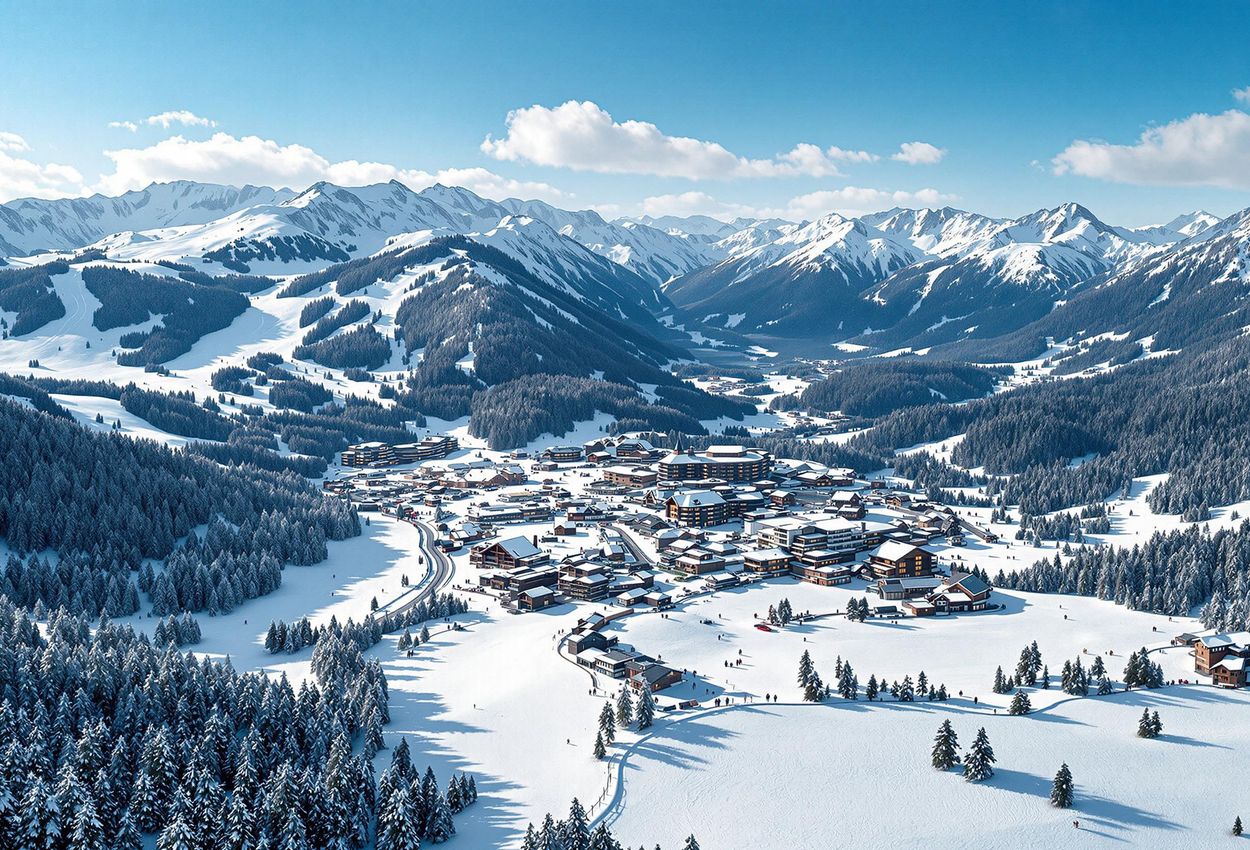
Image Description: An aerial view of a ski resort in the **Alps**, showcasing sustainable piste management practices in late February. The image highlights a mix of groomed and ungroomed runs, demonstrating the resort's commitment to preserving biodiversity and offering a variety of skiing experiences. Patches of natural forest are visible throughout the resort, providing habitat for wildlife. The snow-covered peaks in the background create a stunning backdrop, emphasizing the beauty of the mountain environment. The photo was taken with a drone, capturing the vastness of the resort and the intricate details of the piste management practices. The image should be taken on February 20, 2025, to align with the current date and season.
Style Instructions: Aerial, Landscape. The photo should be taken on a clear day to showcase the vibrant colors of the landscape. The focus should be on the balance between groomed and ungroomed areas, with the natural forest serving as a reminder of the importance of preserving biodiversity. The image should evoke a sense of respect for the mountain environment and the efforts being made to protect it.
Eco-Friendly Gear: Gearing Up for a Greener Ride
The commitment to sustainability extends beyond the resorts themselves, encompassing the gear we use on the slopes. From skis to outerwear to base layers, there are now countless brands and products that prioritize sustainability, allowing you to gear up for a greener ride.
When it comes to skis, brands like Rossignol and WNDR Alpine are leading the way, using recycled materials and bio-based resins in their construction. Rossignol's new Experience line is made with 15 percent recycled material in the tops sheets, 30-70 percent recycled ski bases, and 100 percent recycled steel edges. WNDR Alpine uses microalgae instead of petroleum throughout the designs, including the core.
For outerwear, brands like Picture Organic Clothing and The North Face are committed to using recycled fabrics and PFC-free DWR (durable water repellent) finishes. Picture Organic Clothing's fashionable jackets and pants are made with sugarcane and recycled fabrics. The North Face is also working towards 100% recycled plastic in their orders and introducing ever more recycled materials in their gear.
Base layers are another essential part of your ski wardrobe, and Merino wool clothing from Icebreaker is a sustainable and comfortable choice. Icebreaker emphasizes their traceability and regenerative wool initiatives, ensuring that their products are made with respect for both the environment and animal welfare.
For an insider tip, seek out a small, independent brand that creates ski gear from upcycled materials sourced from old sails and climbing ropes. These brands often have a unique story to tell and offer a truly sustainable alternative to mass-produced gear. Pure Snow garments are 100 percent recyclable, made from recycled consumer products, and free from environmentally harmful chemicals.

Image Description: A close-up shot of eco-friendly ski gear, showcasing sustainable materials and design in mid-March. The focus is on a pair of skis made with recycled wood and bio-based resins, with the brand logo subtly visible. A jacket made from recycled fabrics and PFC-free DWR is draped over the skis, highlighting the use of sustainable materials in outerwear. A pair of Merino wool gloves completes the scene, emphasizing the comfort and sustainability of natural fibers. The photo was taken with a macro lens to capture the texture and detail of the materials, creating a sense of authenticity and craftsmanship. The image should be taken on March 10, 2025, to align with the current date and season.
Style Instructions: Macro, Lifestyle. The photo should be taken in natural light to showcase the colors and textures of the materials. The focus should be on the sustainability and performance of the gear, with the brand logo serving as a subtle reminder of the commitment to eco-friendly practices. The image should evoke a sense of pride and satisfaction in choosing sustainable gear for a greener ride.