



Destination Guide
Xai-Xai: A Coastal Retreat
Relax on the beaches and explore the reefs of Xai-Xai.
View More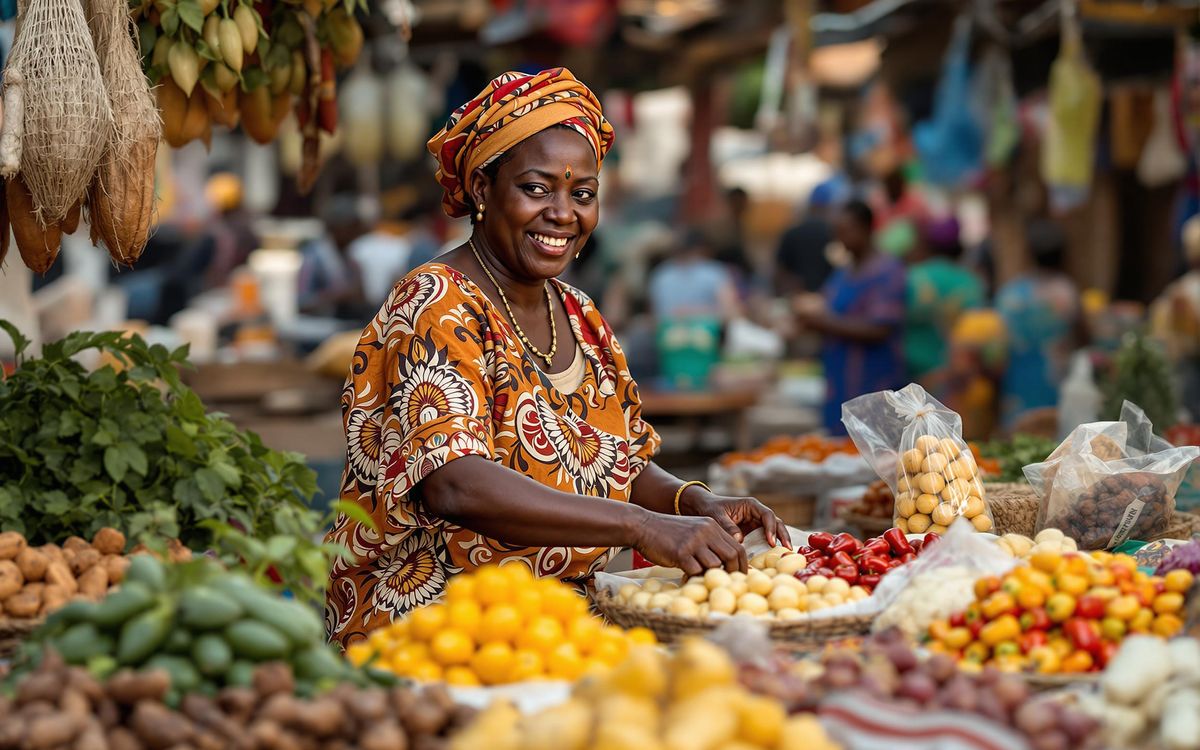

Discover the captivating allure of Tamale, a city brimming with cultural treasures and time-honored traditions, nestled in the heart of Northern Ghana.
Tamale, the capital of Ghana’s Northern Region, offers an immersive experience into the country's rich cultural tapestry. From bustling markets to historical museums and captivating music and dance, the city beckons travelers to explore its unique identity. As the fastest-growing city in West Africa, Tamale seamlessly blends traditional charm with modern vibrancy, promising an unforgettable journey for every visitor.
The heart of Tamale beats strongest within the vibrant chaos of its central market. As the sun rises, casting a golden hue over the city, the market awakens with a symphony of sounds, colors, and aromas. This bustling hub serves as a microcosm of Northern Ghana, where traders and shoppers from diverse ethnic backgrounds converge to exchange goods and stories.
Wander through the labyrinthine aisles, and you'll be greeted by a sensory overload. Mountains of vibrant textiles cascade from stalls, their intricate patterns telling tales of skilled artisans and ancient weaving traditions. The air is thick with the aroma of exotic spices, their pungent scents mingling with the earthy fragrance of shea butter, a local treasure renowned for its healing properties. The calls of vendors hawking their wares create a lively soundtrack, punctuated by the rhythmic pounding of pestles and the cheerful banter of locals bargaining for the best prices.
Aboabo market, a section within the Tamale Central Market, is a hive of activity where most of the wholesale and retail business transactions take place. It is noted for trading in a variety of products, especially local food products. Here, you can find everything from fresh produce and grains to livestock and household goods.
Among the many treasures to be found in the market, shea butter stands out as a true gem. This ivory-colored butter, extracted from the nuts of the shea tree, is a staple in Northern Ghana, used for centuries for its moisturizing and healing properties. Local crafts are also abundant, showcasing the artistic talents of the region's artisans. From intricately carved wooden stools to handwoven baskets and colorful smocks, these unique creations offer a glimpse into the cultural heritage of Northern Ghana.
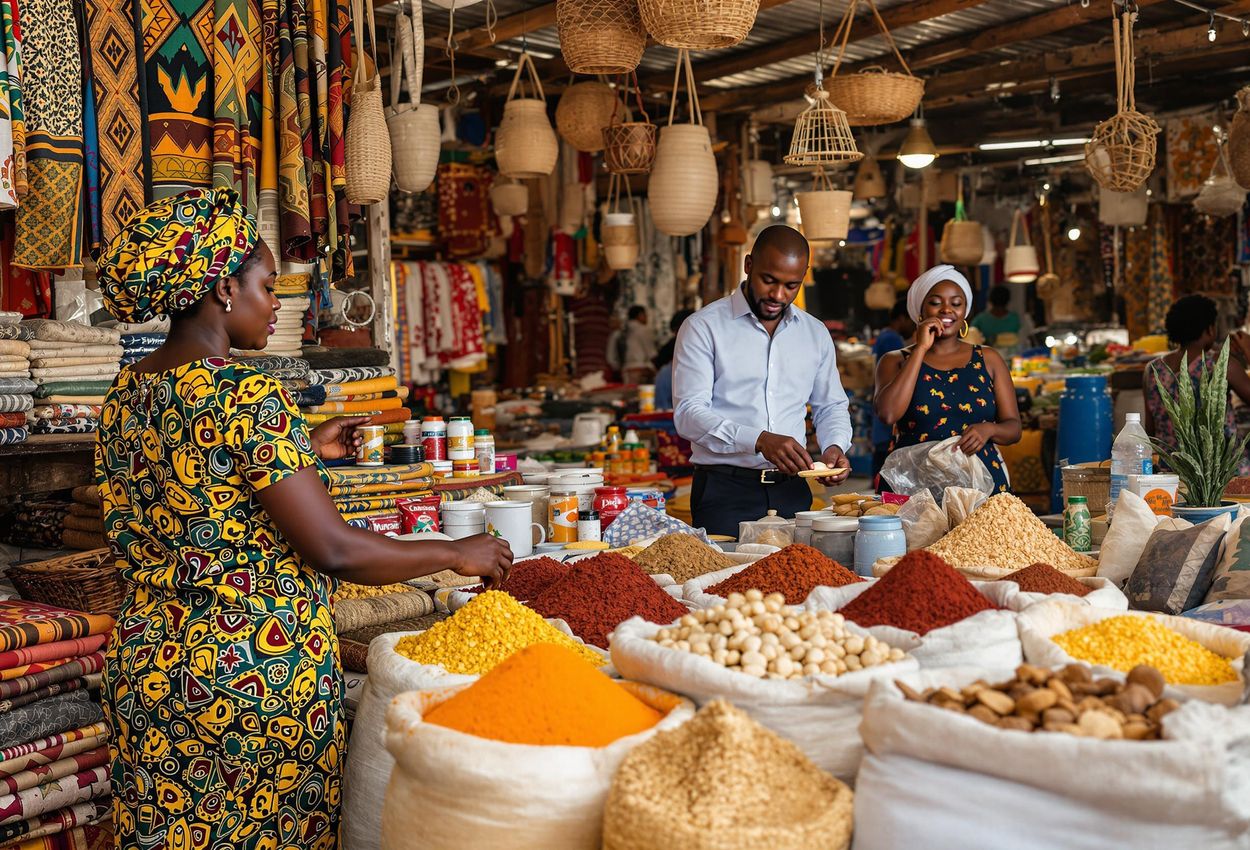
Hidden Gem: Engage with a local vendor, perhaps an elder who has witnessed the market's evolution over decades. Ask about the market's history, its significance to the community, and their personal connection to this vibrant hub. Their stories will offer a deeper understanding of the market's soul and the people who bring it to life.
Escape the frenetic energy of the market and step into the serene halls of the Tamale Museum, a repository of Dagomba history and Northern Ghanaian culture. This cultural institution offers a window into the region's diverse ethnic groups, their traditions, and their ancestral heritage.
The museum's exhibits chronicle the rise and fall of the Dagbon Kingdom, one of the oldest and most influential kingdoms in Northern Ghana. Artifacts on display include royal regalia, traditional weapons, and ceremonial objects, each bearing witness to the kingdom's power and prestige. Explore exhibits dedicated to the diverse ethnic groups that call Northern Ghana home, each with its unique customs, languages, and artistic expressions.
A captivating exhibit showcases traditional clothing, adorned with intricate embroidery and vibrant colors, reflecting the region's rich textile heritage. Another exhibit displays an array of traditional musical instruments, from talking drums to xylophones, their melodies echoing the rhythms of Dagomba life.

Insider Tip: Inquire about the museum's efforts to preserve oral traditions and local folklore. Discover how the museum is working to document and safeguard the stories, myths, and legends that have been passed down through generations, ensuring that they continue to inspire and inform future generations.
No visit to Tamale is complete without indulging in the region's unique culinary offerings. Northern Ghanaian cuisine is a symphony of flavors, textures, and aromas, reflecting the region's agricultural bounty and its diverse cultural influences.
Tuo Zaafi (TZ), a hearty and flavorful dish, reigns supreme as a culinary emblem of Tamale. This staple food is prepared from millet or corn flour and is typically served with Ayoyo soup, a vibrant green broth made from jute leaves. The combination of the smooth, slightly tangy TZ and the flavorful, slightly bitter Ayoyo soup creates a harmonious culinary experience that tantalizes the taste buds. Other must-try dishes include Dagomba-style rice balls with groundnut soup, a comforting and aromatic dish perfect for a cool evening, and Fura de Nunu, a refreshing and nutritious beverage made from millet and milk, a popular choice for quenching thirst on a hot day.
For an authentic culinary experience, venture into the local eateries that dot the city. Tuo Zaafi Corner and Mama Fatim's T.Z. Kitchen are two popular spots renowned for their delicious and authentic TZ. Here, you can savor the flavors of Northern Ghana while immersing yourself in the lively atmosphere of the local community.
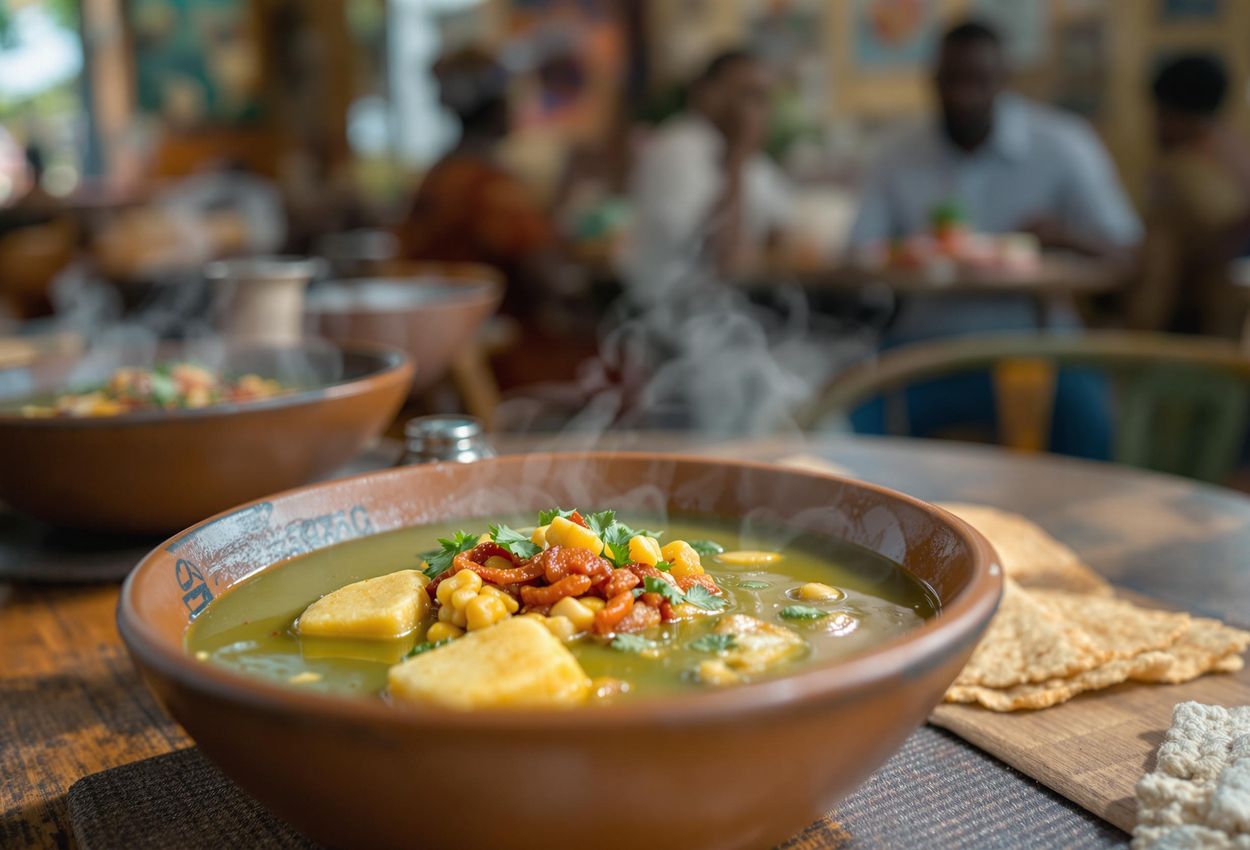
Hidden Gem: Seek out a local family willing to demonstrate the preparation of a traditional dish. This immersive experience will provide a deeper understanding of the ingredients, techniques, and cultural significance of Northern Ghanaian cuisine.
Immerse yourself in the vibrant world of Dagomba music and dance at the Bizung School of Music and Dance, a cultural institution dedicated to preserving and promoting the region's rich artistic heritage. Founded in 2010 by musician Mohammed Alidu and the Playing For Change Foundation, the school offers free cultural and creative opportunities to local youth.
The school's mission is to safeguard traditional Dagomba culture through music and dance, ensuring that these art forms continue to thrive for generations to come. Traditional Dagomba dances, characterized by their energetic movements and captivating rhythms, are a sight to behold. Accompanied by the sounds of traditional instruments, such as the talking drum, flute, and xylophone, these dances tell stories of Dagomba history, mythology, and daily life.
Hidden Gem: Attend a class or rehearsal at the Bizung School and witness the energy and passion of the students firsthand. Feel the rhythm pulsating through your veins as you observe these young artists honing their skills and embracing their cultural heritage.
Delve into the world of Northern Ghanaian craftsmanship and witness the creation of unique and beautiful objects at the artisan workshops in Tamale. The city is renowned for its skilled artisans who specialize in traditional crafts like smock weaving and leatherwork.
Smock weaving, a centuries-old tradition, involves the creation of colorful and intricately patterned garments known as smocks or *fugu*. These garments, traditionally worn by men, are now embraced by people of all genders and backgrounds, symbolizing Northern Ghanaian identity and cultural pride.
Zongo, a vibrant neighborhood in Tamale, is renowned for its leather production. Here, skilled artisans transform raw animal hides into durable and beautiful leather goods, such as sandals, bags, belts, and wallets. The process involves a series of steps, from tanning and dyeing the leather to cutting, stitching, and embellishing the final product.
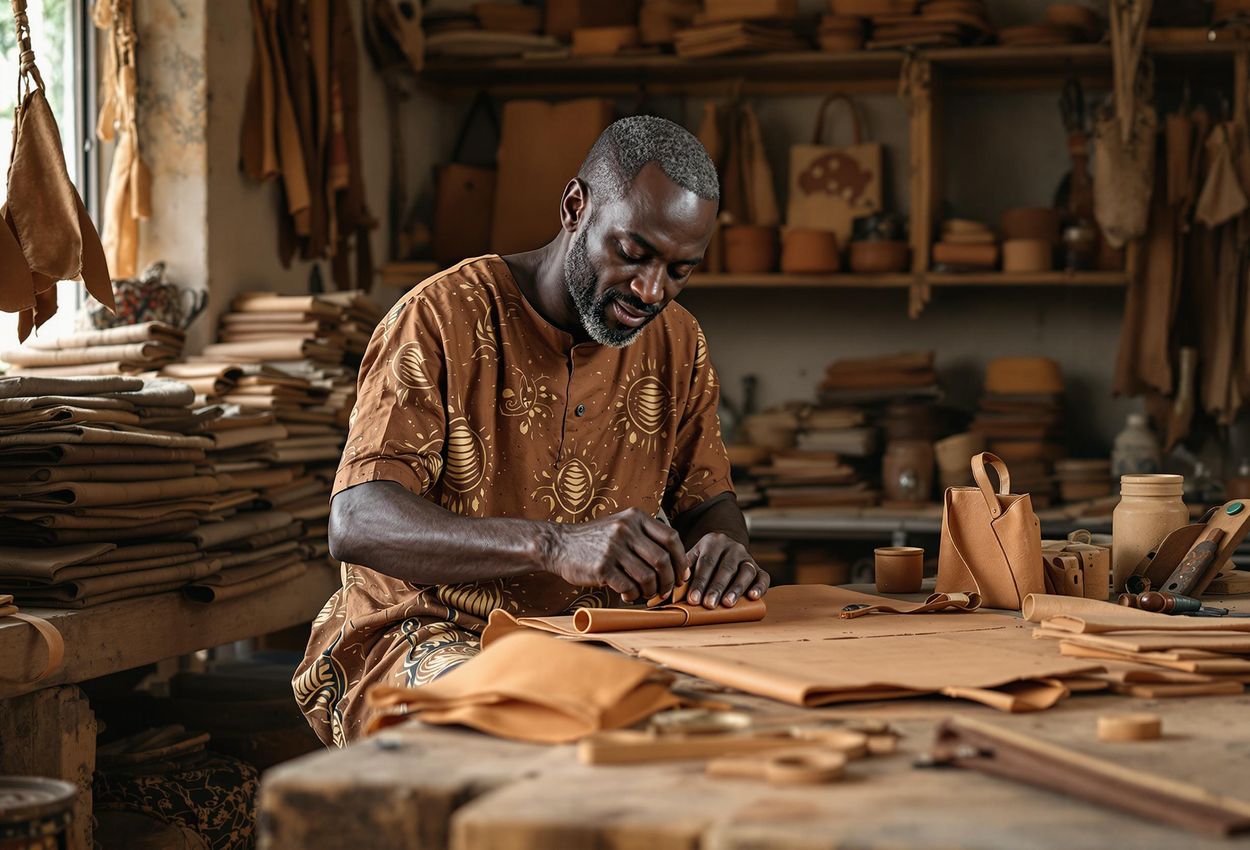
Hidden Gem: Seek out a local artisan and engage in conversation about their craft, its history, and its importance to their community. Learn about the techniques they use, the materials they source, and the challenges they face in preserving their traditional skills.
As you bid farewell to Tamale, carry with you the memories of its vibrant markets, historical treasures, captivating arts, and skilled artisans. Let the spirit of Northern Ghana linger in your heart, inspiring you to embrace cultural diversity and celebrate the richness of human traditions.
Local Tips: When visiting Tamale, it is important to respect local customs and traditions. Dress modestly, greet elders with respect, and always use your right hand when giving or receiving items. Learning a few basic phrases in Dagbani, the local language, will also enhance your interactions with the community.
Our editors` picks of the latest and greatest in travel - delivered to your inbox daily
Relax on the beaches and explore the reefs of Xai-Xai.
View More
Embrace the cooler temperatures and experience the International Festival of the Sahara in Douz this December.
View More
Celebrate the year-end festivities in Accra, culminating in the vibrant Afrofuture festival.
View More Albania EDITION
 Algeria EDITION
 Argentina EDITION
 Armenia EDITION
 Australia EDITION
 Austria EDITION
 Bangladesh EDITION
 Belgium EDITION
 Belize EDITION
 Benin EDITION
 Bhutan EDITION
 Bolivia EDITION
 Bosnia and Herzegovina EDITION
 Botswana EDITION
 Brazil EDITION
 Bulgaria EDITION
 Burkina Faso EDITION
 Cambodia EDITION
 Cameroon EDITION
 Canada EDITION
 Central African Republic EDITION
 Chad EDITION
 Chile EDITION
 China EDITION
 Colombia EDITION
 Costa Rica EDITION
 Croatia EDITION
 Cyprus EDITION
 Denmark EDITION
 Djibouti EDITION
 Ecuador EDITION
 Egypt EDITION
 El Salvador EDITION
 Eritrea EDITION
 Estonia EDITION
 Ethiopia EDITION
 Finland EDITION
 France EDITION
 Gabon EDITION
 Georgia EDITION
 Germany EDITION
 Ghana EDITION
 Greece EDITION
 Guatemala EDITION
 Guinea EDITION
 Guinea-Bissau EDITION
 Honduras EDITION
 Hungary EDITION
 Iceland EDITION
 India EDITION
 Indonesia EDITION
 Ireland EDITION
 Israel EDITION
 Italy EDITION
 Jamaica EDITION
 Japan EDITION
 Jordan EDITION
 Kenya EDITION
 Kuwait EDITION
 Laos EDITION
 Latvia EDITION
 Lebanon EDITION
 Lesotho EDITION
 Liberia EDITION
 Lithuania EDITION
 Luxembourg EDITION
 Madagascar EDITION
 Malawi EDITION
 Malaysia EDITION
 Maldives EDITION
 Mali EDITION
 Malta EDITION
 Mauritania EDITION
 Mauritius EDITION
 Mexico EDITION
 Mongolia EDITION
 Montenegro EDITION
 Morocco EDITION
 Mozambique EDITION
 Namibia EDITION
 Nepal EDITION
 Netherlands EDITION
 New Zealand EDITION
 Nicaragua EDITION
 Niger EDITION
 Nigeria EDITION
 Norway EDITION
 Oman EDITION
 Pakistan EDITION
 Panama EDITION
 Papua New Guinea EDITION
 Paraguay EDITION
 Peru EDITION
 Philippines EDITION
 Poland EDITION
 Portugal EDITION
 Qatar EDITION
 Romania EDITION
 Rwanda EDITION
 Saudi Arabia EDITION
 Senegal EDITION
 Serbia EDITION
 Singapore EDITION
 Slovakia EDITION
 Slovenia EDITION
 Somalia EDITION
 South Africa EDITION
 South Korea EDITION
 Spain EDITION
 Sri Lanka EDITION
 Suriname EDITION
 Sweden EDITION
 Switzerland EDITION
 Tanzania EDITION
 Thailand EDITION
 Tunisia EDITION
 Uganda EDITION
 United Arab Emirates EDITION
 United Kingdom EDITION
 Uruguay EDITION
 Venezuela EDITION
 Vietnam EDITION
 Zambia EDITION
 Zimbabwe EDITION
Subscribe to our newsletter and get the most captivating travel stories, hidden gems, and expert insights delivered straight to your inbox. As a subscriber, you’ll be first in line for exclusive content, premium offers, and unforgettable travel experiences