



Destination Guide
Xai-Xai: A Coastal Retreat
Relax on the beaches and explore the reefs of Xai-Xai.
View More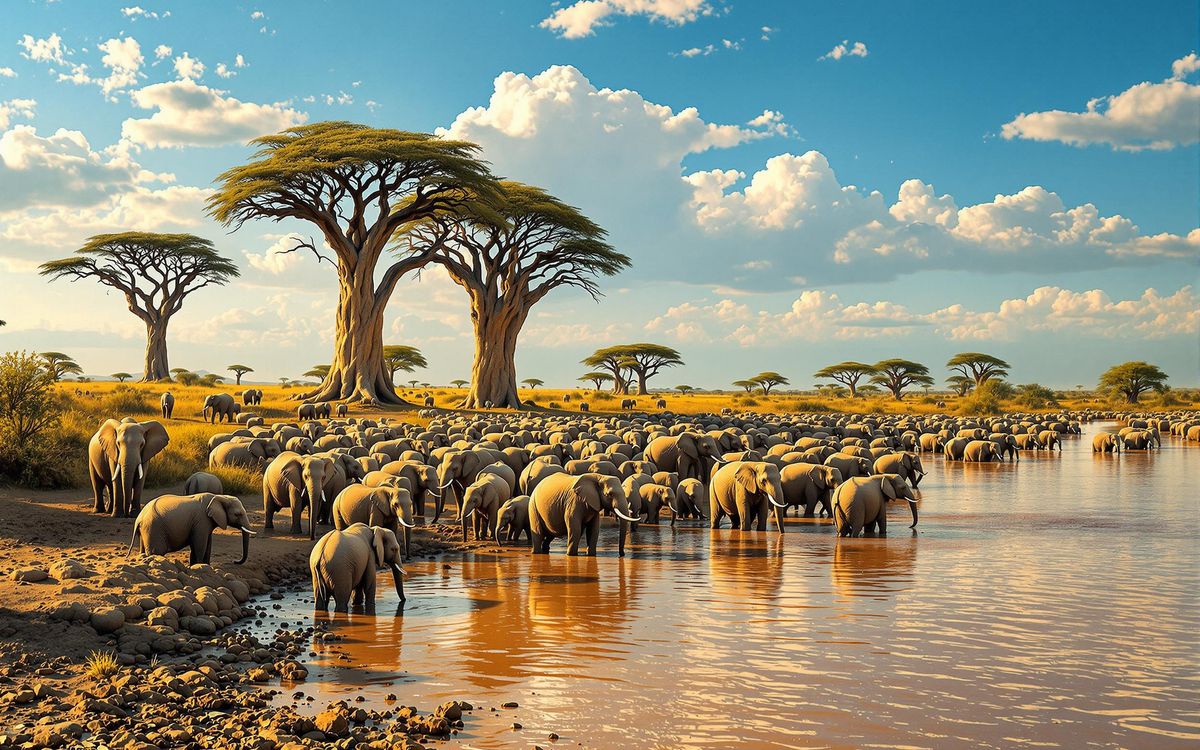

June in Tarangire National Park is more than just a date on the calendar; it's a symphony of nature awakening. The dry season has begun, and with it, the whispers of giants echo across the savanna as the great elephant migration commences. This is Tanzania at its most raw and captivating, a place where the ancient rhythms of life play out in spectacular fashion.
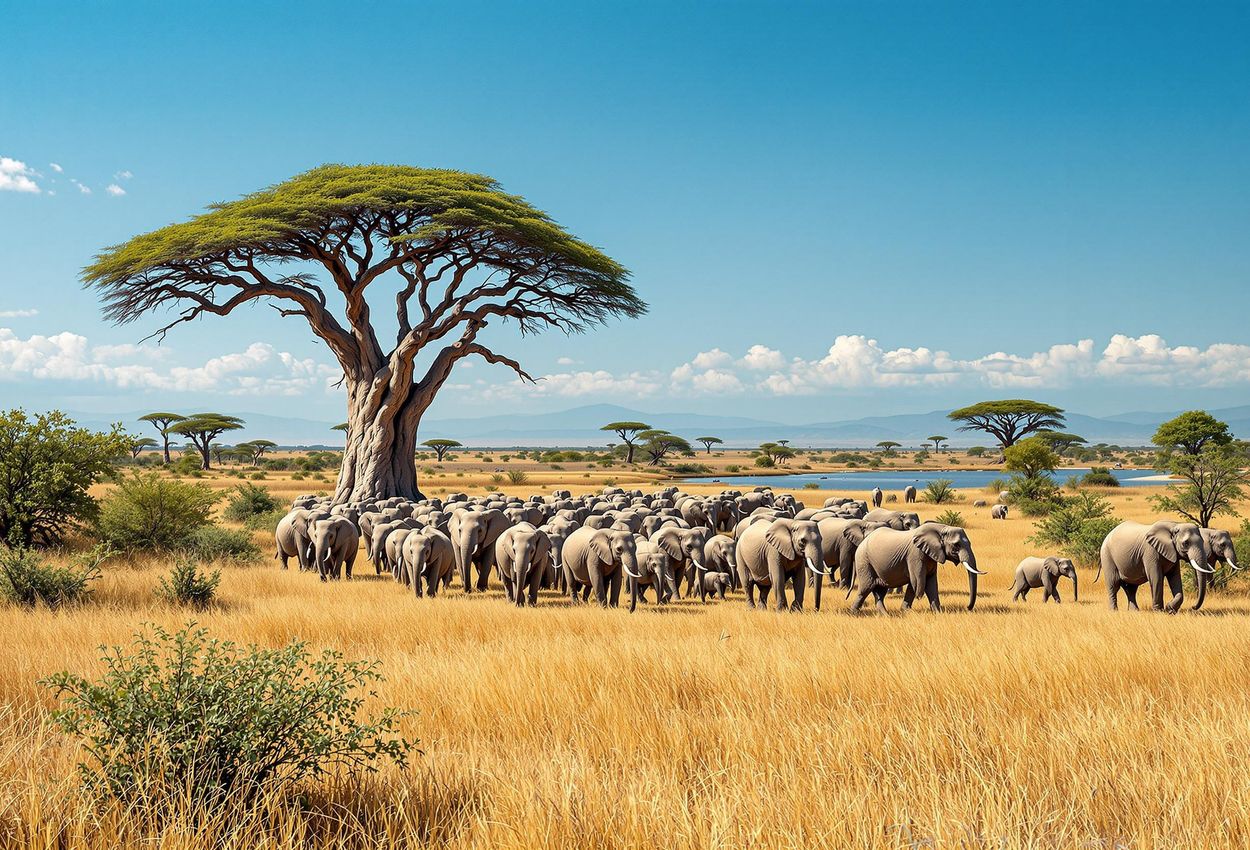
Imagine yourself standing amidst a landscape painted in hues of gold and amber. The tall grasses sway gently in the breeze, their seed heads shimmering under the clear blue sky. Ancient baobab trees, their massive trunks like weathered monuments, stand sentinel across the plains. The air is crisp and dry, carrying the scent of sun-baked earth and distant rain. This is Tarangire in June, a theater set for one of nature's most impressive acts: the gathering of the elephants.
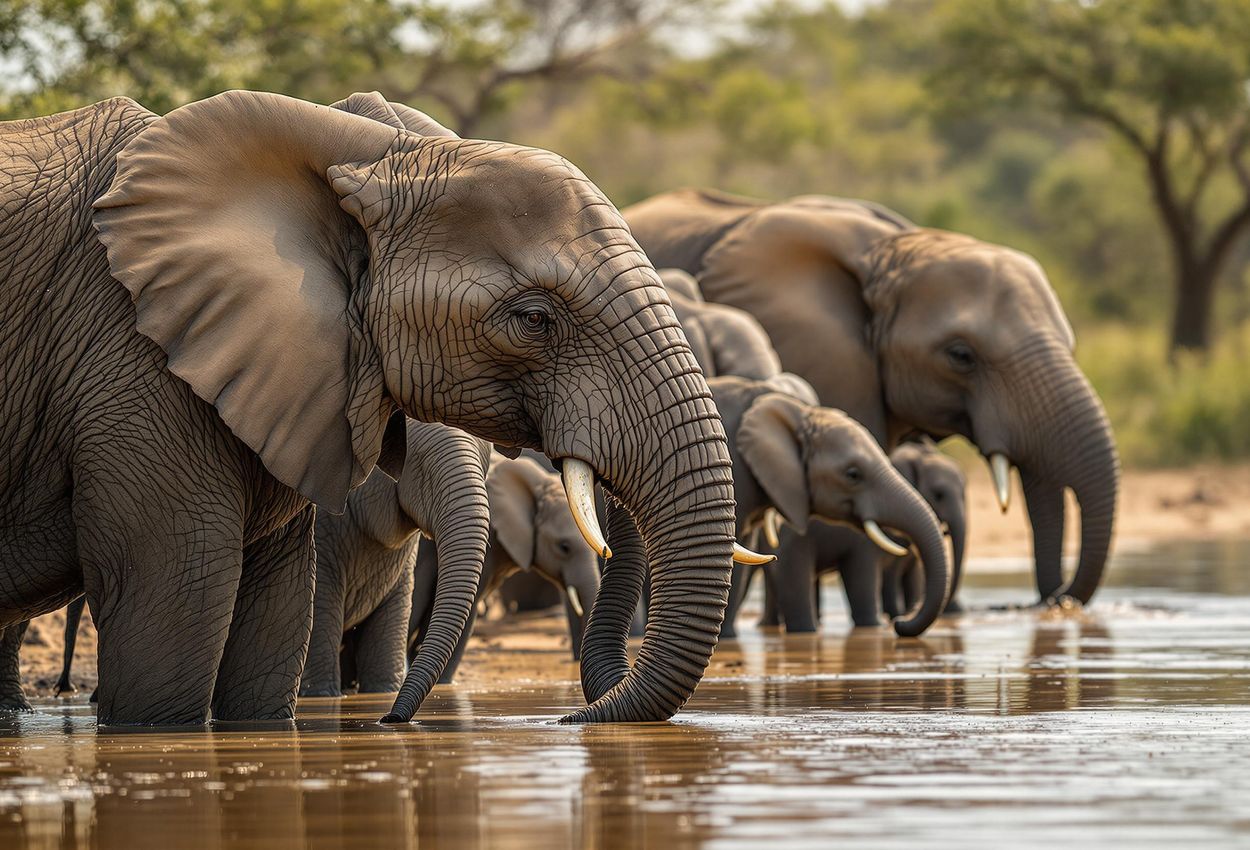
The Tarangire River, the park's namesake and lifeline, becomes the heart of this spectacle. As other water sources dry up, it draws in the elephants from miles around, creating an unparalleled concentration of these majestic creatures. The anticipation is palpable, a sense of excitement that hangs in the air as you witness the first families arriving, their silhouettes dark against the horizon.
What begins as a trickle soon turns into a flood. Day by day, the elephant population swells, their numbers growing exponentially. Soon, the park is teeming with these gentle giants, a living, breathing testament to the power and resilience of nature. You'll see them in every direction: mothers with their young calves, their wrinkled hides the color of the earth; bulls with their impressive tusks, their massive frames radiating strength; and families intertwined, their bonds as deep and enduring as the ancient baobabs that surround them.
Hidden Gem: The local Maasai people, who have coexisted with these elephants for centuries, hold a deep respect for them. They believe that elephants are connected to the land and possess a wisdom that humans can only dream of. Some Maasai even consider the elephant as the second god because of its powerful voice and immense size. This reverence is a reminder that we are all part of a larger web of life, and that the fate of the elephants is intertwined with our own.
The journey to the Tarangire River is not merely a stroll; it's a pilgrimage. Elephants travel vast distances, following ancient paths etched into the landscape over generations. They navigate the terrain with an innate intelligence, their senses guiding them to the life-giving water.
Imagine witnessing a family of elephants crossing the parched earth, their massive bodies moving with surprising grace. The little ones struggle to keep up, their trunks swinging playfully as they mimic their mothers. The older elephants, wise and experienced, lead the way, their eyes scanning the horizon for danger.
Their interactions within their family groups are a testament to their complex social structure. You'll see them touching, communicating through rumbles and gestures that are both subtle and profound. The matriarch, the wise old leader, guides her family with unwavering authority, ensuring their safety and well-being.
Within Tarangire National Park, certain locations become focal points during this migration. The Silale Swamps, for example, offer a respite from the dry heat, providing a place for elephants to wallow in the mud and cool off. These swamps are a hive of activity, a gathering place for families and herds, a spectacle of life unfolding before your eyes.
Unique Cultural Detail: The local tribes have historically relied on the elephants' migration patterns to predict weather changes. Their intimate knowledge of the land and its creatures has allowed them to live in harmony with nature for centuries. This understanding is a reminder that traditional wisdom holds valuable insights into the delicate balance of our ecosystem.
Elephants are not merely inhabitants of Tarangire; they are its architects. Their actions shape the landscape, influencing vegetation, creating pathways, and maintaining biodiversity. Understanding their role is crucial to appreciating the intricate web of life within the park.
Their feeding habits, for instance, play a vital role in shaping the vegetation. By knocking down trees and clearing shrubs, they create open spaces that benefit other grazing animals. They also help to disperse seeds, ensuring the regeneration of forests and grasslands.
The pathways they create, worn into the earth by their massive feet, serve as highways for other animals, allowing them to access water and food sources more easily. These pathways connect different parts of the park, facilitating the movement of wildlife and promoting genetic diversity.
The Tarangire Elephant Project plays a crucial role in understanding and protecting these magnificent creatures. Through research, community outreach, and anti-poaching efforts, the project ensures that elephants can continue to thrive in the face of numerous challenges. The project also works with local communities to mitigate conflicts between humans and elephants, promoting coexistence and mutual respect.
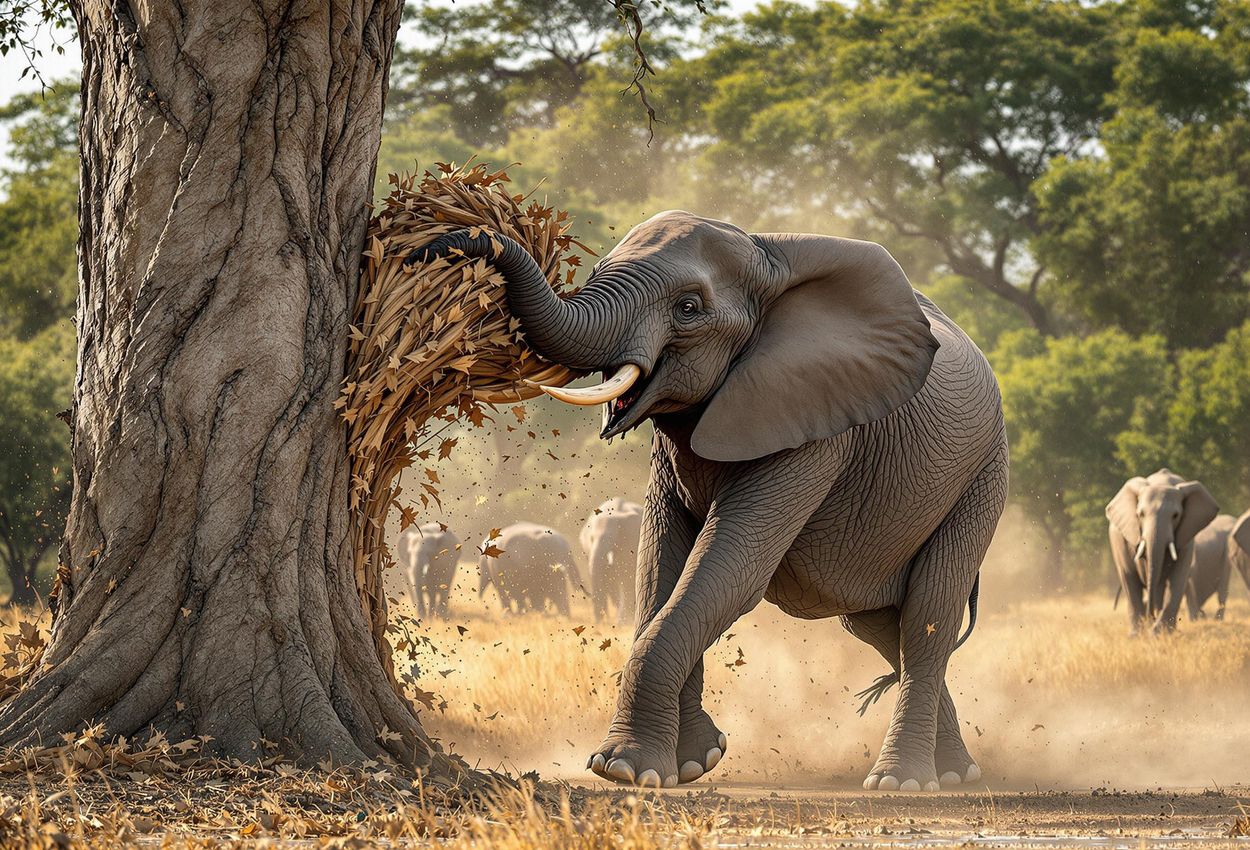
Hidden Gem: Certain plants rely on elephants for seed dispersal. The elephants consume the fruit of these plants, and the seeds pass through their digestive system unharmed. As the elephants move throughout the park, they deposit these seeds in different locations, helping the plants to colonize new areas.
For a truly immersive experience, consider a walking safari in Tarangire National Park. This is an opportunity to connect with the African wilderness on a deeper level, to feel the earth beneath your feet, and to witness wildlife up close and personal.
Imagine the sensation of walking through the bush, the air filled with the sounds of birdsong and rustling leaves. The African soil feels warm and dry beneath your feet, and the scent of wild herbs fills your nostrils. Your senses are heightened, your awareness sharpened, as you become one with the landscape.
An armed guide is essential for safety, their expertise ensuring that you can enjoy the experience without unnecessary risk. They will teach you how to read animal tracks, how to identify different bird calls, and how to approach wildlife with respect and caution.
On foot, you might encounter giraffes gracefully browsing the treetops, zebras grazing peacefully on the plains, and a myriad of bird species flitting through the acacia woodlands. Each encounter is a gift, a moment of connection with the natural world that will stay with you long after you leave.
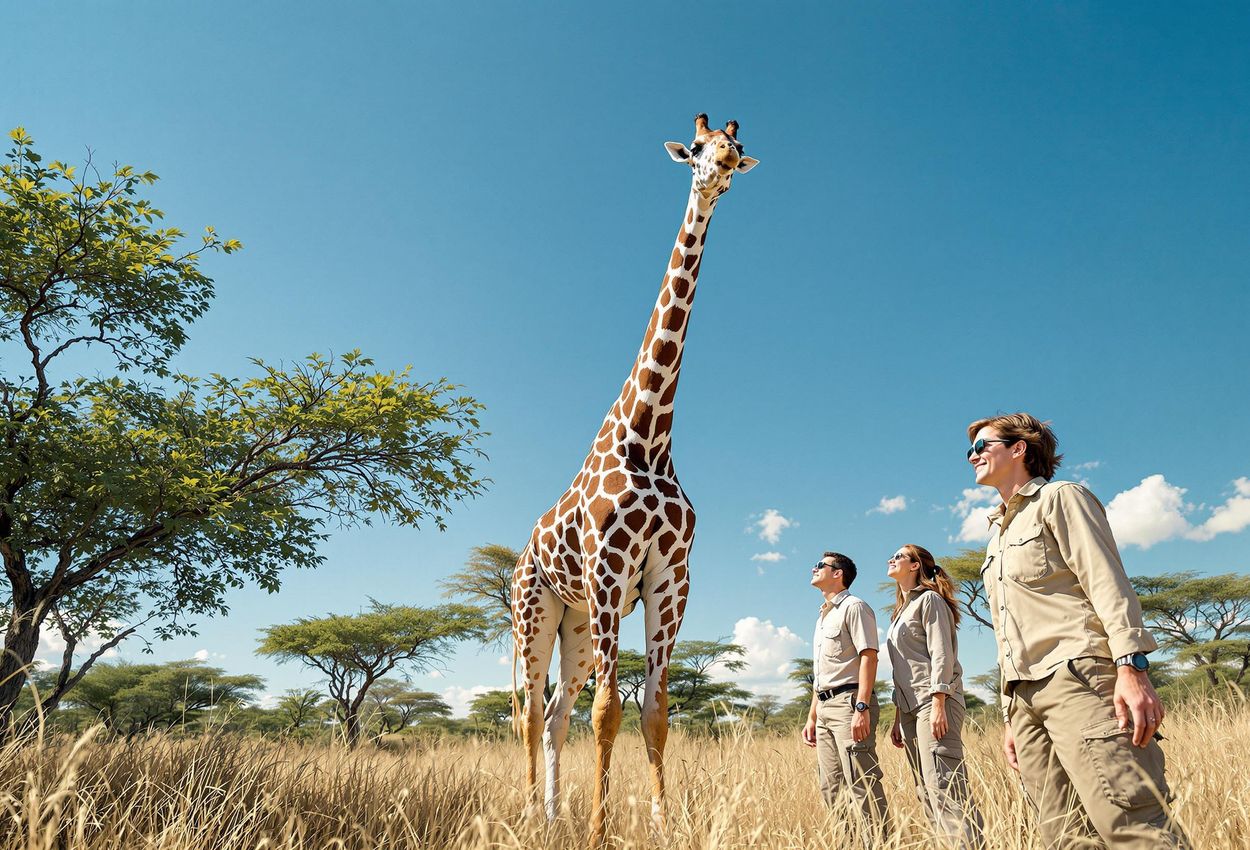
Hidden Gem: Experienced guides use specific tracking techniques to identify elephant footprints and behavior. By examining the size and shape of the footprints, the depth of the impressions, and the surrounding vegetation, they can determine the age, sex, and even the emotional state of the elephants that passed through the area.
As the sun dips below the horizon, a new world awakens in Tarangire. A night drive offers a unique perspective on the park, revealing the nocturnal creatures that emerge after sunset.
Imagine the thrill of driving through the darkness, the beam of your spotlight cutting through the inky blackness. The air is cooler now, carrying the scent of night-blooming flowers and damp earth. The sounds of the bush are amplified, the chirps of insects and the calls of nocturnal birds creating a symphony of the night.
Leopards, with their sleek bodies and piercing eyes, become more visible under the cover of darkness. Lions, their roars echoing through the night, are on the prowl, hunting for their next meal. Bush babies, with their large, luminous eyes, dart through the trees, their movements quick and agile.
The experience is different from a daytime safari, heightened senses and the thrill of the unknown. Night drives typically last for a few hours, offering a glimpse into the hidden world of Tarangire's nocturnal inhabitants.
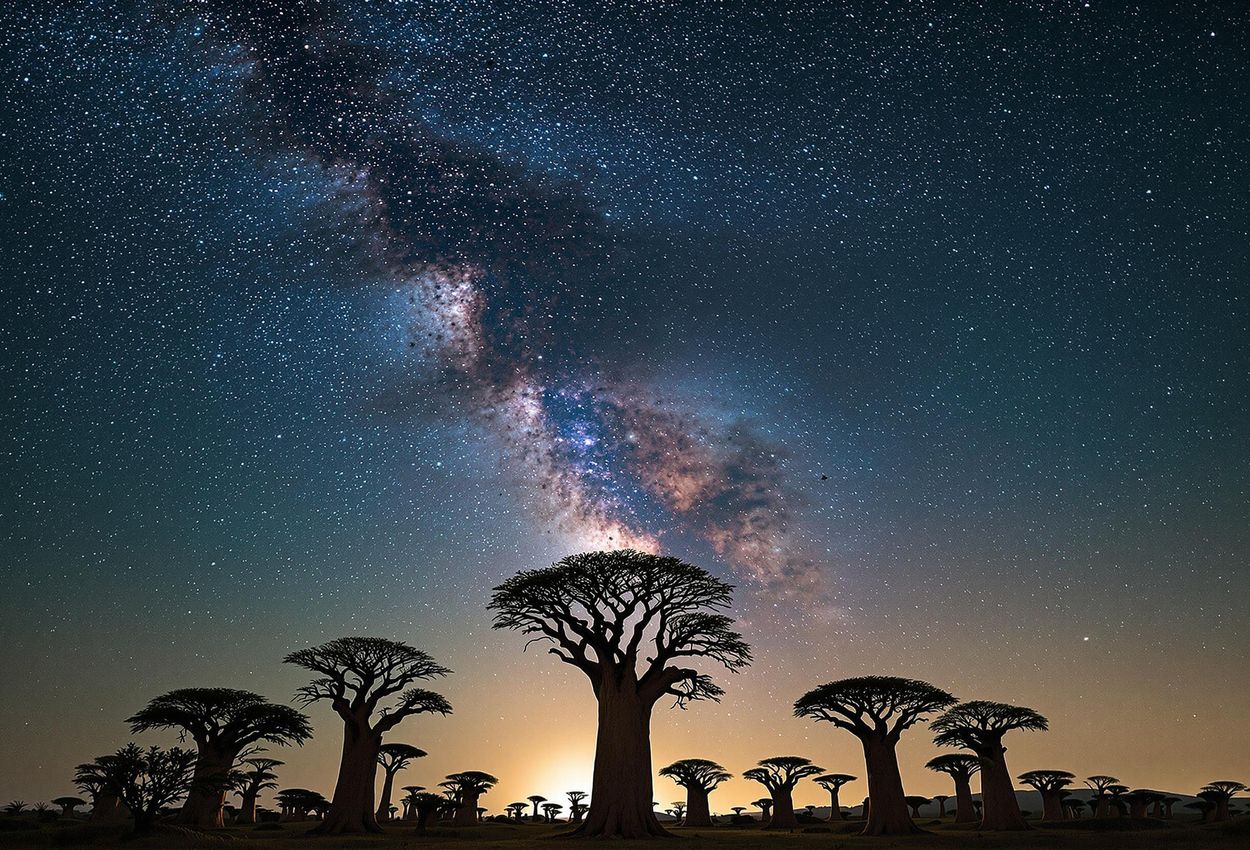
Hidden Gem: A specific constellation visible in the Tarangire night sky holds significance in local folklore. The Maasai use the stars to navigate and to mark the passage of time, their knowledge of the night sky passed down through generations.
As we marvel at the elephants of Tarangire, it's crucial to remember that we are visitors in their home. Responsible tourism and ethical encounters are essential to ensuring their well-being and the long-term health of the ecosystem.
Maintaining a safe distance from wildlife is paramount. Never approach elephants too closely, and always follow the instructions of your guide. Respect their space, and avoid any behavior that might cause them stress or alarm.
Human interaction can have a significant impact on elephant populations. By supporting responsible tourism operators and adhering to park rules and regulations, we can minimize our footprint and contribute to conservation efforts.
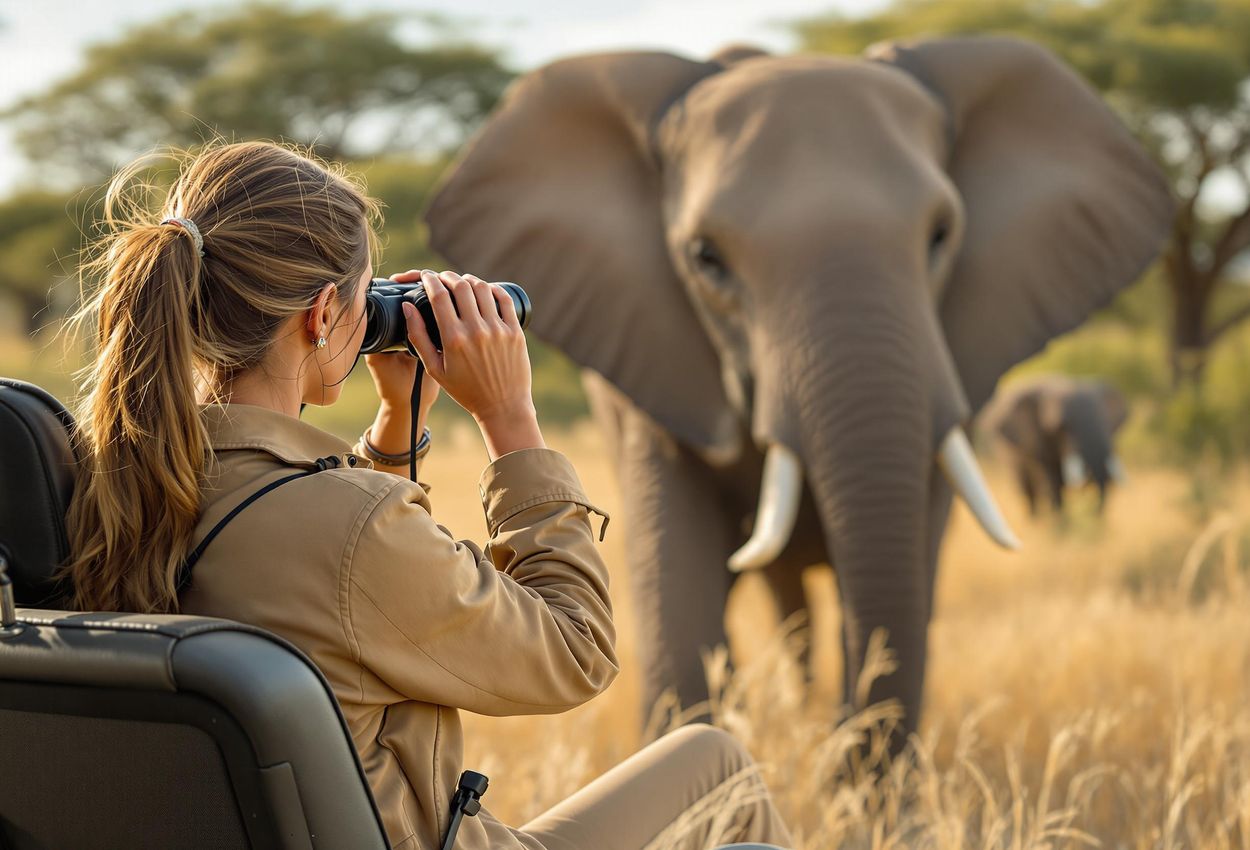
Hidden Gem: A specific gesture or behavior can indicate that an elephant is feeling threatened. If an elephant starts flapping its ears, swaying its head, or kicking up dust, it's a sign that it's feeling uncomfortable. In such situations, it's important to back away slowly and give the elephant space.
Visiting Tarangire National Park in June is an unforgettable experience, a chance to witness the great elephant migration and connect with the African wilderness on a profound level. By respecting these giants and supporting responsible tourism, we can ensure that future generations will have the opportunity to marvel at their majesty.
Our editors` picks of the latest and greatest in travel - delivered to your inbox daily
Relax on the beaches and explore the reefs of Xai-Xai.
View More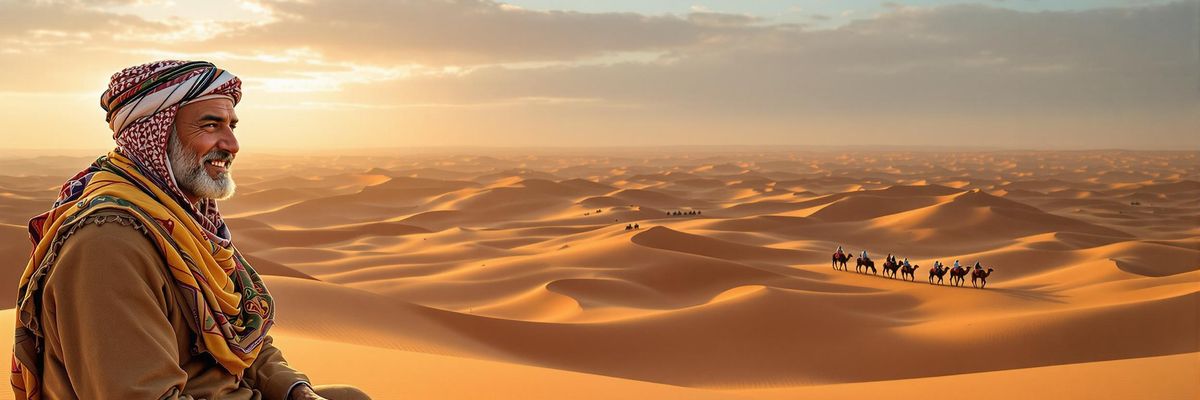
Embrace the cooler temperatures and experience the International Festival of the Sahara in Douz this December.
View More
Celebrate the year-end festivities in Accra, culminating in the vibrant Afrofuture festival.
View More Albania EDITION
 Algeria EDITION
 Argentina EDITION
 Armenia EDITION
 Australia EDITION
 Austria EDITION
 Bangladesh EDITION
 Belgium EDITION
 Belize EDITION
 Benin EDITION
 Bhutan EDITION
 Bolivia EDITION
 Bosnia and Herzegovina EDITION
 Botswana EDITION
 Brazil EDITION
 Bulgaria EDITION
 Burkina Faso EDITION
 Cambodia EDITION
 Cameroon EDITION
 Canada EDITION
 Central African Republic EDITION
 Chad EDITION
 Chile EDITION
 China EDITION
 Colombia EDITION
 Costa Rica EDITION
 Croatia EDITION
 Cyprus EDITION
 Denmark EDITION
 Djibouti EDITION
 Ecuador EDITION
 Egypt EDITION
 El Salvador EDITION
 Eritrea EDITION
 Estonia EDITION
 Ethiopia EDITION
 Finland EDITION
 France EDITION
 Gabon EDITION
 Georgia EDITION
 Germany EDITION
 Ghana EDITION
 Greece EDITION
 Guatemala EDITION
 Guinea EDITION
 Guinea-Bissau EDITION
 Honduras EDITION
 Hungary EDITION
 Iceland EDITION
 India EDITION
 Indonesia EDITION
 Ireland EDITION
 Israel EDITION
 Italy EDITION
 Jamaica EDITION
 Japan EDITION
 Jordan EDITION
 Kenya EDITION
 Kuwait EDITION
 Laos EDITION
 Latvia EDITION
 Lebanon EDITION
 Lesotho EDITION
 Liberia EDITION
 Lithuania EDITION
 Luxembourg EDITION
 Madagascar EDITION
 Malawi EDITION
 Malaysia EDITION
 Maldives EDITION
 Mali EDITION
 Malta EDITION
 Mauritania EDITION
 Mauritius EDITION
 Mexico EDITION
 Mongolia EDITION
 Montenegro EDITION
 Morocco EDITION
 Mozambique EDITION
 Namibia EDITION
 Nepal EDITION
 Netherlands EDITION
 New Zealand EDITION
 Nicaragua EDITION
 Niger EDITION
 Nigeria EDITION
 Norway EDITION
 Oman EDITION
 Pakistan EDITION
 Panama EDITION
 Papua New Guinea EDITION
 Paraguay EDITION
 Peru EDITION
 Philippines EDITION
 Poland EDITION
 Portugal EDITION
 Qatar EDITION
 Romania EDITION
 Rwanda EDITION
 Saudi Arabia EDITION
 Senegal EDITION
 Serbia EDITION
 Singapore EDITION
 Slovakia EDITION
 Slovenia EDITION
 Somalia EDITION
 South Africa EDITION
 South Korea EDITION
 Spain EDITION
 Sri Lanka EDITION
 Suriname EDITION
 Sweden EDITION
 Switzerland EDITION
 Tanzania EDITION
 Thailand EDITION
 Tunisia EDITION
 Uganda EDITION
 United Arab Emirates EDITION
 United Kingdom EDITION
 Uruguay EDITION
 Venezuela EDITION
 Vietnam EDITION
 Zambia EDITION
 Zimbabwe EDITION
Subscribe to our newsletter and get the most captivating travel stories, hidden gems, and expert insights delivered straight to your inbox. As a subscriber, you’ll be first in line for exclusive content, premium offers, and unforgettable travel experiences