


Destination Guide
Xai-Xai: A Coastal Retreat
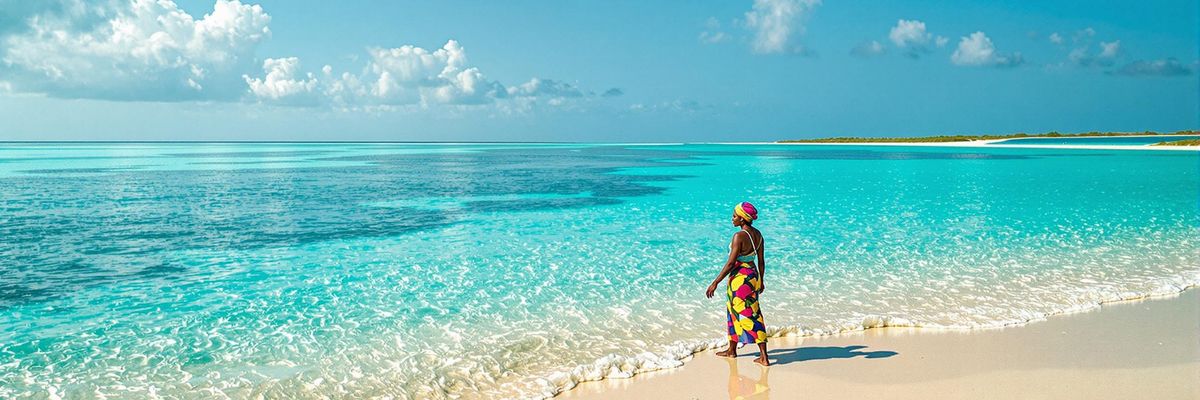
Relax on the beaches and explore the reefs of Xai-Xai.
View More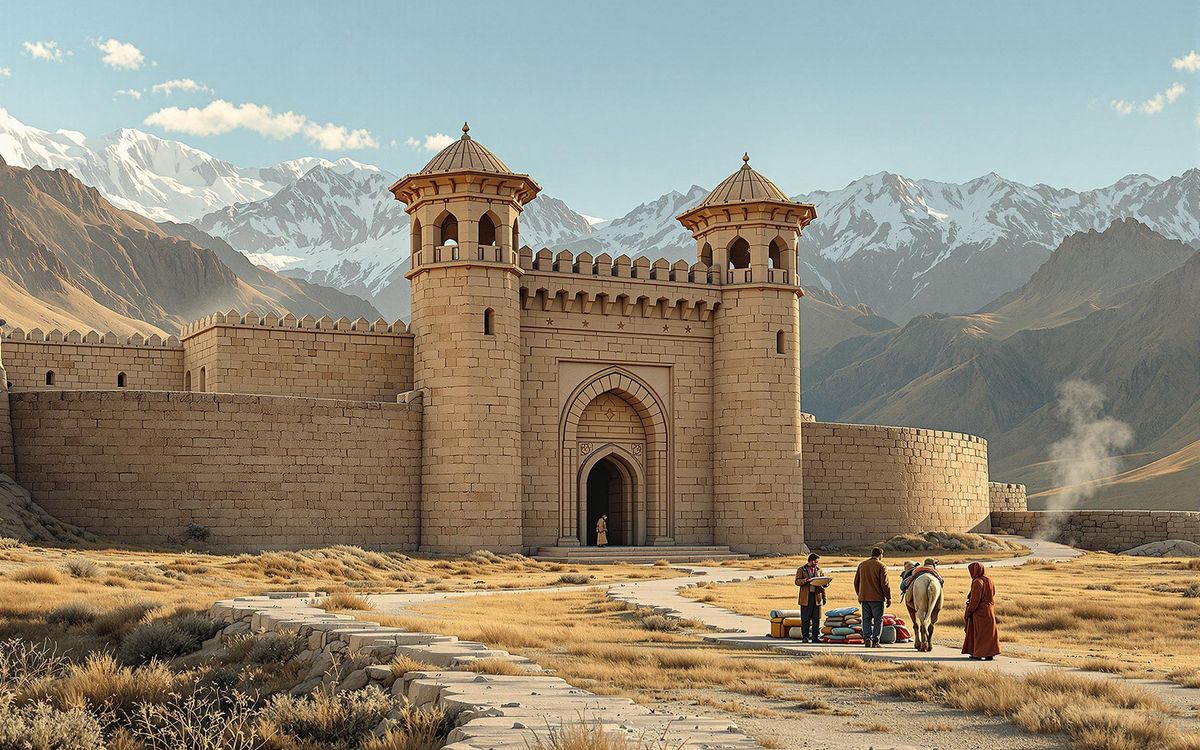
Journey back in time to the heart of the Silk Road at Tash Rabat, a remarkably preserved 15th-century caravanserai nestled in the rugged terrain of Kyrgyzstan. This ancient stone fortress offers a unique glimpse into the lives of merchants, travelers, and monks who traversed these historic routes centuries ago.
Imagine standing within the sturdy stone walls of Tash Rabat, feeling the echoes of countless journeys reverberating through the centuries. This isn't just a historical site; it's a portal to a world of bustling trade, cultural exchange, and nomadic traditions set against the backdrop of some of Central Asia's most breathtaking landscapes. From the whispering winds that sweep across the high-altitude plains to the warm hospitality of the modern-day Kyrgyz people, Tash Rabat promises an unforgettable adventure for those seeking to connect with the past and embrace the spirit of exploration.
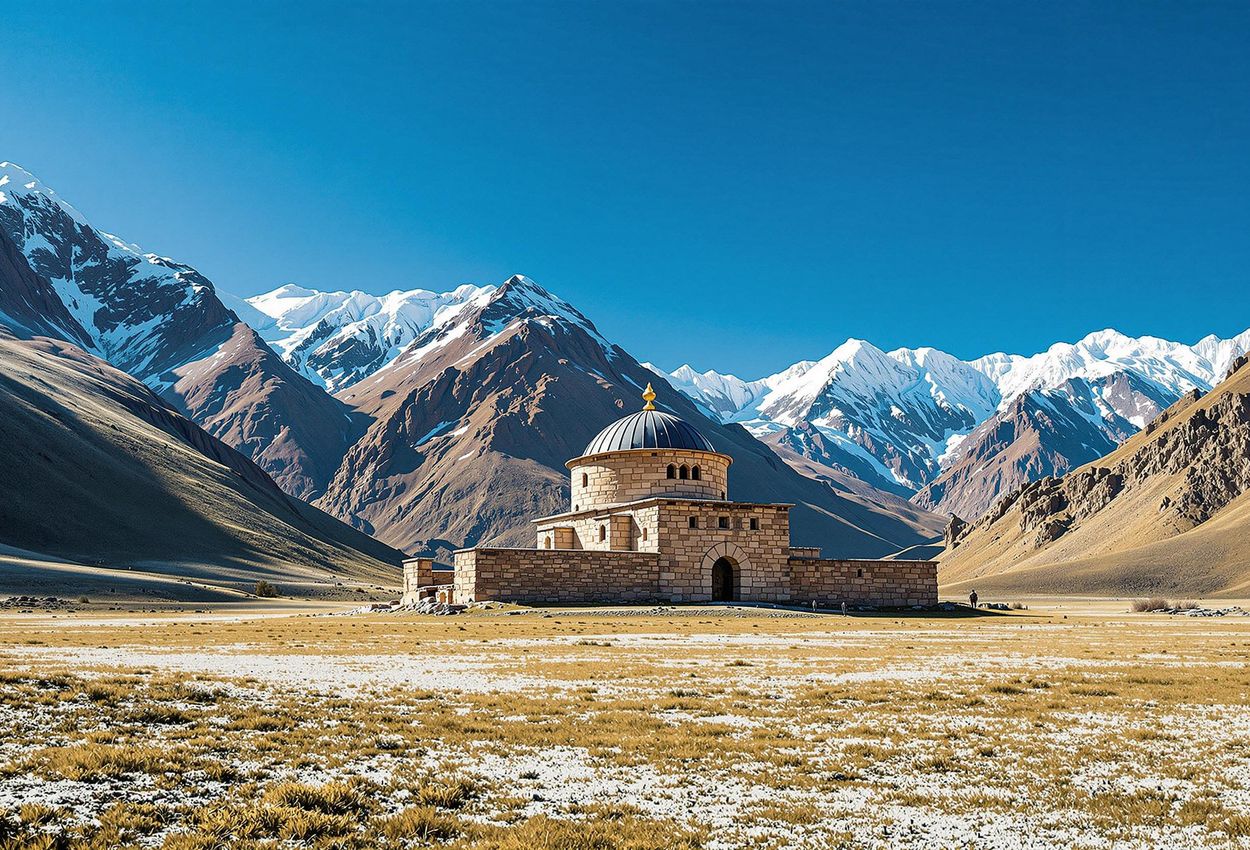
Tash Rabat, a well-preserved 15th-century caravanserai, stands as a testament to a rich history, located in Kyrgyzstan's Naryn Province, At-Bashy District, at an altitude of 3,200 meters. This remote location highlights its historical significance as a crucial stop along the ancient Silk Road. The journey to Tash Rabat itself is an experience, traversing rugged terrain that evokes a sense of isolation and timelessness. Situated in the southwestern part of Kyrgyzstan, the area is characterized by a myriad of mountains bordering neighboring China. The location of Tash Rabat in the At-Bashy District in the Naryn Province is a strategic point nestled among the towering ranges.
As you approach Tash Rabat, the landscape unfolds into a tapestry of stark beauty. The air thins, carrying with it the scent of wild herbs and the distant sound of rushing water. The rugged mountains, often capped with snow, create a formidable yet awe-inspiring panorama. This sense of remoteness is palpable, offering a glimpse into the challenges faced by those who once traveled these routes. The very earth beneath your feet seems to whisper tales of weary merchants, laden camels, and the exchange of goods and ideas that shaped civilizations. The sense of historical weight is profound, connecting you to a time when this valley was a vital artery of global commerce.
The allure of Tash Rabat lies not only in its physical structure but also in the stories it holds within its stones. Imagine caravans laden with silk, spices, and precious goods winding their way through these mountains, seeking respite within the caravanserai's protective walls. Picture the exchange of languages, customs, and beliefs that occurred within its courtyard, fostering a unique blend of cultures. This was more than just a resting place; it was a crossroads of civilizations, a melting pot of humanity amidst a challenging and unforgiving landscape.
The architecture of Tash Rabat speaks volumes about its purpose and history. The structure features 31 rooms, a central hall, and dome-shaped roofs with openings that allow light to filter in. Built with rubble stone and clay mortar, the design reflects both functionality and the available resources. The layout, almost square in shape, hints at possible origins as either a Nestorian or Buddhist monastery dating back to the 10th century. The dimensions of the structure showcase its size and careful planning. The almost square shape has sides measuring approximately 33.7 and 35.7 meters.
As you approach the entrance, the imposing stone facade rises from the valley floor, a testament to the ingenuity and resilience of its builders. The walls, thick and sturdy, offer a sense of protection and permanence. The single portal, with its classic arch, invites you into a world of shadows and whispers. Corner towers, designed for sentinel guards, stand as silent watchmen over the ages. The structure was built on an artificial platform, and its sides point accurately to the four corners of the earth.
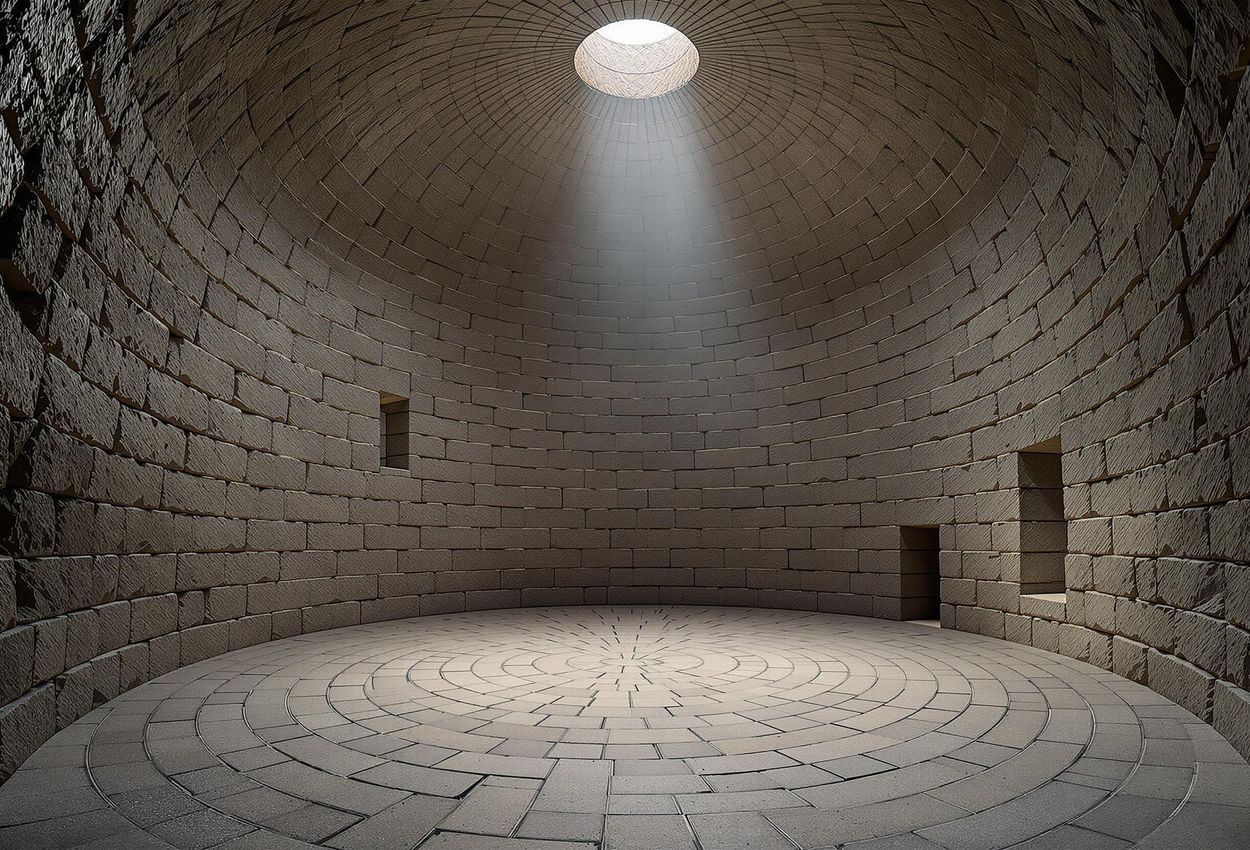
Inside, the central hall is the heart of Tash Rabat, where light streams in through openings in the domes, creating an ethereal atmosphere. The 31 rooms, each with its own unique character, served various purposes: sleeping quarters for weary travelers, storage for valuable goods, and perhaps even spaces for prayer and reflection. The use of crushed stone and clay mortar speaks to the resourcefulness of the builders, who utilized local materials to create a structure that has withstood the test of time. The cool, dim interiors offer respite from the harsh elements outside, providing a sense of sanctuary and peace.
Tash Rabat served as a vital inn for merchants journeying along the Silk Road. Caravans would arrive at Tash Rabat to rest, replenish supplies, and prepare for the arduous journey ahead. Routes led westwards towards Issyk Kul and the Ferghana Valley, and eastwards through the Torugart Pass to China. The location was key for crossing the Tien Shan mountains.
Imagine the scene: camels kneeling under heavy loads, their bells jingling in the crisp mountain air. Merchants haggling over prices, their voices a mix of languages and dialects. The aroma of spices mingling with the scent of woodsmoke from the cooking fires. Tash Rabat was a hub of activity, a place where cultures collided and fortunes were made and lost. It offered not only shelter but also a sense of community and security in a vast and often dangerous world. The Silk Road's web of ancient roads paved the way for traders to export goods from the east to the west. The trips were made more treacherous by bandits who would rob the caravans which were packed with luxury items such as silks and spices.
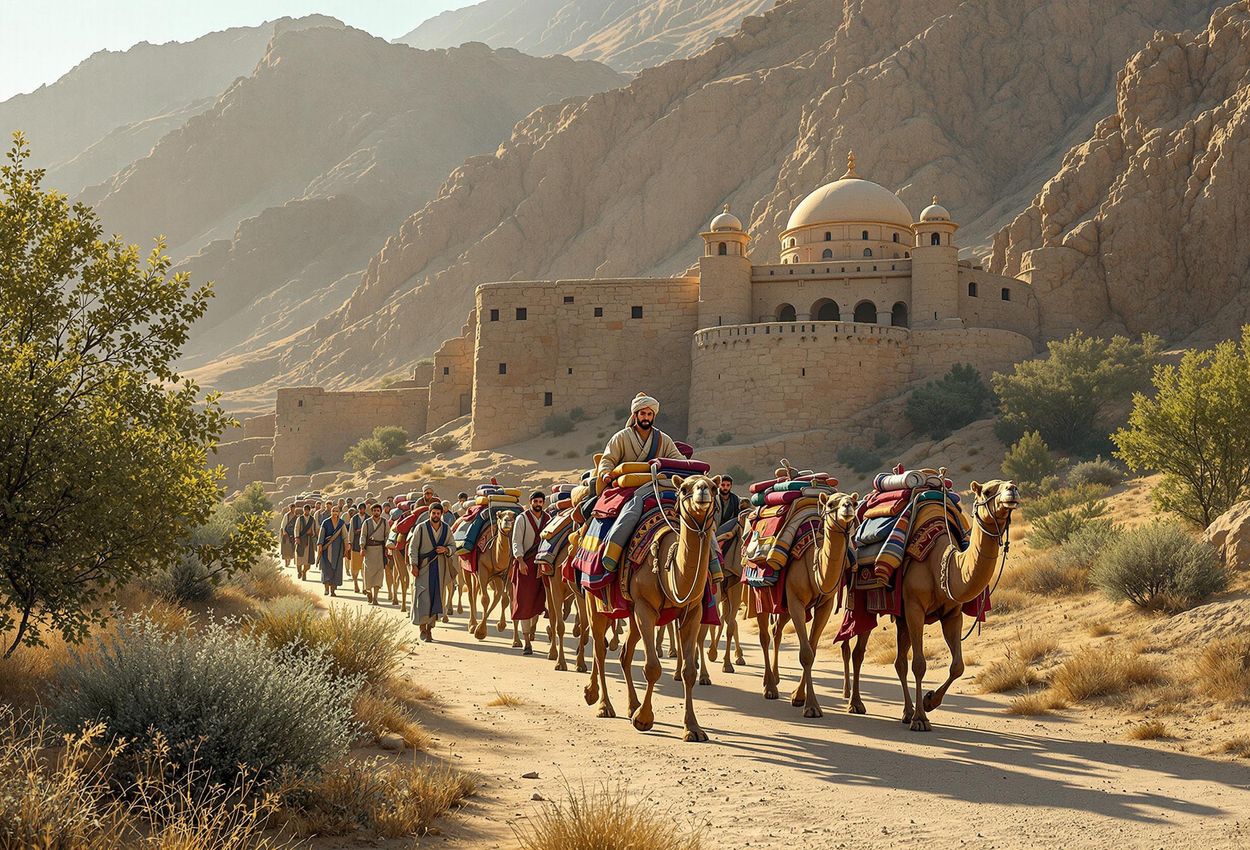
The strategic location of Tash Rabat facilitated trade between diverse regions. From here, merchants could access the fertile lands of the Ferghana Valley, known for its agriculture and craftsmanship. They could also venture towards the shores of Issyk Kul, a vast lake that served as a vital transportation route. And, of course, the Torugart Pass provided a gateway to the riches and mysteries of China. Tash Rabat was more than just a stopover; it was a crucial link in a chain that connected East and West, shaping the course of history.
The area surrounding Tash Rabat offers incredible hiking opportunities for those seeking to immerse themselves in the natural beauty of Kyrgyzstan. One popular option is the hike to Chatyr Kul Pass (also known as Panda Pass), which sits at an altitude of 4025m. This trek rewards hikers with stunning views of Chatyr Kul Lake, a high-altitude lake nestled amidst snow-capped mountains.
As you ascend towards Chatyr Kul Pass, the landscape transforms with every step. Lush valleys give way to rocky slopes, and the air becomes noticeably thinner. The panoramic views are simply breathtaking, stretching across vast expanses of untouched wilderness. The sense of accomplishment upon reaching the pass is immense, knowing that you've traversed a route that has been used for centuries by traders, nomads, and explorers.
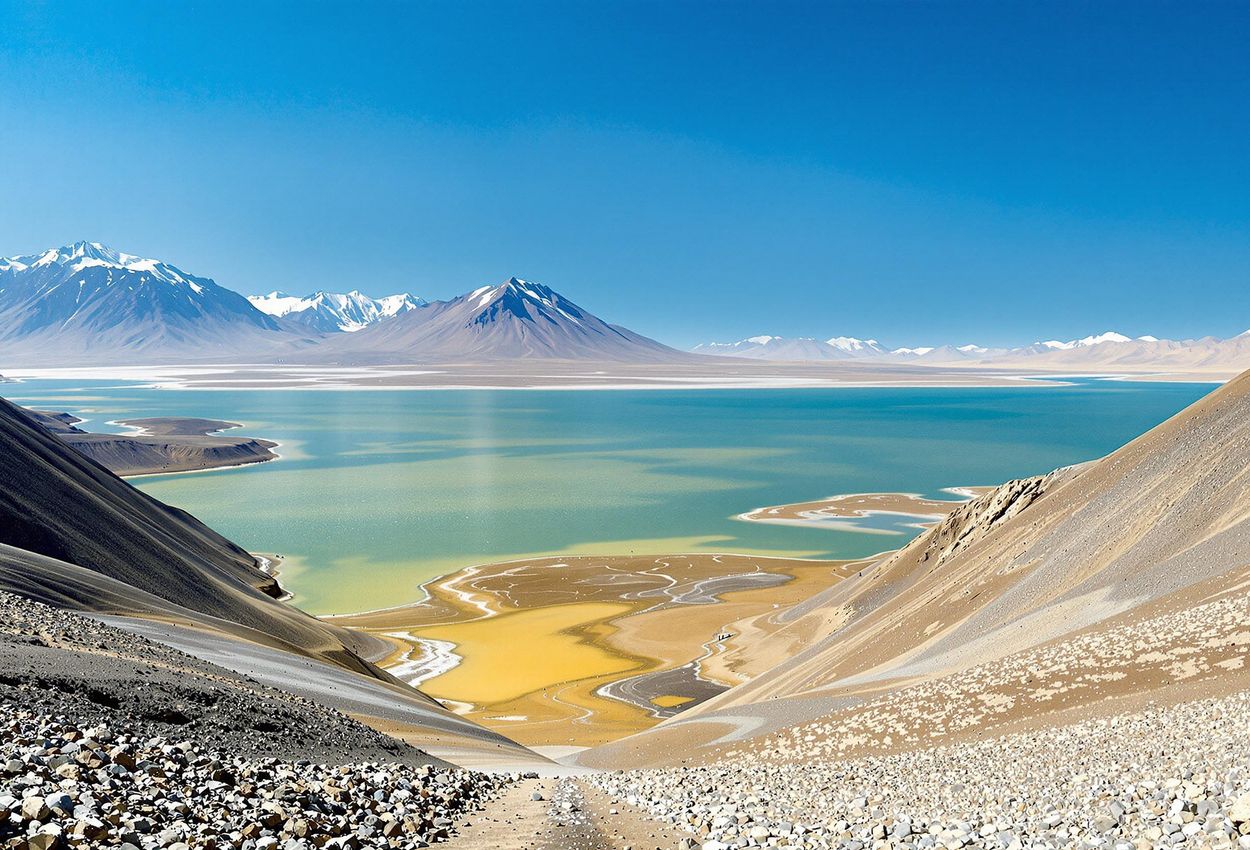
For those seeking a more challenging adventure, a multi-day trek to Chatyr Kul Lake is an unforgettable experience. This requires a permit due to the lake's proximity to the Chinese border. The landscape is diverse, encompassing rolling valleys, rushing rivers, and the chance to spot yaks grazing in the high-altitude pastures. The sense of solitude and connection with nature is profound, offering a rare opportunity to escape the modern world and embrace the raw beauty of the Kyrgyz wilderness.
To truly experience the culture surrounding Tash Rabat, consider staying in a traditional yurt. Several yurt camps near Tash Rabat offer comfortable accommodations and a glimpse into the nomadic lifestyle of the Kyrgyz people. Staying in a yurt provides a unique opportunity to immerse yourself in the local culture.
Imagine stepping inside a cozy yurt, its felt walls adorned with intricate patterns. The warmth of the stove welcomes you, and the aroma of freshly baked bread fills the air. The amenities are simple but comfortable, providing everything you need for a restful night's sleep. As you sit on the floor, sipping tea and sharing stories with your hosts, you'll gain a deeper understanding of the Kyrgyz culture and their deep connection to the land.
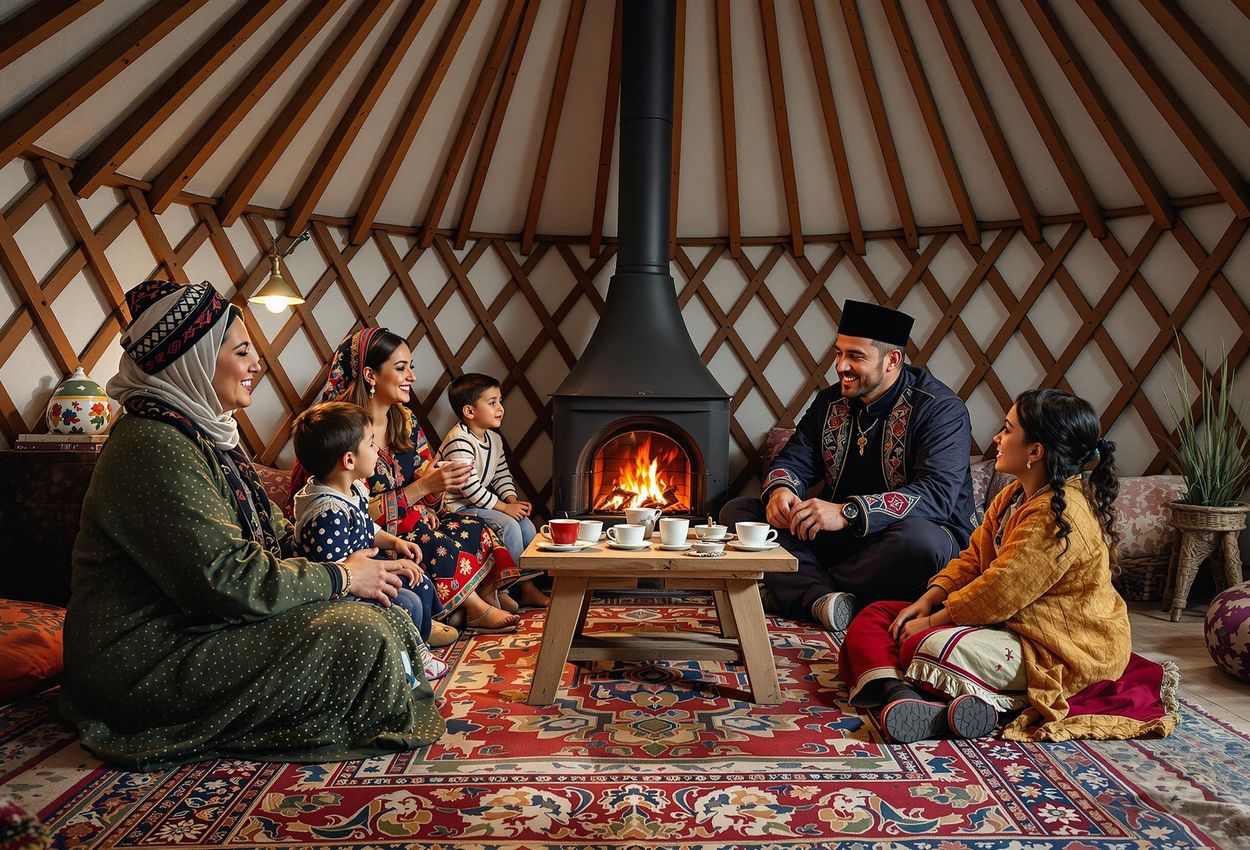
One popular option is Sabyrbek yurtcamp, known for its hospitality and comfortable yurts. Expect to pay around 1500-2000 SOM per night, and be sure to bring cash, as credit cards are not accepted in these remote locations. The experience is more than just a place to sleep; it's a chance to connect with the Kyrgyz people, share their meals, and learn about their traditions. The food is hearty and delicious, often featuring locally sourced ingredients and traditional recipes. The hospitality is warm and genuine, making you feel like a welcome guest in their home.
The best time to visit Tash Rabat is during the months of June through September. During this period, the weather is generally mild and the mountain passes are accessible. The summer months offer the best temperatures. Visiting during the winter months can be challenging due to heavy snowfall and limited access. Late spring and early autumn offer alternative options, with cooler temperatures and fewer crowds.
During the summer months, the valleys surrounding Tash Rabat come alive with wildflowers, creating a vibrant tapestry of color. The days are long and sunny, perfect for hiking and exploring the surrounding landscapes. The nights are cool and crisp, ideal for stargazing under the clear mountain sky. However, be prepared for sudden changes in weather, as mountain conditions can be unpredictable.

If you prefer cooler temperatures and fewer crowds, consider visiting in late spring or early autumn. The landscape takes on a different character during these shoulder seasons, with the vibrant greens of summer giving way to the golden hues of autumn. While some facilities may have limited availability, the tranquility and solitude can be well worth it. Just be sure to pack layers, as the temperatures can fluctuate significantly throughout the day.
Reaching Tash Rabat requires a bit of planning, but the journey is well worth the effort. The most common route involves traveling from Bishkek to Naryn, and then from Naryn to Tash Rabat. From Bishkek, you can take a marshrutka (minibus) to Naryn, a journey of approximately 5-6 hours. From Naryn, there is no direct public transportation to Tash Rabat.
From Naryn, you can take a marshrutka to At-Bashy and then hire a taxi for the remaining distance. Alternatively, you can hire a taxi directly from Naryn, which will be more expensive but more convenient. Another option is to rent a 4x4 vehicle, which is advisable due to the variable road conditions, especially for the last segment of the journey. The drive from Bishkek to Tash Rabat is about 500 km.
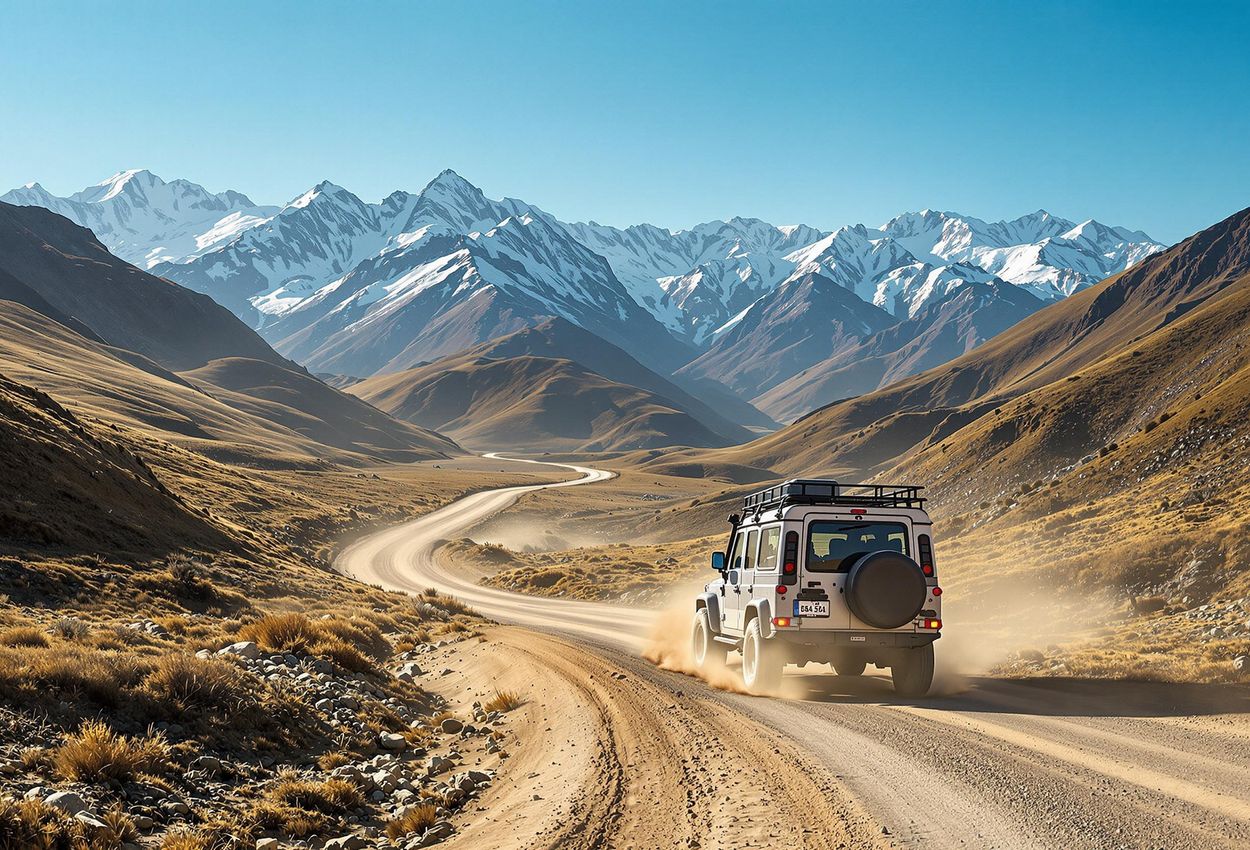
Keep in mind that the roads can be rough and unpaved, so a sturdy vehicle and experienced driver are essential. The journey itself is an adventure, offering stunning views of the Kyrgyz landscape. As you ascend into the mountains, the air becomes cooler and the scenery more dramatic, building anticipation for your arrival at Tash Rabat.
At-Bashy serves as a convenient stopover town on the way to Tash Rabat. This small town offers essential amenities such as banks, shops, and guest houses. The animal bazaar, held every Sunday, provides a glimpse into local life and traditions. At-Bashy is located in a picturesque valley of mountains, forests and meadows.
As you enter At-Bashy, you'll notice the slower pace of life and the friendly faces of the locals. The town is small enough to explore on foot, and you'll find everything you need for a comfortable stay. The animal bazaar is a must-see, offering a sensory overload of sights, sounds, and smells. You'll witness farmers trading livestock, haggling over prices, and engaging in lively conversations. It's a true immersion into the rural culture of Kyrgyzstan.

The At-Bashy Valley itself is a sight to behold, with its rolling hills, verdant pastures, and snow-capped peaks in the distance. The valley is known as one of the most remote on the Silk Road. The At-Bashy mountain range stretches for around 100 miles. It's a perfect place to take a stroll, breathe in the fresh mountain air, and soak in the tranquility of the surroundings. At-Bashy is the last important village before reaching China.
Tash Rabat is shrouded in legends and stories that add to its mystique. One popular legend tells of a father and son who built Tash Rabat together. Another story recounts a powerful khan who had two sons and the caravanserai became a place where the younger son robbed passing caravans. The Silk Road's web of ancient roads paved the way for traders to export goods from the east to the west.
Imagine the father and son, toiling day after day, meticulously placing each stone, driven by a vision of creating a lasting monument. Picture the khan, torn between his love for his sons, struggling to decide who would inherit his wealth. These stories, passed down through generations, add a layer of human drama to the already captivating history of Tash Rabat. The Tash Rabat Caravanserai legend teaches lessons from ancestors.

One version says that the fortress was founded by a khan who wanted to protect trade caravans from robbers. The legend tells of the khan's elder son building the caravanserai. The fame of Tash Rabat spread throughout the land. The younger brother had long dreamed of another glory and he attacked peaceful caravans. Soon the neighboring khans went to war with him. The khan and his warriors settled in the caravanserai, but the thick stone walls did not help him. Warriors were killed, the khan himself was killed, and the ruins of Tash Rabat were left alone.
The Naryn region offers a wealth of attractions beyond Tash Rabat. Koshoy Korgon, a ruined fortress, provides another glimpse into the region's rich history. Shaar Waterfall offers a refreshing escape, and Son-Kul Lake is a stunning alpine lake surrounded by vast pastures. The region is perfect for hiking, trekking and cycling.
As you venture beyond Tash Rabat, you'll discover a landscape of unparalleled beauty and tranquility. Koshoy Korgon, with its crumbling walls and ancient ruins, evokes a sense of mystery and intrigue. Shaar Waterfall, cascading down a rocky cliff, offers a refreshing respite from the summer heat. And Son-Kul Lake, with its crystal-clear waters and surrounding meadows, is a paradise for nature lovers. The Eki-Naryn Valley, with its two merging rivers, offers a peaceful escape into nature.
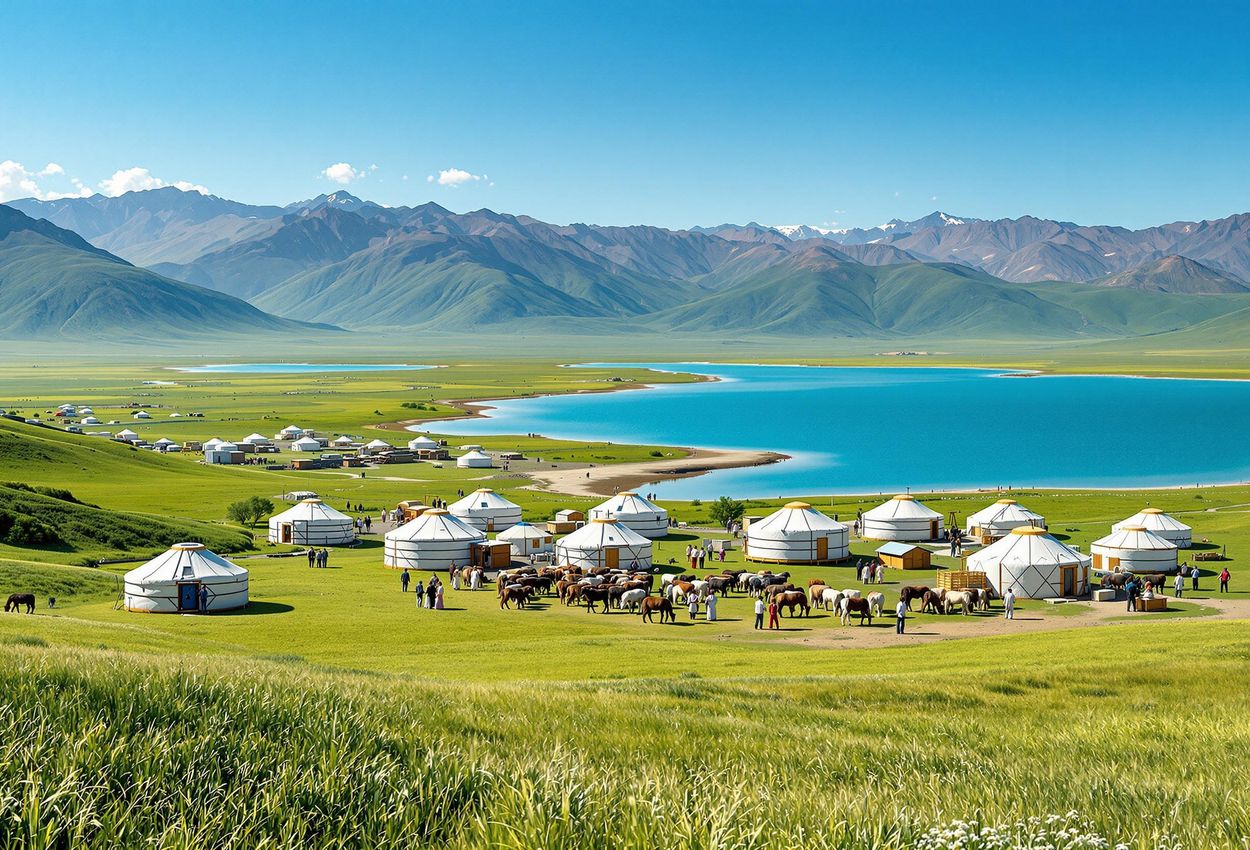
These destinations offer a diverse range of experiences, from exploring ancient ruins to hiking through pristine wilderness. The region is dotted with smaller towns and villages, each with its own unique character and charm. Whether you're seeking adventure, relaxation, or cultural immersion, the Naryn region has something to offer every traveler. The beauty of the Kyrgyz region is unparalleled and a must see for anyone who loves nature and history.
Our editors` picks of the latest and greatest in travel - delivered to your inbox daily
Relax on the beaches and explore the reefs of Xai-Xai.
View More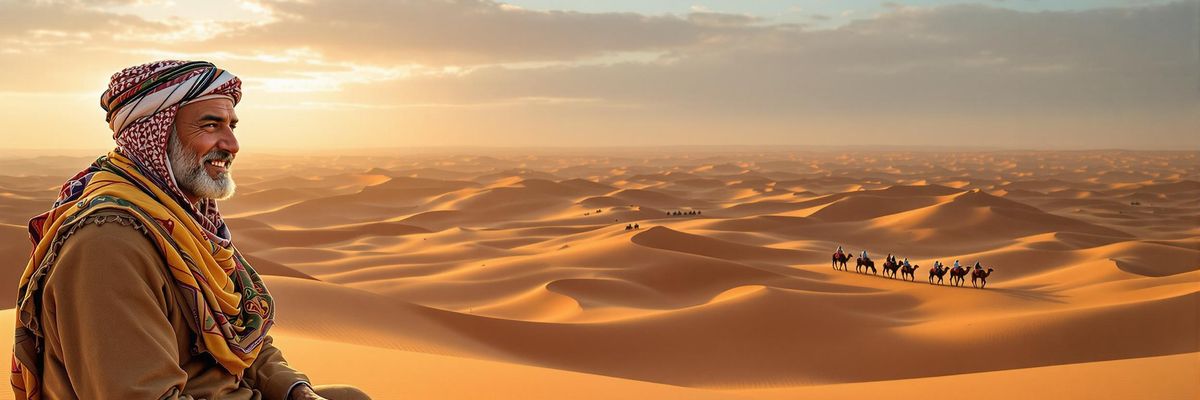
Embrace the cooler temperatures and experience the International Festival of the Sahara in Douz this December.
View More
Celebrate the year-end festivities in Accra, culminating in the vibrant Afrofuture festival.
View More Albania EDITION
 Algeria EDITION
 Argentina EDITION
 Armenia EDITION
 Australia EDITION
 Austria EDITION
 Bangladesh EDITION
 Belgium EDITION
 Belize EDITION
 Benin EDITION
 Bhutan EDITION
 Bolivia EDITION
 Bosnia and Herzegovina EDITION
 Botswana EDITION
 Brazil EDITION
 Bulgaria EDITION
 Burkina Faso EDITION
 Cambodia EDITION
 Cameroon EDITION
 Canada EDITION
 Central African Republic EDITION
 Chad EDITION
 Chile EDITION
 China EDITION
 Colombia EDITION
 Costa Rica EDITION
 Croatia EDITION
 Cyprus EDITION
 Denmark EDITION
 Djibouti EDITION
 Ecuador EDITION
 Egypt EDITION
 El Salvador EDITION
 Eritrea EDITION
 Estonia EDITION
 Ethiopia EDITION
 Finland EDITION
 France EDITION
 Gabon EDITION
 Georgia EDITION
 Germany EDITION
 Ghana EDITION
 Greece EDITION
 Guatemala EDITION
 Guinea EDITION
 Guinea-Bissau EDITION
 Honduras EDITION
 Hungary EDITION
 Iceland EDITION
 India EDITION
 Indonesia EDITION
 Ireland EDITION
 Israel EDITION
 Italy EDITION
 Jamaica EDITION
 Japan EDITION
 Jordan EDITION
 Kenya EDITION
 Kuwait EDITION
 Laos EDITION
 Latvia EDITION
 Lebanon EDITION
 Lesotho EDITION
 Liberia EDITION
 Lithuania EDITION
 Luxembourg EDITION
 Madagascar EDITION
 Malawi EDITION
 Malaysia EDITION
 Maldives EDITION
 Mali EDITION
 Malta EDITION
 Mauritania EDITION
 Mauritius EDITION
 Mexico EDITION
 Mongolia EDITION
 Montenegro EDITION
 Morocco EDITION
 Mozambique EDITION
 Namibia EDITION
 Nepal EDITION
 Netherlands EDITION
 New Zealand EDITION
 Nicaragua EDITION
 Niger EDITION
 Nigeria EDITION
 Norway EDITION
 Oman EDITION
 Pakistan EDITION
 Panama EDITION
 Papua New Guinea EDITION
 Paraguay EDITION
 Peru EDITION
 Philippines EDITION
 Poland EDITION
 Portugal EDITION
 Qatar EDITION
 Romania EDITION
 Rwanda EDITION
 Saudi Arabia EDITION
 Senegal EDITION
 Serbia EDITION
 Singapore EDITION
 Slovakia EDITION
 Slovenia EDITION
 Somalia EDITION
 South Africa EDITION
 South Korea EDITION
 Spain EDITION
 Sri Lanka EDITION
 Suriname EDITION
 Sweden EDITION
 Switzerland EDITION
 Tanzania EDITION
 Thailand EDITION
 Tunisia EDITION
 Uganda EDITION
 United Arab Emirates EDITION
 United Kingdom EDITION
 Uruguay EDITION
 Venezuela EDITION
 Vietnam EDITION
 Zambia EDITION
 Zimbabwe EDITION
Subscribe to our newsletter and get the most captivating travel stories, hidden gems, and expert insights delivered straight to your inbox. As a subscriber, you’ll be first in line for exclusive content, premium offers, and unforgettable travel experiences