



Destination Guide
Xai-Xai: A Coastal Retreat
Relax on the beaches and explore the reefs of Xai-Xai.
View More

Venture into the heart of the Sahara, where the Tibesti Mountains rise as a testament to nature's raw power and the enduring spirit of the nomadic Tibu people. This remote volcanic range in northern Chad presents the ultimate challenge for seasoned adventurers seeking unparalleled remoteness and cultural immersion.
Imagine a place where jagged volcanic peaks pierce the sky, where vast canyons carve through ancient rock, and where the silence of the desert is broken only by the whisper of the wind and the occasional bleating of a goat. The Tibesti Mountains, a land of stark beauty and formidable challenges, await those who dare to venture into their embrace.
This is not a journey for the faint of heart. Reaching the Tibesti requires meticulous planning, a well-equipped 4x4 vehicle, an experienced guide, and a profound respect for the local culture and environment. Political instability and security concerns have often made this region inaccessible, but for those who persevere, the rewards are immeasurable.
Prepare to be captivated by landscapes that defy description, to encounter a culture that has thrived in isolation for centuries, and to discover a sense of solitude that is increasingly rare in our modern world. The Tibesti Mountains are more than just a destination; they are an experience that will transform your perspective and leave an indelible mark on your soul.
The journey to the Tibesti Mountains begins in N'Djamena, Chad's capital city, a bustling hub that stands in stark contrast to the serene isolation that awaits. From there, the route winds northwards, traversing seemingly endless expanses of sand and rock. The sheer scale of the Sahara is humbling, a constant reminder of the power and indifference of nature.
The landscape gradually transforms from flat, arid plains to rolling dunes and rocky plateaus. The air shimmers with heat, and the sun beats down with relentless intensity. Water becomes a precious commodity, and every oasis is a welcome sight.
The village of Bardai, nestled in a valley surrounded by towering rock formations, serves as a gateway to the heart of the Tibesti. This remote settlement, home to approximately 4,000 people, offers a glimpse into the traditional way of life of the Tibu people.
Local Tip: Engage a local guide in Bardai who can provide invaluable insights into the region's geography, culture, and safety considerations. Their expertise is essential for navigating the challenging terrain and ensuring a safe and enriching experience.
The journey beyond Bardai requires a reliable 4x4 vehicle, capable of handling the rough, rocky tracks that serve as roads. An experienced driver is crucial, as the terrain can be treacherous, and getting lost is a real danger. Satellite communication is also highly recommended, as mobile phone coverage is virtually non-existent.
As you venture deeper into the Tibesti, the feeling of isolation intensifies. The vastness of the landscape is both awe-inspiring and intimidating. The silence is profound, broken only by the rumble of your vehicle and the occasional sighting of a nomadic settlement.
Hidden Gem: Consider traveling with a nomadic family for a portion of your journey. This offers a unique opportunity to experience their way of life firsthand, to learn about their traditions, and to share in their culture. Sharing a meal under the stars, listening to their stories, and witnessing their resilience in the face of adversity is an experience you will never forget.
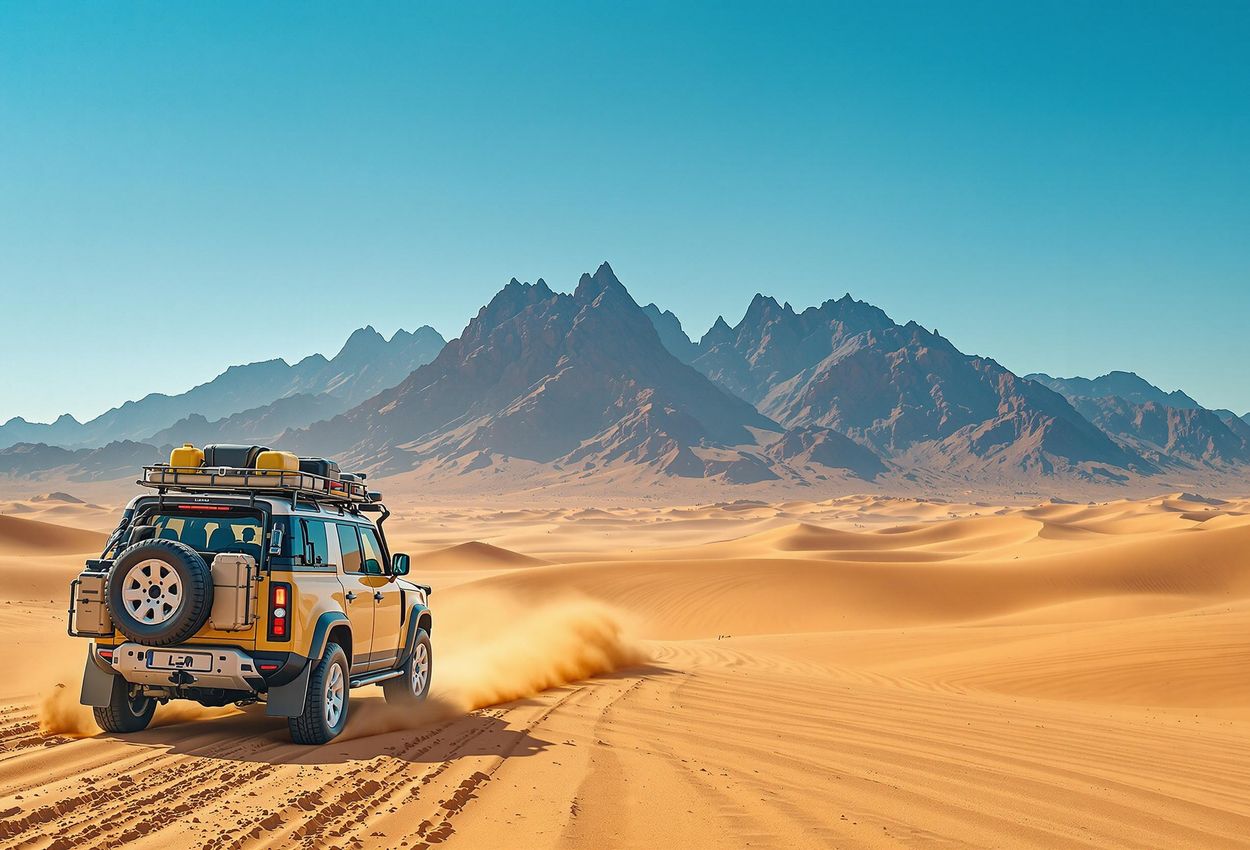
Emi Koussi, the highest peak in the Sahara, beckons adventurers with its promise of unparalleled views and a challenging climb. This massive shield volcano, rising to a height of 3,415 meters (11,204 feet), dominates the surrounding landscape.
The ascent of Emi Koussi is not a technical climb, but it is physically demanding. The altitude, the temperature fluctuations, and the harsh desert environment all contribute to the challenge. Proper acclimatization and adequate hydration are essential.
The climb typically begins on the outer slopes of the volcano, traversing a landscape of black volcanic rock and sand. As you ascend, the views become increasingly spectacular, encompassing vast stretches of the Sahara.
The outer caldera, a massive depression formed by past volcanic activity, marks a significant milestone in the ascent. The scale of this geological feature is truly breathtaking, a testament to the immense forces that have shaped this region.
Within the outer caldera lies the inner Era Kohor caldera, a smaller, more recent volcanic crater. This inner caldera is home to unique flora and fauna, adapted to the harsh volcanic environment.
Hidden Gem: Keep an eye out for the rare plants and animals that have found a way to thrive within the Era Kohor caldera. Desert foxes, gazelles, and various species of birds can be spotted, along with specialized plant life that has adapted to the volcanic soil and limited water resources.
The final push to the summit involves a steep climb up the inner caldera wall. The air is thin, and the sun is intense, but the anticipation of reaching the top keeps you going.
Upon reaching the summit, you are rewarded with a panoramic view that is simply unparalleled. The vastness of the Sahara stretches out before you, an endless sea of sand and rock. The sense of accomplishment is profound, a feeling of having conquered one of the most challenging and remote peaks on Earth.

Trou au Natron, a massive volcanic crater filled with sodium carbonate deposits, offers a surreal and otherworldly experience. This geological wonder, located southeast of Toussidé, is a testament to the volcanic forces that have shaped the Tibesti Mountains.
The descent into Trou au Natron is a challenging but rewarding undertaking. The crater walls are steep and rocky, requiring careful footwork and a good head for heights. A guide is highly recommended, as the route can be difficult to follow.
As you descend, the visual contrast between the white natron deposits and the dark volcanic rock becomes increasingly striking. The crater floor is a vast expanse of white, shimmering in the sunlight. The air is dry and salty, with a faint smell of sulfur.
The geological processes that formed Trou au Natron are complex and fascinating. The crater is believed to have been formed by a series of massive explosions, which ejected vast quantities of volcanic material. Over time, mineral-rich steam emitted from vents on the crater floor evaporated, leaving behind the sodium carbonate deposits that give the crater its name.
Hidden Gem: Listen carefully to the unique sounds within the crater. The wind echoes off the walls, creating an eerie and ethereal atmosphere. The crunch of salt crystals underfoot adds to the sensory experience.
The local Tubu people have long utilized the natron deposits for various purposes. They grind the salt and mix it with camel fodder, believing it strengthens the animals. They also use it for medicinal purposes and in traditional crafts.
Local Anecdote: You may encounter Tubu people bringing their livestock to graze on the salty earth within the crater. This practice, passed down through generations, demonstrates the ingenuity and resourcefulness of the Tibu in adapting to their harsh environment.

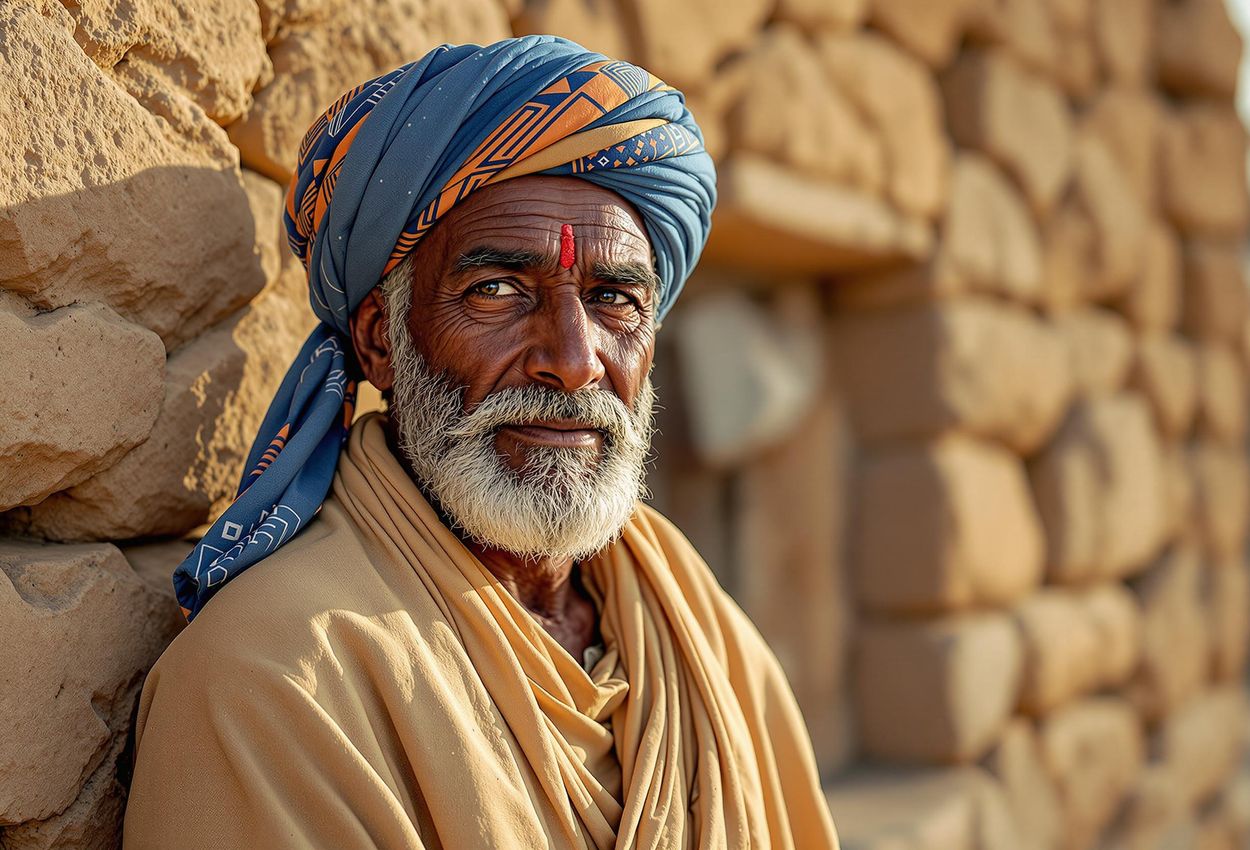
The Tibu people, also known as the Toubou, are the indigenous inhabitants of the Tibesti Mountains. Their nomadic lifestyle, their unique culture, and their resilience in the face of adversity are as captivating as the landscapes they inhabit.
The Tibu are traditionally nomadic pastoralists, relying on their livestock for sustenance and trade. They herd camels, goats, sheep, and donkeys, moving from one grazing area to another in search of water and forage.
Their traditional dwellings are simple but effective, constructed from readily available materials such as stone, mud, and animal hides. These portable shelters provide protection from the harsh desert climate.
Tibu society is clan-based, with each clan having its own territory and resources. The clans are fiercely independent, and their relationships with each other and with the Chadian government have often been complex and fraught with conflict.
The Tibu have a long and proud history as warriors, defending their territory and their way of life against invaders. Their knowledge of the desert terrain and their ability to survive in harsh conditions have made them formidable opponents.
Despite their reputation as warriors, the Tibu are also known for their hospitality and their strong sense of community. They are deeply connected to their land and their traditions, and they are proud of their unique cultural heritage.
Hidden Gem: Seek out an opportunity to share a traditional Tibu meal. Saharan cuisine is characterized by simple but flavorful dishes, often featuring ingredients such as dates, millet, goat meat, and camel milk. One might get the opportunity to try *La viande séchée* (dried meat), or *Taguella* a flat bread cooked in the sand. The flavors are unique and reflect the harsh environment in which the Tibu people live.
Cultural Sensitivity: When interacting with the Tibu people, it is essential to be respectful of their customs and traditions. Dress modestly, ask permission before taking photographs, and avoid discussing sensitive political or religious topics. Learning a few basic phrases in the Tebu language can also go a long way in building rapport.
The Tibesti Mountains offer a rare opportunity to experience a truly unique and authentic culture, one that has remained largely untouched by the modern world. By venturing into this remote and challenging region, you will not only witness stunning landscapes but also gain a deeper understanding of the human spirit and its ability to thrive in the face of adversity.
Our editors` picks of the latest and greatest in travel - delivered to your inbox daily
Relax on the beaches and explore the reefs of Xai-Xai.
View More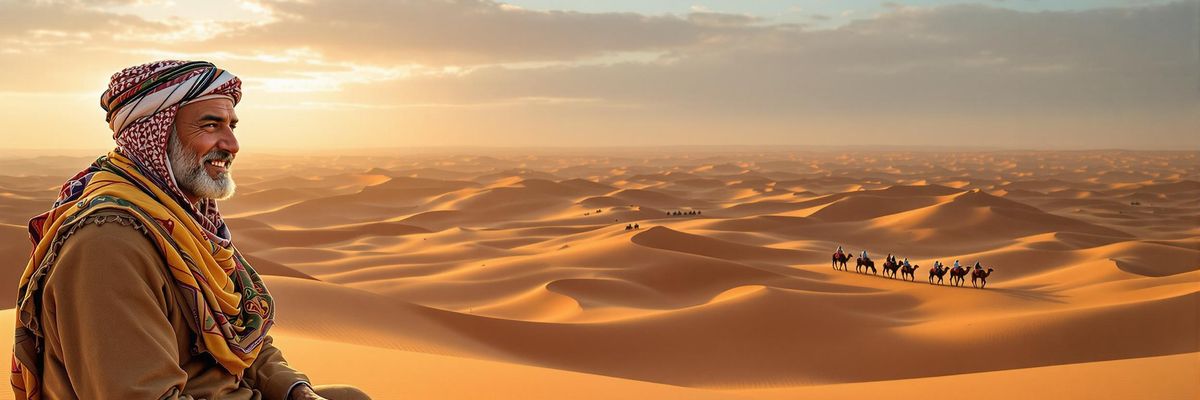
Embrace the cooler temperatures and experience the International Festival of the Sahara in Douz this December.
View More
Celebrate the year-end festivities in Accra, culminating in the vibrant Afrofuture festival.
View More Albania EDITION
 Algeria EDITION
 Argentina EDITION
 Armenia EDITION
 Australia EDITION
 Austria EDITION
 Bangladesh EDITION
 Belgium EDITION
 Belize EDITION
 Benin EDITION
 Bhutan EDITION
 Bolivia EDITION
 Bosnia and Herzegovina EDITION
 Botswana EDITION
 Brazil EDITION
 Bulgaria EDITION
 Burkina Faso EDITION
 Cambodia EDITION
 Cameroon EDITION
 Canada EDITION
 Central African Republic EDITION
 Chad EDITION
 Chile EDITION
 China EDITION
 Colombia EDITION
 Costa Rica EDITION
 Croatia EDITION
 Cyprus EDITION
 Denmark EDITION
 Djibouti EDITION
 Ecuador EDITION
 Egypt EDITION
 El Salvador EDITION
 Eritrea EDITION
 Estonia EDITION
 Ethiopia EDITION
 Finland EDITION
 France EDITION
 Gabon EDITION
 Georgia EDITION
 Germany EDITION
 Ghana EDITION
 Greece EDITION
 Guatemala EDITION
 Guinea EDITION
 Guinea-Bissau EDITION
 Honduras EDITION
 Hungary EDITION
 Iceland EDITION
 India EDITION
 Indonesia EDITION
 Ireland EDITION
 Israel EDITION
 Italy EDITION
 Jamaica EDITION
 Japan EDITION
 Jordan EDITION
 Kenya EDITION
 Kuwait EDITION
 Laos EDITION
 Latvia EDITION
 Lebanon EDITION
 Lesotho EDITION
 Liberia EDITION
 Lithuania EDITION
 Luxembourg EDITION
 Madagascar EDITION
 Malawi EDITION
 Malaysia EDITION
 Maldives EDITION
 Mali EDITION
 Malta EDITION
 Mauritania EDITION
 Mauritius EDITION
 Mexico EDITION
 Mongolia EDITION
 Montenegro EDITION
 Morocco EDITION
 Mozambique EDITION
 Namibia EDITION
 Nepal EDITION
 Netherlands EDITION
 New Zealand EDITION
 Nicaragua EDITION
 Niger EDITION
 Nigeria EDITION
 Norway EDITION
 Oman EDITION
 Pakistan EDITION
 Panama EDITION
 Papua New Guinea EDITION
 Paraguay EDITION
 Peru EDITION
 Philippines EDITION
 Poland EDITION
 Portugal EDITION
 Qatar EDITION
 Romania EDITION
 Rwanda EDITION
 Saudi Arabia EDITION
 Senegal EDITION
 Serbia EDITION
 Singapore EDITION
 Slovakia EDITION
 Slovenia EDITION
 Somalia EDITION
 South Africa EDITION
 South Korea EDITION
 Spain EDITION
 Sri Lanka EDITION
 Suriname EDITION
 Sweden EDITION
 Switzerland EDITION
 Tanzania EDITION
 Thailand EDITION
 Tunisia EDITION
 Uganda EDITION
 United Arab Emirates EDITION
 United Kingdom EDITION
 Uruguay EDITION
 Venezuela EDITION
 Vietnam EDITION
 Zambia EDITION
 Zimbabwe EDITION
Subscribe to our newsletter and get the most captivating travel stories, hidden gems, and expert insights delivered straight to your inbox. As a subscriber, you’ll be first in line for exclusive content, premium offers, and unforgettable travel experiences