



Destination Guide
Xai-Xai: A Coastal Retreat
Relax on the beaches and explore the reefs of Xai-Xai.
View More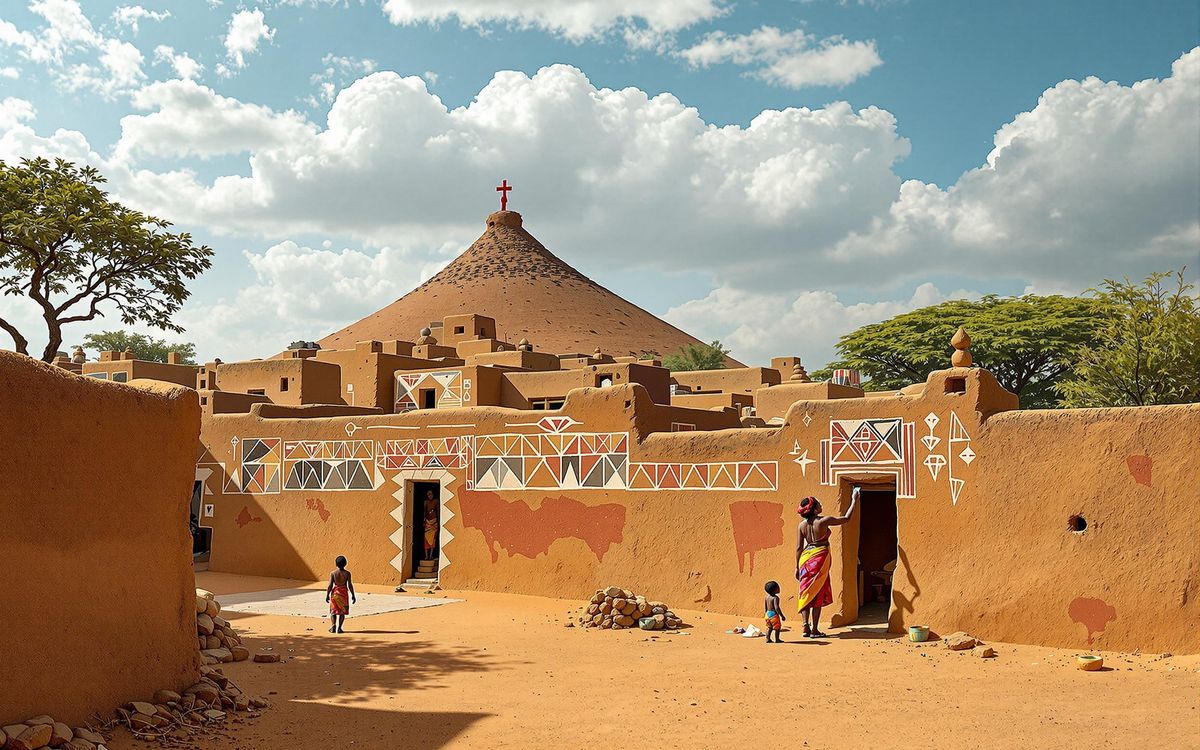

In the heart of Burkina Faso, near the Ghana border, lies Tiébélé, a village where art and architecture intertwine to create a living masterpiece. The Kassena people, one of West Africa's oldest ethnic groups, have called this place home since the 15th century, building and decorating mud houses that narrate their history, beliefs, and social structure.
Tiébélé is more than just a village; it's a testament to communal collaboration, cultural preservation, and artistic expression, inviting travelers to step into a world where every wall tells a story.
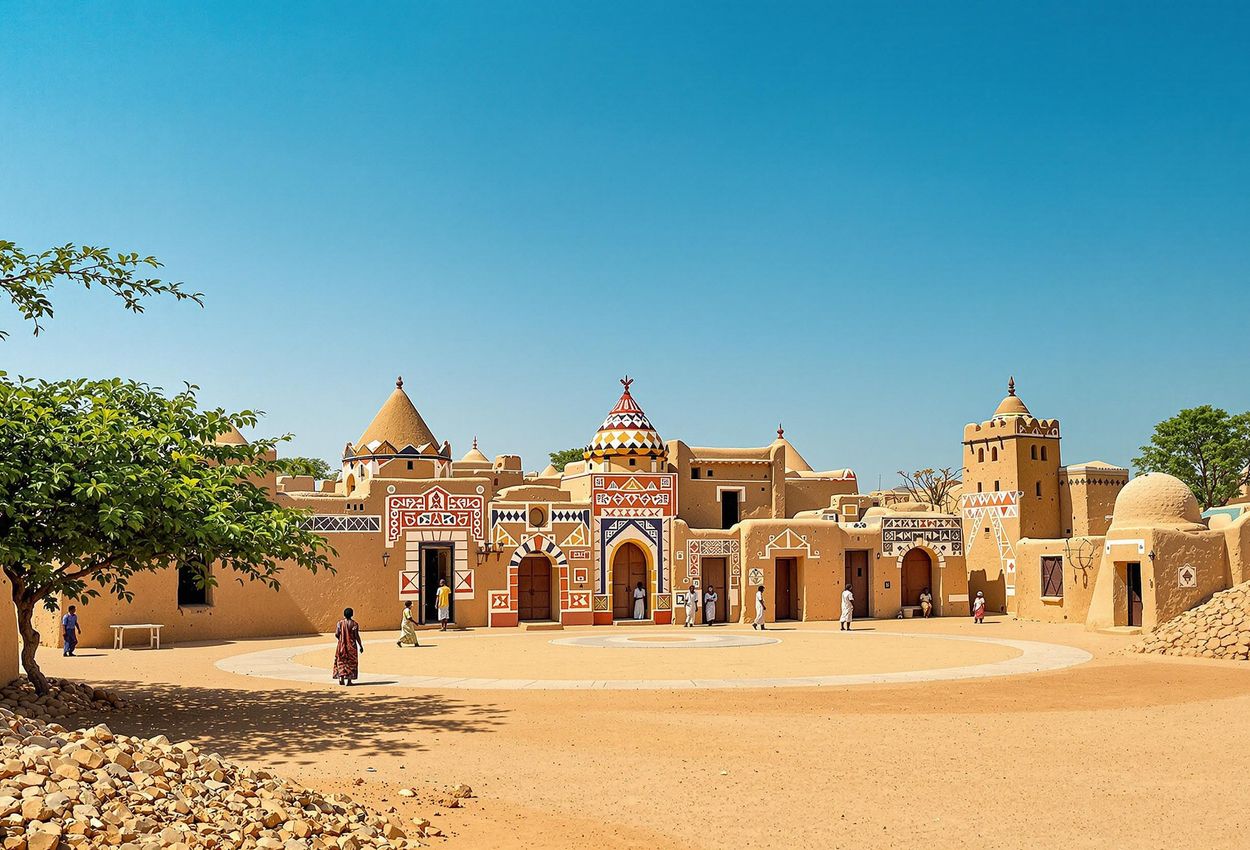
The journey to Tiébélé begins in Ouagadougou, the capital city of Burkina Faso. As you leave the bustling city behind, the landscape gradually transforms. The paved roads give way to dirt tracks, and the urban sprawl is replaced by vast savannahs dotted with baobab trees. The air becomes drier, carrying the scent of sun-baked earth and distant wood fires. This is the heart of Burkina Faso, where life moves at a slower pace, dictated by the rhythms of nature.
The anticipation builds as you approach Tiébélé, a village located in the Nahouri Province, near the border with Ghana. This region is the ancestral home of the Kassena people, an ethnic group with roots stretching back to the 15th century. Their kingdom, though ancient, remains vibrant, with Tiébélé serving as a living testament to their rich cultural heritage. The village's historical significance is palpable, offering a glimpse into a world where traditions are cherished and passed down through generations.
The Kassena people are known for their strong sense of community and their unique architectural style. They are primarily farmers, cultivating millet, sorghum, and other crops in the surrounding fields. Their lives are deeply intertwined with the land, and their traditions reflect a profound respect for nature and the spirits of their ancestors. As you approach Tiébélé, you'll notice the landscape dotted with granaries, small-scale businesses run by women, and other signs of daily life.
Reaching Tiébélé feels like stepping back in time. The village's circular layout, surrounded by a protective wall, creates a sense of enclosure and intimacy. The mud houses, known as *sukhala*, stand close together, their walls adorned with intricate geometric patterns and symbols. The air is filled with the sounds of children playing, women grinding grain, and the rhythmic beat of drums, creating a vibrant and immersive atmosphere. It is here, in this remote corner of Burkina Faso, that the art and architecture of the Kassena people come to life, offering a unique and unforgettable travel experience.
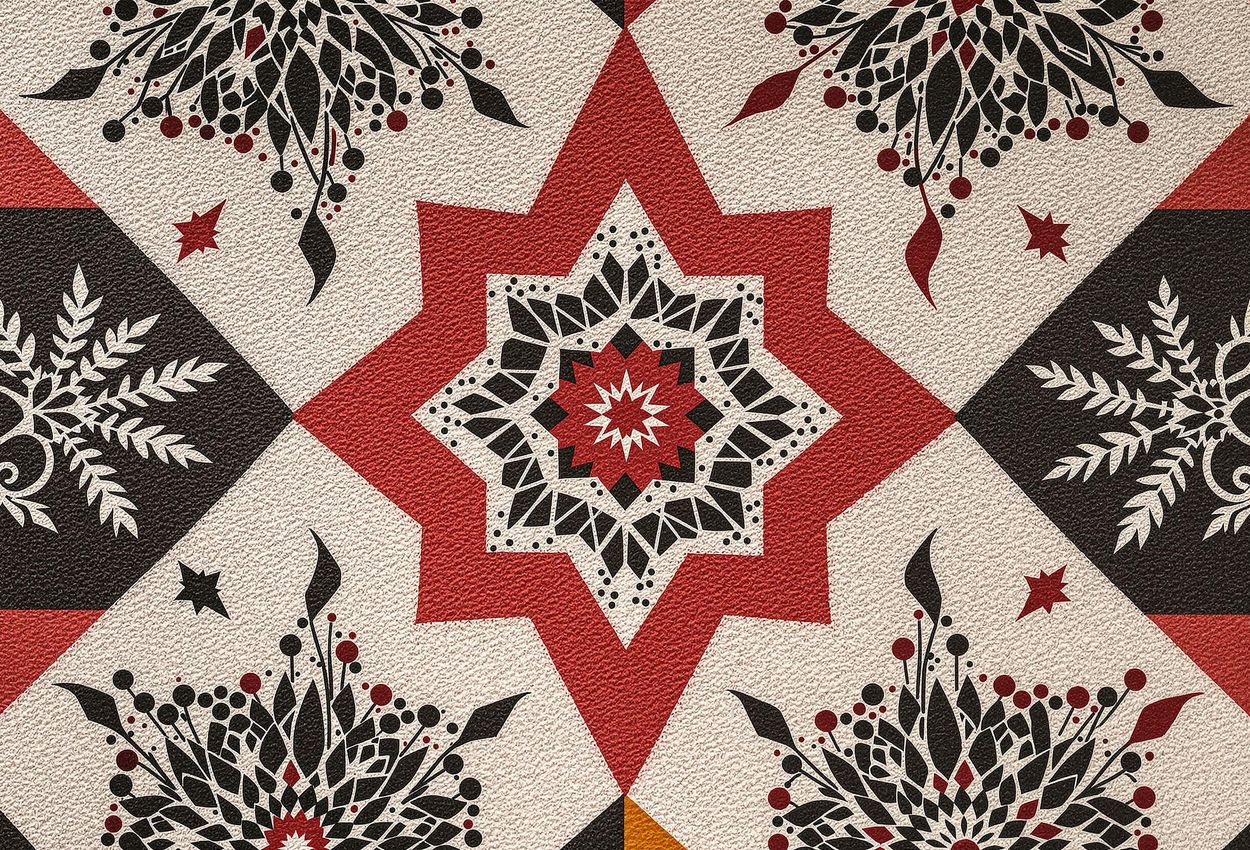
The architecture of Tiébélé is as striking as it is unique. The mud houses, or *sukhala*, are built by the men of the village using local materials: earth, wood, straw, and cow dung. These materials are mixed to create a malleable substance that is then shaped into walls, often exceeding a foot in thickness. The thick walls provide insulation, keeping the interiors cool during the hot days and warm during the cool nights. The houses are built without windows, except for a few small openings that let in just enough light. This design is both practical and defensive, protecting the inhabitants from the harsh climate and potential enemies. The entrances are also notably small, sometimes only two feet tall, requiring visitors to stoop low to enter.
However, it is the women who transform these simple structures into works of art. Using natural pigments, they decorate the walls with intricate geometric and symbolic patterns. The paint is composed of dirt, chalk, and clay, mixed with water to create a smooth, workable paste. The colors are derived from the earth itself: red from laterite soil, white from chalk, and black from basalt. The women apply the paint with practiced hands, creating designs that have been passed down through generations.
Each color and symbol carries a specific meaning. Red represents courage and strength, white symbolizes purity and peace, and black embodies the ancestors and the spiritual world. Common symbols include stars and moons, representing hope and guidance; arrows, indicating a warrior's home; and animals, such as crocodiles and snakes, which are considered sacred and believed to ward off bad luck and disease. Simple geometric shapes, like semi-circles, often represent everyday objects like calabashes.
The process of decorating the houses is a communal affair, with women working together to prepare the walls, apply the paint, and polish the finished surface. After painting, the walls are carefully polished with stones, each color burnished separately to prevent blurring. Finally, the entire surface is coated with a lacquer made from a local plant, the African locust bean tree, which provides a clear, transparent, and hard protective coating. This lacquer protects the walls from the rain, ensuring that the designs last for many years.
Hidden Gem: Keep an eye out for geckos adorning the walls of new homes. These small reptiles are considered a blessing, symbolizing good luck and prosperity for the new inhabitants. Their presence is a sign that the house is blessed and will bring happiness to its occupants.

At the heart of Tiébélé lies the Royal Court (*Cour Royale*), a 1.2-hectare compound that serves as the residence of the chief (*Pê*) and the center of social and spiritual life. This area is more than just a home; it's a microcosm of Kassena society, reflecting their values, beliefs, and social structure. Enclosed by a protective wall, the Royal Court is a complex of buildings arranged in distinct concessions, each reflecting the status of its inhabitants.
The Royal Court is comprised of different types of houses, each with its own social function. Rectangular houses (*Mangol*) are typically inhabited by young couples, while round huts (*Draa*) are reserved for single people. Eight-shaped houses are for elders and grandchildren. These distinctions reflect the Kassena emphasis on family and community, with each member having a specific role and place within the social structure.
The chief (*Pê*) holds a position of great authority within Kassena society. He is responsible for maintaining order, resolving disputes, and ensuring the well-being of his people. His residence within the Royal Court is often the largest and most elaborately decorated, reflecting his status and power. The Royal Court also includes ceremonial spaces where important decisions are made and community gatherings are held.
The construction and decoration of houses in the Royal Court, like elsewhere in Tiébélé, is a communal effort. Men build the structures, while women decorate the walls. This division of labor reflects the traditional roles within Kassena society. The process is not only a practical necessity but also a cultural ritual, reinforcing social bonds and transmitting knowledge across generations. The oldest woman in the community usually leads the work and defines the decoration patterns, while the other women carry out the tasks with mastery of traditional gestures and unique coordination.
Visiting the Royal Court offers a unique glimpse into the heart of Kassena society. It's a place where traditions are alive and well, where the past informs the present, and where the community comes together to celebrate their shared heritage. The Royal Court of Tiébélé was inscribed on the UNESCO World Heritage List in July 2024.
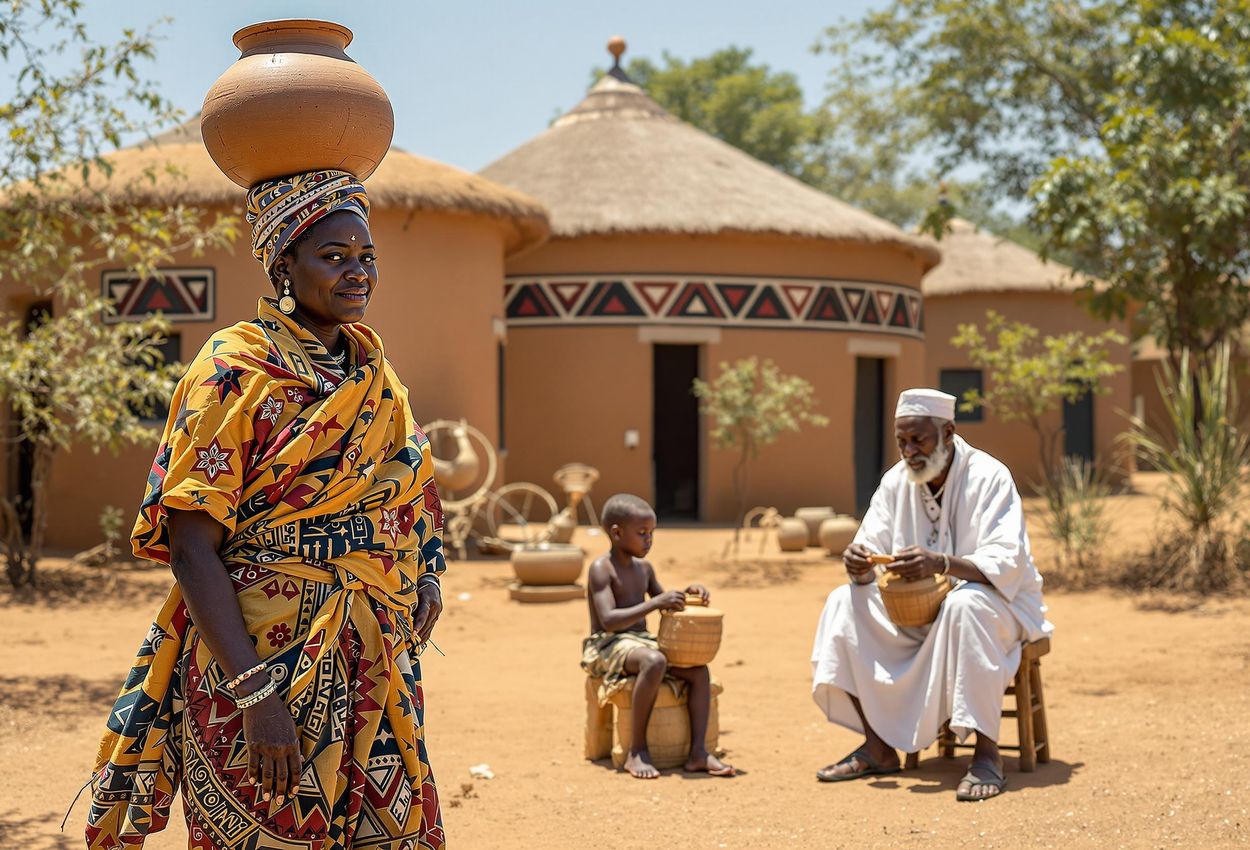
Daily life in Tiébélé is deeply rooted in tradition and community. The Kassena people are primarily agriculturalists, cultivating millet, sorghum, and other crops in the surrounding fields. Agriculture is not just a means of sustenance but also a way of life, with the rhythms of the farming season dictating the pace of daily activities.
Women play a vital role in the local economy, engaging in small-scale businesses such as brewing *pito* (a local beer), processing *daadawa* (a fermented bean product), and extracting shea butter. These activities provide income for their families and contribute to the overall economic well-being of the community.
Traditions, festivals, and ceremonies are essential for maintaining the Kassena cultural identity. These events provide opportunities for the community to come together, celebrate their heritage, and pass down their customs to the next generation. The Fao Festival, celebrated by the sons and daughters of the Kassena-Nankana of Navrongo, is a major thanksgiving event that marks the end of the harvest season. It is a time to express gratitude to God and the ancestors for their provision of adequate rains and good health throughout the cropping season.
For visitors to Tiébélé, it is essential to respect local customs and traditions. Arranging a visit through a local guide is highly recommended, as they can provide valuable insights into the culture and ensure that you are following proper etiquette. Dress modestly, and always ask for permission before taking photographs, especially of people. It's also important to be mindful of the local customs regarding dress code, as certain colors or items of clothing may be reserved for specific groups or occasions.
By respecting local customs and engaging with the community in a meaningful way, visitors can gain a deeper understanding of the Kassena culture and contribute to the preservation of their unique heritage.
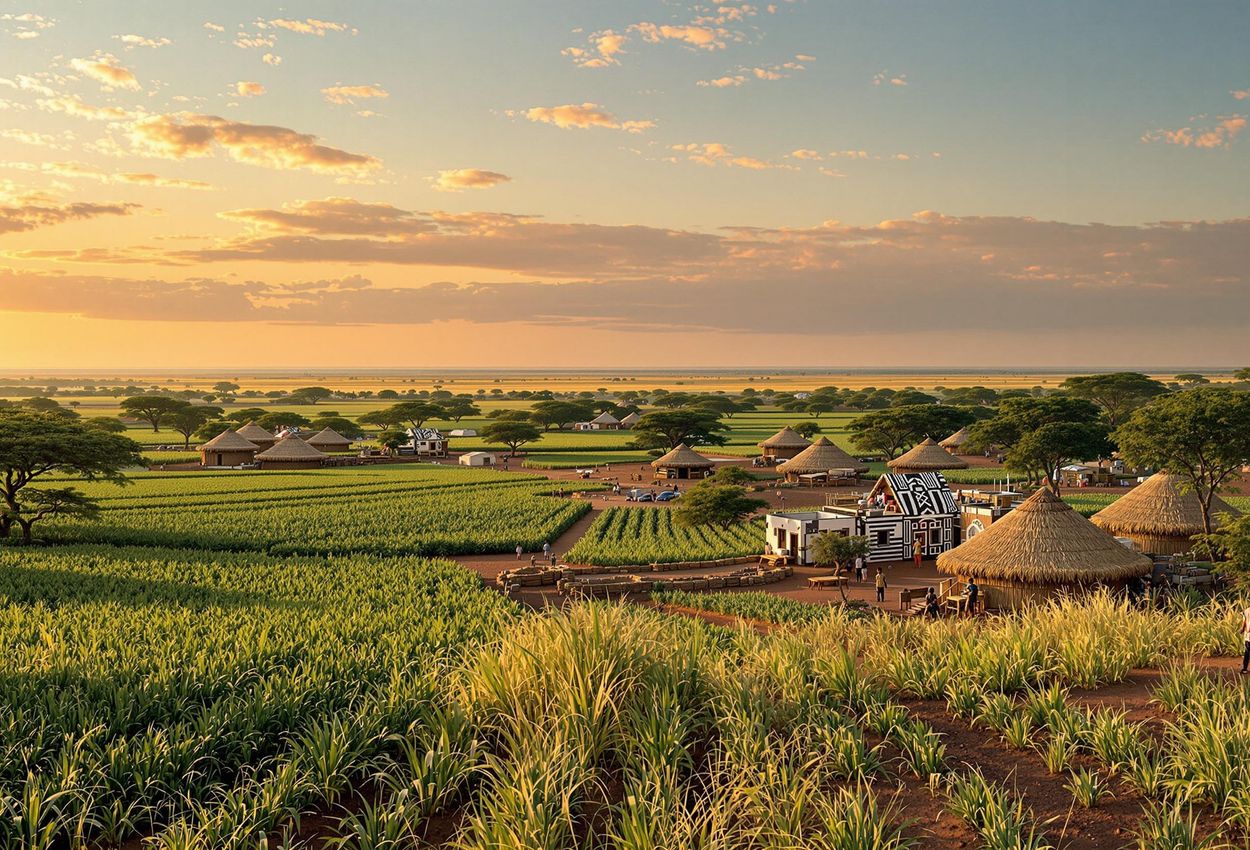
Tiébélé faces numerous challenges in preserving its unique cultural heritage in the face of modernization. The allure of modern materials and construction techniques threatens the traditional methods that have defined the village for centuries. Economic pressures also lead some residents to seek opportunities elsewhere, potentially leading to a loss of cultural knowledge and skills.
However, the village's recent inscription on the UNESCO World Heritage List in July 2024 offers a glimmer of hope. This recognition not only raises awareness of Tiébélé's cultural significance but also provides access to resources and support for its preservation. The designation can help to promote sustainable tourism, which can generate income for the community while also encouraging the preservation of their traditions.
The women painters of Tiébélé occasionally hold festivals to showcase their art and promote their cultural heritage. These events attract visitors from near and far, providing a platform for the women to share their knowledge and skills with others. They also serve as a reminder of the importance of preserving traditional art forms in the face of globalization.
Tiébélé stands as a model for communal collaboration and its unique architecture has inspired modern architects, fashion designers, and artists. The village's story is a testament to the power of community, the importance of cultural preservation, and the enduring legacy of art and architecture. As Tiébélé navigates the challenges of the 21st century, its commitment to its traditions ensures that its unique cultural heritage will continue to inspire and enchant for generations to come.
By visiting Tiébélé, travelers can not only experience the beauty of its art and architecture but also contribute to the preservation of its cultural heritage. It's a journey that offers a glimpse into a world where traditions are cherished, communities are strong, and art is a way of life.
Our editors` picks of the latest and greatest in travel - delivered to your inbox daily
Relax on the beaches and explore the reefs of Xai-Xai.
View More
Embrace the cooler temperatures and experience the International Festival of the Sahara in Douz this December.
View More
Celebrate the year-end festivities in Accra, culminating in the vibrant Afrofuture festival.
View More Albania EDITION
 Algeria EDITION
 Argentina EDITION
 Armenia EDITION
 Australia EDITION
 Austria EDITION
 Bangladesh EDITION
 Belgium EDITION
 Belize EDITION
 Benin EDITION
 Bhutan EDITION
 Bolivia EDITION
 Bosnia and Herzegovina EDITION
 Botswana EDITION
 Brazil EDITION
 Bulgaria EDITION
 Burkina Faso EDITION
 Cambodia EDITION
 Cameroon EDITION
 Canada EDITION
 Central African Republic EDITION
 Chad EDITION
 Chile EDITION
 China EDITION
 Colombia EDITION
 Costa Rica EDITION
 Croatia EDITION
 Cyprus EDITION
 Denmark EDITION
 Djibouti EDITION
 Ecuador EDITION
 Egypt EDITION
 El Salvador EDITION
 Eritrea EDITION
 Estonia EDITION
 Ethiopia EDITION
 Finland EDITION
 France EDITION
 Gabon EDITION
 Georgia EDITION
 Germany EDITION
 Ghana EDITION
 Greece EDITION
 Guatemala EDITION
 Guinea EDITION
 Guinea-Bissau EDITION
 Honduras EDITION
 Hungary EDITION
 Iceland EDITION
 India EDITION
 Indonesia EDITION
 Ireland EDITION
 Israel EDITION
 Italy EDITION
 Jamaica EDITION
 Japan EDITION
 Jordan EDITION
 Kenya EDITION
 Kuwait EDITION
 Laos EDITION
 Latvia EDITION
 Lebanon EDITION
 Lesotho EDITION
 Liberia EDITION
 Lithuania EDITION
 Luxembourg EDITION
 Madagascar EDITION
 Malawi EDITION
 Malaysia EDITION
 Maldives EDITION
 Mali EDITION
 Malta EDITION
 Mauritania EDITION
 Mauritius EDITION
 Mexico EDITION
 Mongolia EDITION
 Montenegro EDITION
 Morocco EDITION
 Mozambique EDITION
 Namibia EDITION
 Nepal EDITION
 Netherlands EDITION
 New Zealand EDITION
 Nicaragua EDITION
 Niger EDITION
 Nigeria EDITION
 Norway EDITION
 Oman EDITION
 Pakistan EDITION
 Panama EDITION
 Papua New Guinea EDITION
 Paraguay EDITION
 Peru EDITION
 Philippines EDITION
 Poland EDITION
 Portugal EDITION
 Qatar EDITION
 Romania EDITION
 Rwanda EDITION
 Saudi Arabia EDITION
 Senegal EDITION
 Serbia EDITION
 Singapore EDITION
 Slovakia EDITION
 Slovenia EDITION
 Somalia EDITION
 South Africa EDITION
 South Korea EDITION
 Spain EDITION
 Sri Lanka EDITION
 Suriname EDITION
 Sweden EDITION
 Switzerland EDITION
 Tanzania EDITION
 Thailand EDITION
 Tunisia EDITION
 Uganda EDITION
 United Arab Emirates EDITION
 United Kingdom EDITION
 Uruguay EDITION
 Venezuela EDITION
 Vietnam EDITION
 Zambia EDITION
 Zimbabwe EDITION
Subscribe to our newsletter and get the most captivating travel stories, hidden gems, and expert insights delivered straight to your inbox. As a subscriber, you’ll be first in line for exclusive content, premium offers, and unforgettable travel experiences